

Matching-adjusted indirect comparison of fruquintinib versus ramucirumab in advanced gastric or gastroesophageal junction adenocarcinoma
Publication: Journal of Comparative Effectiveness Research
Abstract
Aim: Fruquintinib (Fruq), a selective VEGFR 1/2/3 inhibitor, showed a significant progression-free survival (PFS) benefit in the Phase III FRUTIGA trial for advanced gastric/gastroesophageal junction (G/GEJ) adenocarcinoma. Ramucirumab (RAM), an anti-VEGFR2 antibody, demonstrated efficacy in the RAINBOW-Asia trial. This anchored matching-adjusted indirect comparison (MAIC) evaluated Fruq plus paclitaxel versus RAM plus paclitaxel as second-line therapy for G/GEJ adenocarcinoma in the absence of head-to-head trials. Materials & methods: Data from individual patients in the FRUTIGA study (N = 703) and aggregated data from the RAINBOW-Asia study (N = 440) were analyzed. Baseline characteristics were balanced using entropy balancing. The placebo plus paclitaxel (PBO + PTX) groups served as the common comparators. The primary outcome was PFS; secondary outcomes included overall survival, objective response rate (ORR) and disease control rate (DCR). Rates of treatment-emergent adverse events (TEAEs) were also compared as an exploratory outcome using an adjusted indirect risk difference. Sensitivity analyses included restricted mean survival time and simulated treatment comparison. Results: After weighting (effective sample size = 564), baseline covariates were balanced. The anchored MAIC demonstrated that Fruq + PTX significantly improved PFS compared with RAM + PTX (HR: 0.70; 95% CI: 0.51–0.96; p = 0.0280), corresponding to a 30% reduction in progression risk, with a significant restricted mean survival time benefit of 1.18 months at 20 months (95% CI: 0.08–2.27; p = 0.024). Fruq achieved significantly higher ORR (OR: 1.76, 95% CI: 1.16–2.68; p = 0.008) and DCR (OR: 1.94, 95% CI: 1.33–2.83; p < 0.001). Overall survival was similar (0.97; 95% CI: 0.73–1.30; p = 0.8640). Subgroup analyses showed PFS benefits with Fruq in patients with ECOG PS 1, peritoneal metastases and two or fewer metastatic sites. In sensitivity analysis, the simulated treatment comparison also suggested a PFS benefit for Fruq + PTX (HR: 0.40, 95% CI: 0.32–0.50; p < 0.0001). For any-grade TEAEs, the indirect comparison showed higher adjusted relative incidences of increased bilirubin with Fruq + PTX than with RAM + PTX (RD: 12.3%; 95% CI: 2.3–22.4%, p < 0.05) and of hypokalemia (RD: 9.0%; 95% CI: 1.5–16.4%, p < 0.05). For grade ≥3 TEAEs, the adjusted relative incidence of decreased body weight was higher with Fruq + PTX than with RAM + PTX (RD: 2.9%; 95% CI: 0.6–5.2%, p < 0.05). The adjusted relative incidences of increased AST, ALT and hypocalcemia were numerically lower in the fruquintinib group than in the RAM group. Conclusion: This MAIC indicates that Fruq + PTX may be more effective than RAM + PTX in second-line advanced G/GEJ adenocarcinoma, with potentially improved PFS, ORR and DCR, and similar overall survival. Safety analyses suggested generally comparable safety profiles across the two regimens. Fruq + PTX remains a valuable treatment option, offering important comparative evidence for clinical and health technology assessment decisions.
Trial Registration: Clinicaltrials.gov identifiers: NCT07144995.
Plain language summary
Why was this study done?
Advanced gastric cancer worsens after first-line chemotherapy fails, making second-line treatment essential. Although ramucirumab (RAM) in combination with paclitaxel is an approved standard of care, and fruquintinib in combination with paclitaxel has yielded positive outcomes in a Phase III trial, no direct comparison trial has been conducted. This study aims to guide treatment choices.
What did the researchers do?
We used a matching-adjusted indirect comparison, a statistical method that adjusts for differences in patient characteristics to enable a fair comparison of treatments in the absence of a head-to-head trial. We used individual patient data from the FRUTIGA trial (fruquintinib plus paclitaxel) and published summary data from the RAINBOW-Asia trial (RAM plus paclitaxel), with the placebo groups serving as a common reference. As an exploratory analysis, we also compared the safety profiles of the two treatments.
What did the researchers find?
After matching patients' baseline characteristics:
•
Fruquintinib plus paclitaxel significantly improved progression-free survival compared with RAM plus paclitaxel, reducing the risk of cancer progression by 30%.
•
Tumor response was significantly better with fruquintinib plus paclitaxel, with more patients experiencing tumor shrinkage or stabilization.
•
Overall survival was similar between the two treatment groups.
•
Certain patient groups – such as those with slightly reduced general health (ECOG PS 1), cancer spread to the abdominal lining (peritoneal metastases), or fewer sites of metastasis – may derive greater benefit from fruquintinib plus paclitaxel in delaying cancer progression.
•
Additional sensitivity analyses consistently supported the progression-free survival benefit of fruquintinib plus paclitaxel.
•
In an exploratory safety comparison, the overall safety profiles of the two treatments were generally similar and manageable.
What do the findings mean?
This analysis suggests that for patients with advanced gastric cancer requiring second-line treatment, fruquintinib combined with paclitaxel may be more effective than RAM with paclitaxel in delaying disease progression, controlling tumors and achieving similar overall survival, with a comparable safety profile. These findings provide valuable comparative evidence to inform clinical decisions but should be validated in future head-to-head trials.
Gastric cancer, particularly adenocarcinoma of the stomach and gastroesophageal junction (G/GEJ), remains a significant global health issue, with approximately 968,000 new cases and nearly 660,000 deaths worldwide in 2022 [1]. Eastern Asia bears the highest burden, and China alone accounts for approximately 44% of global cases and 49% of deaths [2]. Most patients in China are diagnosed at an advanced stage, and the prognosis remains poor despite systemic therapy, underscoring a critical unmet need for more effective treatment options [3,4].
Anti-angiogenic agents targeting the vascular endothelial growth factor (VEGF) pathway have been options for second-line treatment of advanced G/GEJ adenocarcinoma. Ramucirumab (RAM), a monoclonal antibody targeting vascular endothelial growth factor receptor 2 (VEGFR2), combined with paclitaxel (PTX), has become a standard of care based on the global RAINBOW trial and the Asian RAINBOW-Asia trial [5,6]. These studies showed a consistent and significant improvement in progression-free survival (PFS) compared with placebo plus paclitaxel (PBO + PTX). Recently, fruquintinib (Fruq), an oral small-molecule inhibitor of VEGFR-1, -2 and -3, has emerged as a promising treatment option. The Phase III FRUTIGA trial conducted in China showed that Fruq plus paclitaxel (Fruq + PTX) significantly improved PFS compared with PBO + PTX in patients with advanced G/GEJ adenocarcinoma who had progressed after first-line chemotherapy [7]. The mechanisms of the two agents differ fundamentally: RAM is an antibody that blocks ligand binding to VEGFR2, while Fruq is a tyrosine kinase inhibitor that potently inhibits intracellular signaling from multiple VEGFRs [7,8].
Despite these advances, the absence of head-to-head randomized controlled trials comparing Fruq and RAM leaves clinicians without evidence to guide treatment choices [9,10]. In the absence of direct comparative data, the matching-adjusted indirect comparison (MAIC) provides a reliable methodological framework for estimating relative treatment effects while adjusting for cross-trial differences in baseline characteristics [11,12]. The anchored MAIC approach, which employs a common comparator (PBO + PTX in both trials), enhances the validity of the comparison by accounting for potential effect modifiers [13].
Therefore, using individual patient data (IPD) from the FRUTIGA trial and aggregate data (AgD) from the RAINBOW-Asia trial, we conducted an anchored MAIC to compare the efficacy of Fruq + PTX versus RAM plus paclitaxel (RAM + PTX) as second-line treatments for advanced G/GEJ adenocarcinoma.
Materials & methods
Patients & treatments
This anchored MAIC used IPD from the FRUTIGA trial (NCT03223376), a randomized, double-blind, placebo-controlled Phase III study comparing Fruq + PTX with PBO + PTX in patients with advanced gastric or gastroesophageal junction (G/GEJ) adenocarcinoma who progressed after first-line chemotherapy [7]. AgD were obtained from the RAINBOW-Asia trial (NCT02898077), which compared RAM + PTX with PBO + PTX in a similar patient population [6]. The mainly Asian enrollment in both trials enhanced the comparability.
Eligible patients were adults with histologically confirmed advanced G/GEJ adenocarcinoma, an Eastern Cooperative Oncology Group performance status (ECOG PS) of 0 or 1. They documented disease progression after first-line fluoropyrimidine- and platinum-based chemotherapy. Key exclusion criteria included significant bleeding risk, uncontrolled hypertension, and untreated central nervous system metastases.
Survival outcomes
The primary efficacy outcome in both trials was progression-free survival (PFS), assessed by RECIST v1.1. Secondary outcomes included overall survival (OS), objective response rate (ORR) and disease control rate (DCR). Hazard ratios (HRs) for time-to-event outcomes (PFS and OS) were estimated using adjusted Cox proportional hazards models. Odds ratios (ORs) for binary end points (ORR and DCR) were calculated from adjusted logistic regression models.
Safety outcomes
For the FRUTIGA trial, IPD were used to calculate entropy-balanced, weighted event rates for TEAEs of interest (any grade and grade ≥3). For the RAINBOW-Asia trial, aggregate TEAE data were extracted from the published safety population [6]. In RAINBOW-Asia, TEAEs occurring in at least 10% of patients in the RAM + PTX group, irrespective of causality, were reported. The risk difference (RD), which better accounts for AEs that did not occur in one of the trial arms than the odds ratio or risk ratio, was calculated as the difference in event rates between the active treatment and placebo within each trial. Indirect RDs were then derived using the Bucher method.
Statistical analyses
Compatibility assessment
A compatibility assessment was performed to evaluate the feasibility of conducting the MAIC by reviewing the trial designs, patient populations, and outcome measures of the FRUTIGA and RAINBOW-Asia trials.
Matching-adjusted indirect comparison
Following the compatibility assessment, an anchored MAIC was performed using the PBO + PTX groups from both trials as common comparators, in line with established methods [11–14]. Entropy balancing was used to assign weights to the IPD from the FRUTIGA trial, balancing differences in baseline characteristics against the aggregated baseline data reported for the RAINBOW-Asia trial. Baseline characteristics used for matching included: age, sex, ECOG performance status, primary tumor location, presence of peritoneal metastases, number of metastatic sites and prior chemotherapy regimen. The effective sample size (ESS) after weighting was calculated as (∑wi)2/(∑wi2), where wi represents the weight for the ith patient, to reflect the precision maintained after adjustment.
The obtained weights were used to calculate adjusted outcomes. The relative treatment effect of Fruq + PTX versus PBO + PTX for PFS and OS was quantified as an adjusted HR with a 95% CI derived from a weighted Cox regression. Relative treatment effects for PFS or OS were estimated from reconstructed IPDs using Cox regression. Indirect HRs for PFS and OS were then calculated using the Bucher method.
Sensitivity analysis
To account for potential nonproportional hazards and validate the primary findings, a restricted mean survival time (RMST) analysis was conducted at 20 months for PFS. Additionally, a simulated treatment comparison (STC) was performed as a supplementary sensitivity analysis. All statistical analyses were conducted in R (version 4.5.0) using relevant packages.
Results
Compatibility assessment
Study designs
The FRUTIGA and RAINBOW-Asia trials were similar in design, both being randomized, double-blind, placebo-controlled Phase III studies involving patients with advanced G/GEJ adenocarcinoma who progressed after first-line chemotherapy. Both trials used RECIST v1.1 for efficacy assessment and had comparable primary end points (PFS and OS; dual primary end points for FRUTIGA; and co-primary end points for Rainbow-Asia) and secondary end points (ORR, DCR and TEAEs). The studies primarily enrolled Asian populations, thereby improving regional comparability.
Patient characteristics
Available baseline variables in RAINBOW-Asia (AgD) and FRUTIGA (IPD) were summarized in Supplementary Table 1. Before and after matching, baseline characteristics of patients from the FRUTIGA and RAINBOW-Asia trials are summarized in Table 1. After entropy balancing, all baseline covariates were well balanced between the adjusted FRUTIGA population and the RAINBOW-Asia population, with standardized mean differences below 0.1 for all adjusted variables. The ESS for the Fruq + PTX group was 287 (from an original 351), and for the PBO + PTX group was 277 (from 352), indicating acceptable retention of statistical power after weighting. Rescaled weights ranged from 0.26–3.1 for the Fruq + PTX arm (median, 0.99), and from 0.32–4.48 for the PBO + PTX arm (median, 1.03). The histogram of weight distribution is shown in Figure 1.
| Variable | FRUTIGA | RAINBOW-Asia | ||||
|---|---|---|---|---|---|---|
| Fruq + PTX (N = 351) | Fruq + PTX matched (ESS = 287) | PBO + PTX (N = 352) | PBO + PTX matched (ESS = 277) | RAM + PTX (N = 294) | PBO + PTX (N = 146) | |
| Age <65 years, % | 75.2 | 77.0 | 70.2 | 77.0 | 77.0 | 77.0 |
| Male, % | 70.9 | 70.0 | 68.2 | 66.0 | 70.0 | 66.0 |
| ECOG PS = 0, % | 14.8 | 22.0 | 14.8 | 21.0 | 22.0 | 21.0 |
| GEJ primary, % | 17.1 | 12.0 | 17.0 | 15.0 | 12.0 | 15.0 |
| Peritoneal metastasis, % | 31.3 | 35.0 | 29.5 | 34.0 | 35.0 | 34.0 |
| ≥3 metastatic sites, % | 33.9 | 21.0 | 34.7 | 23.0 | 21.0 | 23.0 |
| Prior chemotherapy, doublet | 98.0 | 97.0 | 98.6 | 95.0 | 97.0 | 95.0 |
Bold numbers indicate matched baseline characteristics after entropy balancing.
ECOG PS: Eastern Cooperative Oncology Group performance status; ESS: Effective sample size; Fruq + PTX: Fruquintinib plus paclitaxel; GEJ: Gastric/Gastroesophageal junction; PBO + PTX: Placebo plus paclitaxel; RAM + PTX: Ramucirumab plus paclitaxel. Bold numbers indicate matched baseline characteristics after entropy balancing.
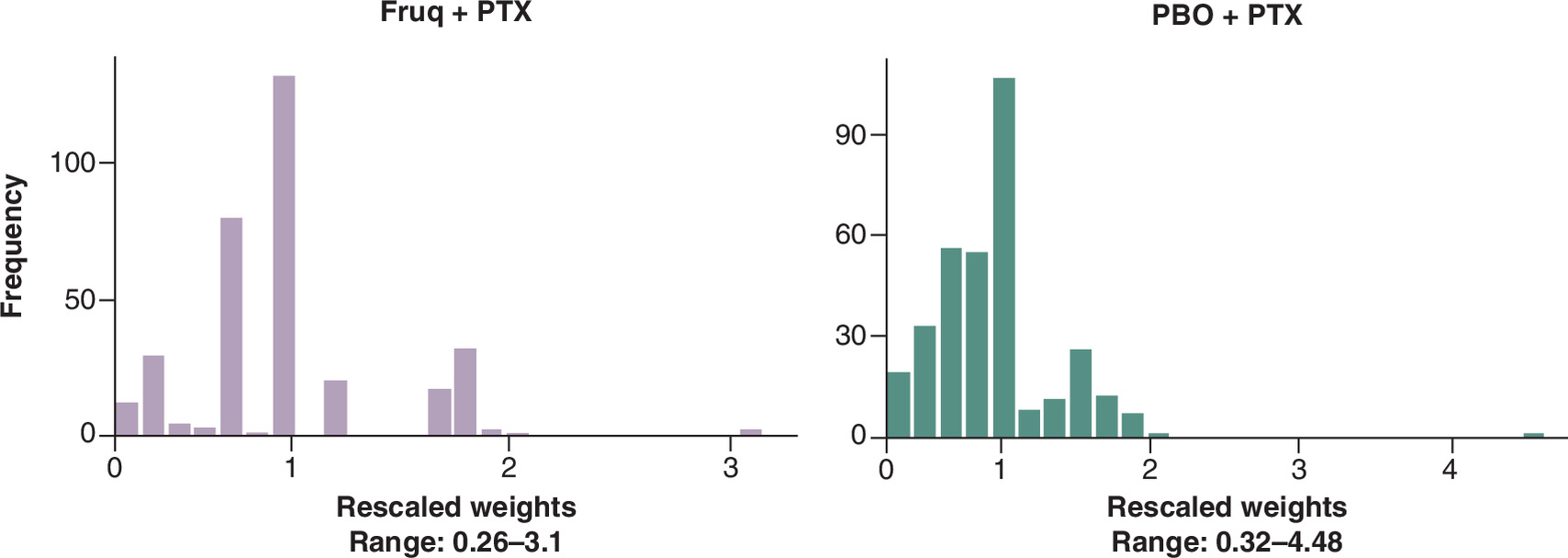
Figure 1. Distribution of weights for patients in the FRUTIGA trial in the Fruq + PTX and PBO + PTX arms.
Fruq + PTX: Fruquintinib plus paclitaxel; PBO + PTX: Placebo plus paclitaxel; RAM + PTX: Ramucirumab plus paclitaxel.
Efficacy
Overview of the FRUTIGA & RAINBOW-Asia trials
The FRUTIGA trial included 703 patients (351 in the Fruq + PTX group and 352 in the PBO + PTX group), while the RAINBOW-Asia trial included 440 patients (294 in the RAM plus paclitaxel group and 146 in the PBO + PTX group). The inclusion and exclusion criteria were generally similar across both trials. The unadjusted (original) PFS aligned with the published FRUTIGA trial results [7] (Figure 2A). The median PFS was 5.6 (95% CI: 4.6–6.4) months in the Fruq + PTX group versus 2.7 (95% CI: 2.7–3.5) months in the PBO + PTX group (HR: 0.57; 95% CI: 0.48–0.68; p < 0.0001). The reconstructed RAINBOW-Asia PFS (Figure 2B) closely matched the published findings. The median PFS was 4.14 (95% CI: 3.45–4.64) months in the RAM + PTX group versus 3.15 (95% CI: 3.01–4.26) months in the PBO + PTX group (HR: 0.76; 95% CI: 0.59–0.96; p = 0.0226), and the median OS was 8.72 (95% CI: 8.19–9.49) months in the RAM + PTX group versus 7.98 (95% CI: 6.75–9.41) months in the PBO + PTX group (HR: 0.96; 95% CI: 0.77–1.20; p = 0.7426). The reconstructed PFS and OS curves closely matched the published findings in Rainbow-Asia [6].
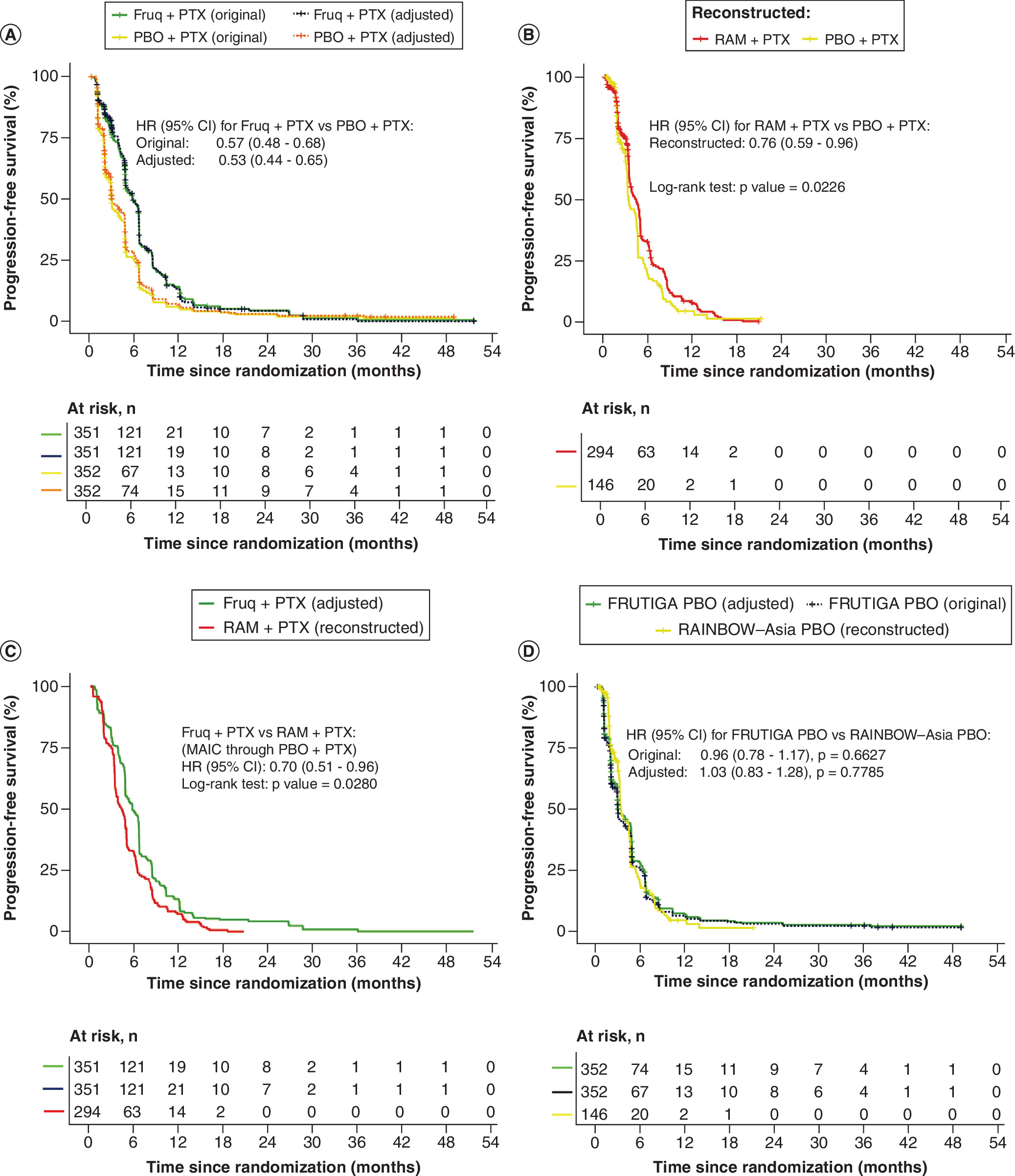
Figure 2. Kaplan–Meier curves for progression-free survival.
(A) Adjusted FRUTIGA trial population (Fruq + PTX vs PBO + PTX). (B) RAINBOW-Asia trial population (RAM + PTX vs PBO + PTX); curves are reconstructed from published aggregate data. (C) An arm-to-arm comparison of PFS: Adjusted Fruq + PTX versus reconstructed RAM + PTX PFS. (D) PFS curve for PBO + PTX groups in the two trials as observed and after matching on all variables.
HR: Hazard ratio; PFS: Progression-free survival.
The direct comparison of the adjusted FRUTIGA placebo curve with the reconstructed RAINBOW-Asia placebo curve showed no significant difference in PFS (HR: 1.03; 95% CI: 0.83–1.28; p = 0.7785), supporting the validity of the PBO + PTX arms as common comparators for the anchored MAIC (Figure 2D). However, there was a statistically significant imbalance in OS (HR: 0.71; 95% CI: 0.58–0.88; p = 0.0013) (Supplementary Figure 1D).
Survival outcomes
Kaplan–Meier curves for PFS and OS in the matching-adjusted FRUTIGA trial population, and the reconstructed RAINBOW-Asia trial population are shown in Figure 2A & B & Supplementary Figure 1A & B. Results of the anchored MAIC showed that Fruq + PTX was associated with a statistically significant improvement in PFS compared with RAM + PTX (HR: 0.70; 95% CI: 0.51–0.96; p = 0.0280) (Figure 2C & Table 2), corresponding to a 30% reduction in the risk of progression. The RMST analysis at 20 months further supported this benefit, with a significant difference of 1.18 months (95% CI: 0.08–2.27; p = 0.024) favoring Fruq + PTX, corresponding to an RMST ratio of 1.25 (95% CI: 1.03–1.52; p = 0.026) (Table 2). The STC supported the PFS benefit of Fruq + PTX over RAM + PTX (HR: 0.40, 95% CI: 0.32–0.50; p < 0.0001), although the effect size was greater than in the primary MAIC analysis, likely due to model extrapolation (Supplementary Figure 2). For OS, using the same anchored MAIC framework, there was no statistically significant difference between Fruq + PTX and RAM + PTX (HR: 0.97; 95% CI: 0.73–1.30; p = 0.8640) (Supplementary Figure 1C & Supplementary Table 2), and the RMST at 36 months did not show statistical significance for either the difference or the ratio (Supplementary Table 2).
| Methods | Adjusted FRUTIGA: Fruq + PTX vs PBO + PTX | Reconstructed RAINBOW-Asia: RAM + PTX vs PBO + PTX | Adjusted Fruq + PTX vs Reconstructed RAM + PTX |
|---|---|---|---|
| Adjusted Cox proportional hazards model | |||
| HR (95% CI) | 0.53 (0.44–0.65) | 0.76 (0.59–0.96) | 0.70 (0.51–0.96) p-value = 0.0280† |
| Adjusted RMST (95% CI) of PFS at 20 months | |||
| RMST difference | 1.96 (1.16, 2.71) | 0.78 (-0.03, 1.50) | 1.18 (0.08, 2.27) p-value = 0.024 |
| RMST ratio | 1.43 (0.90, 2.28) | 1.18 (0.55, 2.55) | 1.21 (0.48, 3.04) p-value = 0.026 |
†
Using the Bucher method.
Fruq + PTX: Fruquintinib plus paclitaxel; HR: Hazard ratio; PBO + PTX: Placebo plus paclitaxel; RAM + PTX: Ramucirumab plus paclitaxel; RMST: Restricted mean survival time.
Objective response rate & disease control rate
Fruq + PTX was linked to a significantly higher ORR (OR: 1.76, 95% CI: 1.16–2.68; p = 0.008) and DCR (OR: 1.94, 95% CI: 1.33–2.83; p < 0.001) compared with RAM + PTX (Figure 3).
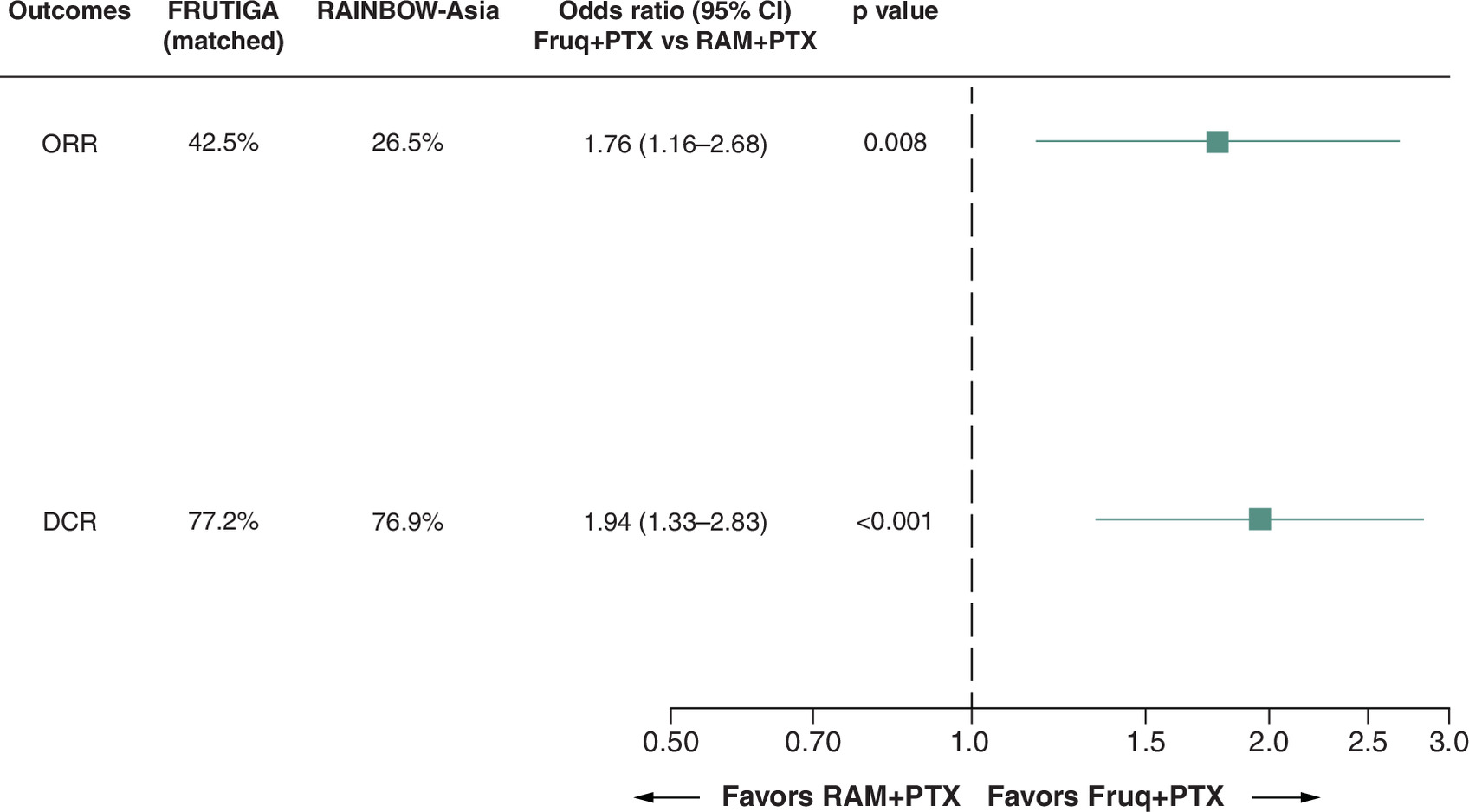
Figure 3. Forest plot displaying the objective response rate and disease control rate for fruquintinib plus paclitaxel versus ramucirumab plus paclitaxel in the matching-adjusted population.
DCR: Disease control rate; Fruq + PTX: Fruquintinib plus paclitaxel; ORR: Objective response rate; OR: Odds ratio; RAM + PTX: Ramucirumab plus paclitaxel.
Subgroup analyses
Subgroup analyses showed consistent PFS benefits with Fruq + PTX across multiple predefined subgroups, including patients with ECOG PS 1 (HR: 0.70; 95% CI: 0.51–0.97; p = 0.032), peritoneal metastases (HR: 0.59; 95% CI: 0.36–0.98; p = 0.043) and up to two metastatic sites (HR: 0.65; 95% CI: 0.44–0.95; p = 0.026) (Figure 4).
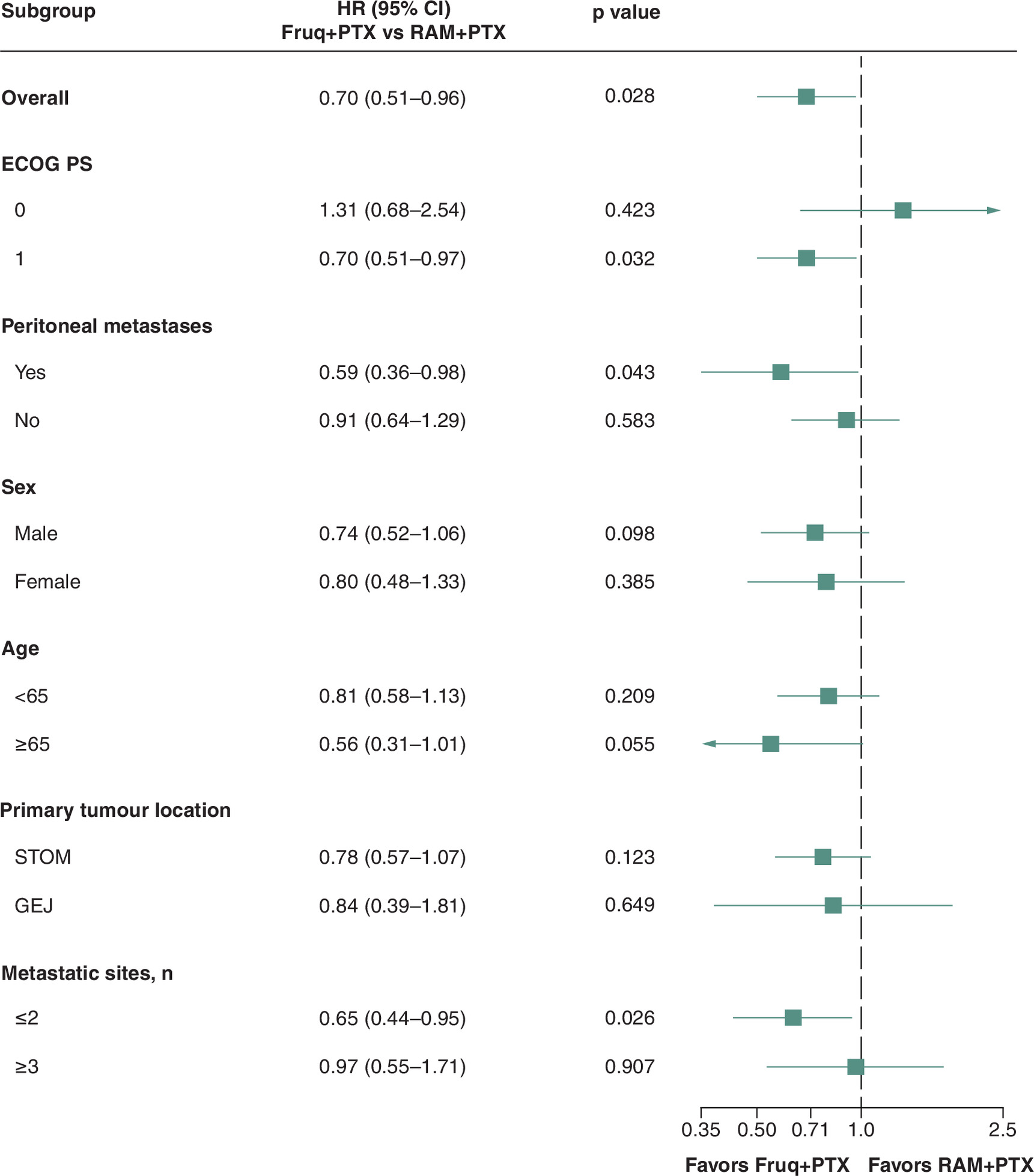
Figure 4. Forest plot of PFS subgroup analyses comparing fruquintinib plus paclitaxel with ramucirumab plus paclitaxel.
ECOG PS: Eastern Cooperative Oncology Group performance status; Fruq + PTX: Fruquintinib plus paclitaxel; STOM: Stomach; GEJ: Gastroesophageal junction; HR: Hazard ratio; RAM + PTX: Ramucirumab plus paclitaxel.
Safety analyses
For any-grade TEAEs (Figure 5A), the indirect comparison showed higher adjusted relative incidences of increased bilirubin with Fruq + PTX than with RAM + PTX (RD: 12.3%; 95% CI: 2.3–22.4%, p < 0.05) and of hypokalemia (RD: 9.0%; 95% CI: 1.5–16.4%, p < 0.05). For grade ≥3 TEAEs, the adjusted relative incidence of decreased body weight was higher with Fruq + PTX than with RAM + PTX (RD: 2.9%; 95% CI: 0.6–5.2%, p < 0.05). The adjusted relative incidences of increased AST, ALT and hypocalcemia were numerically lower in the fruquintinib group than in the RAM group.
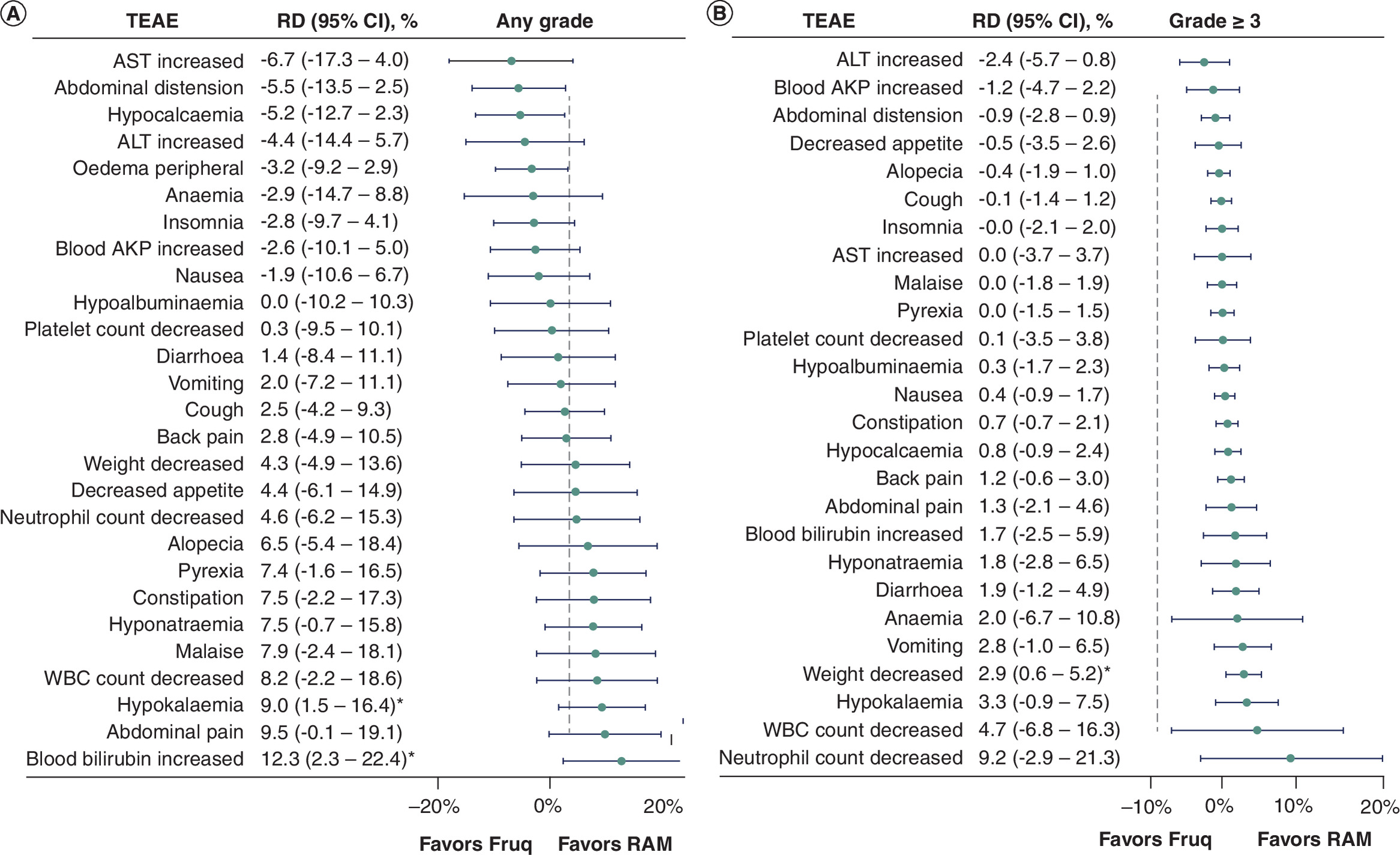
Figure 5. Forest plots of treatment-emergent adverse event analyses comparing fruquintinib plus paclitaxel with ramucirumab plus paclitaxel.
(A) TEAE with any grade; (B) TEAE with grade ≧ 3.
*p-value < 0.05.
AST: Aspartate aminotransferase; ALT: Alanine aminotransferase; AKP: Alkaline phosphatase; Fruq: Fruquintinib plus paclitaxel; RAM: Ramucirumab plus paclitaxel; RD: Risk difference; TEAE: Treatment-emergent adverse event; WBC: White blood cell.
Discussion
This anchored MAIC is the first effectiveness analysis comparing Fruq + PTX with RAM + PTX in the second-line treatment of advanced G/GEJ adenocarcinoma. Our results demonstrated that Fruq + PTX significantly improves PFS compared with RAM + PTX, with significantly higher ORR and DCR. These benefits were especially clear in predefined subgroups, such as patients with ECOG PS 1, peritoneal metastases, or limited metastatic sites. These findings are biologically plausible, given Fruq’s strong and sustained inhibition of multiple VEGFR isoforms, which could lead to more comprehensive anti-angiogenic effects and better tumor control [8]. The sensitive analyses, RMST and STC provided consistent evidence supporting the PFS benefit of fruquintinib over RAM.
The lack of a significant OS difference between the two regimens may be due to several factors, including the use of subsequent lines of therapy, crossover effects or the impact of post-progression treatments, which are common limitations in advanced cancer trials [9]. Additionally, the high rate of subsequent therapies in both trials may have diminished any potential OS benefit, as seen in other studies of anti-angiogenic agents in gastric cancer [10]. This effect was apparent in the FRUTIGA trial itself, where a large and unequal number of patients in the PBO + PTX group received subsequent antitumor therapy, potentially confounding the OS analysis [7]. Nonetheless, the improvement in tumor response and disease control with Fruq may have clinical relevance for symptom management and quality of life, particularly in the palliative setting [7].
In subgroup analyses, fruquintinib demonstrated a relative PFS advantage over RAM, with placebo plus paclitaxel as the common comparator, in patients with ECOG PS 1, peritoneal metastases and fewer metastatic sites. The FRUTIGA trial showed that fruquintinib plus paclitaxel was similarly superior to placebo plus paclitaxel in patients with or without peritoneal metastases and with ≤2 or ≥3 metastatic sites [7], whereas the Rainbow-Asia trial reported a relatively inferior HR for RAM plus paclitaxel versus placebo plus paclitaxel in patients with peritoneal metastases and ≤2 metastatic sites [5]. No inferiority was observed across other subgroups, suggesting similar PFS HRs. RAM is a humanized monoclonal antibody that targets the extracellular domain of VEGFR-2, thereby selectively inhibiting the binding of VEGF-A, VEGF-C and VEGF-D [5,6], and fruquintinib is a highly selective small-molecule inhibitor of VEGFR-1, VEGFR-2 and VEGFR-3 [7,8]. Preclinical evidence indicates that VEGFR-3 plays a critical role in lymphangiogenesis and in the peritoneal dissemination of gastric cancer [7]. Fruquintinib may confer a therapeutic advantage in subgroups where lymphatic spread predominates, such as peritoneal metastasis, by inhibiting VEGFR-3. However, these initial results should be interpreted with caution due to their post hoc nature and limited sample size, and they require confirmation in prospective studies.
As an exploratory outcome, the overall safety profiles of both regimens were generally comparable and manageable, except for higher relative incidences of increased bilirubin and hypokalemia with Fruq + PTX. The adjusted relative incidences of increased AST, ALT and hypocalcemia were numerically lower in the fruquintinib group than in the RAM group. Given the inherent limitations, especially because the baseline variables reported in Rainbow-Asia were mainly effect modifiers for survival outcomes, an anchored MAIC method cannot adequately balance effect modifiers for safety outcomes across RCTs. These findings should be interpreted with caution and require confirmation in real-world studies or head-to-head trials.
Several limitations should be acknowledged. First, unmeasured confounders such as HER2 status, microsatellite instability, PD-L1 expression, and prior immunotherapy use could not be controlled for due to data limitations, potentially affecting comparability between groups [13]. Second, the anchored MAIC assumes that the PBO + PTX groups are interchangeable, which may not be entirely accurate because of differences in trial design, geographic regions and standard-of-care practices between the FRUTIGA and RAINBOW-Asia trials; additionally, MAIC relies on the assumption that all effect modifiers are identified and correctly specified [14]. Third, although entropy balancing effectively aligned the observed covariates, residual confounding may remain, particularly in its influence on the OS outcome in our study. Despite these limitations, this analysis provides timely, methodologically sound evidence to inform clinical practice and health technology assessments when direct comparative data are unavailable. The use of entropy balancing and RMST analysis increases the credibility of our results and aligns with current standards for indirect comparisons.
Beyond gastric cancer, fruquintinib has also shown clinical activity in other solid tumors. The FRESCO and FRESCO-2 trials demonstrated significant survival benefits for patients with previously treated metastatic colorectal cancer, leading to regulatory approval in China and the US [15,16]. These data further support the broad antitumor potential of multitargeted VEGFR inhibition.
Conclusion
In conclusion, this MAIC suggests that Fruq + PTX significantly improves PFS, ORR and DCR compared with RAM + PTX in second-line treatment of advanced G/GEJ adenocarcinoma, particularly in specific patient subgroups. The exploratory safety analysis indicated generally comparable safety profiles between the two regimens. These findings should be considered hypothesis-generating and require validation in future randomized trials.
Summary Points
•
Gastric cancer is a leading cause of death worldwide, especially in Eastern Asia. For advanced gastric or G/GEJ adenocarcinoma patients progressing after first-line chemo, effective second-line options are crucial.
•
Anti-angiogenic agents are established in second-line treatment. Ramucirumab plus paclitaxel is standard, and fruquintinib plus paclitaxel showed a significant progression-free survival benefit in the Phase III FRUTIGA trial. No direct comparisons between these two regimens exist.
•
This indirect comparison used individual patient data from FRUTIGA and aggregate data from RAINBOW-Asia to compare the efficacy and safety of fruquintinib plus paclitaxel with ramucirumab plus paclitaxel.
•
Entropy balancing balanced baseline covariates, ensuring valid comparisons.
•
Fruquintinib plus paclitaxel significantly improved progression-free survival over ramucirumab plus paclitaxel, consistently benefiting subgroups including ECOG PS 1, peritoneal metastases, or fewer metastatic sites.
•
The analysis of restricted mean survival time confirmed the progression-free survival benefit of fruquintinib plus paclitaxel.
•
Objective response rate and disease control rate were higher with fruquintinib plus paclitaxel than with ramucirumab plus paclitaxel, while overall survival was similar.
•
The safety profiles of both regimens were similar and manageable, with differences in some adverse events reflecting their different VEGFR inhibition profiles.
•
These findings suggest fruquintinib plus paclitaxel may outperform ramucirumab plus paclitaxel as a second-line treatment for progression-free survival and tumor response, with similar overall survival and manageable safety, supporting clinical decisions and health assessments, though future trials are needed.
Author contributions
N An: Writing – original draft, Methodology, Formal analysis, Data curation. J Chen: writing – original draft, Validation, Investigation, Data curation. J Li: Writing – review and editing, software, formal analysis. L Shen: writing – review and editing, investigation. W Guo: Writing – review and editing, investigation. T Liu: writing – review and editing, investigation. J Li: writing – review and editing, investigation. S Qin: writing – review and editing, investigation. Y Bai: Writing – review and editing, investigation. Z Chen: writing – review and editing, investigation. J Wang: writing – review and editing, investigation. Y Pan: writing – review and editing, investigation. R Xu: writing – review and editing, supervision. F Wang: writing – review and editing, supervision, project administration, funding acquisition, conceptualization.
Acknowledgments
The authors thank the patients, investigators and research teams involved in the FRUTIGA and RAINBOW-Asia trials.
Financial disclosure
This work was supported by the National Natural Science Foundation of China (grant no. 82425048), the Beijing Xisike Clinical Oncology Research Foundation (grant no. Y-QL202202-0089), the New Cornerstone Science Foundation through the XPLORER PRIZE, and the Young Talents Program of Sun Yat-sen University Cancer Center (grant no. YTP-SYSUCC-0018). HUTCHMED Pharmaceutical Company (China) provided funding for this research.
Competing interests disclosure
The authors have no competing interests or relevant affiliations with any organization or entity with the subject matter or materials discussed in the manuscript. This includes employment, consultancies, honoraria, stock ownership or options, expert testimony, grants or patents received or pending, or royalties.
Writing disclosure
No funded writing assistance was utilized in the production of this manuscript. The authors declare that no generative AI or AI-assisted technologies were used during the preparation of this manuscript.
Ethical conduct of research
Ethics approval and written informed consent to participate were not applicable, as this study was secondary and post hoc.
Data sharing statement
The data used in this study include IPD from the FRUTIGA trial and aggregated data from the RAINBOW-Asia trial. The FRUTIGA data are available from the corresponding author upon reasonable request, subject to approval by the trial sponsor. The RAINBOW-Asia data are available from the published article.
Open access
This work is licensed under the Attribution-NonCommercial-NoDerivatives 4.0 Unported License. To view a copy of this license, visit https://creativecommons.org/licenses/by-nc-nd/4.0/
Supplementary Material
File (supplementary materials.docx)
References
Papers of special note have been highlighted as: • of interest
1.
Bray F, Laversanne M, Sung H et al. Global cancer statistics 2022: GLOBOCAN estimates of incidence and mortality worldwide for 36 cancers in 185 countries. CA Cancer J. Clin. 74(3), 229–263 (2024).
2.
Morgan E, Arnold M, Camargo MC et al. The current and future incidence and mortality of gastric cancer in 185 countries, 2020-40: a population-based modelling study. EClinicalMedicine 47, 101404 (2022).
3.
Wang FH, Zhang XT, Li YF et al. The Chinese Society of Clinical Oncology (CSCO): clinical guidelines for the diagnosis and treatment of gastric cancer, 2021. Cancer Commun. (Lond.) 41(8), 747–795 (2021).
4.
Lordick F, Carneiro F, Cascinu S et al; ESMO Guidelines Committee. Gastric cancer: ESMO Clinical Practice Guideline for diagnosis, treatment and follow-up. Ann. Oncol. 33(10), 1005–1020 (2022).
5.
Wilke H, Muro K, Van Cutsem E et al; RAINBOW Study Group. Ramucirumab plus paclitaxel versus placebo plus paclitaxel in patients with previously treated advanced gastric or gastro-oesophageal junction adenocarcinoma (RAINBOW): a double-blind, randomised Phase III trial. Lancet Oncol. 15(11), 1224–1235 (2014).
• Original publication of the RAINBOW trial findings for ramucirumab (RAM).
6.
Xu RH, Zhang Y, Pan H et al. Efficacy and safety of weekly paclitaxel with or without ramucirumab as second-line therapy for the treatment of advanced gastric or gastroesophageal junction adenocarcinoma (RAINBOW-Asia): a randomised, multicentre, double-blind, Phase III trial. Lancet Gastroenterol. Hepatol. 6(12), 1015–1024 (2021).
• Asian bridging study of RAM in gastric cancer.
7.
Wang F, Shen L, Guo W et al. Fruquintinib plus paclitaxel versus placebo plus paclitaxel for gastric or gastroesophageal junction adenocarcinoma: the randomized Phase III FRUTIGA trial. Nat. Med. 30(8), 2189–2198 (2024).
• Original publication of the FRUTIGA trial findings for fruquintinib.
8.
Sun Q, Zhou J, Zhang Z et al. Discovery of fruquintinib, a potent and highly selective small molecule inhibitor of VEGFR 1, 2, 3 tyrosine kinases for cancer therapy. Cancer Biol. Ther. 15(12), 1635–1645 (2014).
9.
Zhu X, Liu Z, Zhang W et al. The preclinical profile of fruquintinib as a potent and highly selective inhibitor of VEGFR 1, 2, 3 [abstract]. In: Proceedings of the American Association for Cancer Research Annual Meeting 2014, San Diego, CA, USA, 5–9 Apr 2014. Cancer Res. 74(Suppl. 19), Abstract no. LB-207 (2014).
10.
Muro K, Oh SC, Shimada Y et al. Subgroup analysis of East Asians in RAINBOW: a Phase III trial of ramucirumab plus paclitaxel for advanced gastric cancer. J. Gastroenterol. Hepatol. 31(3), 581–589 (2016).
11.
Signorovitch JE, Wu EQ, Yu AP et al. Comparative effectiveness without head-to-head trials: a method for matching-adjusted indirect comparisons applied to psoriasis treatment with adalimumab or etanercept. Pharmacoeconomics 28(10), 935–945 (2010).
12.
Phillippo DM, Ades AE, Dias S et al. NICE DSU Technical Support Document 18: methods for population-adjusted indirect comparisons in submissions to NICE. (2016). https://www.sheffield.ac.uk/nice-dsu/tsds
13.
Signorovitch JE, Sikirica V, Erder MH et al. Matching-adjusted indirect comparisons: a new tool for timely comparative effectiveness research. Value Health 15(6), 940–947 (2012).
14.
Remiro-Azócar A, Heath A, Baio G. Methods for population adjustment with limited access to individual patient data: a review and simulation study. Res. Synth. Methods 12(6), 750–775 (2021).
15.
Li J, Qin S, Xu RH et al. Effect of fruquintinib vs placebo on overall survival in patients with previously treated metastatic colorectal cancer: the FRESCO Randomized Clinical Trial. JAMA 319(24), 2486–2496 (2018).
16.
Dasari A, Lonardi S, Garcia-Carbonero R et al; FRESCO-2 Study Investigators. Fruquintinib versus placebo in patients with refractory metastatic colorectal cancer (FRESCO-2): an international, multicentre, randomised, double-blind, Phase III study. Lancet 402(10395), 41–53 (2023).
Information & Authors
Information
Published In
Copyright
© 2026 The authors. This work is licensed under the Attribution-NonCommercial-NoDerivatives 4.0 Unported License
History
Received: 7 April 2026
Accepted: 1 July 2026
Published online: 12 August 2026
Keywords:
Topics
Authors
Metrics & Citations
Metrics
Article Usage
Article usage data only available from February 2023. Historical article usage data, showing the number of article downloads, is available upon request.
Citations
How to Cite
Matching-adjusted indirect comparison of fruquintinib versus ramucirumab in advanced gastric or gastroesophageal junction adenocarcinoma. (2026) Journal of Comparative Effectiveness Research. DOI: 10.57264/cer-2026-0072
Export citation
Select the citation format you wish to export for this article or chapter.