

Zanubrutinib versus fludarabine, cyclophosphamide and rituximab in fit, treatment-naïve patients with chronic lymphocytic leukemia: a matching-adjusted indirect comparison
Publication: Journal of Comparative Effectiveness Research
Abstract
Aim: Fludarabine, cyclophosphamide and rituximab (FCR) is a first-line therapy for fit treatment-naive patients with chronic lymphocytic leukemia (CLL); however, its hematotoxicity and related infections necessitate more efficacious, safer treatments. Zanubrutinib is a highly potent and selective next-generation Bruton tyrosine kinase inhibitor approved for treatment-naive patients with CLL and small lymphocytic lymphoma. Given the absence of clinical trials providing head-to-head comparisons, the aim of this analysis was to conduct a matching-adjusted indirect comparison between zanubrutinib and FCR. Materials & methods: Patient-level data from SEQUOIA (zanubrutinib vs bendamustine + rituximab [BR]) was adjusted for interpopulation differences through propensity-score matching with aggregate data from the CLL10 trial (FCR vs BR). Progression-free survival (PFS) was compared among populations matched for immunoglobulin heavy-chain gene mutation, 11q deletion, β2-microglobulin, Binet stage and age. Sensitivity analyses incorporated geographic region, sex, creatinine clearance, the Cumulative Illness Rating Scale, Eastern Cooperative Oncology Group performance status and previous infections. Results: Zanubrutinib improved PFS compared with FCR, with a hazard ratio of 0.41 (95% CI: 0.20–0.81; effective sample size 174). Including geographic region, Eastern Cooperative Oncology Group performance status or previous infections as matching factors one by one in the propensity score model showed similar results. Incorporating Cumulative Illness Rating Scale or creatinine clearance showed numerically favorable PFS with zanubrutinib (hazard ratio [95% CI] 0.45 [0.16–1.24] and 0.52 [0.24–1.13], respectively), owing to the low effective sample size of the expanded model (64 and 123, respectively). Conclusion: Our findings suggest that zanubrutinib offers improved PFS over FCR in fit, treatment-naive patients with CLL, further supporting zanubrutinib as a first-line CLL treatment for multiple patient profiles.
Plain language summary
What is this article about?
Patients with chronic lymphocytic leukemia (CLL) who are active and otherwise healthy often receive a chemotherapy treatment called FCR (fludarabine, cyclophosphamide and rituximab) as their first therapy. While FCR can help, it may also cause liver problems and make infections more likely. Zanubrutinib is a newer, nonchemotherapy drug used to treat CLL. Since FCR and zanubrutinib have not been tested in the same study, we used data from separate clinical trials to indirectly compare them.
What were the results?
To ensure the comparison was fair, we matched patients from different studies based on key health traits. After matching, we found that patients taking zanubrutinib lived longer without their disease getting worse compared with those taking FCR.
What do the results mean?
For active and otherwise healthy patients with CLL, zanubrutinib may be a more effective first treatment choice than FCR.
Chronic lymphocytic leukemia (CLL) is a slowly developing hematopoietic malignancy characterized by immunologically less mature lymphocytes that accumulate in the blood, bone marrow and lymphatic tissues [1]. CLL is the most common leukemia, with a yearly incidence of 4.2 cases per 100,000 persons in Western countries [2]. Given the median age at diagnosis of 70 years, CLL is usually accompanied by one or more comorbidities. In the US, 5-year survival of patients diagnosed with CLL exceeds 86%, with slightly better prognosis for the female population [3]. Survival for CLL patients has improved over the past decades with the introduction of chemoimmunotherapy, even among CLL patients with significant comorbidities [4,5].
Fludarabine (F), cyclophosphamide (C) and rituximab (R; FCR) is a first-line therapy for physically fit CLL patients with a favorable genetic risk profile [6]. FCR was investigated in two Phase III, open-label, randomized controlled trials (RCTs) in treatment-naive, physically fit patients with advanced CLL: CLL8 (NCT00281918) [4] and CLL10 (NCT00769522) [7]. CLL8 was the registrational RCT evaluating FC with or without R. At 3 years, FCR demonstrated improved progression-free survival (PFS) compared with chemotherapy alone (hazard ratio [HR]: 0.56; 95% confidence interval [CI]: 0.46–0.69; p < 0.001) [4]. CLL10 tested the non-inferiority of bendamustine and rituximab (BR) versus FCR as front-line therapy for CLL [7]. Shorter PFS was observed for the BR patient group (HR: 1.643 [90.4% CI: 1.308–2.064]; p = 0.0003). However, aside from an improved efficacy profile, an increased risk of severe infections was noted with FCR, particularly in a fit but elderly subpopulation [7]. The compromised safety profile of FCR has been confirmed in various studies, which reported an increased risk in hematological side effects, myelosuppression, immunosuppression and infections [2,4,8]. Therefore, there has been an interest in novel treatment options that offer an improved efficacy and safety profile.
Zanubrutinib is a highly potent and selective next-generation Bruton tyrosine kinase inhibitor (BTKi) and was evaluated against BR in SEQUOIA, a Phase III open-label RCT (NCT03336333) [9] that enrolled previously untreated patients with CLL and small lymphocytic lymphoma who were considered unfit for FCR. The trial met its primary endpoint, showing improved PFS favoring zanubrutinib (HR: 0.42; 95% CI: 0.28–0.63; p < 0.0001), after a median follow-up of 26.2 months, with an acceptable safety profile consistent with previous studies [9].
In the absence of head-to-head trials comparing zanubrutinib with FCR in patients with CLL, a matching-adjusted indirect comparison (MAIC) was conducted to determine the comparative effectiveness of zanubrutinib versus FCR among treatment-naive fit patients with CLL.
Materials & methods
Approach
MAICs can be conducted using either an anchored (common comparator) or unanchored (no common comparator) approach. An anchored MAIC preserves randomization from individual trials and allows adjustment for patient baseline characteristics that could modify relative treatment effects [10]. For this analysis, an anchored MAIC was conducted between SEQUOIA and CLL10 as BR was a common comparator in the two trials. CLL8 was not included in the analysis because of the lack of a common comparator between SEQUOIA and CLL8.
Evidence base
The indirect treatment comparison used patient-level data from SEQUOIA (cohort 1; zanubrutinib vs BR) [9] and aggregate-level data from CLL10 (FCR vs BR) [7]. Eligibility criteria in SEQUOIA included meeting at least one indication for treatment based on International Working Group CLL (iwCLL) criteria [1]. Patients were aged 65 years or older, or 18 years or older with comorbidities, and had a Cumulative Illness Rating Scale (CIRS) score of more than 6, creatinine clearance of less than 70 ml/min, or a history of serious or frequent infections. Furthermore, patients with deletion 17p [del(17p)] were excluded. SEQUOIA started in October 2017 and included patients from multiple regions/continents. Eligibility criteria in CLL10 included previously untreated fit patients with advanced CLL requiring treatment per iwCLL criteria [1] and had an Eastern Cooperative Oncology Group performance status (ECOG PS) of 0–2. Like in SEQUOIA, patients with del(17p) were excluded from the trial. CLL10 was initiated in October 2008 and conducted in five European countries. As an MAIC uses propensity-score matching to generate weights for patients in the individual patient data (IPD) trial (i.e., SEQUOIA) to balance patient characteristics across trials after matching, patients in SEQUOIA were matched to the baseline characteristics of patients in CLL10 [10]. IPD were not available from CLL10, hence aggregate-level data for patient characteristics and outcomes were extracted from the publication and used for the analyses. Detailed information on the study characteristics of SEQUOIA and CLL10 can be found in Supplementary Table 1.
Statistical analysis
The outcome of interest was PFS, defined as the time from randomization until progression or death from any cause. In SEQUOIA, disease progression was assessed by an independent review committee. In CLL10, PFS was assessed by investigators and confirmed by central independent medical review. Given the timing of SEQUOIA relative to the COVID-19 pandemic, the impact of COVID-19 deaths on PFS in SEQUOIA was explored in a sensitivity analysis.
A multivariable Cox proportional-hazards regression analysis estimated the reweighted HR of zanubrutinib versus BR and adjusted for variables used for the stratification of randomization in SEQUOIA, which included age (<65 vs ≥65 years), Binet stage (C vs A/B) and immunoglobulin heavy-chain variable region (IGHV) mutational status (mutated vs unmutated). Subsequently, the indirect comparison versus FCR was conducted using the Bucher methodology with the BR arm from each trial as a common comparator (anchor). Robust estimates of the variance were calculated using sandwich estimators and presented as 95% CIs.
Relevant patient characteristics for matching were identified through a targeted literature review of subgroup analyses in CLL RCTs and validated by clinical experts [9,11–14]. The base-case analysis matched on age, Binet stage, β2-microglobulin, IGHV and cytogenetic mutations (specifically, del[11q]). Sensitivity analyses matched for additional covariates whose impact on treatment effects was uncertain (geographic region and sex). As the population of SEQUOIA was not restricted to fit patients, sensitivity analyses were conducted matching for fitness-related variables (creatinine clearance, CIRS score [15], ECOG PS and previous infections, defined as multiple infections in the past 2 years or a history of previous serious infections); these were added one at a time to the base-case model. Note that adjusting for all fitness-related patient characteristics in a single analysis was considered not feasible because of the limited overlap between SEQUOIA and CLL10. Additional details of covariate selection are provided in Appendix A & Supplementary Tables 2 & 3.
The precision after weighting was expressed by the effective sample size (ESS), which represents the sample size accounting for reweighting of patients and the resulting correlations between estimated responses [10]. A large ESS value is preferable to a small one, as a larger sample contains more information; a small ESS indicates a lack of overlap in the samples and increases uncertainty. The analyses followed the methodology of the Decision Support Unit Technical Support Document 18 (DSU TSD) commissioned by the National Institute for Health and Care Excellence (NICE) [16]. All analyses were performed using R version 4.0.2 [17].
Results
Baseline patient characteristics of SEQUOIA and CLL10 are presented in Table 1. Compared with CLL10, the patient population in the SEQUOIA trial was generally older (76.4% vs 34.6% was aged >65 years) with worse ECOG PS scores (ECOG PS 1/2, 55.9% vs 35.9%) and included a lower proportion of male patients (62.2% vs 72.7%). A higher proportion of SEQUOIA patients had stage A/B disease (70.8% vs 60.1% in CLL10), and fewer patients had unmutated IGHV (52.5% vs 61.5% in CLL10). Differences were also noted with respect to the proportion of patients with del(11q) (18.6% vs 23.4%) and β2-microglobulin >3.5 mg/L (57.5% vs 34.5%). Following matching, patient characteristics included in the MAIC were well balanced (Table 1). The distribution of weights is provided in Appendix B & Supplementary Figure 1, showing that most patients received a weight of <1.
| Matched variables†,% | SEQUOIA before matching (n = 479‡) | SEQUOIA after matching† (ESS n = 174) | CLL10 (n = 561) |
|---|---|---|---|
| Age >65 years | 76.4 | 34.6 | 34.6 |
| Male sex | 62.2 | 62.4 | 72.7 |
| ECOG PS 0 | 44.1 | 37.7 | 64.1 |
| ECOG PS 1 | 48.6 | 55.5 | 34.7 |
| ECOG PS 2 | 7.3 | 6.8 | 1.2 |
| Region Europe | 72.2 | 65.8 | 100 |
| Unmutated IGHV | 52.5 | 61.5 | 61.5 |
| Cytogenetic del(11q) mutation | 18.6 | 23.4 | 23.4 |
| β2-microglobulin >3.5 mg/l | 57.5 | 34.5 | 34.5 |
| Binet stage A or B | 70.8 | 60.1 | 60.1 |
| CIRS >6 | 26.4 | 46.1 | 0¶ |
| Creatinine clearance <70 ml/min | 48.6 | 33.1 | 0¶ |
| Previous infections§ | 9.0 | 15.0 | 0¶ |
†
The base-case analysis (model 1) matched for five covariates (bold in the first column): age, Binet stage, β2-microglobulin, IGHV mutation and cytogenetic mutations (specifically, del11q).
‡
Patient characteristics were based on patients with complete data for covariates included in the base-case MAIC; N = 446.
§
History of previous serious infections or multiple infections in the past 2 years (previous serious infection is defined as infection requiring hospitalization, parenteral antibiotic therapy or both; multiple infections are defined as at least three infections requiring oral antibiotic therapy at a minimum).
¶
Derived based on patient eligibility criteria for CLL10.
CIRS: Cumulative Illness Rating Scale; del(11q): 11q deletion; ECOG PS: Eastern Cooperative Oncology Group performance status; ESS: effective sample size; IGHV: immunoglobulin heavy chain variable region; MAIC: matching-adjusted indirect comparison.
In the naive comparison, zanubrutinib was associated with longer PFS than for FCR (HR: 0.69; 95% CI: 0.43–1.12); however, the difference was not statistically significant (Table 2). After matching, zanubrutinib significantly improved PFS versus FCR (Figure 1 & Table 2; HR for model 1: 0.41; 95% CI: 0.20–0.81). The corresponding Kaplan–Meier curves present PFS after matching patients in SEQUOIA to those in CLL10 and indicate that treatments differentiate after approximately 16 months. The ESS was 174.10 after matching, indicating a reduction by 63.7% from the initial sample size, highlighting limited overlap of the populations studied. In the scenario analysis adjusting for deaths due to COVID-19 and using the same matching variables as in the base case, a stronger treatment effect for zanubrutinib versus FCR was observed (HR: 0.33; 95% CI: 0.16–0.69; model 2 in Table 2 & Figure 2).
| Model (covariates) | ESS SEQUOIA | PFS HR† (95% CI) |
|---|---|---|
| Naive comparison | – | 0.69 (0.43–1.12) |
| Model 1 (base case [age, IGHV, β2-microglobulin, Binet stage, del(11q)]) | 174.10 | 0.41 (0.20–0.81) |
| Model 2 (base case, PFS COVID-19 adjusted) | 174.10 | 0.33 (0.16–0.69) |
| Model 3 (base case + region) | 100.35 | 0.43 (0.21–0.90) |
| Model 4 (base case + sex) | 163.66 | 0.44 (0.22–0.89) |
| Model 5 (base case + CIRS) | 64.05 | 0.45 (0.16–1.24) |
| Model 6 (base case + creatinine clearance) | 122.51 | 0.52 (0.24–1.13) |
| Model 7 (base case + ECOG PS) | 137.61 | 0.30 (0.14–0.64) |
| Model 8 (base case + previous infections‡) | 140.91 | 0.45 (0.22–0.93) |
The ESS represents the extent of overlap between the SEQUOIA and CLL10 target populations. A larger ESS value is preferable as a larger sample contains more information. Robust estimates of the variance were calculated using sandwich estimators and presented as 95% CIs.
†
The HR was estimated based on Bucher methodology for indirect comparisons, which uses the HRs from CLL10 and SEQUOIA. The HR in SEQUOIA was reweighted in models 1–8 and adjusted for factors used to stratify the randomization: age (<65 vs ≥65 years), Binet stage (C vs A or B), and IGHV mutational status (mutated vs unmutated).
‡
History of previous serious infection or multiple infections in the past 2 years (previous serious infection is defined as infection requiring hospitalization, parenteral antibiotic therapy, or both; multiple infections are defined as at least three infections requiring oral antibiotic therapy at a minimum).
CI: Confidence interval; CIRS: Cumulative Illness Rating Scale; del(11q): 11q deletion; ECOG PS: Eastern Cooperative Oncology Group performance status; ESS: Effective sample size; FCR: Fludarabine, cyclophosphamide and rituximab combination therapy; HR: Hazard ratio; IGHV: Immunoglobulin heavy chain variable region; MAIC: Matching-adjusted indirect comparison; PFS: Progression-free survival.
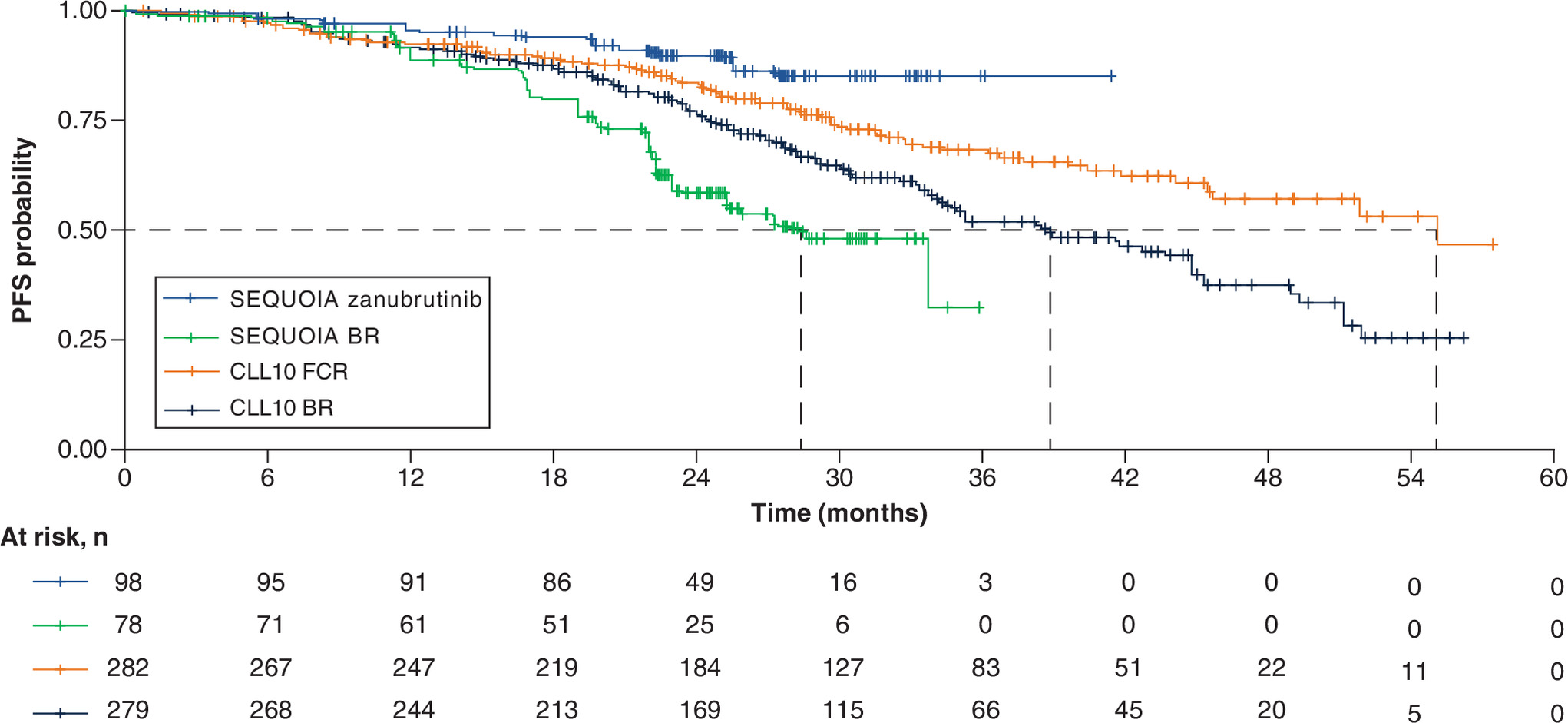
Figure 1. Kaplan–Meier curves for progression-free survival of reweighted patients in SEQUOIA and CLL10 – base-case analysis.
The number at risk in the SEQUOIA arms was calculated by the sum of the weight of the patients at risk, in which the sum of weight has been normalized to the ESS. The calculation of ESS is nonlinear, so the sum of the ESS across SEQUOIA arms in the ‘number at risk’ table differs from the ESS presented in the baseline characteristics table.
BR: Bendamustine + rituximab combination therapy; ESS: Effective sample size; FCR: Fludarabine + cyclophosphamide + rituximab combination therapy; PFS: Progression-free survival.
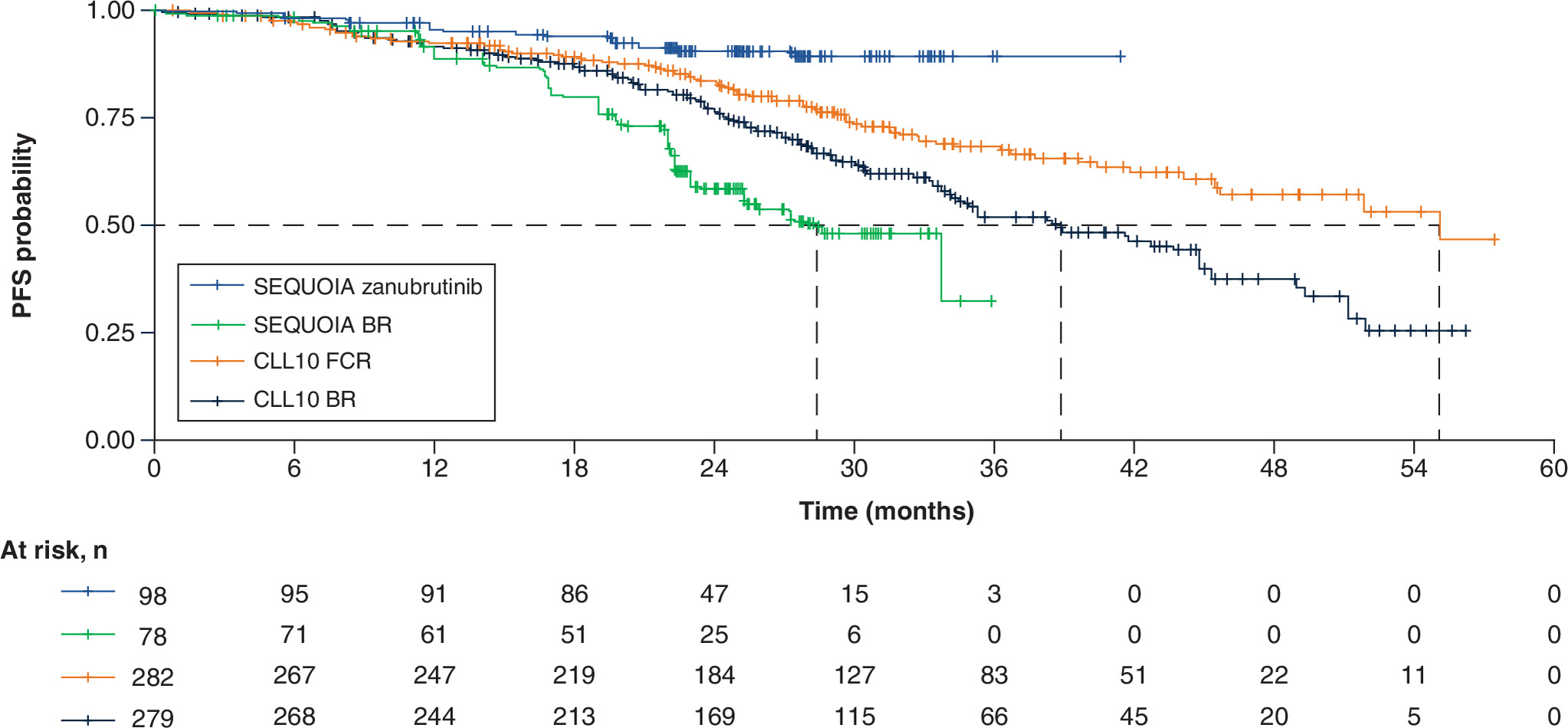
Figure 2. Kaplan–Meier curves for progression-free survival of reweighted patients in SEQUOIA and CLL10 – COVID-19 adjusted.
The number at risk in the SEQUOIA arms was calculated by the sum of the weight of the patients at risk, in which the sum of weight has been normalized to the ESS. The calculation of ESS is nonlinear, so the sum of the ESS across SEQUOIA arms in the ‘number at risk’ table differs from the ESS presented in the baseline characteristics table.
BR: Bendamustine + rituximab combination therapy; ESS: Effective sample size; FCR: Fludarabine + cyclophosphamide + rituximab combination therapy; PFS: Progression-free survival.
Sensitivity analyses assessed the impact of the addition of a single matching variable to the base-case model and are presented in Table 2 (models 3–8). Results were similar to the base case when matching for sex (HR: 0.44; 95% CI: 0.22–0.89), region (HR: 0.43; 95% CI: 0.21–0.90) and previous infections (HR: 0.45; 95% CI: 0.22–0.93). Matching for ECOG-PS resulted in a stronger treatment effect for zanubrutinib (HR: 0.30; 95% CI: 0.14–0.64). Matching for fitness-related variables such as creatinine clearance and CIRS showed a trend toward improved PFS with zanubrutinib; however, the differences were no longer statistically significant (HR of MAIC adjusting for creatinine clearance 0.52; 95% CI: 0.24–1.13 [ESS 123]; HR of MAIC adjusting for CIRS 0.45, 95% CI: 0.16–1.24 [ESS 64]).
Discussion
This anchored MAIC was conducted to determine the comparative effectiveness of zanubrutinib versus FCR among treatment-naive fit patients with CLL. The analysis showed that when the patient population of SEQUOIA was matched to that of CLL10, zanubrutinib was associated with improved PFS compared with FCR (HR: 0.41; 95% CI: 0.20–0.81). Multiple sensitivity analyses supported the base-case results, with HR ranging from 0.30 (95% CI: 0.14–0.64) to 0.52 (95% CI: 0.24–1.13).
In a recent study, a network meta-analysis was employed to evaluate zanubrutinib against other treatment modalities (not including FCR) for treatment-naive patients with CLL [18]. Zanubrutinib showed improvement in PFS over BR (HR: 0.42; 95% CI: 0.27–0.65), chlorambucil + obinutuzumab (HR: 0.45; 95% CI: 0.23–0.86), and chlorambucil + rituximab (HR: 0.22; 95% CI: 0.12–0.41), while PFS was comparable to that with ibrutinib (HR: 1.07; 95% CI: 0.59–1.94). Although network meta-analyses assume similarity of patient characteristics that modify treatment effects across trials, considering differences in relevant patient characteristics between SEQUOIA and CLL10, an MAIC was considered necessary. This is further supported by the ESS, which was 36% of the original sample size (174 vs 479), indicating limited overlap in the distribution of patient characteristics across SEQUOIA and CLL10. While this reduction is within acceptable ranges for MAIC analyses in oncology [19], the low ESS between these two studies may limit the generalizability of the findings to a broader fit population, particularly given that the SEQUOIA trial initially enrolled unfit patients.
The accuracy of the analysis is determined by the selection of covariates and similarity of study characteristics that cannot be adjusted for [16]. Study characteristics were generally similar for SEQUOIA and CLL10. Both were multinational Phase III open-label RCTs conducted in treatment-naive patients with CLL without del(17p). The analysis considered assessments for disease progression to be comparable; PFS was independent review committee assessed in SEQUOIA, whereas in CLL10, the assessment was performed by the site investigators followed by a systematic investigator-independent medical review. BR was the common comparator, facilitating an anchored comparison that preserves randomization within individual trials [16]. To ensure inclusion of potential treatment-effect modifiers in the MAIC, we reviewed subgroup analyses of various RCTs in CLL [11–14,20]. In addition, clinical experts provided their input on the relevance of matching variables. Age, IGHV, del(11q), β2-microglobulin and CLL staging were considered treatment-effect modifiers and were included in the base-case model. Sensitivity analyses showed that sex and geographic region did not impact the indirect treatment comparison. Furthermore, differences in baseline patient characteristics emerged from a different study population in the included trials. CLL10 studied FCR-fit patients, whereas SEQUOIA investigated FCR-unfit patients. Apart from age, patient characteristics defining physical fitness were not identified as treatment-effect modifiers based on the literature review as the absence of subgroup effects was interpreted as no signal of effect modification. Sensitivity analyses were conducted to investigate this assumption. Analyses that adjusted for creatinine clearance, CIRS score, ECOG PS and previous infections corroborated the base-case results (HR for PFS ranged from 0.30 to 0.52). However, the 95% CIs indicated uncertainty in the analyses that adjusted for CIRS and creatinine clearance owing to the limited overlap of patients in SEQUOIA and CLL10 for these patient characteristics. The ESS ranged from 64 to 123 across these sensitivity analyses (compared with 174 in the base-case analysis), suggesting that while there is a non-significant trend toward improved PFS with zanubrutinib, efficacy when including fitness-related variables could not be determined through this study alone. Some patient characteristics were not reported for CLL10, including ZAP-70 methylation, bulky disease, any cytopenia and complex karyotype. The MAIC assumed similarity of these patient characteristics between trials, introducing some uncertainty in the accuracy of matching the trial populations for all relevant patient characteristics.
The lower ESS, combined with the inability to jointly adjust for key fitness-related variables, suggests limited overlap between the study populations and the potential for residual confounding that cannot be addressed fully through propensity-score weighting. These constraints should be considered when interpreting the results of this study and findings should be viewed as exploratory rather than definitive.
While no indirect comparison of safety outcomes was performed as part of the MAIC, adverse events reported across the SEQUOIA and CLL10 trials are presented in Appendix B & Supplementary Table 4. These data indicate that zanubrutinib was generally associated with a favorable safety profile relative to FCR. While rates of adverse events were similar across the BR arms of SEQUOIA and CLL10, zanubrutinib showed fewer grade 3–4 adverse events (53% vs 94%), a lower risk of treatment discontinuation due to adverse events (8% vs 23%) and a lower risk of neutropenia (11% vs 84%). These significant differences are important considerations that should be factored into clinical decision-making, beyond PFS alone.
Conclusion
Overall, our findings suggest that zanubrutinib offers clinically meaningful benefits in terms of PFS over FCR in fit, treatment-naive patients with CLL. The current study supports zanubrutinib as a standard treatment in patients with CLL regardless of fitness, particularly considering the increased risk of adverse events associated with FCR. The findings were robust across multiple sensitivity analyses. Future real-world data may provide additional insights and further facilitate clinical decision making regarding the comparative effectiveness of these two agents.
Summary points
•
Fit, treatment-naive patients with chronic lymphocytic leukemia (CLL) may be treated with targeted (zanubrutinib) or nontargeted (combination of fludarabine, cyclophosphamide and rituximab [FCR]) therapies for first-line treatment.
•
In the absence of a head-to-head comparison of zanubrutinib and FCR, a matching-adjusted indirect comparison was conducted based on the SEQUOIA and CLL10 trials.
•
In the naive comparison, zanubrutinib was associated with non-significantly longer progression-free survival (PFS) compared with FCR (hazard ratio [HR]: 0.69; 95% confidence interval [CI]: 0.43–1.12).
•
After matching, zanubrutinib significantly improved PFS versus FCR, with an HR of 0.41 (95% CI: 0.20–0.81).
•
A similar, significant improvement in PFS with zanubrutinib versus FCR was observed when matching for sex, region and previous infections.
•
Matching for Eastern Cooperative Oncology Group performance status resulted in a stronger treatment effect for zanubrutinib when compared with FCR.
•
Matching for fitness-related variables such as creatinine clearance and Cumulative Illness Rating Scale score showed a non-significant trend toward improved PFS with zanubrutinib.
•
This indirect treatment comparison suggests that zanubrutinib offers superior PFS versus FCR and supports zanubrutinib as a first-line treatment for fit patients with CLL.
Author contributions
T Munir: conceptualization, data curation, methodology, writing – original draft, writing – review and editing. L Barnieh: conceptualization, data curation, methodology, writing – original draft, writing – review and editing. L Mohseninejad: conceptualization, data curation, formal analysis, methodology, writing – original draft, writing – review and editing. S Xu: conceptualization, data curation, formal analysis, methodology, writing – original draft, writing – review and editing. M Jevdjevic: conceptualization, data curation, formal analysis, methodology, writing – original draft, writing – review and editing. W Bouwmeester: conceptualization, data curation, formal analysis, methodology, writing – original draft, writing – review and editing. K Yang: conceptualization, data curation, methodology, writing – original draft, writing – review and editing.
Acknowledgments
Presented in poster form (Poster PO134) at the British Society for Haematology Annual Scientific Meeting on 28–30 April 2024 in Liverpool, UK and in abstract form (Abstract 3279) at the 65th ASH Annual Meeting and Exposition on 9–12 December 2023 in San Diego, CA, USA.
Financial disclosure
This study was funded by BeOne Medicines Ltd., CA, USA.
Competing interests disclosure
L Barnieh, L Mohseninejad, K Yang and S Xu are employees of BeOne Medicines Ltd and report stocks, stock options or both from BeOne Medicines Ltd. The authors have no other competing interests or relevant affiliations with any organization or entity with the subject matter or materials discussed in the manuscript apart from those disclosed.
Writing disclosure
Editorial assistance was provided by David M. Jensen, PhD, and Claire Thorne, of Amiculum, and funded by BeOne Medicines Ltd.
Ethical conduct of research
The studies included here were conducted in accordance with the Good Clinical Practice guidelines and the Declaration of Helsinki. Study protocols were approved by the institutional review boards of participating study centers, and all participants provided written informed consent.
Data sharing statement
On request, and subject to certain criteria, conditions and exceptions, BeOne Medicines Ltd will provide access to individual de-identified participant data from applicable BeOne Medicines-sponsored studies. BeOne Medicines shares data only when permitted by applicable data privacy and security laws and regulations, shares when it is feasible to do so without compromising the privacy of the study participants, and other considerations. Data requests may be submitted to [email protected]
Open access
This work is licensed under the Attribution-NonCommercial-NoDerivatives 4.0 Unported License. To view a copy of this license, visit https://creativecommons.org/licenses/by-nc-nd/4.0/
Supplementary Material
File (supplementary data.pdf)
References
Papers of special note have been highlighted as: • of interest; •• of considerable interest
1.
Hallek M, Cheson BD, Catovsky D et al. Guidelines for the diagnosis and treatment of chronic lymphocytic leukemia: a report from the International Workshop on Chronic Lymphocytic Leukemia updating the National Cancer Institute–Working Group 1996 guidelines. Blood 111(12), 5446–5456 (2008).
2.
Eichhorst B, Robak T, Montserrat E et al. Chronic lymphocytic leukaemia: ESMO Clinical Practice Guidelines for diagnosis, treatment and follow-up. Ann. Oncol. 32(1), 23–33 (2021).
3.
Surveillance Research Program NCI. SEER*Explorer: an interactive website for SEER cancer statistics [Internet]. Surveillance Research Program, National Cancer Institute. Data source(s): U.S. Mortality Data (1969–2022), National Center for Health Statistics, CDC. (2024 Apr 17 [updated: 2024 Nov 5; cited 2025 Jan 21]). https://seer.cancer.gov/statistics-network/explorer/
4.
Hallek M, Fischer K, Fingerle-Rowson G et al. Addition of rituximab to fludarabine and cyclophosphamide in patients with chronic lymphocytic leukaemia: a randomised, open-label, phase 3 trial. Lancet 376(9747), 1164–1174 (2010).
5.
Goede V, Fischer K, Busch R et al. Obinutuzumab plus chlorambucil in patients with CLL and coexisting conditions. N. Engl. J. Med. 370(12), 1101–1110 (2014).
6.
Eichhorst B, Ghia P, Niemann CU et al. ESMO Clinical Practice Guideline interim update on new targeted therapies in the first line and at relapse of chronic lymphocytic leukaemia. Ann. Oncol. 35(9), 762–768 (2024).
• Presents updated management guidelines that include recently approved agents, including zanubrutinib, and recommendations for later-line treatments based on prior lines of therapy.
7.
Eichhorst B, Fink A-M, Bahlo J et al. First-line chemoimmunotherapy with bendamustine and rituximab versus fludarabine, cyclophosphamide, and rituximab in patients with advanced chronic lymphocytic leukaemia (CLL10): an international, open-label, randomised, phase 3, non-inferiority trial. Lancet Oncol. 17(7), 928–942 (2016).
• Primary publication presenting results of the phase 3 CLL10 trial (bendamustine and rituximab vs. fludarabine, cyclophosphamide and rituximab).
8.
Fischer K, Bahlo J, Fink AM et al. Long-term remissions after FCR chemoimmunotherapy in previously untreated patients with CLL: updated results of the CLL8 trial. Blood 127(2), 208–215 (2016).
9.
Tam CS, Brown JR, Kahl BS et al. Zanubrutinib versus bendamustine and rituximab in untreated chronic lymphocytic leukaemia and small lymphocytic lymphoma (SEQUOIA): a randomised, controlled, phase 3 trial. Lancet Oncol. 23(8), 1031–1043 (2022).
• Primary publication presenting results of the Phase III SEQUOIA trial of zanubrutinib versus bendamustine and rituximab.
10.
Phillippo DM, Ades AE, Dias S et al. Methods for population-adjusted indirect comparisons in health technology appraisal. Med. Decis. Making 38(2), 200–211 (2018).
• Summarizes approaches and methodology for matching-adjusted indirect comparisons.
11.
Sharman JP, Egyed M, Jurczak W et al. Efficacy and safety in a 4-year follow-up of the ELEVATE-TN study comparing acalabrutinib with or without obinutuzumab versus obinutuzumab plus chlorambucil in treatment-naïve chronic lymphocytic leukemia. Leukemia 36(4), 1171–1175 (2022).
12.
Al-Sawaf O, Zhang C, Tandon M et al. Venetoclax plus obinutuzumab versus chlorambucil plus obinutuzumab for previously untreated chronic lymphocytic leukaemia (CLL14): follow-up results from a multicentre, open-label, randomised, phase 3 trial. Lancet Oncol. 21(9), 1188–1200 (2020).
13.
Woyach JA, Ruppert AS, Heerema NA et al. Ibrutinib regimens versus chemoimmunotherapy in older patients with untreated CLL. N. Engl. J. Med. 379(26), 2517–2528 (2018).
14.
Burger JA, Tedeschi A, Barr PM et al. Ibrutinib as initial therapy for patients with chronic lymphocytic leukemia. N. Engl. J. Med. 373(25), 2425–2437 (2015).
15.
Salvi F, Miller MD, Grilli A et al. A manual of guidelines to score the modified cumulative illness rating scale and its validation in acute hospitalized elderly patients. J. Am. Geriatr. Soc. 56(10), 1926–1931 (2008).
16.
Phillippo DM, Ades AE, Dias S et al. NICE DSU Technical Support Document 18: methods for population-adjusted indirect comparisons in submission to NICE. DSU (2016). https://research-information.bris.ac.uk/files/94868463/Population_adjustment_TSD_FINAL.pdf
17.
The Comprehensive R Archive Network. R CRAN version 4.0.2. https://cran.r-project.org/bin/windows/base/old/
18.
Chanan-Khan A, Yang K, Liu T et al. PB1888: efficacy of first-line treatment for chronic lymphocytic leukemia: a Bayesian network meta-analysis. HemaSphere 6, 1767–1768 (2022).
•• Results of a matching-adjusted indirect comparison of zanubrutinib versus standard frontline treatments for chronic lymphocytic leukemia (not including fludarabine, cyclophosphamide and rituximab).
19.
Farinasso CM, Ferreira VL, Medeiros FC et al. Matching-adjusted indirect comparison studies in oncology: a scoping review focused on reporting quality. Value Health Reg. Issues 47, 101088 (2025).
20.
BeiGene. Clinical Study Report (CSR): international, phase 3, open-label, randomized study of BGB-3111 compared with bendamustine plus rituximab in patients with previously untreated chronic lymphocytic leukemia or small lymphocytic lymphoma. BeiGene (2022).
Information & Authors
Information
Published In
Copyright
© 2026 The authors. This work is licensed under the Attribution-NonCommercial-NoDerivatives 4.0 Unported License
History
Received: 22 November 2025
Accepted: 17 July 2026
Published online: 21 August 2026
Keywords:
Topics
Authors
Metrics & Citations
Metrics
Article Usage
Article usage data only available from February 2023. Historical article usage data, showing the number of article downloads, is available upon request.
Citations
How to Cite
Zanubrutinib versus fludarabine, cyclophosphamide and rituximab in fit, treatment-naïve patients with chronic lymphocytic leukemia: a matching-adjusted indirect comparison. (2026) Journal of Comparative Effectiveness Research. DOI: 10.57264/cer-2025-0192
Export citation
Select the citation format you wish to export for this article or chapter.