

Adherence, treatment utilization, clinical and economic outcomes of patients with sickle cell disease with recurrent vaso-occlusive crises treated with recently approved chronic therapies in the US
Publication: Journal of Comparative Effectiveness Research
Abstract
Aim: To describe real-world adherence, treatment utilization, vaso-occlusive crises (VOC) and economic outcomes in patients with sickle cell disease (SCD) with recurrent VOC treated with L-glutamine, voxelotor or crizanlizumab in the US. Materials & methods: In this retrospective study, patients with SCD with recurrent VOC who received L-glutamine, voxelotor, or crizanlizumab were identified from the Merative™ MarketScan® Research Databases between 1 January 2015 and 30 September 2022. Eligible patients had ≥12 months continuous enrollment before and after the first chronic therapy claim (i.e., index date). Number of VOC, treatment utilization, healthcare resource utilization and healthcare costs were summarized for 12 months before (baseline) and after (follow-up) the index date. The proportion of days covered (PDC; i.e., proxy for adherence) for the index chronic therapy was measured during the 12-month follow-up period. Results: Overall, 440 patients initiated a recently approved chronic therapy (L-glutamine, n = 254; voxelotor, n = 110; crizanlizumab, n = 76) and met inclusion criteria. Mean (standard deviation [SD]) number of VOC during baseline and follow-up were similar for patients treated with any index therapy (n = 440; 7.21 [8.82] vs 7.27 [9.85]); this was similar across patients treated with L-glutamine, crizanlizumab, and voxelotor, respectively. Mean (SD) PDC for patients with any index therapy was 0.37 (0.29); results were similar across patients treated with L-glutamine, crizanlizumab, and voxelotor. Healthcare resource utilization during the 12-month baseline and follow-up periods were comparable. Mean (SD) total costs for patients initiating a recently approved chronic therapy increased by ∼50% or $38,111 during follow-up (follow-up, $118,235 [$177,125]; baseline, $80,125 [$120,950]; p < 0.001); most of the increased costs ($27,108 [71.1%]) were a direct result of recently approved chronic therapies. Conclusion: Patients initiated on L-glutamine, voxelotor or crizanlizumab had low adherence (based on PDC), continued to experience frequent VOC, and incurred higher healthcare costs mostly due to the costs of these therapies. This highlights the need for additional treatment options for patients with SCD with recurrent VOC.
Sickle cell disease (SCD) is a rare genetic disorder characterized by the expression of abnormal sickle hemoglobin, which leads to a variety of acute and chronic complications [1–3]. Vaso-occlusive crises (VOC), a distinctive clinical feature in patients with SCD, cause debilitating pain and may lead to organ-related complications and increased mortality [1–3]. Individuals with SCD with recurrent VOC (defined as ≥2 VOC per year for 2 consecutive years) have an increased clinical burden associated with this disease [1]. According to a large retrospective cohort study, common clinical complications associated with SCD in this patient population include acute infections, chronic lung disease, mental health complications, cardiovascular complications, bone and joint problems and chronic pain [1]. In addition, when compared with matched general population controls, patients with SCD with recurrent VOC had increased healthcare resource utilization (HCRU), including increased inpatient admissions and emergency department visits, as well as increased total healthcare costs [1].
Standard of care for patients with SCD with recurrent VOC has long been hydroxyurea and red blood cell transfusions in addition to supportive care [1,4]. Recently, three chronic therapies (L-glutamine, voxelotor and crizanlizumab) were approved by US regulators FDA for the treatment of patients with SCD [5–7]. L-glutamine, an amino acid indicated to reduce the acute complications of SCD in patients ≥5 years of age, was approved in 2017 [5]. Thereafter, both voxelotor and crizanlizumab were approved in 2019. Voxelotor is a hemoglobin S polymerization inhibitor indicated for the treatment of SCD in adult and pediatric patients ≥4 years of age; voxelotor was approved under accelerated approval based on the increase in hemoglobin levels associated with its use [6]. Voxelotor was removed from global markets in September of 2024 based on the totality of clinical data indicating an overall benefit that does not outweigh the risk [8]. Crizanlizumab is a P-selectin inhibitor indicated to reduce the frequency of VOC in patients aged ≥16 years with SCD in the US [7]. In August 2023, crizanlizumab was withdrawn by the European commission based on an assessment that concluded that the benefits of the medicine did not outweigh its risks given the results of the STAND phase III clinical trial [9]. Additional treatment options for patients with SCD include one-time treatments such as allogeneic hematopoietic stem cell transplant (HSCT) and gene therapies [10]. This study does not focus on patients with SCD receiving allogeneic HSCT or gene therapies, given these are one-time treatments and not chronically administered therapies.
Since the approval of chronic therapies, several real-world studies have reported outcomes with the use of L-glutamine, voxelotor and crizanlizumab in patients with SCD. In a retrospective cohort analysis composed of patients with SCD, the use of crizanlizumab was associated with moderately improved symptoms and a tolerable safety profile with no grade ≥3 treatment-related adverse events [11]. Studies have also shown that crizanlizumab reduces hospital admissions, emergency and urgent care visits, and morphine equivalent daily doses [11,12]. However, despite these results, discontinuation rates of >30% have been reported with crizanlizumab [13]. Similar results were observed for voxelotor in a large claims-based data analysis, which found that patients with SCD treated with voxelotor had an increase in mean hemoglobin levels, and substantial reductions in the mean annualized rates of transfusions, VOC, VOC-related hospitalizations, all-cause hospitalization and outpatient visits [4]. Finally, the use of L-glutamine in patients with SCD was associated with a significant median reduction in pain crises, hospitalizations and blood transfusions, as well as improved renal-related outcomes [14,15].
It should be noted that these studies were not specifically focused on patients with SCD with recurrent VOC, did not assess all of the recently approved chronic therapies, and some of these studies had relatively small sample sizes. Real-world data in patients with SCD with recurrent VOC treated with the recently approved chronic therapies L-glutamine, voxelotor and crizanlizumab in the US are limited. The primary aim of this study was to use a claims database to describe real-world VOC outcomes, adherence, treatment utilization, HCRU and economic outcomes specifically in patients with SCD with recurrent VOC treated with L-glutamine, voxelotor or crizanlizumab in the US. While the manufacturer of voxelotor voluntarily removed it from the global market in September 2024 [8], the results remain relevant because many patients have been treated with this therapy during the study period.
Materials & methods
Study design & data source
A retrospective, pre- and post-treatment study design using data from the US-based Merative™ MarketScan® Research Databases between 1 January 2015 and 30 September 2022, identified patients with SCD with recurrent VOC who received L-glutamine, voxelotor or crizanlizumab. The MarketScan Databases contain de-identified inpatient medical, outpatient medical and outpatient prescription drug data for ∼228.2 million commercially insured individuals and their dependents between 1995 and 2022, ∼15.7 million Medicare enrollees between 1995 and 2022, and ∼55.5 million Medicaid enrollees between 1999 and 2022.
Study population
All patients with ≥1 inpatient or ≥2 outpatient claims with a diagnosis of SCD between 1 January 2015 and 30 September 2022, and ≥2 VOC events per year during any 2 consecutive years after the first qualifying SCD claim were identified [1,16]. VOC events were defined as an inpatient or emergency department medical claim with a diagnosis code for acute chest syndrome, priapism, SCD with crises or splenic sequestration associated with SCD. Patients were also required to have had ≥1 claim for L-glutamine, voxelotor or crizanlizumab (whereby the date of the first chronic therapy claim was the index date) and ≥12 months of continuous enrollment before and after the index date. Patients were excluded if they had ≥2 nondiagnostic claims for sickle cell trait or if they had any evidence of HSCT at any point in the study period. All patients were assessed in the 12 months prior to the index date (baseline) and the 12 months following the index date (follow-up).
Study measures & analysis
Descriptive analyses were conducted for patients with SCD with recurrent VOC who received L-glutamine, voxelotor or crizanlizumab. Mean (standard deviation [SD]) values were reported for continuous variables and frequencies/proportions (n, %) for categorical variables. Demographics, including age, sex and payer type, were assessed at the index date. The number of VOC were summarized during the 12 months before and after the index date for all patients receiving a chronic therapy and for each individual therapy (i.e., L-glutamine, crizanlizumab and voxelotor). Treatment utilization was summarized during the 12 months before and after the index date. The number of claims and proportion of days covered (PDC; i.e., proxy for adherence) for the index recently approved chronic therapy (i.e., the first chronic therapy a patient received) were measured during the 12-month follow-up period. PDC was calculated specifically for each chronic therapy and based on the number of days in the 12-month follow-up period where the patient is covered by the medication. HCRU was assessed in the 12-month follow-up period and 12-month baseline period. Healthcare costs, composed of inpatient, outpatient medical and outpatient prescription costs, were based on the paid amounts of adjudicated claims, including payer and health plan payments, as well as patient cost-sharing in the form of co-payment, deductible and co-insurance. Costs were inflated to 2022 US Dollars using the Medical Care Index component of the Consumer Price Index. Comparative pre- and post-analyses were only conducted for HCRU and costs using paired two-tailed t-tests; p < 0.05 was considered statistically significant.
Subgroup analysis
A subgroup analysis based on mean PDC (proxy for adherence) in the 12-month follow-up period for all patients who received an initial chronic therapy and those who received an initial chronic therapy indicated for VOC reduction (i.e., L-glutamine or crizanlizumab) was conducted; subgroups were PDC ≤0.20, PDC >0.20 and ≤0.50, PDC >0.50 and <0.80 and PDC ≥0.80. An additional subgroup analysis was conducted according to payer type (Medicaid vs commercial insurance) for patients who received a recently approved chronic therapy.
Results
Demographics
Overall, 440 patients initiated a recently approved chronic therapy for SCD with recurrent VOC (L-glutamine, n = 254; voxelotor, n = 110; crizanlizumab, n = 76) and met the inclusion criteria (Figure 1). The mean (SD) age of these patients who received a chronic therapy was 23.4 years (11.4 [range: 4–62]) (Table 1). Age ranges for treatment with L-glutamine (4–62 years), voxelotor (11–62 years) and crizanlizumab (14–58 years) were broadly aligned to their respective FDA label indication statements [5–7]. The majority (82.5%) of patients included in the study were captured in the Medicaid database (Table 1).
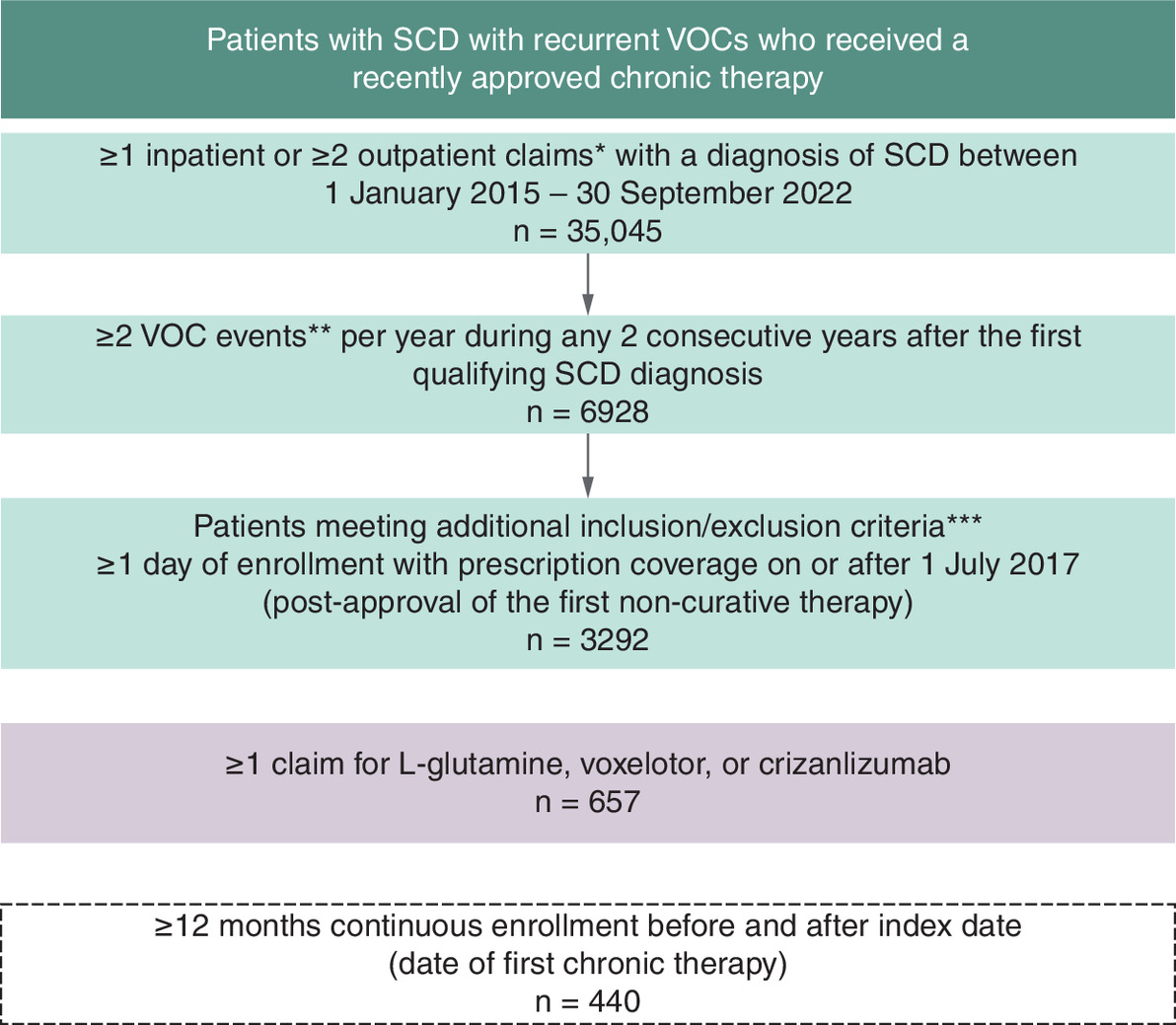
Figure 1. Patients with sickle cell disease with recurrent vaso-occlusive crises who received a recently approved chronic therapy.
*Within 365 days of each other.
**At least 3 days between the service dates of VOCs were required to be considered discrete events.
***Additional inclusion/exclusion criteria includes no evidence of sickle cell trait, no evidence of hematopoietic stem cell transplant, and ≥12 months of continuous enrollment before and after the second VOC in the second consecutive year.
SCD: Sickle cell disease; VOC: Vaso-occlusive crises.
| Characteristics | All patients (n = 440) |
|---|---|
| Age (years), mean (SD; min–max) | 23.4 (11.4; 4–62) |
| Sex, n (%) | |
| Female | 245 (55.7) |
| Male | 195 (44.3) |
| Payer type, n (%) | |
| Medicaid | 363 (82.5) |
| Medicaid FFS | 223 (50.7) |
| Commercial | 77 (17.5) |
FFS: Fee for service; max: maximum; min: minimum; SCD: Sickle cell disease; SD: Standard deviation; VOC: Vaso-occlusive crises.
Number of VOC & adherence
The mean (SD) number of VOC was similar in the baseline (i.e., pretreatment) and follow-up (i.e., post-treatment) periods for all patients initiated on a recently approved chronic therapy for SCD (n = 440; baseline, 7.21 [8.82] vs follow-up, 7.27 [9.85]). This was similar across patients initiating L-glutamine (n = 254; baseline, mean, 7.07 [SD: 8.10] vs follow-up, 7.19 [10.12]), voxelotor (n = 110; baseline, 6.16 [8.09] vs follow-up, 5.91 [7.25]) and crizanlizumab (n = 76; baseline, 9.18 [11.54] vs follow-up, 9.50 [11.76]), respectively.
Mean (SD) PDC for patients who initiated any index therapy (L-glutamine, voxelotor or crizanlizumab) was low at 0.37 (0.29), and was similar for patients initiating L-glutamine (0.33 [0.27]), crizanlizumab (0.38 [0.28]) and voxelotor (0.47 [0.30]). When stratifying patients initiated on L-glutamine or crizanlizumab by level of adherence, patients with the highest adherence (PDC ≥0.80) had a modest reduction in mean (SD) number of VOC (baseline, 5.17 [4.19] vs follow-up, 4.47 [4.69]) (Supplementary Table 1). Smaller reductions or increases in the mean number of VOC were observed for the remaining adherence subgroups among patients using L-glutamine or crizanlizumab (Supplementary Table 1).
Mean (SD) PDC for patients covered by Medicaid was lower than for those covered by commercial insurance (Medicaid, 0.36 [0.28] vs commercial, 0.43 [0.31]). For patients covered by Medicaid (n = 363) or commercial insurance (n = 77), mean (SD) number of VOC were similar in the baseline and follow-up periods (Medicaid baseline, 7.55 [8.38] vs follow-up, 7.55 [8.93]; commercial baseline, 5.58 [10.56] vs follow-up, 5.95 [13.37]) (Supplementary Table 2).
Treatment utilization
Compared with the 12-month baseline period, patients initiated on any chronic therapy had a similar mean (SD) number of claims during the 12-month follow-up period for hydroxyurea (4.0 [3.8] vs 3.8 [3.9]), red blood cell transfusions (1.6 [2.8] vs 1.6 [2.8]) and opioids (16.4 [19.3] vs 18.9 [23.8]) (Table 2). This number of claims was consistent regardless of payer type (i.e., Medicaid and commercial insurance) or adherence level (Supplementary Table 3). A total of 42 (12.0%) patients received multiple recently approved chronic therapies.
| Treatment | Baseline | Follow-up | ||
|---|---|---|---|---|
| Ppatients with a claim, n (%) | Claims†, mean (SD) | Patients with a claim, n (%) | Claims†, mean (SD) | |
| Red blood cell transfusions | 198 (45.0) | 1.6 (2.8) | 193 (43.9) | 1.6 (2.8) |
| Pain medication | 435 (98.9) | 22.1 (22.0) | 431 (98.0) | 24.9 (27.8) |
| Opioids‡ | 404 (91.8) | 16.4 (19.3) | 409 (93.0) | 18.9 (23.8) |
| NSAIDs | 362 (82.3) | 4.9 (5.8) | 348 (79.1) | 5.1 (6.9) |
| Gabapentin | 80 (18.2) | 0.7 (2.0) | 85 (19.3) | 0.9 (2.3) |
| Folic acid | 270 (61.4) | 3.0 (3.5) | 258 (58.6) | 2.6 (3.3) |
| Hydroxyurea | 333 (75.7) | 4.0 (3.8) | 312 (70.9) | 3.8 (3.9) |
| Iron chelation therapy | 48 (10.9) | 0.6 (2.4) | 59 (13.4) | 0.6 (2.7) |
| Penicillin | 46 (10.5) | 0.4 (1.8) | 45 (10.2) | 0.4 (2.1) |
†
Number of claims for all patients.
‡
Opioids include methadone, morphine, fentanyl, dihydrocodeine, oxycodone, hydromorphone, tramadol, acetaminophen with codeine and buprenorphine.
NSAID: Nonsteroidal anti-inflammatory drug; SD: Standard deviation.
HCRU/costs
There was a statistically significant increase in the total number of days of hospitalization and number of outpatient prescriptions in the 12-month follow-up period compared with the 12-month baseline period (Table 3). Mean (SD) total costs increased by ∼50% or $38,111 during the 12-month follow-up period (baseline, $80,125 [$120,950]; follow-up, $118,235 [$177,125]; p < 0.001) (Figure 2). Outpatient medical and outpatient pharmacy costs were significantly higher in the follow-up period compared with the baseline period (Figure 2). Most of the increased costs ($27,108 [71.1%]) were a direct result of the chronic therapies. Increased costs due to treatment with L-glutamine and voxelotor were captured as part of the increased outpatient pharmacy costs, while increased costs due to treatment with crizanlizumab were captured primarily in the outpatient medical cost category. For patients treated with L-glutamine and voxelotor, outpatient pharmacy costs increased by +$10,598 and +$44,725, respectively, while the increase in outpatient medical costs among patients treated with crizanlizumab was +$56,486 (Supplementary Table 4).
| Baseline | Follow-up | Difference† | |
|---|---|---|---|
| Inpatient, mean (SD) | |||
| Inpatient admissions, n | 4.1 (4.2) | 4.2 (4.8) | 0.1 |
| Total days of hospitalization, n | 22.4 (30.4) | 25.0 (34.7) | 2.6‡ |
| Outpatient, mean (SD) | |||
| Total outpatient visits, n | 62.2 (56.5) | 66.2 (72.2) | 4.0 |
| Emergency department visits, n | 5.9 (12.9) | 5.8 (16.0) | -0.1 |
| Office visits, n | 15.3 (11.3) | 15.3 (12.5) | 0.0 |
| Laboratory visits, n | 12.6 (12.7) | 12.3 (15.4) | -0.2 |
| Other outpatient visits, n | 28.4 (38.7) | 32.8 (51.8) | 4.3‡ |
| Outpatient pharmacy, mean (SD) | |||
| Outpatient prescriptions, n | 48.6 (35.0) | 54.5 (38.0) | 5.9‡ |
†
Difference calculated based on exact numbers.
‡
p < 0.05.
SD: Standard deviation.
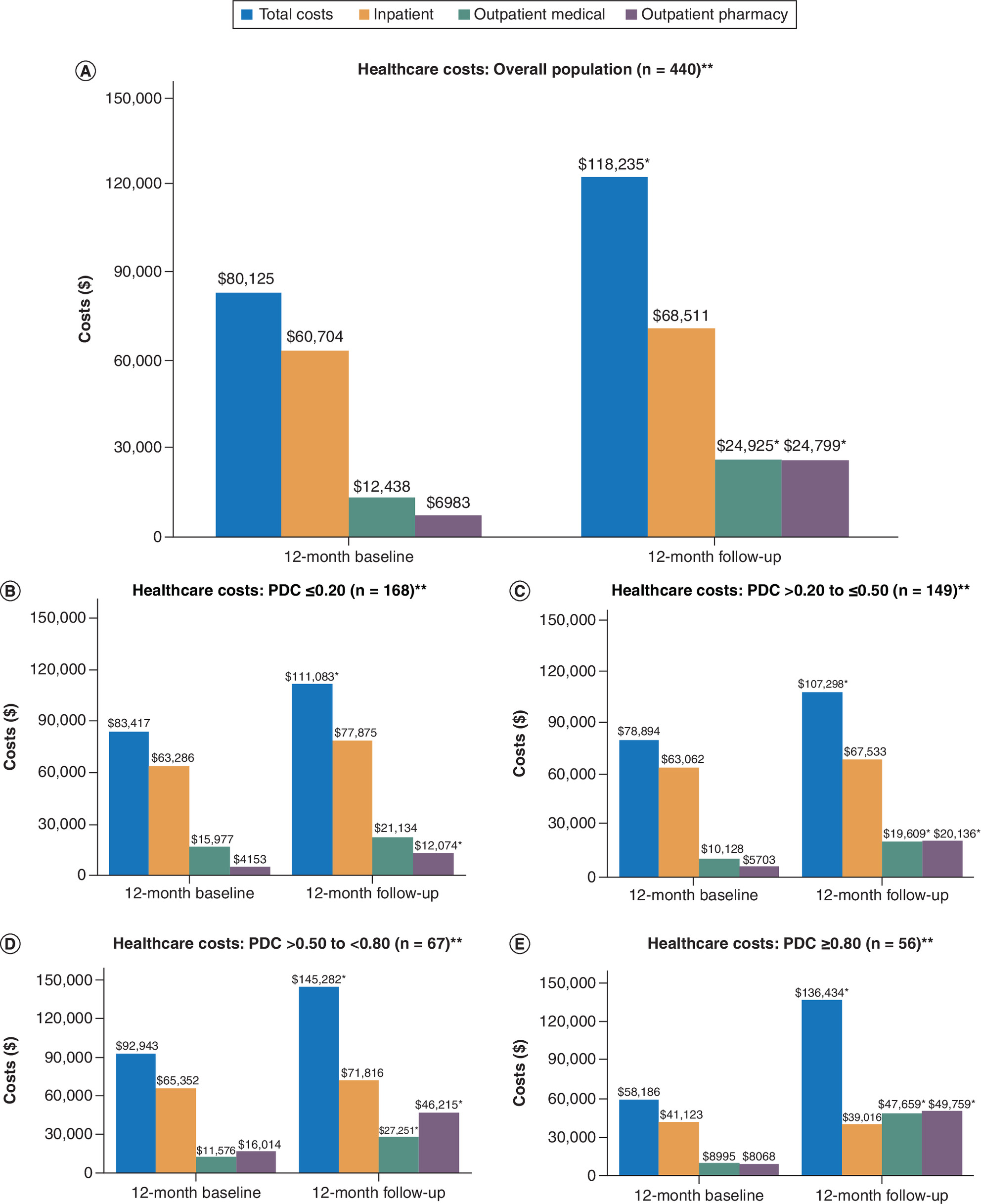
Figure 2. Healthcare Costs.
*Within 365 days of each other.
**At least 3 days between the service dates of VOCs were required to be considered discrete events.
PDC: Proportion of days covered.
The difference in mean healthcare costs between the 12-month follow-up period and 12-month baseline period increased as patient adherence to index therapy increased (PDC ≤0.20, $27,666; PDC >0.20 to ≤0.50, $28,404; PDC >0.50 to <0.80, $52,339; PDC ≥0.80, $78,249) (Figure 2).
Total healthcare costs were higher in the follow-up period compared with baseline for patients covered by Medicaid fee-for-service (FFS) and by commercial insurance, and the difference in costs was higher for patients covered by commercial insurance (Medicaid FFS, +$42,547 [baseline mean, $117,494 (SD: $144,458) versus follow-up, $160,041 (SD: $194,731)] versus commercial, +$89,656 [baseline, $99,027 ($89,772) versus follow-up, $188,683 ($192,926]) (Supplementary Table 5). Most of the increases in healthcare costs in the follow-up period were directly due to the recently approved chronic therapy costs for both patients covered by Medicaid FFS (67.2% [+$28,579]) and commercial insurance (69.2% [+$62,019]).
Discussion
In this real-world study of patients with SCD with recurrent VOC treated with L-glutamine, voxelotor or crizanlizumab in the US a small proportion of patients with SCD with recurrent VOC received a recently approved chronic therapy. These patients had a low level of adherence (based on PDC), a similar number of VOC in the baseline and follow-up period, and incurred significantly higher healthcare costs in the follow-up (post-treatment) than in the baseline (pretreatment) period, driven by the cost of recently approved chronic therapies. These results highlight the remaining unmet need for patients with SCD with recurrent VOC even with several recently approved chronic therapies and the need for additional innovation for these patients.
This analysis used the MarketScan database which contained data for, on average, approximately 42 million insured lives annually in the US from 2015 to 2022, including 35,000 patients with SCD. This is less than the approximately 120,000 patients estimated to have SCD in the US [17], which is expected given that Marketscan includes patients covered by either employer-sponsored health insurance or Medicaid, and so does not cover all individuals with insurance in the US. Approximately 20% (657/3292) of patients with SCD with recurrent VOC had a claim for a recently approved chronic therapy, which is higher than reported in previously published literature [4,18]. This finding is expected because the current study focuses on a population with more severe disease (patients with SCD with recurrent VOC as compared with the broad group of individuals with SCD [4,18]) and suggests that patients who have more severe signs and symptoms are more likely to receive these therapies.
The mean number of VOC was similar between the pre- and post-treatment periods, with a generally low level of adherence (based on PDC). When patients were stratified by payer type (Medicaid or commercial), there was no difference observed in the mean number of VOC between baseline and follow-up; however, the Medicaid group had a higher number VOC at baseline and follow-up than the commercial group, which is consistent with prior studies in which it was found that patients covered by Medicaid had a greater number of VOC [1,19]. In addition, patients with the lowest PDC had the highest baseline number of VOC; given the observational nature of claims analyses, we cannot ascertain if the higher number of baseline VOC impacted the PDC observed in the follow-up period or potential prescribing of chronic therapies. This represents a promising avenue for future research.
The lack of reduction in the number of VOC following the initiation of recently approved chronic therapies (L-glutamine, voxelotor or crizanlizumab) for SCD is partially supported by previously published clinical trials as well as real-world studies, which have reported conflicting results [20]: although the HOPE clinical trial found no statistically significant reduction in VOC among patients treated with voxelotor compared with patients given placebo, a recent retrospective analysis of the Symphony database reported a reduction in VOC frequency in patients initiated on voxelotor [4,21]. The Symphony analysis assessed outcomes only in patients with continuous voxelotor treatment, whereas the current study includes patients regardless of adherence or continuous treatment. Further, the Symphony database is an open-source claims database with data captured from practice management systems, including ‘clearinghouses’ or pharmacy benefit managers, while the Merative™ MarketScan® database is a closed claims database with data captured from health insurers or employers [22]. Similarly conflicting results have been observed in studies assessing the efficacy of crizanlizumab [11,12,23,24]. Notably, 3 studies conducted in patients treated with L-glutamine have found a reduction in the number of VOC [14,15,25]. Taken together, these publications suggest a variable impact of voxelotor, L-glutamine and crizanlizumab on the number of VOC, and the current study adds to the literature on the potential impact of these therapies on the incidence of VOC in a real-world setting with a subgroup of patients with more severe disease. The results of this study should be interpreted in the context of this population of patients with severe SCD with recurrent VOC and the overall low PDC across the population of patients.
This study found that patients receiving chronic therapies have low adherence (based on PDC) to therapy, which is consistent with findings in the published literature [12,13]. A claims based database study reported that 22, 23, 32 and 23% of patients with SCD (aged ≥16 years) initiated on monthly crizanlizumab infusions received 1 to 2 doses, 3 to 4 doses, 5 to 6 doses and ≥7 doses, respectively, during a 6-month follow-up period [13]. In a similar retrospective study, 10 of 15 patients had discontinued crizanlizumab after 6 months of treatment [12]. These low adherence (based on PDC) and continuation rates could be the reason for the lack of reduction in the number of VOC seen in this analysis. This was also observed when analyzing subgroups by PDC in the present study; patients with PDC ≥0.80 had the largest reduction in number of VOC in the follow-up period than at baseline. However, despite a reduction in VOC, patients still experienced VOC regardless of the PDC levels. Given that adherence to chronic therapies impact their effectiveness, interventions that increase overall adherence to these chronic therapies could lead to some reductions in VOC in individuals receiving these interventions. It is important to acknowledge that low PDC can result from a variety of factors other than medication nonadherence including medical contraindications, therapy switching, discontinuation due to side effects, or inability to afford treatments.
The mean PDC (PDC: 0.37) in this study for patients initiating a recently approved chronic therapy and proportion of patients achieving PDC ≥80% (∼13%) is lower than the adherence that is broadly seen in the literature for other chronic diseases. Studies in patients with dyslipidemia, diabetes and hypertension generally have found higher mean PDCs, with higher proportion of patients achieving PDC ≥80% [26–28]. The lower PDC results from this study are unsurprising given the well documented lower adherence for patients with SCD to other therapies and the substantial barriers to adherence for this population [29–32]. These results further the importance of adherence interventions and improvement of health system barriers to improve adherence in patients with SCD [33].
Given that not all therapies are approved for VOC reduction, we conducted a separate analysis on therapies approved for VOC reduction (i.e., crizanlizumab and L-glutamine) [5–7] and found no substantial differences in the rate of VOC across the full population. In addition, the lack of reduction of VOC was consistent regardless of whether patients were covered by Medicaid or commercial insurance, and highlights the need for new and effective treatment options for all patients with recurrent VOC.
Voxelotor was voluntarily withdrawn from all worldwide markets (including the US) on 25 September 2024 based on the totality of clinical data indicating an overall benefit that does not outweigh the risk [8]. This prespecified analysis initially included all recently approved chronic therapies from 2017–2022 (i.e., voxelotor, L-glutamine and crizanlizumab). While voxelotor was included in the main analysis of this study, VOC reduction and healthcare costs were also assessed for each therapy individually and for therapies approved for VOC reduction combined (i.e., crizanlizumab and L-Glutamine). Results across the 3 chronic therapies individually and those approved for VOC reduction (i.e., crizanlizumab and L-glutamine) were consistent; thus, the results of the overall cohort which includes voxelotor remain relevant. Moreover, it is also important to note that the results of this study used population-level data and did not look at benefits that individual patients may derive from VOC reduction or other benefits not included in this dataset (e.g., number of transfusion units).
Treatment utilization of hydroxyurea, blood transfusions, and opioids was similar in the baseline and follow-up periods, which suggests that these recently approved chronic therapies may be considered add-on therapies. This approach is aligned with the clinical trials that supported the regulatory approval of each therapy, whereby recently approved chronic therapies were added to the standard of care and compared with standard of care/usual care [1,4,13,14]. Unsurprisingly, the number of outpatient prescriptions were higher in the follow-up compared with baseline given that these chronic therapies are added on top of existing standard of care. While the number of inpatient admissions was not statistically significantly different, there was a statistically significant increase in total days of hospitalization (25.0 days vs 22.4 days) in the follow-up. The clinical significance of this is unknown given the overall similar magnitudes and is potentially due to slightly longer length of stay in hospital in the follow-up. Additional research on days in hospital and length of stay is needed to better understand any association with use of recently approved chronic therapies.
The current study also found that patients initiated on a recently approved chronic therapy had increased costs in the follow-up period regardless of specific payer type. Specific cost increases were lower than the published average annual costs of these therapies, likely because patients had relatively low adherence (based on PDC). In the subgroup analysis where patients were stratified by PDC, the difference in costs between the baseline and follow-up periods increased with higher PDC, further supporting these therapies as the major driver of increased costs. Crizanlizumab use was associated with a significant increase in outpatient medical costs because it is administered intravenously in the clinic setting, while use of orally administered L-glutamine and voxelotor was associated with increases in outpatient pharmacy costs [5–7]. The significant increase in outpatient visits in the follow-up for patients receiving a recently approved chronic therapy is likely driven by crizanlizumab, while the significant increase in outpatient prescriptions is likely driven by L-glutamine and voxelotor.
While patients covered by Medicaid FFS and commercial insurance both had increases in costs, increases in total costs were higher in patients covered by commercial insurance than in those covered by Medicaid FFS likely due to reimbursement differences. Because the proportion of the total healthcare cost increase due to the chronic therapies was similar (∼70%) for Medicaid FFS and commercial insurance, it is likely that there are substantial payment differences for these therapies between Medicaid FFS and commercial insurance. This would not be surprising because a multitude of other studies have found that prescription drug reimbursement is substantially lower in Medicaid compared with commercial insurance [34–36]. It should be noted that the cost results for the payer subgroup analysis focused on patients with Medicaid FFS given the significant limitation with capitation in managed Medicaid. This is a consistent issue for costs analyses across all databases with Medicaid patients given the substantial shift in healthcare away from FFS and toward more value-based care (e.g., capitation-based models) [37,38]. Overall, analysis of healthcare costs of individuals covered by Medicaid that includes individuals covered by managed Medicaid should be evaluated with the understanding of the likely underestimation of total healthcare costs given the issue with capitation.
Administrative claims data are collected for reimbursement purposes and are therefore subject to potential misclassification, presenting a limitation of the study. This study used data from 2015 to 2022 and thus is inclusive of the COVID-19 pandemic; given the observational nature of claims analysis it is difficult to ascertain the impact of any pandemic-related utilization changes on this analysis. In claims database analyses only VOC that led to a healthcare visit/charge are captured and VOC that may have been managed at home would not be reflected; this is an inherent limitation of utilizing healthcare claims that only capture healthcare visits to assess some patient outcomes. This has been acknowledged as a limitation of end points in clinical trials for patients with SCD [39] as well, given differences in cultural norms, healthcare practice, and access to care for patients for SCD. VOC that occur that do not lead to a healthcare visit/charge can still significantly impact patients' abilities to work, attend school, and participate in activities of daily living and thus additional research that captures these events potentially through the use of patient-reported outcomes could help further contextualize the impact of these chronic therapies on patients [39]. In addition, this analysis does not focus on the distinction between the severity of VOC given the lack of detailed clinical data in claims data; additional research utilizing different data sources may yield deeper insights. While PDC is an accepted proxy for adherence, especially in claims database studies, we are not able to assess if the filled medication was consumed by the patient, which could impact outcomes assessed in this study, such as the number of VOC.
Individuals without health insurance, who died, went on long-term disability, or did not meet continuous enrollment requirements may have systematically different outcomes than patients who met enrollment criteria. Furthermore, these results may not be fully generalizable to patients with SCD without recurrent VOC who receive L-glutamine, voxelotor or crizanlizumab. An additional potential limitation of the study is the small sample size. Furthermore, comparative analysis was only conducted for HCRU and costs. Additional research using more advanced statistical methods (e.g., adjusting for multiple comparisons, comparative analysis of all variables, etc.) could add to and strengthen the evidence base. All 3 recently approved chronic therapies were grouped together to assess adherence, treatment utilization and number of VOC; however, each recently approved chronic therapy has a unique mechanism of action and FDA-labeled indication statement, and thus, outcomes may vary by therapy. Some indicated benefits of these therapies (e.g., the ability of voxelotor to increase hemoglobin levels) are not well captured by administrative claims. In addition, certain clinically relevant outcomes such as number of units per transfusion event are not captured in administrative claims databases and thus, the overall transfusion volume was not able to be assessed in this analysis. Additional studies addressing the limitations noted above with increased sample size that analyze these therapies individually would advance knowledge in this space.
Conclusion
Although not all recently approved chronic therapies are indicated for VOC reduction, patients with SCD experiencing recurrent VOC had low real-world adherence (based on PDC), maintained similar treatment and healthcare utilization and continued to experience frequent VOC regardless of level of adherence to therapy. Total healthcare costs increased by nearly 50% during the follow-up period, presumably driven by the cost of these recently approved chronic therapies. These results highlight the need for improved treatment options that could reduce VOC and the associated healthcare costs for patients with SCD with recurrent VOC.
Summary points
•
Approximately 20% of patients with sickle cell disease (SCD) with recurrent vaso-occlusive crises (VOC) identified had a claim for a recently approved chronic therapy.
•
The total number of VOC during baseline and follow-up were similar for all patients initiated on a recently approved chronic therapy (voxelotor, crizanlizumab or L-glutamine) and for patients initiated on a therapy indicated for VOC reduction (crizanlizumab or L-glutamine), regardless of insurance type.
•
Overall, the level of adherence (based on PDC) was low.
•
Patients with higher levels of adherence (PDC ≥0.80) had the largest reduction in number of VOC in the follow-up period compared with baseline.
•
Total costs increased significantly (+$38,111; p < 0.001) during the follow-up period for patients initiating a chronic therapy; most (∼71%) of the increased costs were a direct result of the chronic therapy.
•
The difference in mean healthcare costs between the follow-up period and baseline period increased as patient adherence to index therapy increased.
•
There remains an unmet need for improved treatment options able to reduce VOC and the associated healthcare costs for patients with SCD with recurrent VOC.
Author contributions
Authors C Udeze, M Jerry, K Evans, N Li and B Andemariam were responsible for study conception and design; authors M Jerry and K Evans were responsible for acquisition of data; authors C Udeze, M Jerry, K Evans, N Li, S Jain and B Andemariam were responsible for data analysis, and drafting and revision of the manuscript. The authors had full editorial control of the manuscript and provided their final approval and consent.
Acknowledgments
The authors thank Rob Fowler for programming support and ApotheCom for writing and editorial support.
Financial disclosure
This study was sponsored by Vertex Pharmaceuticals Incorporated.
Competing interests disclosure
C Udeze, N Li and S Jain are employees of Vertex Pharmaceuticals Incorporated and may hold stock or stock options in the company. M Jerry and K Evans are employees of Merative and may hold stock or stock options in the company. BA has received research funding from Afimmune, Agios, Global Blood Therapeutics, Hemanext, Novo Nordisk and Pfizer; and has served as an advisory board member or consultant for Accordant, Afimmune, Agios, bluebird bio, CRISPR Therapeutics AG, Editas Medicine, Forma Therapeutics, Global Blood Therapeutics, Hemanext, Novo Nordisk, Pfizer, Roche, Sanofi and Vertex Pharmaceuticals Incorporated. The authors have no other competing interests or relevant affiliations with any organization or entity with the subject matter or materials discussed in the manuscript apart from those disclosed.
Writing disclosure
Editorial and medical writing support under the guidance of the authors was provided by Chantell Hayward, PharmD, and Lisa M. Klumpp Callan, PhD, at ApotheCom, CA, USA, and was funded by Vertex Pharmaceuticals, Inc, in accordance with Good Publication Practice (GPP 2022) guidelines (Ann Intern Med. 10.7326/M22–1460 [2022].).
Ethical conduct of research
This study employed the Merative™ MarketScan® Research Databases, which include only de-identified patient data; therefore, institutional review board approval was not required.
Data sharing statement
This study used data available from Merative. Restrictions apply to the availability of these data, which were used under a licensing agreement.
Open access
This work is licensed under the Attribution-NonCommercial-NoDerivatives 4.0 Unported License. To view a copy of this license, visit https://creativecommons.org/licenses/by-nc-nd/4.0/
Supplementary Material
File (supplementary data.docx)
References
Papers of special note have been highlighted as: • of interest
1.
Udeze C, Evans KA, Yang Y et al. Economic and clinical burden of managing sickle cell disease with recurrent vaso-occlusive crises in the United States. Adv. Ther. 40(8), 3543–3558 (2023).
2.
Mangla A, Agarwal N, Maruvada S. Sickle cell anemia [updated 2023 Sep 4]. In: StatPearls [Internet]. StatPearls Publishing, FL, USA (2025).
3.
Sundd P, Gladwin MT, Novelli EM. Pathophysiology of sickle cell disease. Annu. Rev. Pathol. 14, 263–292 (2019).
4.
Shah N, Lipato T, Alvarez O et al. Real-world effectiveness of voxelotor for treating sickle cell disease in the US: a large claims data analysis. Expert Rev. Hematol. 15(2), 167–173 (2022).
• This large claims data analysis provides real-world evidence that transfusion and vaso-occlusive crises (VOC) rates may be lowered with use of voxelotor.
5.
Emmaus Medical, Inc. ENDARI®(L-glutamine oral powder) (2020). https://www.accessdata.fda.gov/drugsatfda_docs/label/2020/208587s003lbl.pdf
6.
Global Blood Therapeutics, Inc. OXBRYTA®(voxelotor) tablets, for oral use and oral suspension (2023). https://labeling.pfizer.com/ShowLabeling.aspx?id=19593&Section=PPI
7.
Novartis Pharmaceuticals Corporation. ADAKVEO®(crizanlizumab-tmca) injection, for intravenous use (2024). https://www.novartis.com/us-en/sites/novartis_us/files/adakveo.pdf
8.
Pfizer. Pfizer voluntarily withdraws all lots of sickle cell disease treatment OXBRYTA® (voxelotor) from worldwide markets (2024). https://www.pfizer.com/news/press-release/press-release-detail/pfizer-voluntarily-withdraws-all-lots-sickle-cell-disease
9.
10.
Frangoul H, Stults A, Bruce K et al. Best practices in gene therapy for sickle cell disease and transfusion-dependent β-thalassemia. Transplant. Cell Ther. 31(6), 352.e1–352.e10 (2025).
11.
Chan KH, Buddharaju R, Idowu M. Real-world experience of patients with sickle cell disease treated with crizanlizumab. J. Investig. Med. 72(2), 242–247 (2023).
12.
Cheplowitz H, Block S, Groesbeck J et al. Real-world data of crizanlizumab in sickle cell disease: a single-center analysis. J. Hematol. 12(3), 105–108 (2023).
• This retrospective data analysis showed a reduction in the number of acute care visits following initiation of crizanlizumab among patients with sickle cell disease.
13.
Desai PC, Chen CC, McGuiness CB et al. Real-world characteristics of patients with sickle cell disease who initiated crizanlizumab therapy. Curr. Med. Res. Opin. 39(4), 555–565 (2023).
14.
Elenga N, Loko G, Etienne-Julan M et al. Real-world data on efficacy of L-glutamine in preventing sickle cell disease-related complications in pediatric and adult patients. Front. Med. (Lausanne) 9, 931925 (2022).
• This observational, real-world study demonstrated improved clinical outcomes and hemolysis parameters in patients with sickle cell disease treated with L-glutamine.
15.
Elenga N, Yassin MA. Real-world observational study on the long-term effect of L-glutamine treatment on renal parameters of adult and pediatric patients with sickle cell disease. Front. Med. (Lausanne) 10, 1243870 (2023).
16.
Grosse SD, Green NS, Reeves SL. Administrative data identify sickle cell disease: a critical review of approaches in U.S. health services research. Pediatr. Blood Cancer 67(12), e28703 (2020).
17.
Fu Y, Andemariam B, Herman C. Estimating sickle cell disease prevalence by state: a model using US-born and foreign-born state-specific population data. in 65th AmeriCAn Society of Hematology Annual Meeting & Exposition. CA, USA (2023).
18.
Newman TV, Yang J, Suh K et al. Use of disease-modifying treatments in patients with sickle cell disease. JAMA Netw. Open 6(11), e2344546 (2023).
• Use of disease modifying therapies were found to be low in this cross-sectional analysis of adults and children with sickle cell disease.
19.
Shah NR, Bhor M, Latremouille-Viau D et al. Vaso-occlusive crises and costs of sickle cell disease in patients with commercial, Medicaid, and Medicare insurance – the perspective of private and public payers. J. Med. Econ. 23(11), 1345–1355 (2020).
20.
Bradt P, Spackman E, PG S et al. Crizanlizumab, voxelotor, and l-glutamine for sickle cell disease: effectiveness and value. (2020). https://icer.org/wp-content/uploads/2021/02/ICER_SCD_Evidence-Report_031220-FOR-PUBLICATION.pdf
• This publication provides an assessment of the effectiveness and value of chronic therapies in sickle cell disease, including crizanlizumab, voxelotor, and L-glutamine.
21.
Vichinsky E, Hoppe CC, Ataga KI et al. A phase III randomized trial of voxelotor in sickle cell disease. N. Engl. J. Med. 381(6), 509–519 (2019).
• This multicenter, phase III, randomized, placebo controlled study showed that voxelotor-treated patients had a significant increase in hemoglobin vs placebo; markers of hemolysis were also lower.
22.
Baser O, Samayoa G, Yapar N, Baser E, Mete F. Use of open claims vs closed claims in health outcomes research. J. Health Econ. Outcomes Res. 10(2), 44–52 (2023).
23.
Ataga KI, Kutlar A, Kanter J et al. Crizanlizumab for the prevention of pain crises in sickle cell disease. N. Engl. J. Med. 376(5), 429–439 (2017).
24.
Novartis Pharmaceuticals Corporation. Novartis provides update on phase III STAND trial assessing crizanlizumab (2023). https://www.novartis.com/news/novartis-provides-update-phase-iii-stand-trial-assessing-crizanlizumab
25.
Niihara Y, Miller ST, Kanter J et al. A phase III trial of l-glutamine in sickle cell disease. N. Engl. J. Med. 379(3), 226–235 (2018).
26.
Tan E, Yang W, Pang B et al. Geographic variation in antidiabetic agent adherence and glycemic control among patients with Type 2 diabetes. J. Manag. Care Spec. Pharm. 21(12), 1195–1202 (2015).
27.
Egan BM, Sutherland SE, Macri CI et al. Association of baseline adherence to antihypertensive medications with adherence after shelter-in-place guidance for COVID-19 among US adults. JAMA Netw. Open 5(12), e2247787 (2022).
28.
Quisel T, Foschini L, Zbikowski SM, Juusola JL. The association between medication adherence for chronic conditions and digital health activity tracking: retrospective analysis. J. Med. Internet Res. 21(3), e11486 (2019).
29.
King K, Cai S, Barrera L et al. Barriers to medication adherence in sickle cell disease: a comprehensive theory-based evaluation using the COM-B model. Pediatr. Blood Cancer, e30440 (2023).
30.
Mathias JG, Nolan VG, Klesges LM et al. Hydroxyurea use after transitions of care among young adults with sickle cell disease and Tennessee Medicaid insurance. JAMA Netw. Open 4(10), e2128971 (2021).
31.
Badawy SM, Thompson AA, Lai JS et al. Health-related quality of life and adherence to hydroxyurea in adolescents and young adults with sickle cell disease. Pediatr. Blood Cancer 64(6), (2017).
32.
Loiselle K, Lee JL, Szulczewski L et al. Systematic and meta-analytic review: medication adherence among pediatric patients with sickle cell disease. J. Pediatr. Psychol. 41(4), 406–418 (2016).
33.
Hibbs SP, Buka RJ, Shaniqua M et al. Can health inequalities in sickle cell disease be addressed through novel therapies? Hemasphere 9(7), e70175 (2025).
34.
Clemans-Cope L, Epstein M, Banthin J, Kesselheim AS, Hwang TJ. Estimates of Medicaid and non-Medicaid net prices of top-selling brand-name drugs incorporating best price rebates, 2015 to 2019. JAMA Health Forum 4(1), e225012 (2023).
35.
Allen H, Gordon SH, Lee D, Bhanja A, Sommers BD. Comparison of utilization, costs, and quality of Medicaid vs subsidized private health insurance for low-income adults. JAMA Netw. Open 4(1), e2032669 (2021).
36.
DiStefano MJ, Kang SY, Parasrampuria S, Anderson GF. Comparison of out-of-pocket spending on ultra-expensive drugs in Medicare part D vs commercial insurance. JAMA Health Forum 4(5), e231090 (2023).
37.
Nelson DB, Schwarz R, Dar M. Primary care sub-capitation in Medicaid: improving care delivery in the safety net. J. Gen. Intern. Med. 38(5), 1288–1290 (2023).
38.
Matchar DB, Lai WX, Kumar A, Ansah JP, Ng YF. A causal view of the role and potential limitations of capitation in promoting whole health system performance. Int. J. Environ. Res. Public Health 20(5), (2023).
39.
Ataga KI. The challenge of clinical end points in sickle cell disease. Blood 142(24), 2047–2054 (2023).
Information & Authors
Information
Published In
Copyright
© 2025 The authors. This work is licensed under the Attribution-NonCommercial-NoDerivatives 4.0 Unported License
History
Received: 17 December 2024
Accepted: 13 October 2025
Published online: 24 November 2025
Keywords:
Topics
Authors
Metrics & Citations
Metrics
Article Usage
Article usage data only available from February 2023. Historical article usage data, showing the number of article downloads, is available upon request.
Citations
How to Cite
Adherence, treatment utilization, clinical and economic outcomes of patients with sickle cell disease with recurrent vaso-occlusive crises treated with recently approved chronic therapies in the US. (2025) Journal of Comparative Effectiveness Research. DOI: 10.57264/cer-2024-0232
Export citation
Select the citation format you wish to export for this article or chapter.
Citing Literature
- Hong Wang, Eizo Marutani, Luca Zazzeron, Marissa Menard, Laura Volpicelli-Daley, Fumito Ichinose, Vamsi K. Mootha, A second-generation “hypoxia in a pill” rescues neurodegenerative phenotypes across distinct mouse models, Proceedings of the National Academy of Sciences, 10.1073/pnas.2618654123, 123, 41, (2026).
- Jingang Wang, Hongfang Lu, Benefit–risk of voxelotor, crizanlizumab, and l-glutamine in sickle cell disease: A systematic review, The American Journal of the Medical Sciences, 10.1016/j.amjms.2026.08.010, (2026).
- Biree Andemariam, Nirmish Shah, William B. Ershler, Edward Donnell Ivy, Deepika S. Darbari, Alan Anderson, Parul Rai, Ted Wun, Ching-Ray Yu, David M. Purdie, Colleen M. Valenzuela, Michelle Xu, Safety and effectiveness of voxelotor in individuals with sickle cell disease in the RETRO and PROSPECT US registries, Blood Advances, 10.1182/bloodadvances.2025018992, 10, 9, (3032-3043), (2026).