

The Yellow Card Scheme for laboratory medicine in vitro diagnostics
Abstract
Background: The Yellow Card Scheme was introduced in the UK in 1964 with an aim to address adverse drug reactions patient safety concerns. Medical devices are now included within the scope of reportable events. Aim: We report here what we believe is the first survey of the Yellow Card Scheme in relation to medical devices in the clinical laboratory. Materials & methods: A Microsoft Forms descriptive, cross-sectional survey was made available by the Patient Focused Laboratory Medicine Group to anyone working within the discipline of laboratory medicine in the UK; however, dissemination was limited through primarily clinical biochemistry channels. The survey was open for 32 days. Questions were structured that respondents could only continue, firstly if they were aware of the Yellow Card Scheme and a secondly, if they had ever made a submission. We know from external quality assessment post-market surveillance that over the last year there have been multiple assays with significant changes in analytical performance to cause a change in patient management, therefore it would be expected that a notable number of Yellow Cards should be reported. Results: Responses were received from 321 individuals. Out of the 207 respondents who were aware of the Yellow Card Scheme, 140 (68%) have not raised a Yellow Card. Of the Yellow Cards that had been raised, only 23% of respondents who have raised a Yellow Card use the Scheme regularly, this equates to only 5% of the total respondents to the survey. Free text comments were allowed to some questions, a few responses are included in full in the paper, some of which are alarming. Conclusion: Lack of awareness of the overall process shows that there is an educational issue and concerns about completion of the form, lack of feedback and consequential disengagement with the process potentially means it is not fit for purpose, which could explain why people are not using it. We believe that this is a potentially huge patient safety issue.
Plain language summary
The Yellow Card Scheme is a process that is in place to protect patient safety. Primarily introduced in 1964 for clinicians and patients to submit adverse drug reactions, it has since expanded to include medical devices. The context for this paper looks at medical devices in the clinical laboratory. Here, the Yellow Card Scheme is used to report and manage analytical issues which lead to erroneous results which could potentially impact patient safety. The Medicines and Healthcare Products Regulatory Agency have regulatory responsibility for overseeing this process.
We report here, what we believe, is the first survey of awareness and use of the Yellow Card Scheme for medical devices in the clinical laboratory. The main conclusions from the data are that there is a lack of awareness of the system, which could be resolved from targeted education and also there is lack of engagement with the process which could be due to lack of feedback from submissions and/or the Yellow Card Scheme form not being suitable for intended users. This all results in disengagement with the process which ultimately is a major patient safety issue.
The UK’s Yellow Card Scheme was set up by Sir Derrick Dunlop in 1964, who chaired the Committee on Safety of Drugs, in response to the thalidomide scandal, with the aim of reporting and recording adverse drug reactions. Prior to this there had been a ‘haphazard and informal’ approach in monitoring the studies of drug toxicity, but the Yellow Card Scheme provided an opportunity for a national system [1]. Initially, the scheme was overseen by the Committee for the Safety of Drugs, with its successor the Committee on Safety of Medicines and now the Medicines and Healthcare Products Regulatory Agency (MHRA) – a re-branding of the Medical Devices Agency.
Initially, only doctors could report suspected drug reactions and reports were recorded on yellow colored paper cards which were published in the British Medical Journal. In the 2000s reporting moved online and patients and the general public were allowed to report directly. In the 2010s vaccines and medical devices were included in the Yellow Card Scheme system.
In the 1990s there were multiple reports relating to concern about under-reporting of adverse drug reactions in the UK [2,3] and initiatives were put in place to encourage reporting, e.g., educational videos, use of professional associations to encourage reporting and to actively promote awareness of the scheme among trainee general practitioners [2,3].
In the 2010s/2020s similar questions were still being asked by different parties and finding the same conclusions – under-reporting of drug adverse events by dentists [4], and under-reporting of gastrointestinal bleeding associated with anti-coagulant use [5] etc. A health technology assessment in 2011 evaluated patient reporting of adverse drug reactions and concluded that patients reported a higher number of suspected adverse drug reactions and described reactions in more detail [6].
Fifteen years on, have things changed? Medical devices are now included within the scope of Yellow Cards, but is there adequate awareness of the process to promote effective use? This is both in terms of the information required from laboratories (and other stakeholders) and the limitations of the current regulatory processes. Which leads to questions of whether the current regulatory process is fit for the purpose that it is intended for? All these initiatives are in place to protect the patient.
We know from external quality assessment (EQA) that at any one-time there are numerous and a continual flow of different laboratory medicine assays where there has been a change in analytical performance, for multiple manufacturers, which is significant enough to cause change in patient management. For example, over the last year the following analytes have been impacted HbA1c [7], folate [8] and calcium [9]. The Missing Piece article by Marrington et al. also highlighted a further three assays where there were analytical issues worthy of escalation via the Yellow Card Scheme [9]. However, is the current system being utilized to generate sufficient signal? Our hypothesis is that we do not believe that enough signal is being generated, and we believe that there are similarities between how the Yellow Card Scheme is currently used for medical devices and how it was used for reporting adverse drug reactions back in the 1980s (the term ‘signal’ is routinely used within Yellow Cards to indicate areas of concern. The more areas of concern, the more signal). We also believe that we could learn from findings of earlier surveys. The objective of this survey was to obtain the evidence and audit the awareness and use of the Yellow Card Scheme with respect to Laboratory Medicine in the UK. We believe that our survey is the first such survey looking at medical devices within laboratory medicine.
Though the MHRA has a regulatory role with regard to medical devices (and medicines and blood components), due to current legislation there are limitations on what the MHRA can and cannot do. The MHRA can only assess the performance of an assay against the manufacturer’s claims. If the assay is performing as the manufacturer states that it intended it to, there is very little that the MHRA can do in practice. This is very important. The laboratory director and NHS Supplies are responsible for the placement of equipment within a laboratory [7]. If a laboratory is entering into a long-term contract (10+ years) with a single managed service provider, they need to ensure that the specifications of the service that they require are clear and that the laboratory could manage the risk of an assay changing from -x% manufacturer stated bias to +x% manufacturer stated bias with a single lot change of reagent/calibrator at any point during the lifetime of a contract. This would be entirely within a manufacturer's specifications. Specifications may also be written in terms of Total Error, which includes bias and imprecision, therefore it is important to understand what is being purchased.
The In Vitro Diagnostics Regulation (IVDR) (Regulation (EU) 2017/746) is the European Union's legal framework governing the safety, performance, and market access of in vitro diagnostic medical devices and was published on 5 May 2017 [10]. The IVDR became fully applicable, replacing the older In Vitro Diagnostic Directive (98/79/EC) [11] on 26 May 2022, subject to subsequent transitional provisions for certain devices. The IVDR has a specific section on post market surveillance and manufacturers must have a process in place for gathering and analyzing feedback/complaints to ensure their devices continue to meet appropriate standards of safety and performance. Manufacturers are responsible for their post market surveillance system, the scope, the data collecting activities and methods of data analysis. The manufacturer–laboratory relationship is key to ensure that appropriate signal can be generated via this route. Though the UK is not part of the EU and therefore does not have to legally follow IVDR, as of 16 June 2025 any device placed on the market, or put into service in Great Britain, regardless of certification, were subject to a GB amendment to the post market surveillance regulations [12].
It is important to note, that at present EQA data does not automatically feed into the post market surveillance process (at least in the area of clinical biochemistry). This is because ‘EQA’ in its entirety is treated as the ‘same’, no matter who the provider is and it is assumed that the material used is not representative of patient samples unless formal commutability studies have been undertaken. This is not the case.
One may argue what is the value of individual laboratories recording assay/medical device issues via the Yellow Card Scheme if the MHRA are limited on the actions that they can take, or if the laboratory has already escalated via the manufacturer then the laboratory may feel that this is adequate. Unless there is sufficient signal that there are assay issues it is very difficult for there to be any quality improvement.
Laboratory data serves many purposes. In the first instance it is being used in the management of a single patient. This may be as part of the investigation, diagnosis or monitoring of a clinical condition. However, it soon becomes trend data for the laboratory or speciality and as laboratory medicine and medicine advances that data is likely to be fed into large data sets and used for future research studies, for example, designing new algorithm pathways, reviewing efficacy of treatment and so on. As laboratory professionals, we need to clearly understand our analytical systems. We also have a responsibility to share evidence of any real or possible harm to patients. This harm may result from wrong test results, unsuitable treatment, unnecessary tests or unnecessary referrals to specialist care. These are not only costly to the service provider but could also be deleterious to the patient causing physical and/or psychological harm with patients being ‘labeled’ with an incorrect diagnosis or even having a delayed or mis-diagnosis of an actual condition [13].
It must always be remembered that at the end of every result there is a patient.
Materials & methods
A survey to audit Yellow Card Scheme awareness and use was written using Microsoft Forms by the Patient Focused Laboratory Medicine (PFLM) Group. In total there were 22 questions; however, branching was used to direct the respondent to the most appropriate question. Some questions had specific response options and others were free text. The introduction to the survey was purposely vague with respect to Yellow Cards so as not to influence the responses. It was explicitly stated not to search online for any response because the aim of the survey was to assess knowledge and subsequent use of the Yellow Card Scheme. A list of all questions is given in Table 1.
| About you | |
|---|---|
| 1 | Do you work in the UK? This survey is for UK only† Only respondents who answered yes were able to continue with the survey |
| 2 | What is your main role in the laboratory?† • MLA • Trainee BMS • BMS • Senior BMS • Trainee clinical scientist • Senior/principal clinical scientist • Consultant clinical scientist • Specialist registrar • Consultant medic • Laboratory director • Clinical director • Quality manager (full time role) • Operations manager (full time role) • Other |
| 3 | How many years have you been in the profession?† • <1 year • 1–4 years • 5–9 years • 10–14 years • >15 years |
| 4 | Which discipline do you primarily work in?† • Blood sciences • Clinical biochemistry • Hematology and blood transfusion • Histology/cytology • Immunology • Microbiology • Molecular genetics |
| 5 | What type of laboratory do you work in?† • Network hub laboratory • DGH full laboratory • Satellite laboratory • Private laboratory |
| Yellow Card System | |
| 6 | Are you aware of the Yellow Card System?† • Yes • No Only respondents who answered yes were able to continue with the survey |
| 7 | What is your understanding of the role of the Yellow Card System? Free text |
| 8 | Who administers and is responsible for the Yellow Card System? • BIVDA • DHSC • MHRA • NHSE • RCPath • UKAS • I don't know |
| 9 | Have you ever raised a Yellow Card? • Yes • No • I can't remember Only respondents who answered yes were able to continue with the survey |
| 10 | What were the Yellow Cards for? (Please select all that apply) • Concern about an assay • Concern about an IVD device • I can't remember • Other |
| 11 | Do you use the Yellow Card System regularly? • Yes • No |
| 12 | Approximately how many yellow cards have you submitted in the last twelve months? • None • 1–5 • 6–10 • >10 |
| 13 | How easy do you/did you find the submission process? • Extremely easy • Somewhat easy • Neutral • Somewhat difficult • Extremely difficult • I can't remember |
| 14 | Why did you find this process easy? Free text |
| 15 | Why did you find this process difficult? Free text |
| 16 | Were you satisfied with the outcome of your Yellow Card submissions? • Yes • No • I can't remember |
| 17 | Why were you satisfied? Free text |
| 18 | Why were you not satisfied? Free text |
| 19 | Do you believe that the supplier/manufacturer concerned responded positively to your submission? • Yes • No • I don't know |
| 20 | Please share your experience of why the supplier/manufacturer did not respond positively to your submission. Free text |
| 21 | Any other comments? Free text |
| 22 | What could be improved about the system? Please select the most important factor to you • Education about the Yellow Card process • Feedback about issues raised • The form could be made more suitable for laboratory processes • Nothing needs improving • Other |
†
Indicates required response.
BMS: Biomedical Scientist; BIVDA: British In Vitro Diagnostics Association; DGH: District General Hospital; DHSC: Department of Health and Social Care; MHRA: Medicines and Healthcare products Regulatory Agency; MLA: Medical Laboratory Assistant; NHSE: National Health Service England; RCPath: Royal College of Pathologists; UKAS: United Kingdom Accreditation Service.
The survey was made available to anyone from any discipline within Laboratory Medicine, but responses were only accepted from the UK (this was achieved by self-declaration of location). Responses were not restricted to one response per laboratory/department/hospital. The survey was communicated to participants of Birmingham Quality (member of the UK NEQAS consortium), Weqas, via ACB Mailbase, LinkedIn and by word of mouth. Participants were informed that the survey should take less than five minutes to complete. It is not known how many opportunities there were for completion, therefore it is not possible to determine the response rate. A further limitation is that the survey was predominantly distributed to people within clinical biochemistry/blood science departments which will bias the data. Though it was encouraged to share the survey with all colleagues, from all disciplines, we did not have a direct mechanism to access all of these people. Likewise, the survey was aimed at Laboratory Medicine departments, not Point of Care Testing (POCT) or EQA providers; however, we have accepted and included these responses. The survey was open for 32 days from 26 February to Sunday 29 March 2026 inclusive. Data were reviewed in Microsoft Forms and Excel. Ethical approval not sought as this work is a survey of current practice of post market surveillance within laboratory medicine. All participation was anonymous and voluntary.
Results
Responses were received from 321 individuals who declared that they worked in the UK. The average time for completion was 7 min. As expected, clinical biochemistry was the most populous discipline that respondents work in (69%). There was a spread of different roles completing the form with most people having worked in the profession for >15 years (68%). There was a 50:50 split between network hub laboratories and satellite laboratories. It was commented on that the options did not include Tertiary Referral Centres and POCT, but these were a small number of cases. Demographics of respondents data can be found in Figure 1.
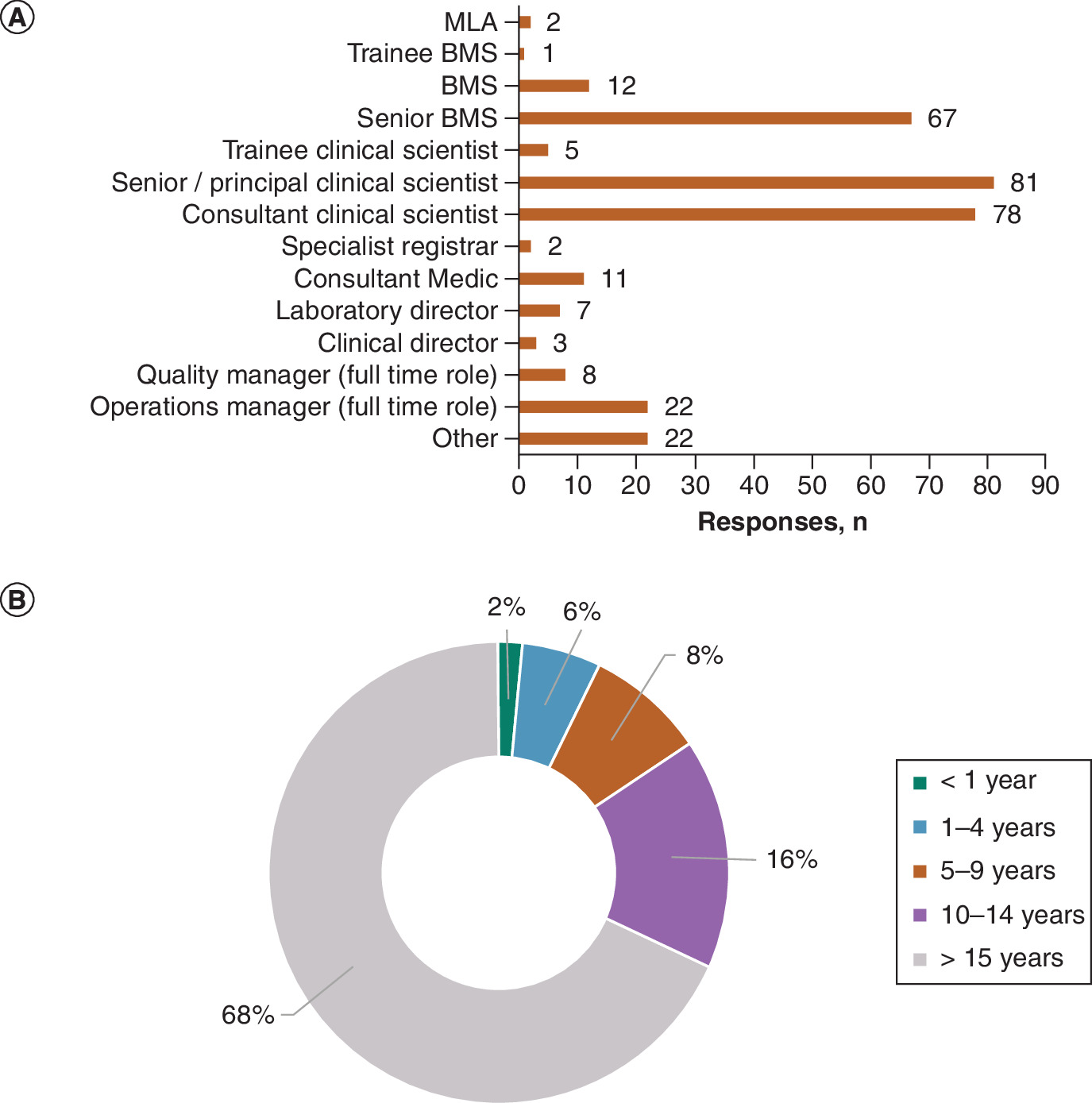
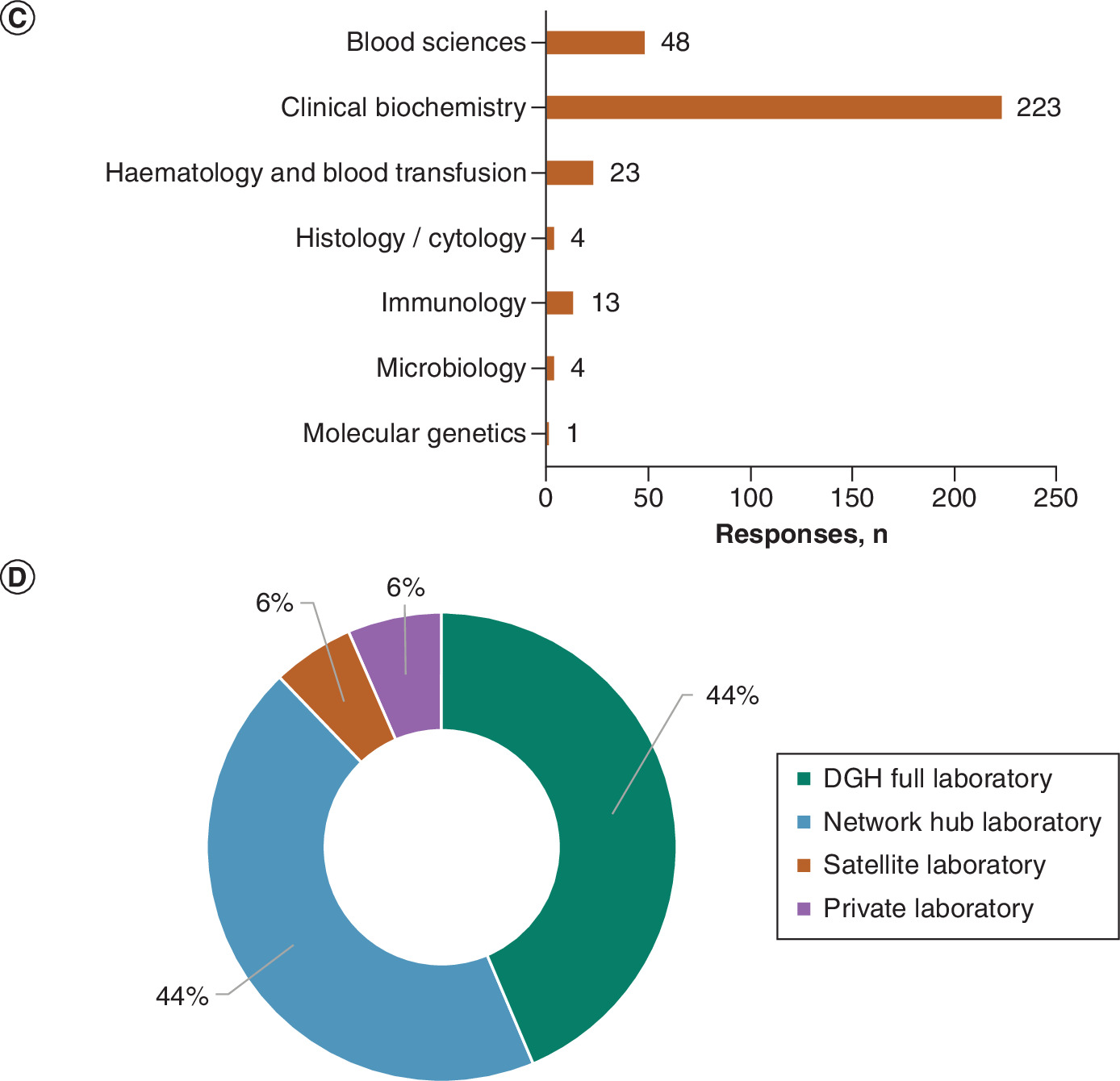
Figure 1. Demographics of respondents (n = 321).
(A) Main role of respondent in the laboratory, (B) number of years in the profession of the respondent, (C) discipline which respondent works in and (D) type of laboratory that the respondent works in.
BMS: Biomedical Scientist; DGH: District General Hospital; MLA: Medical Laboratory Assistant.
Awareness of the Yellow Card Scheme
Figure 2 shows a summary of the data from the questions that relate to awareness of the Yellow Card Scheme. Only those respondents that replied Yes to say that they are aware of the Yellow Card Scheme were able to continue with the remainder of the survey (64%, 207 individuals in total) – Figure 2A. These respondents covered (i) all disciplines available in the questionnaire except Molecular Genetics, (ii) all responses for number of years in the profession and (iii) a wide range of staff groups and types of laboratory. A free text response was allowed for ‘understanding of the role of the Yellow Card Scheme’. Answers have been categorized based on whether the understanding was:
•
Only medicine/drug related [M],
•
only medical device related (with no mention of the laboratory) [E],
•
only laboratory related (for example IVDR) [L],
•
combination of [M], [E] and [L],
•
general comments about MHRA [G],
•
response indicated role of MHRA is unknown [U].
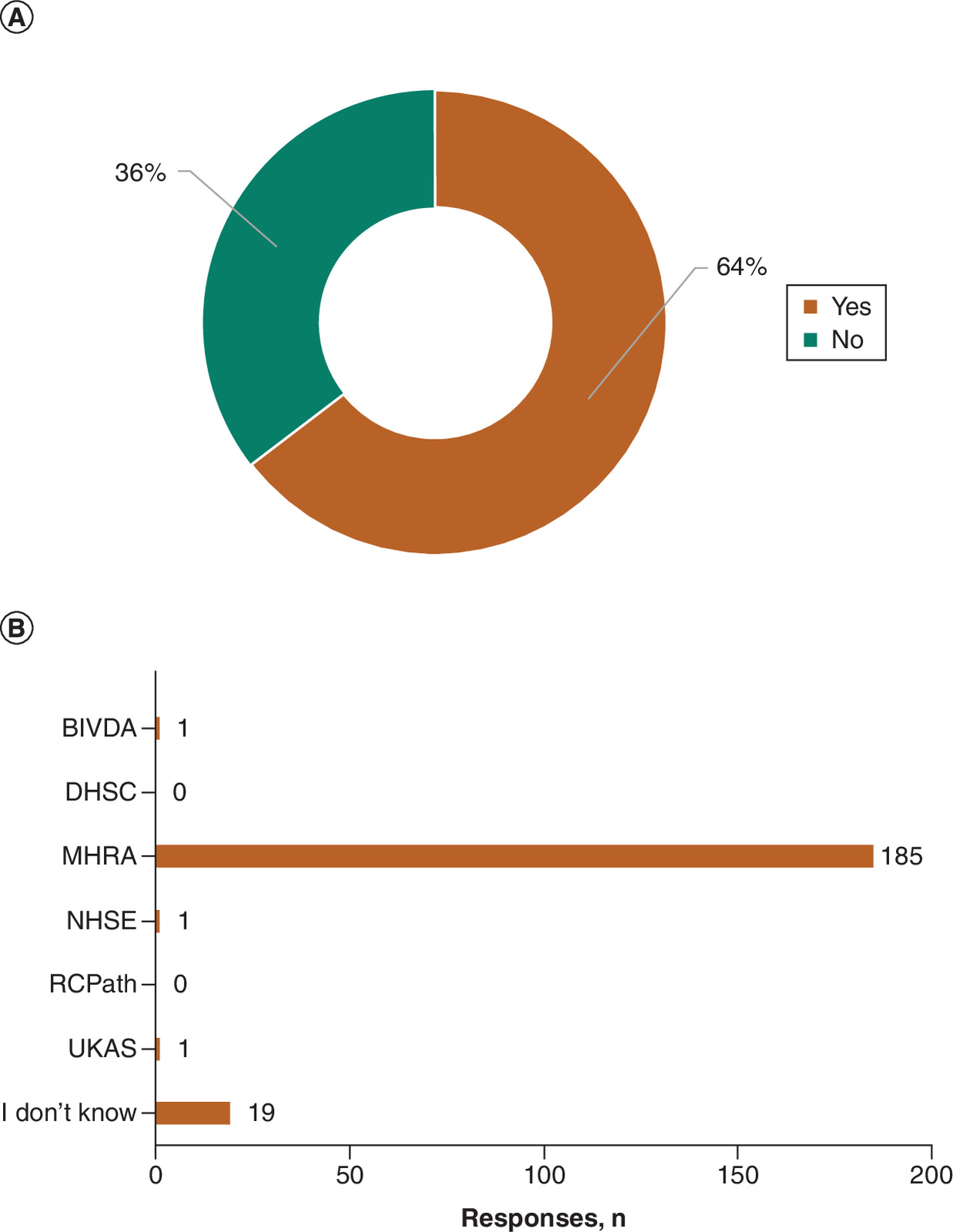
Figure 2. Awareness of the Yellow Card Scheme (n = 207).
(A) Respondents awareness of the Yellow Card Scheme and (B) respondents understanding of who administers and is responsible for the Yellow Card Scheme?
BIVDA: British In Vitro Diagnostics Association; DHSC: Department of Health and Social Care; MHRA: Medicines and Healthcare products Regulatory Agency; NHSE: National Health Service England; RCPath: Royal College of Pathologists; UKAS: United Kingdom Accreditation Service.
There were 200 responses to the question relating to ‘understanding of the role of the Yellow Card Scheme’ with 21% stating that the Yellow Card Scheme was only medicine/drug related [M], 6.5% of responses only medical device (which may have included laboratory equipment, but this was not explicitly stated) [E], 21% of responses stated only laboratory related [L], 27.5% of responses included medicine/drug and a combination of medical device or laboratory related [M] [E or L], 12% of responses included an element of [M][E][L] with 10% as generic comments related to MHRA, for example, ‘Reportable incidents under MHRA regulations’ and ‘For reporting stuff that Does Not Work and risks patient safety’. There were 2% of responses that indicated that they did not know what the role of the Yellow Card Scheme is. Examples of other comments of note included:
•
I have always thought that it was principally used for notifying adverse effects of medications and therefore not applicable in the laboratory.
•
A laboratory director can raise a ‘yellow card’ to the Medicines and Healthcare products Regulatory Agency (MHRA).
•
Something raised when a new interference not previously found by the manufacturer is discovered in a clinical lab. This is reported to a governmental body…not sure who.
•
A reporting system for medicines or equipment that do not meet the requirements set out [in] MHRA guidance/Notify MHRA of concerns about products they control.
•
A system for reporting poor performance of an assay when it has a substantial clinical impact affecting more than one laboratory.
•
To flag issues with drugs/reactions and more recently medical devices.
•
Concerns you have regarding drugs, CE marked devices or analyzers/kits/reagents that produce results on humans/animals.
•
I believe that this is an important part of post-market surveillance, and is used to prevent clinical errors which can adversely affect patient care pathways. Overall, I understand that it's a system designed to keep manufacturers accountable to the standards of quality they're expected to provide.
Most respondents (89%) correctly identified the MHRA as the authority responsible for administering the Yellow Card Scheme (Figure 2B). Among the 10% who did not know who was responsible, over half had more than 15 years’ professional experience and occupied senior or consultant roles; similar misattributions to British In Vitro Diagnostics Association (BIVDA), National Health Service England (NHSE) or United Kingdom Accreditation Service (UKAS) were also reported within this experienced cohort.
Use of the Yellow Card Scheme
Figure 3 shows information about all questions that related to use of the Yellow Card Scheme. Out of the 207 respondents who were aware of the Yellow Card Scheme, 140 (68%) have not raised a Yellow Card and one person could not remember (Figure 3A). Only 66 respondents were able to continue with this section of the survey – because they have experience of Yellow Cards. Of the Yellow Cards that have been raised previously, 39% related to concern about an assay and 25% concern about an IVD device (Figure 3B), Only 23% of respondents use the Yellow Card Scheme regularly (Figure 3C). Figure 3D showed the majority of respondents had not submitted a Yellow Card in the last 12 months.
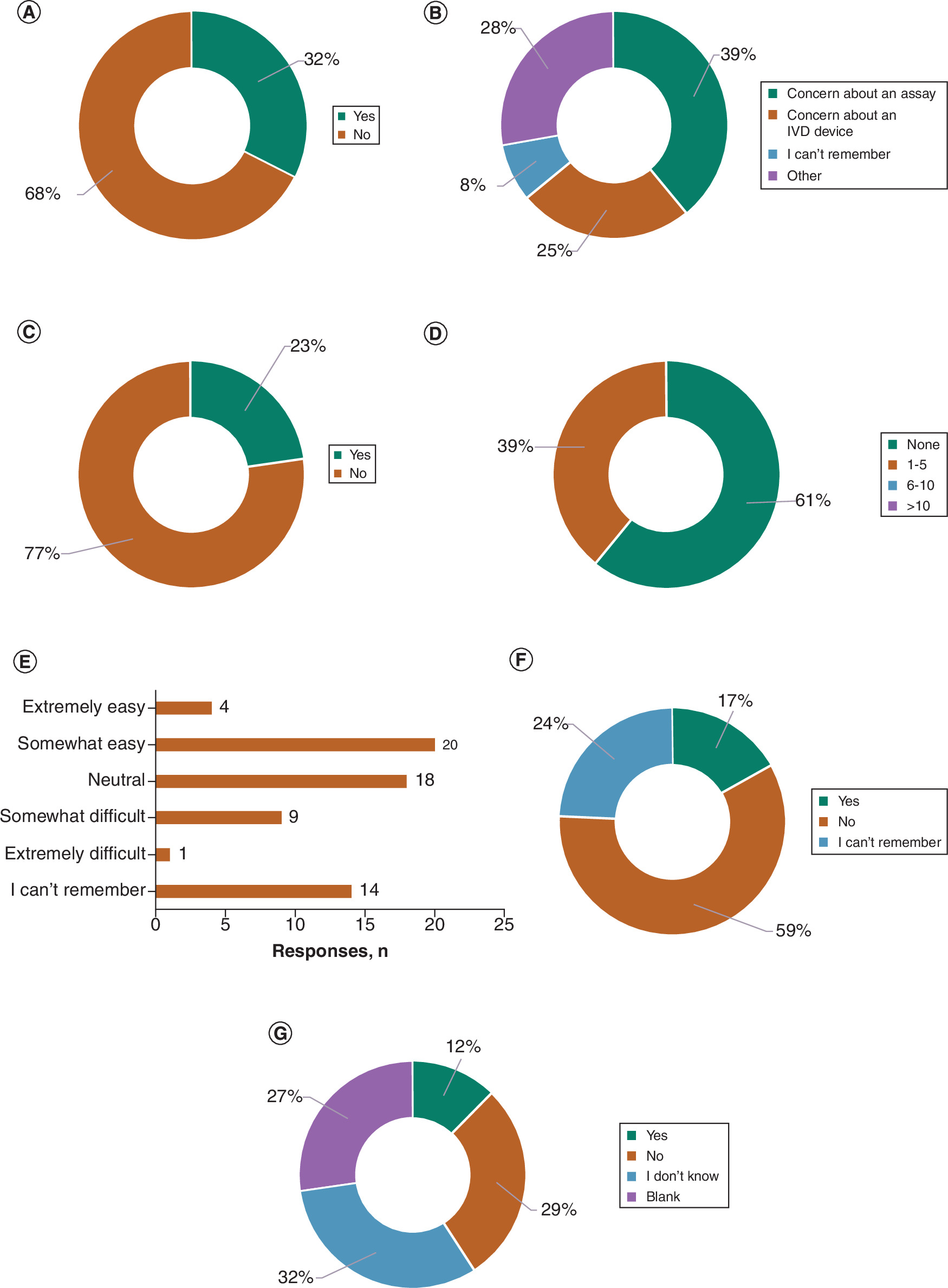
Figure 3. Use of Yellow Card Scheme (n = 66).
(A) Whether the respondent has ever raised a Yellow Card, (B) breakdown of what the Yellow Cards were raised for (multiple choice), (C) whether the Yellow Card Scheme is used regularly, (D) approximate number of Yellow Cards submitted in the last 12 months (March 2025–March 2026), (E) ease of use of the submission process, (F) satisfaction of outcome of the Yellow Card submission and (G) did the supplier/manufacturer respond positively to the submission.
Of the 66 responses who answered that they have raised a Yellow Card (at some point in their careers), there was a mixture in response on how easy the respondent found the submission process (Figure 3E). A few comments of note:
i)
Why the process was found to be easy
•
Can be done by anyone, at anytime, online.
•
Easy to access.
•
Not very much information required.
•
Easy questions to answer.
ii)
Why the process was found to be difficult
•
The online form is not well designed for IVDs, especially where it is a reagent/consumable or calibrator fault rather than the device itself. Some questions are impossible to answer in their current format, so promotes user to either leave blank, put zero or guestimate a response. Some of the questions have only drop-down answers, and it is not always possible to find the right option for the scenario.
•
I did not know the answer to half of the questions.
•
Good for medications, not lab issues.
Only 17% of respondents were satisfied with the outcome of the Yellow Card submission (Figure 3F) and 12% of respondents believed that the supplier/manufacturer responded positively to the submission (Figure 3G).
We asked why the supplier/manufacturer did not respond positively to the submission, free text comments included:
•
Manufacturer continued to deny culpability.
•
They work rigidly within the regulatory framework, in a way that works to their advantage. They close down when MHRA are involved, so dialogue between them and customer is compromised. The supplier extracts data from the system, but never liaises with the lab to disclose what data they are collecting and why, and what the context is. The MHRA never seem to come back to the reporter to ask further questions in relation to the supplier response. The suppliers seem to almost have a disregard for the process, and treat it as a tick box exercise rather than opportunity to learn and improve. The standard response of nearly all companies is to ‘blame’ the customer in terms of how the device is used, training, wrong IQC/EQA etc., rather than accept problems with the device, and that is ultimately the most likely outcome of the MHRA process.
•
I was told directly by the manufacturer's representative that laboratories should not be raising Yellow cards in this way and it was up to the manufacturer's themselves to raise this with the MHRA (!).
•
Did not receive any follow-up/we did not receive a response from the manufacturer via the MHRA.
•
They disregarded my evidence.
•
My consultant was told by a diagnostics company that we as users should not be reporting problems to the MHRA. We are Manufacturer X users, and also in attending a meeting about Analyte A with NHS England, the company made it very clear that they felt that a customer making an MHRA report had impeded their investigation of the issues.
•
The supplier then changed their behavior toward us and also sent a threatening letter telling us not to discuss our issues with any outside parties.
•
I received an angry email from the company rep questioning why I had submitted a Yellow Card.
•
Denied the issue, deflected responsibility. For examples persistently poor [POCT device] performance. Manufacturer phoned and was angry that this had been submitted in the first place, and tried to say that the responsibility was with the EQA provider to rectify.
•
Their response was not relevant but was acceptable to the MHRA so that was the end of that.
Other comments in general about the Yellow Card Scheme included:
•
Did not realize it had anything to do with labs.
•
I did not hear any feedback on the outcome of my submissions.
•
Would be good to understand what happened, feels like after submission it goes into a black hole.
•
We have added a requirement for yellow card review in our QMS CAPA reporting to ensure patient safety issues are raised with the MHRA.
•
It would be useful to include all device names in use so that specific reports can be raised and also searched more easily for users to see any trends occurring.
•
The yellow card system seem to be viewed as being almost synonymous with adverse drug events, and even then with more severe reactions. Its advertising/awareness among IVD users seems poor. It is unclear what types of issues should be reported and it is unclear what types of data etc. could be submitted to make the report stronger and likely to trigger action.
•
I can't remember anything happening when we submitted the yellow card. We provided the information and completed the process (which was quite lengthy and included patient information), but don't remember ever being contacted afterward.
•
Yellow Card not raised because Head of Service did not feel comfortable doing so.
•
Feedback is key – feels like it goes into a black hole. I have submitted four separate yellow card notifications over the past few years and never received any feedback other than the initial acknowledgement of submission. It results in labs feeling isolated and deflated with the only escalation process that seems to be currently available to us.
•
If used effectively, this could be a useful way of addressing ongoing assay problems.
•
I think the Yellow Card Scheme is essential, but I am not confident that any concerns I raise in the future will be taken seriously and investigated fully. I have not submitted any other Yellow Cards since my original for this reason.
•
The phrase ‘yellow card’ is probably outdated given that everything is online now.
•
I did not know yellow cards could be used for IVDs so if I am not aware then I doubt other people are.
•
A time frame for response from the company would be nice.
•
I have never received any update from MHRA or the manufacturer.
•
The yellow card system as well as posting to public forums are currently the main methods for (escalating an issue with an IVD).
•
It is a waste of time as no evidence of anything done. The original IVD Directive mentioned EQA/proficiency testing but the MHRA ignored that.
•
I am extremely keen to engage with any type of reporting system in my role as BMS which leads to improved outcomes for patients.
We asked what could be improved about the system. The most popular response to improving the system was Feedback about issues raised; however, across the survey there were many comments about improved education, and clarity about how and when to report IVD problems to MHRA. Other comments included that “MHRA should be more in the loop with EQA” and a “separate form needs to be agreed with professional stakeholders [for laboratories]”. It was reported by 21% of respondents that the form should be made more suitable for laboratory processes.
Discussion
This survey was intended for laboratory professionals and was not intentionally written for or distributed to POCT users or EQA providers. However, all results received have been included in analysis and this included POCT users and EQA providers. Both POCT and EQA stakeholders play very important roles in service delivery for patients and ensuring patient safety. The survey was open to all; however, because of the methods available for dissemination to potential respondents, the survey was mainly answered by personnel working in clinical biochemistry.
It was clear from the survey responses that there is confusion about the applicability of the Yellow Card Scheme beyond drugs/medicines, though people were generally aware that it is the MHRA who administers and is responsible for the system. There is evidence of some engagement of users with the process, but this appears very minimal considering the number of EQA related issues that have been highlighted over the last year [7–9].
Given there is no usable definition of what ‘medical device’ refers to for Yellow Cards, there must be sympathy for the end user in the laboratory domain. They may be referring to a simple algorithm, a one-shot hand-held device, a desk top analyzer or are they concerned about their main workhorse, their floor standing, huge throughput analyzers taking up the footprint of a tennis court. Apparently, each is a device.
Reagents, calibrators etc. are also termed as a device, but we know there are usually multiple lot numbers/batch numbers in use at any given time, in most cases it is likely that none is ever in use long enough to register as a signal/spike before it is replaced by the next lot/batch. These are definitions tailored for a different market and a different purpose. It bears no relation with how Laboratories work in 2026. Is this merely a collation exercise or is the purpose to change practice and mindsets and remove from use assays that are not fit for intended use?
There is always the question of what constitutes patient harm and whether it is serious enough to warrant formal logging. A serious incident in The Medical Devices (Post-market Surveillance Requirements) (Amendment) (Great Britain) Regulations 2024 is defined as “serious deterioration of any person's state of health” [12]. In reality, hopefully, we would never get to this level of seriousness for any test/investigation within clinical biochemistry before action was taken. Issues within clinical biochemistry often translate into perceived minimal or low harm. However, because of the scale of testing, the numbers of patients impacted is sometimes very large.
At present this threshold appears to be defined and maintained by manufacturers. This is not right. The manufacturer serving a global community may not have the required knowledge at a local or national UK level of what is right for the intended use of a specific test/investigation within our population. It is also possible that these intended uses may change and any performance specification needs to be flexible enough to adapt to this, not be rigid within legislative bureaucracy that can take years to amend. Recommendation 3 of the PFLM Group Getting it Right for the Patient Report requested that the Royal College of Pathologists (RCPath) lead the review of Analytical Performance Specifications (APSs) for clinical biochemistry analytes to determine the most appropriate model based on the Milan Paper for a UK based patient population. This should be based on what is required for the clinical utility of that test rather than what is achievable by the majority. This is currently in progress. We would encourage the reporting of all incidents if there is evidence of harm – directly or indirectly to the patient, or to the wider healthcare system.
The Patient Safety Incident Response Framework (PSIRF) was introduced by NHS England in 2022 which became mandatory in Autumn 2023 [14] with a similar system introduced in NHS Wales in May 2023 [15]. The PSIRF was developed to address the limitations of the previous Serious Incident Framework, with an aim to improve how healthcare organizations in England respond to patient safety incidents. The PSIRF applies to all NHS-funded healthcare providers in England. Incidents are categorized into five categories: Fatal, Severe, Moderate, Low or No Harm. In laboratory medicine there needs to be a link between The Medical Devices (Post-market Surveillance Requirements) (Amendment) (Great Britain) Regulations 2024 and PSIRF to ensure that they are complementary with the patient at the forefront of consideration.
To support review of all Yellow Card submission to the MHRA it is important that a clinical narrative regarding the impact of any problem is included in as quantitative a way as possible. Technical descriptions can be seen to be very subjective or a perceived problem. Though it may be challenging to acquire clinical evidence, it is a very useful tool to support any case. The modeling of impact on clinical data or demonstration of clinical impact are two very useful techniques to help evidence this. Often general data about the increased number of patients outside of a reference range compared with a previous time period is all that is available, but this is still useful. It does not require extensive audit/review of cases before a Yellow Card submission is merited.
Further evidence to support the lack of engagement with the process can be seen from the significant levels of negative comments about the process. These mainly relate to lack of feedback from MHRA and/or the manufacturer. We feel that it is important to emphasize that while the system may appear problematic, laboratory personnel as healthcare professionals have a professional obligation to use the system. We have anecdotal evidence that the current Yellow Card Scheme relies on volume of reports, as well as severity, so greater reporting should reveal substantial benefits. The Yellow Card Scheme is open to all service users, laboratories, EQA providers etc. However, it is important to note that EQA scheme submissions are also only ‘counted’ as n = 1, despite having a broad overview of all users, so laboratory reporting to supplement EQA reporting is vital.
Mixed responses were received on whether users find the online form easy or difficult to complete. Comments relating to not needing to supply much information on the Yellow Card Scheme suggest that even when reported, there is a risk that when reviewed by the MHRA the issue is perceived as not having caused much impact.
We were alarmed by comments such as ‘suppliers informing laboratories that they should not be reporting problems to MHRA’ and ‘suppliers changing behavior toward laboratories and sending threatening letters and not to discuss issues with any outside parties’, especially given their mandated role in Post Market Surveillance. Recommendation 10 of the Getting it Right for the Patient Report recommends that there should be a corporate member group and a post-market code of conduct within BIVDA and Association of British Health Tech Industries (ABHI) established to ensure the continued use of an IVD [7].
It is the authors understanding that the MHRA do not need to provide feedback to the person raising the Yellow Card. However, as noted in the comments this lack of feedback does leave laboratories feeling isolated and deflated.
All laboratories should have a written process, within their Quality Management System, for how they handle issues that are reportable to the MHRA and as part of the laboratory’s risk assessment they should have a process for continued monitoring of the impact of the issue. ISO 22367:2026 Medical laboratories – application of risk management to medical laboratories has recently been updated and provides guidance for laboratories for identifying areas where specific risk management is required [16]. The net result may mean that further Yellow Cards are raised. Out of courtesy it is good practice to notify the supplier when a Yellow Card is being submitted. It is important that the system is not merely used to vent frustration at the supplier.
Conclusion
The Yellow Card Scheme was put in place to protect the patient whether it be from adverse drug reactions or failures in medical devices. We believe that this is the first survey that has looked at knowledge/awareness and use of the Yellow Card Scheme for medical devices in the laboratory. Though this is only a snapshot with responses mainly from clinical biochemistry we can hypothesize that the findings are applicable across laboratory medicine.
The origins of the Yellow Card Scheme were with reporting adverse drug reactions. Though medical devices have been included in the last decade or so, it appears that this may not have been implemented as effectively as intended. It is clear that there is a lack of education within the laboratory community about the Yellow Card Scheme and its applicability to medical devices. This is something that we would recommend is urgently addressed by the professional societies for example the Association for Laboratory Medicine and Institute of Biomedical Science via peer reviewed literature, webinars and educational events etc. Another main theme that came from the result analysis is the lack of feedback from the MHRA and also whether the reporting process is actually fit for purpose? From a regulatory perspective, what processes are in place to ensure that it is an effective system?
This paper has been all about medical devices within the laboratory, the results that these devices generate and the regulatory framework that is in place to escalate concerns; however, it needs to go much further. Patient safety is at the center for all who work in healthcare and this should always be the number one priority. It is never about the laboratory it is always about the patient.
Summary points
•
We believe that this is the first survey of the Yellow Card Scheme of medical devices in the clinical laboratory.
•
Only 5% of respondents to the survey use the Yellow Card Scheme regularly.
•
There was a mixture in response on how easy the respondent found the submission process; however, we are concerned that comments that reported that the online form is easy to complete without much information being required could be interpreted by the Medicines and Healthcare products Regulatory Agency as the issue not having caused much impact.
•
The lack of user engagement with the UK regulatory process needs to be addressed. This could be jointly by the Medicines and Healthcare products Regulatory Agency and professional societies.
•
The survey has identified that there is an urgent need for the education of laboratory professionals about the use of the Yellow Card Scheme for medical devices.
•
We believe that this is a potentially huge patient safety issue.
Author contributions
All authors are members of the PFLM Group and contributed to the design of the Yellow Card Scheme survey. The concept of surveying clinical laboratories was originally that of R Marrington. All authors have been involved with the review of the data and the writing of this manuscript. D Freedman has specifically contributed a patient angle to the interpretation of the reported data.
Acknowledgments
The authors acknowledge everyone who participated in the survey.
Financial disclosure
The author(s) received no financial and/or material support for this research or the creation of this work.
Competing interests disclosure
The PFLM Group is a stakeholder in the CERSI-IVD project; however, members of the CERSI-IVD project did not see the questions before the survey was opened and they have not seen the data until it has been analysed and written for publication. No comments from the CERSI-IVD project have been included in this work. The intellectual property remains the property of the PFLM Group. The authors have no other competing interests or relevant affiliations with any organization or entity with the subject matter or materials discussed in the manuscript apart from those disclosed.
Writing disclosure
No funded writing assistance was utilized in the production of this manuscript.
Ethical conduct of research
Ethical approval not sought as this work is a survey of current practice of post market surveillance within laboratory medicine. Under the principles of the Declaration of Helsinki, ethics review is required for medical research involving human participants, their identifiable data, or biological material. A survey focused on laboratory quality systems does not involve patients or seek to generate new knowledge about human health outcomes. All participation was anonymous and voluntary and the purpose relates to quality improvement based on an evaluation of existing practice. No patient data has been collected.
Data sharing statement
This manuscript reports the results of a real-world evidence study. The protocol was not publicly registered, and the raw data are not publicly available. A summary of the dataset is available upon request.
Open access
This work is licensed under the Attribution-NonCommercial-NoDerivatives 4.0 Unported License. To view a copy of this license, visit https://creativecommons.org/licenses/by-nc-nd/4.0/
References
1.
Lawson DH. Post-marketing surveillance in the UK (1984). Br. J. Clin. Pharmacol. 22(Suppl. 1), 71S–75S (1986).
2.
Lawson DH. The Yellow Card: Mark II. BMJ 301(6763), 1234 (1990).
3.
Kelleher HC, Carmichael AE. Yellow Card reporting. Br. J. Gen. Pract. 43(366), 35 (1993).
4.
Taylor J, Pemberton MN. Yellow Card Scheme. Br. Dent. J. 215(2), 59 (2013).
5.
Shuttleworth P, Baker J, Clark E. Under-reporting of gastrointestinal bleeding associated with anticoagulant use using the UK Yellow Card Scheme. Int. J. Clin. Pharm. 45(4), 1014–1018 (2023).
6.
Avery AJ, Anderson C, Bond CM et al. Evaluation of patient reporting of adverse drug reactions to the UK ‘Yellow Card Scheme’: literature review, descriptive and qualitative analyses, and questionnaire surveys. Health Technol. Assess. 15(20), 1–234; iii-iv (2011).
7.
Marrington R, Davies G, Freedman DB et al. Getting it right for the patient, are we good enough? Meeting Report with Recommendations (9 March 2026). https://pflm.org.uk/
8.
Marrington R, Davies SL, MacKenzie F. Shift happens: the utility of external quality assessment data in evaluating folate lot changes. Clin. Chem. Lab. Med. 64(4), e75–e78 (2026).
9.
Marrington R, Sinclair G, MacKenzie F. The missing piece: who is responsible for ensuring clinical chemistry assays used in the UK are fit for purpose? Ann. Clin. Biochem. 63(2), 141–151 (2026).
10.
European Parliament and Council of the European Union. Regulation (EU) 2017/746 of the European Parliament and of the Council of 5 April 2017 on in vitro diagnostic medical devices and repealing Directive 98/79/EC and Commission Decision 2010/227/EU. Official Journal of the European Union L117, 176–332 (2017).
11.
European Parliament and Council of the European Union. Directive 98/79/EC of the European Parliament and of the Council of 27 October 1998 on in vitro diagnostic medical devices. Official Journal of the European Communities L331, 1–37 (1998).
12.
UK Government. Medical devices: post-market surveillance requirements: how to interpret post-market surveillance (PMS) requirements for medical devices in Great Britain. (2025). https://www.gov.uk/government/publications/medical-devices-post-market-surveillance-requirements
13.
Marrington R, Freedman D, Housley D et al. Clinical quality in UK laboratory medicine: current status and what the wider laboratory community can learn. Clin. Chem. Lab. Med. doi: (2026) (Epub ahead of print).
14.
NHSE. Patient safety incident response framework and supporting guidance. (2022). https://www.england.nhs.uk/patient-safety/patient-safety-insight/incident-response-framework/
15.
Patient safety incident reporting and management (WHC/2023/017). (2023). https://www.gov.wales/patient-safety-incident-reporting-and-management-whc2023017
16.
International Standard of Organisation. ISO 22367:2026 Medical laboratories — application of risk management to medical laboratories. (2026). https://www.iso.org/obp/ui/#iso:std:iso:22367:ed-2:v1:en
Information & Authors
Information
Published In
Copyright
© 2026 The authors. This work is licensed under the Attribution-NonCommercial-NoDerivatives 4.0 Unported License
History
Received: 4 May 2026
Accepted: 18 August 2026
Published online: 8 September 2026
Keywords:
Authors
Metrics & Citations
Metrics
Article Usage
Article usage data only available from February 2023. Historical article usage data, showing the number of article downloads, is available upon request.
Citations
How to Cite
The Yellow Card Scheme for laboratory medicine in vitro diagnostics. (2026) Journal of Patient Centricity. DOI: 10.57264/jpc-2026-0012
Export citation
Select the citation format you wish to export for this article or chapter.