

Reframing patient-centered strategy: why life science organizations need a Chief Patient Officer (CPO) function
Abstract
Despite universal adoption of patient centricity rhetoric in life sciences, patient insights remain structurally fragmented across organizational functions and rarely influence enterprise-level decisions. This paper identifies the absence of a unifying capability, not intent or tools, as the root cause, and proposes the Chief Patient Officer (CPO) function as the solution. Defined through five features (lifecycle stewardship, evidence integration, governance and standards, ecosystem activation and translation into decisions), the CPO acts as the organizational ‘owner of coherence’, bridging scientific maturity and healthcare system readiness. The paper contrasts the CPO mandate with existing roles (Chief Medical Officer, medical affairs), presents case studies in precision oncology and multiple sclerosis, and demonstrates measurable return on access investment through quantifiable key performance indicators. As health technology assessment bodies, regulators, and payers increasingly require credible, methodologically rigorous patient evidence, from patient reported outcomes and patient preference studies to real-world evidence and distributional cost-effectiveness analysis, organizations without a structured patient strategy face growing commercial and reputational risk. The CPO function is the missing architectural layer.
The role of the Chief Patient Officer: from fragmented engagement to lifecycle stewardship
Why this White Paper & why now
Life sciences organizations face a persistent and widening chasm between scientific innovation and tangible patient impact. Precision medicines, advanced diagnostics and targeted therapies are accelerating rapidly, but patient access remains fragmented and severely limited. This critical divergence is not attributable to a lack of scientific capability, but rather to a fundamental system failure: innovation maturity is high, yet patient readiness, system readiness and evidence readiness consistently lag behind [1].
Over the past decade, patient engagement has become a priority in the life sciences ecosystem. Regulators expect it. Health Technology Assessment (HTA) bodies increasingly require it. Payers, policymakers and advocacy organizations demand it. Nearly every organization claims to practice patient centricity. Despite this apparent maturity, patient engagement remains fragmented, inconsistent and weakly translated into lifecycle decision-making. Patients are frequently consulted, but rarely strategically. Insights are gathered but seldom stewarded across the full development, evidence generation and access pathway of a drug. For clinical and medical leaders, the absence of a unified patient-centered strategy increasingly translates into development decisions that are scientifically sound but misaligned with real-world pathways, diagnostic readiness and downstream access expectations.
This White Paper argues that the core issue is not a lack of intent, tools or activities. It is the absence of a unifying capability responsible for integrating patient perspectives across the full lifecycle of innovation, from clinical ideation through evidence generation, access strategy, policy shaping and real-world uptake. This capability is increasingly being described, and in some organizations tentatively explored, as a Chief Patient Officer (CPO) function.
The core problem: fragmentation across the lifecycle
Patient engagement within life sciences organizations consistently mirrors the organizational silos in which it is located. While every function, including clinical development, medical affairs, market access, commercial and corporate affairs touches patient engagement, these efforts are typically inconsistent, inputs are not systematized, and the resulting insights rarely scale to drive enterprise-level strategic decisions [1].
•
In clinical development: Patient input is often late-stage, advisory, and disconnected from protocol-defining decision-making.
•
In medical affairs: Engagement focuses on education and materials rather than evidence generation.
•
In health economics and outcomes research (HEOR) and HTA: Patient evidence is often assembled reactively to meet submission requirements rather than proactively guiding trial design.
•
In market access and policy: Patient voices are mobilized episodically, often too late to influence the fundamental system design required for access.
•
In commercial and real-world settings: Patient support and navigation address downstream access failures rather than upstream design flaws.
Each function operates with good intent but without a shared framework, governance model or accountability for continuity. The result is paradoxical: patient engagement is increasingly visible, yet structurally ineffective. What is missing is not more engagement, but integration.
Why existing models are no longer sufficient
Innovation has become system-dependent
Precision therapies, advanced diagnostics, and targeted interventions do not succeed based on clinical merit alone. Their ultimate impact is determined by a series of integrated system factors that no single traditional function currently stewards: diagnostic availability and reimbursement, provider readiness, patient navigation and understanding, policy and payer alignment and equity-sensitive implementation. Genomic-informed therapies, for instance, require diagnostic tests that are often operationally fragmented, not reimbursed routinely, or restricted by payers. Without a unified function to plan for end-to-end readiness, the promise of innovation stalls.
HTA & policy expectations have outpaced organizational design
The foundation of value and access is shifting, moving beyond sole reliance on randomized controlled trial data toward a broader requirement for comprehensive, patient-centered evidence. Global HTA bodies increasingly expect the following:
•
Real-world evidence (RWE) that reflects lived experience, derived from data sources meeting stringent criteria for relevance, reliability and reporting [4].
•
Quantified equity considerations: Agencies such as NICE now advise applying distributional cost-effectiveness analysis (DCEA) to quantify equity impact, elevating equity from an ethical footnote to a core methodological requirement that demands proactive subgroup analysis and RWE generation [5].
Furthermore, regulatory bodies like the EMA and the US FDA are concurrently formalizing requirements for incorporating the patient’s voice. The EMA encourages the inclusion of patient experience data (PED), data reflecting patient experiences or preferences without clinician interpretation, throughout the product lifecycle. The FDA’s Patient-Focused Drug Development (PFDD) framework similarly mandates the use of robust patient input to inform benefit-risk assessments and minimize trial burden. Organizations without a structured patient strategy fall short, leading to HTA vulnerabilities, constrained reimbursement decisions and failure to meet regulatory standards.
Patient engagement has become a risk vector
Poorly coordinated patient engagement now creates measurable commercial and reputational risks. Failure to integrate patient preferences (PP studies) early (i.e., alongside Phase II trials at the latest) introduces significant commercial risk by preventing timely course correction in trial design [6]. Moreover, failure to generate evidence that meets HTA and regulatory standards results in negative HTA outcomes or constrained reimbursement decisions, directly impacting long-term revenue streams and creating operational duplication and rework. In this context, patient strategy is no longer a ‘nice to have’; it is a value protection function.
The CPO as a capability, not a title
The CPO should not be viewed as a symbolic or advocacy role. It is the organizational architect responsible for translating patient insights into enterprise-wide strategy, functioning as a senior leader and ‘influencer’ who ensures the patient perspective is the epicenter of critical business decisions [7]. In its most effective form, the CPO represents a strategic capability with five defining features, integrating the fragmented functions that currently touch the patient (clinical, medical, access, policy, commercial) into a cohesive, governed process.
A common executive misconception is that the patient mandate is already ‘covered’ by the Chief Medical Officer (CMO) or medical affairs. While these functions are critical, they have distinct primary objectives, leaving a strategic gap in lifecycle stewardship. The CPO acts as what can be considered ‘owner of coherence’. They do not ‘own’ the patient; they own the structural integration between the scientific maturity of the asset and the operational readiness of the healthcare system. The variation of the roles is detailed in Table 1.
| Feature | CMO | Medical affairs | CPO |
|---|---|---|---|
| Primary focus | Clinical strategy and regulatory success | Scientific exchange and HCP trust | Design for patient and health impact |
| Data ownership | Efficacy/safety (RCT data) | Evidence gaps and real-world use | Patient experience data and preferences |
| Key audience | Regulators (FDA/EMA) | Key opinion leaders | Full ecosystem (patients, payers, HTA) |
| Strategic goal | ‘Bedside to market’ | ‘Support safe and effective use’ | ‘System readiness and impact preservation’ |
CMO: Primarily focused on the scientific rigor and regulatory marketability of a molecule. The patient is often viewed through the lens of protocol adherence and safety; medical affairs: focuses on the HCP relationship. While they hear ‘unmet needs,’ their mandate is to translate clinical evidence for doctors, not to re-architect the development pipeline based on patient-lived experience; existing CPOs: Historically adjacent to Corporate Affairs or Advocacy, these roles often lack the internal ‘teeth’ to influence trial design or HTA economic models.
EMA: European medicines agency; CMO: Chief Medical Officer; CPO: Chief Patient Officer; FDA: Food and drug administration; HCP: Healthcare provider; HTA: Health technology assessment; RCT: Randomized controlled trial.
The five defining features of the CPO mandate
The core mandate formalizes the CPO’s function as the strategic layer necessary to overcome systemic organizational inertia and drive predictable patient impact. Figure 1 captures the five features.
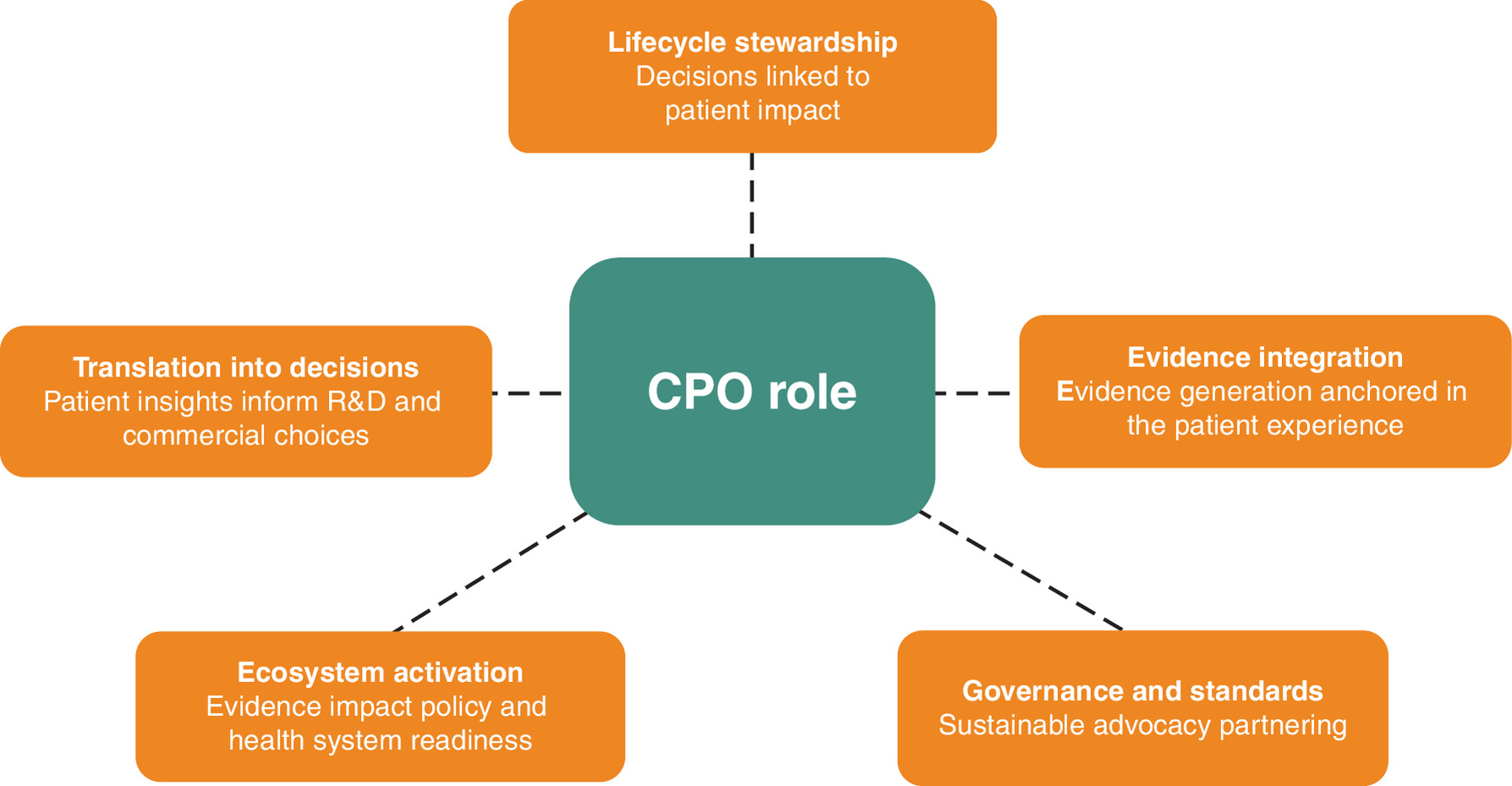
Figure 1. The five defining features of the Chief Patient Officer mandate.
CPO: Chief Patient Officer.
Lifecycle stewardship
This requires standardizing how patient insights are collected, validated, and integrated across the organization. A critical component is deploying a cross-functional governance model that includes stakeholders from clinical, medical, access, policy, and commercial teams to ensure that decisions are transparently traceable to patient value and span the entire product lifecycle, from R&D through post-launch.
Evidence integration
The CPO leads the methodological efforts to capture the patient experience through rigorous, quantifiable means. This includes patient journey mapping, robust preference research (PP studies), quantification of the burden of disease (AS/PS metrics), and the generation of a Living Patient Evidence Stream anchored in patient-centered end points. This evidence must be compliant with both regulatory (PED/PFDD) and HTA requirements (RWE/DCEA) [5].
Governance & standards
This pillar focuses on building sustainable, value-generating advocacy partnerships while ensuring compliance and transparency. The CPO establishes co-creation models for developing evidence, educational materials, and policy frameworks, ensuring all engagements are compliant and transparent, which is vital for maintaining external trust.
Ecosystem activation
The CPO uses the credible patient evidence stream to influence policy debates and drive system readiness. This involves mapping inequities, targeting the highest-impact interventions, and building multistakeholder coalitions that support critical system requirements, such as diagnostic adoption, screening pathways and early access initiatives.
Translation into decisions
This is the CPO’s unique influence across the R&D pipeline. It means moving beyond simple trial recruitment to strategically influencing trial design (e.g., alongside Phase II trials at the latest [6]) to ensure end points are patient-relevant and reflect unmet need. This includes validating unmet need, ensuring trials reflect real-world patient needs, and crucially, integrating diagnostic readiness and system capacity analysis into clinical planning. The CPO ensures patient insights inform real choices: trial design, end point selection, access strategy, diagnostic pathways and policy positioning.
Case studies: conventional versus CPO-led approaches
Case A: Precision oncology (the diagnostic-access stress test)
Precision oncology exposes the limitations of fragmented engagement more clearly than any other therapeutic area. Here, patient access depends not only on drug approval but also on the successful activation of a complex ecosystem: awareness of testing, diagnostic reimbursement, timely turnaround, provider confidence and patient understanding. Across different markets, a persistent diagnostic–access gap exists where eligible patients are never identified. This is not a scientific failure, but an operational one.
•
87.5% of physicians report significant barriers to next-generation sequencing testing [8].
•
72.0% cite ‘reimbursement friction’ and prior authorizations as the primary administrative hurdle (in US health systems) [8].
•
81.0% report a knowledge deficit regarding next-generation sequencing methodologies, and 80.0% cite a lack of clinical utility evidence as a barrier to adoption [8].
This creates a high-risk, low-reward scenario where the system actively discourages the provider from following the genomic pathway, leading to underdiagnosis and slow market uptake [9].
The Solution: a systematic framework
The CPO provides the integrator necessary to overcome these systemic failures through a multistep process.
1.
Map the diagnostic and care pathway: Conduct granular analysis of the patient and provider journey to identify specific bottlenecks, such as the 72.0% prior authorization friction point.
2.
Generate patient-centered evidence: Commission burden of disease and preference research to quantify the clinical and economic costs of testing delays (e.g., impact on quality of life)
3.
Build multistakeholder readiness strategies: Use the generated evidence to shape policy and educate payers, leveraging data like proportional shortfall metrics to justify broader diagnostic coverage.
4.
Codify engagement standards: Implement standardized navigation support and provider resources to directly address the 81.0% knowledge deficit and 72.0% administrative burden [8].
○
Outcome: By embedding this model, organizations achieve improved diagnostic adoption, early and equitable access and sustained clinical impact, transforming innovation into realized value.
Case B: multiple sclerosis (the journey gap)
•
Conventional: Focusing development on biomarkers and Expanded Disability Status Scale scores.
○
Outcome: HTA bodies question real-world value as patients struggle with unmeasured burdens like fatigue, cognitive disruption and caregiver burnout, leading to ‘restricted’ access recommendations.
•
CPO-led: Simulating study visits with MS patients before Phase II protocol finalization. Identifying that ‘fatigue management’ is a primary value driver for patients.
○
Outcome: Trials include patient-relevant end points that resonate with HTA value assessments, future-proofing reimbursement.
Why this capability is emerging now
Three forces are fundamentally converging, creating an environment where existing functional structures are insufficient and where a unifying CPO capability becomes necessary:
1.
Scientific complexity has increased faster than system readiness. Precision medicine requires complex system changes (diagnostics, policy, provider training) that must be integrated, which fragmentation cannot support.
2.
External expectations (HTA, policy, equity) now require credible, quantifiable patient evidence (DCEA, PROs, PED). This shift from qualitative input to methodological requirement necessitates enterprise-wide coordination led by a senior strategic leader.
3.
Internal fragmentation has become a direct bottleneck to impact. The cost of inefficiency, risk mitigation and delayed access now outweighs the cost of establishing a unified CPO governance model.
Implications for organizations & leadership
The CPO is responsible for translating patient centricity into quantifiable key performance indicators that demonstrate tangible strategic and financial return on investment [10,11]. The CPO’s financial leverage is achieved through: mitigation of access risk, acceleration of development and operational efficiency/retention.
The function generates a measurable return on access investment. Expenditures on navigation support and policy shaping yield quantifiable returns by reducing systemic access friction costs (such as the 72.0% prior authorization failure rate) and increasing patient adherence and retention, leading to higher and more consistent revenue streams [12,13].
For life science organizations, a CPO capability offers:
•
De-risked pipeline viability: Preventing costly, late-stage pivots by integrating patient preferences alongside Phase II trials [5]. This can strip as much as US $1,000,000 from the cost of a clinical study by avoiding late-stage protocol amendments.
•
•
Stronger alignment between innovation and access: Closing the critical diagnostic-access gap and accelerating time from diagnosis to treatment (Tx TAT) in target markets
Figure 2 illustrates the metrics tracked by the CPO enforce cross-functional adherence and define organizational competency.
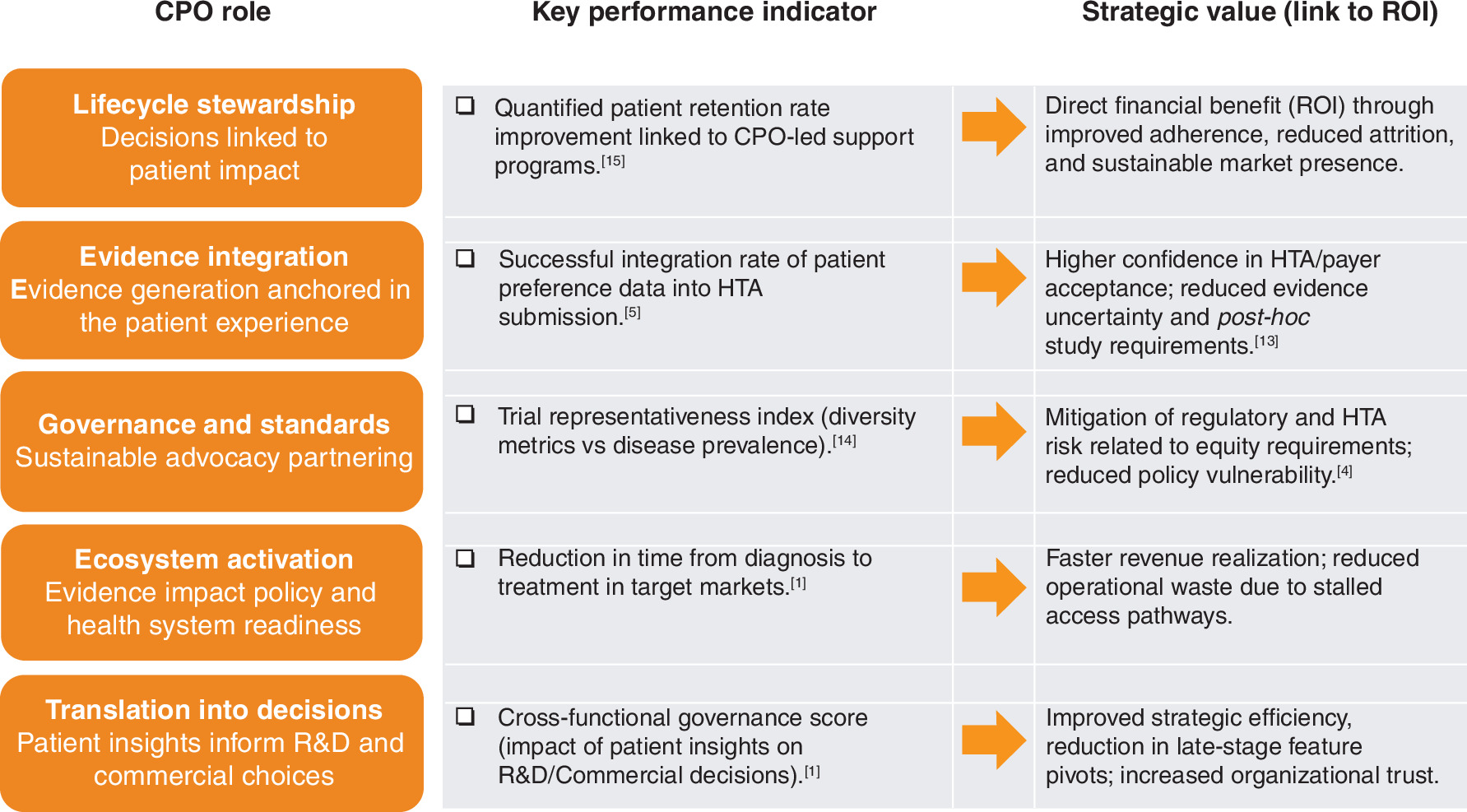
Figure 2. Metrics tracked by the Chief Patient Officer enforce cross-functional adherence and define organizational competency.
CPO: Chief patient officer; ROI: Return of investment; R&D: Research and development; HTA: Health technology assessment.
The measurement of the CPO’s progress shifts the entire organization toward a systematic, patient-centric culture [11]. The key performance indicator serves as a mechanism for enforced cross-functional compliance, ensuring that patient-centricity is operationalized enterprise-wide.
Conclusion: from awareness to architecture
Patient-centeredness is no longer a question of intent. It is a question of structural design. The evidence overwhelmingly supports the assertion that the CPO (or an equivalent dedicated strategic capability) is the missing foundational layer required to bridge the gap between scientific innovation and patient impact. Treating patient centricity as a symbolic or siloed activity guarantees failure in meeting the increasingly sophisticated evidence (RWE, PP, PROs, PED) and equity (DCEA) demands of modern global regulatory and HTA payer systems.
Organizations that strategically implement this CPO capability will not merely differentiate themselves; they will future-proof their access strategies, close the critical diagnostic-access gaps and deliver innovation that truly reaches patients, securing sustained clinical and commercial impact. The role of the CPO is not to speak for patients. It is to ensure that patient value is structurally embedded in the decision-making process.
Executive summary
•
Life sciences organizations have invested heavily in patient engagement, and yet patient insights rarely travel. They remain siloed within clinical development, medical affairs, HEOR, or market access, never coalescing into a unified strategy that drives enterprise-wide decisions. The result is a paradox: patient centricity is universally claimed, but structurally absent.
•
This White Paper argues that the core issue is not a lack of intent, tools, or activity. It is the absence of a unifying organizational capability, the Chief Patient Officer (CPO) function, responsible for integrating patient perspectives across the full lifecycle of innovation, from clinical ideation through evidence generation, access strategy, policy shaping, and real-world uptake.
•
The CPO is defined here through five features: lifecycle stewardship, evidence integration, governance and standards, ecosystem activation, and translation into decisions. Together, these define an organizational architect, not a patient advocate, who ensures patient value is structurally embedded in decisions that matter: trial design, endpoint selection, health technology assessment submissions, and access strategy.
•
The financial case is concrete. Embedding patient preference data alongside Phase II trials can prevent late-stage protocol amendments costing over US$1,000,000 per study. The CPO function generates a measurable return on access investment through reduced systemic access friction, improved patient retention, and accelerated time from diagnosis to treatment.
•
Organizations that build this capability will future-proof their access strategies, close critical diagnostic-access gaps, and deliver innovation that genuinely reaches patients. Those that do not will continue generating patient engagement activity without patient impact.
Financial disclosure
The author(s) received no financial and/or material support for this research or the creation of this work.
Competing interests disclosure
R Gilardino is employed by Insights & Impact. Ross Maclean is employed by Precision AQ. The views expressed in this article are those of the authors in their academic and professional capacities and do not represent the positions of any employer, institution, or agency. The authors have no other competing interests or relevant affiliations with any organization or entity with the subject matter or materials discussed in the manuscript apart from those disclosed.
Writing disclosure
No funded writing assistance was utilized in the production of this manuscript.
AI assistance disclosure
The authors declare that they used an artificial intelligence-assisted tool Claude 4.0, 2026 (Anthropic Inc., US), in the creation of this manuscript, to improve language and readability. The authors reviewed and edited the content as needed and take full responsibility for the content of the publication.
Open access
This work is licensed under the Attribution-NonCommercial-NoDerivatives 4.0 Unported License. To view a copy of this license, visit https://creativecommons.org/licenses/by-nc-nd/4.0/
References
1.
PharmaVoice. Chief Patient Officers and Advocates. (2020). https://www.pharmavoice.com/news/2020-03-chief-patient-officers/612294
2.
Canada's Drug Agency (CDA-AMC; 2025). Methods guide for health technology assessment: quantitative methods manual. https://www.cda-amc.ca/sites/default/files/MG%20Methods/MG0030-Quantitative-Methods-Manual_Mar%202025.pdf
3.
PPD. Five steps: integrating patient preferences into health technology assessment. (2021). https://www.ppd.com/blog/integrating-patient-preferences-health-technology-assessment/
4.
Deloitte. Striving to become more patient-centric in life sciences. (2020). https://www.deloitte.com/us/en/insights/industry/life-sciences/patient-centricity.html
5.
Dynamic Global Events. 4th Chief Patient Officer Summit. Agenda (2024). https://dgevents.com/event/4th-chief-patient-officer-summit/agenda
6.
Flatiron Health. Evaluation of US oncology electronic health record real-world data to reduce uncertainty in health technology appraisals: a retrospective cohort study. (2023). https://resources.flatiron.com/publications/reduce-uncertainty-health-technology-appraisals-retrospective-cohort
7.
Pharmaceutical Executive. The role and recruitment of the Chief Patient Officer. (2022). https://www.pharmexec.com/view/the-role-and-recruitment-of-the-chief-patient-officer
8.
IQVIA. Real-world evidence studies: getting started. (2020). https://www.iqvia.com/locations/united-states/blogs/2020/07/real-world-evidence-studies-getting-started
9.
Green S, Prainsack B, Sabatello M. Precision medicine and the problem of structural injustice. Med. Health Care Philos. 26(3), 433–450 (2023). Erratum in: 27(1), 133 (2024)
10.
PrepLounge. ROI and ROAS: formulas and examples. (2025). https://www.preplounge.com/en/case-interview-basics/roi-and-roas
11.
Hussain A, Szamreta E, Ning N et al. Potential barriers to implementation of next-generation sequencing in cancer management: a U.S. Physician-based survey. Future Oncol. 21(2), 231–239 (2025).
12.
Enami M, Yuasa A, Ikeda S. Quantifying disease severity in health technology assessment in Japan: a retrospective analysis using quality-adjusted life-year shortfalls. J. Health Econ. Outcomes Res. 12(2), 229–236 (2025).
13.
Society for Healthcare Strategy & Market Development (SHSMD). Finding the ROI in patient engagement programs. (2023). https://www.shsmd.org/system/files/media/file/2024/03/2023_Gozio_Report_FINAL-NEW.pdf
14.
Putnam Associates. The value of equity in health technology assessment: current guidelines and what to expect. (2025). https://www.putassoc.com/insights/value-of-equity-in-hta-current-guidelines-and-what-to-expect/
Information & Authors
Information
Published In
Copyright
© 2026 The authors. This work is licensed under the Attribution-NonCommercial-NoDerivatives 4.0 Unported License
History
Received: 16 June 2026
Accepted: 30 July 2026
Published online: 21 August 2026
Keywords:
Authors
Metrics & Citations
Metrics
Article Usage
Article usage data only available from February 2023. Historical article usage data, showing the number of article downloads, is available upon request.
Citations
How to Cite
Reframing patient-centered strategy: why life science organizations need a Chief Patient Officer (CPO) function. (2026) Journal of Patient Centricity. DOI: 10.57264/jpc-2026-0010
Export citation
Select the citation format you wish to export for this article or chapter.