

The impact of sequential analysis on drug decision-making in Canada
Abstract
Aim: In Canada (excluding Québec), public drug coverage generally relies on health technology assessment and reimbursement recommendations produced by Canada’s Drug Agency – L'Agence des medicaments du Canada (CDA-AMC). At CDA-AMC, when multiple comparators are included in the pharmacoeconomic analysis, the corresponding results are reported using a sequential analysis. The aim of this review was to understand how the sequential analysis approach impacts the price reductions recommended in CDA-AMC drug reimbursement reviews. Materials & methods: A search was conducted of CDA-AMC reimbursement review reports published from January 2022 to December 2023 that included a cost–utility analysis with sequential analysis performed by the Sponsor and the economic re-analysis by CDA-AMC. An analysis of included reimbursement reviews was conducted to determine if the comparators chosen through the sequential analysis and selected for the price reduction in the final reimbursement recommendation were also the comparators most commonly used in current clinical practice. Additional analyses further examining reported market shares and list prices were conducted among reimbursement recommendations where the selected comparator was not the most commonly used comparator. An assessment examining the impact of comparator selection based on the sequential analysis on cost-effectiveness conclusions in CDA-AMC reimbursement reviews was also conducted. Results are presented by type of drug review (i.e., oncology vs nononcology products). Results: A total of 150 CDA-AMC reimbursement reviews published from January 2022 to December 2023 were identified and screened for eligibility. Of these, 37 reimbursement reviews – comprising a total of 60 recommendations (13 oncology and 47 nononcology products) based on sequential analyses – were included in the analysis. Among the included reimbursement recommendations, CDA-AMC chose a comparator that was not the most commonly used in clinical practice in 25 (42%) recommendations when determining the price reduction of the new medication (in accordance with CDA-AMC guidelines that permit selection of any comparator regardless of clinical utilization). Among these 25 reimbursement recommendations, the selected comparator represented <10% of the market share in 60% of the recommendations and was the least expensive comparator in 56%. Similar findings were observed within reimbursement recommendations for oncology and nononcology products. Furthermore, in 21 (84%) of these 25 recommendations, it was found that comparing new drugs to the most commonly used comparators, rather than the CDA-AMC selected comparators, led to more favorable reimbursement assessments for new drugs, with lower or no required price reductions to meet the $50,000/quality-adjusted life year threshold commonly applied during the respective review period. Conclusion: Comparator selection is a vital aspect of health technology assessment. At CDA-AMC, comparator selection is driven by the sequential analysis approach, playing an important role in their economic assessment and reimbursement recommendation. Despite the relatively small number of sequential analyses examined, this review found that CDA-AMC recommendations based on a sequential analysis frequently refer to a comparator that is not widely used in real-world clinical practice, which can impede subsequent health technology assessment decisions that need to consider clinically prevalent comparators. This is notable as pairwise analyses conducted for this review demonstrated that selecting the treatments most often used in clinical practice as the comparator, rather than the CDA-AMC comparator, likely yields lower price reductions for new treatments that are more costly and more effective. These findings reinforce the importance of transparent and clinically informed comparator selection and points to the need for CDA-AMC to commit to providing economic assessments of all clinically relevant comparators to ensure payers have a complete and balanced picture of the evidence.
Plain language summary
What is this article about?
In Canada, public drug coverage relies on health technology assessment and recommendations from Canada’s Drug Agency – L'Agence des medicaments du Canada (CDA-AMC). Comparator selection is a vital aspect of health technology assessment and, when multiple comparators exist in real-world practice for a new drug entering the market, CDA-AMC conducts their pharmacoeconomic assessment using the sequential analysis, which can result in some comparators being excluded from their evaluation and final recommendation. The aim of this review was to understand how the sequential analysis impacts CDA-AMC reimbursement recommendations.
What were the results?
A review of 60 reimbursement recommendations (among 37 reimbursement reviews from 2022 to 2023) based on sequential analyses found that CDA-AMC frequently refer to a comparator that is not widely used in real-world practice. CDA-AMC chose a comparator that was not the most commonly used in clinical practice in 25 (42%) of the included recommendations. Among these 25 recommendations, the selected comparator represented 10% or less of the market share in the majority of cases and was frequently the least expensive comparator. It was also found among these recommendations that comparing to the most commonly used comparators, rather than the CDA-AMC selected comparators, led to more favorable reimbursement assessments for new drugs, with lower or no required price reduction recommendations.
What do the results mean?
These findings highlight concerns with the sequential analysis, as it may remove relevant comparators and result in a recommendation that is not based on current clinical practice. They also reinforce the importance of transparent and clinically informed comparator selection and point to the need for CDA-AMC to commit to providing economic assessments of all clinically relevant comparators to ensure payers have a complete and balanced picture of the evidence.
In Canada, new drugs entering the market must first be approved by Health Canada (HC) to acquire marketing authorization. Following HC approval, public and private payers make independent decisions regarding funding these drugs for patients in Canada [1–3]. Public drug coverage (outside of Québec) generally relies on health technology assessment (HTA) and reimbursement recommendations produced by Canada’s Drug Agency – L'Agence des médicaments du Canada (CDA-AMC) [4–8]. CDA-AMC is an independent, nonprofit organization established by the federal, provincial and territorial drug plans to provide advice to Canada’s publicly funded healthcare systems, in collaboration with their pan-Canadian expert committees [4,9]. CDA-AMC is a leading HTA body, playing a pivotal role in advancing significant HTA reforms over the past several years by collaborating with other HTA groups internationally to develop new approaches to HTA and by providing substantial contributions to major international HTA meetings (e.g., Health Technology Assessment International [HTAi]) [10–13].
HTA involves evaluation of both the clinical and economic value of the drug under review, benchmarked against existing comparator treatments already used and funded for the given indication. The economic assessment includes both a pharmacoeconomic evaluation (e.g., cost-effectiveness, cost–utility or cost-minimization analysis) and a budget impact analysis (BIA) [4,7,14–16]. Manufacturers seeking public reimbursement for their medicines in Canada must submit a reimbursement dossier to CDA-AMC through CDA-AMC’s Drug Reimbursement Review process. The objective of CDA-AMC's drug review is to determine if the drug provides clinical and economic value versus the relevant comparators. In addition, a BIA must be provided by the manufacturer to forecast the financial impact of reimbursing the drug.
This means that in addition to providing clinical evidence from the pivotal trials, manufacturers are asked to also submit to CDA-AMC indirect evidence to compare their products with all eligible comparators through indirect treatment comparisons. This also means that when multiple comparators are included in the pharmacoeconomic analysis, the results provided by the manufacturers as part of their reimbursement dossier must be reported using a sequential analysis to show where the drug stands on the cost-effectiveness efficiency frontier [7,14]. The sequential analysis is a stepwise approach used to compare multiple health interventions and determine the most cost-effective option. It ranks comparator treatments based on their cost and effectiveness, and treatments that are either dominated or exhibit extended dominance are excluded from the analysis. An intervention is dominated when it is more costly and less effective than at least one other intervention. An intervention is subject to extended dominance when it would never be the optimal intervention regardless of the cost-effectiveness threshold. The sequential analysis is then performed with the remaining non-dominated treatments, while recognizing that exclusion from the efficiency frontier does not imply a lack of clinical relevance [14,17].
Upon receipt of the manufacturers’ reimbursement dossier, CDA-AMC critically appraises the clinical and economic evidence. This typically involves a re-analysis of the economic evaluation by CDA-AMC when CDA-AMC disagrees with any inputs or assumptions used in the Sponsor-submitted economic model. While CDA-AMC does not officially endorse a specific willingness-to-pay (WTP) threshold, a $50,000/QALY WTP threshold was commonly applied during the respective review period. If the clinical value of the new drug under review is acknowledged by CDA-AMC, it may issue a recommendation to reimburse without or with conditions, the latter being the case for most of their recommendations, with one of these conditions being a price reduction relative to a single comparator selected following the sequential analysis [18–21]. Subsequent to the HTA and reimbursement recommendation produced by CDA-AMC based on their re-analysis of the economic model, the drug manufacturer negotiates the price of the drug with the pan-Canadian Pharmaceutical Alliance (pCPA), which was established in 2010 to conduct joint negotiations for participating public drug plans [5,7]. To inform these negotiations, CDA-AMC typically recommends a price reduction aligned with the principles of value-based pricing. Value-based pricing uses comparative effectiveness research to establish the added therapeutic value of the new drug compared with the current standard treatment or existing alternatives for the same indication [22,23]. In real-world clinical practice, it is often the case that multiple drugs coexist in the market for a given indication, adding complexity to the selection of the comparator product used as the benchmark for HTA [23,24]. CDA-AMC drug reimbursement reviews may result in a recommendation for reimbursement conditional on a price reduction benchmarked against the price of a comparator product selected through the sequential analysis, which has implications for the success and length of the subsequent drug price negotiation between the manufacturer and public payers through the pCPA [4,5,7,25].
Therefore, it is essential to understand how comparator selection driven by the sequential analysis approach impacts CDA-AMC's economic assessment and reimbursement recommendation and, in particular, its price rebate recommendation. As such, the objective of this study was to assess to what extent clinically prevalent comparators are not retained in CDA-AMC’s economic evaluation due to the sequential analysis approach and how the exclusion of these comparators can impact the final price reduction recommendation.
Materials & methods
Eligibility criteria
A search of CDA-AMC reimbursement review reports published on the CDA-AMC website was conducted to identify relevant reimbursement reviews. To be eligible for this assessment, the final reimbursement recommendation was published from January 2022 to December 2023, and the reimbursement review included a cost–utility analysis (CUA) with sequential analysis performed by the Sponsor and the economic re-analysis by CDA-AMC.
Screening & data extraction
Screening of reimbursement review reports, including their clinical and pharmacoeconomic reports, for eligibility was performed by a single reviewer and all screening decisions were reviewed by a second independent reviewer. Data extraction of eligible reimbursement reviews was also performed by a single reviewer and all data extracted were reviewed by a second independent reviewer. Disagreements were resolved via consensus.
The following data were extracted from each eligible reimbursement review:
•
Generic and brand name of the drug under review.
•
Therapeutic area.
•
Reimbursement request.
•
Use of sequential analysis by CDA-AMC.
•
Sponsor, sponsor-corrected (CDA-AMC’s recalculation after correcting for errors or discrepancies identified in the Sponsor’s submitted model, but before applying CDA-AMC’s own methodological preferences or input changes), and CDA-AMC sequential incremental cost-effectiveness ratio (ICER).
•
Comparators included in and excluded from CDA-AMC sequential analysis.
•
Price and quality-adjusted life years (QALYs) of comparators.
•
Market shares of comparators.
•
Inclusion of comparators in the pivotal clinical trials.
•
WTP threshold used in the reimbursement review.
•
Final recommendation type.
•
Recommended price reduction.
•
Consideration of the sequential analysis in both CDA-AMC’s conclusions and recommendations.
Data analysis
An analysis was conducted to determine if the comparators chosen through the sequential analysis and selected for the price reduction in the final reimbursement recommendation were also the comparators most commonly used in real-world clinical practice. As a single reimbursement review could contain multiple recommendations, this analysis was based on the number of recommendations. Use in clinical practice of the comparator used for the price reduction of the drug under review was evaluated based on the market share data published in the CDA-AMC reimbursement review BIA report. These market shares are based on sales data from external sources and represent the estimated proportion of patients receiving the comparator treatments in current clinical practice (at the time of the drug submission) for the given indication. Based on these estimates, use in clinical practice was defined as follows:
•
Most commonly used = comparator with the largest market share among all comparators in the reimbursement review.
•
Not most commonly used = comparator that did not have the largest market share among the comparators in the reimbursement review.
•
Similar use = comparator with an equal market share to all other comparators in the reimbursement review.
•
Inconclusive = market share data were not reported.
Additional analyses were also conducted among reimbursement recommendations where the comparator chosen by CDA-AMC was not the most commonly used in real-world clinical practice, though was retained in the pharmacoeconomic assessment as it was not excluded due to dominance or extended dominance and remained on the efficiency frontier. These analyses included an examination of the market shares and relative list price of the comparator chosen by CDA-AMC. This assessment also included an analysis examining the impact on the resulting ICERs calculated by CDA-AMC and corresponding cost-effectiveness conclusions had the most commonly used comparator been selected as the reference product instead of the comparator chosen by CDA-AMC. For this analysis, pairwise recalculation of the ICERs were conducted using reported costs and QALYs. More specifically, the total treatment costs and QALYs gained with each treatment reported for CDA-AMC’s base case reanalysis in the pharmacoeconomic report were used to calculate the pairwise ICER of the drug under review versus the most commonly used comparator, which was then compared with the ICER of the drug under review versus the CDA-AMC chosen comparator. Of note, the total treatment costs and QALYs gained reported in CDA-AMC’s base case reanalysis already account for key economic evaluation parameters, including dosing, combination treatments, comparators, treatment duration, time horizon, discounting, extrapolation and missing or uncertain inputs. This newly calculated pairwise ICER represented the incremental cost divided by the incremental QALYs gained for the new treatment versus the most commonly used comparator. For example, in the CDA-AMC review for darolutamide (Nubeqa) for metastatic castration-sensitive prostate cancer (PC0294), in which the most commonly used comparator was apalutamide plus androgen deprivation therapy [18], this ICER was calculated as follows:
•
Total costs of darolutamide + docetaxel + androgen deprivation therapy = $220,379
•
Total costs of apalutamide + androgen deprivation therapy = $172,662
•
Total QALYs gained with darolutamide + docetaxel + androgen deprivation therapy = 4.95
•
Total QALYs gained with apalutamide + androgen deprivation therapy = 4.19
•
ICER for darolutamide + docetaxel + androgen deprivation therapy versus apalutamide + androgen deprivation therapy = ($220,379–$172,662)/(4.95–4.19) = $47,717/0.76 = $62,785.53/QALY gained
Descriptive analyses were based on the number of reimbursement recommendations included in the analysis (reimbursement review reports may include multiple reimbursement recommendations). Results are presented as counts and proportions. Analyses were also conducted by type of drug review (i.e., oncology vs nononcology products).
Results
Description of included reimbursement recommendations
A total of 150 CDA-AMC reimbursement reviews published from January 2022 to December 2023 were identified and screened for eligibility (Figure 1). Of these, 19 were excluded as a CUA was not conducted. Subsequently, 72 reimbursement reviews were excluded as a sequential analysis was not performed by the Sponsor, and another 20 were excluded as a sequential analysis was not performed by CDA-AMC. Of the remaining 39 reimbursement reviews, 2 were excluded as the sequential analysis was not taken into consideration for the price reduction in the final reimbursement recommendation, resulting in 37 reimbursement reviews and a total of 60 recommendations based on sequential analyses (Appendix 1; there were more recommendations than reimbursement reviews as some reviews included multiple indications or treatment regimens for the drug under review). Of these 60 recommendations, 13 were related to oncology products and 47 were for nononcology products.
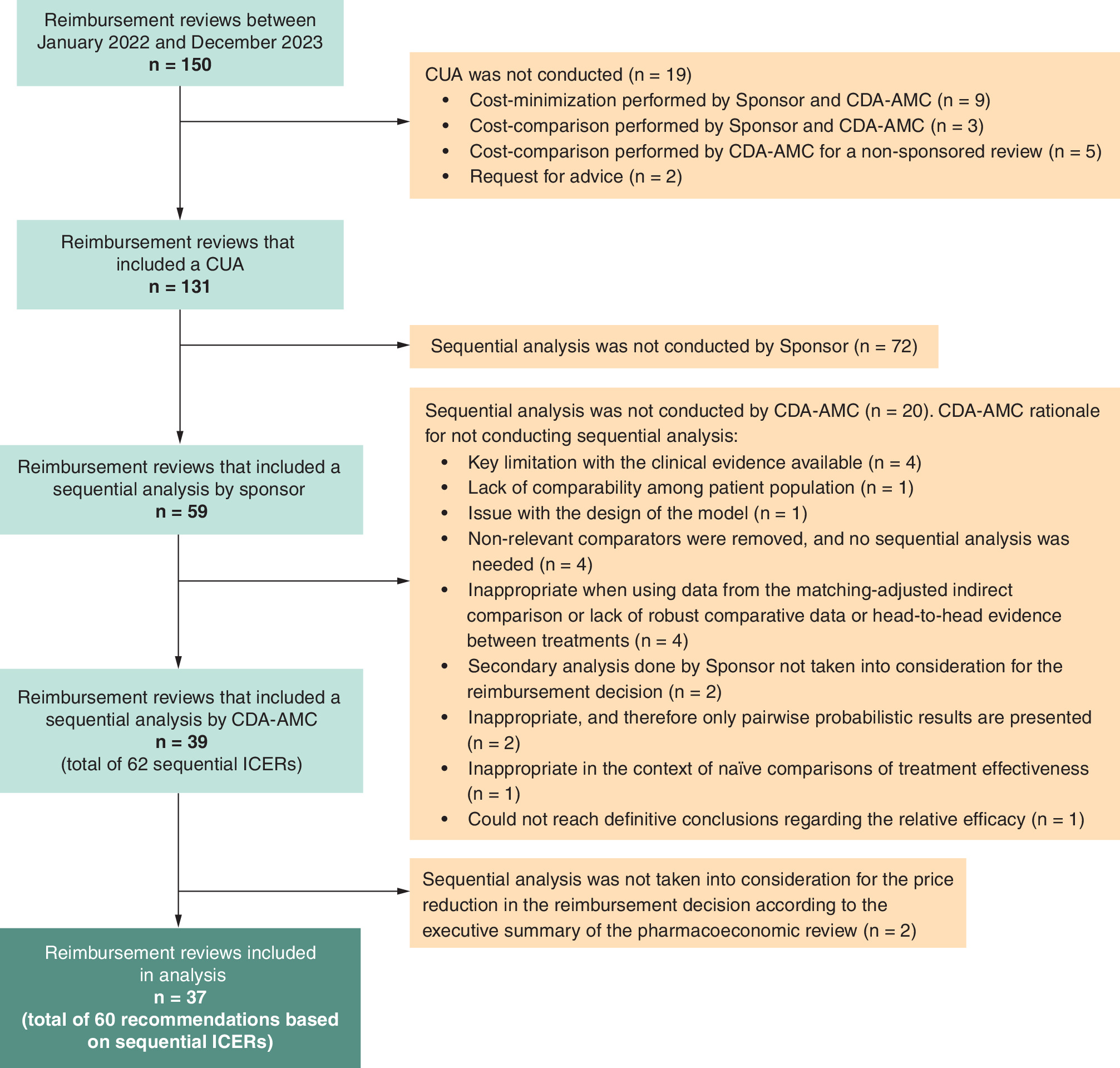
Figure 1. Flowchart of included reimbursement recommendations.
CDA-AMC: Canada’s Drug Agency – L'Agence des medicaments du Canada; CUA: Cost–utility analysis; ICER: Incremental cost-effectiveness ratio.
Analysis of comparators included in the economic evaluation – All Products
Among the 60 included reimbursement recommendations, CDA-AMC chose a comparator which is not the most commonly used in clinical practice in 25 (42%) recommendations to determine the price reduction recommendation for the new medication (Figure 2). Seven (12%) of the 60 included recommendations had comparators with similar use and another seven (12%) were deemed inconclusive as the market share data were not reported. Of the 25 recommendations where CDA-AMC chose a comparator that was not the most commonly used in clinical practice, in 21 of these cases, the most commonly used comparator was not used to determine the price reduction recommendation specifically because it was not retained in the sequential analysis due to being dominated or extendedly dominated. Additionally, in most of the included recommendations (46 [77%]), the CDA-AMC chosen comparators were not included in the pivotal clinical trials for the submitted products.
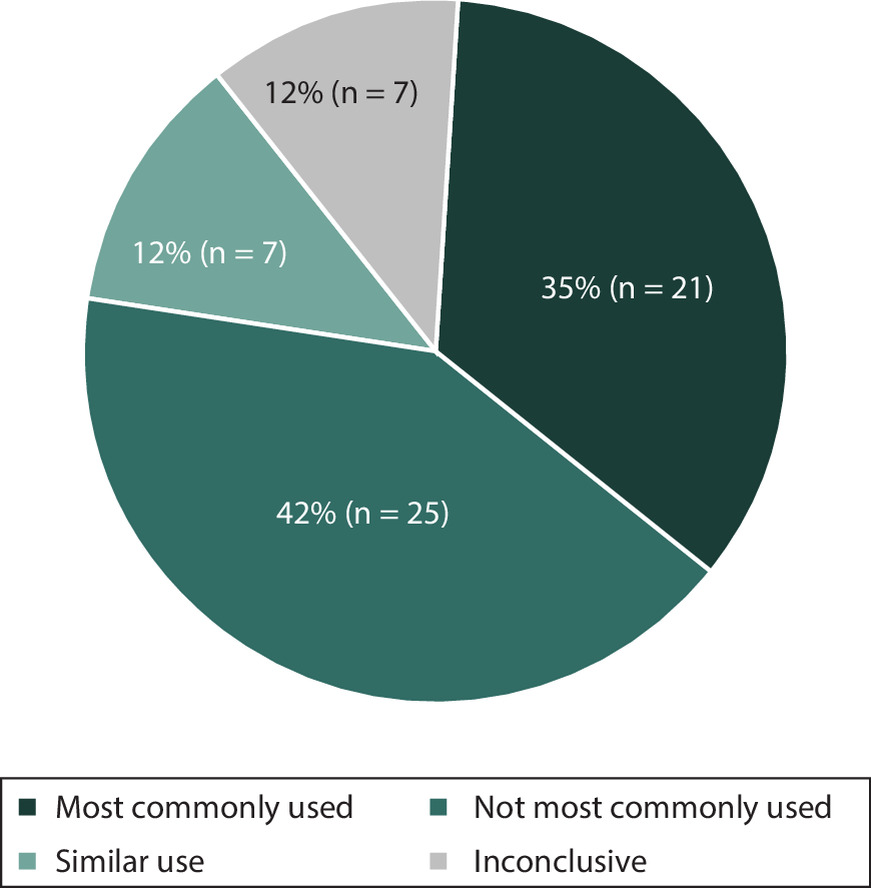
Figure 2. Distribution of Canada’s Drug Agency – L'Agence des medicaments du Canada chosen comparator based on their use in clinical practice – all products (N = 60).
Use in clinical practice was based on market share data reported in the reimbursement review report.
Most commonly used = comparator with the largest market share among all comparators in the reimbursement review;
Not most commonly used = comparator that did not have the largest market share among the comparators in the reimbursement review;
Similar use = comparator with an equal market share to all other comparators in the reimbursement review;
Inconclusive = market share data were not reported.
Among the recommendations where CDA-AMC chose a comparator which is not the most commonly used in clinical practice, the median market share of the CDA-AMC chosen comparator was 9.2% (range: 0–28.5%). In contrast, among recommendations where the chosen comparator was the most commonly used comparator, the median market share was 65.0% (range: 43.2–100%).
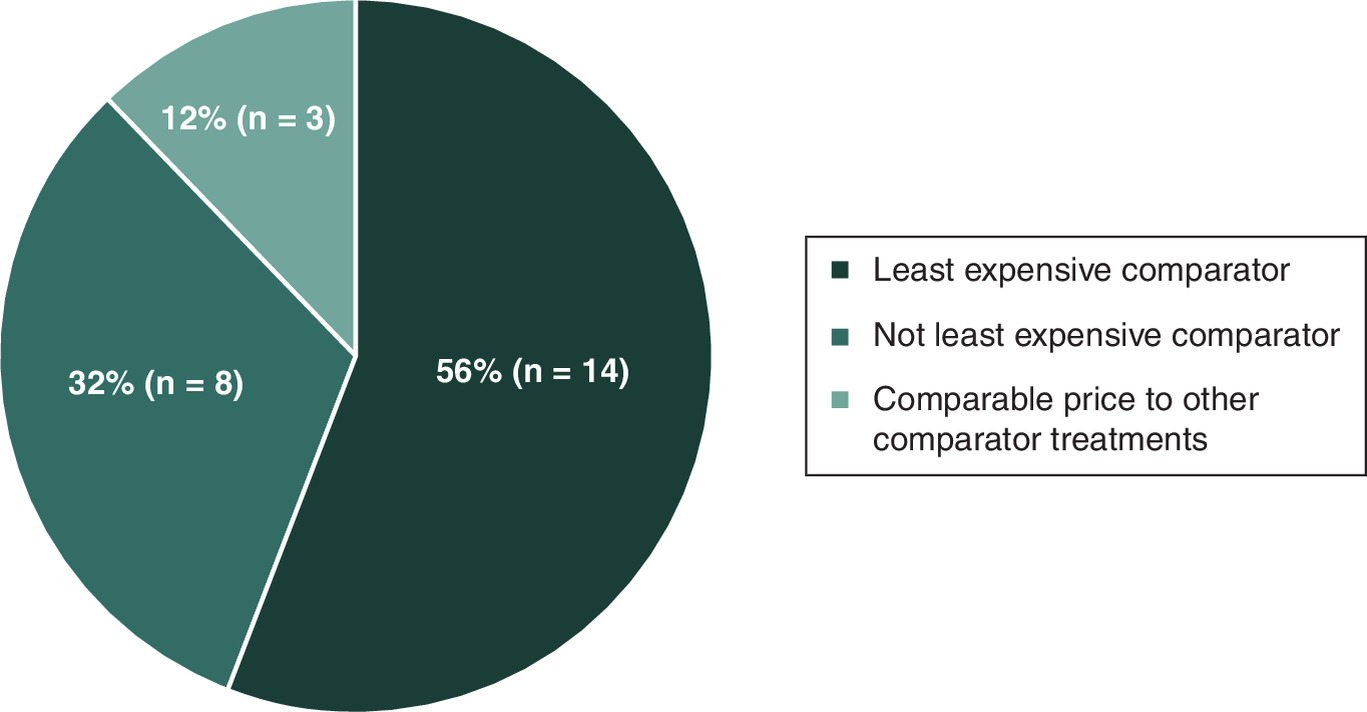
Furthermore, among recommendations where the CDA-AMC chosen comparator was not the most commonly used in clinical practice, over half (15) of the chosen comparators represented <10% of the market share and another 6 represented ≥10 to <20% of the market share (Figure 3). Additionally, in more than half of these recommendations, the chosen comparator was the least expensive treatment option (Figure 4).
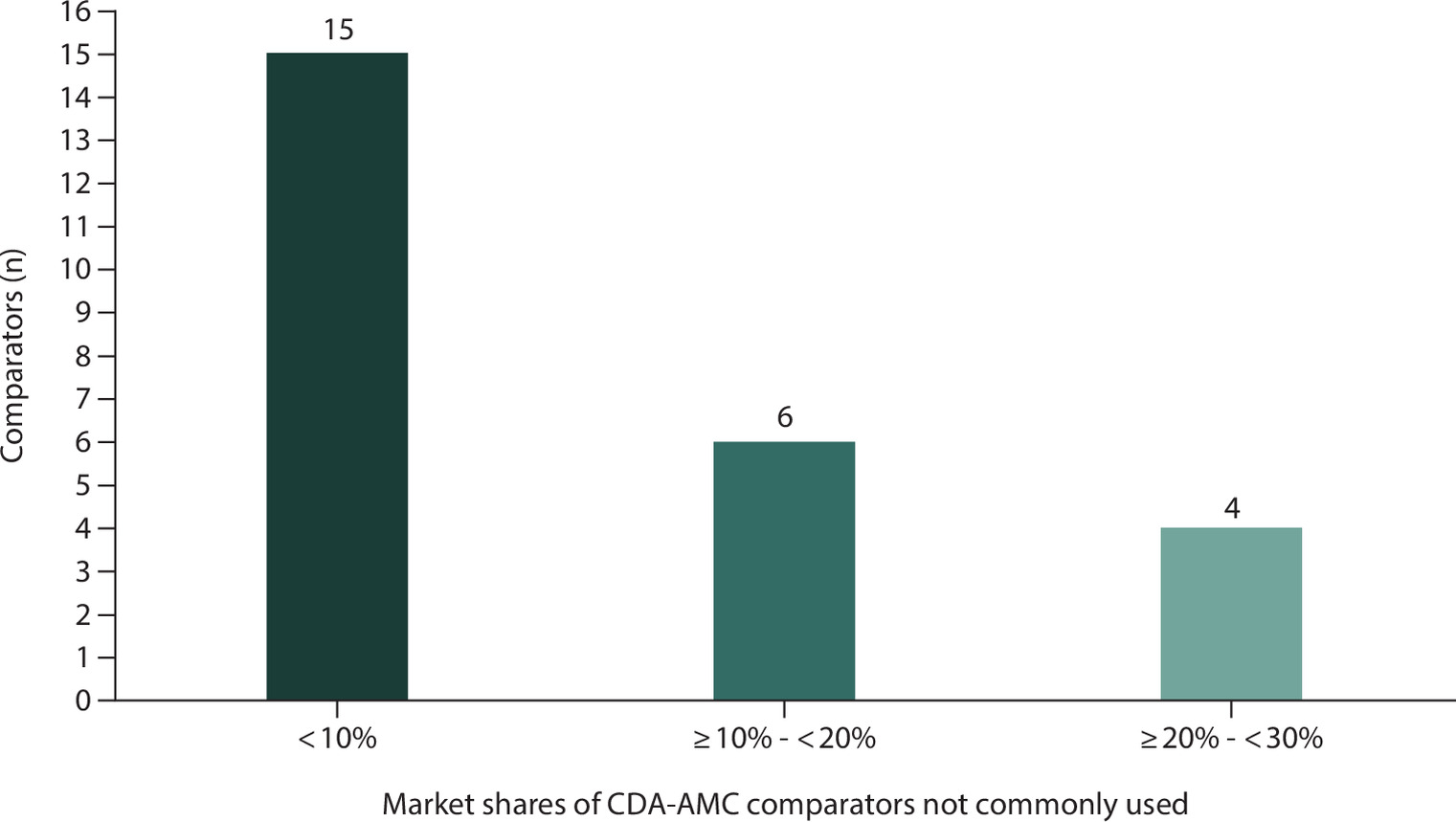
Figure 3. Distribution of market shares of CDA-AMC chosen comparator not most commonly used in clinical practice – all products (N = 25).
CDA-AMC: Canada’s Drug Agency – L'Agence des medicaments du Canada.
Seven of the 25 recommendations where the CDA-AMC chosen comparator was not the most commonly used in clinical practice were in oncology while the rest were in nononcology reviews. Among these oncology recommendations, four were in reviews related to non-small cell lung cancer, one was in prostate cancer, another was in leukemia, and one was in renal cell carcinoma. Of the 18 nononcology recommendations, six were in gastroenterology (i.e., ulcerative colitis, Crohn’s disease), four were related to dermatology conditions (i.e., psoriasis and atopic dermatitis), three were in rheumatology (i.e., psoriatic arthritis and ankylosing spondylitis), two were related to neurological conditions (i.e., epilepsy, generalized myasthenia gravis) and there was one in each of ophthalmology (i.e., diabetic macular edema), nephrology (i.e., lupus nephritis) and hematology (i.e., paroxysmal nocturnal hemoglobinuria). No major differences in the overall conclusions were observed across therapeutic areas, and similar findings were observed within reimbursement recommendations for oncology and nononcology products (Appendix 2).
What if the most commonly used comparator was selected as the reference product?
Among the 25 recommendations where CDA-AMC chose a comparator that was not the most commonly used in clinical practice, in 21 of these recommendations (84%) the final reimbursement recommendation would have been more favorable for the new drug under review (i.e., price reduction recommendation would be lower or no longer apply for the drug under review) if the reference product was the most commonly used comparator (median market share: 42.9%; range: 12.8–100%) instead (Figure 5 & Appendix 3).
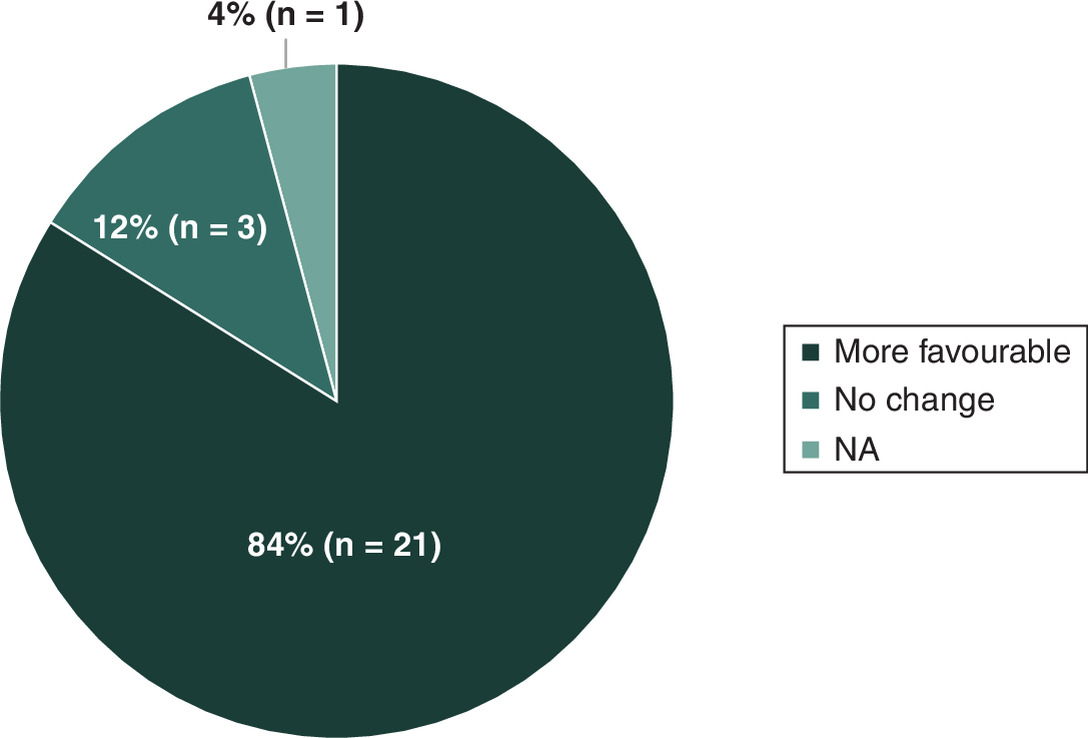
Figure 5. Impact on reimbursement recommendation for drug under review if the most commonly used comparator was the reference product instead of the Canada’s Drug Agency – L'Agence des medicaments du Canada chosen comparator (N = 25).
‘More favorable’ = price reduction recommendation would be lower or no longer apply (i.e., new drug is less costly, but less effective or dominant vs most commonly used comparator) for the drug under review;
‘no change’ = reimbursement recommendation is the same regardless of which comparator was used as the reference product;
‘NA’ = not assessable as cost and QALY data were not reported for the most commonly used comparator.
NA: Not assessable; QALY: Quality-adjusted life year.
Furthermore, among the 25 recommendations where CDA-AMC chose a comparator that was not the most commonly used in clinical practice, there were 6 recommendations where the ICER demonstrated that the new drug under review was above the WTP threshold (i.e., $50,000/QALY) regardless of which comparator was used as the reference product (i.e., a price reduction for the new drug would be recommended regardless of the comparator). Among this subset of 6 recommendations, the ICERs (and therefore the magnitude of the recommended price reductions) were lower when the new drug was compared with the most commonly used comparator.
Discussion
Our results based on 150 reimbursement reviews published by CDA-AMC between 2022 and 2023 showed that sequential analyses were used in 60 reimbursement recommendations to identify the comparator used to benchmark the price reduction of a new drug in order to be cost-effective compared with this comparator. In 25 of the 60 recommendations based on sequential analyses, CDA-AMC chose a comparator that was not the most commonly used in clinical practice to determine the price reduction recommendation, and, in most cases (n = 21), the most commonly used comparator was removed specifically due to being dominated or extendedly dominated in the sequential analysis. For example, the market share of the reference comparator was less than 10% in 15 of these 25 recommendations, and the reference comparator was the least expensive comparator in 14 of these 25 recommendations. Additionally, for 77% of the reimbursement recommendations based on sequential analyses, the CDA-AMC chosen comparator was not included in the pivotal trial for the drug under review. Similar findings were observed within reimbursement recommendations for oncology and nononcology products. Comparing new drugs to the most commonly used comparators, rather than the CDA-AMC selected comparators, resulted in more favorable reimbursement assessments for new drugs, with lower or no required price reductions in 84% of these 25 recommendations.
These results are important for several reasons. First, in health economic evaluation, the comparators should reflect current clinical practice in the setting where the evaluation is taking place, a principle consistently recommended across major HTA guidelines, including those of CDA-AMC and international frameworks such as ISPOR [14,26–29]. The results of the current review highlight concerns with the sequential analysis approach, as it can remove clinically prevalent comparators and ultimately result in a price recommendation that is not representative of current clinical practice. Second, the reimbursement recommendation based on sequential analysis when the reference comparator is not often clinically used, or is the cheapest alternative, could also have implications for subsequent drug price negotiations and public drug coverage in Canada. Though the results of this review did not assess to what extent excluding relevant comparators via the sequential analysis can impact this process, they highlight a key concern with reimbursement recommendations in Canada driven by this approach and indicate that further investigation in this area is justified. Third, another consideration when interpreting these findings is that the drug prices used in reimbursement reviews are based on published list prices, whereas public drug plans negotiate confidential product listing agreements with manufacturers [30]. As confidential net prices are not publicly available, they could not be incorporated into the present analysis. While alternative pricing assumptions may affect economic results, the objective of this review was to evaluate comparator selection using the same publicly available information reported in CDA-AMC reimbursement reviews. Accordingly, the use of list prices represents a limitation of the current study, as it does for publicly available economic evaluations more broadly in Canada. Fourth, it is also notable that for approximately three-quarters of the reimbursement recommendations, the CDA-AMC chosen comparator was not included in the pivotal trial for the drug under review. Though this is not necessarily indicative of inappropriate comparator selection, this means that these price reduction recommendations were not based on direct evidence between the drug under review and the CDA-AMC chosen comparator, which can be problematic given the additional uncertainty generally associated with treatment comparisons based on indirect evidence only [31–33]. Finally, the price reduction to be cost-effective is based on a willingness to pay threshold. Although Canada has no official threshold, an analysis of CDA-AMC oncology drug reimbursement recommendations found that, in late 2020, CDA-AMC reduced its cost per QALY threshold for a new drug to be considered cost-effective [4]. This analysis also found that this reduced threshold has resulted in substantially greater price reductions in their reimbursement recommendations, potentially having implications for the success and length of subsequent price negotiations with public drug plans. More specifically, the recommended price reductions may be so significant that the negotiation may be prolonged or the manufacturer and pCPA may not reach a negotiated price. As the results of the current review demonstrate, a considerable proportion of CDA-AMC chosen comparators for new drugs under review are the least expensive, though least often used, treatments in current clinical practice. Therefore, the likelihood is low that any new drug will be deemed cost-effective without a substantial price reduction, especially with a lower cost per QALY threshold. Of note, CDA-AMC has since updated its approach to WTP thresholds. Beginning in fall 2025, CDA-AMC now reports both a $50,000/QALY and a $100,000/QALY WTP threshold in its reanalyses, moving away from a single threshold. This dual-threshold approach was introduced to increase transparency and accessibility of information for decision-makers [34–36]. This change did not apply during the period covered by the present analysis, which predates fall 2025; all findings in this manuscript reflect the single $50,000/QALY threshold that was in use during the respective review period.
The criteria for comparator selection can vary between different HTA agencies, but, in most cases, it is guided by the comparator most likely to be replaced by the new intervention [26]. During consultations with stakeholders as part of the HTA Review in Australia in 2024, concerns were raised pertaining to the comparator selection, particularly where the lowest price comparator is used. Their concerns were that the choice of the lowest price comparator may result in the selected comparator being an older medicine with a low market share and may not represent the current standard of care, such that the lowest cost comparator may not actually be replaced by the new intervention [26]. Comparator selection based on real-world utilization is an established practice in some jurisdictions globally. In New Zealand, comparators are the currently funded treatments most likely to be replaced in clinical practice or the treatment given to the largest number of patients (if this differs from the treatment most prescribers would replace) [26,37]. In Norway, the comparator is selected based on current established practice (e.g., according to national guidelines) or the treatment which is most commonly used (number of patients) [26]. In South Korea, the comparator is the drug with the highest market share among all comparable drugs [26]. Comparator selection is an important process in HTA globally. Well-established HTA agencies outside of Canada have acknowledged the relevance of including the most commonly used comparators in current clinical practice and some agencies currently use market share as a main driver in their comparator selection process. The inclusion of multiple comparators when establishing the cost-effectiveness of a new drug, when relevant for the indication under review, is general practice across these HTA agencies. This method of comparator selection may better align with the goals of health economic evaluation versus the sequential analysis approach [26–28]. Notably, this method of comparator selection also aligns with the guidance outlined in the previous Guidelines for the Economic Evaluation of Health Technologies: Canada (3rd edition). This version of the guidelines states that the comparator is the alternative treatment that is most likely to be replaced in clinical practice should the new intervention be adopted and that, in the reference case, the comparator should be ‘usual care’, which is the most common or most widely used treatment in clinical practice for the condition. They also stated that “the most commonly used treatment that the intervention is intended to replace can be the one used for the largest number of patients, based perhaps on utilization data and clinical expert opinion” [38]. It is clear that comparator selection is an important aspect of HTA, and many HTA agencies recommend the use of comparators that reflect the most commonly used treatments in clinical practice. Given CDA-AMC’s position as a leading HTA body, it is important to consider its potential influence on other HTA agencies and private payers. As such, discussions on this topic are needed to ensure a modernized, consistent and internationally aligned approach is always used by CDA-AMC and referenced downstream, by payers. As comparators in health economic evaluations should typically be chosen to reflect common clinical practice in the setting where the evaluation is taking place [26–28], it is important that current drug utilization and market shares be considered in comparator selection.
Furthermore, a CDA-AMC reimbursement review contains multiple reports, including a comprehensive ‘Clinical and Pharmacoeconomic Combined Report’ and a shorter ‘Recommendations & Reasons’, which present the findings of CDA-AMC's re-analysis of the economic evaluation. However, in the latter document, not all key results of their re-analysis, including those of the sequential analysis, may be reported. As certain stakeholders may only read the shorter ‘Recommendations & Reasons’ report, it is important that this document contains all key findings of the sequential analysis to ensure more transparency is provided on how the comparators for the drug under review were selected. More specifically, it must be clear why comparators were excluded due to dominance or extended dominance. These treatments may still be relevant to stakeholders due to their use in real-world clinical practice and, as such, they must also be considered in the reimbursement recommendation and any related reimbursement decisions. The market shares of comparators also provide valuable context on the current state of practice for the indication under review and should be included in the ‘Recommendations & Reasons’ report. CDA-AMC should commit to providing economic assessments on all clinically relevant comparators, those used in clinical practice, in its reimbursement reports. Comparator selection must be grounded in clinical reality, ensuring decision-makers have a complete and transparent picture of the evidence. It is not that the CDA-AMC selected comparator is inappropriate or that the sequential analysis produces an incorrect recommendation, it is that decision-makers would benefit from seeing the consequences of using clinically prevalent comparators even when those comparators fall off the cost-effectiveness efficiency frontier. More transparent reporting on whether the comparators are clinically prevalent, retained or excluded from the cost-effectiveness efficiency frontier, and the ICERs for the new drug under review versus all clinically relevant comparators in the CDA-AMC reports would help address these concerns.
A strength of this review is that it is the first study to assess the impact of the sequential analysis on the comparator choice used for the economic evaluation in CDA-AMC reimbursement reviews. The study was conducted using a thorough and systematic review of CDA-AMC reimbursement reports, ensuring a comprehensive evaluation of decision trends. Similar policy work in this area has also been recently published that highlights variability in comparator selection practices across international HTA agencies [26], supporting the relevance of the methodology and results of this review. A limitation of this study is that it is a descriptive analysis based only on a two-year subset of CDA-AMC reimbursement recommendations; the resulting sample size of included studies was small, especially for oncology products, limiting the certainty that they are representative of all CDA-AMC reviews. Reimbursement reviews from 2024 onward were excluded due to revised confidentiality guidelines, effective 2 January 2024, which allow for the redaction of market share data [39]. Market shares were assumed to reflect use in real-world clinical practice; however, these data were redacted in 12% of the included reimbursement review reports, which constrained the analysis. The market share estimates used in the reimbursement reviews are Sponsor-reported, and there may be variability in the underlying data source and potential bias associated with these estimates. Variability in the calculations of the drug price and its comparators (e.g., treatments with weight- or response-based dosing, comparator was ‘conventional care’ which included a weighted mix of various drugs), as reported in the reimbursement reviews, limited the accuracy of price comparisons. There was also the inability to reproduce the CDA-AMC economic analyses using the same methods. Lastly, drug prices published in the reimbursement reviews are list prices; actual prices public drug plans pay are subject to confidentiality provisions of product listing agreements between the drug plans and manufacturers [30], which may also add uncertainty to the analyses conducted in this review. In fact, this analysis was dependent on the market share, cost and QALY estimates available in CDA-AMC’s report, and any alternative estimates for these variables could change which comparator is deemed the most clinically prevalent and the corresponding ICERs. The impact of removing the least commonly used comparators from the sequential analysis was not examined in this study and, as such, this can be an area for further research, as well as examining the impact of the sequential analysis approach on the subsequent pCPA negotiations.
Conclusion
Comparator selection is a vital aspect of HTA. At CDA-AMC, comparator selection is driven by the sequential analysis approach, playing an important role in their final economic assessment and reimbursement recommendation. Despite the relatively small number of sequential analyses examined, this review found that CDA-AMC recommendations based on a sequential analysis frequently refer to a comparator that is not widely used in real-world clinical practice, which can impede subsequent HTA decisions that need to consider clinically prevalent comparators. This is notable as this analysis also demonstrated that selecting the treatments most often used in actual clinical practice as the comparator, rather than the CDA-AMC comparator, likely yields lower recommended price reductions for new treatments that are more costly and more effective. These findings reinforce the importance of comparator selection and that greater transparency and visibility regarding CDA-AMC's economic assessments on all relevant comparators, even when they are removed from the cost-effectiveness efficiency frontier, are warranted to ensure decision-makers have a complete and fair picture of the evidence.
Summary points
•
In Canada, public drug coverage relies on health technology assessment (HTA) and recommendations from Canada’s Drug Agency – L'Agence des médicaments du Canada (CDA-AMC).
•
Comparator selection is a vital aspect of HTA and, when multiple comparators exist in real-world practice for a new drug entering the market, CDA-AMC conducts their pharmacoeconomic assessment using the sequential analysis, potentially removing relevant comparators from their evaluation and final recommendation.
•
This review included 60 reimbursement recommendations (among 37 reimbursement reviews from 2022 to 2023) based on sequential analyses to understand how the sequential analysis impacts CDA-AMC reimbursement recommendations.
•
Among the included recommendations, CDA-AMC chose a comparator that was not the most commonly used in clinical practice in 25 (42%) recommendations when determining the price reduction of the new medication.
•
In approximately three-quarters (77%) of the included recommendations, the CDA-AMC chosen comparator was not included in the pivotal clinical trial for the drug under review, meaning price reduction recommendations for these drugs were informed by indirect comparisons rather than direct clinical trial evidence.
•
Among these 25 reimbursement recommendations, the selected comparator represented ≤10% of the market share in the majority of cases and was the least expensive comparator in over half of these recommendations.
•
In 21 (84%) of these 25 recommendations, comparing new drugs to the most commonly used comparators, rather than the CDA-AMC selected comparators, led to more favorable reimbursement assessments for new drugs, with lower or no required price reduction recommendations.
•
These findings highlight concerns with the sequential analysis, as it may remove relevant comparators and result in a recommendation that is not based on current clinical practice.
•
Transparent and clinically informed comparator selection is important, and CDA-AMC should provide economic assessments of all clinically relevant comparators to ensure payers have a complete and balanced picture of the evidence.
Author contributions
C Beauchemin, J Lachaine and J-E Tarride were responsible for study conception, design, data analysis and drafting and revision of the manuscript. A Rusu and S Barakat were responsible for study conception, design, data analysis and revision of the manuscript.
Acknowledgments
The authors thank Juliette Garneau (PeriPharm, Inc.) for assistance in data extraction and data analysis, and Christopher Vannabouathong (PeriPharm, Inc.) for assistance in drafting and revising the manuscript.
Financial disclosure
AbbVie funded the study and participated in the study design, research, analyses, data collection and interpretation, reviewing and approval of the manuscript. All authors had access to relevant data and participated in the drafting, review and approval of this manuscript. No honoraria or payments were made for authorship.
Competing interests disclosure
Catherine Beauchemin and Jean Lachaine are both partners at PeriPharm, Inc., a company that has served as a consultant to AbbVie and received funding from AbbVie for conducting this study and writing the manuscript. Jean-Eric Tarride received an honorarium from AbbVie unrelated to this study. Ana Rusu is an employee of AbbVie Canada. Stephane Barakat is an employee of AbbVie Inc. The authors have no other competing interests or relevant affiliations with any organization or entity with the subject matter or materials discussed in the manuscript apart from those disclosed.
Writing disclosure
No funded writing assistance was utilized in the production of this manuscript.
Open access
This work is licensed under the Attribution-NonCommercial-NoDerivatives 4.0 Unported License. To view a copy of this license, visit https://creativecommons.org/licenses/by-nc-nd/4.0/
Supplementary Material
File (supplementary material.docx)
References
Papers of special note have been highlighted as: • of interest; •• of considerable interest
1.
Ezeife DA, Truong TH, Heng DY, Bourque S, Welch SA, Tang PA. Comparison of oncology drug approval between Health Canada and the US Food and Drug Administration. Cancer 121(10), 1688–1693 (2015).
2.
Brandt J, Shearer B, Morgan SG. Prescription drug coverage in Canada: a review of the economic, policy and political considerations for Universal Pharmacare. J. Pharm. Policy Pract. 11, 28 (2018).
3.
Kapur V, Basu K. Drug coverage in Canada: who is at risk? Health Policy 71(2), 181–193 (2005).
4.
Binder L, Ghadban M, Sit C, Barnard K. Health technology assessment process for oncology drugs: impact of CADTH changes on public payer reimbursement recommendations. Curr. Oncol. 29(3), 1514–1526 (2022).
• Provides an overview of the role of CDA-AMC’s health technology assessment (HTA) review in public drug reimbursement in Canada and discusses how a change in their process (a reduction in the cost per QALY threshold) has potential downstream implications on the subsequent drug price negotiations and public access to new medications.
5.
pan-Canadian Pharmaceutical Alliance (pCPA). About pCPA. https://www.pcpacanada.ca/about#:∼:text=The%20pCPA%20negotiation%20process%20begins,pCPA%20and%20the%20drug%20manufacturer
6.
Spinner DS, Julie B, Walter WJ et al. Do different clinical evidence bases lead to discordant health-technology assessment decisions? An in-depth case series across three jurisdictions. Clinicoecon. Outcomes Res. 5, 69–85 (2013).
7.
Canada's Drug Agency – L'Agence des médicaments du Canada. Procedures for reimbursement reviews. (2025). https://www.cda-amc.ca/sites/default/files/Drug_Review_Process/Drug_Reimbursement_Review_Procedures.pdf
8.
Menon D, Stafinski T. Health technology assessment in Canada: 20 years strong? Value Health 12(Suppl. 2), S14–S19 (2009).
9.
Wills A. Expanding the eligibility criteria for drugs in Canada's time-limited health technology assessment and temporary drug access processes will further accelerate access to new medicines. J. Pharm. Pharm. Sci. 27, 13694 (2024).
10.
Canada's Drug Agency – L'Agence des médicaments du Canada. International health technology assessment collaboration expands. (2023). (Accessed 24 August 2023). https://www.cda-amc.ca/news/international-health-technology-assessment-collaboration-expands
11.
Canada's Drug Agency – L'Agence des médicaments du Canada. CADTH Partners with international health technology assessment bodies to boost collaboration on shared challenges. (2022). (Accessed 6 September 2022). https://www.cda-amc.ca/news/cadth-partners-international-health-technology-assessment-bodies-boost-collaboration-shared
12.
Canada's Drug Agency – L'Agence des médicaments du Canada. HTAi. (2024). Annual Meeting 2024 (Accessed 18 June 2024). https://www.cda-amc.ca/events/htai-2024-annual-meeting
13.
Canada's Drug Agency – L'Agence des médicaments du Canada. Global collaboration on modelling treatment pathways. (2024). (Accessed 8 February 2024). https://www.cda-amc.ca/news/global-collaboration-modelling-treatment-pathways
14.
Canada's Drug Agency – L'Agence des médicaments du Canada. Guidelines for the Economic Evaluation of Health Technologies, 4th Edition, Canada. (2017). ( Accessed March 2017). https://www.cda-amc.ca/sites/default/files/pdf/guidelines_for_the_economic_evaluation_of_health_technologies_canada_4th_ed.pdf
15.
Jönsson B. Bringing in health technology assessment and cost-effectiveness considerations at an early stage of drug development. Mol. Oncol. 9(5), 1025–1033 (2015).
16.
Allen N, Walker SR, Liberti L, Salek S. Health technology assessment (HTA) case studies: factors influencing divergent HTA reimbursement recommendations in Australia, Canada, England, and Scotland. Value Health 20(3), 320–328 (2017).
•• Reports on the results of an analysis comparing Canadian National HTA recommendations to those of HTA agencies in Australia, England and Scotland. The authors of this article identified that though there are several similarities in their decision-making process, differences between agencies, which includes comparator choice, can result in different recommendations between countries.
17.
Government of Canada. Interpretation Guide – Health Economics. Version 1.0 2024 (Accessed 18 March 2024). https://www.canada.ca/en/public-health/services/immunization/national-advisory-committee-on-immunization-naci/methods-process/interpretation-guide-health-economics.html#a8
18.
Canada's Drug Agency – L'Agence des médicaments du Canada. Darolutamide: reimbursement review. (2023). https://www.cda-amc.ca/darolutamide
19.
Canada's Drug Agency – L'Agence des médicaments du Canada. Brexucabtagene autoleucel: reimbursement review. (2023). https://www.cda-amc.ca/brexucabtagene-autoleucel-0
20.
Canada's Drug Agency – L'Agence des médicaments du Canada. Ciltacabtagene autoleucel: reimbursement review. (2024). https://www.cda-amc.ca/ciltacabtagene-autoleucel-0
21.
Graili P. Conditional funding recommendations for drugs in Canada: a cross-sectional analysis. Appl. Health Econ. Health Policy 21(4), 673–681 (2023).
22.
Vokinger KN, Naci H. Negotiating drug prices in the US—lessons from Europe. JAMA Health Forum 3(12), e224801 (2022).
23.
Syversen ID, Schulman K, Kesselheim AS, Feldman WB. A comparative analysis of international drug price negotiation frameworks: an interview study of key stakeholders. Milbank Q. 102(4), 1004–1031 (2024).
24.
Strongin RJ. Pharmaceutical Marketplace Dynamics. National Health Policy Forum, DC, USA (2000). Issue Brief, No. 755. https://www.ncbi.nlm.nih.gov/books/NBK559751/
25.
Balijepalli C, Gullapalli L, Joshy J, Rawson NS. The impact of willingness-to-pay threshold on price reduction recommendations for oncology drugs: a review of assessments conducted by the Canadian Agency for Drugs and Technologies in Health. J. Comp. Eff. Res. 13(5), e230178 (2024).
• Reports on the results of an analysis of CDA-AMC reimbursement recommendations in oncology, demonstrating an association between the recommended price reductions and time to access these drugs (based on their pCPA negotiations) in Canada.
26.
Manipis K, Viney R, De Abreu Lourenço R et al. Health technology assessment methods: economic evaluation. Australian Health Technology Assessment Methods and Policy Review. Australian Government, Department of Health and Aged Care, Canberra, Australia (2023).
•• Provides an overview of the similarities and differences between the HTA review methods of several national HTA agencies, including a comprehensive analysis of their comparator selection methods.
27.
Liu GG, Guan H, Peng N et al. Key issues of economic evaluations for health technology assessment in China: a nationwide expert survey. Value Health 27(11), 1535–1543 (2024).
28.
Turner HC, Archer RA, Downey LE et al. An introduction to the main types of economic evaluations used for informing priority setting and resource allocation in healthcare: key features, uses, and limitations. Front. Public Health 9, 722927 (2021).
29.
Ziouani S, Granados D, Borget I. How to select the best comparator? An international economic evaluation guidelines comparison. Value Health 19(7), A471–A472 (2016).
30.
Clement F, Memedovich KA. Drug coverage in Canada: gaps and opportunities. J. Psychiatry Neurosci. 43(3), 148–150 (2018).
31.
Song F, Loke YK, Walsh T, Glenny A-M, Eastwood AJ, Altman DG. Methodological problems in the use of indirect comparisons for evaluating healthcare interventions: survey of published systematic reviews. BMJ 338, b1147 (2009).
32.
Kiefer C, Sturtz S, Bender R. Indirect comparisons and network meta-analyses. Dtsch Arztebl. Int. 112(47), 803–808 (2015).
33.
Guyatt GH, Oxman AD, Kunz R et al. GRADE guidelines: 8. rating the quality of evidence – indirectness. J. Clin. Epidemiol. 64(12), 1303–1310 (2011).
34.
Canada's Drug Agency – L'Agence des médicaments du Canada. Pharmaceutical reviews update — Issue 53 2024. (Accessed 28 November 2024). https://www.cda-amc.ca/pharmaceutical-reviews-update-issue-53
35.
Canada's Drug Agency – L'Agence des médicaments du Canada. Reimbursement review: tislelizumab (PC0399-000). (2026). (Accessed 9 March 2026). https://www.cda-amc.ca/tislelizumab
36.
Canada's Drug Agency – L'Agence des médicaments du Canada. Reimbursement review: lazertinib and amivantamab (PC0392-000). (2025). (Accessed 16 December 2025). https://www.cda-amc.ca/lazertinib-and-amivantamab
37.
PHARMAC. 3 Economic modelling and scope of analysis. (Accessed 15 May 2020). https://www.pharmac.govt.nz/medicine-funding-and-supply/the-funding-process/policies-manuals-and-processes/economic-analysis/prescription-for-pharmacoeconomic-analysis-methods-for-cost-utility-analysis/3-economic-modelling-and-scope-of-analysis#:∼:text=The%20comparator(s)%20used%20in%20PHARMAC%20analyses%20should,treatment%20most%20prescribers%20or%20clinicians%20would%20replace
38.
Canadian Agency for Drugs and Technologies (CADTH). Guidelines for the Economic Evaluation of Health Technologies. 3rd Edition. Canada (2006). https://www.cda-amc.ca/media/pdf/186_EconomicGuidelines_e.pdf
39.
Canada's Drug Agency – L'Agence des médicaments du Canada. CADTH Pharmaceutical reviews update – Issue 42. (2023). https://www.cda-amc.ca/cadth-pharmaceutical-reviews-update-issue-42
Information & Authors
Information
Published In
Copyright
© 2026 The authors. This work is licensed under the Attribution-NonCommercial-NoDerivatives 4.0 Unported License
History
Received: 6 August 2026
Accepted: 9 October 2026
Published online: 27 October 2026
Keywords:
Topics
Authors
Metrics & Citations
Metrics
Article Usage
Article usage data only available from February 2023. Historical article usage data, showing the number of article downloads, is available upon request.
Citations
How to Cite
The impact of sequential analysis on drug decision-making in Canada. (2026) Journal of Comparative Effectiveness Research. DOI: 10.57264/cer-2026-0171
Export citation
Select the citation format you wish to export for this article or chapter.