

Cost-effectiveness analysis of ribociclib plus an aromatase inhibitor versus abemaciclib plus endocrine therapy in the adjuvant treatment of HR+/HER2- early breast cancer: a Canadian payer perspective
Abstract
Aim: Ribociclib and abemaciclib, cyclin-dependent kinase 4/6 inhibitors, are adjuvant treatments for hormone receptor-positive (HR+), human epidermal growth factor receptor 2-negative (HER2-) early breast cancer (EBC). In the Phase III NATALEE trial, ribociclib plus an aromatase inhibitor (AI) significantly improved invasive disease-free survival (IDFS) versus AI alone. This study assessed the cost-effectiveness of ribociclib plus AI versus abemaciclib plus endocrine therapy (ET) from a Canadian public payer perspective in high-risk HR+/HER2- EBC. Materials & methods: A nonhomogeneous, semi-Markov cohort model with six health states (IDFS, second primary malignancy, nonmetastatic recurrence, remission, distant recurrence and death) was developed from the Canadian healthcare system perspective using Ontario-based costs. The base case included direct medical costs over a lifetime horizon (49 years; starting age 52.4 years). The analysis focused on a subgroup of NATALEE patients who would have been eligible for abemaciclib based on the inclusion criteria of the monarchE trial. The primary comparator was abemaciclib plus ET and the secondary comparator included AI alone. IDFS was estimated using NATALEE data and was assumed to be the same between ribociclib and abemaciclib based on indirect evidence. Other transitions were informed by published sources. The base case was evaluated using probabilistic analyses, and outcomes included costs, life-years, quality-adjusted life-years (QALYs), and incremental cost-effectiveness ratios. Results: Ribociclib plus AI yielded total lifetime costs of $155,277 (95% CI: $100,721 to $238,620) and total QALYs of 13.06 (95% CI: 12.33 to 13.83). In the comparison versus abemaciclib plus ET, ribociclib was less costly by $16,672, and had greater QALYs by 0.01. When comparing ribociclib plus AI versus AI alone, the estimated incremental cost-effectiveness ratio was $43,025 per QALY, with a difference in costs of $29,693 and a difference in QALYs of 0.69. Sensitivity analyses demonstrated that the results were most sensitive to the ribociclib medication costs and the IDFS hazard rate for AI. Conclusion: Ribociclib plus AI is cost-effective versus AI alone and cost-saving versus abemaciclib plus ET in persons with HR+/HER2- EBC who would meet the high-risk criteria from the monarchE trial.
Plain language summary
What is the purpose of this study?
To analyze the cost-effectiveness of ribociclib in combination with an aromatase inhibitor (AI) compared with abemaciclib in combination with endocrine therapy (ET), and AI alone, as adjuvant treatments for high-risk hormone receptor-positive, HER2-negative (HR+/HER2-) early breast cancer (EBC), from the perspective of the Canadian healthcare system.
How were the analyses carried out?
A Markov cohort model with a lifetime time horizon was developed primarily using efficacy and safety data from the NATALEE clinical trial. The analysis focused on the subgroup of patients in the NATALEE trial who would have been eligible for treatment with abemaciclib based on monarchE trial selection criteria. As there is clinical uncertainty on the relative efficacy between ribociclib and abemaciclib in EBC, the model assumed equal efficacy between the two therapies. Model outcomes included costs, life-years, quality-adjusted life-years (QALYs) and incremental cost-effectiveness ratios.
What were the results?
Ribociclib plus AI was estimated to be cost-saving relative abemaciclib plus ET in monarchE-eligible patients with HR+/HER2- EBC. Compared with AI alone, the incremental cost-effectiveness ratio for ribociclib plus AI was $43,025 per QALY gained, falling below the $50,000 per QALY threshold commonly used in Canada.
What do the results of the study mean?
Under the model assumptions, it is likely that ribociclib plus AI is a cost-effective adjuvant treatment option for high-risk HR+/HER2- EBC in Canada. These results provide important evidence for Canadian policymakers, drug plan decision-makers and health advisers when choosing among available CDK4/6 inhibitor-based treatment options for this patient population.
Breast cancer remains the most commonly diagnosed cancer and a leading cause of cancer-related mortality among women in Canada, accounting for approximately 25% of new cancer diagnoses and 13% of cancer related deaths in 2024 [1]. Earlier diagnosis is associated with improved prognosis, and most cases are identified at a localized or regional stage [2], collectively referred to as early breast cancer (EBC). Hormone receptor-positive and HER2-negative (HR+/HER2-) breast cancer accounts for 69% of cases [3]. Treatment options for stage II–III EBC aim to cure the disease and improve invasive disease-free survival (IDFS), and overall survival (OS). Standard treatment includes surgery, radiation therapy and systemic therapy. For patients with HR+/HER2- disease, endocrine therapy (ET) is recommended as adjuvant treatment to surgery.
Cyclin-dependent kinase 4 and 6 (CDK4/6) inhibitors represent a significant therapeutic advance in the management of HR+/HER2- breast cancer. Ribociclib and abemaciclib are CDK4/6 inhibitors that have recently received Health Canada approval and conditional reimbursement recommendations from Canada’s Drug Agency (CDA-AMC) and the National Institute for Health and Care Excellence (NICE) in the UK, as adjuvant treatments for HR+/HER2- stage II–III EBC [4–7]. Both therapies demonstrated a statistically significant IDFS benefit and a manageable safety profile relative to standard of care alone in the EBC setting. In 4-year analysis of the NATALEE trial (N = 5101), the estimated hazard ratio (HR) of IDFS for ribociclib in combination with an aromatase inhibitor (AI) versus AI alone was 0.72 (95% CI: 0.61, 0.84) [8]. The efficacy and safety of abemaciclib in combination with ET versus ET alone was evaluated in the open-label, Phase III monarchE trial (N = 5637), which estimated an IDFS HR of 0.66 (95% CI: 0.58, 0.76) [9].
Currently, no head-to-head randomized controlled trial comparing ribociclib and abemaciclib has been conducted and the relative efficacy of ribociclib versus abemaciclib is uncertain. A published matching-adjusted indirect comparison (MAIC) of ribociclib plus AI versus abemaciclib plus ET did not detect a statistically significant difference in IDFS between these treatments [10]. The objective of this study is to conduct a cost–utility analysis (CUA) of ribociclib plus AI versus abemaciclib plus ET in HR+/HER2- stage II–III breast cancer patients, informed by the conclusion of this published MAIC, from a Canadian healthcare setting. This analysis was previously submitted to CDA-AMC and contributed to the positive reimbursement decision of ribociclib for EBC in Canada; details on the methods and results are made publicly available in this article.
Materials & methods
Overview
An economic model was developed in Microsoft Excel® to perform a CUA of ribociclib plus AI versus abemaciclib plus ET and other comparators as adjuvant treatments for HR+/HER2- EBC in Canada. The model was evaluated from the perspective of the Canadian healthcare system and was designed to adhere to guidelines for economic evaluations from CDA-AMC [11].
Only direct healthcare costs associated with EBC and its treatment were considered, including costs for drug acquisition, medication administration and/or dispensing, management of adverse events (AEs), routine follow-up and monitoring, and subsequent treatment after disease recurrence. Outcomes evaluated in the model included costs, life-years (LY), and quality-adjusted life-years (QALY). Cost-effectiveness was based on the incremental cost-effectiveness ratio (ICER), expressed in terms of the cost per LY gained and cost per QALY gained. A lifetime time horizon was used (i.e., 49 years) based on assumed starting age of 52.4 years, with future costs and effects discounted at 1.5% annually [11]. A patient, intervention, comparators, outcomes, timeframe (PICOT) framework describing the economic model, is shown in Table 1.
| Patients | MonarchE-Eligible: a subset of the NATALEE intent-to-treat population‡ with the following characteristics: 4+ nodes; or 1–3 nodes and either tumor size ≥5 cm or grade 3 |
| Intervention | Ribociclib 400 mg plus AI (letrozole 2.5 mg or anastrozole 1 mg) and, for men and pre-menopausal women only, goserelin 3.6 mg |
| Comparator(s) | • Abemaciclib plus ET† • Aromatase inhibitors ○ Anastrozole ○ Letrozole ○ Exemestane • Tamoxifen |
| Outcomes | • Expected direct costs associated with early breast cancer and its treatment • Life expectancy or ‘life-years’ • Quality-adjusted life-years • Incremental cost-effectiveness ratio |
| Model inputs | • Clinical data from the NATALEE trial • Published or publicly available sources for resource use and unit costs |
| Perspective | Healthcare system perspective |
| Timeframe | Lifetime (i.e., 49 years) |
| Modeling approach | Markov cohort model |
| Discount rate | Costs and effects discounted at 1.5% annually [11] |
†
Endocrine therapy mix for abemaciclib regimen includes anastrozole, letrozole, exemestane, and tamoxifen.
‡
NATALEE ITT population: Patients receiving adjuvant treatment for HR+/HER2- high-risk EBC who after surgical resection, tumor was completely removed and belongs to one of the following: stage IIA with either N1 or; N0 grade 3 or grade 2; stage IIB; or stage III.
Population
The population evaluated in the model was comprised of persons who would be eligible for treatment with abemaciclib plus ET based on the eligibility criteria of cohort 1 in the Phase III monarchE trial [12] (hereinafter referred to as ‘MonarchE-Eligible’). This eligible population included adult (aged ≥18 years) men and women receiving adjuvant treatment for HR+/HER2- EBC with the following characteristics: tumor involvement with 4 or more lymph nodes; or 1–3 lymph nodes and either tumor size ≥5 cm or histologic grade 3 disease. As such, the model population represents a subset of the NATALEE trial, and model inputs for ribociclib plus AI were estimated from a subgroup of patients in NATALEE who would meet these criteria. The subgroup of NATALEE employed in the model corresponds to the population used in a published MAIC of ribociclib plus AI versus abemaciclib plus ET [10]. An attrition table describing selection criteria for the MonarchE-eligible population can be found in Supplementary Table 1.
Intervention
The intervention evaluated consisted of ribociclib plus AI. Ribociclib was assumed to be administered at 400 mg once daily (QD) by mouth (PO) for three weeks, followed by one-week break, in a 28-day cycle. Treatment with ribociclib continued up to 36 months or until disease recurrence or unacceptable toxicity, whichever occurred first. The AI therapy used in combination with ribociclib could consist of letrozole (2.5 mg QD PO) or anastrozole (1 mg QD PO) and was assumed to be received for a maximum duration of 60 months, consistent with the NATALEE trial [8]. Additionally, men and pre-menopausal women received subcutaneous (SC) injections of goserelin 3.6 mg once every 4 weeks (Q4W).
Comparators
The primary comparator was abemaciclib plus ET (i.e., abemaciclib in combination with either letrozole, anastrozole, exemestane or tamoxifen) and the secondary comparator was AI alone (i.e., letrozole, anastrozole or exemestane). A comparison of ribociclib plus AI versus tamoxifen alone is included in the Supplementary Materials (Supplementary Table 9). ET/AI treatment was assumed to be administered as follows: letrozole 2.5 mg QD PO, anastrozole 1 mg QD PO, exemestane 25 mg QD PO, tamoxifen 20 mg QD PO, and, for men and pre-menopausal women only, goserelin 3.6 mg subcutaneous (SC) injection once every 4 weeks (Q4W). ET/AI was modeled to be received for up to 60 months or until disease recurrence or unacceptable toxicity, whichever occurred first.
Model structure
A nonhomogeneous, semi-Markov cohort model was developed to conduct the CUA. Nonhomogeneous models incorporate time-dependent transition matrices, allowing for the use of age-specific mortality rates and the inclusion of tunnel states with transition probabilities defined by time since entry into the state.
The model was comprised of six health states defined according to disease-free status, type of recurrence (nonmetastatic or distant), and vital status: IDFS, second primary malignancy (SPM), nonmetastatic recurrence (NMR), remission, distant recurrence (DR), and death. A simplified schematic depicting the model structure is shown in Figure 1.
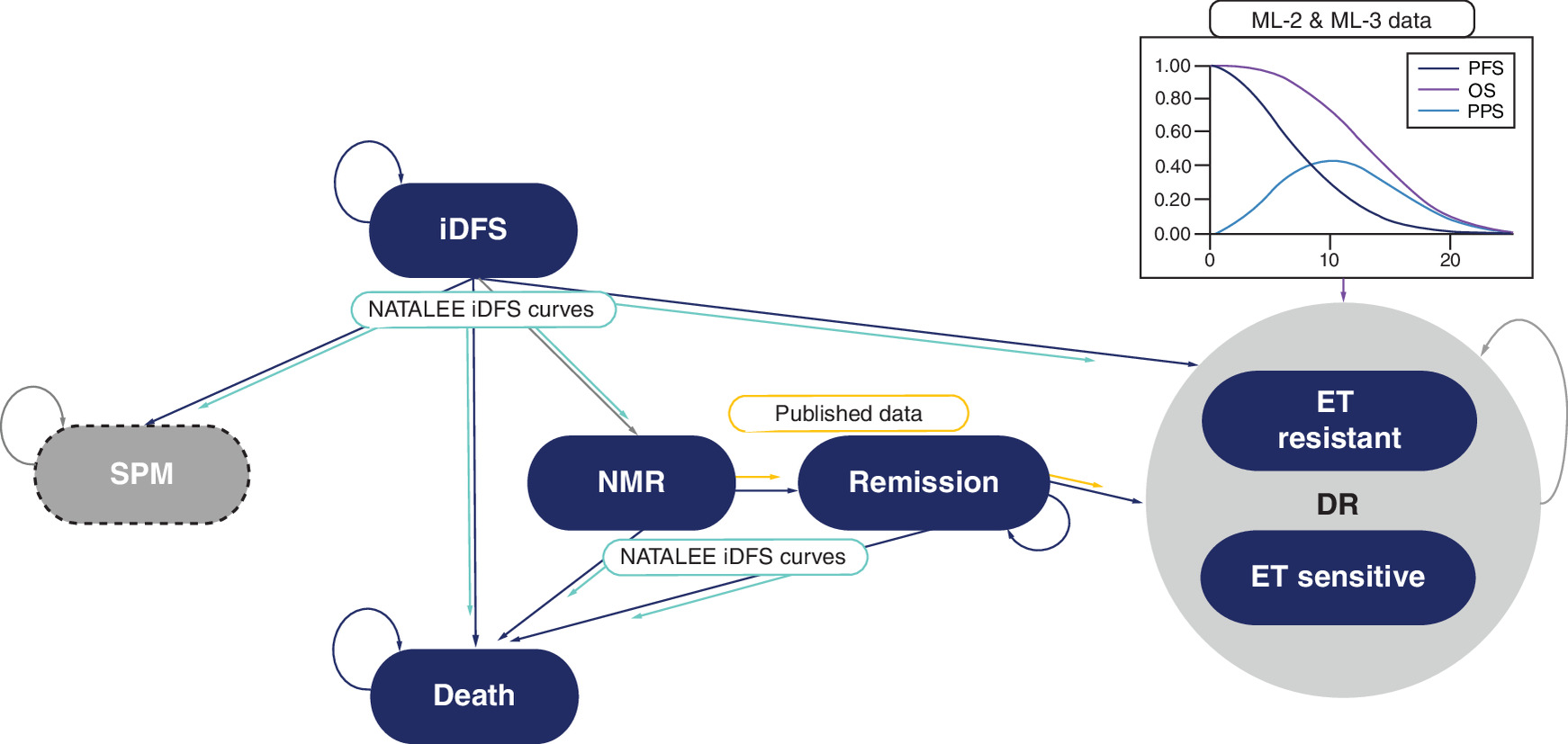
Figure 1. Simplified schematic of model structure.
Dark blue arrows denote health state transitions, cyan arrows denote transitions informed by NATALEE trial data, and yellow arrows denote transitions based on other published data. Grey shapes and errors indicate absorbing health states.
DR: Distant recurrence; ET: Endocrine therapy; IDFS: Invasive disease-free; ML-2: MONALEESA-2; ML-3: MONALEESA-3; NMR: Non-metastatic recurrence; OS: Overall survival; PFS: Progression-free survival; PPS: Post-progression survival; SPM: Second primary malignancy.
Patients were assumed to enter the model in the IDFS state and transition probabilities for this state were estimated from the NATALEE trial. Patients in the IDFS state were assumed to either remain in IDFS (i.e., experience no event), transition to NMR (i.e., locoregional recurrence, contralateral recurrence), transition to SPM, transition to DR, or die (i.e., transition to the death health state). The model did not explicitly distinguish between on- and off treatment health states within IDFS, but patients were partitioned accordingly using time to treatment discontinuation (TTD) curves, which were estimated post hoc using patient-level data from the NATALEE trial and using published sources for monarchE. The model also incorporated stopping rules, where patients remaining in IDFS after a prespecified duration were assumed to no longer receive treatment (i.e., 36 months for ribociclib, 60 months for ET).
SPM was modeled as an absorbing state, and future outcomes (e.g., life-years) after transitioning to the SPM state were not tallied in the model, based on the approach used in an economic model reviewed by CDA-AMC for abemaciclib as adjuvant treatment for EBC [5].
Patients who transition to NMR were assumed to have a maximum residency in that state of 1 year with the risk of transitioning to DR or death during this time. After 1 year, all patients remaining in NMR were assumed to transition to the remission health state. Those in the remission state could either remain in that state, transition to DR, or die.
Transitions to the DR state were modeled as two absorbing substates based on the timing of recurrence: ET-resistant and ET-sensitive DR. Disease recurrence ≤12 months from the end of ET was classified as ET-resistant, while recurrence >12 months after the end of ET was classified as ET-sensitive.
Patients entering either of the DR states received fixed payoffs of LYs and time on treatment, based on estimates from a previous CDA-AMC evaluation of ribociclib as treatment for metastatic HR+/HER2- breast cancer [13]. Treatment costs in DR were calculated based on the time on treatment, assumed treatment mixes in DR, and estimated medication costs. Other costs in DR were calculated by combining the LY payoffs with estimated rates of healthcare resource utilization and corresponding unit costs. DR QALYs were calculated by multiplying payoffs for LYs in progression-free survival (PFS) and post-progression survival (PPS) with estimated health state utilities.
Transition probabilities
Invasive disease-free survival
For patients receiving ribociclib plus AI and AI alone, IDFS transition probabilities (transition to SPM, NMR, DR and death) were estimated based on parametric survival distributions fit to patient-level failure time data from the NATALEE trial (DCO 29 April 2024) for the subgroup of patients who would be eligible for abemaciclib based on the inclusion criteria in the monarchE trial [12]. Distributions assessed included exponential, Weibull, log-logistic, lognormal, Gompertz, generalized gamma, gamma, generalized F and restricted cubic spline (RCS) models (up to three knots). For RCS models, Weibull, log-logistic and lognormal forms were explored. RCS models used one internal knot at the median failure time, with boundary knots at the minimum and maximum. Goodness of fit statistics and long-term extrapolations for all of the parametric distributions considered for IDFS are available in the Supplementary Materials.
Probabilities of transitioning from IDFS to the SPM, NMR, DR and Death health states for each model cycle and comparator were calculated by multiplying the IDFS hazard rate by the distribution of each of these IDFS events. It was assumed that the distribution of IDFS is constant over time (except for age-matched general population mortality) for the AI and tamoxifen alone comparators. For patients receiving ribociclib plus AI, a treatment effect waning assumption was used and applied to the distribution of IDFS events.
The restricted Weibull distribution was selected for IDFS in the model base case (Figure 2). This distribution ranked third best in goodness of fit based on Bayesian information criterion (BIC), had excellent visual fit to the Kaplan–Meier (KM) IDFS for both arms in NATALEE and was also relatively conservative in terms of the overall projections of IDFS.
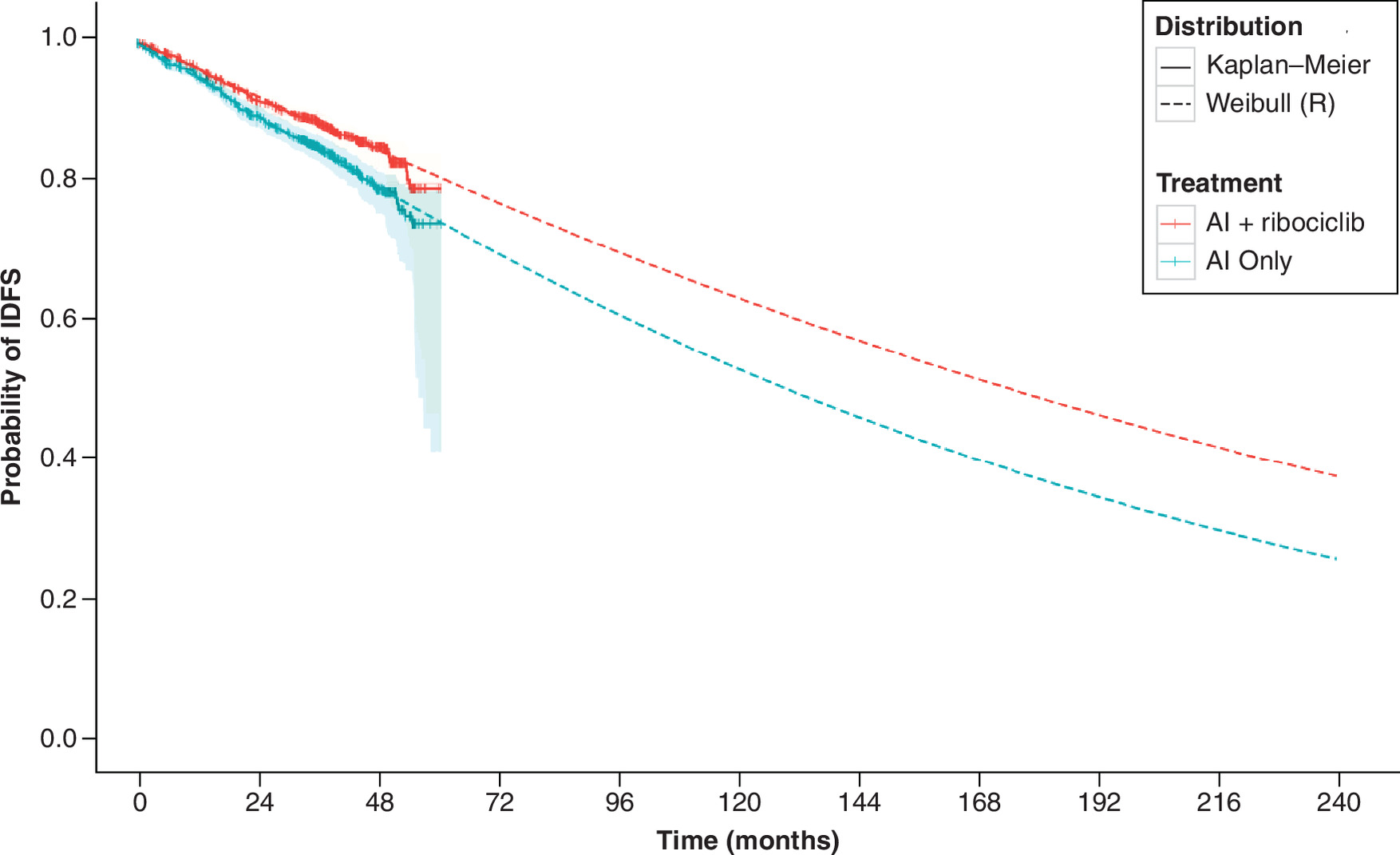
Figure 2. Invasive disease-free survival of ribociclib + aromatase inhibitor versus aromatase inhibitor alone extrapolated with restricted Weibull distribution.
ET: Endocrine therapy; IDFS: Invasive disease-free survival.
Transition probabilities for abemaciclib plus ET were estimated by assuming the same IDFS curve as ribociclib plus ET. This assumption was made following a published MAIC of ribociclib plus AI versus abemaciclib plus AI which reported a HR of 0.901 (95% CI: 0.678, 1.197) and did not detect a statistically significant difference in IDFS between these treatments [10]. Transition probabilities for tamoxifen were estimated by applying to the IDFS curve for AI alone an estimate of the HR for tamoxifen versus AI based on a systematic review and meta-analysis presented at the San Antonio Breast Cancer Symposium [14]. Among pre-menopausal patients receiving adjuvant treatment, the pooled HR for ET versus tamoxifen was 0.66 (95% CI: 0.54, 0.79), or a HR of 1.52 for tamoxifen versus ET [14]. Table 2 summarizes the methods used in the IDFS transition probabilities, as well as other key model parameters.
| Parameter | Base case value | Source |
|---|---|---|
| General population mortality | ||
| Life tables | Statistics Canada | [15] |
| IDFS distributions | ||
| Ribociclib + AI | Weibull restricted | Data on file |
| AI | ||
| Tamoxifen | N/A | [14] |
| Abemaciclib plus ET | N/A | [10] |
| Distribution of IDFS Events | ||
| Ribo + AI | ||
| NMR | 13.5% | Data on file |
| Death | 4.3% | |
| DR | 68.8% | |
| SPM | 13.5% | |
| AI | ||
| NMR | 19.5% | Data on file |
| Death | 3.4% | |
| DR | 68.2% | |
| SPM | 8.8% | |
| Tamoxifen | Assumed the same as AI | [14] |
| Abemaciclib + ET | Assumed the same as ribociclib + AI | [10] |
| Treatment effect waning | ||
| Ribociclib + AI | Treatment waning began at 8 years, with the ribociclib IDFS hazard converging to AI until matching general population mortality at 32 years. | [6] |
| Transition probabilities in other states | ||
| Remission to DR | 0.0076 (monthly) | [6,16] |
| Stopping rules in IDFS | ||
| Ribociclib | 36 months | [17] |
| All ETs | 60 months | |
| Abemaciclib | 24 months | [12] |
| TTD distributions | ||
| Ribociclib | RCS Lognormal | Data on file |
| AI | Weibull restricted | |
| Abemaciclib | Digitized KM data | [18] |
| Health state utilities | ||
| On-treatment IDFS | 0.8282 | Data on file |
| Off-treatment IDFS | 0.8066 | |
| NMR | 0.7745 | |
| DR | 0.7047 | |
| AE-related disutilities in IDFS | ||
| ALT increased | -0.005 | [6] |
| Diarrhea | -0.103 | |
| Leukopenia | -0.003 | |
| Lymphopenia | 0.000 | |
| Neutropenia | -0.007 | |
| Ratios of utilities in PPS to PFS in DR | ||
| ET-resistant | 0.930 | Data on file |
| ET-sensitive | 0.960 | |
| Medication acquisitions costs (list price per unit) | ||
| Ribociclib 200 mg (42 capsules, oral) | $94.13 | IQVIA HealthCare Database [19] |
| Abemaciclib 150 mg (28 tablets, oral) | $111.86 | |
| Letrozole 2.5 mg (30 tablets, oral) | $1.38 | |
| Anastrozole 1 mg (30 tablets, oral) | $0.95 | |
| Goserelin 3.6 mg (1 vial, SC) | $422.68 | |
| Exemestane 25 mg (30 tablets, oral) | $1.33 | |
| Tamoxifen 20 mg (30 tablets, oral) | $0.35 | |
| Fulvestrant 500 mg (2 vials, SC) | $58.29 | |
| Palbociclib 100 mg (21 capsules, oral) | $253.91 | |
| Everolimus 10 mg (30 tablets, oral) | $172.26 | |
| Capecitabine 150 mg (60 tablets, oral) | $0.46 | |
| Paclitaxel 300 mg (1 vial, IV) | $74.80 | |
AE: Adverse event; AI: Aromatase inhibitor; ALT: Alanine aminotransferase; DR: Distant recurrence; ET: Endocrine therapy; KM: Kaplan–Meier; IDFS: Invasive disease-free survival; IPD: Individual patient data; IV: Intravenous; N/A: Not applicable; NMR: Non-metastatic recurrence; PFS: Progression-free survival; PPS: Post-progression survival; QALY: Quality-adjusted life-year; RCS: Restricted cubic spline; Ribo: Ribociclib; SC: Subcutaneous; SPM: Second primary malignancy; TTD: Time to treatment discontinuation.
Nonmetastatic recurrence & remission states
Transition probabilities from the NMR state to death were assumed to be the same as the probability of death for the general population using the probability of death estimated from the IDFS curve as a floor. One year after entry into the NMR state, all those remaining in the state were assumed to transition to remission. The probability of death in the remission state was similarly assumed to be equal to that of the general population using the IDFS probability of death as a floor. The probability of DR within the remission state was estimated consistently with that in TA810 NICE appraisal of abemaciclib [6]. The primary source for this parameter was NICE TA632 of trastuzumab, which used a published study of 12,836 EBC patients and estimated the risk of the incidence of a second malignancy after receipt of adjuvant therapy [20]. The monthly transition probability of 0.0076 was calculated from a mean time until progression of 7.6 years [16].
Time to treatment discontinuation
Probabilities of remaining on treatment in the IDFS state by time since treatment initiation were based on estimated TTD curves until a maximum duration based on corresponding stopping rules. A 36-month stopping rule was assumed for ribociclib in the adjuvant setting, and a 24-month stopping rule was assumed for abemaciclib in the adjuvant setting [12]. A 60-month stopping rule was assumed for all ETs.
TTD for ribociclib and AI was estimated using NATALEE patient-level data, using KM methods and fitted parametric distributions. TTD was defined as time from randomization to permanent treatment discontinuation for any reason. Patients who were still receiving treatment by the DCO date were censored for TTD at the date of censoring for IDFS.
Probabilities of TTD events for patients receiving abemaciclib plus ET were based on digitized curves of the cumulative incidence of treatment discontinuation for reasons other than recurrence published by Rugo and colleagues [18]. Digitization was conducted using the WebPlotDigitizer online application [21]. However, the published KM plots did not include discontinuations due to disease recurrence and would underestimate the cumulative discontinuation. In order to estimate the cumulative incidence of discontinuation of abemaciclib due to any reason, the digitized curve was calibrated to match a discontinuation rate of 30.6% at 24 months, which was the reported total discontinuation in the Rugo publication [18]. Treatment duration for abemaciclib was assumed to follow this calibrated TTD curve, as shown in Figure 3 [18]. For patients receiving ET in combination with a CDK4/6 inhibitor, treatment with the former may continue after treatment with the latter has ended. To reflect this, and given the lack of data on treatment discontinuation of ETs when used in combination with abemaciclib, ET treatment duration for patients receiving abemaciclib plus ET was assumed to be consistent with that for ET when received in combination with ribociclib, as described in the preceding section.
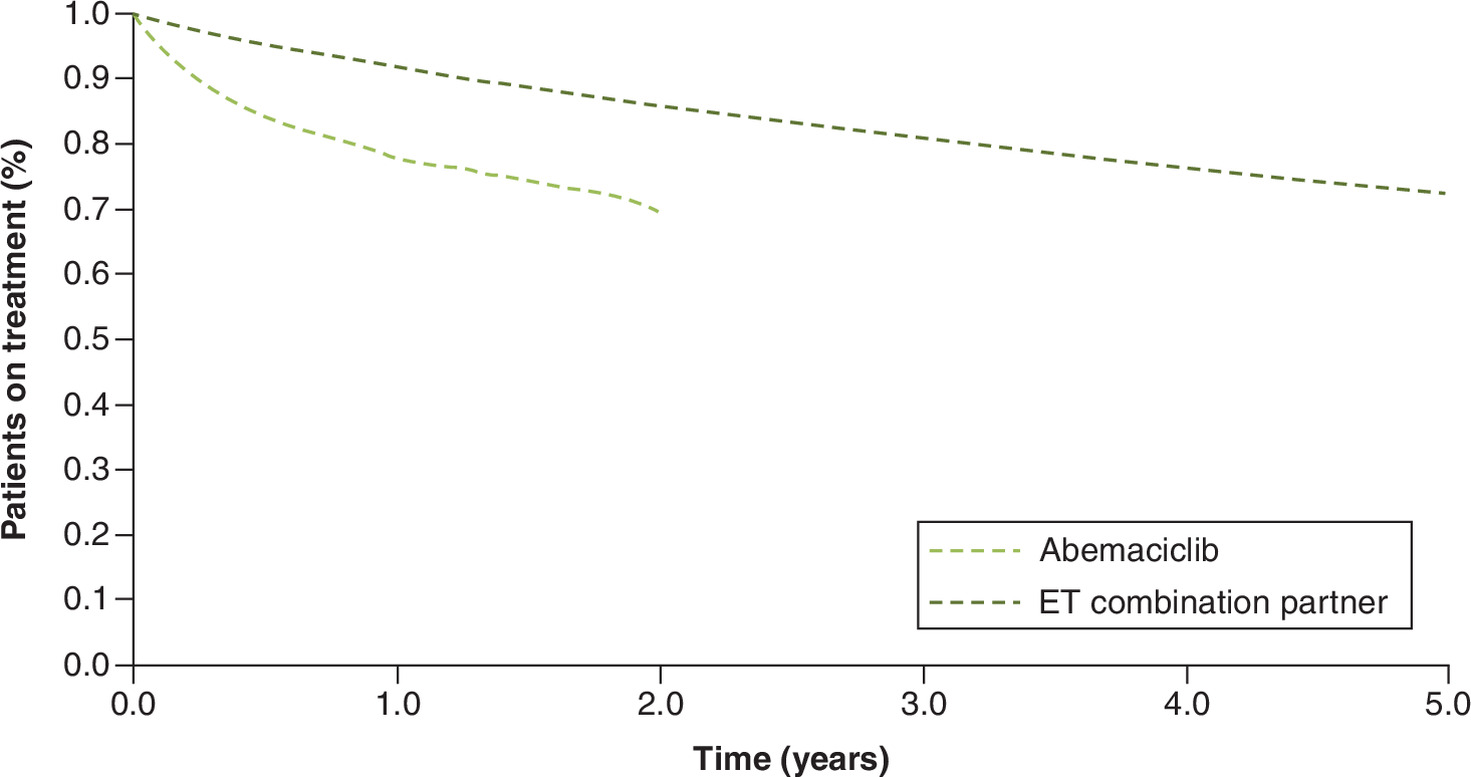
Figure 3. Projected time to treatment discontinuation for patients receiving abemaciclib plus endocrine therapy.
ET: Endocrine therapy.
Treatment effect waning
Treatment effect waning for ribociclib was applied to IDFS starting 8 years after treatment initiation, consistent with the evaluation of abemaciclib as treatment for EBC that was submitted to CDA-AMC, as well as NICE TA810 evaluation of abemaciclib, and was used recently in NICE TA1086 of ribociclib [6,22,23]. The hazard of recurrence for ribociclib plus AI was assumed to linearly converge to that of AI alone over the waning period, using weighted hazards that fully matched AI alone by the end of waning. The same approach was applied to the distribution of IDFS events.
Following the approach used in the aforementioned submission for abemaciclib, the end of the waning period was specified to be the point at which the IDFS event rate was equal to general population mortality [6,22]. For abemaciclib plus ET, the same treatment-effect waning assumptions as for ribociclib plus AI were applied. This is likely conservative, as treatment duration with abemaciclib is up to 24 months compared with up to 36 months for ribociclib.
Adverse events
Treatment emergent AEs considered in the model included all-cause grade 3+ AEs with an incidence ≥5% for any of the comparators of interest. Grade 1–2 events were not considered because they are generally self-limited and are therefore not likely to be associated with substantial treatment costs or reductions in health-related quality of life. Incidence of AEs for patients receiving ribociclib plus AI and AI alone were based on data from the NATALEE trial [17]. Incidence of AEs for patients receiving abemaciclib were based on the monarchE trial [9]. For modelling purposes, a conservative assumption was made that the AE profile of tamoxifen is equivalent to that of AI alone. AE rates used in the model can be found in Supplementary Table 2.
General population mortality
The probability of death in any given model cycle was assumed to not fall below the age and sex-matched mortality probabilities for the general population. These general population mortality estimates were based on data from Statistics Canada, assuming a mean starting age of 52.4 years and that 99.6% of patients are female at entry into the model, consistent with the baseline characteristics of patients in NATALEE [15,17].
Utility values
Health state utilities were estimated with EQ-5D-5L assessments from the 29 April 2024, DCO of the NATALEE trial. Details on estimation of utility values are available in the Supplementary Materials. Estimated health state utilities used in the base case for the evaluation of the MonarchE-Eligible population are shown in Table 2. Health state utilities in IDFS while on treatment were assumed to equal the estimated utility for AI alone for all comparators, conforming to CDA-AMC's guidance against treatment-specific utility values.
AE-related utility decrements for each comparator were calculated using the incremental rate for a given AE with that comparator versus AI alone multiplied by the estimated disutility for the AE (Table 2). It was assumed that all AEs considered in the model had a duration of 1 month. Lacking estimates for Canada-specific disutility values for AEs, these parameters were based on the technology assessment of abemaciclib by NICE in the UK [6].
Utility values for patients in remission were assumed to be the same as those for the general population. Utility values in the PFS substates of the DR ET-resistant and DR ET-sensitive health states were assumed to both equal 0.7047 (i.e., as estimated from NATALEE). However, as information regarding subsequent progressions after metastatic recurrence was not captured in NATALEE, utilities for DR PPS could not be directly estimated. Therefore, relative decreases between PFS and PPS utilities observed in MONALEESA-3 and MONALEESA-2 were applied to the ET-Resistant and ET-Sensitive PPS states, respectively. These relative decreases were 7.02% for ET-resistant and 3.96% for ET-sensitive [13,24].
General population utilities
Health state utilities in the model were adjusted for age-related declines in health-related quality of life using age- and sex-matched general population utilities for Canada. Estimates for the general population were based on published Canadian norms for the Health Utility Index Mark 3 as reported by Guertin and colleagues [25].
Fixed payoffs for DR health states
Subsequent transitions were not modeled explicitly after entry into either of the DR substates. Instead, the model calculated fixed payoffs for LYs, QALYs, and costs based on the mix of treatments received in DR, the undiscounted LYs for PFS and PPS associated with each DR treatment, time on treatment in months for each DR treatment, medication acquisition costs, treatment administration costs and dispensing fees, costs of follow-up and monitoring, terminal care costs and health state utilities.
Payoffs for LYs were calculated by multiplying the mix of treatments received in DR by estimated LYs in PFS and PPS, by treatment (Supplementary Table 4). PFS LYs, PPS LYs and time on treatment in months for DR treatments were derived from the economic evaluation of ribociclib plus fulvestrant for HR+/HER2- advanced breast cancer reviewed by CDA-AMC (formerly CADTH), which was estimated primarily using data from the MONALEESA-3 trial [13]. Payoffs for QALYs were then calculated by multiplying the LY payoffs in PFS and PPS by corresponding health state utilities (Table 2). Costs in DR consisted of drug acquisition and administration or dispensing, follow-up and monitoring, and terminal care. Drug acquisition costs and administration or dispensing fees were calculated by multiplying the treatment mix by estimates for time on treatment, unit costs of medication, and dosages.
Costs of follow-up and monitoring were estimated by multiplying LY payoffs by estimates of the rates of healthcare resource utilization and corresponding unit costs (Supplementary Tables 5 & 6). Finally, terminal care costs were assigned to all patients entering either DR substate. Fixed payoffs were calculated based on undiscounted values, and discounting was then applied at the time of DR. Total LYs, QALYs and costs in DR were then calculated by multiplying the fixed payoff values by the proportion of patients transitioning into the corresponding DR substate in each model cycle.
Costs
Medication acquisition & administration costs
Costs of medications were extracted from the IQVIA Healthcare Database for the Ontario province [19]. Medication costs were applied while patients remained on treatment in the IDFS state (i.e., TTD up until the stopping rule). While in the NMR state, patients were assumed to receive either letrozole or anastrozole. Costs of treatment in DR were assigned based on the assumed mix of DR treatments and duration of treatment, as described in the previous section. Costs per unit (e.g., capsule, tablet, vial) of medication were calculated as the price per package of medication divided by the number of units in package (Table 2). Dosages for medications were based on clinical trials [9,17].
The cost of IV and SC injection administration were assumed to equal $75 based on the based on the Schedule of Benefits unit cost for “Complex single agent or multi-agent therapy – chemotherapy and/or biologic agent(s) that can cause vesicant damage, infusion reactions, cardiac, neurologic, marrow or renal toxicities that may require immediate intervention by the physician” (Code G345) [26]. Dispensing fees for oral medications were assumed to be $11.04 based on Canadian Institute for Health Information (CIHI) pharmaceutical data tool [27].
Costs of follow-up & monitoring
Unit costs of healthcare services and frequency of utilization by health state were based on data from the 2023 Ontario Schedule of Benefits [26]. Follow-up and monitoring costs were considered separately for the IDFS, NMR, DR, and Remission states. Specifics on the unit costs used to estimate the cost for services considered for follow-up and monitoring are available in the Supplementary Materials. Lacking information on healthcare resource utilization for follow-up and monitoring of breast cancer patients in Canadian clinical practice, annual frequencies of services received and percent receiving each service were based on TA612 NICE appraisal of Neratinib [28] (Supplementary Table 5).
Costs of treating AEs
Costs of AE treatment were calculated by multiplying the incidence of AEs by the expected cost of these events and summing across these values. The costs of treatment of AEs (per event) were estimated based on responses to a survey of medical oncologists in Canada who provide care to breast cancer patients regarding healthcare resource utilization required for treatment of AEs [29]. Costs were adjusted to 2023 CAD using Canadian CPI [30]. Estimated costs of AE are shown in Supplementary Table 8.
Terminal care costs
A published study by Yu and colleagues in 2015 estimated the public cost of terminal care in Canada to be $15,976 (2012 CAD) [31]. After adjustment for inflation using Canadian CPI, the cost of terminal care was calculated to be $20,531 in 2023 CAD [30]. This cost was applied to all persons entering the dead state excluding those who enter the SPM absorbing state as death isn't modeled for that population.
Analyses
The probabilistic base case was estimated with 1000 Monte Carlo simulations with model parameters varied for assumed probability distributions, and survival curves for IDFS and TTD were varied with bootstrapped random samples of NATALEE. The probability distributions employed included multivariate normal for health state utility values, lognormal for AE related utility decrements, Beta for AE rates and Gamma for medication costs. Deterministic sensitivity analyses (DSAs) were conducted to explore the impact of changing assumptions concerning key model parameter values on the ICER. Parameters varied in the DSAs included discount rates, medication costs, relative dose intensity values, cost of follow-up medical services, utility values, IDFS hazard rates, start time of treatment effect waning and CDK 4/6 utilization in the DR health state. Parameters were varied by +/- 25% of the base case values, except for the IDFS hazard rates which were varied according to the lower and upper bounds of the 95% CI.
Results
Treatment with ribociclib plus AI was estimated to result in total lifetime costs of $155,277 CAD (95% CI: $100,721 to $238,620) and total QALYs of 13.06 (95% CI: 12.33 to 13.83). In the comparison of ribociclib plus AI versus abemaciclib plus ET, ribociclib plus AI resulted in cost savings of $16,672 and additional QALYs of 0.01. In the analysis versus AI alone, ribociclib plus AI was estimated to incur $125,584 in additional costs and 0.69 additional QALYs, yielding and ICER per QALY gained of $43,025. A summary of the probabilistic cost-effectiveness results is presented in Table 3. The probabilities of ribociclib plus AI being cost-effective relative to AI alone and abemaciclib plus ET at a willingness to pay (WTP) of $100,000 are 77.9% and 62.0%, respectively (Figure 4). At a WTP of $50,000, these probabilities were 57.4% for ribociclib plus AI versus AI alone, and 61.5% for ribociclib plus AI versus abemaciclib plus ET.
| Outcome | Ribociclib + AI | AI alone | Abemaciclib + ET |
|---|---|---|---|
| Total, discounted | |||
| Costs ($) | $155,277 | $125,584 | $171,949 |
| Life years | 16.49 | 15.70 | 16.49 |
| QALYs | 13.06 | 12.37 | 13.06 |
| Difference (Ribo + AI vs comparator) | |||
| Costs ($) | – | $29,693 | -$16,672 |
| Life years | – | 0.79 | 0.00 |
| QALYs | – | 0.69 | 0.01 |
| ICER (Ribo + AI vs comparator) | |||
| Cost per life year saved | – | $37,512 | N/A |
| Cost per QALY saved | – | $43,025 | Dominant |
| Costs breakdown ($) discounted | |||
| Drug acquisition | $104,946 | $10,178 | $123,320 |
| Administration and dispensing | $1607 | $1479 | $804 |
| Follow-up and monitoring | $3476 | $2743 | $2581 |
| AEs | $316 | $9 | $313 |
| Terminal care | $3251 | $2,651 | $3251 |
| SPM transition | $14 | $11 | $14 |
| DR (ABC-related healthcare) | $41,667 | $108,515 | $41,667 |
| Total | $155,277 | $125,584 | $171,949 |
| Probabilistic scenario analyses | |||
| Discount rate of 0% for costs and efficacy | – | $19,432 | Dominant |
| Discount rate of 3% for costs and efficacy | – | $75,551 | Dominant |
| No treatment effect waning | – | $32,714 | Dominant |
ABC: Advanced breast cancer; AE: Adverse event; AI: Aromatase inhibitor; DR: Distant recurrence; ET: Endocrine therapy; QALY: Quality-adjusted life-year; Ribo: Ribociclib; SPM: Second primary malignancy.
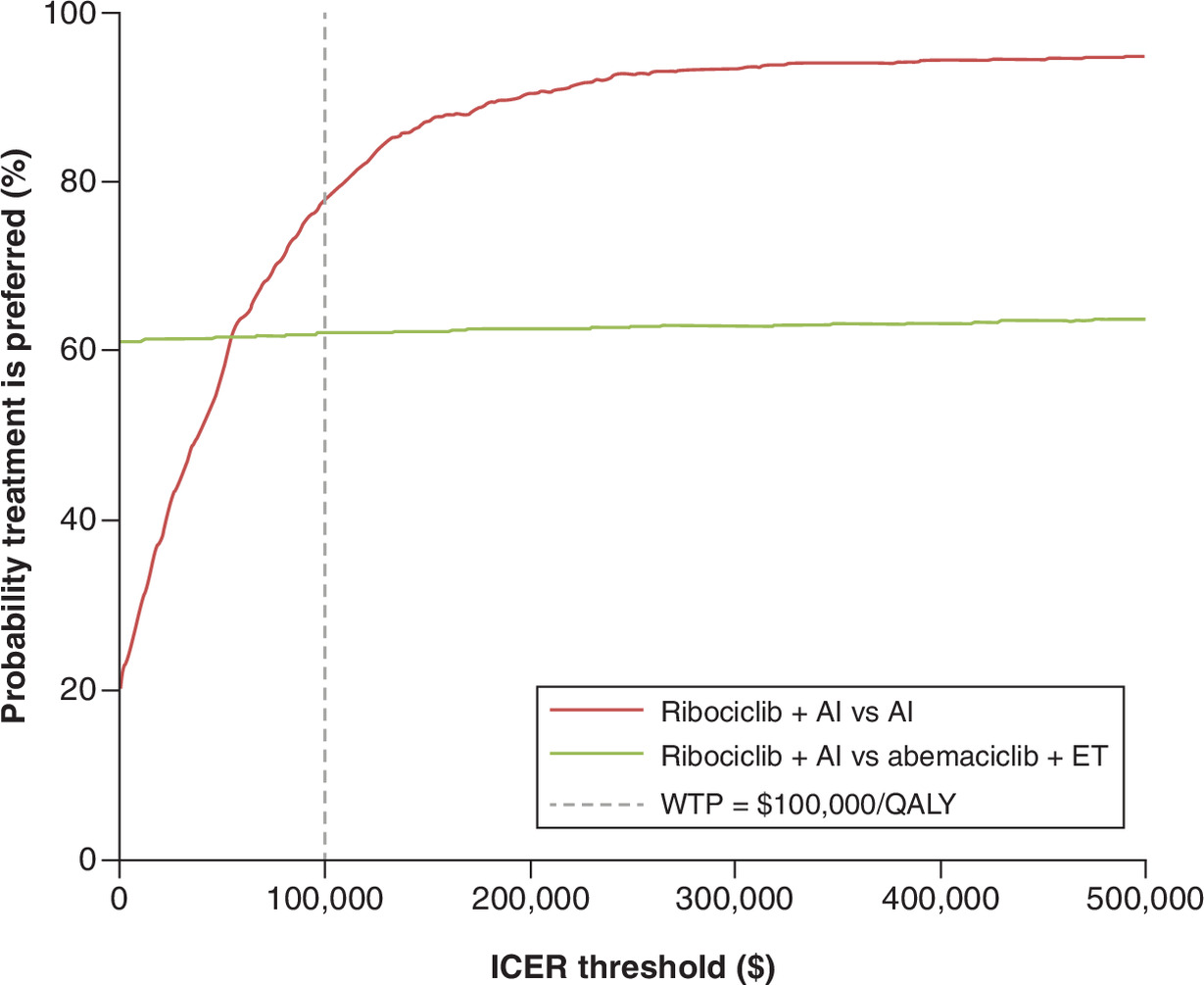
Figure 4. Cost-effectiveness acceptability curve for ribociclib plus aromatase inhibitor versus aromatase inhibitor alone and abemaciclib plus endocrine therapy.
AI: Aromatase inhibitor; ET: Endocrine therapy; ICER: Incremental cost-effectiveness ratio; QALY: Quality-adjusted life-year; WTP: Willingness to pay.
Medication acquisition costs were the driver of total costs for ribociclib plus AI ($104,946) and abemaciclib plus ET ($123,320), whereas such costs were much lower for AI alone ($10,178). This finding reflects the higher price of CDK 4/6 inhibitors compared with monotherapy treatments. Additionally, healthcare costs after transition to DR were the driver of total costs for AI alone ($108,515) but were relatively low for ribociclib and abemaciclib ($41,667). This latter finding reflects not only the delay of DRs associated with CDK 4/6 inhibitors and the reduction in lifetime risk of DR relative to ETs alone. Disaggregated healthcare cost results for the probabilistic analysis are summarized in Table 3.
Results of the DSAs of ribociclib plus AI versus AI alone demonstrate that the ICER per QALY gained was most sensitive to variations in the IDFS hazard rates for AI, ribociclib medication costs and the utility values for the IDFS health state (Figure 5). Hazard rates for AI in the DSA were estimated by applying the estimated HR for AI versus ribociclib to the projected IDFS curve for ribociclib in the model. The DSAs of the abemaciclib plus ET comparison resulted in all dominant ICERs, with the exceptions of the upper bound of the ribociclib medication costs scenario which resulted in an ICER of $1,027,211, and the lower bound of the abemaciclib medication costs scenario which resulted in an ICER of $2,015,218.
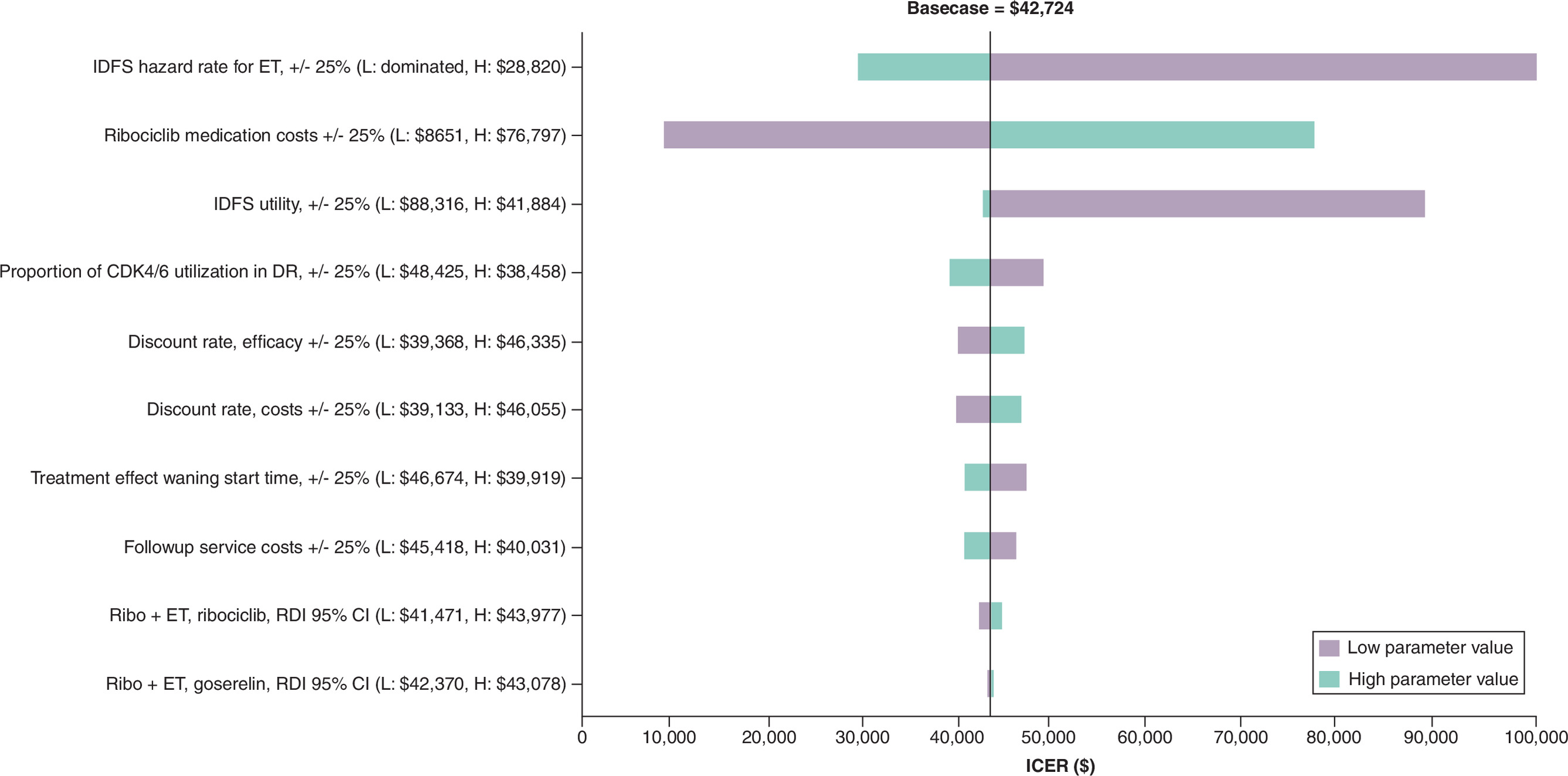
Figure 5. Deterministic sensitivity analysis results for the comparison against AI alone.
CDK4/6: Cyclin-dependent kinase 4 and 6; CI: Confidence interval; DR: Distant recurrence; ET: Endocrine therapy; ICER: Incremental cost-effectiveness ratio; IDFS: Invasive disease-free survival; RDI: Relative dose intensity.
Discussion
The objective of this study was to evaluate the cost-effectiveness of ribociclib plus AI versus other adjuvant treatments in persons with high-risk HR+/HER2- EBC who would be eligible for treatment with abemaciclib, from a Canadian healthcare system perspective. In the probabilistic analyses, ribociclib plus AI was estimated to generate cost-savings of $16,672 and comparable QALYs to abemaciclib plus ET. In the comparison to AI alone, the ICER of ribociclib plus AI versus AI alone was $43,025 per QALY gained. These findings suggest that ribociclib plus AI may be a cost-saving adjuvant therapy option for persons with HR+/HER2- EBC who would meet the selection criteria for cohort 1 of the monarchE trial of abemaciclib.
Key limitations should be noted. As no head-to-head clinical trials comparing ribociclib plus AI versus abemaciclib plus ET have been conducted at the time of this analysis, equal IDFS efficacy was assumed based on a published indirect treatment comparison [10]. Time-to-event data from NATALEE (median follow-up 49.6 months) were extrapolated over a lifetime horizon, and results may vary with alternative parametric assumptions and more mature efficacy data. There is uncertainty surrounding the durability of the treatment effect observed with ribociclib plus AI in the NATALEE trial. At the time of writing, the treatment effect on IDFS observed with ribociclib plus AI versus AI alone in the NATALEE trial was durable up until the latest publicly available data cutoff of 29 April 2024 [17]. Consistent with recent HTA assessments of other treatments for EBC, the model assumed this treatment effect would begin to wane 8 years after treatment initiation. However, longer follow-up from the NATALEE trial may alter this assumption. Additionally, trial outcomes may differ from real-world effectiveness. The model only included grade 3 and greater AEs as these are the most likely to incur higher QALY decrements and treatment costs, however, it should be noted that grade 1–2 diarrhea is a very common AE with abemaciclib that was not accounted for with these assumptions [18]. Lastly, the model employed cost inputs estimated for the Ontario province and transferability to other Canadian provinces may vary.
Conclusion
Under base case assumptions informed by an indirect treatment comparison, ribociclib plus AI was estimated to provide comparable health outcomes at lower costs versus abemaciclib plus ET.
Summary points
•
Ribociclib and abemaciclib, cyclin-dependent kinase 4/6 inhibitors, are adjuvant treatments for hormone receptor-positive (HR+), human epidermal growth factor receptor 2-negative (HER2-) early breast cancer (EBC) with ongoing clinical trials known as NATALEE and monarchE, respectively.
•
This study assessed the cost–utility of ribociclib plus an aromatase inhibitor (AI) versus abemaciclib plus endocrine therapy (ET) from a Canadian public payer perspective in high-risk HR+/HER2- EBC with inputs informed by data from the NATALEE and monarchE trials and other published sources for Canada.
•
A nonhomogeneous semi-Markov cohort model with six health states (invasive disease-free survival [IDFS], second primary malignancy, nonmetastatic recurrence, remission, distant recurrence, and death) was developed from the Canadian healthcare system perspective using Ontario-based costs.
•
The analysis focused on a subgroup of NATALEE patients who would have been eligible for abemaciclib based on the inclusion criteria of cohort 1 in the monarchE trial.
•
Ribociclib plus AI is cost-effective versus AI alone and cost-saving versus abemaciclib plus ET in monarchE-eligible patients with HR+/HER2- EBC.
Author contributions
N Sabater Anaya, D Soliman and T Vincken were involved with the study conception, analysis interpretation, manuscript drafting and revision. C Brezden-Masley and S Sehdev were involved with analysis interpretation, manuscript drafting and revision.
Financial disclosure
This study was sponsored by Novartis Pharmaceuticals Canada Inc. (Montreal, Canada).
Competing interests disclosure
S Sehdev previously acted as research support in advisory boards and other consultations for Novartis, Eli Lilly, AstraZeneca, Merck, Daiichi Sankyo and Roche, and previously received speaking fees from Novartis, Eli Lilly, AstraZeneca, Knight, Gilead, Daiichi Sankyo and Roche. C Brezden-Masley received research grants and participated in clinical trials receiving funding from Pfizer, AstraZeneca, Novartis, Eli-Lilly, Gilead Sciences, Astellas, Daiichi-Sankyo and Merck. C Brezden-Masley also previously received speaker fees from Amgen, Pfizer, Astra-Zeneca, Novartis, Knight, Eli-Lilly, Gilead, Astellas, BMS, Merck, Daiichi-Sankyo and Roche, and acted as a medical advisory consultant for Amgen, Pfizer, Astra-Zeneca, Novartis, Knight, Eli-Lilly, Gilead, Astellas, BMS, Duchesnay, Merck, Daiichi-Sankyo and Roche. The authors have no other competing interests or relevant affiliations with any organization or entity with the subject matter or materials discussed in the manuscript apart from those disclosed.
Writing disclosure
No funded writing assistance was utilized in the production of this manuscript.
Data availability statement
This manuscript utilized post hoc analyses of NATALEE (trial data were provided by Novartis). The monarchE trial data used in this analysis were from published reports.
Open access
This work is licensed under the Attribution-NonCommercial-NoDerivatives 4.0 Unported License. To view a copy of this license, visit https://creativecommons.org/licenses/by-nc-nd/4.0/
Supplementary Material
File (supplementary data.docx)
References
1.
Canadian Cancer Society. Breast cancer statistics. (2024). https://cancer.ca/en/cancer-information/cancer-types/breast/statistics
2.
American Cancer Society. Treatment of breast cancer by stage. https://www.cancer.org/cancer/breast-cancer/treatment/treatment-of-breast-cancer-by-stage.html
3.
Surveillance Epidemiology and End Results Program. Cancer stat facts. female breast cancer. (2023). https://seer.cancer.gov/statfacts/html/breast.html
4.
Canada's Drug Agency (CDA-AMC). Reimbursement Recommendation: ribociclib (Kisqali). (2026). https://www.cda-amc.ca/sites/default/files/DRR/2026/PC0395-Kisqali.pdf
5.
Canada's Drug Agency (CDA-AMC). Reimbursement Recommendation: abemaciclib (Verzenio). (2024). https://www.cda-amc.ca/sites/default/files/DRR/2024/PC0345_Final_Recommendation.pdf
6.
National Institute of Health and Care Excellence. Abemaciclib with endocrine therapy for adjuvant treatment of hormone receptor-positive, HER2-negative, node-positive early breast cancer at high risk of recurrence [TA810]. (2022). https://www.nice.org.uk/guidance/ta810
7.
National Institute of Health and Care Excellence. NICE TA1086 ribociclib with an aromatase inhibitor for adjuvant treatment of hormone receptor-positive HER2-negative early breast cancer at high risk of recurrence. (2025). https://www.nice.org.uk/guidance/ta1086
8.
Fasching PA, Stroyakovskiy D, Yardley DA et al. Ribociclib plus endocrine therapy in hormone receptor-positive/ERBB2-negative early breast cancer: 4-year outcomes from the NATALEE randomized clinical trial. JAMA Oncol. 11(11), 1364–1372 (2025).
9.
Johnston SRD, Toi M, O'Shaughnessy J et al; monarchE Committee Members. Abemaciclib plus endocrine therapy for hormone receptor-positive, HER2-negative, node-positive, high-risk early breast cancer (monarchE): results from a preplanned interim analysis of a randomised, open-label, Phase IIItrial. Lancet Oncol. 24(1), 77–90 (2023).
10.
Chia S, Li J, Ma F et al. Matching-adjusted indirect comparison of ribociclib + nonsteroidal aromatase inhibitor versus abemaciclib + endocrine therapy in hormone receptor-positive/HER2-negative early breast cancer. J. Comp. Eff. Res. 14(10), e250082 (2025).
11.
Canadian Agency for Drugs and Technologies in Health. Guidelines for the Economic Evaluation of Health Technologies: Canada. (2021). Available from: https://www.cadth.ca/about-cadth/how-we-do-it/methods-and-guidelines/guidelines-for-the-economic-evaluation-of-health-technologies-canada
12.
Johnston SRD, Harbeck N, Hegg R et al; monarchE Committee Members and Investigators. Abemaciclib combined with endocrine therapy for the adjuvant treatment of HR+, HER2-, node-positive, high-risk, early breast cancer (monarchE). J. Clin. Oncol. 38(34), 3987–3998 (2020).
13.
Pan-Canadian Oncology Drug Review. Final Economic Guidance Report – Ribociclib (Kisqali) plus Fulvestrant for Advanced or Metastatic Breast Cancer. (2020). (Accessed 20 August 2020). https://cadth.ca/sites/default/files/pcodr/Reviews2020/10195RibociclibFulvestrantMBC_fnEGR_NOREDACT-ABBREV_EC_22Apr2020_final.pdf
14.
Janni W, Untsch M, Harbeck N et al. Comparing the efficacy of aromatase inhibitors vs tamoxifen in hormone receptor–positive, human epidermal growth factor receptor 2–negative early breast cancer: a systematic review and trial-level meta-analysis. San Antonio Breast Cancer Symposium, Poster P1-02-01 (2022). https://aacrjournals.org/cancerres/article/83/5_Supplement/P1-02-01/717128/Abstract-P1-02-01-Comparing-the-efficacy-of
15.
Statistics Canada. Life expectancy and other elements of the complete life table, single-year estimates, Canada, all provinces except Prince Edward Island. Table: 13-10-0837-01. (2022). https://www150.statcan.gc.ca/t1/tbl1/en/cv.action?pid=1310083701
16.
Hamilton SN, Tyldesley S, Li D, Olson R, McBride M. Second malignancies after adjuvant radiation therapy for early stage breast cancer: is there increased risk with addition of regional radiation to local radiation? Int. J. Radiat. Oncol. Biol. Phys. 91(5), 977–985 (2015).
17.
Slamon D, Lipatov O, Nowecki Z et al. Ribociclib plus endocrine therapy in early breast cancer. N. Engl. J. Med. 390(12), 1080–1091 (2024).
18.
Rugo HS, O'Shaughnessy J, Boyle F et al; monarchE Committee Members. Adjuvant abemaciclib combined with endocrine therapy for high-risk early breast cancer: safety and patient-reported outcomes from the monarchE study. Ann. Oncol. 33(6), 616–627 (2022).
19.
DeltaPA, [Ontario] IQVIA. (2023). https://www.iqvia.com/locations/canada/library/fact-sheets/iqvia-deltapa
20.
National Institute of Health and Care Excellence. Committee papers [TA632]: single technology appraisal trastuzumab emtansine for adjuvant treatment of HER2-positive early breast cancer [ID1516]. (2020). https://www.nice.org.uk/guidance/ta632/evidence/committee-papers-pdf-8771187997
21.
Rohatagi AWebPlotDigitizer. (2017). https://automeris.io/
22.
Canadian Agency for Drugs and Technologies in Health. CADTH Reimbursement Review: abemaciclib (Verzenio). (2022). https://www.cadth.ca/abemaciclib
23.
National Institute of Health and Care Excellence. NICE TA1086: ribociclib with an aromatase inhibitor for adjuvant treatment of hormone receptor-positive HER2-negative early breast cancer at high risk of recurrence. (2025). https://www.nice.org.uk/guidance/ta1086
24.
Pan-Canadian Oncology Drug Review. Final economic guidance report - ribociclib (Kisqali) for metastatic breast cancer. (2018). (Accessed 11 April 2019). https://cadth.ca/sites/default/files/pcodr/pcodr_ribociclib_kisqali_mbc_fn_egr.pdf
25.
Guertin JR, Feeny D, Tarride JE. Age- and sex-specific Canadian utility norms, based on the 2013–2014 Canadian Community Health Survey. CMAJ 190(6), E155–E161 (2018).
26.
Ontario Ministry of Health, Schedule of Benefits: Physician Services Under the Health Insurance Act (9 March 2023 (effective 1 April 2023). (2023). https://www.ontario.ca/page/ohip-schedule-benefits-and-fees
27.
Canadian Institute for Health Information. Pharmaceutical Data Tool. (2024). https://www.cihi.ca/en/pharmaceutical-data-tool
28.
National Institute of Health and Care Excellence. TA612 Neratinib for extended adjuvant treatment of hormone receptor-positive, HER2-positive early stage breast cancer after adjuvant trastuzumab. (2019). https://www.nice.org.uk/guidance/ta612/evidence
29.
PAI (Policy Analysis Inc.). Survey of Canadian Physicians regarding treatment patterns and healthcare utilization in postmenopausal women receiving first-line treatment of HR+/HER2- advanced breast cancer. (2017).
30.
Statistics Canada. Consumer Price Index by product group, monthly, percentage change, not seasonally adjusted, Canada, provinces, Whitehorse, Yellowknife and Iqaluit (Table: 18-10-0004–13). (29 November 2022). https://www150.statcan.gc.ca/t1/tbl1/en/tv.action?pid=1810000413
31.
Yu M, Guerriere DN, Coyte PC. Societal costs of home and hospital end-of-life care for palliative care patients in Ontario, Canada. Health Soc. Care Commun. 23(6), 605–618 (2015).
Information & Authors
Information
Published In
Copyright
© 2026 The authors. This work is licensed under the Attribution-NonCommercial-NoDerivatives 4.0 Unported License
History
Received: 26 March 2026
Accepted: 31 July 2026
Published online: 10 November 2026
Keywords:
Topics
Authors
Metrics & Citations
Metrics
Article Usage
Article usage data only available from February 2023. Historical article usage data, showing the number of article downloads, is available upon request.
Citations
How to Cite
Cost-effectiveness analysis of ribociclib plus an aromatase inhibitor versus abemaciclib plus endocrine therapy in the adjuvant treatment of HR+/HER2- early breast cancer: a Canadian payer perspective. (2026) Journal of Comparative Effectiveness Research. DOI: 10.57264/cer-2026-0064
Export citation
Select the citation format you wish to export for this article or chapter.