

A trial emulation study indirectly comparing tafamidis and acoramidis in transthyretin amyloid cardiomyopathy: the ReplicATTR study
Publication: Journal of Comparative Effectiveness Research
Abstract
Aim: Tafamidis and acoramidis are transthyretin stabilizers approved for the treatment of transthyretin amyloid cardiomyopathy. We compared the effectiveness of acoramidis versus tafamidis regarding all-cause mortality (ACM). Materials & methods: This study used a hybrid design to compare 42-month ACM with acoramidis versus tafamidis using trial emulation, calibration, and indirect treatment comparison. Two real-world cohorts of participants initiating tafamidis were identified from TriNetX (2019–2024) using observational analogues to emulate ATTR-ACT and ATTRibute-CM trial eligibility criteria and baseline characteristics. A calibration factor was derived by comparing 42-month ACM in the ATTR-ACT tafamidis arm with the ATTR-ACT emulation cohort to quantify the net effect of systematic differences between the populations. This factor was applied to the ATTRibute-CM emulation tafamidis cohort and compared with the ATTRibute-CM acoramidis arm. Using these values and corresponding variance, Monte Carlo simulation (MCS)-estimated medians and percentile-based 95% CIs were derived. Results: In the ATTRibute-CM emulation tafamidis cohort (n = 617), 42-month ACM risk was 35.4% (95% CI: 29.6–42.0), and decreased to a MCS-estimated median of 31.2% (95% CI: 25.3–39.0) after application of the calibration factor (MCS-estimated median: 1.14 [95% CI: 0.91–1.43]). Comparison with 42-month ACM risk observed in the ATTRibute-CM acoramidis arm (24.0%, 95% CI: 20.0–28.7) yielded a relative risk of 0.78 (95% CI: 0.60–0.99), consistent with lower observed ACM risk in the acoramidis arm. Conclusion: Acoramidis was linked to a lower estimated ACM risk in this emulated comparative analysis. These findings should be considered as hypothesis-generating, requiring confirmation in head-to-head studies.
Plain language summary
What is this article about?
Transthyretin amyloid cardiomyopathy is a serious condition caused by abnormal protein buildup in the heart. This buildup can make the heart stiff and less able to pump blood properly. Tafamidis and acoramidis are approved treatments that stabilize this protein and may slow the disease, but they have not been compared directly in a randomized trial.
This study indirectly compared the 42-month risk of death from any cause with acoramidis versus tafamidis. We combined clinical trial findings with real-world data from patients receiving tafamidis. The real-world results were adjusted to make the groups more comparable and account for differences between patients treated in routine practice and clinical trial participants.
What were the results?
Before adjustment, the estimated 42-month risk of death from any cause with tafamidis was 35.4%. After adjustment, the estimated risk was 31.2%, compared with 24.0% among participants receiving acoramidis in the ATTRibute-CM trial. The indirect comparison estimated an 22% lower relative risk of death from any cause with acoramidis, corresponding to a difference of about 7 percentage points.
What do the results mean? Why is this important?
The findings suggest that, in this indirect comparison, acoramidis may be linked with a lower 42-month risk of death from any cause than tafamidis. This provides useful preliminary evidence for patients and clinicians considering these treatments. However, this was an adjusted indirect comparison, not a head-to-head randomized trial. The findings should therefore be interpreted cautiously and confirmed in additional comparative studies.
Graphical abstract
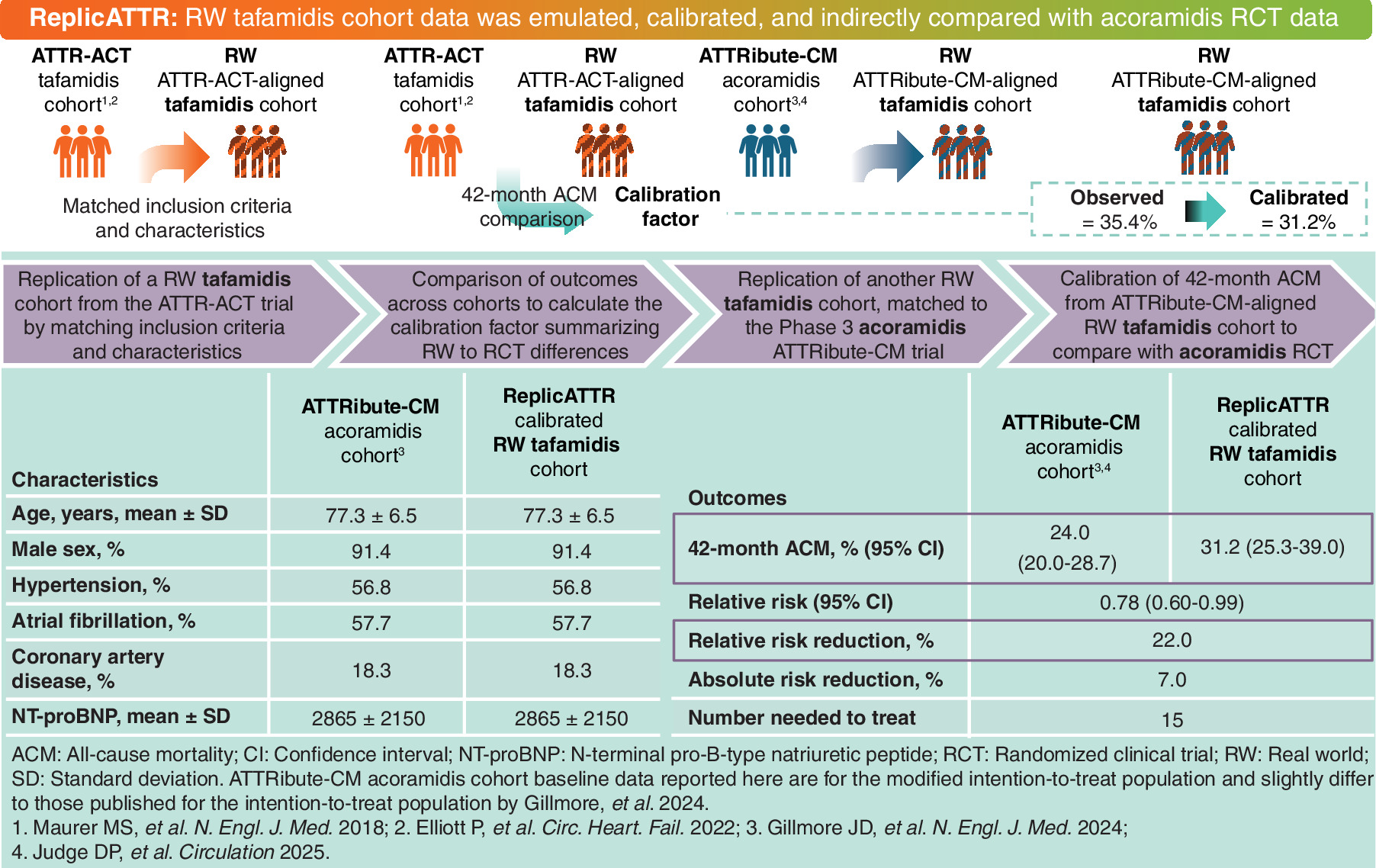
Amyloid transthyretin cardiomyopathy (ATTR-CM) is a progressive, life-threatening disease caused by the deposition of misfolded transthyretin fibrils in the myocardium, leading to ventricular wall thickening, cardiomyopathy and heart failure, often accompanied by arrhythmias and conduction disturbances [1].
Tafamidis and acoramidis are both approved for the treatment of symptomatic adult patients with ATTR-CM, and transthyretin stabilizer use is recommended in multiple international guidelines, though there is no guidance on the use of one agent over the other [2–4]. While each agent has demonstrated benefit in randomized controlled trials (RCTs), reducing patients' risk for the hierarchical end point of all-cause mortality (ACM) and frequency of cardiovascular hospitalization (CVH) [5–8], no head-to-head studies between the two medications have been conducted. Differences in trial eligibility criteria, baseline risk profiles, standard of care during the study and enrolment periods do not allow for simple cross-trial comparisons. These sources of heterogeneity challenge the transitivity assumption underlying these cross-trial comparisons, that the common comparator groups are sufficiently similar with respect to factors that modify treatment effects. Consequently, estimates of relative treatment effectiveness from network meta-analyses should be interpreted cautiously [9]. Furthermore, because acoramidis only recently received approval from the US FDA, real-world data on treated patients remain sparse, precluding robust direct real-world comparative effectiveness analyses at this time [10].
Randomized controlled trials duplicated using prospective longitudinal insurance claims (RCT-DUPLICATE) [11], a joint Harvard Medical School – US FDA initiative, has shown that when RCT designs are closely emulated and key confounders and endpoints are measured reliably, real-world data-based estimates can closely replicate RCT results [12–14]. Guided by the RCT-DUPLICATE framework, we conducted a comparative effectiveness study using a hybrid design to compare acoramidis versus tafamidis with respect to 42-month ACM, integrating trial emulation, calibration and indirect treatment comparison methods.
Materials & methods
Data source
This retrospective study utilized data from December 2018 to September 2024 obtained from the TriNetX US Real-World Data Network. TriNetX aggregates de-identified electronic health record (EHR) data for ∼117 million US patients from academic medical centers, integrated delivery networks, specialty hospitals and large outpatient practices. Approximately 80 healthcare organizations contribute data in the US, of which ∼80% are academic centers, ∼14% are acute care hospitals and 51% maintain outpatient clinics. Available data elements in TriNetX included demographics, encounters, diagnoses, procedures, laboratory results and medication utilization. Mortality is captured through EHR documentation and linkage with regional mortality registries.
Study population
Inclusion criteria
To be included in this study, patients ≥18 but ≤90 years old had to be newly prescribed any dose/formulation of tafamidis based on RxNorm codes (the cohort entry date) between June 2019 and March 2024 and have an established diagnosis of ATTR-CM, defined as ≥1 International Classification of Diseases-Tenth-Revision-Clinical Modification (ICD-10-CM) codes for E85.0, E85.1, E85.2, E85.4 or E85.82, ≥1 record of hospitalization for HF identified by an ICD-10 code in any diagnostic position or a non-hospital visit for HF with evidence of diuretic use on the same date during the baseline period, and elevated baseline N-terminal pro-B-type natriuretic peptide (NT-proBNP) during the 3 months prior to the cohort entry date (ATTR-ACT–emulated cohort: ≥600 pg/ml, ATTRibute-emulated-cohort: ≥300 pg/ml). The period to assess baseline characteristics was 6 months prior to the first tafamidis prescription. Patients meeting these initial inclusion criteria were then used to create two non-mutually exclusive cohorts of real-world tafamidis initiators.
Exclusion criteria
RCT specific exclusion criteria (Supplementary Tables 1 & 2) were applied to align the characteristics of these real-world tafamidis cohorts with those of the ATTR-ACT tafamidis arm and the ATTRibute-CM acoramidis arm [5–8]. Patients with missing data were excluded from the analysis, under the assumption that data were missing at random.
The flow of patient inclusion and exclusion is depicted in Supplementary Tables 3 & 4.
Trial emulation
Two real-world cohorts of adults with ATTR-CM newly prescribed tafamidis from the TriNetX dataset were created: an ATTR-ACT–aligned cohort and an ATTRibute-CM–aligned cohort. In the ATTR-ACT–aligned tafamidis cohort, patients were reweighted using matching-adjusted indirect comparison (MAIC), a method-of-moments weighting approach that adjusts individual patient data to match key baseline characteristics reported as aggregate data in the ATTR-ACT tafamidis arm [5,15,16]. Variables included in the reweighting were required to be available both in TriNetX and in the ATTR-ACT publication and to be prognostically relevant: age, sex, baseline NT-proBNP, hypertension, atrial fibrillation and coronary artery disease (Supplementary Figure 1). Due to lack of consistently available data in TriNetX, several variables (e.g., renal function, New York Heart Association [NYHA] functional class) could not be included in the reweighting.
The second tafamidis cohort, aligned with the inclusion and exclusion criteria of ATTRibute-CM, was similarly reweighted to match the same set of baseline characteristics reported in the ATTRibute-CM acoramidis arm [7]. The 42-month cumulative incidence of ACM in each cohort was estimated from the MAIC-weighted Kaplan–Meier curves, and 95% CIs were calculated using the binomial approximation method.
Calibration
A calibration factor is intended to capture the net effect of systematic differences between the trial and real-world cohorts not addressed through design and covariate adjustment (reweighting) [12,14]. For this analysis, a calibration factor was derived by benchmarking outcomes in the real-world ATTR-ACT–emulated tafamidis cohort against those observed in the ATTR-ACT tafamidis arm [6]. Because the ATTR-ACT and TriNetX study periods occurred in different eras, this comparison required adjustment for secular improvements in ATTR-CM survival over time. Accordingly, the 42-month ACM risk in the reweighted ATTR-ACT–aligned real-world tafamidis cohort was further adjusted using estimates from the Transthyretin Amyloidosis Outcomes Survey (THAOS), which reported mortality risk among untreated patients before 2019 (ATTR-ACT era) and from 2019 onward (study era) [17]. The resulting reweighted and time-adjusted 42-month ACM risk in the ATTR-ACT–emulated real-world tafamidis cohort was then compared with the published 42-month ACM risk in the ATTR-ACT tafamidis arm to derive the calibration factor. This factor was calculated as the ratio of the 42-month ACM proportion in the real-world ATTR-ACT–emulated tafamidis cohort to that in the ATTR-ACT tafamidis arm.
Application of the calibration factor
The previously derived calibration factor was applied to the observed 42-month ACM risk in the ATTRibute-CM–aligned tafamidis cohort to estimate the 42-month ACM risk that would be expected for tafamidis under ATTRibute-CM trial conditions. This trial-emulated and calibrated tafamidis risk estimate was then compared with the observed 42-month ACM risk in the acoramidis arm of ATTRibute-CM [8].
Statistical analysis
Descriptive statistics were used to summarize baseline characteristics, with categorical variables reported as counts and proportions, and continuous variables as means ± standard deviations (SDs) or medians with interquartile ranges (25th, 75th percentiles). After reweighting using the method of moments, balance of baseline characteristics (age, sex, baseline NT-proBNP, hypertension, atrial fibrillation and coronary artery disease) between the real-world trial-emulated cohorts and the corresponding RCT populations was assessed using standardized mean differences (SMDs), with values <0.10 indicating adequate balance [18]. For the ATTR-ACT and ATTRibute-CM RCTs [5–8], Kaplan–Meier estimates of cumulative ACM with Greenwood-based log-log 95% CIs were estimated using interval-reconstruction Kaplan–Meier approximation based upon number at risk and cumulative events tables [19].
The relative risk (RR) of 42-month ACM comparing the ATTRibute-CM–emulated, calibrated tafamidis cohort with the observed acoramidis arm of ATTRibute-CM was estimated by propagating parameter uncertainty through our indirect treatment comparison using parametric Monte Carlo simulation (MCS). We used MCS to quantify uncertainty around the RR because the estimand is a nonlinear function of several intermediate summary risk estimates, and calibration factors drawn from different data sources.
Each input parameter (Supplementary Table 5) was assigned a probability distribution reflecting its sampling variability. Parameters bounded between 0 and 1 were assigned triangle distributions, with shape parameters derived from the observed proportions, lower limits, and upper limits of 95% CIs, so that the proportion served as the distribution mode while providing sampling variance. By specifying probability distributions for each underlying risk and repeatedly sampling from these distributions, our use of MCS propagated uncertainty through all adjustment and calibration steps and yielded a distribution of the effect estimate (i.e., RR). Because the ATTR-ACT and ATTRibute-CM–emulated cohorts were expected to share unmeasured influences (e.g., similar data source, case mix and systematic bias), we did not treat them as independent; instead, we generated their draws with a prespecified positive correlation (ρ = 0.7). Consequently, probabilities from the ATTR-ACT–emulated and ATTRibute-CM–emulated cohorts rose and fell together across simulations (by design), while maintaining each variable’s own distribution exactly as specified (avoiding unrealistic combinations). Based upon 5000 MCS iterations, percentile-based 95% CIs were derived [20].
All data management and statistical analyses were conducted using R version 4.4.1 (R Foundation for Statistical Computing, Vienna, Austria).
Results
A total of 5508 patients initiating tafamidis from the TriNetX dataset were identified. Of these, 624 (effective sample size = 435 after MAIC) met all key inclusion and no key exclusion criteria from ATTR-ACT and 617 (effective sample size = 514 after MAIC) met all key inclusion and no key exclusion criteria from ATTRibute-CM and were therefore included in our analyses (Tables 1 & 2). The most common reason for exclusion was the absence of NT-proBNP data (73.4% in the ATTR-ACT and 69.7% in the ATTRibute-CM–like cohorts).
| ATTR-ACT–emulated real-world tafamidis | ||
|---|---|---|
| N = 624‡ | % | |
| Demographics | ||
| Demographics | ||
| Age (mean ± SD) | 74.5 ± 7.2 | |
| Male | 570 | 91.3 |
| Baseline comorbidities (n, %)† | ||
| Aortic stenosis | 41 | 6.5 |
| Cardiac arrhythmias | 400 | 64.1 |
| Atrial fibrillation | 331 | 53.0 |
| HF | 550 | 88.1 |
| HF with reduced ejection fraction | 228 | 36.6 |
| HF with preserved ejection fraction | 300 | 48.0 |
| Cardiomyopathy | 522 | 83.7 |
| Conduction disorders | 178 | 28.5 |
| Hypertension | 342 | 54.8 |
| Diabetes | 117 | 18.8 |
| Ischemic heart disease/coronary heart disease | 273 | 43.7 |
| Myocardial infarction | 49 | 7.8 |
| Pulmonary embolism | 11 | 1.8 |
| Pericarditis | 56 | 9.0 |
| Cerebrovascular disease | 50 | 8.1 |
| Peripheral vascular disease | 32 | 5.1 |
| Venous thrombosis | 14 | 2.2 |
| Carpal tunnel syndrome | 92 | 14.8 |
| Lumbar spinal stenosis | 34 | 5.5 |
| Peripheral neuropathy | 71 | 11.4 |
| Atraumatic biceps tendon rupture | 0 | 0.0 |
| Erectile dysfunction | 21 | 3.4 |
| Chronic kidney disease | 139 | 22.3 |
| Stage 1 | 3 | 0.4 |
| Stage 2 | 18 | 3.0 |
| Stage 3 | 106 | 17.0 |
| Stage 4 | 12 | 1.9 |
| Cataract | 32 | 5.2 |
| Glaucoma | 29 | 4.7 |
| Vitreous opacities | 13 | 2.1 |
| Monoclonal gammopathy | 46 | 7.3 |
| Dyslipidemia | 301 | 48.3 |
| Hyperlipidemia | 301 | 48.2 |
| Gout | 37 | 5.9 |
| Osteoarthritis | 99 | 15.9 |
| Gastroesophageal reflux disease | 81 | 13.0 |
| Benign prostatic hyperplasia (reported among men only) | 95 | 16.7 |
| Medications (n, %) | ||
| Analgesics | 341 | 54.6 |
| Paracetamol | 248 | 39.7 |
| Beta blockers | 352 | 56.4 |
| Anticoagulants excluding heparin | 255 | 40.9 |
| Direct oral anticoagulants | 225 | 36.1 |
| Vitamin K antagonists | 39 | 6.3 |
| Heparin | 157 | 25.1 |
| Antithrombotic agents | 406 | 65.1 |
| Angiotensin converting enzyme inhibitors | 89 | 14.3 |
| Angiotensin receptor blockers | 193 | 30.9 |
| Aldosterone antagonists | 204 | 32.8 |
| Sodium-glucose cotransporter 2 inhibitors | 106 | 17.0 |
| Diuretics | 502 | 80.5 |
| Loop diuretics | 471 | 75.4 |
| Thiazide diuretics | 42 | 6.7 |
| Statins | 279 | 44.7 |
| Calcium channel blockers | 115 | 18.4 |
| Potassium channel blockers | 83 | 13.3 |
| Antiarrhythmics | 238 | 38.2 |
| Lidocaine | 234 | 37.5 |
| Digoxin | 13 | 2.1 |
| Laboratory/vital measures | ||
| BMI | ||
| Patients with available BMI (n, %) | 363 | 58.1 |
| BMI <30 kg/m2 | 265 | 73.0 |
| BMI ≥30 kg/m2 | 97 | 26.9 |
| NT-proBNP | ||
| Patients with available NT-proBNP (n, %) | 624 | 100.0 |
| Mean | 3942.6 | |
| SD | 3391.4 | |
| LVEF | ||
| Patients with available LVEF (n, %) | 92 | 14.8 |
| Mean | 50.6 | |
| SD | 11.1 | |
†
Comorbidities were identified using diagnostic coding and not laboratory or vital measures, unless specified otherwise.
‡
Effective sample size after matching-adjusted indirect comparison = 435.
ATTR-ACT: Safety and efficacy of tafamidis in patients with transthyretin cardiomyopathy; HF: Heart failure; LVEF: Left ventricular ejection fraction; NT-proBNP: N-terminal pro–B-type natriuretic peptide; SD: Standard deviation.
| ATTRibute-CM–emulated real-world tafamidis | ||
|---|---|---|
| N = 617‡ | % | |
| Demographics | ||
| Demographics | ||
| Age (mean ± SD) | 77.3 ± 6.5 | |
| Male | 564 | 91.4 |
| Baseline comorbidities (n, %)† | ||
| Aortic stenosis | 45 | 7.3 |
| Cardiac arrhythmias | 430 | 69.7 |
| Atrial fibrillation | 356 | 57.7 |
| HF | 532 | 86.2 |
| HF with reduced ejection fraction | 199 | 32.2 |
| HF with preserved ejection fraction | 311 | 50.4 |
| Cardiomyopathy | 511 | 82.8 |
| Conduction disorders | 160 | 25.9 |
| Hypertension | 350 | 56.8 |
| Diabetes | 108 | 17.5 |
| Ischemic heart disease/coronary heart disease | 270 | 43.8 |
| Myocardial infarction | 18 | 2.9 |
| Pulmonary embolism | 14 | 2.2 |
| Pericarditis | 49 | 7.9 |
| Cerebrovascular disease | 27 | 4.4 |
| Peripheral vascular disease | 29 | 4.7 |
| Venous thrombosis | 20 | 3.3 |
| Carpal tunnel syndrome | 90 | 14.6 |
| Lumbar spinal stenosis | 36 | 5.8 |
| Peripheral neuropathy | 55 | 8.9 |
| Atraumatic biceps tendon rupture | – | 0.0 |
| Erectile dysfunction | 21 | 3.3 |
| Chronic kidney disease | 135 | 21.8 |
| Stage 1 | 1 | 0.2 |
| Stage 2 | 19 | 3.0 |
| Stage 3 | 97 | 15.7 |
| Stage 4 | 18 | 2.9 |
| Cataract | 44 | 7.2 |
| Glaucoma | 32 | 5.1 |
| Vitreous opacities | 16 | 2.6 |
| Monoclonal gammopathy | 55 | 8.8 |
| Dyslipidemia | 303 | 49.2 |
| Hyperlipidemia | 302 | 49.0 |
| Gout | 38 | 6.2 |
| Osteoarthritis | 102 | 16.5 |
| Gastroesophageal reflux disease | 73 | 11.8 |
| Benign prostatic hyperplasia (reported among males only) | 106 | 17.3 |
| Medications (n, %) | ||
| Analgesics | 327 | 53.0 |
| Paracetamol | 240 | 38.8 |
| Beta blockers | 318 | 51.5 |
| Anticoagulants excluding heparin | 258 | 41.9 |
| Direct oral anticoagulants | 232 | 37.6 |
| Vitamin K antagonists | 35 | 5.6 |
| Heparin | 128 | 20.7 |
| Antithrombotic agents | 396 | 64.1 |
| Angiotensin converting enzyme inhibitors | 80 | 13.0 |
| Angiotensin receptor blockers | 163 | 26.4 |
| Aldosterone antagonists | 185 | 30.0 |
| Sodium-glucose cotransporter 2 inhibitors | 87 | 14.1 |
| Diuretics | 453 | 73.4 |
| Loop diuretics | 442 | 71.7 |
| Thiazide diuretics | 46 | 7.4 |
| Statins | 289 | 46.8 |
| Calcium channel blockers | 104 | 16.9 |
| Potassium channel blockers | 87 | 14.1 |
| Antiarrhythmics | 227 | 36.7 |
| Lidocaine | 222 | 36.0 |
| Digoxin | 11 | 1.7 |
| Laboratory/vital measures | ||
| BMI | ||
| Patients with available BMI (n, %) | 376 | 61.0 |
| BMI <30 kg/m2 | 268 | 71.2 |
| BMI ≥30 kg/m2 | 108 | 28.8 |
| NT-proBNP | ||
| Patients with available NT-proBNP (n, %) | 617 | 100.0 |
| Mean | 2865.3 | |
| SD | 2149.6 | |
| LVEF | ||
| Patients with available LVEF (n, %) | 99 | 16.1 |
| Mean | 51.7 | |
| SD | 10.9 | |
†
Comorbidities were identified using diagnostic coding and not laboratory or vital measures, unless specified otherwise.
‡
Effective sample size after matching-adjusted indirect comparison = 514.
ATTRibute-CM: Efficacy and safety of AG10 in subjects with transthyretin amyloid cardiomyopathy; HF: Heart failure; LVEF: Left ventricular ejection fraction; NT-proBNP: N-terminal pro–B-type natriuretic peptide; SD: Standard deviation.
After reweighting using the method of moments, all baseline characteristics used in the reweighting including age, sex, hypertension, atrial fibrillation, coronary artery disease and NT-proBNP levels achieved SMDs <0.10 (Supplementary Tables 6 & 7), indicating adequate balance.
The 42-month ACM risk in the ATTR-ACT–emulated tafamidis cohort was 36.9% (95% CI: 31.1–43.4%; Figure 1), which increased to a MCS-estimated median of 44.2 (95% CI: 36.7–51.5) after secular time-adjustment, yielding a MCS-estimated median calibration ratio of 1.14 (95% CI: 0.91–1.43) (Table 3). In the ATTRibute-CM–emulated tafamidis cohort, the 42-month ACM risk was 35.4% (95% CI: 29.6–42.0%), which decreased to a MCS-estimated median of 31.2% (95% CI: 25.3–39.0) after the application of the calibration factor. The comparison of the 42-month ACM risk in the acoramidis arm of ATTRibute-CM (24.0%, 95% CI: 20.0–28.7%) with the 42-month ACM risk in the ATTRibute-CM–emulated tafamidis cohort yielded a MCS-estimated median RR of 0.78 (95% CI: 0.60–0.99), favoring acoramidis and corresponding to a significant RR reduction of 22%, an absolute risk reduction of 7.0% and a number needed to treat of 15. Sensitivity analysis applying a range of values for describing the correlation between the ATTR-ACT and ATTRibute-CM-emulated tafamidis cohorts between 0.6 and 0.8, did not meaningfully impact results (RR at ρ = 0.6 was 0.77, 95% CI: 0.59–1.00 and RR at ρ = 0.8 was 0.78, 95% CI: 0.60–0.99).
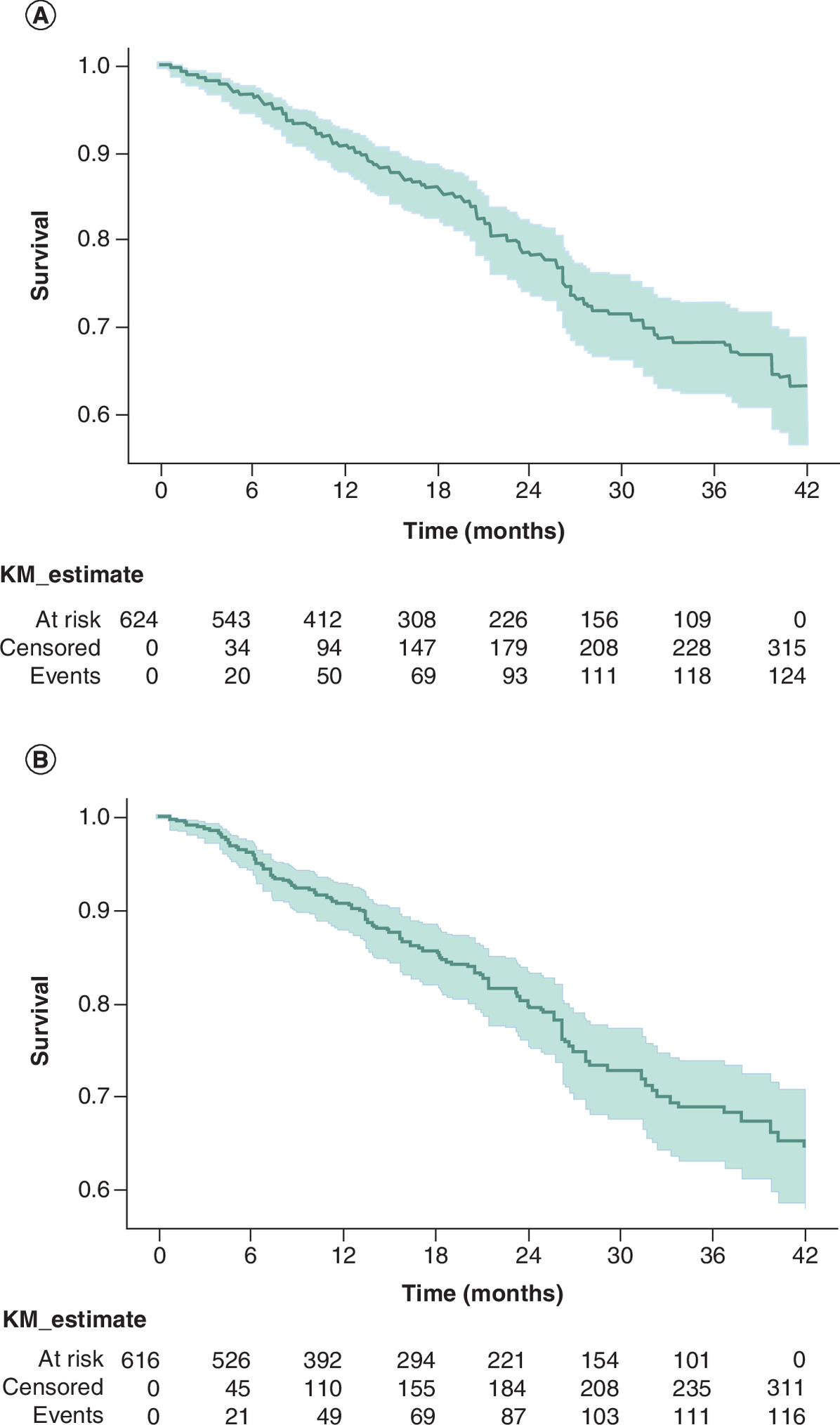
Figure 1. Kaplan–Meier curves for all-cause mortality.
(A) ATTR-ACT trial-emulated and (B) the ATTRibute-CM trial-emulated real-world cohorts*.
*Kaplan–Meier curves depict all-cause mortality data from the ATTR-ACT- and ATTRibute-CM-emulated tafamidis cohorts before application of the calibration ratio; calibration was applied to the 42-month point estimate only, which is included in the manuscript.
| Data point | N | Base case value (95% CI) | MCS† estimated median (95% CI) | Source | Ref. |
|---|---|---|---|---|---|
| ATTR-ACT, 42-month ACM, tafamidis | 264 | 38.4% (31.5–46.1%) | – | Elliott, 2022 | [6] |
| ATTR-ACT-Emulated, 42-month ACM, tafamidis | 624 | 36.9% (31.1–43.4%) | – | Present study | |
| THAOS secular adjustment, absolute difference | – | 9.3% (0.0–12.0) | 0.073 (0.017–0.110) | Garcia-Pavia, 2025 | [17] |
| ATTR-ACT–emulated, 42-month ACM, tafamidis (secular adjusted) | – | 36.9% + 9.3% = 46.2% | 0.442 (0.367–0.514) | – | |
| Calibration ratio, 42-month ACM, ATTR-ACT–aligned vs ATTR-ACT, tafamidis | – | 46.2%/38.4% = 1.20 | 1.14 (0.91–1.43) | – | |
| ATTRibute-CM, 42-month ACM, acoramidis | 421 | 24.0% (20.0–28.7) | – | Judge 2025 | [8] |
| ATTRibute-CM–emulated, 42-month ACM, tafamidis | 617 | 35.4% (29.6–42.0) | – | Present study | |
| ATTRibute-CM–emulated and calibrated, 42-month ACM, tafamidis | – | 35.4%/1.20 = 29.5% | 0.312 (0.253–0.390) | – | |
| Relative risk | – | 0.81 (NA) | 0.78 (0.60–0.99) | – | |
| ARR | – | 5.5% (NA) | 7.0% (0.1–15.3%) | – | |
| NNT (ARR >0) | – | 18 (NA) | 15 (7–109) | – |
†
Based upon 5000 simulations.
ATTR-ACT: Safety and efficacy of tafamidis in patients with transthyretin cardiomyopathy; HF: Heart failure; LVEF: Left ventricular ejection fraction; NT-proBNP: N-terminal pro–B-type natriuretic peptide; SD: Standard deviation.
Discussion
This integrated trial emulation, calibration, and indirect treatment comparison yielded a lower 42-month risk of ACM with acoramidis versus tafamidis in patients with ATTR-CM. However, given the methodological limitations inherent to a non-randomized study design, the assumptions required for these indirect comparisons and the wide 95% CIs, the findings should be considered hypothesis-generating. Head-to-head studies, either through randomized clinical trials or direct real-world comparative analyses, are needed to confirm these observations, facilitate informed decision-making and optimize therapeutic strategies in this evolving field. At present, there are no published or ongoing head-to-head trials of tafamidis and acoramidis, nor do current guidelines provide recommendations on when to use a specific agent [2–4]. While comparative effectiveness analyses in large real-world databases could eventually provide evidence to aid in such a recommendation, such studies are unlikely to be feasible in the near term given the rarity of ATTR-CM and the time required to accrue enough patients treated with both agents, particularly considering the modest incremental benefit observed here. By applying innovative adaptations of established methods for calibration and indirect treatment comparisons [13–16], we derived trial-emulated and calibrated estimates from real-world data to enable an early comparative assessment of transthyretin stabilizers. This methodology balances aggregate level characteristics for selected key variables between real-world and randomized populations and uses calibration to address secular time trends in survival outcomes along with remaining systematic differences between trial and real-world settings. By addressing both population heterogeneity and temporal trends, our analysis provides a way to indirectly compare treatment therapies in the absence of head-to-head randomized data and when direct comparisons within the same real-world data source are not available.
In both the ATTR-ACT and ATTRibute-CM RCTs [5,7], transthyretin stabilizer subjects significantly reduced the risk of the hierarchical end point of ACM or frequency of CVH (win ratios = 1.70, 95% CI: 1.26–2.29 and 1.50, 95% CI: 1.1–2.0) at 30 months. When assessing ACM separately, tafamidis was associated with a significant reduction at 30 months versus placebo (hazard ratio [HR], 0.70; 95% CI: 0.51–0.96) [5], whereas acoramidis was associated with a similar relative reduction in hazard, albeit not a statistically significant one (HR: 0.77, 95% CI: 0.54–1.10) which reached statistical significance at month 36 during the open label extension of the ATTRibute-CM trial [8]. The similar hazard reductions observed suggest the ATTRibute-CM trial may have been underpowered to show significant differences in ACM (which was not either trial’s primary end point), potentially due to decreased baseline risk and improved ATTR-CM therapy over time. The lower placebo mortality risk observed in ATTRibute-CM (25.7%) compared with ATTR-ACT (42.9%) supports this hypothesis [5,7].
While there are no RCT data comparing these transthyretin stabilizers head-to-head on the risk of ACM, CVH or functional outcome measures, data, albeit not from this study, do exist showing that patients treated with acoramidis experience increases in their serum transthyretin levels to a greater extent than patients receiving tafamidis. In a secondary analysis of ATTRibute-CM, Maurer and colleagues showed the use of acoramidis alone (without tafamidis drop in after 12 months) was associated with a 42% greater increase from baseline in mean serum transthyretin levels at 30 months compared with the tafamidis + placebo arm (p = 0.04) [21], indirectly suggesting greater stabilization of the transthyretin tetramer. Though a surrogate end point, serum transthyretin increases, particularly early and sustained increases, have been associated with a significant reduction in mortality [22].
This study has several limitations. Firstly, the method-of-moments weighting approach was limited by the requirement that covariates be available in both the RCTs used for calibration and the TriNetX real-world dataset, and therefore, relevant covariates (e.g., wild vs hereditary type ATTR, NYHA classification, ejection fraction, estimated glomerular filtration rate) could not be incorporated into the reweighting. We were however able to include advanced age and NT-proBNP levels, both of which are strongly predictive of early mortality in ATTR-CM [23]. While the mechanism underlying missing data could not be definitively determined, comparison of patients in the ATTRibute-CM-like tafamidis cohort and those excluded from the cohort due to missing NT-proBNP levels appeared similar (SMD <0.20) for most characteristics (Supplementary Table 8) supporting a missing at random assumption. The potential for bias resulting from missing data cannot be fully excluded and should be considered when interpreting the study findings. Residual confounding can also not be ruled out. Recent empirical work in heart failure target-trial emulation has shown that residual confounding may persist even with advanced adjustment methods [24]. Although the calibration factor was intended to account for remaining systematic differences between the trial and real-world data sources (including unmeasured confounding and differences in outcome assessment), its application relies on the assumption that the net effect of these systematic differences was similar across the populations and treatment comparisons evaluated in this study. Secondly, ATTR-CM patients were identified in our study using diagnosis codes, and misclassification bias is therefore possible. Although several studies have used diagnosis codes to identify ATTR-CM populations, no single method has been validated as a gold standard [25–28]. However, our requirement for tafamidis use and elevated baseline NT-proBNP levels are likely to reduce the risk of misclassification. Thirdly, a significant number of initially identified patients were excluded because of missing NT-proBNP data. Patients with available NT-proBNP data in routine care may differ systematically from those without available NT-proBNP data with respect to disease severity, referral patterns, follow-up intensity and data capture. Given NT-proBNP’s important prognostic relevance, we opted to exclude patients without NT-proBNP data rather than to exclude NT-proBNP as a reweighting variable from MAIC. Consequently, our inclusion criteria may have introduced selection bias and limited the representativeness of the analyzed cohort. Fourthly, although mortality data undergo quality checks and may be supplemented through linkage to external death sources, ascertainment varies across TriNetX networks and may be incomplete, particularly for deaths occurring outside contributing healthcare organizations. Additionally, Our study focused exclusively on 42-month ACM, whereas the pivotal trials evaluated hierarchical and broader efficacy outcomes, including CVH, 6-min walk distance, and health-related quality of life. These outcomes could not be reliably captured within the real-world data source, precluding comparable analyses. Next, because the 42-month time points incorporated follow-up during open-label extension phases of the RCTs, the later portions of follow-up may have been more susceptible to informative continuation into extension phases, survivor bias and residual confounding than the original randomized trial periods. At last, although the pivotal RCTs enrolled international populations, our analysis used real-world US data from the TriNetX network, which may limit the generalizability of these findings to populations outside the US.
In conclusion, this integrated trial emulation, calibration, and indirect treatment comparison found acoramidis was linked to a lower estimated ACM risk in this emulated comparative analysis. These findings should be considered hypothesis-generating and require confirmation in head-to-head studies.
Summary points
•
Transthyretin amyloid cardiomyopathy (ATTR-CM) is a progressive, life-threatening disease caused by transthyretin protein deposits in the heart.
•
Tafamidis and acoramidis are approved transthyretin stabilizers for ATTR-CM, but they have not been compared in a head-to-head randomized trial.
•
This retrospective hybrid study used real-world data, trial emulation, calibration, and indirect treatment comparison to compare 42-month all-cause mortality with acoramidis versus tafamidis.
•
Among patients initiating tafamidis in the TriNetX network, 624 met criteria emulating ATTR-ACT and 617 met criteria emulating ATTRibute-CM.
•
The real-world tafamidis cohorts were reweighted to resemble the corresponding trial populations, and the mortality estimates were calibrated using results from ATTR-ACT.
•
In the ATTRibute-CM–emulated tafamidis cohort, estimated 42-month mortality was 35.4% before calibration and 31.2% after calibration, compared with 24.0% in the ATTRibute-CM acoramidis arm.
•
Acoramidis was associated with a 22% lower relative mortality risk and a 7-percentage-point absolute risk reduction, corresponding to an estimated number needed to treat of 15.
•
These findings suggest a possible survival advantage with acoramidis but should be considered hypothesis-generating because of the indirect, nonrandomized study design and require confirmation in head-to-head studies.
Acknowledgments
The authors thank the patients, their families, and all investigators involved in these studies.
Financial disclosure
This study was funded by Bayer AG (Berlin, Germany).
Competing interests disclosure
P Debonnaire reports institutional study grants from Pfizer Amyloid and AstraZeneca (not related to current study); personal consulting fees from Pfizer, AstraZeneca, Bayer and Alnylam; personal speaker fees for ATTR-CM from Pfizer, AstraZeneca, Bayer and Alnylam; travel support from Bayer; and participation in advisory boards for Pfizer, AstraZeneca, Bayer and Alnylam. P-P Zwetsloot reports institutional grants from Bayer, Bristol Myers Squibb, Pfizer, Cytokinetics, Astra Zeneca, Alnylam, Novo Nordisk and PHARMO; institutional payments/honoraria from Bayer, Bristol Myers Squibb, Pfizer, Cytokinetics, AstraZeneca, Alnylam, Novo Nordisk, PHARMO and MedNet; and participation on the CLEOPATTRA Steering Committee (Novo Nordisk). R Pfister reports medical writing support by Bayer Vital; a research grant from Pfizer; consulting fees from Bayer, Alnylam, AstraZeneca and Pfizer; payment or honoraria from Bayer, Alnylam, AstraZeneca and Pfizer; travel support from Bayer, Alnylam, AstraZeneca, Pfizer and Novo Nordisk; participation on a data safety monitoring board or advisory board for Bayer, Alnylam, AstraZeneca and Pfizer; and has had a leadership or fiduciary role on the steering committee for the ACO-SWITCH trial funded by Bayer. P Llàcer reports consulting fees, payment or honoraria, support for attending meetings and/or travel and participation on a data safety monitoring board or advisory board for Novartis, Bayer, Novo Nordisk, Pfizer, Boehringer Ingelheim, AstraZeneca and Vifor. A Cipriani reports consulting fees from AstraZeneca; payment or honoraria from AstraZeneca, Pfizer, Bayer and Alnylam; travel support from AstraZeneca, Pfizer and Alnylam; and participation on a data safety monitoring board or advisory board for AstraZeneca, Pfizer, Bayer and Alnylam. P Milani reports payment or honoraria from Janssen, Bayer, Pfizer, Sebia and Prothena; and travel support from Alnylam. D Bonderman reports consulting fees from Pfizer, Bayer and Alnylam; payment or honoraria from Pfizer, Bayer, Alnylam and AstraZeneca; and travel support from Pfizer, Bayer, Alnylam and AstraZeneca. C Ohlmeier reports employment and shareholding with Bayer AG. T Evers reports employment and shareholdings with Bayer AG. R Wyss reports paid consultancy for IQVIA for work related to this manuscript. E Patorno reports consulting fees from Bayer; grants or contracts with payments made to Brigham and Women's Hospital from NIDDK, PCORI, FDA, Boehringer-Ingelheim, AstraZeneca and Bayer; and royalties or licenses from UpToDate. R Doshi reports previous employment with IQVIA at the time of study conduct, which received funding from Bayer AG to conduct this analysis. J Beisel reports employment with IQVIA, which received funding from Bayer AG to conduct this analysis. CI Coleman reports support for this manuscript from Bayer AG and consulting fees from Bayer AG. C Aguiar reports consulting fees from Pfizer, Bayer and AstraZeneca; and payment or honoraria from Pfizer and Bayer. T Ripoll-Vera reports support for this manuscript from Bayer; and consulting fees, payment or honoraria and travel support from Bayer, AstraZeneca, Pfizer and Alnylam. The authors have no other competing interests or relevant affiliations with any organization or entity with the subject matter or materials discussed in the manuscript apart from those disclosed.
Writing disclosure
Medical writing support was provided by Jenna Lee, MSc, and editorial support was provided by Laura McArdle, BA, both of the Prime Group of Companies (Knutsford, UK), supported by Bayer according to Good Publication Practice guidelines (https://www.acpjournals.org/doi/10.7326/M22-1460).
Ethical conduct of research
This non-interventional study involves secondary analysis of de-identified, patient-level, Health Insurance Portability and Accountability Act-compliant EHRs. As such, this study was deemed to not constitute research involving human subjects according to 45 Code of Federal Regulations 46.102(f) and was exempt from institutional review board oversight. Reporting of this study was consistent with the STrengthening the Reporting of OBservational studies in Epidemiology (STROBE) statement.
Data availability statement
Data were made available to Bayer under license for the study and are not publicly available. The data can be shared on reasonable request to the corresponding author.
Open access
This work is licensed under the Attribution-NonCommercial-NoDerivatives 4.0 Unported License. To view a copy of this license, visit https://creativecommons.org/licenses/by-nc-nd/4.0/
Supplementary Material
File (supplementary material.docx)
References
Papers of special note have been highlighted as: • of interest
1.
Ruberg FL, Grogan M, Hanna M, Kelly JW, Maurer MS. Transthyretin amyloid cardiomyopathy: JACC state-of-the-art review. J. Am. Coll. Cardiol. 73, 2872–2891 (2019).
2.
McDonagh TA, Metra M, Adamo M et al. 2021 ESC Guidelines for the diagnosis and treatment of acute and chronic heart failure: developed by the Task Force for the diagnosis and treatment of acute and chronic heart failure of the European Society of Cardiology (ESC). With the special contribution of the Heart Failure Association (HFA) of the ESC. Eur. J. Heart Fail. 24, 4–131 (2022).
3.
Heidenreich PA, Bozkurt B, Aguilar D et al. 2022 AHA/ACC/HFSA guideline for the management of heart failure: a report of the American College of Cardiology/American Heart Association joint committee on clinical practice guidelines. Circulation 145, e895–e1032 (2022).
4.
Rapezzi C, Aimo A, Serenelli M et al. Critical comparison of documents from scientific societies on cardiac amyloidosis: JACC state-of-the-art review. J. Am. Coll. Cardiol. 79, 1288–1303 (2022).
• A comparison of guidance from five scientific societies identified important differences in the diagnosis, risk stratification and treatment of cardiac amyloidosis, highlighting evidence gaps and areas requiring further investigation.
5.
Maurer MS, Schwartz JH, Gundapaneni B et al. Tafamidis treatment for patients with transthyretin amyloid cardiomyopathy. N. Engl. J. Med. 379, 1007–1016 (2018).
• The randomized ATTR-ACT trial found that tafamidis reduced all-cause mortality and cardiovascular-related hospitalizations and slowed declines in functional capacity and quality of life compared with placebo in patients with transthyretin amyloid cardiomyopathy.
6.
Elliott P, Drachman BM, Gottlieb SS et al. Long-term survival with tafamidis in patients with transthyretin amyloid cardiomyopathy. Circ. Heart Fail. 15, e008193 (2022).
• The ATTR-ACT long-term extension study found that the approved tafamidis dose provided a sustained mortality benefit over a median follow-up of approximately 58 months in patients with transthyretin amyloid cardiomyopathy.
7.
Gillmore JD, Judge DP, Cappelli F et al. Efficacy and safety of acoramidis in transthyretin amyloid cardiomyopathy. N. Engl. J. Med. 390, 132–142 (2024).
• The randomized ATTRibute-CM trial found that acoramidis significantly improved a hierarchical outcome encompassing mortality, cardiovascular morbidity, biomarkers and physical function compared with placebo.
8.
Judge DP, Gillmore JD, Alexander KM et al. Long-term efficacy and safety of acoramidis in ATTR-CM: initial report from the open-label extension of the ATTRibute-CM trial. Circulation 151, 601–611 (2025).
• The ATTRibute-CM open-label extension found that continuous acoramidis treatment through 42 months was associated with sustained clinical benefits in patients with transthyretin amyloid cardiomyopathy.
9.
Aimo A, Castiglione V, Emdin M, Lorenzoni V, Vergaro G. Relative efficacy of tafamidis, acoramidis, patisiran and vutrisiran in patients with transthyretin cardiac amyloidosis: a network meta-analysis. Eur. Heart J. Open 5(6), oeaf147 (2025).
10.
Kelly JW. Transthyretin Kinetic Stabilizers for ATTR Amyloidosis. Cardiol. Ther. 14, 327–331 (2025).
11.
RCT-DUPLICATE. RCT-DUPLICATE. (Accessed 15 January 2026). https://www.rct-duplicate.org/
12.
Schneeweiss S. Enhancing external control arm analyses through data calibration and hybrid designs. Clin. Pharmacol. Ther. 116, 1168–1173 (2024).
13.
Wang SV, Schneeweiss S, Initiative R-D et al. Emulation of randomized clinical trials with nonrandomized database analyses: results of 32 clinical trials. JAMA 329, 1376–1385 (2023).
14.
Wang SV, Russo M, Glynn RJ et al. A benchmark, expand, and calibration (BenchExCal) trial emulation approach for using real-world evidence to support indication expansions: design and process for a planned empirical evaluation. Clin. Pharmacol. Ther. 117, 1820–1828 (2025).
15.
Phillippo DM, Ades AE, Dias S, Palmer S, Abrams KR, Welton NJ. Methods for population-adjusted indirect comparisons in health technology appraisal. Med. Decis. Making 38, 200–211 (2018).
16.
Signorovitch JE, Sikirica V, Erder MH et al. Matching-adjusted indirect comparisons: a new tool for timely comparative effectiveness research. Value Health 15, 940–947 (2012).
• This methods paper introduces matching-adjusted indirect comparison, which reweights individual patient data from one trial to match the published baseline characteristics of another trial, reducing observed population differences when head-to-head evidence is unavailable while remaining vulnerable to unmeasured cross-trial confounding.
17.
Garcia-Pavia P, Kristen AV, Drachman B et al. Survival in a real-world cohort of patients with transthyretin amyloid cardiomyopathy treated with tafamidis: an analysis from the Transthyretin Amyloidosis Outcomes Survey (THAOS). J. Card. Fail. 31, 525–533 (2025).
• The observational THAOS cohort enrolled patients from 2007 to 2023 and found that 42-month mortality decreased over time, demonstrating a secular improvement in ATTR-CM survival.
18.
Austin PC, Stuart EA. Moving towards best practice when using inverse probability of treatment weighting (IPTW) using the propensity score to estimate causal treatment effects in observational studies. Stat. Med. 34, 3661–3679 (2015).
19.
Guyot P, Ades AE, Ouwens MJ, Welton NJ. Enhanced secondary analysis of survival data: reconstructing the data from published Kaplan-Meier survival curves. BMC Med. Res. Methodol. 12, 9 (2012).
20.
Doubilet P, Begg CB, Weinstein MC, Braun P, McNeil BJ. Probabilistic sensitivity analysis using Monte Carlo simulation. A practical approach. Med. Decis. Making 5, 157–177 (1985).
21.
Maurer MS, Cappelli F, Fontana M et al. In participants treated with acoramidis, addition of concomitant tafamidis did not further increase serum TTR levels. J. Am. Coll. Cardiol. 85(Suppl. 12), 1654 (2025).
22.
Maurer MS, Judge DP, Gillmore JD et al. Early increase in serum transthyretin by acoramidis independently predicts improved survival in TTR amyloid cardiomyopathy. J. Am. Coll. Cardiol. 85, 1911–1923 (2025).
23.
Milani P, Sanna GD, Mussinelli R et al. Predictors of early death in patients with wild-type transthyretin cardiac amyloidosis. J. Am. Heart Assoc. 14, e036755 (2025).
24.
Fan Z, Yang Q, Hu Y et al. Evaluating bias in target trial emulation for heart failure across statistical and deep learning methods. Nat. Commun. 17(1), 8618 (2026).
25.
Coleman CI, Martinez R, Torres SA. Methods of identifying transthyretin amyloid cardiomyopathy in secondary data sources: a systematic review. Curr. Med. Res. Opin. 41(11), 2013–2024 (2025).
26.
Damy T, Bourel G, Slama M et al. Incidence and survival of transthyretin amyloid cardiomyopathy from a French nationwide study of in- and out-patient databases. Orphanet J. Rare Dis. 18, 345 (2023).
27.
Peters AE, Solomon N, Chiswell K et al. Transthyretin amyloid cardiomyopathy among patients hospitalized for heart failure and performance of an adapted wild-type ATTR-CM machine learning model: Findings from GWTG-HF. Am. Heart J. 265, 22–30 (2023).
28.
Huda A, Castano A, Niyogi A et al. A machine learning model for identifying patients at risk for wild-type transthyretin amyloid cardiomyopathy. Nat. Commun. 12, 2725 (2021).
Information & Authors
Information
Published In
Copyright
© 2026 The authors. This work is licensed under the Attribution-NonCommercial-NoDerivatives 4.0 Unported License
History
Received: 4 June 2026
Accepted: 2 September 2026
Published online: 14 September 2026
Keywords:
Topics
Authors
Metrics & Citations
Metrics
Article Usage
Article usage data only available from February 2023. Historical article usage data, showing the number of article downloads, is available upon request.
Citations
How to Cite
A trial emulation study indirectly comparing tafamidis and acoramidis in transthyretin amyloid cardiomyopathy: the ReplicATTR study. (2026) Journal of Comparative Effectiveness Research. DOI: 10.57264/cer-2026-0114
Export citation
Select the citation format you wish to export for this article or chapter.