

Transparency in positive airway pressure therapy trials: an evaluation of reporting quality
Publication: Journal of Comparative Effectiveness Research
Abstract
Aim: Accurate and detailed reporting of nonpharmacological interventions such as positive airway pressure (PAP) therapy is essential for reproducibility, yet previous research shows frequent reporting deficiencies. Due to the complexity of PAP therapy, we evaluated the quality of PAP intervention reporting in ClinicalTrials.gov and publications, and assessed consistency between them. Materials & methods: ClinicalTrials.gov was searched on 16 May 2023, for adult obstructive sleep apnea trials involving PAP therapy. Trials were evaluated for registration completeness (21 WHO Trial Registration DataSet items) and intervention reporting (adapted 12-item Template for Intervention Description and Replication checklist). Publications identified on 3 September 2025, following a 2-year publication period, were compared with registered data for participant characteristics, outcomes and intervention reporting. Results: Among 299 included trials, 178 corresponding publications were identified. Reporting of PAP therapy was frequently incomplete in registry and publications, with key procedural details – such as mask fitting, device acclimatization and adherence strategies – missing in the majority of records. Substantial discrepancies were also found between the registered and published data. Sample size calculation was reported in 56.1% of publications but in none of the trial registrations, with participant numbers differing in 29.3% of articles. Inconsistencies were most common for secondary outcomes (43.3%), while primary outcomes differed from those registered in 24.2% of publications. Conclusion: Incomplete and inconsistent reporting of PAP therapy across registry and corresponding publications may be compatible with selective reporting. Rather than pointing to individual misconduct, these discrepancies indicate that key information on protocol changes, outcomes and adherence is fragmented across sources, limiting the ability of clinicians and researchers to appraise trial findings in full. Strengthening adherence to trial registration requirements and structured intervention-reporting frameworks is therefore essential to improve transparency and reinforce confidence in the evidence base for obstructive sleep apnea management.
Plain language summary: How well are positive airway pressure therapy trials reported in clinical registries & published articles?
What is this article about?
Positive airway pressure (PAP) therapy is the main treatment for obstructive sleep apnea, a common condition in which breathing repeatedly stops during sleep. For patients and doctors to trust and replicate clinical trials, every detail of how the treatment was applied must be clearly reported. We investigated how well PAP therapy trials describe their methods in the ClinicalTrials.gov registry and in published journal articles, and whether these two sources match each other.
What were the results?
Reporting of key practical details, such as how the PAP mask was fitted, how patients were introduced to the device, and what strategies were used to help patients stick with treatment, was missing in the majority of both registry records and published articles. Participant numbers differed in nearly a third of articles, and defined study outcomes changed between registration and publication in up to 43% of cases.
What do the results mean?
Incomplete and inconsistent reporting of PAP therapy trials makes it difficult for researchers, clinicians and patients to judge whether trial results are reliable or to reproduce the treatments tested. Journals, editors and researchers should require strict adherence to reporting guidelines (such as the TIDieR checklist) and ensure that what is registered matches what is ultimately published, in order to improve the quality and trustworthiness of sleep apnea research.
Obstructive sleep apnea (OSA) is a prevalent sleep-related breathing disorder characterized by repetitive episodes of upper airway obstruction during sleep, leading to intermittent pauses or reductions in airflow [1,2]. According to the recent worldwide estimates, approximately one billion individuals are affected by OSA [3], with the disease increasing the risk of cardiovascular (CV) events and stroke [4–6].
Positive airway pressure (PAP) therapy remains the cornerstone of treatment for patients with moderate and severe OSA, as it improves upper airway patency and airflow to the lungs [7]. Consistent use of PAP therapy reduces drowsiness, enhances sleep quality and decreases CV risk [8,9]. However, despite its proven therapeutic benefit, long-term adherence to PAP therapy remains unsatisfactory [10]. As adherence is influenced by patient-related factors, individual motivation, titration approaches, device characteristics and potential adverse effects [11,12], clinical trials evaluating such interventions should provide detailed and transparent descriptions of these factors.
Clear and comprehensive reporting of medical interventions is essential for reproducibility and valid interpretation of trial outcomes [13]. Yet, reviews have shown that complex, nonpharmacological interventions are often under-reported, with key details on materials, providers and procedures frequently missing [13,14]. Building on work by Glasziou et al. and Hoffmann et al., methodological audits have shown that fewer than half of randomized trials provide sufficient information on who delivered the intervention, how it was delivered and in what setting, thereby limiting replication and clinical use [13,14]. To address these gaps, Hoffmann et al. introduced the 12-item Template for Intervention Description and Replication (TIDieR) checklist in 2014 [15] as an extension of CONSORT [16] and SPIRIT [17] to structure intervention descriptions.
However, recent TIDieR-based evaluations across cardiology, addiction medicine, nursing and invasive cardiology show that trials typically report only about one-half to three-quarters of the 12 checklist items, with recurrent gaps in provider expertise, setting, tailoring, modifications and adherence [18–21]. Similar findings in dental medicine, including our TIDieR-based analysis of nonsurgical periodontal therapy trials, indicate that key procedural elements often remain incompletely reported in both trial registries and corresponding publications [22].
Given the influence of publication bias [23] and the variability of information available within trial registries [24–26], these findings underscore the need for consistent, detailed reporting across both registry records and scientific articles. Building on this rationale, our study aimed to assess the completeness of PAP interventions described in ClinicalTrials.gov records and related journal publications, and to examine the congruence between these two sources.
Materials & methods
Sample & inclusion criteria
This observational study included clinical trials from ClinicalTrials.gov, retrieved on 16 May 2023, using the advanced search terms ‘obstructive sleep apnea’, which in ClinicalTrials.gov indexing captures both ‘apnea’ and ‘apnoea’ and ‘positive airway pressure therapy’ (PAP). We deliberately did not use CPAP, APAP or BiPAP as standalone search terms, because these acronyms are used inconsistently and refer to devices with different pressure algorithms and titration strategies, which would have introduced unnecessary heterogeneity. By anchoring the search in the overarching construct of ‘positive airway pressure’ (PAP), we captured the full spectrum of PAP-based OSA therapies while retaining a conceptually coherent intervention category for assessing reporting quality. Trials met criteria if they had a ClinicalTrials.gov registration number National Clinical Trial (NCT) number, were registered on or before 16 May 2023, had a recruitment status of active, not recruiting; terminated; completed; or withdrawn, included adults (18–64 years) and/or older adults (≥65 years), and included both ‘obstructive sleep apnea/apnoea’ and ‘positive airway pressure therapy/PAP’ in the Descriptive Information section (Brief Title, Official Title, Brief Summary or Intervention fields) of the ClinicalTrials.gov Tabular View.
Data extraction
To assess registration completeness, data were collected for 21 of 24 elements defined by the World Health Organization Trial Registration DataSet (WHO TRDS) [27]: trial ID, first registration date, NCT number, source(s) of monetary or material support, primary and secondary sponsors, public title, scientific title, countries where trial was conducted, health condition(s) studied, intervention(s), inclusion criteria, study type, date of first enrolment, sample size, recruitment status, primary outcome, key secondary outcomes, date of study completion, summary results and individual participant data sharing statement. We excluded three items from the WHO TRDS that are primarily administrative or ethics-oriented – Contact for Public Queries (item 7), Contact for Scientific Queries (item 8) and Ethics Review (item 21). These fields do not provide substantive information about trial design, outcomes or the content of the PAP intervention, and therefore do not inform our main objectives of evaluating registration completeness and the quality of PAP intervention reporting. For this reason, they were not extracted in our analysis.
The completeness of PAP intervention descriptions was assessed using an adapted 12-item TIDieR checklist [15], with a detailed comparison between the original items and our interpretation provided in Supplementary Table 1. All original TIDieR items were retained, but several were operationalized into PAP-specific subitems to capture key procedural elements relevant to PAP therapy. For example, within the ‘what (materials)’ item we separately recorded the type of device and manufacturer, whereas the ‘what (procedures)’ item included instructions regarding PAP device use, mask fitting and acclimatization. For multicomponent TIDieR items, we assessed and reported completeness for each subitem separately, rather than generating a single overall score. For both single-component items and each subitem of multicomponent items, completeness of reporting was categorized as ‘provided’ or ‘not provided’, depending on whether the required information was clearly and explicitly described or no relevant information was reported. Intermediate cases were further classified as ‘partially described’ when only some of the required information was reported, and as ‘unclear data provided’ when text was present but did not clearly meet criteria for either ‘provided’ or ‘not provided’ and contained unanticipated information that did not align with our predefined coding categories.
To refine the extraction protocol for the adapted TIDieR checklist, we first applied the form to a randomly selected 10% subset of trials. Discrepancies identified in this pilot subset were discussed and resolved by consensus among the investigators, and the finalized protocol was then applied to all remaining trials. Two reviewers (PS, MR) independently extracted data for all trials, with senior sleep medicine specialists (RP and ZĐ) verifying the final dataset. Data were primarily sourced from the Descriptive Information section. Items 10 and 12, were collected from the Study Results tab in September 2025, after study completion and extraction of other data.
A search for corresponding publications was performed on 3 September 2025, using PubMed/MEDLINE and Scopus. The corresponding publications were searched approximately 2 years after the latest registered trial to ensure sufficient time for study completion and dissemination. Search terms included NCT number, names of responsible parties, collaborators and investigators listed in the Administrative Information section and brief and official titles from ClinicalTrials.gov Tabular View tab [28]. Non-English articles were excluded.
For trials with multiple publications, we extracted participants’ characteristics and outcomes only from the first published article. This aligns with CONSORT guidance, which recommends full reporting in the primary report to ensure consistency and minimize bias from selective or exploratory analyses [16]. In contrast, for the TIDieR assessment, we used information from all available publications, as intervention details are often spread across primary articles, protocols, supplementary materials and secondary reports. This ensures we capture intervention descriptions comprehensively.
Data analysis
The data were presented as frequencies and medians with 95% CIs. Descriptive analysis was performed using MedCalc version 17.9.4 (MedCalc Software, Ostend, Belgium).
Results
Characteristics of trials registered in ClinicalTrials.gov
Among 365 trials initially identified in ClinicalTrials.gov, 66 (18.1%) were excluded (Figure 1) because they did not use PAP devices (69.7%), included participants <18 years (18.2%), used PAP but investigated a different intervention (7.6%) or focused on central sleep apnea (4.5%).
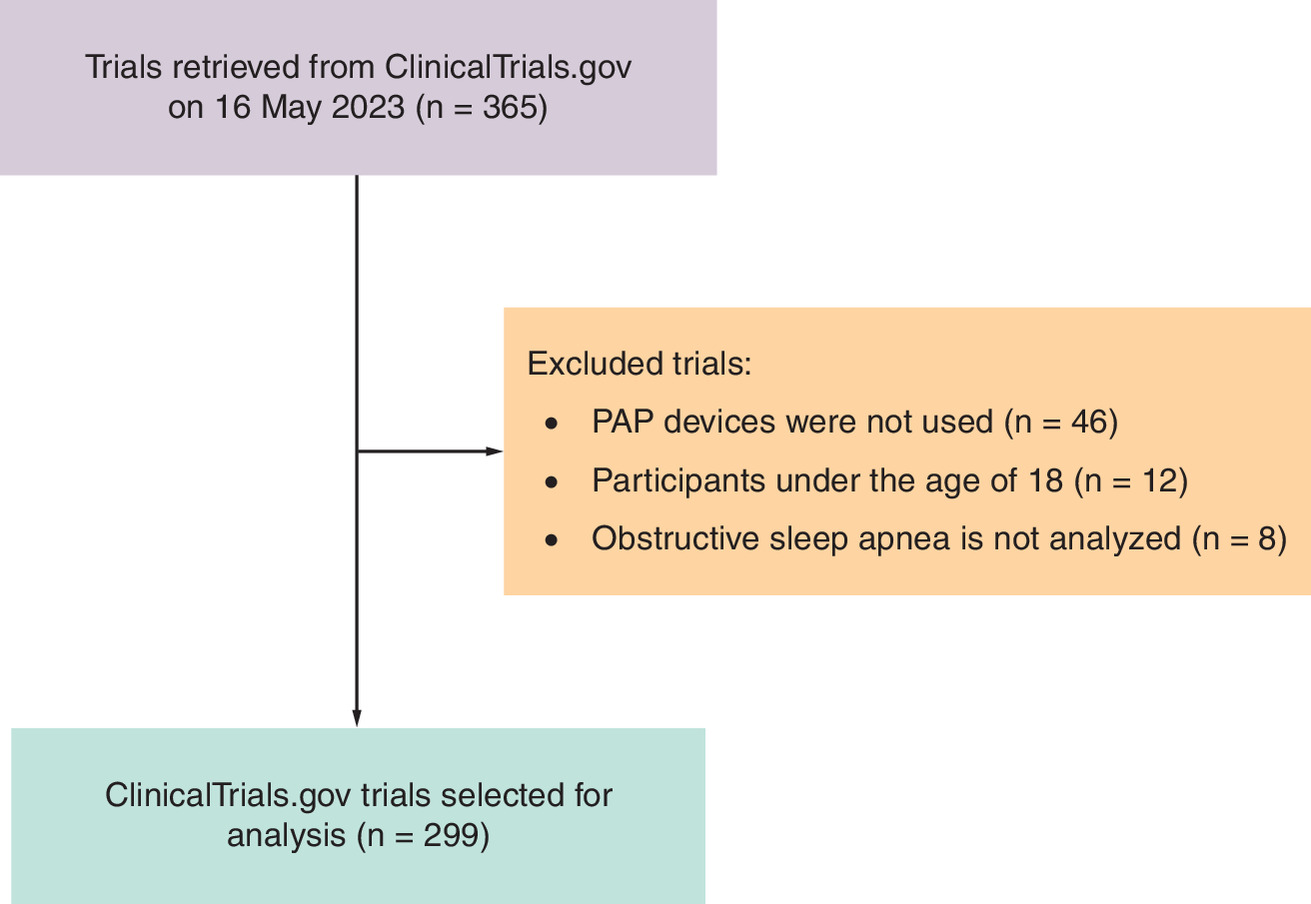
Figure 1. Flow-chart of the search and selection of eligible clinical trials for analysis.
PAP: Positive airway pressure.
Of the remaining 299 included trials, the majority (83.6%) were marked as completed, although the study phase was reported in only about one-fifth of them (23.2%, Table 1). Almost a third of all registered trials (29.4%) had posted their findings in the ClinicalTrials.gov results database until September 2025. Most registered trials were randomized (74.2%), with parallel model (60.9%), and including both genders (92.3%). Only 16 registered trials (5.4%) agreed to share individual participant data (Table 2). In 44.5% of trials, participants had additional comorbid conditions registered alongside OSA, most commonly CV diseases (17.7%). Universities were the most frequent trial sponsors (48.5%), and most trials were conducted in the USA (34.4%, Supplementary Table 2).
| Research characteristics | Trials, n (%) |
|---|---|
| Status | |
| Active, not recruiting | 11 (3.7) |
| Completed | 250 (83.6) |
| Terminated | 27 (9.0) |
| Withdrawn | 11 (3.7) |
| Phases | |
| Early Phase I | 2 (0.7) |
| Phase I | 5 (1.7) |
| Phase I/II | 3 (1.0) |
| Phase II | 13 (4.3) |
| Phase II/III | 3 (1.0) |
| Phase III | 10 (3.3) |
| Phase IV | 22 (7.4) |
| Stated ‘Not applicable’ | 240 (80.3) |
| No data | 1 (0.3) |
| Allocations | |
| Randomized | 222 (74.2) |
| Nonrandomized | 21 (7.0) |
| Stated ‘Not applicable’ | 54 (18.1) |
| No data | 2 (0.7) |
| Interventional model | |
| Single group | 61 (20.4) |
| Crossover | 51 (17.1) |
| Parallel | 182 (60.9) |
| Factorial | 4 (1.3) |
| No data | 1 (0.3) |
| Masking | |
| ‘None’ | 159 (53.2) |
| ‘Blind’† | 139 (46.5) |
| No data | 1 (0.3) |
| Primary purpose | |
| Diagnostic | 9 (3.0) |
| Supportive care | 12 (4.0) |
| Prevention | 9 (3.0) |
| Treatment | 234 (78.3) |
| Health Services Research | 9 (3.0) |
| Basic science | 8 (2.7) |
| Screening | 1 (0.3) |
| ‘Other’ | 11 (3.7) |
| No data | 6 (2.0) |
†
Among blinded trials, 70 (50.4%) were single-blind, 36 (25.9%) double-blind, 17 (12.2%) quadruple-blind and 16 (11.5%) triple-blind.
PAP: Positive airway pressure.
| Participants' characteristics | Trials, n (%) |
|---|---|
| Gender | |
| Male | 13 (4.3) |
| Female | 10 (3.3) |
| Both | 276 (92.3) |
| Minimum age | |
| Provided (median 18, 95% 18.0–18.0, range 18–70) | 299 (100) |
| Maximum age | |
| Provided (median 75, 95% CI 70.0–75.0, range 40–100) | 168 (56.2) |
| ‘Not defined’ | 131 (43.8) |
| Enrollment | |
| Provided (median 53.5, 95% CI 50.0–60.0, range 0–1873) | 296 (99.0) |
| No data | 3 (1.0) |
| Conditions | |
| Only OSA | 166 (55.5) |
| OSA + cardiovascular disease | 53 (17.7) |
| OSA + metabolic disease | 24 (8.0) |
| OSA + neurological disease | 16 (5.4) |
| OSA + obesity | 13 (4.3) |
| OSA + respiratory disease | 7 (2.3) |
| OSA + pregnancy | 4 (1.3) |
| OSA + renal disease | 3 (1.0) |
| OSA + reproductive disease | 3 (1.0) |
| OSA + overlap syndrome | 3 (1.0) |
| OSA + gastrointestinal disease | 2 (0.7) |
| OSA + glaucoma | 2 (0.7) |
| OSA + other† | 3 (1.0) |
| IPD sharing statement | |
| ‘Yes’ | 16 (5.4) |
| ‘No’ | 64 (21.4) |
| ‘Undecided’ | 12 (4.0) |
| Not provided | 207 (69.2) |
†
Along with obstructive sleep apnea, three trials had a condition other than previously stated: fibromyalgia, post-traumatic stress disorder and anxiety and depression.
IPD: Individual participant data; OSA: Obstructive sleep apnea.
Identified matching publications reporting trials on PAP therapy
Among the 299 registered trials, 191 (63.9%) yielded at least one corresponding publication, resulting in a total of 241 articles (median 1 article per trial, 95% CI: 1.0–1.0; range 1–9, Figure 2). Of the remaining 108 trials without any identified publication, 81 (75.0%) were completed, 14 (13.0%) terminated, 11 (10.2%) withdrawn and 2 (1.9%) had an active, not recruiting status registered. We excluded 38 articles (15.8%) that did not involve PAP therapy as their intervention, 18 (7.5%) that lacked full text or Supplementary Material, and 7 (2.9%) that cited previously published Materials and Methods. Among 18 trials with 39 publications (median 2, 95% CI: 2-2, range 2–3), analyses were restricted to the first published report to avoid duplication of participant data and outcome measures.
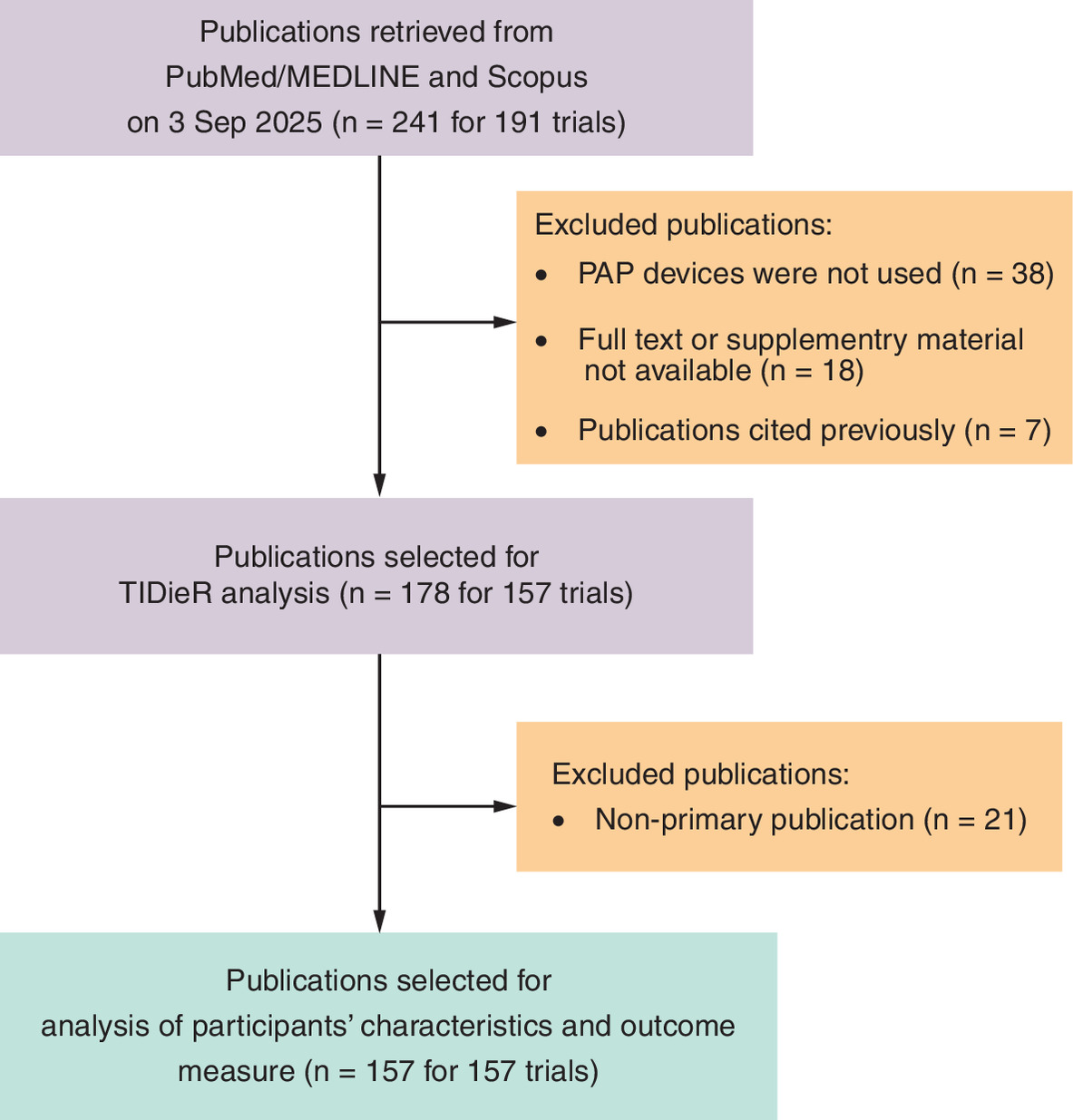
Figure 2. Flow-chart of the search and selection of eligible publications for analysis.
PAP: Positive airway pressure.
Quality of description of PAP therapy in ClinicalTrials.gov & publications
Across both trial registries and published articles, core intervention descriptors – namely the intervention name (99.0% vs 100.0%), rationale (93.0% vs 96.1%), PAP device type (93.0% vs 96.1%), setting (82.3% vs 79.2%) and duration (72.2% vs 98.3%, Table 3) – were generally well reported. In contrast, specific technical and implementation details were documented in less than 50% of trials in either source, with consistently lower reporting in ClinicalTrials.gov than publication: PAP education (13.7% vs 44.4%), mask fitting (8.4% vs 38.2%), acclimatization (4.7% vs 16.3%), provider expertise (7.4% vs 36.0%) and planned adherence assessment (12.7% vs 40.4%). Apart from the investigation center, which was slightly more frequently reported in registries (82.3% vs 79.2%), most remaining TIDieR items were either inconsistently reported or insufficiently detailed across both sources. Regarding the performance of PAP titration, across 120 registered trials and 134 published articles auto-titrating devices alone were used in 44.2% versus 40.3%, manual titration in 27.5% versus 45.5%, combined approaches in 9.2% versus 10.4%, and prior PAP use with data copied from the device in 19.2% versus 3.7% of studies, respectively.
| TIDieR item | Intervention description component | Trials, n (%) | Articles, n (%) |
|---|---|---|---|
| 1. Brief name | Provided | 296 (99.0) | 178 (100.0) |
| Not provided | 3 (1.0) | 0 (0) | |
| 2. Why | Provided | 278 (93.0) | 171 (96.1) |
| Not provided | 21 (7.0) | 7 (3.9) | |
| 3. What (materials) | Type of PAP device: | ||
| Provided | 278 (93.0) | 171 (96.1) | |
| Not provided | 21 (7.0) | 7 (3.9) | |
| Manufacturer of device: | |||
| Provided | 72 (24.1) | 124 (69.7) | |
| Partially described† | 26 (8.7) | 4 (2.2) | |
| Not provided | 201 (67.2) | 50 (28.1) | |
| 4. What (procedures) | PAP education/instructions: | ||
| Provided | 41 (13.7) | 79 (44.4) | |
| Unclear data provided‡ | 3 (1.0) | 0 (0) | |
| Not applicable§ | 24 (8.0) | 12 (6.7) | |
| Not provided | 231 (77.3) | 87 (48.9) | |
| Mask fitting: | |||
| Provided | 25 (8.4) | 68 (38.2) | |
| Unclear data provided¶ | 3 (1.0) | 1 (0.6) | |
| Not applicable§ | 11 (3.7) | 12 (6.7) | |
| Not provided | 260 (87.0) | 97 (54.5) | |
| Acclimatization: | |||
| Provided | 14 (4.7) | 29 (16.3) | |
| Unclear data provided# | 7 (2.3) | 9 (5.1) | |
| Not applicable§ | 14 (4.7) | 12 (6.7) | |
| Not provided | 264 (88.3) | 128 (71.9) | |
| 5. Who provided | Provided | 22 (7.4) | 64 (36.0) |
| Unclear data provided†† | 13 (4.3) | 34 (19.1) | |
| Not provided | 264 (88.3) | 80 (44.9) | |
| 6. How | Provided‡‡ | 36 (12.0) | 101 (56.7) |
| Partially described§§ | 45 (15.1) | 35 (19.7) | |
| Not provided | 218 (73.0) | 42 (23.6) | |
| 7. Where | Recruitment or investigation center noted | 246 (82.3) | 141 (79.2) |
| Unclear data¶¶ | 38 (12.7) | 28 (15.7) | |
| Not provided | 15 (5.0) | 9 (5.1) | |
| 8. When and how much | Provided | 216 (72.2) | 175 (98.3) |
| Not provided | 83 (27.8) | 3 (1.7) | |
| 9. Tailoring | Provided | 120 (40.1) | 150 (84.3) |
| Partially described## | 14 (4.7) | 6 (3.4) | |
| Unclear data††† | 7 (2.3) | 1 (0.6) | |
| Not provided | 158 (52.8) | 21 (11.8) | |
| 10. Modifications | Provided | 2 (0.7) | 3 (1.7) |
| No modifications made | 90 (30.1) | 162 (91.0) | |
| Not applicable‡‡‡ | 207 (69.2) | 13 (7.3) | |
| 11. How well (planned) | Provided | 38 (12.7) | 72 (40.4) |
| Not provided | 261 (87.3) | 106 (59.6) | |
| 12. How well (actual) | Provided | 90 (30.1) | 165 (92.7) |
| Not applicable§§§ | 209 (69.9) | 13 (7.3) |
†
Only the name of used application, mask manufacturer or only one of several device manufacturers was provided.
‡
Two trials (0.7%) used only terms such as ‘standard clinical practice’ or ‘usual procedure’ (NCT02886156, NCT03277963); one (0.3%) cited its own study (NCT01335087).
§
Participants already using their own PAP devices or mask.
¶
Used terms such as ‘standard clinical practice’, ‘standard clinical management’, or ‘usual procedure’.
#
Used terms such as ‘early intervention for PAP problems if needed’, ‘device adjustments’, ‘standard clinical practice’, ‘standard clinical management’, ‘pressure modified as needed’, ‘usual procedure’ and ‘make any adjustments to the CPAP’, ‘appointment if discomfort or leak issues are significant’, ‘„small adjustments to PAP’, ‘standard techniques’, ‘desensitization’, ‘device adjustments’, ‘troubleshooting and optimizing utilization’, and ‘make any adjustments to the CPAP’.
††
Providers expertise unclearly defined; used terms such as ‘trained professionals’, ‘study staff’, ‘experimented professional’, ‘investigators’, ‘physician’, ‘project staff’, ‘healthcare provider’, ‘care providers’, ‘therapist’, ‘clinician’, ‘assistant’, ‘researcher’ and ‘technician’.
‡‡
Adequate device-use time was determined by symptom assessment, PAP log data, or polygraphy.
§§
Trials: 20 (6.7%) used PAP for one night (with/without polysomnography), 13 (4.3%) mentioned only “follow-up”, and 12 (4.3%) reported only device monitoring. Publications: 16 (9.0%) mentioned only “follow-up”, 11 (6.2%) only device monitoring, 7 (3.9%) one-night PAP use, and one (0.6%) self-reported PAP adherence.
¶¶
Trials used only setting terms as ‘home’, ‘home environment’, ‘laboratory’ and ‘lab’, while articles provided only ethics committee or fundings.
##
Used multiple PAP devices without specifying titration for all.
†††
Tested different pressure settings or used phrases such as ‘standard care process’, ‘standard clinical practice’, or ‘standard clinical management’.
‡‡‡
Trials with no results posted and articles describing only study protocol.
§§§
Trials with no results posted or with lost data; publications described only the protocol.
TIDieR: Template for intervention description and replication; PAP: Positive airway pressure.
Guideline citation was rare overall, with only occasional reference to The American Academy of Sleep Medicine (AASM) [29] (1.3% in registries; 3.9% in articles) and minimal mention of the American Thoracic Society (ATS) guidance [30] (0.6% in articles).
Deviations from the prespecified intervention were infrequently but systematically reported (two registered trials; three published articles, Table 3). One trial (NCT03999944) reported a shorter intervention duration than planned, while another (NCT04221009) described modifications in intervention delivery attributable to the COVID-19 pandemic. In the corresponding publications, COVID-19–related constraints were additionally noted as affecting follow-up schedules, and further deviations reflected participant-driven changes, including reduced frequency of telephone contacts on request, crossover to an alternative intervention due to CPAP intolerance, or modification prompted by an intercurrent medical condition.
Comparison of registered & published data
In general, almost half of registered trials (41.1%) did not provide study results in the registry, although they were published in the article. Further analysis showed that of 157 publications, more than half (56.1%, Table 4) reported sample size calculations only in the article. Additionally, reported participant ages differed across sources, with discrepancies in the minimum (36.9%) and maximum (30.6%) values. Across discrepant trials, lower minimum age values were more frequently reported in the articles than in the registry, whereas differences in maximum age showed a less pronounced pattern. In contrast, gender and condition were consistent in most cases (98.1% and 99.4%). However, primary outcome measures diverged in 24.2% of articles, most often due to differing outcome definitions of what constituted primary outcomes (n = 14/38). Notably, secondary outcomes showed even greater variability, with discrepancies in 43.3% of trials – typically because fewer secondary outcomes, defined differently from those originally registered, were reported (n = 34/68). Finally, 36 articles (22.9%) did not clearly define both primary and secondary outcomes, while 21 (13.4%) lacked a clear definition of secondary outcomes only.
| Study characteristics | Articles with incongruence to registered data, n (%) |
|---|---|
| Participants | |
| Enrollment† | 46 (29.3) |
| Sample size calculation‡ | 88 (56.1) |
| Age (minimum)§ | 49 (31.2) |
| Age (maximum)¶ | 48 (30.6) |
| Gender | 3 (1.9) |
| Condition# | 2 (1.3) |
| Outcome measures | |
| Primary outcome measures | 38 (24.2) |
| Different than registered | 14 (8.9) |
| Published fewer number | 13 (8.3) |
| Published higher number | 11 (7.0) |
| Secondary outcome measures | 68 (43.3) |
| Different than registered | 3 (1.9) |
| Published fewer number | 34 (21.7) |
| Published higher number | 31 (19.7) |
| Unclear data†† | 57 (36.3) |
†
Only one article explained why enrolled participant number was different than registered.
‡
Of 157 trials, only 1 (0.6%) reported sample size in both sources, 67 (42.7%) did not have sample size reported neither in ClinicalTrials.gov nor article, 88 (56.1%) had sample size reported only in the article, while 1 (0.6%) article was a case report.
§
Out of 49 noted trials: 1 (2.0%) did not have age defined in the article, 36 (73.5%) had lower and 5 (10.2%) higher age in the article, while 7 (14.3%) did not have age defined in the registry to enable the comparison.
¶
Out of 48 noted trials: 32 (66.7%) did not have age defined in the article, 10 (20.8%) had lower and 5 (10.4%) higher age in the article, while 1 (2.1%) did not have age defined in the registry to enable the comparison.
#
More conditions published in articles than in the registry in both cases.
††
Of 57 articles, 36 (63.2%) did not clearly define both primary and secondary outcomes in published articles, and 21 (36.8%) did not clearly define secondary outcomes only.
Discussion
The findings of this study indicate that reporting PAP therapy as an intervention remains suboptimal in both clinical trial registries and published articles, although published articles generally provide more complete descriptions across TIDieR items. Discrepancies were most evident in participant characteristics, including age and sample size, as well as in primary and secondary outcome reporting. Taken together, these deficiencies have important practical implications. Incomplete descriptions of PAP interventions limit reproducibility, hinder the translation of research protocols into routine clinical practice, and introduce uncertainty into systematic reviews and meta-analyses, where heterogeneity in insufficiently documented intervention components may obscure true treatment effects.
Discrepancies in age reporting between trial registries and published articles showed a partially consistent directional pattern. Lower minimum age thresholds were more frequently reported in articles compared with registry entries, which may suggest post hoc broadening of eligibility criteria during trial conduct, potentially driven by recruitment challenges or protocol amendments not consistently updated in the registry. In contrast, higher age thresholds in articles were less common, indicating that restrictive modifications were less frequent. Importantly, a substantial proportion of trials lacked clearly defined age criteria in one of the sources – more often in the published articles – pointing to incomplete reporting rather than true discrepancies. Overall, these findings likely reflect a combination of selective reporting, delayed registry updates, and editorial constraints, raising concerns about the transparency and reproducibility of eligibility criteria across sources.
In contrast to age, discrepancies in sample size reporting did not demonstrate a directional pattern but were predominantly unidirectional. In most cases, sample size was reported only in the published articles and was absent from ClinicalTrials.gov, while only a single trial reported sample size in both sources. This precluded meaningful assessment of systematic differences between sources. The observed pattern is therefore more likely attributable to differences in reporting practices than to true inconsistencies in enrolled populations. Specifically, published articles typically report final analyzed samples after applying exclusion criteria (e.g., incomplete data, loss to follow-up, or post-randomization exclusions), whereas registry entries may remain incomplete or not updated to reflect the final study population. Consequently, the absence of sample size data in registries appears to reflect incomplete reporting rather than selective or inconsistent reporting; however, it nevertheless limits transparency and complicates direct comparisons between trial records and corresponding publications.
Adherence to PAP therapy is impacted not only by patient factors and disease severity but also by technological aspects, such as device type, diagnostic procedures and the application method [12,31]. This further underscores the need to provide detailed, precise intervention descriptions in both trial registries and publications, as comprehensive reporting may better support patient adherence, individualized treatment, and overall therapy effectiveness.
Although clinical guidelines [32] emphasize that educating the patient on the importance and correct use of PAP therapy is a fundamental part of care, this study found that most clinical trials failed to report in both analyzed sources whether such education was provided. Current evidence also suggests that combining individual and group education improves both acceptance and adherence to PAP therapy [33]. Thus, these procedures should be clearly listed and thoroughly described in registered and published trial protocols.
Given that mask intolerance is among the most frequent patient complaints leading to PAP discontinuation [34], reporting on practical demonstration, mask placement, and acclimatization to the device itself is critical. Furthermore, studies have shown that nasal interfaces are generally better tolerated than oronasal ones and may provide a slightly greater reduction in disease symptoms [35]. Consequently, the device interface type and characteristics of the should be explicitly reported. Additionally, since the first month of PAP use and its acceptance has a positive effect on long-term adherence to therapy [36], it is equally important to specify the expertise of the person who educates the patient and performs the demonstration and adaptation of the device.
The titration procedure of the PAP device also requires more precise reporting. Although manual titration remains the standard according to AASM guidelines [29], automated titration has been increasingly performed due to its lower cost, greater availability, and reduced time requirement [37]. While automatic titration has shown comparable efficacy in reducing AHI and improving sleep quality [37], the setting in which it is performed should be clearly noted. Although the evidence suggests that home-based automated titration is as effective as that performed in a standard laboratory manner by medical personnel [38], a recent study found that home titration may be associated with lower adherence and higher discontinuation rates than laboratory procedures [39].
Although adherence to PAP therapy, as already stated, plays a central role in the treatment of OSA, planned strategies to enhance or monitor adherence were rarely described in registered and published trials, which is a concerning finding. Inadequate reporting of these strategies not only compromises treatment outcomes but also makes it difficult to judge how faithfully interventions were implemented in practice. Recently, growing attention has been given to telemedicine and mobile applications as tools to support adherence, enabling remote monitoring, improving patient engagement, and reducing the number of follow-up visits [40,41]. These approaches further illustrate why adherence-related procedures should be reported in sufficient detail to allow replication and meaningful interpretation of trial findings. Consistent with these findings, Rapelli et al. [42] also identified the lack of reporting of adherence-support strategies using the TIDieR checklist, although their research focused only on motivational interventions during PAP therapy, rather than on reporting across all components of PAP therapy, as in this study.
Although the TIDieR checklist was, in general, introduced to improve intervention reporting [15], its adoption in practice remains limited [43,44]. Given the multidimensional nature of intervention reporting, more rigorous, prospectively planned analyses using harmonized, study-level metrics will be needed to robustly identify trial-level characteristics that influence reporting quality, rather than relying on post hoc exploratory comparisons. In our study, only a few trials followed the established guidelines, such as those from the AASM or ATS, suggesting that interventions were at least partially standardized. However, providing additional detail in line with the TIDieR ensures that other researchers can accurately replicate the intervention without needing to consult the original guidelines. Thus, encouraging journal editors and peer reviewers to require TIDieR-based reporting for PAP interventions could improve methodological consistency and facilitate cross-study comparisons.
At the time of analysis on 3 September 2025, almost half of the registered clinical trials included in this study had matching journal publications. However, their results were not posted on ClinicalTrials.gov registry. This likely biased our study by excluding results reported only in publications and by overrepresenting trials with timely reporting. Poor clinical trial reporting of results aligns with prior evidence of underreporting [45,46]. The FDAAA requires posting trial results within 1 year after completing primary data collection. Most trial sponsors do not comply, and trends show no improvement [47].
Discrepancies in key elements such as primary and secondary outcome between ClinicalTrials.gov registered trials and related publications raise concerns about the reliability and interpretability of intervention effects. The literature shows that outcome reporting is often incomplete and diverges from the original trial protocols [48]. Hartung et al. found that the most common discrepancy is the number of reported secondary outcome measures, irregularities also occur in primary outcome values [49]. Changing the primary outcome may overestimate intervention effects, highlighting the need for clinicians to interpret cautiously and remain alert to potential reporting biases [50]. Since the sample size calculation is also based on the primary outcome, it should remain transparent and unchanged and would be unacceptable to publish research that changes the primary outcome. Journal editors should pay attention whether changes have been made to the primary outcomes and whether the study has changed the sample size accordingly. Despite improved access to protocols, registration quality remains insufficient, and researchers are encouraged to identify and explain differences between reported trial data and those in published articles [51].
Taken together, our findings highlight shortcomings not only in the extent of PAP intervention reporting, but also in the coherence of information disseminated across registries and publications. Discrepancies in sample size, outcomes and key procedural details may be compatible with selective reporting, but they can also arise when protocol changes, amendments, and harms are distributed across multiple documents and platforms without being clearly cross-referenced. Some of these reporting gaps likely reflect structural differences between ClinicalTrials.gov and journal articles. Trial registries such as ClinicalTrials.gov are designed to provide public access to key trial information and to support trial identification through standardized, structured data fields [52], which may not easily accommodate detailed narrative descriptions of complex nonpharmacological interventions. Journal articles can offer richer contextual information, but they are constrained by word limits and editorial priorities. These limits do not necessarily reduce transparency; instead, they often move detailed methodological and harms information into Supplementary Materials, where full descriptions and datasets can accompany concise summaries in the main text [53]. Because of these differences, neither source alone is sufficient to fully reconstruct the PAP intervention. Our findings therefore primarily highlight gaps in transparency and alignment between registries and publications, and support treating them as complementary parts of a single, publicly accessible trial record rather than interpreting discrepancies as evidence of regulatory noncompliance or deliberate bias [54].
Despite the comprehensive analysis, this study has limitations that should be addressed. First, the assessment was limited to trials registered on ClinicalTrials.gov, which may not represent the complete body of research on PAP therapy, as trials registered in other international databases were excluded. However, with over 500,000 trials currently listed, ClinicalTrials.gov represents the largest publicly available registry of clinical trials [55]. Second, despite our comprehensive method of searching bibliographic databases, some publications may have been missed, particularly those not indexed in PubMed/MEDLINE or Scopus. Third, this study analyzed only the use of PAP devices, whereas the reporting quality of other interventions, such as oral appliances, remains to be evaluated. However, despite their proven efficacy, oral appliances are generally recommended only for mild to moderate OSA [56]. Fourth, our analysis focused exclusively on adults (≥18 years), as PAP therapy is the primary modality of OSA treatment in adults, but it is not the first-line option in pediatric patients [57]. Finally, the analysis focused primarily on descriptive reporting and did not directly assess clinical effectiveness or adherence outcomes. However, by highlighting reporting practices in PAP therapy trials, this study may indirectly improve clinical outcomes by enhancing the quality of evidence-based interventions.
Conclusion
This study reveals notable deficiencies in how PAP therapy interventions are reported in both trial registry and related publications. The frequent omission of critical methodological details, combined with inconsistencies between registered and published data, particularly regarding sample size and defined outcomes, undermines the reproducibility and transparency of trial interventions.
These reporting gaps have important practical implications: they limit the reproducibility of PAP interventions in future trials, impede consistent clinical implementation and standardization of PAP protocols, and introduce avoidable uncertainty into systematic reviews and meta analyses that rely on accurate intervention descriptions. Enhancing adherence to structured reporting frameworks, such as the TIDieR checklist, and ensuring better alignment between registry records and published findings are therefore crucial to improving the accuracy and credibility of future PAP therapy research. Ultimately, more complete and coherent reporting is a prerequisite for supporting reliable clinical decision making in the management of sleep related breathing disorders.
Summary points
•
Positive airway pressure (PAP) therapy is the cornerstone of treatment for obstructive sleep apnea, yet key procedural details of PAP interventions were frequently missing from both ClinicalTrials.gov records and corresponding publications.
•
Discrepancies in sample size, participant numbers and primary and secondary outcomes between registered records and published articles were common, complicating interpretation and replication of PAP trials.
•
These inconsistencies may be compatible with selective outcome reporting, but also reflect the fragmented way in which protocols, amendments and harms are currently distributed across registries, articles and Supplementary Materials.
•
Our findings primarily highlight gaps in transparency and coherence between registries and publications, rather than proving bias or noncompliance in individual trials.
•
Closer alignment between registry entries and journal reports, and wider uptake of structured tools such as the TIDieR checklist and CONSORT-aligned reporting, are needed to strengthen the trustworthiness of PAP therapy evidence in obstructive sleep apnea.
Author contributions
PS Kunčić performed data extraction and participated in interpretation and writing the manuscript, D Gujinović participated in conceptualization, data interpretation and writing the manuscript, R Pecotić participated in conceptualization, data interpretation and drafting the manuscript, Z Đogaš participated in conceptualization, data interpretation and drafting the manuscript, A Marušić participated in conceptualization and methodology and writing the manuscript, M Roguljić participated in conceptualization and methodology, coordination, writing the manuscript and supervision of the whole research.
Acknowledgments
The authors thank Professors Maja Valić, Ivana Pavlinac Dodig and Linda Lušić Kalcina on valuable comments and support.
Financial disclosure
This research did not receive any specific grant from funding agencies in the public, commercial or not-for-profit sectors.
Competing interests disclosure
The authors have no competing interests or relevant affiliations with any organization or entity with the subject matter or materials discussed in the manuscript. This includes employment, consultancies, honoraria, stock ownership or options, expert testimony, grants or patents received or pending, or royalties.
Writing disclosure
No writing assistance, medical writing support or AI-assisted technologies were used in the preparation of this manuscript.
Ethical conduct of research
This article does not contain any studies with human participants performed by any of the authors.
Data sharing statement
The authors certify that this manuscript reports the secondary analysis of clinical trial data that have been shared with them, and that the use of this shared data is in accordance with the terms (if any) agreed upon their receipt. The source of this data is: ClinicalTrials.gov.
Open access
This work is licensed under the Attribution-NonCommercial-NoDerivatives 4.0 Unported License. To view a copy of this license, visit https://creativecommons.org/licenses/by-nc-nd/4.0/
Supplementary Material
File (supplementary materials.docx)
References
Papers of special note have been highlighted as: • of interest
1.
American Academy of Sleep Medicine. International Classification of Sleep Disorders (3rd Edition). American Academy of Sleep Medicine, IL, USA (2014).
2.
Kapur VK, Auckley DH, Chowdhuri S et al. Clinical practice guideline for diagnostic testing for adult obstructive sleep apnea: an American Academy of Sleep Medicine clinical practice guideline. J. Clin. Sleep Med. 13(3), 479–504 (2017).
3.
Benjafield AV, Ayas NT, Eastwood PR et al. Estimation of the global prevalence and burden of obstructive sleep apnoea: a literature-based analysis. Lancet Respir. Med. 7(8), 687–698 (2019).
4.
Punjabi NM. The epidemiology of adult obstructive sleep apnea. Proc. Am. Thorac. Soc. 5(2), 136–143 (2008).
5.
Yaggi HK, Concato J, Kernan WN et al. Obstructive sleep apnea as a risk factor for stroke and death. N. Engl. J. Med. 353(19), 2034–2041 (2005).
6.
Mitra AK, Bhuiyan AR, Jones EA. Association and risk factors for obstructive sleep apnea and cardiovascular diseases: a systematic review. Diseases 9(4), 88 (2021).
7.
Chang JL, Goldberg AN, Alt JA et al. International consensus statement on obstructive sleep apnea. Int. Forum Allergy Rhinol. 13(7), 1061–1482 (2023).
8.
Lévy P, Kohler M, McNicholas WT et al. Obstructive sleep apnoea syndrome. Nat. Rev. Dis. Primers 1, 15015 (2015).
9.
Kakkar RK, Berry RB. Positive airway pressure treatment for obstructive sleep apnea. Chest 132(3), 1057–1072 (2007).
10.
Rotenberg BW, Murariu D, Pang KP. Trends in CPAP adherence over twenty years of data collection: a flattened curve. J. Otolaryngol. Head Neck Surg. 45(1), 43 (2016).
11.
Salepci B, Caglayan B, Kiral N et al. CPAP adherence of patients with obstructive sleep apnea. Respir. Care 58(9), 1467–1473 (2013).
12.
Sawyer AM, Gooneratne NS, Marcus CL et al. A systematic review of CPAP adherence across age groups: clinical and empiric insights for developing CPAP adherence interventions. Sleep Med. Rev. 15(6), 343–356 (2011).
• This systematic review identifies the key patient- and device-related factors influencing positive airway pressure (PAP) adherence, highlighting why detailed intervention reporting in trials is clinically essential.
13.
Glasziou P, Meats E, Heneghan C, Shepperd S. What is missing from descriptions of treatment in trials and reviews? BMJ 336(7659), 1472–1474 (2008).
14.
Hoffmann TC, Erueti C, Glasziou PP. Poor description of non-pharmacological interventions: analysis of consecutive sample of randomised trials. BMJ 347, f3755 (2013).
• Demonstrates that nonpharmacological interventions are systematically under-reported in clinical trials, directly underpinning the rationale for the present research.
15.
Hoffmann TC, Glasziou PP, Boutron I et al. Better reporting of interventions: template for intervention description and replication (TIDieR) checklist and guide. BMJ 348, g1687 (2014).
• This landmark paper introduces the TIDieR checklist, which forms the primary methodological framework for intervention reporting assessment used throughout this study.
16.
Schulz KF, Altman DG, Moher D. CONSORT 2010 statement: updated guidelines for reporting parallel group randomised trials. BMJ 340, c332 (2010).
17.
Chan AW, Tetzlaff JM, Gøtzsche PC et al. SPIRIT 2013 explanation and elaboration: guidance for protocols of clinical trials. BMJ 346, e7586 (2013).
18.
Vassar M, Pollard J, Rorah D, Jellison S, Harter ZJ, Brasseux S. Assessment of the completeness of intervention reporting of randomized clinical trials for alcohol use disorders: effect of the TIDieR checklist and guide. Drug Alcohol Depend. 208, 107824 (2020).
19.
Cao L, Liu W, Yao L et al. Evaluating intervention reporting in nursing journal RCTs using the TIDieR checklist: a cross-sectional study. J. Adv. Nurs. 81(9), 5963–5972 (2025).
20.
Wayant C, Bindernagel R, Vassar M. TIDieR checklist evaluation of clinical trial intervention reporting for recent FDA-approved anticancer medications. BMJ Evid. Based Med. 25(3), 97–101 (2020).
21.
Lišnić V, Ashraf H, Viđak M, Marušić A. Completeness of intervention description in invasive cardiology trials: an observational study of ClinicalTrials.gov registry and corresponding publications. Front. Med. (Lausanne) 10, 1276847 (2023).
22.
Stazić P, Jurić D, Turić A, Šošić A, Marušić A, Roguljić M. Reporting characteristics of nonsurgical periodontal therapy trials registered on ClinicalTrials.gov and their corresponding publications. J. Comp. Eff. Res. 12(10), e230058 (2023).
23.
Mikelis F, Tzanetakis GN, Eliades T, Koletsi D. Publication bias in randomized controlled trials in dentistry: what factors affect statistical significance of outcomes? J. Dent. 123, 104183 (2022).
24.
Ryan M, Hoffmann T, Hofmann R, van Sluijs E. Incomplete reporting of complex interventions: a call to action for journal editors to review their submission guidelines. Trials 24, 176 (2023).
25.
Nurbhai M, Grimshaw J, Moja PL et al. Assessing the quality of information recorded on trial registries. Cochrane Colloquium Abstracts 165, (2005). https://abstracts.cochrane.org/2005-melbourne/assessing-quality-information-recorded-trial-registries
26.
Huang RQ, Zhou Y, Zheng HX et al. Transparency of clinical trials in pancreatic cancer: an analysis of availability of trial results from the ClinicalTrials.gov database. Front. Oncol. 12, 1026268 (2022).
27.
World Health Organization. International Clinical Trials Registry Platform (ICTRP): WHO trial registration data set archive. World Health Organization, Geneva, Switzerland (2019). (Accessed 16 May 2023). http://www.who.int/ictrp/network/trds_archive/en/
28.
Jurić D, Pranić S, Tokalić R et al. Clinical trials on drug-drug interactions registered in ClinicalTrials.gov reported incongruent safety data in published articles: an observational study. J. Clin. Epidemiol. 104, 35–45 (2018).
• This methodological predecessor establishes the search and comparison framework used in this study to evaluate discrepancies between ClinicalTrials.gov records and published articles.
29.
Kushida CA, Chediak A, Berry RB et al. Clinical guidelines for the manual titration of positive airway pressure in patients with obstructive sleep apnea. J. Clin. Sleep Med. 4(2), 157–171 (2008).
30.
American Thoracic Society. Indications and standards for use of nasal continuous positive airway pressure (CPAP) in sleep apnea syndromes. Am. J. Respir. Crit. Care Med. 150(6), 1738–1745 (1994).
31.
Weaver TE, Sawyer AM. Adherence to continuous positive airway pressure treatment for obstructive sleep apnoea: implications for future interventions. Indian J. Med. Res. 131, 245–258 (2010).
32.
Delanote I, Borzée P, Belge C et al. Adherence to CPAP therapy: comparing the effect of three educational approaches in patients with obstructive sleep apnoea. Clin. Respir. J. 12(1), 91–96 (2018).
33.
Lettieri CJ, Williams SG, Collen JF, Wickwire EM. Treatment of obstructive sleep apnea: achieving adherence to positive airway pressure treatment and dealing with complications. Sleep Med. Clin. 15(2), 227–240 (2020).
34.
Villa Alvarez J, Dales R, Kendzerska T. Demographics, sleep apnea and positive airway pressure treatment-related characteristics associated with PAP adherence: a large retrospective community-based longitudinal observational study. Sleep Med. 98, 139–143 (2022).
35.
Patil SP, Ayappa IA, Caples SM et al. Treatment of adult obstructive sleep apnea with positive airway pressure: an American Academy of Sleep Medicine systematic review, meta-analysis, and GRADE assessment. J. Clin. Sleep Med. 15(2), 301–334 (2019).
36.
Gao W, Jin Y, Wang Y et al. Is automatic CPAP titration as effective as manual CPAP titration in OSAHS patients? A meta-analysis. Sleep Breath 16, 329–340 (2012).
37.
Cross MD, Vennelle M, Engleman HM et al. Comparison of CPAP titration at home or the sleep laboratory in the sleep apnea hypopnea syndrome. Sleep 29(11), 1451–1455 (2006).
38.
Stanchina M, Lincoln J, Prenda S et al. Impact of different CPAP delivery approaches on nightly adherence and discontinuation rate in patients with obstructive sleep apnea. J. Clin. Sleep Med. 18(8), 2023–2027 (2022).
39.
Fox N, Hirsch-Allen AJ, Goodfellow E et al. The impact of a telemedicine monitoring system on positive airway pressure adherence in patients with obstructive sleep apnea: a randomized controlled trial. Sleep 35(4), 477–481 (2012).
40.
Crew EC, Wohlgemuth WK, Wallace DM. Improving adherence to PAP therapy: an update. Curr. Pulmonol. Rep. 8, 1–13 (2019).
41.
Pépin JL, Tamisier R, Hwang D et al. Does remote monitoring change OSA management and CPAP adherence? Respirology 22(8), 1508–1517 (2017).
42.
Rapelli G, Pietrabissa G, Manzoni GM et al. Improving CPAP adherence in adults with obstructive sleep apnea syndrome: a scoping review of motivational interventions. Front. Psychol. 12, 705364 (2021).
• The only comparable study applying the TIDieR checklist specifically to PAP therapy trials, providing a direct point of comparison for the reporting deficiencies identified in this manuscript.
43.
Cao L, Liu W, Yao L et al. Evaluating intervention reporting in nursing journal randomized controlled trials using the TIDieR checklist: a cross-sectional study. J. Adv. Nurs. 81(9), 5963–5972 (2025).
44.
Liljeberg E, Andersson A, Lövestam E, Nydahl M. Incomplete descriptions of oral nutritional supplement interventions in reports of randomised controlled trials. Clin. Nutr. 37(1), 61–71 (2018).
45.
Prayle AP, Hurley MN, Smyth AR. Compliance with mandatory reporting of clinical trial results on ClinicalTrials.gov: cross sectional study. BMJ 344, d7373 (2012).
46.
Shamliyan TA, Kane RL. Availability of results from clinical research: failing policy efforts. J. Epidemiol. Glob. Health 4(1), 1–12 (2014).
47.
DeVito NJ, Bacon S, Goldacre B. Compliance with legal requirement to report clinical trial results on ClinicalTrials.gov: a cohort study. Lancet 395(10221), 361–369 (2020).
• This large cohort study demonstrates widespread noncompliance with mandatory results reporting on ClinicalTrials.gov, contextualizing the underreporting findings of the present study.
48.
Chan AW, Hróbjartsson A, Haahr MT et al. Empirical evidence for selective reporting of outcomes in randomized trials: comparison of protocols to published articles. JAMA 291(20), 2457–2465 (2004).
• Provides the first robust empirical evidence of selective outcome reporting in randomized controlled trials (RCTs), forming the theoretical basis for the outcome discrepancy analysis in this study.
49.
Hartung DM, Zarin DA, Guise JM et al. Reporting discrepancies between the ClinicalTrials.gov results database and peer-reviewed publications. Ann. Intern. Med. 160(7), 477–483 (2014).
• This study provided key evidence that discrepancies between registry data and publications – particularly in outcome measures – are common, supporting the interpretation of findings in the present manuscript.
50.
Andrade C. The primary outcome measure and its importance in clinical trials. J. Clin. Psychiatry 76(10), e1320–e1323 (2015).
51.
Talebi R, Redberg RF, Ross JS. Consistency of trial reporting between ClinicalTrials.gov and corresponding publications: one decade after FDAAA. Trials 21(1), 675 (2020).
52.
ClinicalTrials.gov. About ClinicalTrials.gov. (Accessed 19 May 2026). https://clinicaltrials.gov/about-site/about-ctg
53.
Junqueira DR, Zorzela L, Golder S et al. CONSORT Harms 2022 statement, explanation, and elaboration: updated guideline for the reporting of harms in randomised trials. BMJ 381, e073725 (2023).
54.
Žuljević MF, Mijatović A, Orhanović R, Goasdoué G, Gujinović D. Response to: Swieczkowski D, Kwaśny A, Cubała WJ. Regulatory context for protocol amendments and public reporting in psychedelic trials. J. Clin. Epidemiol. 192, 112312 (2026).
55.
Gresham G, Meinert JL, Gresham AG et al. Update on the clinical trial landscape: analysis of ClinicalTrials.gov registration data, 2000–2020. Trials 23(1), 858 (2022).
56.
Aurora RN, Chowdhuri S, Ramar K et al. The treatment of central sleep apnea syndromes in adults: practice parameters with an evidence-based literature review and meta-analyses. Sleep 35(1), 17–40 (2012).
57.
Alsubie HS, BaHammam AS. Obstructive sleep apnoea: children are not little adults. Paediatr. Respir. Rev. 21, 72–79 (2017).
Information & Authors
Information
Published In
Copyright
© 2026 The authors. This work is licensed under the Attribution-NonCommercial-NoDerivatives 4.0 Unported License
History
Received: 16 March 2026
Accepted: 23 June 2026
Published online: 23 July 2026
Keywords:
Authors
Metrics & Citations
Metrics
Article Usage
Article usage data only available from February 2023. Historical article usage data, showing the number of article downloads, is available upon request.
Citations
How to Cite
Transparency in positive airway pressure therapy trials: an evaluation of reporting quality. (2026) Journal of Comparative Effectiveness Research. DOI: 10.57264/cer-2026-0058
Export citation
Select the citation format you wish to export for this article or chapter.