

Treatment gaps in osteoporosis care following recurrent fractures: a nationwide cohort study
Publication: Journal of Comparative Effectiveness Research
Abstract
Aim: This nationwide cohort study primarily aimed to descriptively characterize real-world treatment patterns, including treatment initiation, adherence, treatment duration and discontinuation of the first treatment drug, among patients who experienced a recurrent osteoporotic fracture. Materials & methods: This population-based, retrospective cohort study used data from the Health Insurance Review and Assessment Database of South Korea. It included male and female patients aged 55 years and older who experienced a recurrent osteoporotic fracture within 2 years of their index fracture in 2013. Results: The study period was from 1 January 2012 to 31 December 2021, with an outcome assessment period from 1 January 2013 to 31 December 2017. A total of 34,558 patients with recurrent osteoporotic fractures were observed, and just over half (n = 18,462, 53.4%) received osteoporosis medication, with a significant difference in medication rates between males (23.7%) and females (58.8%) (p < 0.001). The estimated median duration of osteoporosis medication was 146 days (interquartile range: 61–365 days). The discontinuation rate of medication within 2 years of follow-up after their recurrent fracture was 80.5%, with the highest discontinuation rate (90.4%) observed among patients taking daily oral bisphosphonate medication. Conclusion: Although patients with recurrent fractures require intensive management, our results showed a significant unmet need in the initiation and persistence of osteoporosis medication. Therefore, it is crucial to establish a strategic treatment approach to address the treatment gap in managing osteoporosis among very high-risk patients. Dataset name: Health Insurance Review and Assessment Database of South Korea.
Plain language summary: Do people get the right osteoporosis treatment after breaking a bone again? A study using national insurance claim data from Korea
What is this article about?
This article examines whether people with osteoporosis who have more than one bone fracture are receiving the treatment they need. We focused on how many patients started osteoporosis medications, how long they stayed on the medication, and how often they stopped treatment too early. Since people who have more than one fracture are at very high risk for future breaks, it is important to understand if they are being treated properly.
What were the results?
We used health insurance data from South Korea to study over 34,000 people aged 55 and older who had a second fracture within 2 years of their first one. Only about half of these patients received osteoporosis medication after the second fracture. Many stopped taking their medicine within a few months. Two years later, more than 80% had stopped their first osteoporosis medication. The worst rates of stopping medication were seen with daily oral pills.
Why is this important?
Osteoporosis is a treatable condition, and people who have already had fractures are at the highest risk for more. This study shows that many patients are not getting or continuing the treatment they need. Better support and follow-up are needed to prevent future fractures in these high-risk individuals.
Fracture and osteoporosis are major public health concerns, not only because of the pain, disability, and further health impacts they cause [1,2], but also because of the significant economic burden from lost productivity and caregiver strain [3,4], and their growing burden in this era of increased aging populations [5]. The global prevalence of fractures has increased by 70% from 1990 to 2019, with a substantial increase in absolute fracture cases, particularly among older age groups [6]. The annual economic burden of osteoporosis is significant, accounting for $17.9 billion in the USA and £4 billion in the UK [7,8].
Fractures exacerbate bone fragility [9] and a previous fracture doubles the risk of new fractures [10], making it the greatest risk factor for recurrent fractures [11,12]. Recurrent fractures primarily affect postmenopausal females with osteoporosis, the population at the onset of aging. These fractures are associated with adverse health outcomes such as disability [13], infection [14], cognitive decline [15,16], decreased quality of life [17], and increased mortality [18]. Therefore, preventing repeated fractures is a crucial clinical and public health goal in this era of aging.
Medication is the most efficient and common intervention for patients with osteoporosis and those at high risk of recurrent fractures. However, before the introduction of novel osteoporosis drugs that offered differentiated treatment options for high-risk patients, suboptimal treatment options were available [19,20]. Low adherence and early discontinuation of osteoporosis medications are well-recognized issues in the management of osteoporosis. Nevertheless, the research on suboptimal treatment is insufficient among patients with multiple fractures at high risk of recurrent fractures [21,22].
Therefore, this study aimed to identify real-world post-fracture treatment patterns of conventional osteoporosis drugs by examining adherence to osteoporosis medications and the duration of medication use among high-risk patients with recurrent fractures, using a nationwide cohort in South Korea.
Materials & methods
Study design & setting
We conducted a longitudinal population-based retrospective cohort study of patients with recurrent osteoporotic fractures. This study was designed to define recurrent osteoporotic fractures with at least two osteoporotic fractures, using a two-step indexing process. First, a fracture patient diagnosed in 2013 was identified for the first index fracture. Patients with a diagnosed fracture were indexed to ensure that the fracture cases were diagnosed in 2013 [23–25]. The date of the first recurrent osteoporotic fracture after the index fracture was designated as the recurrent fracture index date (second-fracture indexing). The follow-up period for assessing recurrent osteoporotic fractures was set at 2 years after the index date. Further details of the study design are provided in supplementary material (Supplementary Figure 1). The study protocol was reviewed and approved by the Kyung Hee University Institutional Review Board, which waived the requirement for informed consent due to the use of retrospective, anonymized data. The study adhered to the Strengthening the Reporting of Observational Studies in Epidemiology (STROBE) and the Reporting of Studies Conducted Using Observational Routinely Collected Health Data (RECORD) statements [26,27].
Data sources
We used the Health Insurance Review and Assessment (HIRA) database for this study, which covers 98% of South Korea's population and provides data on claim details, including demographics, diagnosis code, duration and cost of treatment, surgical or other procedures, and medications [28]. The study period was from 1 January 2012 to 31 December 2021, with an outcome assessment period from 1 January 2013 to 31 December 2017, comprising 197 million claims cases. The database was accessed on 2 August 2022.
Study population
The study population included patients aged 55 years or older with recurrent osteoporotic fractures within 2 years of their index osteoporotic fractures. The 2-year window was chosen to align with the imminent fracture-risk literature, which identifies the early post-fracture period as the window of highest recurrent fracture risk and the most actionable opportunity for secondary fracture prevention [29,30]. Osteoporotic fractures were defined as fractures in patients aged 55 years and older with diagnosis codes for specific anatomical locations: hip/femur, vertebrae, humerus, radius, lower end of tibia, and ankle. Fractures of the distal tibia and ankle were included using the same operational fracture-site definition as in our previous nationwide study [31], which was reviewed with clinical input from specialists in endocrinology and orthopedics. Open fractures were excluded to reduce inclusion of fractures more likely related to high-energy trauma [32,33]. The operational definitions of osteoporotic fracture and recurrent osteoporotic fracture used in this study were based on those applied in our previous nationwide study of recurrent osteoporotic fractures in South Korea [31]. To avoid over-counting of ongoing care as a new fracture event, recurrent fractures at the same anatomical site were counted only if they occurred at least 6 months after the previous fracture. In contrast, fractures at a different anatomical site were counted only if they occurred at least 3 months later. These interval rules were established based on previous studies and expert consensus among clinicians specializing in endocrinology and orthopedics. The fracture diagnosis codes are detailed in the Supplementary Materials (Supplementary Table 1). We excluded patients with cancer during the study period, Paget’s disease of the bone, and metabolic bone diseases (e.g., disorders of bone development and growth, hypertrophy of the bone, osteolysis, osteonecrosis, osteitis deformans, and osteopathy) to avoid including patients with pathological fractures. Additionally, to prevent censoring, we excluded patients who were not continuously enrolled in the database during the study period.
We evaluated the baseline characteristics of the study population during the year before the recurrent fracture index date, including age, type of insurance, Charlson Comorbidity Index (CCI), pre-existing conditions, and history of osteoporosis medication use.
Exposure, outcomes & follow-up
In this study, osteoporosis medication included selective estrogen receptor modulators (SERMs), daily oral bisphosphonates (BPs), weekly oral BPs, monthly oral BPs, 3-monthly BP injections, yearly BP injections, daily teriparatide injections, and weekly teriparatide injections. Detailed information on the specific drugs included is provided in the Supplementary Material (Supplementary Table 2). However, the study did not include denosumab and romosozumab because these drugs were not actively prescribed during the follow-up period owing to the lack of reimbursement in South Korea, and unreimbursed prescriptions are not detectable in the HIRA database.
We analyzed the prescription duration in the first treatment episode for each drug type. We assessed the proportions, adherence, and discontinuation of osteoporosis medication use in patients with recurrent osteoporotic fractures over a 2-year follow-up period after their index recurrent fracture. Prescription continuity was defined as an uninterrupted prescription episode of the same medication as the initial osteoporosis medication, with a maximum 60-day refill gap between consecutive prescriptions. The first treatment episode was defined as the period from treatment initiation until the earliest of end of follow-up, switching to another osteoporosis medication, or discontinuation. Therefore, the term ‘discontinuation’ in this study refers to discontinuation of the first treatment drug rather than complete cessation of all osteoporosis therapy. Termination of the initial treatment episode was defined as drug discontinuation. Treatment duration was defined as the period from the first date of osteoporosis drug prescription to the earliest of the following: the latest follow-up date, the date of drug change, or discontinuation of the first treatment drug. The Supplementary Material provides a detailed definition of the treatment episode and duration (Supplementary Figure 2). Medication adherence was assessed using the medication possession ratio (MPR) during the follow-up and was calculated using equation (1) [34,35]:
(Equation 1)
Consistent with prior claims-based osteoporosis adherence studies, MPR was operationalized using cumulative days covered during follow-up. Days covered were assigned according to each drug’s labeled dosing interval: prescribed days supply for oral bisphosphonates and teriparatide, 90 days per administration for 3-monthly intravenous ibandronate, and 365 days per administration for yearly intravenous zoledronate.
MPR was classified into five levels by drug type: MPR <0.2, 0.2 ≤ MPR <0.4, 0.4 ≤ MPR <0.6, 0.6 ≤ MPR <0.8, and ≥0.8. An MPR of 0.8 or higher was considered to indicate good adherence. We evaluated the discontinuation rate of the first treatment episode among patients prescribed medication during the follow-up period, categorizing it by drug type and follow-up period.
Statistical analysis
Continuous variables were summarized as medians with interquartile ranges (IQRs) and means with standard deviations (SD), whereas categorical variables were presented as counts and proportions. Independent t-tests were used for continuous variables and chi-square tests for categorical variables to assess differences between groups. Discontinuation rates were investigated at 6 months, 1 year, and 2 years after the index recurrent fracture. Sensitivity analysis was performed to identify variations in the time to discontinuation across refill-gap periods of 3 and 6 months. Additionally, Kaplan–Meier survival analyses and log-rank tests were conducted to assess significant differences in the time to medication discontinuation across drug types. Statistical analyses were conducted from 1 August 2022 to 25 April 2023, using SAS (version 9.4) software (SAS Institute, Inc., Cary, North Carolina).
Ethics approval & research governance
The Kyung Hee University Institutional Review Board approved this study and waived the requirement for informed consent due to its non-interventional, secondary, anonymized database study design (KHSIRB-22-093(EA), 9 March 2022).
Results
Study population & baseline characteristics
We identified 34,558 patients aged 55 years or older (84.8% female) with an index osteoporotic fracture in 2013 and a recurrent osteoporotic fracture within 2 years of the index fracture (Table 1). This accounted for 17.3% of patients with index osteoporotic fractures in 2013. The Supplementary Material (Supplementary Figure 3) presents the flowchart for selecting the study population. The mean age of the population was 73.3 years (range 55–107), with a significant age difference between the male and female groups (male: 70.4 years, female: 73.8 years, p < 0.001) (Table 1).
| Total | Male | Female | p-value† | ||||
|---|---|---|---|---|---|---|---|
| N | % | N | % | N | % | ||
| Patients with recurrent fracture, n | 34,558 | 100.0 | 5261 | 15.2 | 29,297 | 84.8 | <0.001 |
| Age (years) | |||||||
| Mean (SD) | 73.3 (9.31) | 70.37 (9.41) | 73.82 (9.20) | <0.001 | |||
| 55≤ years <65 | 7306 | 21.1 | 1734 | 33.0 | 5572 | 19.0 | <0.001 |
| 65≤ years <75 | 10,826 | 31.3 | 1662 | 31.5 | 9164 | 31.3 | 0.650 |
| 75≤ years <85 | 12,358 | 35.8 | 1461 | 27.8 | 10,897 | 37.2 | <0.001 |
| 85≤ years | 4068 | 11.8 | 404 | 7.7 | 3664 | 12.5 | <0.001 |
| Insurance type | |||||||
| NHI | 31,267 | 90.5 | 4772 | 90.6 | 26,495 | 90.4 | 0.540 |
| Medical aid | 3277 | 9.5 | 476 | 9.1 | 2801 | 9.6 | 0.240 |
| Veterans | 14 | 0.0 | 13 | 0.3 | 1 | 0.0 | <0.001 |
| Charlson Comorbidity Index‡ | |||||||
| 0 | 6703 | 19.4 | 1194 | 22.7 | 5509 | 18.8 | <0.001 |
| 1 | 8017 | 23.2 | 1155 | 22.0 | 6862 | 23.5 | 0.020 |
| 2 | 7012 | 20.3 | 996 | 18.9 | 6016 | 20.5 | 0.008 |
| ≥3 | 12,826 | 37.1 | 1916 | 36.4 | 10,910 | 37.2 | 0.260 |
| Conditions, n (%) | |||||||
| Myocardial infarction | 635 | 1.8 | 146 | 2.8 | 489 | 1.7 | <0.001 |
| Congestive heart failure | 3169 | 9.2 | 434 | 8.3 | 2735 | 9.3 | 0.012 |
| Peripheral vascular disease | 6586 | 19.1 | 873 | 16.6 | 5713 | 19.5 | 0.340 |
| Cerebrovascular disease | 7019 | 20.3 | 1043 | 19.8 | 5976 | 20.4 | <0.001 |
| Dementia | 5409 | 15.6 | 606 | 11.5 | 4803 | 16.4 | <0.001 |
| Chronic pulmonary disease | 12,508 | 36.2 | 1888 | 35.9 | 10,620 | 36.3 | 0.610 |
| Rheumatologic disease | 2563 | 7.4 | 288 | 5.5 | 2275 | 7.8 | <0.001 |
| Peptic ulcer disease | 11,355 | 32.9 | 1523 | 29.0 | 9832 | 33.6 | <0.001 |
| Mild liver disease | 8023 | 23.2 | 1399 | 26.6 | 6624 | 22.6 | <0.001 |
| Diabetes without chronic complication | 9709 | 28.1 | 1538 | 29.2 | 8171 | 27.9 | 0.046 |
| Diabetes with chronic complication | 3580 | 10.4 | 544 | 10.3 | 3036 | 10.4 | 0.960 |
| Hemiplegia or paraplegia | 635 | 1.8 | 144 | 2.7 | 491 | 1.7 | <0.001 |
| Renal disease | 853 | 2.5 | 190 | 3.6 | 663 | 2.3 | <0.001 |
| Moderate or severe liver disease | 144 | 0.4 | 44 | 0.8 | 100 | 0.3 | <0.001 |
| Previous osteoporosis medication history§ | |||||||
| No | 20,141 | 58.5 | 4324 | 82.5 | 15,817 | 54.1 | <0.001 |
| Yes | 14,313 | 41.5 | 914 | 17.5 | 13,399 | 45.9 | <0.001 |
| Type of previous osteoporosis medication¶ | |||||||
| SERM | 1175 | 8.2 | 0 | 0.0 | 1175 | 8.8 | <0.001 |
| BP oral | 10,188 | 71.2 | 887 | 97.1 | 9301 | 69.4 | <0.001 |
| BP inj. q 3 months | 2904 | 20.3 | 22 | 2.4 | 2,882 | 21.5 | <0.001 |
| BP inj. yearly | 46 | 0.3 | 5 | 0.6 | 41 | 0.3 | 0.21 |
†
P-values rows between males and females.
‡
The maximum total Charlson Comorbidity Index score observed in this study was 19 points, with the following conditions omitted: any malignancy including leukemia and lymphoma, metastatic solid tumor and AIDS.
§
During the pre-index period.
¶
The latest osteoporosis medication before the first recurrent osteoporotic fracture.
AIDS: Acquired immune deficiency syndrome; BP: Bisphosphonate; Inj.: Injection type; NHI: National Health Insurance; SERM: Selective estrogen receptor modulator.
Patients covered by medical aid constituted 9.5% of the total population, including 9.1% of males and 9.6% of females, with no significant gender imbalance. Patients with a CCI score of ≥3 constituted the largest proportion (37.1% of the total population, 36.4% of males and 37.2% of females). A CCI score of 0 was significantly more common in males (22.7%) than in females (18.8%) (p < 0.001). Although females had a higher overall prevalence of underlying health conditions, the prevalence of myocardial infarction, hemiplegia or paraplegia, and liver disease was significantly higher in males (p < 0.001) than in females. The highest proportion of recurrent osteoporotic fractures in males was among those aged 55–64 years (33.0%), while in females it was 75–84 years (37.2% At baseline, 1 year before the recurrent fracture, the average osteoporosis medication rate was 41.4%, and male (17.5%) had a significantly lower history of osteoporosis medication use than female (45.9%) (p < 0.001). Oral BP medications were the most used drugs in males (97.1%) and females (69.4%), with females exhibiting a more varied use of osteoporosis medications than males before the recurrent fracture event (Table 1).
Duration of osteoporosis medication after recurrent osteoporotic fracture
The osteoporosis medication rate after recurrent fractures was 53.4% (N = 18,462), with significant differences between male and female (23.7% vs 58.8%; p < 0.001) (Table 2 & Supplementary Table 3). Medication rates varied significantly across age groups; however, age-stratified medication rates did not differ significantly between males and females (p = 0.06). Medication rates were higher in females than in males across all age groups (Supplementary Table 3).
| Treated OP, n | Proportion, % | Duration | ||||||
|---|---|---|---|---|---|---|---|---|
| Median | Mean | SD | Min | Max | IQR | |||
| Total | 18,462 | 100.0 | 146.0 | 236.9 | 221.7 | 1 | 730 | 61–365 |
| SERM | 1648 | 9.9 | 181.0 | 256.2 | 225.22 | 2 | 730 | 72.5–411 |
| BP daily oral | 778 | 4.2 | 61.0 | 150.3 | 190.0 | 1 | 730 | 25–199 |
| BP weekly oral | 9479 | 51.3 | 106.0 | 201.6 | 210.3 | 1 | 730 | 36–308 |
| BP monthly oral | 1545 | 8.4 | 181.0 | 251.3 | 216.3 | 9 | 730 | 90–367 |
| BP 3-monthly inj. | 4742 | 25.7 | 181.0 | 304.2 | 231.6 | 2 | 729 | 91–536 |
| BP yearly inj. | 267 | 1.5 | 366.0 | 351.5 | 151.1 | 3 | 729 | 329–366 |
| Teriparatide daily inj. | 3 | 0.0 | 31.0 | 42.3 | 38.3 | 11 | 85 | 11–85 |
Inj.: Injection; IQR: Interquartile range; Max: Maximum; Min: Minimum; OP: Osteoporosis medication; SD: Standard deviation.
Regardless of drug type, the median medication duration was 146 days (IQR: 61–365 days) with a mean of 236.93 days (SD: 221.65 days). Among the various BP treatments, daily oral BP had the shortest treatment duration for the first treatment episode, except for teriparatide, for which insufficient data were available because it was the most recently reimbursed treatment. The median duration of daily oral BP was 61 days (IQR: 25–199), with a mean of 150.29 days (SD: 189.96 days). The duration of the first treatment increased proportionally with the administration term, with longer administration terms associated with longer treatment durations (Table 2).
To account for such variability and potential right-censoring, a sensitivity analysis using Kaplan–Meier survival curves was conducted. This analysis confirmed significant differences in medication duration by to sex (log-rank test p < 0.0001) and drug type (log-rank test p < 0.0001), as shown in Supplementary Figures 4–5. The survival curves provide additional insight into time-to-discontinuation, accounting for censoring due to the fixed follow-up period.
Adherence to osteoporosis medication after recurrent osteoporotic fracture
Figure 1 illustrates the MPR for various types of osteoporosis medications within 2 years of a recurrent osteoporotic fracture. In general, the adherence measured by MPR was 0.20 (IQR: 0.08–0.50), and the mean MPR was 0.32 (SD: 0.3) (Supplementary Table 4). Good adherence was observed in 14.3% of the patients receiving osteoporosis medication, while the lowest MPR level (<0.2) was observed in the highest proportion (50.0%). By drug type, patients receiving yearly BP injections showed the highest MPR with a median of 0.50 (IQR: 0.45–0.50), a mean of 0.48 (SD: 0.21), and a good adherence rate of 8.24%. In contrast, patients taking daily oral BP exhibited the lowest MPR with a median of 0.08 (IQR: 0.03–0.27), a mean of 0.21 (SD: 0.26), and a good adherence rate of 7.1% (Figure 1).
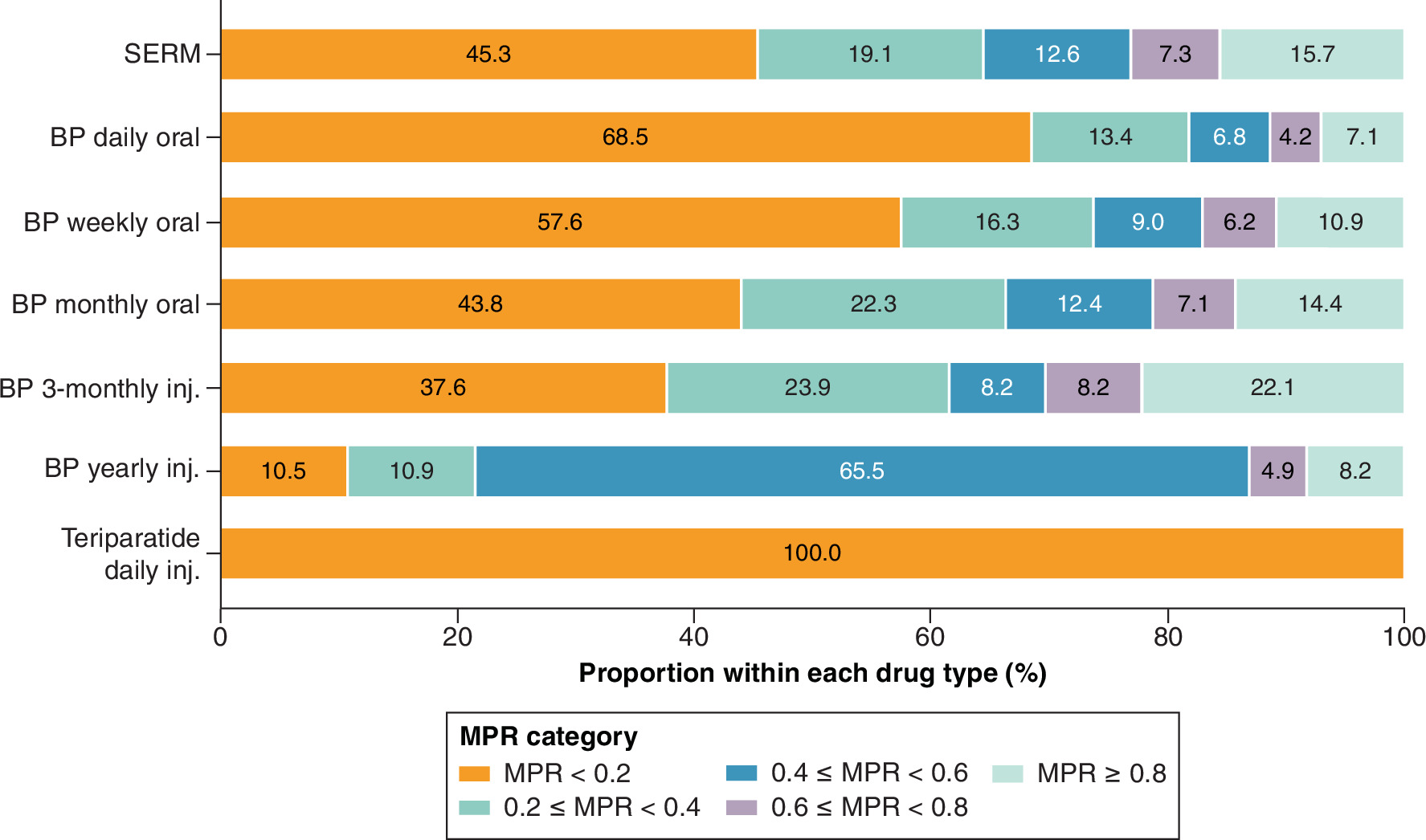
Figure 1. Medication possession ratio of osteoporosis medication within 2 years after the recurrent osteoporotic fracture, presented by drug type.
Each horizontal bar represents 100% of patients treated with the corresponding drug and is subdivided according to MPR category.
BP: Bisphosphonates; MPR: Medication possession ratio; SERM: Selective estrogen receptor modulator.
Medication discontinuation after recurrent osteoporotic fracture
Table 3 presents the rates of first treatment discontinuation at 6 months, 1 year, and 2 years after a recurrent osteoporotic fracture. A total of 14,862 (80.5%) of 18,462 patients discontinued their first treatment drug within 2 years of their recurrent fracture. Daily oral bisphosphonates had the highest discontinuation rates at all time points, with 58.1% of patients discontinuing treatment within 6 months, 75.8% within 1 year, and 90.4% within 2 years.
| Treated patients, n | Within 6 months | Within 1 year | Within 2 years | ||||
|---|---|---|---|---|---|---|---|
| Discontinued patients, n | Discontinuation rate, % | Discontinued patients, n | Discontinuation rate, % | Discontinued patients, n | Discontinuation rate, % | ||
| Total | 18,462 | 6983 | 37.8 | 10,832 | 58.7 | 14,862 | 80.5 |
| SERM | 1648 | 584 | 35.4 | 922 | 56.0 | 1284 | 77.9 |
| BP daily oral | 778 | 452 | 58.1 | 590 | 75.8 | 703 | 90.4 |
| BP weekly oral | 9479 | 4156 | 43.8 | 6070 | 64.0 | 8025 | 84.7 |
| BP monthly oral | 1545 | 488 | 31.6 | 873 | 56.5 | 1230 | 79.6 |
| BP 3-monthly Inj. | 4742 | 1303 | 27.5 | 2377 | 50.1 | 3465 | 73.1 |
| BP yearly Inj. | 267 | – | 0.0 | – | 0.0 | 153 | 57.3 |
| Teriparatide daily Inj. | 3 | – | 0.0 | – | 0.0 | 2 | 66.7 |
BP: Bisphosphonates; Inj.: Injection; SERM: Selective estrogen receptor modulator.
The lowest discontinuation rate within 2 years was observed in patients receiving yearly BP injections (57.3%), whereas the lowest discontinuation rates within 6 months (27.5%) and 1 year (50.1%) were observed in patients receiving 3-monthly BP injections. Supplementary Table 3 presents osteoporosis medication treatment rates within 2 years of a recurrent osteoporotic fracture, by sex and age group. Treatment rates were consistently higher in females than in males across all age groups, and the highest treatment proportions were observed among patients aged 65–84 years.
A sensitivity analysis of discontinuation within 2 years, accounting for a longer refill gap, is presented in Supplementary Table 5. The overall trend in discontinuation rates remained similar to that of the base analysis, confirming the robustness of the findings.
Discussion
To the best of our knowledge, although a few studies have reported on osteoporosis management after an osteoporotic fracture, we found no relevant local or international studies that provide detailed real-world patterns of osteoporosis medication use for high-risk patients with recurrent osteoporotic fractures at the population level or with long-term follow-up. The strength of our study lies in providing a thorough understanding of the characteristics of patients with recurrent osteoporotic fractures and their suboptimal osteoporosis medication patterns during a two-year follow-up period after recurrent fractures in South Korea. Our study’s methodological strengths include an analysis based on treatment episodes per drug, exclusion of patients with censoring during the follow-up period to ensure a robust medication analysis, and sensitivity analyses. We found that the recurrent fracture cohort had high comorbidity rates, with less than half of the patients having a history of medication for osteoporosis. Although osteoporosis treatment increased after a recurrent fracture event, the short duration of medication, low adherence, and low rate of treatment persistence clearly indicated suboptimal management in patients with recurrent fractures.
The mean age was 73.3 years, with a female predominance (85%); more than 80% of the population had comorbidities assessed with the CCI score, and only 41.4% had a history of osteoporosis medication use before the recurrent fracture. Compared with the average age of 66 years for patients with osteoporosis in a previous study targeting the South Korean population, the average age of the patients with recurrent fractures in our study was older and had higher osteoporosis medication and comorbidity rates [36]. These findings are consistent with those of previous studies on patients with recurrent fractures or factors associated with recurrent fractures [37–39].
The rates of osteoporosis medication use were 41.4% at the index fracture and 53.4% during the 2-year follow-up. As these proportions may reflect different observation windows and constructs, they are reported separately and not directly compared. Females had more than double the medication rate of men, similar to a previous study [40]. Due to their lower bone mineral density, longer life expectancy, and faster bone loss during menopause, females have a higher risk of osteoporosis, leading to increased medication use [33]. Underdiagnosis and undertreatment are well-known characteristics of osteoporosis; males are at high risk of undertreatment despite the significance of osteoporosis in males and the need for care [26,41]. Although there are not enough studies for direct comparison, we found that the osteoporosis medication rate (53.4%) among patients with recurrent fractures in Korea, as observed in this study, was lower than the rates at primary fracture (56.4%) and recurrent fracture (73.7%) in Canadian primary care settings between 2014 and 2016 [42]. Because switching to another osteoporosis medication ended the first treatment episode, the discontinuation rate reported in this study should be interpreted as discontinuation of the first treatment drug rather than complete cessation of osteoporosis therapy. Sensitivity analyses using 3-month and 6-month refill gaps yielded consistent findings (Supplementary Table 5). Our findings are broadly consistent with international register-based evidence of persistent undertreatment following fragility fractures. Roerholt et al. reported substantial post-fracture treatment gaps in a European register-based cohort [43]. At the same time, a more recent study by Wang et al. highlighted the ongoing risk of recurrent fractures and the importance of timely management of osteoporosis after hip fracture [44]. Together, these studies indicate that suboptimal post-fracture pharmacotherapy is a sustained, cross-regional challenge, with our nationwide Korean cohort providing a recurrent-fracture-specific perspective.
Given the lack of comparable studies on treatment duration and discontinuation rates in subsequent treatment for osteoporotic fractures, our findings provide insights into the management of patients at very high risk of osteoporotic fractures. Observed treatment durations should be interpreted cautiously, as they reflect not only treatment persistence but also the timing of treatment initiation, drug-specific reimbursement and dosing schedules, and the fixed 2-year follow-up window. Therefore, shorter observed durations do not necessarily indicate earlier discontinuation. In addition, the fixed follow-up period may underestimate the long-term burden of recurrent fractures, particularly among untreated patients who remain at elevated risk beyond 2 years. However, suboptimal osteoporosis management is evident, with treatment typically lasting less than 5 months, a very low 14.3% good adherence rate, and 80.5% discontinuation within 2 years after a recurrent fracture. This aligns with the prevalent suboptimal treatment for patients with osteoporotic fracture [45]. Subsequent fractures in patients with osteoporosis are prevalent and often occur shortly after a prior fracture, showing that a third of subsequent fractures occur within the first year of the primary fracture, and that early treatment has great value in preventing subsequent fractures [46–48]. In contrast to many countries where weekly or monthly oral bisphosphonates had largely replaced daily regimens by 2013, daily oral bisphosphonates remained available and reimbursed in South Korea during the study period [49]. This historical prescribing context is reflected in the distribution of osteoporosis medications observed in our cohort. In interpreting adherence metrics such as the MPR, especially for agents like once-yearly zoledronate, some caution is warranted. Therefore, policies and programs are needed to address the potential reasons for suboptimal treatment, such as underdiagnosis of osteoporosis, low public awareness, reimbursement issues, and health system policies that hinder persistent treatment [45,50]. However, because the MPR was calculated using a uniform framework across regimens with different dosing intervals, between-drug adherence comparisons should be interpreted cautiously, particularly for once-yearly zoledronate, in which a single missed administration disproportionately reduces MPR.
These findings highlight a treatment gap that persists even among patients at imminent risk of fracture and underscore the need for coordinated, system-level secondary fracture prevention strategies. Recent discussions regarding osteoporosis risk stratification have highlighted important limitations of FRAX-based approaches in identifying patients at imminent or very high risk of fracture. Because FRAX primarily estimates long-term fracture probability, it may underestimate the short-term risk of recurrent fracture immediately after a fragility fracture, when the risk of subsequent fracture is highest [51]. In this context, our recurrent-fracture-based cohort design may provide a clinically meaningful framework for identifying patients who require urgent secondary fracture prevention and closer post-fracture management, independent of FRAX score thresholds.
Accordingly, osteoporosis care for patients with recurrent fractures should extend beyond conventional risk-score-based assessment alone and incorporate proactive post-fracture care pathways. Fracture Liaison Services, which systematically identify, assess and manage patients after fragility fractures, have demonstrated improvements in treatment initiation, adherence and secondary fracture prevention across multiple healthcare settings [21–54]. In addition to system-level interventions, patient-centered adherence support strategies may also help reduce persistent treatment gaps. Structured patient reminder programs, for example, have been shown to improve adherence to oral bisphosphonate therapy in postmenopausal females with osteoporosis [55]. Improved access to effective osteoporosis therapies for very high-risk patients, together with integration of osteoporosis management into routine post-fracture care pathways, may further strengthen secondary fracture prevention efforts. Comparable treatment-gap data from Southeast Asia further suggest that under-treatment after fragility fracture is a regional, not solely Korean, challenge [56]. Several limitations inherent to claims data should be acknowledged. The HIRA database does not capture bone mineral density-confirmed osteoporosis status, fracture mechanism (low- vs high-energy), frailty, or functional outcomes. To minimize misclassification, we restricted the cohort to patients aged ≥55 years and excluded open fractures in accordance with the Korean operational definition of osteoporotic fracture. In addition, site-specific interval rules were applied to distinguish recurrent fractures from continuing care for the index fracture. However, residual misclassification cannot be entirely ruled out, particularly because detailed clinical fracture information is unavailable in claims data. Although exclusion of open fractures likely reduced inclusion of fractures not clearly attributable to osteoporosis, this concern may remain for fracture sites such as the distal tibia and ankle, which are less specific for fragility fractures than hip or vertebral fractures.
However, the claims data review system minimized critical biases, including information bias and potential misclassification. Additionally, the HIRA claims database is considered generalizable at the population level [57]. Second, due to data limitations inherent in health insurance claims data, we could only analyze medications within the scope of reimbursement, and self-paid or unreimbursed medications were not included in this study. Additionally, reimbursement-tied claims have certain restrictions, and the focus on initial treatment drug needs caution against overemphasizing the results. Since insurance in Korea does not cover osteopenia after medication treatment, and uninsured osteoporosis treatment for this indication cannot be captured from the HIRA database used in this study, the duration and discontinuation rates may be underestimated. We could not analyze denosumab or romosozumab as they were not listed in the national insurance database during the study period (2012–2017). Future studies using contemporary nationwide datasets are warranted to evaluate whether the introduction of newer therapies and evolving fracture-prevention strategies have changed treatment initiation, adherence, and persistence patterns in patients with recurrent osteoporotic fractures. Despite this, medical practice in Korea relies heavily on predefined reimbursement status [58], so our findings provide a solid understanding of real-world practices in osteoporosis treatment. Furthermore, based on diagnostic codes, the definition of osteoporotic and recurrent osteoporotic fractures may introduce misclassification bias. To minimize this, we cross-validated our operational definition of osteoporotic fractures with expert consensus, considering fractures in patients aged 55 years or older as osteoporotic without bone mineral density scores. We also excluded open fractures and used period-gap criteria to distinguish new fractures from previous ones by their locations to avoid overestimation. Additionally, we did not stratify time to discontinuation by prior treatment history, which may limit our insights into variations in treatment continuity. Future studies with extended data access could explore adherence patterns based on treatment history in greater depth. Because this study was designed as a descriptive nationwide analysis, adjusted analyses identifying independent predictors of treatment initiation, adherence, and discontinuation were not performed. Future studies using linked datasets are warranted to identify modifiable determinants of the treatment gap. Finally, the low medication rates for daily teriparatide and yearly BP injections may be due to their recent inclusion in the reimbursement scheme during the study period. Daily teriparatide was covered by insurance starting in December 2016, and yearly BP injections for the general population began in January 2017. Despite these limitations, our findings provide valuable insights into the characteristics and treatment patterns of patients with recurrent osteoporotic fractures.
Conclusion
The findings of this study highlight the issues of recurrent osteoporotic fractures and low utilization of osteoporosis medication among very high-risk patients in Korea. Low adherence and high discontinuation rates raise concerns about the effectiveness and continuity of current treatments.
Summary points
•
Osteoporosis is a chronic condition that significantly increases the risk of fractures, particularly in aging populations.
•
Patients who experience a recurrent osteoporotic fracture are at very high risk for future fractures and require long-term management.
•
This study analyzed real-world treatment patterns using a retrospective cohort of 34,558 patients aged 55 or older with recurrent osteoporotic fractures, which was identified from the nationwide claims data from the Korean Health Insurance Review and Assessment Service.
•
Only 53.4% of patients received any osteoporosis medication after a recurrent fracture, and medication use was significantly lower among male (23.7%) compared with female (58.8%).
•
A striking 80.5% of treated patients discontinued their fist osteoporosis medication within 2 years of their recurrent fracture, and the median duration of osteoporosis treatment was just 146 days, with wide variability.
•
Discontinuation rates were highest (90.4%) among patients prescribed daily oral bisphosphonates.
•
These findings highlight an urgent need for improved treatment adherence and tailored intervention strategies in very high-risk populations.
Author contributions
Author HJ Han and M Kim: study concept and design, acquisition of data, analysis and interpretation of data and drafting of the manuscript; HS Suh: study concept and design, acquisition of data, interpretation of data and critical revision of the manuscript for important intellectual content; E Wang and MJ Kim: study concept and design, analysis and interpretation of data and critical revision of the manuscript for important intellectual content. All the authors have read and agreed to the published version of the manuscript.
Acknowledgments
The authors thank Donghyun Pyun (Department of Regulatory Science, Graduate School, Kyung Hee University; Institute of Regulatory Innovation through Science, Kyung Hee University, Seoul, South Korea) for his valuable assistance in pre-analysis data preparation and constructive discussions during the early stages of this study. The authors used the data of Health Insurance Review and Assessment Service-M20220405917; however, they declare that the results do not reflect the positions of either the Health Insurance Review and Assessment Service or the Ministry of Health and Welfare in Korea.
Financial disclosure
This work was funded by Amgen Korea, UCB Pharma, and a grant (21153MFDS601) from the Ministry of Food and Drug Safety, Korea, in 2025.
Competing interests disclosure
HJ Han and M Kim declare no conflicts of interest. HSS reports receiving grants from the pharmaceutical company Amgen. E Wang and MJ Kim are employees of Amgen, Republic of Korea. The authors have no other competing interests or relevant affiliations with any organization or entity with the subject matter or materials discussed in the manuscript apart from those disclosed.
Writing disclosure
No funded writing assistance was utilized in the production of this manuscript. ChatGPT and Grammarly were used only for checking spelling and grammatical errors.
Ethical conduct of research
The authors state that they have obtained institutional review board approval of Kyung Hee University. The requirement for informed consent was waived due to the non-interventional nature of the research and the use of a fully anonymized, secondary database (KHSIRB-22-093(EA), 9 March 2022).
Data sharing statement
The authors certify that the database used for this study has restricted access due to legal and ethical considerations, in accordance with the Health Insurance Review and Assessment Service (HIRA) policy, to ensure security and confidentiality. Access to the data requires mandatory review and approval from HIRA authorities.
Data transparency statement
This manuscript reports the results of a real-world evidence study. The study reporting checklist (STROBE) is available in the Supplementary Materials.
Open access
This work is licensed under the Attribution-NonCommercial-NoDerivatives 4.0 Unported License. To view a copy of this license, visit https://creativecommons.org/licenses/by-nc-nd/4.0/
Supplementary Material
File (supplementary materials.docx)
References
Papers of special note have been highlighted as: • of interest; •• of considerable interest
1.
Kerr C, Bottomley C, Shingler S et al. The importance of physical function to people with osteoporosis. Osteoporos. Int. 28, 1597–1607 (2017).
2.
Svedbom A, Hernlund E, Ivergård M et al. Osteoporosis in the European Union: a compendium of country-specific reports. Arch. Osteoporos. 8, 1–218 (2013).
3.
Borgström F, Karlsson L, Ortsäter G et al. Fragility fractures in Europe: burden, management and opportunities. Arch. Osteoporos. 15, 1–21 (2020).
4.
Mohd-Tahir N, Li S. Economic burden of osteoporosis-related hip fracture in Asia: a systematic review. Osteoporos. Int. 28, 2035–2044 (2017).
5.
Salari N, Darvishi N, Bartina Y et al. Global prevalence of osteoporosis among the world older adults: a comprehensive systematic review and meta-analysis. J. Orthop. Surg. Res. 16(1), 669 (2021).
6.
Wu A-M, Bisignano C, James SL et al. Global, regional, and national burden of bone fractures in 204 countries and territories, 1990–2019: a systematic analysis from the Global Burden of Disease Study 2019. Lancet Healthy Longev. 2(9), e580–e592 (2021).
7.
Clynes MA, Harvey NC, Curtis EM, Fuggle NR, Dennison EM, Cooper C. The epidemiology of osteoporosis. Br. Med. Bull. 133(1), 105–117 (2020).
8.
Rashki Kemmak A, Rezapour A, Jahangiri R, Nikjoo S, Farabi H, Soleimanpour S. Economic burden of osteoporosis in the world: a systematic review. Med. J. Islam Repub. Iran 34, 154 (2020).
9.
Tranquilli Leali P, Doria C, Zachos A, Ruggiu A, Milia F, Barca F. Bone fragility: current reviews and clinical features. Clin. Cases Miner. Bone Metab. 6(2), 109–113 (2009).
10.
van Geel TA, van Helden S, Geusens PP, Winkens B, Dinant G-J. Clinical subsequent fractures cluster in time after first fractures. Ann. Rheum. Dis. 68(1), 99–102 (2009).
11.
Eisman JA, Bogoch ER, Dell R et al. Making the first fracture the last fracture: ASBMR task force report on secondary fracture prevention. J. Bone Miner. Res. 27(10), 2039–2046 (2012).
12.
Lindsay R, Silverman SL, Cooper C et al. Risk of new vertebral fracture in the year following a fracture. JAMA 285(3), 320–323 (2001).
13.
Costa ML, Achten J, Bruce J et al. Effect of negative pressure wound therapy vs standard wound management on 12-month disability among adults with severe open fracture of the lower limb: the WOLLF randomized clinical trial. JAMA 319(22), 2280–2288 (2018).
14.
Metsemakers W-J, Moriarty TF, Morgenstern M et al. The global burden of fracture-related infection: can we do better? Lancet Infect. Dis. 24(6), e386–e393 (2024).
15.
Söderqvist A, Miedel R, Ponzer S, Tidermark J. The influence of cognitive function on outcome after a hip fracture. J. Bone Joint Surg. Am. 88(10), 2115–2123 (2006).
16.
Chaudhry H, Devereaux PJ, Bhandari M. Cognitive dysfunction in hip fracture patients. Orthop. Clin. North Am. 44(2), 153–162 (2013).
17.
Walter N, Rupp M, Hierl K et al. Long-term patient-related quality of life after fracture-related infections of the long bones. Bone Joint Res. 10(5), 321–327 (2021).
18.
Aquilina AL, Claireaux H, Aquilina CO et al. What outcomes have been reported on patients following open lower limb fracture, and how have they been measured? Bone Joint Res. 12(2), 138–146 (2023).
19.
Curtis EM, Reginster J-Y, Al-Daghri N et al. Management of patients at very high risk of osteoporotic fractures through sequential treatments. Aging Clin. Ex. Res. 34(4), 695–714 (2022).
20.
Kanis J, Cooper C, Rizzoli R et al. Identification and management of patients at increased risk of osteoporotic fracture: outcomes of an ESCEO expert consensus meeting. Osteoporos. Int. 28, 2023–2034 (2017).
21.
Camacho PM, Petak SM, Binkley N et al. American Association of Clinical Endocrinologists/American College of Endocrinology clinical practice guidelines for the diagnosis and treatment of postmenopausal osteoporosis-2020 update. Endocr. Pract. 26(Suppl. 1), 1–46 (2020).
22.
Shoback D, Rosen CJ, Black DM, Cheung AM, Murad MH, Eastell R. Pharmacological management of osteoporosis in postmenopausal female: an Endocrine Society guideline update. J. Clin. Endocrinol. Metab. 105(3), 587–594 (2020).
23.
Hadji P, Schweikert B, Kloppmann E et al. Osteoporotic fractures and subsequent fractures: imminent fracture risk from an analysis of German real-world claims data. Arch. Gynecol. Obstet. 304, 703–712 (2021).
24.
Pedersen AB, Heide-Jørgensen U, Sørensen HT, Prieto-Alhambra D, Ehrenstein V. Comparison of risk of osteoporotic fracture in denosumab vs alendronate treatment within 3 years of initiation. JAMA Netw. Open 2(4), e192416 (2019).
25.
Weaver J, Sajjan S, Lewiecki EM, Harris ST, Marvos P. Prevalence and cost of subsequent fractures among US patients with an incident fracture. J. Manag. Care Spec. Pharm. 23(4), 461–471 (2017).
26.
von Elm E, Altman DG, Egger M, Pocock SJ, Gøtzsche PC, Vandenbroucke JP. The Strengthening the Reporting of Observational Studies in Epidemiology (STROBE) statement: guidelines for reporting observational studies. Int. J. Surg. 12(12), 1495–1499 (2014).
27.
Benchimol EI, Smeeth L, Guttmann A et al. The REporting of studies Conducted using Observational Routinely-collected health Data (RECORD) statement. PLoS Med. 12(10), e1001885 (2015).
28.
Kim L, Kim J-A, Kim S. A guide for the utilization of Health Insurance Review and Assessment Service National Patient Samples. Epidemiol. Health 36, e2014008 (2014).
29.
Johansson H, Siggeirsdóttir K, Harvey NC et al. Imminent risk of fracture after fracture. Osteoporos. Int. 28(3), 775–780 (2017).
•• This landmark study established the concept of ‘imminent fracture risk’, demonstrating that the risk of recurrent fracture is particularly high within the first 1–2 years after an index fracture and highlighting the need for early secondary fracture prevention.
30.
Banefelt J, Åkesson KE, Spångeus A et al. Risk of imminent fracture following a previous fracture in a Swedish database study. Osteoporos. Int. 30(3), 601–609 (2019).
• This study quantified the elevated short-term recurrent fracture risk after an index fracture and reinforced the clinical importance of rapid intervention during the first 1–2 years.
31.
Kim M, Han HJ, Pyun D, Wang E, Kim MJ, Suh HS. Imminent risk of the first and second recurrent osteoporotic fractures in South Korea. Bone 190, 117286 (2025).
•• This nationwide Korean study demonstrated markedly elevated recurrent fracture risk during the early post-fracture period and provided important local evidence supporting timely osteoporosis treatment after fracture.
32.
Halawi MJ, Morwood MP. Acute management of open fractures: an evidence-based review. Orthopedics 38(11), e1025–e1033 (2015).
33.
Kanis J, Johnell O, Odén A, De Laet C, Mellstrom D. Epidemiology of osteoporosis and fracture in men. Calcif. Tissue Int. 75, 90–99 (2004).
34.
Andrade SE, Kahler KH, Frech F, Chan KA. Methods for evaluation of medication adherence and persistence using automated databases. Pharmacoepidemiol. Drug Saf. 15(8), 565–574 (2006).
35.
Lam WY, Fresco P. Medication adherence measures: an overview. Biomed. Res. Int. 2015, 217047 (2015).
36.
Kim JH, Jeong HE, Baek Y-H, Cho SW, Lim H, Shin J-Y. Treatment pattern in postmenopausal female with osteoporosis: a population-based cohort study in South Korea. J. Bone Miner. Metab. 40(1), 109–119 (2022).
37.
Shim Y-B, Park J-A, Nam JH et al. Incidence and risk factors of subsequent osteoporotic fracture: a nationwide cohort study in South Korea. Arch. Osteoporos. 15, 1–7 (2020).
38.
Skála-Rosenbaum J, Džupa V, Bartoška R, Říha D, Waldauf P, Báča V. Subsequent contralateral hip fractures: can at-risk patients be identified? An observational study of 5,102 patients. Int. Orthop. 39, 755–760 (2015).
39.
Omsland TK, Holvik K, Meyer HE et al. Hip fractures in Norway 1999–2008: time trends in total incidence and second hip fracture rates. A NOREPOS study. Eur. J. Epidemiol. 27, 807–814 (2012).
40.
Jung Y, Ko Y, Kim HY et al. Gender differences in anti-osteoporosis drug treatment after osteoporotic fractures. J. Bone Miner. Metab. 37(1), 134–141 (2019).
41.
Kaufman J-M, Reginster J-Y, Boonen S et al. Treatment of osteoporosis in men. Bone 53(1), 134–144 (2013).
42.
Bell A, Kendler DL, Khan AA et al. A retrospective observational study of osteoporosis management after a fragility fracture in primary care. Arch. Osteoporos. 17(1), 75 (2022).
43.
Roerholt C, Eiken P, Abrahamsen B. Initiation of anti-osteoporotic therapy in patients with recent fractures: a nationwide analysis of prescription rates and persistence. Osteoporos. Int. 20(2), 299–307 (2009).
•• This important nationwide registry study provided early real-world evidence of substantial post-fracture osteoporosis treatment gaps and remains highly relevant for understanding under-treatment in routine clinical practice.
44.
Wang L, Wu Z, Zhou H, Ren Y. Factors influencing and predicting the trajectory of care dependence among older hip fracture patients after total hip arthroplasty: a longitudinal study. Int. J. Orthop. Trauma Nurs. 59, 101236 (2025).
45.
Harvey NC, McCloskey EV, Mitchell PJ et al. Mind the (treatment) gap: a global perspective on current and future strategies for prevention of fragility fractures. Osteoporos. Int. 28, 1507–1529 (2017).
46.
Akesson K, Marsh D, Mitchell PJ et al. Capture the Fracture: a best practice framework and global campaign to break the fragility fracture cycle. Osteoporos. Int. 24(8), 2135–2152 (2013).
47.
Kanis JA, Harvey NC, Cooper C et al. A systematic review of intervention thresholds based on FRAX: a report prepared for the National Osteoporosis Guideline Group and the International Osteoporosis Foundation. Arch. Osteoporos. 11, 25 (2016).
48.
Johnell O, Kanis J, Odén A et al. Fracture risk following an osteoporotic fracture. Osteoporos. Int. 15, 175–179 (2004).
49.
Ahn SH, Park SM, Park SY et al. Osteoporosis and osteoporotic fracture fact sheet in Korea. J. Bone Metab. 27(4), 281–290 (2020).
50.
Curtis EM, Woolford S, Holmes C, Cooper C, Harvey NC. General and specific considerations as to why osteoporosis-related care is often suboptimal. Curr. Osteoporos. Rep. 18(1), 38–46 (2020).
51.
Compston JE, Drake MT. Defining very high fracture risk: is FRAX fit for purpose? J. Bone Miner. Res. 35(8), 1399–1403 (2020).
52.
Javaid MK. Efficacy and efficiency of fracture liaison services to reduce the risk of recurrent osteoporotic fractures. Aging Clin. Ex. Res. 33(8), 2061–2067 (2021).
53.
Mitchell I, Tough S, Gillis L, Majaesic C. Beyond randomized controlled trials: a “real life” experience of respiratory syncytial virus infection prevention in infancy with and without palivizumab. Pediatr. Pulmonol. 41(12), 1167–1174 (2006).
54.
Javaid MK, Harvey NC, McCloskey EV, Kanis JA, Cooper C. Assessment and management of imminent fracture risk in the setting of the fracture liaison service. Osteoporos. Int. 33(6), 1185–1189 (2022).
55.
Stumpf U, Kyvernitakis I, Horas K, Hadji P. Effect of a patient reminder program on adherence in postmenopausal female with osteoporosis receiving oral bisphosphonate treatment: a randomized clinical control trial. Calcif. Tissue Int. 116(1), 99 (2025).
56.
Mahaisavariya C, Vanitcharoenkul E, Kitcharanant N, Chotiyarnwong P, Unnanuntana A. Exploring the osteoporosis treatment gap after fragility hip fracture at a tertiary university medical center in Thailand. BMC Geriatr. 23(1), 70 (2023).
57.
Kim HK, Song SO, Noh J, Jeong I-K, Lee B-W. Data configuration and publication trends for the Korean national health insurance and health insurance review & assessment database. Diabetes Metab. J. 44(5), 671–678 (2020).
58.
Kim J-Y, Kim SJ, Nam CM, Moon KT, Park E-C. Changes in prescription pattern, pharmaceutical expenditure and quality of care after introduction of reimbursement restriction in diabetes in Korea. Eur. J. Public Health 28(2), 209–214 (2018).
Information & Authors
Information
Published In
Copyright
© 2026 The authors. This work is licensed under the Attribution-NonCommercial-NoDerivatives 4.0 Unported License
History
Received: 8 February 2026
Accepted: 23 June 2026
Published online: 3 August 2026
Keywords:
Topics
Authors
Metrics & Citations
Metrics
Article Usage
Article usage data only available from February 2023. Historical article usage data, showing the number of article downloads, is available upon request.
Citations
How to Cite
Treatment gaps in osteoporosis care following recurrent fractures: a nationwide cohort study. (2026) Journal of Comparative Effectiveness Research. DOI: 10.57264/cer-2026-0039
Export citation
Select the citation format you wish to export for this article or chapter.