

Effect of dose tapering policy on the prescription of advanced therapy for rheumatoid arthritis: a retrospective analysis of clinical and cost outcomes in Taiwan
Publication: Journal of Comparative Effectiveness Research
Abstract
Aim: To evaluate the impact of the Taiwan National Health Insurance program policy for advanced rheumatoid arthritis (aRA) therapies on treatment prescription patterns and costs in patients with rheumatoid arthritis (RA). Materials & methods: We performed a retrospective analysis of patients with RA aged ≥18 years who had commenced aRA treatment in the National Health Insurance research database in Taiwan between 2011 and 2017. Follow-up data were aggregated every 3 months to determine the proportion of the covered RA prescription days and the medical cost. Associations of the tapering policy initiation in 2014, aRA dose, non-aRA prescription and cost were analyzed using a generalized linear model. Results: In total, 9099 patients with RA were included in this study. Before the policy implementation, the probability of aRA dose tapering increased significantly once treatment duration reached 24 months, with adjusted odds ratio = 3.27 (p < 0.001); this further increased to 4.00 (p < 0.001) after the policy was implemented. The difference between both adjusted odds ratios was statistically significant (p = 0.012). Dose tapering for aRA was associated with reduced medical costs and decreased use of other RA prescription drugs. However, the number of reductions decreased after the dose tapering policy was initiated, suggesting an unintended effect of the policy. Conclusion: The policy implementation increased the dose tapering of aRA prescriptions and was associated with decreased medication costs and the use of other RA treatments. However, a moderate partial offset of the reduction in outcome measures suggests unintended consequences of the policy.
Plain language summary
What is this article about?
This study examined how a National Health Insurance policy in Taiwan changed the way doctors prescribe advanced medicines for rheumatoid arthritis. The policy requires doctors to reduce the dose of advanced rheumatoid arthritis drugs after 2 years of treatment if the disease remains stable.
What did the researchers do?
We analyzed real-world data from 9099 adults with RA who started advanced therapy between 2011 and 2017. We compared prescription patterns and costs before and after the policy was introduced.
What were the results?
After the policy was initiated, dose tapering became more common, especially for patients treated for more than 2 years. Dose tapering was associated with lower medication costs and reduced use of other RA drugs. However, some unintended effects were observed, such as smaller cost savings and slight increases in steroid use in certain patients.
Why is this important?
These findings show that mandatory dose reduction can lower costs and reduce drug exposure, but it may also lead to trade-offs in disease control. Policymakers and doctors should consider these effects when designing treatment guidelines and reimbursement policies.
In recent decades, advances in biologics and newly targeted synthetic disease-modifying antirheumatic drugs (DMARDs) have improved the lives of patients with rheumatoid arthritis (RA). However, an increased risk of side effects such as severe infections, malignancies, intestinal perforation and venous thromboembolism is associated with the long-term use of immunosuppressants. Dose-tapering has been proposed to reduce medication dosage while maintaining efficacy, mitigating treatment risks and considering the associated economic burden. International treatment guidelines, such as those established by the American College of Rheumatology (ACR) (2015, 2021), the European League Against Rheumatism (EULAR) (2020) and the Asia Pacific League of Associations for Rheumatology (2019) provide recommendations on dose tapering. However, more evidence is required to support these recommendations [1–4].
Taiwan launched the National Health Insurance (NHI) system on 1 March 1995. The National Health Insurance Administration (NHIA) manages this nationwide compulsory program. The NHI provides comprehensive healthcare coverage, which includes prescription medications and hospitalization expenses. In 2014, the NHI covered 99.9% of Taiwan’s total population of 23 million [5]. The NHIA introduced a dose tapering policy for advanced RA therapies (aRA) in April 2013, which was fully implemented within 1 year (April 2014) (http://www.tsim.org.tw/helth/hel257_m514.html, accessed November 2023) to provide effective treatment and optimize resource allocation. This reimbursement policy mandates physicians to reduce the aRA prescription dose for patients with RA who have received treatment for 24 months and have achieved low disease activity (LDA). LDA is defined by one of the following two criteria: (1) Disease Activity Score in 28 Joints (DAS28) ≤3.2 or (2) erythrocyte sedimentation rate ≤25 mm/h and C-reactive protein level ≤1 mg/dl. In May 2019, this definition was further revised to DAS28 ≤ 2.6 for 6 months (http://www.tsim.org.tw/helth/hel329_m713.html, accessed November 2023). Under the NHI system, NHI expenditure reviewers validate prescriptions and assess the individual patient’s medical records to decide whether to reduce the aRA dose or grant an extension of treatment duration. The goal is to taper gradually and eventually discontinue aRA for selected patients after 1 year. However, treatment can be resumed at the pretapering dosage if the patient experiences a disease flare-up.
Previous studies have provided valuable insights and algorithms regarding the tapering of biologics for RA treatment [6–9]. However, many of these studies followed a protocol-driven approach [10–17]; others were performed in real-world practice but were limited by a small sample size [18–20]. We aimed to evaluate the impact of mandatory dose tapering, regulated by reimbursement criteria, on the prescription patterns and outcomes of aRA treatment in patients with RA.
Materials & methods
Data source
An observational retrospective analysis of the Taiwan National Health Insurance Research Database (NHIRD), which contains data from the NHI system, was performed. The NHIRD provides comprehensive population-based data, including patient demographics, diagnosis codes, prescription drugs, procedures and medical expenditures for outpatient department visits, emergency department visits and hospital admissions. In compliance with regulations, personally identifiable information was encrypted to protect patient privacy. The study protocol was reviewed and exempted from approval by the Ethical Review Board of the National Taiwan University Hospital.
Study patients & variables
Patients with RA aged ≥18 years and who commenced treatment with index aRA, abatacept, adalimumab, etanercept, golimumab, tocilizumab or tofacitinib between 2011 and 2017 were included in the study. Each patient’s progress was monitored until their aRA treatment was switched or discontinued or until the end of data collection, whichever occurred first. We examined the real-world prescriptions of all individuals who fulfilled the study criteria; diverse prescription intervals were expected. Thus, we assessed the prescription days of the index aRA using a 4-week moving average, and the proportion of days covered (PDC) was calculated every 3 months to capture the overall trend in prescriptions rather than treating fluctuations as missing data. Treatment tapering was defined as a reduction in the PDC by more than half of the patient's maximal treatment before the specific period. This threshold was selected to reflect a substantial reduction in treatment exposure while minimizing the influence of short-term fluctuations in prescription patterns. Patients without a PDC ≥0.8 throughout the entire follow-up were excluded. Two tapering policy features were considered primary explanatory variables: aRA treatment duration ≥24 months and the time of the full implementation of the dose tapering reimbursement policy in April 2014. The main effects and interactions of aRA prescription changes for dose tapering were analyzed. Medical utilization outcomes were also summarized every 3 months, which included the number of conventional synthetic DMARDs (csDMARDs) used, defined daily doses (DDDs) of csDMARDs, DDDs of nonsteroid anti-inflammatory drugs (NSAIDs), steroid dosage converted to the mg equivalent of prednisolone, all-cause medication costs and RA-related medication costs.
Statistical analyses
Categorical variables were summarized using frequencies and percentages, whereas continuous variables were presented as means and standard deviations (SD). Differences in continuous variables were assessed using analysis of variance, whereas differences in categorical variables were evaluated using chi-square tests.
We structured the study hypotheses into three groups based on the logic of the effect path and path diagram, reflecting different policy impact pathways (intended vs unintended effects) and outcome domains (dose tapering, clinical-related outcomes, and cost outcomes). Respective hypotheses are illustrated in Figure 1. Before the dose-tapering policy (before 2014), a trend was observed with a decreased aRA dose and a longer treatment duration. We referred to this as the ‘context’ and designated it as Hypothesis 0. The aRA treatment dose-tapering policy governs aRA use for patients undergoing treatment for >24 months. The impact of this policy was referred to as the ‘intended effect’ and was designated Hypothesis 1. The intended effects were evaluated with three sub-hypotheses: 1-1: direct effect of the policy on tapering of aRA dose, 1-2: subsequent effect of aRA dose tapering on the use of other RA treatments and 1-3: subsequent effect of aRA dose tapering on costs. We also evaluated if there were ‘unintended effects’ of this policy, without being mediated through changes in aRA dose prescription, the use of other RA treatments (Hypothesis 2-2), changes in cost (Hypothesis 2-3) and changes in aRA dose before using it for 24 months (Hypothesis 2-1).
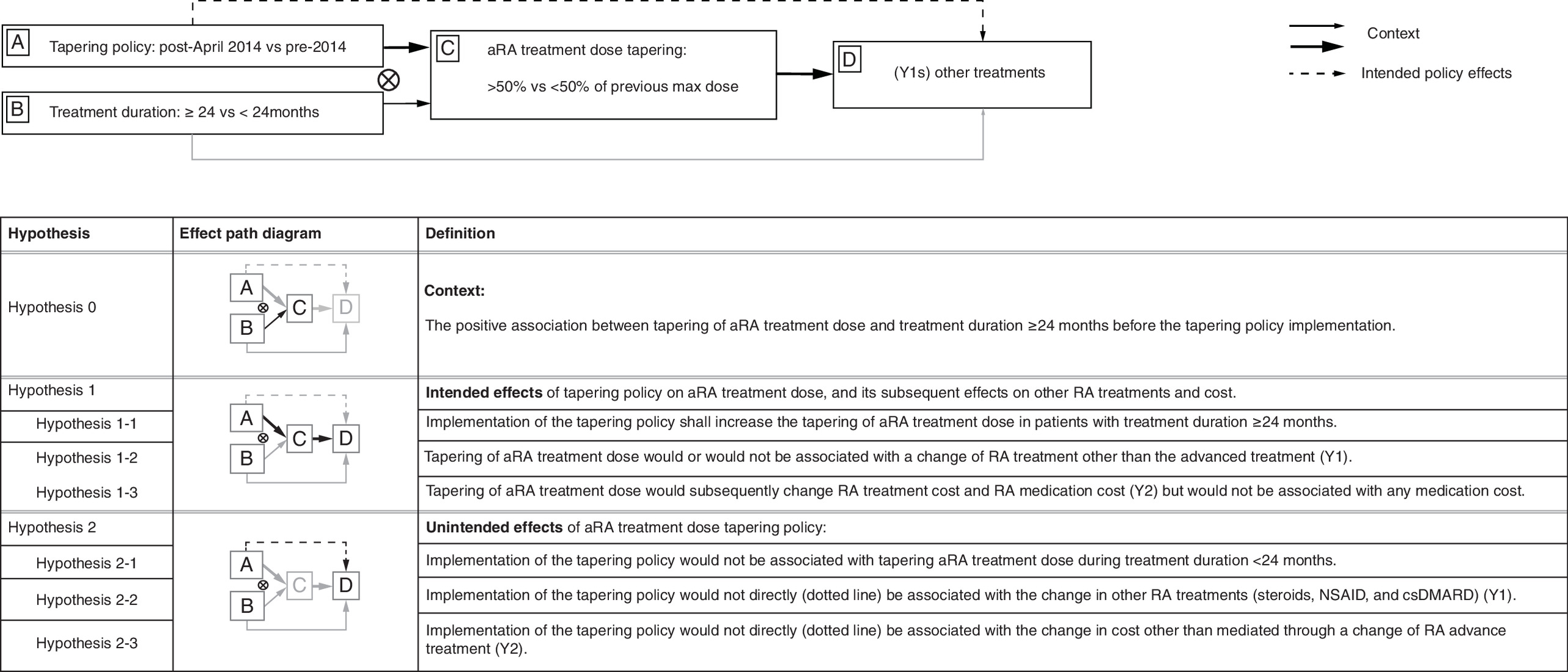
Figure 1. Illustration of the study hypotheses and the effect path diagram.
A: Tapering policy: Post-Apr 2014 versus Pre-2014.
B: Treatment duration: ≧24 versus <24 months.
C: aRA treatment dose tapering: >50% versus <50% of previous max dose.
D: (Y1s) other treatments; (Y2s) cost outcomes.
aRA treatment: Advanced rheumatoid arthritis treatment; csDMARD: Conventional synthetic disease-modifying antirheumatic drug; NSAID: Nonsteroid anti-inflammatory drug.
A generalized estimating equation with logistic specifications was employed to analyze Hypothesis 1. The variables analyzed in the model were dose-tapering policy, aRA treatment duration and policy-by-duration interaction, adjusted for baseline factors, such as age, sex, Charlson comorbidity index and type of advanced therapy. The effects were presented as adjusted odds ratios (aOR) with associated 95% CI. The policy-by-duration interaction was included to account for potential differences in the association between policy implementation and dose tapering across treatment durations. A generalized linear model with gamma distribution and log link function was used to analyze both the unintended policy effect on outcomes (bypassing prescription changes) and the intended effect of aRA dose tapering on subsequent outcomes. The model's covariates included tapering policy, treatment duration, prescription change, prescription by policy and prescription by duration interaction. The model was adjusted for baseline variables as in the previous model. The ratios of mean outcome changes and their associated 95% CI were reported. Statistical significance was set at p < 0.05, and all analyses were performed using SAS Version 9.4 (NC, USA). SQUIRE 2.0 was followed to prepare the present report [21].
Patient & public involvement
Patients and the public were not involved in this study; the ethical principles followed the tenets of the Declaration of Helsinki.
Results
In total, 9,099 adult patients with RA who had received aRA treatment for >3 months between January 2011 and October 2017 were included in the study (Supplementary Material 1). The mean age of patients at the start of follow-up was 57.2 years (SD 13.3), and 78.7% were female. The total number of follow-up periods was 239,789, equivalent to 59,947 patient-years (Table 1). Prescriptions for RA treatment and medical costs were aggregated every 3 months, along with the follow-up. On average, patients received a median of two csDMARDs, with a median dose of 80 DDDs of csDMARDs, 30 DDDs of NSAID and 180 mg of steroids every 3 months. The median cost for all-cause medication was 2983 USD; for RA-related medicine, the cost was 2636 USD; medication accounted for most of the medical costs (Table 2).
| Total | Index advanced rheumatoid arthritis treatment | p-value | |||||||||||||
|---|---|---|---|---|---|---|---|---|---|---|---|---|---|---|---|
| Etanercept | Adalimumab | Golimumab | Tocilizumab | Abatacept | Tofacitinib | ||||||||||
| n | % (n/N) | n1 | % (n1/N1) | n2 | % (n2/N2) | n3 | % (n3/N3) | n4 | % (n4/N4) | n5 | % (n5/N5) | n6 | % (n6/N6) | ||
| Patients, N | N = 9099 | N1 = 2676 | N2 = 2659 | N3 = 1380 | N4 = 806 | N5 = 857 | N6 = 721 | ||||||||
| % | (100.0%) | (29.4%) | (29.2%) | (15.2%) | (8.9%) | (9.4%) | (7.9%) | ||||||||
| Index year, n (%) | |||||||||||||||
| 2011 | 1161 | (12.8%) | 579 | (21.6%) | 582 | (21.9%) | 0 | – | 0 | – | 0 | – | 0 | – | <0.001 |
| 2012 | 1219 | (13.4%) | 579 | (21.6%) | 496 | (18.7%) | 106 | (7.7%) | 20 | (2.5%) | 18 | (2.1%) | 0 | – | |
| 2013 | 1399 | (15.4%) | 502 | (18.8%) | 410 | (15.4%) | 250 | (18.1%) | 61 | (7.6%) | 176 | (20.5%) | 0 | – | |
| 2014 | 1283 | (14.1%) | 378 | (14.1%) | 306 | (11.5%) | 254 | (18.4%) | 156 | (19.4%) | 189 | (22.1%) | 0 | – | |
| 2015 | 1368 | (15.0%) | 277 | (10.4%) | 303 | (11.4%) | 248 | (18.0%) | 179 | (22.2%) | 188 | (21.9%) | 173 | (24.0%) | |
| 2016 | 1451 | (15.9%) | 202 | (7.5%) | 324 | (12.2%) | 252 | (18.3%) | 218 | (27.0%) | 183 | (21.4%) | 272 | (37.7%) | |
| 2017 Q1–Q3 | 1218 | (13.4%) | 159 | (5.9%) | 238 | (9.0%) | 270 | (19.6%) | 172 | (21.3%) | 103 | (12.0%) | 276 | (38.3%) | |
| Age at index (years), mean ± SD | 57.2 ± 13.3 | 57.3 ± 13.4 | 56.4 ± 13.3 | 56.8 ± 12.9 | 57.4 ± 13.6 | 59.8 ± 13.1 | 57.5 ± 13.4 | <0.001 | |||||||
| Age group (years), n (%) | |||||||||||||||
| 18–29 | 285 | (3.1%) | 92 | (3.4%) | 105 | (3.9%) | 33 | (2.4%) | 28 | (3.5%) | 9 | (1.1%) | 9 | (1.2%) | <0.001 |
| 30–39 | 685 | (7.5%) | 185 | (6.9%) | 208 | (7.8%) | 113 | (8.2%) | 60 | (7.4%) | 58 | (6.8%) | 58 | (8.0%) | |
| 40–49 | 1396 | (15.3%) | 404 | (15.1%) | 413 | (15.5%) | 229 | (16.6%) | 116 | (14.4%) | 122 | (14.2%) | 122 | (16.9%) | |
| 50–59 | 2558 | (28.1%) | 771 | (28.8%) | 764 | (28.7%) | 405 | (29.3%) | 219 | (27.2%) | 209 | (24.4%) | 209 | (29.0%) | |
| 60–69 | 2546 | (28.0%) | 738 | (27.6%) | 748 | (28.1%) | 368 | (26.7%) | 238 | (29.5%) | 253 | (29.5%) | 253 | (35.1%) | |
| ≥70 | 1629 | (17.9%) | 486 | (18.2%) | 421 | (15.8%) | 232 | (16.8%) | 145 | (18.0%) | 206 | (24.0%) | 206 | (28.6%) | |
| Female | 7165 | (78.7%) | 2081 | (77.8%) | 2077 | (78.1%) | 1100 | (79.7%) | 635 | (78.8%) | 692 | (80.7%) | 580 | (80.4%) | 0.28 |
| CCI, mean ± SD | 1.8 ± 1.2 | 1.8 ± 1.2 | 1.7 ± 1.2 | 1.7 ± 1.1 | 1.8 ± 1.3 | 1.9 ± 1.3 | 1.7 ± 1.3 | <0.001 | |||||||
| CCI, n (%) | |||||||||||||||
| 0 | 298 | (3.3%) | 68 | (2.5%) | 78 | (2.9%) | 47 | (3.4%) | 29 | (3.6%) | 18 | (2.1%) | 58 | (8.0%) | <0.001 |
| 1 | 4574 | (50.3%) | 1387 | (51.8%) | 1331 | (50.1%) | 706 | (51.2%) | 391 | (48.5%) | 417 | (48.7%) | 342 | (47.4%) | |
| 2 | 2501 | (27.5%) | 702 | (26.2%) | 793 | (29.8%) | 400 | (29.0%) | 215 | (26.7%) | 223 | (26.0%) | 168 | (23.3%) | |
| ≥3 | 1726 | (19.0%) | 519 | (19.4%) | 457 | (17.2%) | 227 | (16.4%) | 171 | (21.2%) | 199 | (23.2%) | 153 | (21.2%) | |
| Comorbidity | |||||||||||||||
| Rheumatic disease | 8636 | (94.9%) | 2577 | (96.3%) | 2523 | (94.9%) | 1310 | (94.9%) | 758 | (94.0%) | 829 | (96.7%) | 639 | (88.6%) | <0.001 |
| Peptic ulcer disease | 2256 | (24.8%) | 638 | (23.8%) | 722 | (27.2%) | 302 | (21.9%) | 208 | (25.8%) | 220 | (25.7%) | 166 | (23.0%) | 0.00 |
| Chronic pulmonary disease | 1098 | (12.1%) | 334 | (12.5%) | 290 | (10.9%) | 144 | (10.4%) | 114 | (14.1%) | 121 | (14.1%) | 95 | (13.2%) | 0.01 |
| Diabetes without chronic complication | 986 | (10.8%) | 270 | (10.1%) | 273 | (10.3%) | 150 | (10.9%) | 106 | (13.2%) | 97 | (11.3%) | 90 | (12.5%) | 0.10 |
| Mild liver disease | 733 | (8.1%) | 228 | (8.5%) | 211 | (7.9%) | 110 | (8.0%) | 56 | (6.9%) | 72 | (8.4%) | 56 | (7.8%) | 0.79 |
| Renal disease | 420 | (4.6%) | 124 | (4.6%) | 95 | (3.6%) | 63 | (4.6%) | 45 | (5.6%) | 57 | (6.7%) | 36 | (5.0%) | 0.01 |
| Cerebrovascular disease | 234 | (2.6%) | 77 | (2.9%) | 66 | (2.5%) | 27 | (2.0%) | 21 | (2.6%) | 29 | (3.4%) | 14 | (1.9%) | 0.25 |
| Diabetes with chronic complication | 225 | (2.5%) | 54 | (2.0%) | 65 | (2.4%) | 42 | (3.0%) | 23 | (2.9%) | 26 | (3.0%) | 15 | (2.1%) | 0.28 |
| Any malignancy† | 200 | (2.2%) | 56 | (2.1%) | 55 | (2.1%) | 25 | (1.8%) | 24 | (3.0%) | 18 | (2.1%) | 22 | (3.1%) | 0.30 |
| Congestive heart failure | 174 | (1.9%) | 53 | (2.0%) | 56 | (2.1%) | 14 | (1.0%) | 18 | (2.2%) | 18 | (2.1%) | 15 | (2.1%) | 0.20 |
| Peripheral vascular disease | 99 | (1.1%) | 24 | (0.9%) | 32 | (1.2%) | 16 | (1.2%) | 8 | (1.0%) | 9 | (1.1%) | 10 | (1.4%) | 0.85 |
†
Includes lymphoma and leukemia, except malignant neoplasms of the skin.
CCI: Charlson comorbidity index; SD: Standard deviation.
| Nonzero sections | Average of all 3-month sections | Non-zero use among the 3-month sections | ||||||||||
|---|---|---|---|---|---|---|---|---|---|---|---|---|
| n | % | Mean | SD | Median | IQR | Mean | SD | Median | IQR | |||
| Low | High | Low | High | |||||||||
| Medication for RA treatment other than advanced therapy | ||||||||||||
| csDMARD, n | 239,789 | 100.0% | 1.7 | 0.8 | 2 | 1 | 2 | 1.7 | 0.8 | 2 | 1 | 2 |
| csDMARD (DDD) | 225,313 | 100.0% | 91.8 | 62.2 | 80 | 48 | 128.1 | 91.8 | 62.2 | 80 | 48 | 128.1 |
| Steroid dose† (mg) | 143,432 | 59.8% | 262.4 | 339.3 | 180 | 0 | 420 | 438.7 | 339.4 | 420 | 210 | 560 |
| NSAIDs (DDD) | 144,035 | 60.1% | 58.5 | 67 | 30 | 0 | 97 | 97.4 | 60.7 | 84 | 56 | 153.5 |
| All-cause costs (USD) | ||||||||||||
| Medication | 239,177 | 99.7% | 2792.1 | 993.5 | 2983 | 2123 | 3373 | 2799.2 | 984.6 | 2987 | 2127 | 3374 |
| Nonmedication | 239,613 | 99.9% | 315.1 | 728.3 | 165 | 100 | 289 | 315.3 | 728.5 | 166 | 100 | 289 |
| RA-related costs‡ (USD) | ||||||||||||
| Medication | 223,008 | 93.0% | 2509.1 | 1169.0 | 2636 | 1804 | 3304 | 2697.9 | 979.8 | 2838 | 2052 | 3325 |
| Nonmedication | 223,515 | 93.2% | 131.3 | 407.6 | 71 | 45 | 116 | 140.9 | 420.6 | 75 | 51 | 121 |
†
Converted to an equivalent dose of prednisolone.
‡
Identified according to primary diagnosis code with catastrophic condition certificate for RA treatment reimbursement for the visit.
csDMARD: Conventional synthetic disease-modifying antirheumatic drug; DDD: Defined daily dose; IQR: Interquartile range; NSAID: Nonsteroid anti-inflammatory drug; RA: Rheumatoid arthritis; SD: Standard deviation; USD: United States dollar.
Table 3 shows the adjusted effect of the tapering policy and aRA treatment duration. We discovered that aRA dose tapering significantly increased when the treatment duration lasted for >24 months in the prepolicy period (aOR = 3.27, p < 0.001) (Hypothesis 0). After implementing the policy, this increase was further escalated to an aOR of 4.00 (p < 0.001). Comparing the aOR of postpolicy to that of prepolicy, it increased by 1.2-times, which was statistically significant (p = 0.012) (Hypothesis 1-1). Conversely, in treatment duration <24 months, the association between the implementation of the policy and the tapering of aRA dose was statistically insignificant (p = 0.16, aOR = 1.08) (Hypothesis 2-1).
| Hypothesis | Adjusted odds ratio (aOR) for effect on dose tapering† | aOR | 95% CI | p-value | ||
|---|---|---|---|---|---|---|
| Lower | Upper | |||||
Hypothesis 0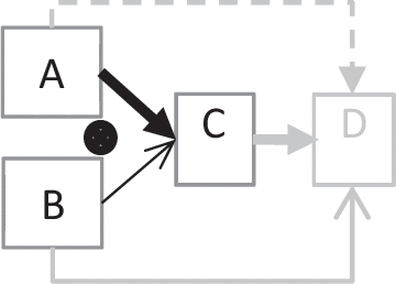 | Subgroup by policy period‡ | 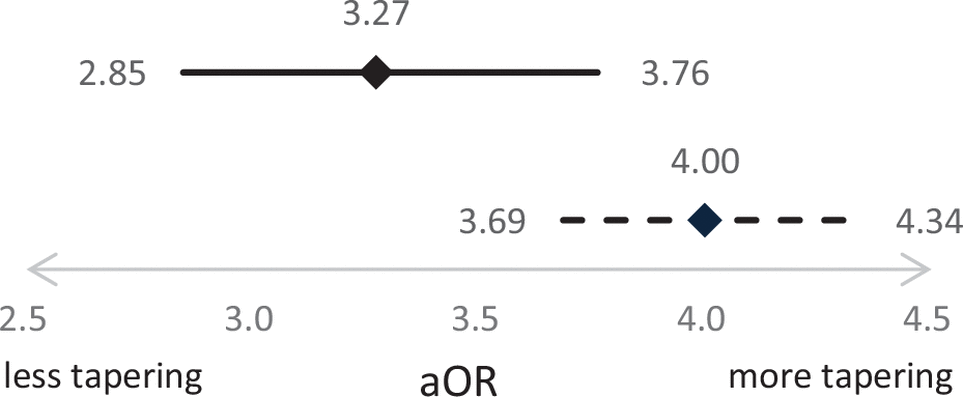 | ||||
| Effect of treatment duration ≥24 vs <24 months during pre-policy period | 3.27 | 2.85 | 3.76 | <0.0001 | ||
| Effect of treatment duration ≥24 vs <24 months during post-policy period | 4.00 | 3.69 | 4.34 | <0.0001 | ||
| Hypothesis 1-1 | Policy by treatment duration interaction | 4.00/3.27 = 1.2, 95% CI = (1.1, 1.4), p-value 0.012 | ||||
| Hypothesis 2-1 | Effect of post vs pre policy period in treatment duration <24 months | 1.08 | 0.97 | 1.19 | 0.159 | |
†
Adjusted for age, sex, comorbidities and advanced index therapy (abatacept, adalimumab, etanercept, golimumab, tocilizumab and tofacitinib).
‡
Tapering policy was fully effective after 1 April 2014.
RA treatments = advanced rheumatoid arthritis treatments.
A: Tapering policy: post-April 2014 vs pre-2014.
B: Treatment duration: ≧24 vs <24 months.
C: aRA treatment dose tapering: >50% vs <50% of previous max dose.
D: (Y1s) other treatments; (Y2s) cost outcomes.
aOR: Adjusted odds ratio; CI: confidence interval.
Figure 2 shows the result of the aRA dose tapering policy on other nonadvanced RA treatments. The dose-tapering policy, which regulates the use of aRA, was also associated with the use of other RA treatments, including the dose of steroids, the number of csDMARDs, DDDs of csDMARD per day and DDDs of NSAID per day. Notably, all four factors were significantly reduced after the policy was implemented in 2014, with relative reductions ranging 2–4%. These were unintended effects of implementing aRA dose-tapering policy (Hypothesis 2-2). These reductions were statistically significant in both subgroups defined by aRA duration <24 months and ≥24 months, except for the use of steroids in the treatment ≥24 months sub-group, which increased by 1.04 (p < 0.01) and the test for policy by treatment duration interaction reached statistical significance (p < 0.01).
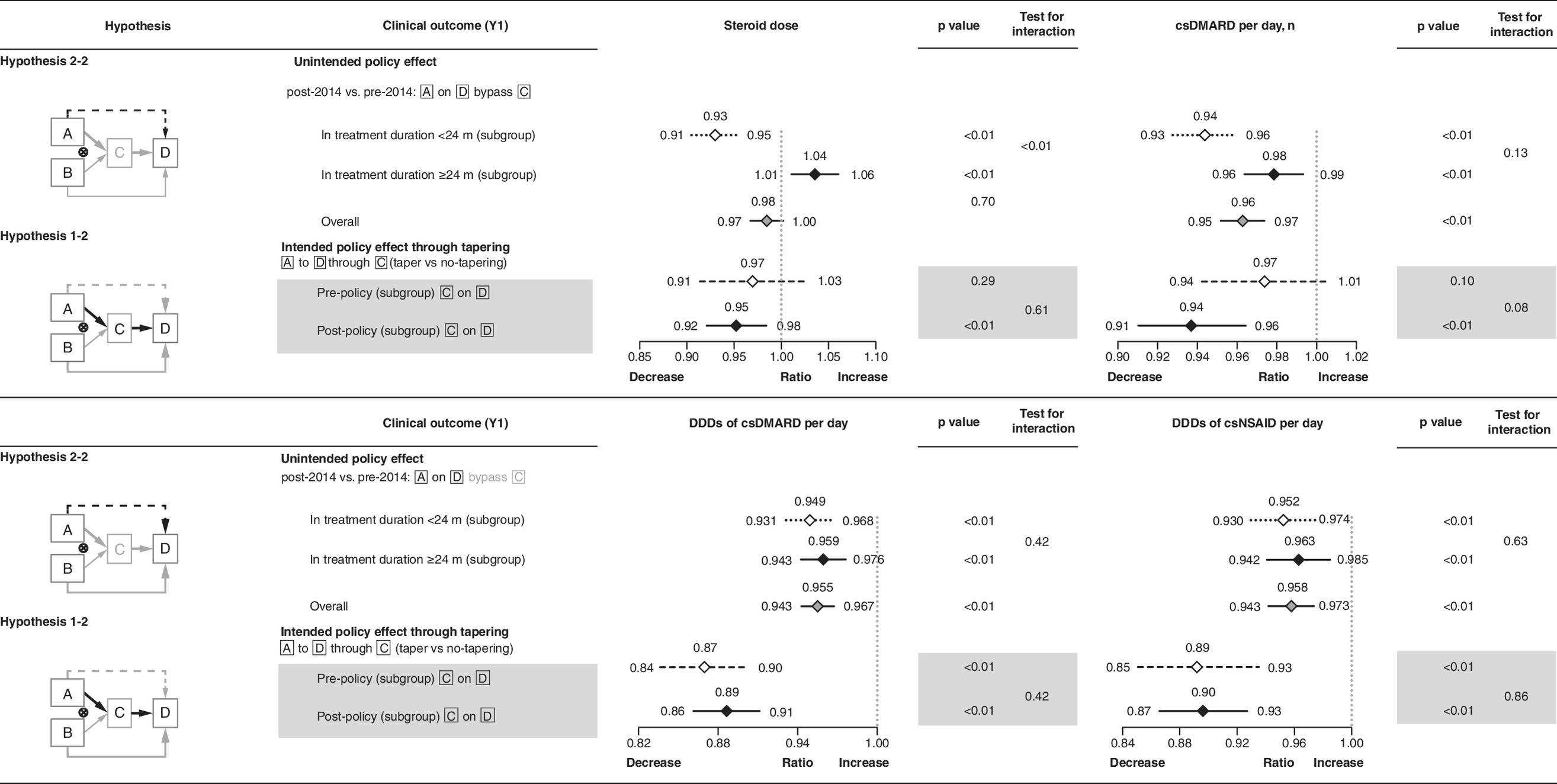
Figure 2. Unintended and intended indirect policy effects on clinical outcomes of using non-advanced rheumatoid arthritis treatment.
The analysis was adjusted for patient demographics, comorbidities and index aRA treatment (abatacept, adalimumab, etanercept, golimumab, tocilizumab and tofacitinib).
A: Tapering policy: Post-April 2014 versus Pre-2014.
B: Treatment duration: ≧24 versus <24 months.
C: aRA treatment dose tapering: >50% versus <50% of previous max dose.
D: (Y1s) other treatments; (Y2s) cost outcomes.
aRA: Advanced rheumatoid arthritis; csDMARD: Conventional synthetic disease-modifying antirheumatic drug; DDD: Defined daily dose; NSAID: Nonsteroid anti-inflammatory drug.
We also examined the effect of tapering aRA dose on non-aRA treatment (Hypothesis 1–2), which was considered the intended policy effect mediated indirectly through aRA treatment on those undergoing non-aRA treatments. A consistent reduction in non-aRA treatments was associated with tapering aRA dose; point estimates of aORs of all sub-groups ranged from 0.87 to 0.97, and no statistically significant tapering by policy interaction was observed (p = 0.08–0.86).
Figure 3 shows the result of the aRA dose tapering policy on costs. Implementing the aRA treatment dose-tapering policy was significantly associated with reduced medication costs without mediation through aRA treatment dose tapering (all: p < 0.01). This was considered an unintended effect of the policy (Hypotheses 2–3). These reductions were consistent for all causes and RA-related medication costs, and the relative reductions were at a consistent level of 7% in treatment reductions longer and shorter than 24 months. Tests for interaction were insignificant.
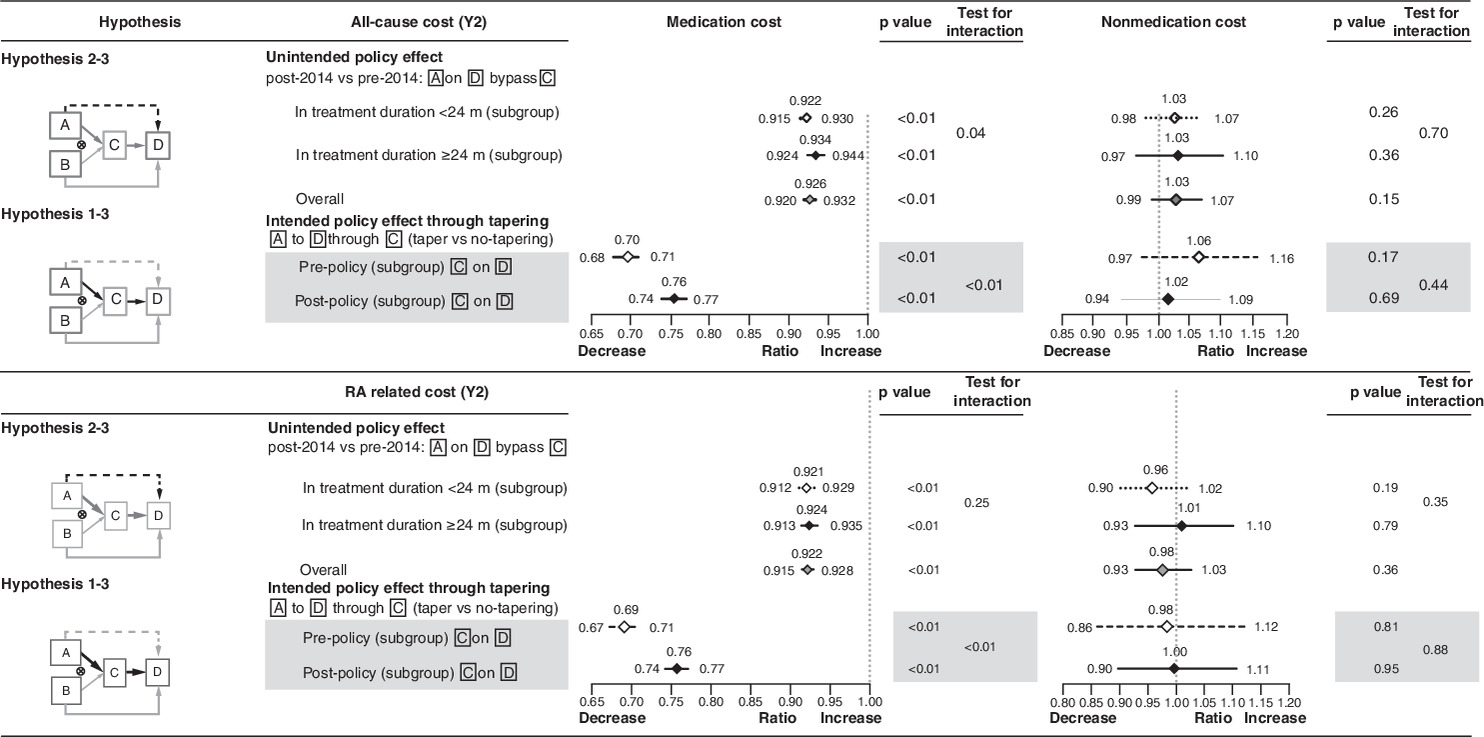
Figure 3. Unintended and intended indirect policy effects on all and rheumatoid arthritis related medical and nonmedical costs.
Analysis adjusted for patient demographics, comorbidities, the index advanced rheumatoid arthritis (aRA) treatments (abatacept, adalimumab, etanercept, golimumab, tocilizumab and tofacitinib), and the annual average price of the aRA.
A: Tapering policy: post-April 2014 versus pre-2014.
B: Treatment duration: ≧24 versus <24 months.
C: aRA treatment dose tapering: >50% versus <50% of previous max dose.
D: (Y1s) other treatments; (Y2s) cost outcomes.
For hypotheses 1–3, the intended (mediated) effect of aRA tapering prescription on cost significantly reduced all-cause and RA-related medication costs. The relative reductions were 24–31% (all: p < 0.01). Despite the significant reduction in costs following policy implementation, the level of relative reduction decreased from approximately 30% (prepolicy subgroup) to 24% (postpolicy subgroup), with a test for interaction showing p < 0.01 for both all-cause and RA-related medication costs. The association between policy implementation and nonmedication costs was insignificant, and no significant interaction was observed across all subgroups.
Discussion
The EULAR and ACR guidelines strongly recommend a treat-to-target treatment approach, which requires frequent monitoring of disease activity and treatment adjustment until remission or LDA is achieved [1,4]. The need to maintain long-term full-dose aRA till a predefined treatment target is reached has been a topic of debate. Once the inflammatory activity has been resolved, maintaining a minimum dose can effectively control the disease [1,22]. The concept of tapering aRA in RA treatment has been introduced in several guidelines and studies [1,4,23], and it may be necessary in clinical practice to enhance cost-effectiveness and minimize the risk of drug exposure [24,25], We aimed to provide data to evaluate the impact of dose tapering on clinical practice in a real-world setting.
To our knowledge, this study is the first nationwide investigation of the policy implications of aRA in patients with RA. In Taiwan, RA management is significantly influenced by the NHI reimbursement system [5]. In 2014, a dose tapering policy for aRA was introduced for RA treatment by the NHI, providing a unique opportunity for a natural experiment at a nationwide level with comprehensive coverage. Under the new reimbursement policy, prescription adjustments are enforced when the treatment duration reaches 24 months and patients are in a stable disease condition, subject to the clinical judgment of the prescribing physician; thus, not all patients will have their prescriptions reduced. In contrast, in the present study, we found that, even before the implementation of the reimbursement policy, dose tapering was commonly observed in patients who had received aRA for >24 months. The implementation of the tapering policy resulted in an additional but moderate increase in dose tapering, with the level of association increasing three to four-times, indicating a statistically significant difference. However, the policy implementation did not demonstrate a significant association with dose tapering prescriptions in patients who had received advanced therapy for <24 months. The observed prescription pattern in the real world aligned with the intention of the reimbursement policy.
The effect of the policy on clinical practice and cost outcomes is primarily an indirect consequence of changes in aRA prescriptions, which represents the intended effect of the policy. In our study, dose tapering, defined as a >50% reduction compared with the maximal dose for the same patient, was associated with reduced use of steroids, csDMARDs, and NSAIDs and lower total medical and medication costs. The change in aRA prescriptions did not significantly affect nonmedication costs in any scenario. These outcomes align with the policy's intent.
After implementing the tapering policy, we observed reduced medical costs associated with prescription changes. Before policy implementation, tapering aRA dose was associated with a 27% reduction in total medical costs; this reduction attenuated to 22% after the policy was implemented. The difference was statistically significant, suggesting a potential partial offset of the cost reduction resulting from tapering advanced therapy prescriptions in the context of the implemented policy.
This study referred to the effect of tapering policy on outcomes that bypass prescription changes as the unintended policy effect. We found that implementing the dose tapering policy resulted in a 7% reduction in steroid dose in patients with a treatment duration of <24 months. This reduction in steroid use was not within the intended scope of the policy. A possible explanation for this phenomenon is that the policy standardized the timing of aRA dose tapering. During the initial 24 months of treatment, physicians may have been more flexible in adjusting steroid use due to reduced concerns about the high cost of aRA and the need to maintain a suitable dose.
In contrast, implementing the policy was associated with a 4% increase in steroid dose among patients who received treatment for >24 months. This finding may reflect additional steroid use following aRA dose tapering. aRA dose tapering in accordance with policy requirements may have led to supplementary steroid use to maintain disease control. This pattern may reflect either a response to potential loss of disease control or a proactive adjustment in prescribing behavior to align with policy requirements. However, this interpretation remains limited given the absence of direct clinical outcome measures.
A similar trend of potential partial offset of the unintended policy effect was also observed, with a lesser reduction in the use of csDMARDs, NSAIDs and medication-related costs. The unintended policy effect on medication-related costs aligns with decreased cost reduction after policy implementation.
Our findings are consistent with those of several previous studies. For example, in the Dose Reduction Strategy of Subcutaneous (DRESS) tumor necrotic factor inhibitors (TNFi) trial [26], the dose reduction strategy was associated with cost reduction; however, a higher percentage of patients in the dose reduction group initiated csDMARDs or dose escalation and received intramuscular and intra-articular glucocorticoid injections than those in the usual care group. Similarly, in the Spacing of TNF-blocker injections in a Rheumatoid Arthritis Study trial, patients with RA in remission status who were administered TNFi at a stable dose for at least 6 months were randomly assigned to either continued maintenance or the TNFi injection spacing strategy [27]. The spacing strategy was associated with reduced costs but also a significantly high risk of disease relapse, which was defined as DAS28 >2.6 with an increase of >0.6 [28,29]. Another study comparing the clinical and economic impact of maintaining TNFi treatment versus dose tapering in patients with RA who achieved remission or LDA in real-world practice reported that dose tapering resulted in reduced healthcare-related costs but a shorter duration of sustained disease control [30]. These studies highlight the complex trade-off between cost reduction and maintaining disease control when implementing dose-tapering strategies in RA treatment.
Our study showed that implementing the NHI dose tapering policy in patients with LDA reduced healthcare costs and decreased the use of RA-related medications for most patients. However, a mandatory dose reduction can cause RA disease flare-ups in certain patients, which may be reflected by the increased steroid dose during the postpolicy phase. This increased steroid use may have counterbalanced the reduction of medication-related costs after policy implementation, possibly explaining why this reduction was less pronounced. These findings suggest that additional policies or strategies may be necessary to address the needs of patients with RA who may experience disease flare-ups postdose reduction.
The limitations of this study include the following. This was an observational study, and although we adjusted for some demographic and clinical factors to control potential confounding factors, other unmeasured confounding factors may still influence the associations related to tapering policies. We did not identify any strong confounding factors; however, using randomization to eliminate the influence of all potential confounding factors would be extremely challenging when evaluating the policy effects at a national scale. In addition, we did not perform an interrupted time-series analysis to explicitly model pre-policy trends and temporal changes; therefore, the observed findings may have been influenced by underlying secular trends and should be interpreted as associations rather than causal effects. The definition of dose tapering based on PDC may not fully distinguish intentional dose reduction from temporary treatment interruption or delayed prescription refills. In addition, this approach may not have fully captured clinical tapering strategies such as dose reduction or interval extension, and therefore may have missed more gradual tapering patterns. Changes in available aRA therapies over time may also have contributed to the observed changes in medication use and costs, despite adjustment for index therapy in the model. The application of multiple exclusion criteria may have affected the representativeness of the study population and limit the generalizability of the findings. Furthermore, the lack of direct measurement of RA disease severity, as indicated by the ACR criteria. Therefore, we relied on the use of RA medications other than aRA as an alternative measure. These measurements may not directly capture disease progression; however, there is a reasonable relationship between the two aspects, and medication utilization and costs were also relevant in understanding the impact of the policy. However, as these measures rely on proxy indicators rather than direct clinical outcomes, they may affect the estimation of the true clinical impact of the policy. The linkage of large-scale electronic medical records (EMRs) from multiple healthcare organizations, including NHIRD, is a developing trend, which may offer more direct information on clinical outcomes and will be necessary for further study.
Conclusion
In summary, before the advanced therapy tapering policy was implemented, there was a threefold increase in dose tapering prescriptions when the treatment duration reached 24 months. However, after the policy implementation, the dose tapering increased fourfold. Medication costs and other treatments for RA were associated with aRA dose tapering. However, our findings indicate a moderate partial offset of the cost reduction, reflecting both the intended and unintended effects of the policy. The results herein provide a comprehensive review of the impact of mandatory policies and outcomes of patients with RA in a real-world setting in Taiwan. At the time of this report, the tapering policy continues to be effective, and the findings of both the intended and unintended effects of the policy are expected to be upheld. Our findings could offer valuable insights for healthcare providers and policymakers of healthcare reimbursement when considering the use of aRA treatments.
Summary points
•
We provide a comprehensive review of the impact of mandatory policies and outcomes of patients with rheumatoid arthritis in a real-world setting in Taiwan.
•
Before implementation of the advanced-therapy tapering policy, a threefold increase was noted in dose tapering prescriptions when the treatment duration reached 24 months.
•
After policy implementation, the dose tapering increased fourfold.
•
Medication costs and other treatments for rheumatoid arthritis were associated with advanced rheumatoid arthritis dose tapering.
•
Our findings indicate partial offset of the cost reduction, reflecting both the intended and unintended effects of the policy.
Author contributions
K-J Li contributed to the study conception and design and provided clinical expertise in interpreting the findings. C-H Tang and C-L Chang were responsible for data acquisition, statistical analysis and interpretation of health policy implications. H-F Liao and P-J Yen contributed to data analysis, manuscript writing and project administration. W-Y Shau supervised the overall project, contributed to the study design and critically revised the manuscript. All authors reviewed and approved the final manuscript.
Acknowledgments
The authors thank Chia-Chien Chen, Chih-Yi Hsin, Chacun Lai and Lung-hung Kuo for assisting with data generation and valuable reviews.
Financial disclosure
This study was sponsored by Pfizer, Taiwan.
Competing interests disclosure
This study was sponsored by Pfizer. H-F Liao and P-J Yen are employees of Pfizer. The authors have no other competing interests or relevant affiliations with any organization or entity with the subject matter or materials discussed in the manuscript apart from those disclosed.
Writing disclosure
Editorial support and manuscript formatting support were provided by Anisha Kunder at Editage and were funded by Pfizer.
Ethical conduct of research
The study protocol was reviewed and exempted from approval by the Ethical Review Board of the National Taiwan University Hospital.
Data sharing statement
The datasets used and/or analyzed during the current study are available from the corresponding author on reasonable request.
Data transparency statement
The authors certify that this manuscript reports the original results of a real-world evidence study. A prespecified study protocol was developed and is not publicly available. No preregistration was reported for this study. The underlying data and analytic code used in the analysis are not publicly available. Reporting checklists were not provided for this manuscript.
Open access
This work is licensed under the Attribution-NonCommercial-NoDerivatives 4.0 Unported License. To view a copy of this license, visit https://creativecommons.org/licenses/by-nc-nd/4.0/
Supplementary Material
File (supplementary material.docx)
References
Papers of special note have been highlighted as: • of interest; •• of considerable interest
1.
Fraenkel L, Bathon JM, England BR et al. 2021 American College of Rheumatology guideline for the treatment of rheumatoid arthritis. Arthritis Care Res. 73(7), 924–939 (2021).
•• Provides updated evidence-based recommendations for rheumatoid arthritis (RA) pharmacologic treatment, including considerations relevant when adjusting therapy in patients with controlled disease.
2.
Ho CTK, Mok CC, Cheung TT, Kwok KY, Yip RML; Hong Kong Society of Rheumatology. Management of rheumatoid arthritis: 2019 updated consensus recommendations from the Hong Kong Society of Rheumatology. Clin. Rheumatol. 38(12), 3331–3350 (2019).
3.
Singh JA, Saag KG, Bridges SL Jr et al. 2015 American College of Rheumatology guideline for the treatment of rheumatoid arthritis. Arthritis Rheumatol. 68(1), 1–26 (2016).
4.
Smolen JS, Landewé RBM, Bijlsma JWJ et al. EULAR recommendations for the management of rheumatoid arthritis with synthetic and biological disease-modifying antirheumatic drugs: 2019 update. Ann. Rheum. Dis. 79(6), 685–699 (2020).
•• Outlines recommended RA treatment strategies with advanced treatments, including guidance applied when modifying treatment regimens in stable disease.
5.
Wang BCM, Hsu P-N, Furnback W et al. Estimating the economic burden of rheumatoid arthritis in Taiwan using the National Health Insurance database. Drugs Real World Outcomes 3(1), 107–114 (2016).
6.
Chen D-Y, Lau CS, Elzorkany B et al. Dosing down and then discontinuing biologic therapy in rheumatoid arthritis: a review of the literature. Int. J. Rheum. Dis. 21(2), 362–372 (2018).
• Summarizes published studies on tapering or discontinuing biologic therapy in RA, providing an overview of approaches to reducing treatment dose.
7.
Jiang M, Ren F, Zheng Y et al. Efficacy and safety of down-titration versus continuation strategies of biological disease-modifying anti-rheumatic drugs in patients with rheumatoid arthritis with low disease activity or in remission: a systematic review and meta-analysis. Clin. Exp. Rheumatol. 35(1), 152–160 (2017).
•• This systematic review compares outcomes between reduced-dose and full-dose biologic strategies in RA, summarizing evidence on dose-adjustment practices.
8.
Verhoef LM, Tweehuysen L, Hulscher ME, Fautrel B, den Broeder AA. bDMARD dose reduction in rheumatoid arthritis: a narrative review with systematic literature search. Rheumatol. Ther. 4(1), 1–24 (2017).
• This narrative review describes clinical experiences and existing evidence related to dose reduction of biologic DMARDs in RA.
9.
Verhoef LM, van den Bemt BJ, van der Maas A et al. Down-titration and discontinuation strategies of tumour necrosis factor-blocking agents for rheumatoid arthritis in patients with low disease activity. Cochrane Database Syst. Rev. 5(5), CD010455 (2019).
10.
Bertrand D, Stouten V, De Cock D et al. Tapering of etanercept is feasible in patients with rheumatoid arthritis in sustained remission: a pragmatic randomized controlled trial. Scand. J. Rheumatol. 51(6), 470–480 (2022).
11.
Emery P, Hammoudeh M, FitzGerald O et al. Sustained remission with etanercept tapering in early rheumatoid arthritis. N. Engl. J. Med. 371(19), 1781–1792 (2014).
12.
Raffeiner B, Botsios C, Ometto F et al. Effects of half dose etanercept (25 mg once a week) on clinical remission and radiographic progression in patients with rheumatoid arthritis in clinical remission achieved with standard dose. Clin. Exp. Rheumatol. 33(1), 63–68 (2015).
13.
Smolen JS, Nash P, Durez P et al. Maintenance, reduction, or withdrawal of etanercept after treatment with etanercept and methotrexate in patients with moderate rheumatoid arthritis (PRESERVE), a randomised controlled trial. Lancet 381(9870), 918–929 (2013).
14.
Smolen JS, Pedersen R, Jones H, Mahgoub E, Marshall L. Impact of flare on radiographic progression after etanercept continuation, tapering or withdrawal in patients with rheumatoid arthritis. Rheumatol. (Oxf. Engl.) 59(1), 153–164 (2020).
15.
Tanaka Y, Smolen JS, Jones H, Szumski A, Marshall L, Emery P. The effect of deep or sustained remission on maintenance of remission after dose reduction or withdrawal of etanercept in patients with rheumatoid arthritis. Arthritis Res. Ther. 21(1), 164 (2019).
16.
van Herwaarden N, van der Maas A, Minten MJM et al. Disease activity guided dose reduction and withdrawal of adalimumab or etanercept compared with usual care in rheumatoid arthritis: open label, randomised controlled, non-inferiority trial. BMJ 350, h1389 (2015).
17.
van Vollenhoven RF, Østergaard M, Leirisalo-Repo M et al. Full dose, reduced dose or discontinuation of etanercept in rheumatoid arthritis. Ann. Rheum. Dis. 75(1), 52–58 (2016).
18.
Inui K, Koike T, Tada M et al. Clinical and radiologic analysis of on-demand use of etanercept for disease flares in patients with rheumatoid arthritis for 2 years: the RESUME study: a case-control study. Medicine 97(38), e12462 (2018).
19.
Komiya T, Takase-Minegishi K, Sakurai N et al. Dose down-titration of biological disease-modifying antirheumatic drugs in daily clinical practice: shared decision-making and patient treatment preferences in Japanese patients with rheumatoid arthritis. Int. J. Rheum. Dis. 22(11), 2009–2016 (2019).
20.
Mori S, Ueki Y. Outcomes of dose reduction, withdrawal, and restart of tofacitinib in patients with rheumatoid arthritis: a prospective observational study. Clin. Rheumatol. 38(12), 3391–3400 (2019).
21.
Ogrinc G, Davies L, Goodman D, Batalden P, Davidoff F, Stevens DS. SQUIRE 2.0 (Standards for QUality Improvement Reporting Excellence), revised publication guidelines from a detailed consensus process. BMJ Qual. Saf. 25(12), 986–992 (2016).
22.
González-Álvaro I, Martínez-Fernández C, Dorantes-Calderón B et al. Spanish Rheumatology Society and Hospital Pharmacy Society Consensus on recommendations for biologics optimization in patients with rheumatoid arthritis, ankylosing spondylitis and psoriatic arthritis. Rheumatol. (Oxf. Engl.) 54(7), 1200–1209 (2015).
23.
Lau CS, Gibofsky A, Damjanov N et al. Down-titration of biologics for the treatment of rheumatoid arthritis: a systematic literature review. Rheumatol. Int. 37(11), 1789–1798 (2017).
24.
Hansel K, Bianchi L, Lanza F, Bini V, Stingeni L. Adalimumab dose tapering in psoriasis: predictive factors for maintenance of complete clearance. Acta Derm. Venereol. 97(3), 346–350 (2017).
25.
Chan SJ, Stamp LK, Liebergreen N, Ndukwe H, Marra C, Treharne GJ. Tapering biologic therapy for rheumatoid arthritis: a qualitative study of patient perspectives. Patient 13(2), 225–234 (2020).
26.
Kievit W, van Herwaarden N, van den Hoogen FH et al. Disease activity-guided dose optimisation of adalimumab and etanercept is a cost-effective strategy compared with non-tapering tight control rheumatoid arthritis care: analyses of the DRESS study. Ann. Rheum. Dis. 75(11), 1939–1944 (2016).
•• Evaluates biologic dose adjustments guided by disease-activity monitoring in RA, offering data relevant to clinical strategies involving reduced dosing.
27.
Vanier A, Mariette X, Tubach F, Fautrel B; STRASS Study Group. Cost-effectiveness of TNF-blocker injection spacing for patients with established rheumatoid arthritis in remission: an economic evaluation from the spacing of TNF-blocker injections in rheumatoid arthritis trial. Value Health 20(4), 577–585 (2017).
28.
Fautrel B, Pham T, Alfaiate T et al. Step-down strategy of spacing TNF-blocker injections for established rheumatoid arthritis in remission: results of the multicentre non-inferiority randomised open-label controlled trial (STRASS: spacing of TNF-blocker injections in rheumatoid arthritis Study). Ann. Rheum. Dis. 75(1), 59–67 (2016).
• This randomized trial investigates the effects of extending injection intervals for tumor necrotic factor-blocker therapy in RA, presenting evidence on altered dosing schedules.
29.
Birkner B, Rech J, Stargardt T. Cost-utility analysis of de-escalating biological disease-modifying anti-rheumatic drugs in patients with rheumatoid arthritis. PLoS ONE 15(1), e0226754 (2020).
30.
Aletaha D, Snedecor SJ, Ektare V, Xue M, Bao Y, Garg V. Clinical and economic analysis of outcomes of dose tapering or withdrawal of tumor necrosis factor-α inhibitors upon achieving stable disease activity in rheumatoid arthritis patients. Clinicoecon. Outcomes Res. 9, 451–458 (2017).
Information & Authors
Information
Published In
Copyright
© 2026 The authors. This work is licensed under the Attribution-NonCommercial-NoDerivatives 4.0 Unported License
History
Received: 26 January 2026
Accepted: 1 July 2026
Published online: 30 July 2026
Keywords:
Topics
Authors
Metrics & Citations
Metrics
Article Usage
Article usage data only available from February 2023. Historical article usage data, showing the number of article downloads, is available upon request.
Citations
How to Cite
Effect of dose tapering policy on the prescription of advanced therapy for rheumatoid arthritis: a retrospective analysis of clinical and cost outcomes in Taiwan. (2026) Journal of Comparative Effectiveness Research. DOI: 10.57264/cer-2026-0020
Export citation
Select the citation format you wish to export for this article or chapter.