

Indirect treatment comparisons find enhanced effectiveness of pegcetacoplan versus crovalimab in both complement inhibitor-naïve and -experienced patients with paroxysmal nocturnal hemoglobinuria
Publication: Journal of Comparative Effectiveness Research
Abstract
Aim: Paroxysmal nocturnal hemoglobinuria (PNH) is an ultra-rare hematological condition, which if undertreated, is associated with significant morbidity and early mortality. This indirect treatment comparison (ITC) evaluated the effectiveness of pegcetacoplan (the first approved proximal inhibitor) versus crovalimab, a new C5i inhibitor (C5i), for treatment of PNH in C5i-naive and C5i-experienced patients. Materials & methods: In the C5i-naive, an unanchored matching-adjusted indirect comparison (MAIC) was conducted with patient-level data for pegcetacoplan-versus-best-supportive-care from PRINCE (NCT0408560) and published data for crovalimab-versus-eculizumab from COMMODORE 2 (NCT04434092)/COMMODORE 3 (NCT04654468). In the C5i-experienced ITC (Bucher’s method), patient-level data were from PEGASUS (NCT03500549; pegcetacoplan vs eculizumab) and aggregated data from COMMODORE 1 (NCT04432584; crovalimab-vs-eculizumab). Evaluated outcomes in both settings included red-blood-cell transfusion-avoidance; hemoglobin (Hb) stabilization; hemolysis control; mean change-from-baseline on Functional Assessment of Chronic Illness Therapy–Fatigue total scores; additionally, the C5i-experienced ITC evaluated, mean change-from-baseline to week-25 for red blood cell units and domain scores on the European Organization for Research and Treatment of Cancer instrument. Results: Pegcetacoplan versus crovalimab in the C5i-naive was associated with significantly (p < 0.05) higher probabilities of transfusion-avoidance and Hb stabilization, and greater odds of hemolysis control. In the C5i-experienced, all outcomes significantly (p < 0.05) favored pegcetacoplan. Conclusion: Pegcetacoplan provides high clinical advantages across the full PNH treatment pathway.
Plain language summary
What is this article about?
Paroxysmal nocturnal hemoglobinuria (PNH) is an ultra-rare blood condition, which if undertreated, can progress and lead to severe health complications and early death. To help physicians and other healthcare decisionmakers choose the appropriate drug for PNH, this study looked at the effectiveness of pegcetacoplan (the first approved drug in the class of proximal inhibitors) versus crovalimab (a new drug in a class of drugs called C5 inhibitors), for treatment of PNH in patients with and without prior treatment with C5 inhibitors.
What methodology/protocol is described?
Because there are no head-to-head (or direct) comparisons for these two drugs, this study used a method called indirect comparison, using data from each of the drug’s separate clinical studies. The effectiveness of each drug was compared by looking at blood transfusion avoidance, red blood cell (RBC) stabilization, red blood cell destruction and fatigue. For patients who had prior treatment with C5 inhibitors, the study also evaluated their health-related quality of life.
What were the results?
The study showed that pegcetacoplan patients who never had prior C5 inhibitor treatment were more likely than crovalimab patients to avoid transfusions, while also experiencing RBC stabilization and control of RBC destruction. Pegcetacoplan patients who had prior treatment with C5 inhibitors had better results for effectiveness on all the measures studied.
Why is this important?
This study may assist physicians and other healthcare decisionmakers choose the most appropriate treatments for patients with PNH.
Paroxysmal nocturnal hemoglobinuria (PNH) is an ultra-rare, acquired, nonmalignant hematological condition that presents with hemolytic anemia, risk of thrombosis and symptoms such as fatigue, dyspnea, hemoglobinuria and dysphagia [1]. The condition is attributed to a clonal abnormality of hematopoietic stem cells whereby a somatic mutation in the PIGA gene leads to the absence of glycosylphosphatidylinositol (GPI) anchors and GPI-anchor-bound molecules expressed on stem cell membranes [2]. Loss of GPI anchors on hematopoietic stem cells leads to under expression of various surface proteins on mature blood cells [3]. This in turn causes unregulated complement activation on membrane-bound complement regulators across the classical, lectin and alternative pathways [3] and through the complement cascade, from complement 3 (C3) to complement 5 (C5) convertase formation and terminal complement complex/membrane attack complex (MAC) formation on red blood cells (RBCs) [4,5]. At this final MAC formation, direct cell lysis (i.e., intravascular hemolysis [IVH]) [6] occurs, in addition to activation of leukocytes and platelets, which can eventually lead to thrombosis [7,8].
Historically, monoclonal antibodies comprising C5 inhibitors (C5i) had been the standard therapeutic approach for addressing the IVH that presents with PNH [9]. Acting on the terminal segment of the complement cascade, C5i treatments aim to prevent C5 cleavage and thereby the formation of the terminal MAC [10,11]. However, activation of the proximal complement cascade continues unchecked and leads to C3-fragment opsonization, resulting in phagocytosis in the liver and spleen (i.e., uncontrolled emergence of C3-mediated extravascular hemolysis) and residual IVH [10–12]. Clinical outcomes from this lack of proximal inhibition of the cascade have included ongoing significant anemia (Hb <100 g/l) [1] and a sustained requirement for RBC transfusions [6,13–15] in up to 50% [16,17] of patients, and in association, significant fatigue and decreased health-related quality-of-life [14,18,19].
The introduction of pegcetacoplan transformed the PNH treatment paradigm [20]. A pegylated peptide molecule targeting the proximal cascade, binding to and inhibiting C3 and C3b complement proteins, pegcetacoplan was the first approved proximal inhibitor for the treatment of PNH [21–24]. The monotherapy is indicated for both C5i treatment-naive and C5i treatment-experienced adult patients [22–24]. The clinical value of pegcetacoplan is backed by an abundance of evidence from clinical trials (including pivotal studies [13,25] and long-term extensions [26,27]) and real-world studies [28–33], showing regulation of both IVH and extravascular hemolysis [6] and overall improved PNH disease control.
Crovalimab is a new C5i treatment based on sequential monoclonal antibody recycling technology (RO7112689 or SKY59; Chugai Pharmaceutical) that uses pH-dependent binding to target C5 [34]. In Europe, crovalimab is indicated for the treatment of patients (≥12 years of age with a weight of ≥40 kg) with PNH and hemolysis who are clinically stable after treatment with a C5i for at least 6 months [35].
The efficacy, safety and effectiveness of pegcetacoplan have been demonstrated in direct comparisons versus the first-generation C5i, eculizumab and indirectly versus ravulizumab [13,36–38]. However, with the availability of crovalimab and the mode of administration specifically provided by this new C5i, a separate evaluation of comparative efficacy is necessary to inform evidence-based medicine across the PNH treatment pathway. Given the lack of evidence from a head-to-head randomized controlled trial (RCT) of pegcetacoplan versus crovalimab, an indirect treatment comparison (ITC) offers a pragmatic solution in its place [39–43]. The study herein evaluates, through ITCs, pegcetacoplan versus crovalimab for the treatment of PNH in patients who are C5i-naive, and in patients who have been previously treated with C5i (C5i-experienced).
Materials & methods
The ITCs used data from a set of Phase III, multicenter, open-label, randomized trials of pegcetacoplan and crovalimab in each of the patient populations.
Trial designs
C5i-naive
The analysis in the C5i-naive setting (Table 1) used PRINCE (NCT04085601) [25] patient-level data for pegcetacoplan, and published, aggregated outcomes data from COMMODORE 2 (NCT04434092) [34] and COMMODORE 3 (NCT04654468) for crovalimab [44]. PRINCE was a 26-week open-label trial of pegcetacoplan monotherapy versus best supportive care (BSC, excluding C5i) in C5i-naive (i.e., not treated with C5i in the past 3 or more months) adults with PNH [25] COMMODORE 2 (NCT04434092) [34] was a 25-week open-label trial of crovalimab versus eculizumab; COMMODORE 3 (NCT04654468) [44] was an open-label, single-arm trial conducted in China that evaluated crovalimab across a 24-week core treatment period. Both trials were in C5i-naive adult patients. Designs of all trials have been previously published [25,34,44], and key details are outlined in Supplementary Table 1.
| Characteristics | COMMODORE 3 | PRINCE before exclusion | PRINCE after exclusion | ||
|---|---|---|---|---|---|
| Crovalimab (N = 51) | Pegcetacoplan (N = 35) | p-value† Pegcetacoplan vs crovalimab | Pegcetacoplan (n = 13) | p-value† Pegcetacoplan vs crovalimab | |
| Median age, years (range) | 31 (15–58) | 39 (22–67) | n/a | 45 (32–66) | n/a |
| <18 years of age, n (%) | 3 (5.8) | 0 | 0.267 | 0 | 1.000 |
| Female, n (%) | 29 (56.9) | 16 (45.7) | 0.381 | 6 (46.2) | 0.544 |
| Median weight, kg (range) | 60.0 (48.9–96.0) | 63.0 (41.0–95.0) | n/a | 61.8 (41.0–95.0) | n/a |
| Median time since diagnosis, years (range) | 7.1 (0.7–18.2) | 3.4 (0.1–27.0) | n/a | 9.1 (0.4–27.0) | n/a |
| Asian, n (%) | 51 (100.0) | 23 (65.7) | <0.001 | 9 (69.2) | 0.001 |
| Received RBC transfusion in 12 months before screening, n (%) | 51 (100.0) | 29 (82.9) | 0.003 | 13 (100.0) | 1.000 |
| Median RBCs transfused ≤12 months prior to screening, units (range) | 16 (8.0–50.5) | 5 (0.0–34.0) | n/a | 11 (5.0–34.0) | n/a |
| History of aplastic anemia, n (%) | 19 (37.3) | 5 (14.3) | 0.027 | 1 (7.7) | 0.048 |
| Mean baseline platelet count, 109/l (SD) | 143.9 (80.7) | 189.8 (119.2) | 0.047 | 194.5 (180.1) | 0.323 |
| Mean baseline neutrophil count, 109/l (SD) | 2.70 (1.64) | 2.91 (1.57) | 0.550 | 2.78 (1.66) | 0.876 |
| Mean baseline FACIT-Fatigue score (95% CI) | 31.8 (29.3; 34.3) | 36.3 (32.8; 39.9) | 0.042 | 37.5 (31.9; 43.0) | 0.066 |
| Mean baseline Hb, g/dl (SD) | 8.4 (1.0) | 9.4 (1.4) | <0.001 | 8.9 (0.6) | 0.022 |
| Mean baseline LDH, ULN (SD) | 9.3 (2.8) | 9.2 (3.9) | 0.896 | 9.2 (4.3) | 0.937 |
| Patients with baseline LDH >4 × ULN, n (%) | 50 (98.0%) | 33 (94.3%) | 0.564 | 11 (84.6%) | 0.102 |
| Mean baseline reticulocyte count, 109/l (SD) | 217.9 (81.3) | 218.9 (80.9) | 0.955 | 210.0 (109.8) | 0.808 |
†
Fisher’s exact test for binary variables, Z test for continuous variables.
FACIT: Functional Assessment of Chronic Illness Therapy; Hb: Hemoglobin; LDH: Lactate dehydrogenase; RBC: Red blood cell; SD: Standard deviation; ULN: Upper limit of normal.
Conducting the ITC required consideration of the differences in trial populations and designs between PRINCE and COMMODORE. A key eligibility criterion for COMMODORE 3 required patients to have had at least 4 transfusions in the 12 months prior to the trial, whereas PRINCE had no transfusion-based requirement. The COMMODORE 3 transfusion criterion necessitated patient harmonization of PRINCE to COMMODORE 3 by excluding patients from PRINCE who received fewer than 4 transfusions during the 12 months before the trial (Table 1). Although the trials differed on other inclusion criteria regarding baseline weight and lactate dehydrogenase (LDH) level, no participants of the PRINCE trial were affected by the stipulations (Table 1), and therefore no further exclusions were needed.
The eligibility criteria for the COMMODORE 2 trial were comparable to those applied in PRINCE; therefore, there was no need for harmonization on inclusion/exclusion criteria between these two trials (Supplementary Table 3).
C5i-experienced
For the C5i-experienced population, pegcetacoplan patient-level data were drawn from PEGASUS (NCT03500549), a 16-week multicenter RCT of adults (aged ≥18 years) with Hb <10.5 g/dl while on stable doses of eculizumab for ≥3 months [13]. The PEGASUS baseline was before the 4-week run-in phase, during which all patients received both pegcetacoplan and eculizumab. Thereafter, during the 16-week randomized controlled period, patients were randomly assigned to receive either pegcetacoplan monotherapy or eculizumab monotherapy. Hence, outcomes measured as change from baseline to the end of randomized controlled period.
For crovalimab, aggregated outcomes data were from the 24-week RCT, COMMODORE 1 (NCT04432584) versus eculizumab in adults with PNH who had adequately controlled IVH on approved eculizumab dosing [45,46]. Patients were randomly assigned to treatments immediately after screening with no run-in period, and all efficacy end points were exploratory only [45,46].
Designs of both PEGASUS [13] and COMMODORE 1 trials [45,46] have been previously published and are summarized in Supplementary Table 2. The trials had several differences in eligibility criteria which required consideration for the ITC. PEGASUS recruited patients with Hb <10.5 g/dl, whereas COMMODORE 1 required Hb of >7 g/dl, and excluded patients with Hb ≤9 g/dl with concurrent signs and symptoms of anemia. COMMODORE 1 also required patients to have a body weight of ≥40 kg and an LDH level ≤1.5-times the upper limit of normal. While PEGASUS did not stipulate criteria on these parameters, the eligibility criteria for platelet count were slightly more restrictive (>50,000/μl) than COMMODORE 1 (>30,000/μl). Hence, for harmonization, PEGASUS participants were excluded if they did not meet the eligibility criteria applied in COMMODORE 1.
Statistical analysis
C5i-naive
A key consideration for analysis in the C5i-naive setting was the lack of a common comparator (e.g., eculizumab) between the pegcetacoplan and crovalimab trials; this lack of a connected network of evidence disallowed an anchored ITC [40]. Therefore, an unanchored matching-adjusted indirect comparison (MAIC) suited the analytic requirements in consideration of the study designs and availability of PRINCE patient-level data. MAIC is a method of choice for comparison of treatments among disconnected evidence networks, including nonrandomized, single-arm trials [47,48] For the C5i-naive evaluation, two MAIC models were applied for the regressions (described in Supplementary Table 4).
A further analytic consideration was the differing definitions of the efficacy outcomes measured (Table 3); however, the availability of PRINCE patient-level data enabled alignment of all outcome definitions to those of the COMMODORE trials except breakthrough hemolysis (BTH), which was not evaluated due to measurement disparities (Table 3).
| Characteristics | COMMODORE 1 | PEGASUS | ||||
|---|---|---|---|---|---|---|
| Raw | Harmonized | |||||
| Crovalimab (n = 45) | Eculizumab (n = 44) | Pegcetacoplan (n = 41) | Eculizumab (n = 39) | Pegcetacoplan (n = 33) | Eculizumab (n = 31) | |
| Median age, years (range) | 42 (21–81) | 49 (22–85) | 53 (19–81) | 47 (23–78) | 51 (19–81) | 50 (27–78) |
| Male, n (%) | 21 (47) | 22 (50) | 14 (34.1) | 17 (43.6) | 11 (33.3) | 13 (41.9) |
| Median weight, kg (range) | 80.0 (45.2–120.0) | 75.1 (47.2–126.4) | 73.2 (53.2–155.7) | 71.6 (51.0–111.6) | 73.2 (53.2–155.7) | 75.4 (51.0–100.4) |
| Race, n (%) Asian Black White Other/unknown | 9 (20) 2 (4) 34 (76) 2 (4) | 7 (16) 1 (2) 32 (73) 4 (9) | 5 (12) 2 (5) 24 (59) 10 (24) | 7 (18) 0 25 (64) 7 (18) | 4 2 19 8 | 4 0 21 6 |
| RBC transfusions within previous 12 months, n (%) | 10 (23) | 11 (25) | 31 (76) | 29 (74) | 23 | 23 |
| Median time from PNH diagnosis to enrolment, years (range) | 6 (0–27) | 10 (1–28) | 6.0 (1–31) | 9.7 (1–38) | 6.0 (1–31) | 10.0 (1–38) |
| Median Hb, g/dl (range) | 11.3 (7.2–15.3) | 10.7 (6.8–14.4) | 8.6 (6.0–10.8) | 8.8 (6.9–10.1) | 8.72 (7.3–10.8) | 9.0 (7.0–9.97) |
| Mean LDH × ULN (SD) | 1.06 (0.28)† | 1.00 (0.24)† | 1.14 (0.43) | 1.37 (1.26) | 0.98 (0.23) | 0.90 (0.15) |
†
p < 0.01
Hb: Hemoglobin; LDH: Lactate dehydrogenase; PNH: Paroxysmal nocturnal hemoglobinuria; RBC: Red blood cell; SD: Standard deviation; ULN: Upper limit of normal.
| Efficacy end point | PRINCE† | COMMODORE 2 | COMMODORE 3 |
|---|---|---|---|
| Hb stabilization | The avoidance of a >1 g/dl decrease in Hb levels from baseline to week 26 | The avoidance of a ≥2 g/dl decrease in Hb level from baseline, in the absence of transfusion | • The avoidance of a ≥2 g/dl decrease in Hb level from baseline, in the absence of transfusion. • Participants withdrawing before week 25 were deemed to not have Hb stabilization. |
| Transfusion avoidance | No transfusions during the 26-week RCP | Patients who are RBC transfusion-free and do not require transfusion per protocol-specified guidelines. | • Participants who were RBC transfusion-free and did not require transfusion per protocol-specified guidelines from baseline through week 25. |
| Hemolysis control | LDH ≤1.5 × ULN during 26- week RCP | LDH ≤1.5 × ULN from week 5 to week 25 | • LDH ≤1.5 × ULN from week 5 to week 25. • The population-average percentage of responders estimated using a GEE with the binary indicator for hemolysis control as dependent variable. Independent variables included categorical effects of visits, and continuous baseline LDH. • ULN for LDH was defined as 234 U/l for adults, 230 U/l for adolescents. |
| Mean change from baseline in FACIT-Fatigue score | Change from baseline to week 17 in FACIT-Fatigue scale score | Mean change in fatigue (timeframe: baseline up to week 25) assessed on FACIT-Fatigue score | • Change from baseline to week 17 in FACIT-Fatigue scale score. • Assessed in participants ≥18 years old. |
| Breakthrough hemolysis | Hemolytic events collected based on reported adverse events | Defined as at least one new or worsening symptom or sign of intravascular hemolysis (fatigue, hemoglobinuria, abdominal pain, shortness of breath [dyspnea], anemia [Hb <10 g/dl]) | New or worsening symptom or sign of intravascular hemolysis (fatigue, hemoglobinuria, abdominal pain, shortness of breath, anemia, MAVE [including thrombosis], dysphagia or erectile dysfunction) in the presence of elevated LDH ≥ 2 × ULN after a prior LDH reduction to ≤1.5 × ULN from the start of study treatment. |
†
PRINCE patient-level data were used to align definition of outcomes to COMMODORE trials.
AE: Adverse event; FACIT: Functional Assessment of Chronic Illness Therapy; GEE: Generalized estimating equations; Hb: Hemoglobin; LDH: Lactate dehydrogenase; MAVE: Major adverse vascular events; NA: Not available; RBC: Packed red blood cell; RCP: Randomized control period; ULN: Upper limit of normal.
Evaluation of treatment outcomes (defined in Table 3) included the following outcomes and analytic approaches:
•
Hemolysis control (LDH ≤1.5 × ULN): estimates for odds of response were based on generalized equation models.
•
Transfusion avoidance and Hb stabilization (avoidance of a ≥2 g/dl decrease in Hb levels in absence of transfusion): relative risk and risk difference were used, respectively, given nonestimable variances for odds ratios.
•
Functional Assessment of Chronic Illness Therapy – Fatigue Scale (FACIT-Fatigue) total scores were evaluated in terms of mean change from baseline.
Finally, if the effective sample sizes after matching were deemed to be excessively limited, meta-analysis was considered, evaluating the outcomes of COMMODORE 2 and COMMODORE 3 relative to those of PRINCE.
C5i-experienced
Several differences were identified between PEGASUS and COMMODORE 1 (Table 4) in the definitions of the outcomes of transfusion avoidance, Hb stabilization and hemolysis control (at week 16 for PEGASUS; at week 25 for COMMODORE 1). Using patient-level data from PEGASUS, outcomes were redefined and measured as change from baseline to week 16 (Table 4). Other outcomes, measured as change from baseline to end-of-study in both trials, were comparable and included patient-reported outcomes (PROs; FACIT-Fatigue total scores and European Organization for Research and Treatment of Cancer core quality of life questionnaire [EORTC QLQ-C30] [46,49] scores on role, physical and global health status/quality of life domains) and number of RBC units transfused. Finally, BTH was not evaluated due to disparities in measurement, which could not be aligned (see Table 4).
| Efficacy end point | PEGASUS | COMMODORE 1 |
|---|---|---|
| Transfusion avoidance | Proportion of participants who did not require a transfusion through week 16 | Proportion of participants with RBC transfusion free from baseline through week 25 |
| Hb stabilization | The avoidance of a >1 g/dl decrease in Hb levels from baseline to week 16† | Avoidance of a ≥2 g/dl decrease in Hb level, in the absence of transfusion through week 25 |
| Hemolysis control | LDH ≤1.5 × ULN during 16-week RCP† | LDH level ≤1.5 × ULN through week 25 |
| Breakthrough hemolysis | Hemolytic events collected based on reported adverse events | Having a breakthrough hemolysis event from baseline to Week 25 (≥1 new or worsening symptom or sign of intravascular hemolysis [fatigue, hemoglobinuria, abdominal pain, dyspnea, anemia [hemoglobin <10 g/dl], major adverse vascular event including thrombosis, dysphagia or erectile dysfunction] in the presence of elevated LDH >2 × ULN after prior reduction of LDH to ≤1.5 × ULN on treatment) |
| RBC units transfused, n | Mean number of RBC units transfused from baseline to week 16‡ | Mean number of RBC units transfused from baseline to week 25 |
| FACIT-Fatigue score | Change from baseline to week 16‡ | Change from baseline to week 25 |
| EORTC QLQ-C30 (Physical) | Change from baseline to week 16‡ | Change from baseline to week 25 |
| EORTC QLQ-C30 (Role) | Change from baseline to week 16 | Change from baseline to week 25 |
| EORTC QLQ-C30 (GSH/QoL) | Change from baseline to week 16 | Change from baseline to week 25 |
| EORTC IL-40 scores | Not collected | Change from baseline to week 25 |
†
PEGASUS patient-level data were used to align definition of outcome to COMMODORE 1.
‡
Assumption that relative effects remain stable throughout the treatment duration; Week 16 in PEGASUS defined as 16 weeks of the randomized controlled period + 4 weeks of run-in period.
EORTC QLQ-C30: European Organization for the Research and Treatment of Cancer core quality of life questionnaire; EORTC IL-40: European Organization for Research and Treatment of Cancer 40-item questionnaire; FACIT: Functional assessment of chronic illness therapy; GSH/QoL: Global health status/quality of life; Hb: Hemoglobin; LDH: Lactate dehydrogenase; RBC: Packed red blood cell; ULN: Upper limit of normal.
The ITC used Bucher’s method (described in Supplementary Table 5) [50]. However, if exclusion of PEGASUS participants who would not have been eligible for inclusion in COMMODORE 1 (i.e., Hb level >7 g/dl) did not achieve balance in the populations, the base case anchored ITC considered only the raw population. The harmonized population was then used for Bucher’s ITC sensitivity analysis.
Results
C5i treatment-naive
For the harmonization for PRINCE with COMMODORE 3, a total of 22 of the 35 patients randomized to pegcetacoplan (Table 1) were excluded from the analysis due to the transfusion requirement. However, no PRINCE participants were excluded based on baseline weight or LDH level. Closely matched to the study population of COMMODORE 3 (Table 1) after harmonization (n = 13), PRINCE patients' median time since diagnosis was 9.1 years, with a median of 11 RBC units transfused in the 12 months prior to screening. However, there was a difference in the median ages (45 years in PRINCE; 31 years in COMMODORE 3) due to recruitment of adolescents in COMMODORE 3. The contribution of participants in the harmonized PRINCE population with a history of aplastic anemia was 7.7% and the mean Hb level was 8.9 g/dl.
The selected MAIC models converged, yielding effective sample sizes of 10.6 patients (30.2% of the initial sample) for PRINCE versus COMMODORE 2 (Supplementary Table 6) and 8.4 patients (24% of the initial sample) for PRINCE versus COMMODORE 3 post-weighting (Supplementary Table 7). Due to the reduced effective sample sizes, an additional meta-analysis was conducted for the efficacy outcomes of COMMODORE 2 and COMMODORE 3, the results of the meta-analysis was then compared with PRINCE. The results indicated that pegcetacoplan was associated with significantly (p < 0.05) higher probabilities of transfusion avoidance and Hb stabilization, and greater odds of hemolysis control (Figure 1). The treatments had no differences for mean change from baseline in FACIT-Fatigue scores.
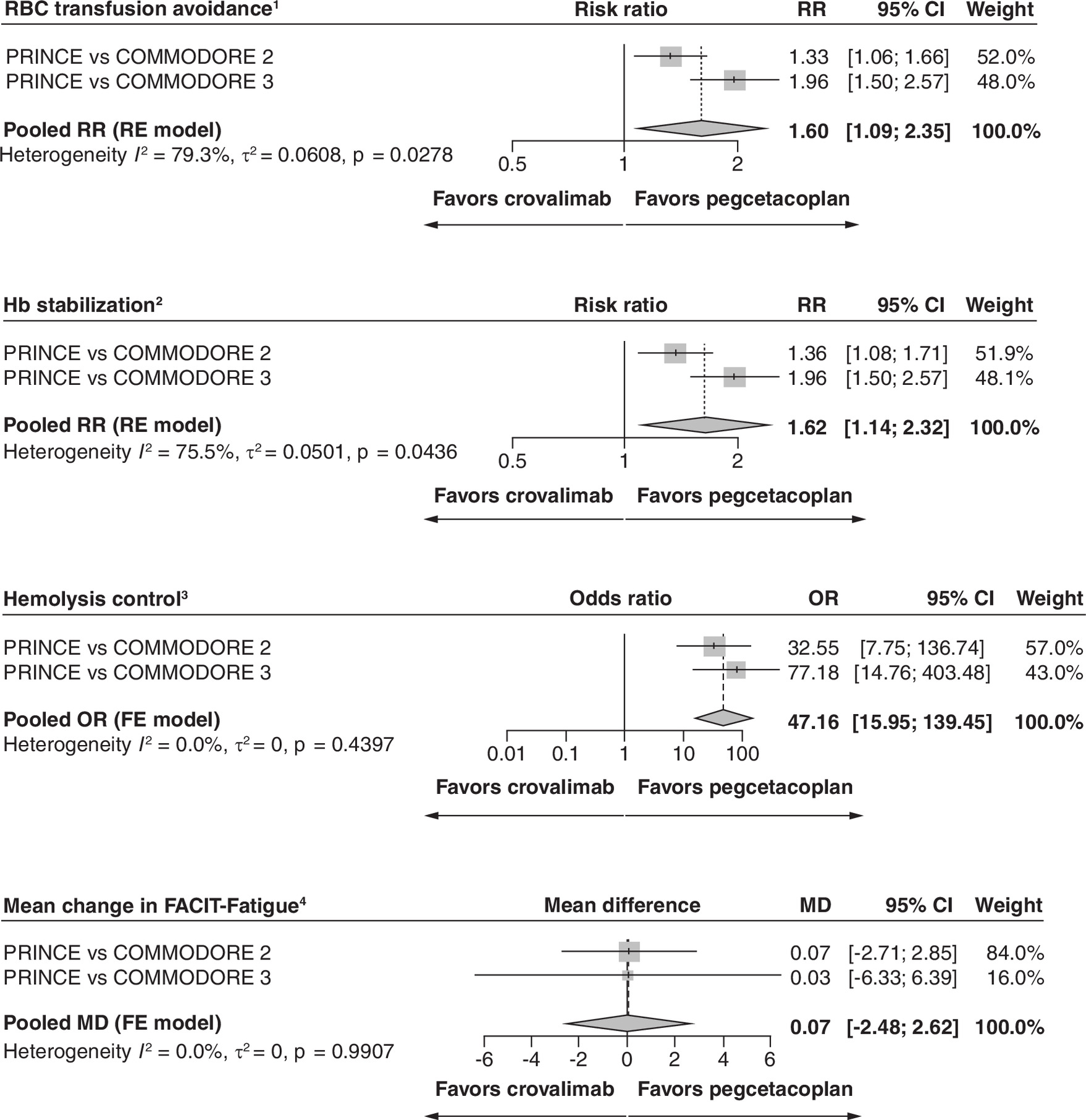
Figure 1. Efficacy outcomes for pegcetacoplan versus meta-analysis crovalimab in C5i treatment-naive patients with paroxysmal nocturnal hemoglobinuria.
1Patients who were RBC transfusion-free and do not require transfusion per protocol-specified guidelines.
2Avoidance of a ≥2 g/dl decrease in Hb level from baseline, in the absence of transfusion.
3LDH ≤1.5 × ULN from week 5 to week 25.
4Mean change in FACIT-Fatigue score from baseline up to week 25.
C5i: Complement component 5 inhibitor; FACIT: Functional Assessment of Chronic Illness Therapy; FE: Fixed-effects; Hb: Hemoglobin; LDH: Lactate dehydrogenase; MD: Mean difference; OR: Odds ratio; PNH: Paroxysmal nocturnal hemoglobinuria; RBC: Red blood cell; RE: Random effect; RR: Risk ratio.
C5i treatment-experienced
Exclusion of PEGASUS participants who would not have been eligible (i.e., had Hb level ≤7 g/dl) for inclusion in COMMODORE 1 still did not achieve balance in the populations; 50% in COMMODORE 1 had Hb >11 g/dl, whereas all PEGASUS patients had Hb <10.8 g/dl (Table 2). Hence, the base case anchored ITC used the raw population (n = 80). The raw Bucher’s analysis indicated significant differences favoring pegcetacoplan versus crovalimab across all efficacy outcomes (Figure 2). Pegcetacoplan was also significantly associated with greater improvement in FACIT-Fatigue score; however, EORTC QLQ-C30 domain scores only numerically favored pegcetacoplan.
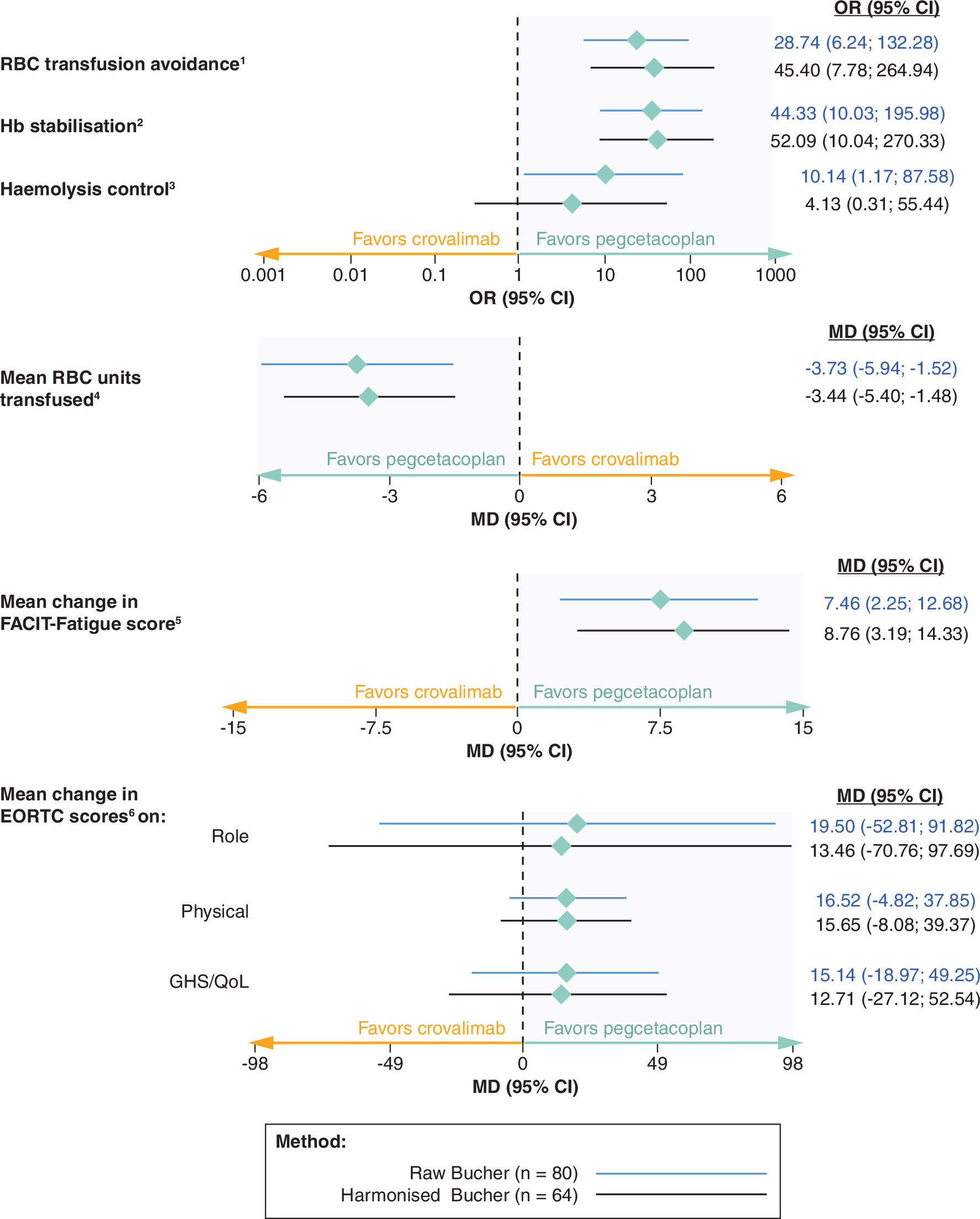
Figure 2. Forest plots of efficacy outcomes for pegcetacoplan versus crovalimab in C5i treatment-experienced patients with paroxysmal nocturnal hemoglobinuria (raw Bucher’s primary analysis; harmonized Bucher’s sensitivity analysis).
1Patients who were RBC transfusion-free and do not require transfusion per protocol-specified guidelines.
2Avoidance of a ≥2 g/dl decrease in Hb level from baseline, in the absence of RBC transfusion.
3LDH ≤1.5 × ULN from week 5 to week 25.
4Mean number of RBC units transfused from baseline to week 25.
5Mean change in FACIT-Fatigue score from baseline up to week 25.
6Mean change in each domain score from baseline to week 25.
EORTC: European Organization for Research and Treatment of Cancer; FACIT: Functional Assessment of Chronic Illness Therapy; GHS/QoL: Global health status/quality of life; Hb: Hemoglobin; LDH: Lactate dehydrogenase; MD: Mean difference; OR: Odds ratio; RBC: Red blood cell.
The harmonized population excluding PEGASUS patients who did not meet the eligibility criteria applied in COMMODORE 1 removed 3 patients (3.8%) of the 80 from the full analytic population in PEGASUS who did not have baseline Hb level >7 g/dl, and 13 (16.3%) did not have LDH level ≤1.5 × ULN (≤339 U/l) (Table 2), resulting in n = 64 post-harmonization. All outcomes in the sensitivity analysis for the harmonized population supported the base case ITC, with significant differences in all outcomes except for hemolysis control (LDH level ≤1.5 × ULN; Figure 2), which showed only a numerical difference favoring pegcetacoplan.
Discussion
The analyses herein evaluated pegcetacoplan versus crovalimab as monotherapies in C5i treatment-naive and C5i treatment-experienced patients. The comparisons, separately based on MAIC and Bucher’s ITC approaches, used the most suitable analytic approaches and best available trial data, which provided pragmatic solutions in the absence of head-to-head comparisons [39–43].
The MAIC in C5i treatment-naive patients (in which the PRINCE population was matched to COMMODORE 2 and COMMODORE 3) found that pegcetacoplan was associated with significantly greater odds of RBC transfusion avoidance and Hb stabilization than crovalimab. Pegcetacoplan was also associated with nominally better hemolysis control (i.e., LDH level ≤1.5 × ULN at week 24) and was comparable on FACIT-Fatigue scores.
Similarly, for pegcetacoplan versus crovalimab in C5i treatment-experienced patients, Bucher's and sensitivity analyses pointed to significant differences favoring pegcetacoplan across all efficacy outcomes. On PROs, pegcetacoplan was associated with a significantly greater improvement in FACIT-Fatigue score, with nominal differences in EORTC QLQ-C30 domains.
Our findings in both ITCs, for pegcetacoplan versus crovalimab in C5-naive and -experienced patient populations, underscore the findings observed in pivotal trials of pegcetacoplan. In PRINCE, pegcetacoplan showed superiority to BSC on coprimary end points of Hb stabilization and hemolysis control, in addition to secondary hematologic parameters (Hb and LDH normalization) and fatigue [25,34]. Here, the importance of hemolysis control should not be underestimated; hemolysis, considered a sensitive measure of RBC injury, has shown association with a significantly higher risk for thromboembolic events and a fivefold greater risk of mortality as compared with patients with LDH <1.5 × ULN [51], and is key in the management of PNH [52,53]. Separately, in the C5i-experienced population, PEGASUS had found that pegcetacoplan was associated with a significantly greater increase in Hb level and reduced fatigue compared with eculizumab in patients with suboptimal response to previous eculizumab treatment [13].
Our study had a few strengths that support the reliability of the analyses. In the C5i treatment-naive indication, MAIC provided the method of choice for comparison between disconnected evidence networks, including nonrandomized, single-arm trials [47,48]. In the C5i treatment-experienced population, the anchored ITC used Bucher’s approach which preserved the randomized features of the trial and compensated for the potential imbalances in prognostic factors between studies [42,43,54]. Recommended for the robustness, reproducibility and providing high transparency provided [50], this method offers distinct advantages over unanchored comparisons (such as standard MAICs), which cannot account for unobserved confounders and are, thus, inherently associated with high risk of bias. Hence, by preserving the randomized features of both trials and the approaches used mitigated the impact of unbalanced prognostic factors, some of which were known and others unknown [50].
Some limitations of our study also merit consideration. First, the analyses relied on limited sample sizes, especially for C5i–naive patients in the harmonized populations used for the ITCs. While this might impact the generalizability of the findings, the study applied analytical approaches to maximize reliability.
A final consideration is that our analyses did not consider comparison of treatment safety end points such as BTH, given differences in the definitions of adverse events among the study protocols (Tables 3 & 4). Firstly, in both COMMODORE 1 and 2, adverse events were defined as treatment-related, relying on investigator-assessed causality. Moreover, BTH was defined as events with ≥1 new or worsening symptoms or signs of IVH in the presence of elevated LDH >2 x ULN after prior reduction of LDH to ≤1.5 x ULN on treatment [34,44–46]. Whereas in PEGASUS [13] and PRINCE [25] safety was defined as treatment-emergent (i.e. all events occurring or worsening after treatment initiation), and BTH was reported based on adverse event reporting. Hence, these differences precluded valid comparisons of safety outcomes across studies.
Conclusion
The findings of these post-hoc analyses of pegcetacoplan versus crovalimab are broadly consistent with the primary outcomes of pegcetacoplan pivotal trials in C5i treatment-naive and C5i treatment-experienced patients. The ITCs confirm that pegcetacoplan provides high clinical advantages across the full PNH treatment pathway.
Summary points
•
Paroxysmal nocturnal hemoglobinuria (PNH), is an ultra-rare hematological condition associated with significant morbidity and early mortality if undertreated.
•
To assist physicians and other healthcare decisionmakers choose the appropriate drug for PNH, this study looked the effectiveness of pegcetacoplan (the first approved proximal inhibitor) versus crovalimab (a new C5 inhibitor [C5i]), for treatment of PNH in patients with and without prior treatment with C5i.
•
In the C5i-naive, an unanchored matching-adjusted indirect comparison (MAIC) was conducted with patient-level data for pegcetacoplan-versus-best-supportive-care from PRINCE (NCT0408560) and published data for crovalimab-versus-eculizumab from COMMODORE 2 (NCT04434092)/COMMODORE 3 (NCT04654468).
•
In the C5i-experienced ITC (Bucher’s method), patient-level data were from PEGASUS (NCT03500549; pegcetacoplan vs eculizumab) and aggregated data from COMMODORE 1 (NCT04432584; crovalimab-vs-eculizumab).
•
Evaluated outcomes in both settings included red-blood-cell transfusion-avoidance; hemoglobin (Hb) stabilization; hemolysis control; mean change-from-baseline on Functional Assessment of Chronic Illness Therapy–Fatigue total scores; additionally, the C5i-experienced ITC evaluated, mean change-from-baseline to week-25 for red blood cell units and domain scores on the European Organization for Research and Treatment of Cancer instrument.
•
The analysis showed that pegcetacoplan versus crovalimab in the C5i-naive was associated with significantly (p < 0.05) higher probabilities of transfusion-avoidance and Hb stabilization, and greater odds of hemolysis control.
•
In the C5i-experienced, all outcomes significantly (p < 0.05) favored pegcetacoplan.
•
Hence, these analyses suggest that pegcetacoplan provides high clinical advantages across the full PNH treatment pathway.
Author contributions
All co-authors were involved in the design and interpretation of these analyses and developing the content of this manuscript. P Wojciechowski and K Wilson were also responsible for the methods and analyses of these data.
Financial disclosure
This study was funded and reviewed by Sobi (Stockholm, Sweden), and Apellis Pharmaceuticals (MA, USA).
Competing interests disclosure
RSM Wong reports grants/research support from: AbbVie, Acerta, Alexion, Amgen, Apellis, Astella, AstraZeneca, Bayer, BMS, Boehringer-Ingelheim, Celgene, Daiichi-Sankyo, GSK, Janssen, Kartos, Morphosys, MSD, Novartis, Pfizer, Regeneron, Roche; participates I Speaker's bureau for: Astella, Amgen, Bayer, BMS, Boehringer-Ingelheim, Daiichi-Sankyo, Novartis, Pfizer, Roche; and is a consultant for: Alexion, Amgen, Astella, AstraZeneca, Bayer, BMS, Boehringer-Ingelheim, GSK, Novartis, Pfizer and Roche. K Wilson and Z Hakimi are employed by Sobi and may own company shares. P Wojciechowski and M Parkitny are employed by Clever-Access; the company received funding to conduct the analysis of this study. C Flynn received honoraria from Sobi for talks and chairing meetings. F Fatoye reports receiving a research grant/support from Sobi. The authors have no other competing interests or relevant affiliations with any organization or entity with the subject matter or materials discussed in the manuscript apart from those disclosed.
Writing disclosure
Writing support, under the guidance of the authors, was provided by Gauri Saal, MA, ISMPP CMPP™, Neulumic Consulting, Birmingham, UK, and was funded by Sobi (Stockholm, Sweden), in accordance with Good Publication Practice (GPP) guidelines (Ann. Intern. Med. 175(9), 1298–1304 [2022]).
Ethical conduct of research
No ethics approval or patient consent was required for these post-hoc data analyses.
Data sharing statement
Study data are not available to share. Patient-level data were from NCT03500549 and NCT04085601.
Open access
This work is licensed under the Attribution-NonCommercial-NoDerivatives 4.0 Unported License. To view a copy of this license, visit https://creativecommons.org/licenses/by-nc-nd/4.0/
Supplementary Material
File (supplementary data.pdf)
References
1.
Oliver M, Patriquin C. Paroxysmal nocturnal haemoglobinuria: current management, unmet needs, and recommendations. J. Blood Med. 14, 613–628 (2023).
2.
Devalet B, Mullier F, Chatelain B, Dogné JM, Chatelain C. Pathophysiology, diagnosis, and treatment of paroxysmal nocturnal haemoglobinuria: a review. Eur. J. Haematol. 95(3), 190–198 (2015).
3.
Lee JW, Brodsky RA, Nishimura JI, Kulasekararaj AG. The role of the alternative pathway in paroxysmal nocturnal haemoglobinuria and emerging treatments. Expert Rev. Clin. Pharmacol. 15(7), 851–861 (2022).
4.
Tegla CA, Cudrici C, Patel S et al. Membrane attack by complement: the assembly and biology of terminal complement complexes. Immunol. Res. 51(1), 45–60 (2011).
5.
Janeway CA Jr, Travers P, Walport M, Shlomchik MJ. Immunobiology: the immune system in health and disease. NY, USA (2001).
6.
Risitano AM, Marotta S, Ricci P et al. Anti-complement treatment for paroxysmal nocturnal haemoglobinuria: time for proximal complement inhibition? A position paper from the SAAWP of the EBMT. Front. Immunol. 10, 1157 (2019).
7.
Hillmen P, Lewis SM, Bessler M, Luzzatto L, Dacie JV. Natural history of paroxysmal nocturnal haemoglobinuria. N. Engl. J. Med. 333(19), 1253–1258 (1995).
8.
Brodsky RA. Narrative Review: paroxysmal nocturnal haemoglobinuria: the physiology of complement-related hemolytic anemia. Ann. Intern. Med. 148(8), 587–595 (2008).
9.
Schrezenmeier H, Höchsmann B. Eculizumab opens a new era of treatment for paroxysmal nocturnal haemoglobinuria. Expert Rev. Hematol. 2(1), 7–16 (2009).
10.
Risitano AM, Notaro R, Marando L et al. Complement fraction 3 binding on erythrocytes as additional mechanism of disease in paroxysmal nocturnal haemoglobinuria patients treated by eculizumab. Blood 113(17), 4094–4100 (2009).
11.
Kulasekararaj AG, Kuter DJ, Griffin M, Weitz IC, Röth A. Biomarkers and laboratory assessments for monitoring the treatment of patients with paroxysmal nocturnal haemoglobinuria: differences between terminal and proximal complement inhibition. Blood Rev. 59, 101041 (2023).
12.
Sica M, Notaro R. The inhibition of several components of terminal complement pathway results in C3 binding to PNH red blood cells. Am. J. Hematol. 99(3), 505–507 (2024).
13.
Hillmen P, Szer J, Weitz I et al. Pegcetacoplan versus eculizumab in paroxysmal nocturnal haemoglobinuria. N. Engl. J. Med. 384(11), 1028–1037 (2021).
14.
Panse J, Sicre de Fontbrune F, Burmester P et al. The burden of illness of patients with paroxysmal nocturnal haemoglobinuria receiving C5 inhibitors in France, Germany and the United Kingdom: patient-reported insights on symptoms and quality of life. Eur. J. Haematol. 109(4), 351–363 (2022).
15.
Kelly RJ, Holt M, Vidler J et al. Treatment outcomes of complement protein C5 inhibition in 509 UK patients with paroxysmal nocturnal haemoglobinuria. Blood 143(12), 1157–1166 (2024).
16.
Constantin J, Connolly D, Taylor Y, Hatchell N, Wiyani A, Balp MM. HPR18 Unmet medical need in patients with paroxysmal nocturnal haemoglobinuria treated with complement 5 inhibitors: results from a cross-sectional survey in Canada. Value Health 27(Suppl. 12), S278 (2024).
17.
Debureaux PE, Kulasekararaj AG, Cacace F et al. Categorizing hematological response to eculizumab in paroxysmal nocturnal haemoglobinuria: a multicenter real-life study. Bone Marrow Transplant. 56(10), 2600–2602 (2021).
18.
Schaap CCM, Heubel-Moenen FCJI, Nur E et al. Nationwide study of eculizumab in paroxysmal nocturnal haemoglobinuria: evaluation of treatment indications and outcomes. Eur. J. Haematol. 110(6), 648–658 (2023).
19.
Sicre de Fontbrune F, Burmester P, Piggin M et al. The burden of illness of patients with paroxysmal nocturnal haemoglobinuria receiving C5 inhibitors: clinical outcomes and medical encounters from the patient perspective. Hematol. Amst. Neth. 27(1), 1140–1151 (2022).
20.
Hillmen P, Horneff R, Yeh M, Kolev M, Deschatelets P. Navigating the complement pathway to optimize PNH treatment with pegcetacoplan and other currently approved complement inhibitors. Int. J. Mol. Sci. 25(17), 9477 (2024).
21.
US Food and Drug Administration. Prescribing Information: EMPAVELI™ (pegcetacoplan) injection, for subcutaneous use. https://www.accessdata.fda.gov/drugsatfda_docs/label/2021/215014s000lbl.pdf
22.
European Medicines Agency. Summary of product characteristics: Aspaveli. (Accessed 16 May 2025). https://www.ema.europa.eu/en/medicines/human/EPAR/aspaveli
23.
Pegcetacoplan (Empaveli): CADTH reimbursement recommendation: indication: for the treatment of adult patients with paroxysmal nocturnal haemoglobinuria (PNH) who have an inadequate response to, or are intolerant of, a C5 inhibitor. Canadian Agency for Drugs and Technologies in Health. (2023). (Accessed 16 May 2024). http://www.ncbi.nlm.nih.gov/books/NBK596605/
24.
Center for Drug Evaluation and Research. FDA approves new treatment for adults with serious rare blood disease. Published online September 30, 2021. (Accessed 16 May 2025). https://www.fda.gov/drugs/news-events-human-drugs/fda-approves-new-treatment-adults-serious-rare-blood-disease
25.
Wong RS, Navarro JR, Comia NS et al. Efficacy and safety of pegcetacoplan treatment in complement-inhibitor naïve patients with paroxysmal nocturnal haemoglobinuria: results from the Phase III Prince study. Blood 138, 606 (2021).
26.
Patriquin CJ, Bogdanovic A, Griffin M et al. Safety and efficacy of pegcetacoplan in adult patients with paroxysmal nocturnal haemoglobinuria over 48 weeks: 307 open-label extension study. Adv. Ther. 41(5), 2050 (2024).
27.
de Castro CM, Mulherin B, Patriquin CJ et al. Efficacy and safety is maintained in adult patients with paroxysmal nocturnal haemoglobinuria receiving pegcetacoplan for up to 3 years. Blood 142(Suppl. 1), 574 (2023).
28.
Griffin M, Kelly R, Brindel I et al. Real-world experience of pegcetacoplan in paroxysmal nocturnal haemoglobinuria. Am. J. Hematol. 99(5), 816–823 (2024).
29.
Sicre de Fontbrune F, Forcade E, Terriou L et al. Efficacy and safety of pegcetacoplan in PNH patients with extra-vascular hemolysis under anti-C5: the real-life experience of the National French Reference Center. Blood 144(Suppl. 1), 1321 (2024).
30.
Vallejo Llamas JC, González C, Fernández A et al. P1917 Real-world experience of pegcetacoplan treatment in patients with paroxysmal nocturnalhaemoglobinuria (PNH) with unsatisfactory response to previous therapeutic approaches. Presented at: EHA (2024). https://library.ehaweb.org/eha/2024/eha2024-congress/420004/juan.carlos.vallejo.llamas.real-world.experience.of.pegcetacoplan.treatment.in.html
31.
Horneff R, Czech B, Yeh M, Surova E. Three years on: the role of pegcetacoplan in paroxysmal nocturnal haemoglobinuria (PNH) since its initial approval. Int. J. Mol. Sci. 25(16), 8698 (2024).
32.
Wilson K, Rich C, Hakimi Z et al. Pegcetacoplan in paroxysmal nocturnal haemoglobinuria: its use, its clinical effectiveness, and its influence on health-related quality of life and productivity. Eur. J. Haematol. 112(4), 516–529 (2024).
33.
Metafuni E, Brioschi FA, Patriarca A et al. Real-world evidence of pegcetacoplan in patients with paroxysmal nocturnal haemoglobinuria: a nationwide Italian study. Br. J. Haematol. 206(4), 1246–1249 (2025).
34.
Röth A, Nishimura J-I, Nagy Z et al. The complement C5 inhibitor crovalimab in paroxysmal nocturnal haemoglobinuria. Blood 135(12), 912–920 (2020).
35.
Piasky | European Medicines Agency (EMA). (2024). (Accessed 5 June 2025). https://www.ema.europa.eu/en/medicines/human/EPAR/piasky
36.
Lee EJ, Choi M, Ahn SB et al. Prevalence of nonalcoholic fatty liver disease in pediatrics and adolescents: a systematic review and meta-analysis. World J. Pediatr. 20(6), 569–580 (2024).
37.
Kulasekararaj AG, Hill A, Rottinghaus ST et al. Ravulizumab (ALXN1210) vs eculizumab in C5-inhibitor-experienced adult patients with PNH: the 302 study. Blood 133(6), 540–549 (2019).
38.
Lee JW, Sicre de Fontbrune F, Wong Lee Lee L et al. Ravulizumab (ALXN1210) vs eculizumab in adult patients with PNH naive to complement inhibitors: the 301 study. Blood 133(6), 530–539 (2019).
39.
Jaiswal N, Field R. Network meta-analysis: the way forward for evidence-based decisions. Clin. Epidemiol. Glob. Health 26, 101531 (2024).
40.
Jansen JP, Trikalinos T, Cappelleri JC et al. Indirect treatment comparison/network meta-analysis study questionnaire to assess relevance and credibility to inform health care decision making: an ISPOR-AMCP-NPC Good Practice Task Force Report. Value Health 17(2), 157–173 (2014).
41.
Cochrane Handbook for Systematic Reviews of Interventions. (Accessed 20 May 2024). https://training.cochrane.org/handbook/current
42.
Methodological guideline for quantitative evidence synthesis: direct and indirect comparisons. (2018). (Accessed 2 April 2025). https://health.ec.europa.eu/latest-updates/methodological-guideline-quantitative-evidence-synthesis-direct-and-indirect-comparisons-2024-03-25_en
43.
NICE Real-World Evidence Framework. (Accessed 2 April 2025). https://www.nice.org.uk/corporate/ecd9/chapter/overview
44.
Liu H, Xia L, Weng J et al. Results from the first Phase III crovalimab (C5 Inhibitor) study (COMMODORE 3): efficacy and safety in complement inhibitor-naive patients with paroxysmal nocturnal haemoglobinuria (PNH). Blood 140(Suppl. 1), 714–716 (2022).
45.
Scheinberg P, Clé DV, Kim JS et al. Phase III randomized COMMODORE 1 trial: crovalimab versus eculizumab in complement inhibitor-experienced patients with paroxysmal nocturnal haemoglobinuria. Am. J. Hematol. 99(9), 1757–1767 (2024).
46.
Panse J, Cermak J, Kyselova O et al. Patient-reported outcomes (PROs) in patients with paroxysmal nocturnal haemoglobinuria (PNH) treated with crovalimab and eculizumab: results from the Phase III randomized COMMODORE 2 and COMMODORE 1 trials. Blood 142(Suppl. 1), 4090 (2023).
47.
Phillippo DM, Ades AE, Dias S, Palmer S, Abrams KR, Welton NJ. Methods for population-adjusted indirect comparisons in health technology appraisal. Med. Decis. Making 38(2), 200–211 (2018).
48.
Signorovitch JE, Sikirica V, Erder MH et al. Matching-adjusted indirect comparisons: a new tool for timely comparative effectiveness research. Value Health 15(6), 940–947 (2012).
49.
Weitz I, Meyers G, Lamy T et al. Cross-sectional validation study of patient-reported outcomes in patients with paroxysmal nocturnal haemoglobinuria. Intern. Med. J. 43(3), 298–307 (2013).
50.
Bucher HC, Guyatt GH, Griffith LE, Walter SD. The results of direct and indirect treatment comparisons in meta-analysis of randomized controlled trials. J. Clin. Epidemiol. 50(6), 683–691 (1997).
51.
Jang JH, Kim JS, Lim CTK et al. Impact of lactate dehydrogenase and haemoglobin levels on clinical outcomes in patients with paroxysmal nocturnal haemoglobinuria: results from the National Korean PNH Registry. J. Korean Med. Sci. 39(8), e81 (2024).
52.
Kelly RJ, Hill A, Arnold LM et al. Long-term treatment with eculizumab in paroxysmal nocturnal haemoglobinuria: sustained efficacy and improved survival. Blood 117(25), 6786–6792 (2011).
53.
Brodsky RA, Lee JW, Nishimura J-I, Szer J. Lactate dehydrogenase versus haemoglobin: which one is the better marker in paroxysmal nocturnal haemoglobinuria? Br. J. Haematol. 196(2), 264–265 (2022).
54.
Tanaka S, Igarashi A, Moor RD et al. A targeted review of worldwide indirect treatment comparison guidelines and best practices. Value Health 27(9), 1179–1190 (2024).
Information & Authors
Information
Published In
Copyright
© 2026 The authors. This work is licensed under the Attribution-NonCommercial-NoDerivatives 4.0 Unported License
History
Received: 20 January 2026
Accepted: 21 July 2026
Published online: 24 August 2026
Keywords:
Topics
Authors
Metrics & Citations
Metrics
Article Usage
Article usage data only available from February 2023. Historical article usage data, showing the number of article downloads, is available upon request.
Citations
How to Cite
Indirect treatment comparisons find enhanced effectiveness of pegcetacoplan versus crovalimab in both complement inhibitor-naïve and -experienced patients with paroxysmal nocturnal hemoglobinuria. (2026) Journal of Comparative Effectiveness Research. DOI: 10.57264/cer-2026-0015
Export citation
Select the citation format you wish to export for this article or chapter.