

Phosphodiesterase type 5 inhibitors as treatment for erectile dysfunction: a webinar-based poll unveiling perceptions of healthcare professionals
Publication: Journal of Comparative Effectiveness Research
Abstract
Aim: Erectile dysfunction (ED) is marked by a recurring incapacity to achieve or uphold a satisfactory erection during sexual activities. The study aims to increase awareness about male reproductive health, dispel misconceptions about ED and encourage physician-patient discussions. Materials & methods: A live online poll was conducted during a 3-day webinar titled “Turning the Tide of Men's Health” organized by Viatris™ in collaboration with the Saudi Society of Family and Community Medicine and attended by healthcare professionals (HCPs) from diverse specialties. The attendees voluntarily responded to nine poll questions on adherence to ED medication, use of phosphodiesterase type 5 inhibitors (PDE5is) as cure versus management of ED and patients' challenges. The responses to the poll questions were recorded and assessed to understand the perceptions of HCPs. Results: The poll garnered 10,423 responses from 5831 attendees on the second day of the webinar. The key findings included HCPs' perceptions that PDE5is contribute to ED management not complete cure. The respondents acknowledged that adherence to ED medications might decline on days without planned sexual activity, and long-term adherence on a daily PDE5i is exhibited by a relatively modest percentage of ED patients. The consensus among respondents was that PDE5is do not enhance or generate sexual desire, and the daily schedule of ED treatment may be burdensome for some patients. Conclusion: The findings from this poll offer insights into the perspectives of HCPs regarding the usage of PDE5is to treat ED. Responders of the poll generally agreed that PDE5is can help manage ED without affecting desire, though adherence may be lower on days without planned sexual activity. Furthermore, most respondents acknowledged that adhering to a daily pill regimen posed a greater burden than waiting for the medication to take effect.
Erectile dysfunction (ED) is characterized by the incapacity to attain and/or sustain a satisfactory penile erection for a fulfilling sexual experience [1]. ED is often an indicator of a systemic disease and has been shown to be associated with conditions such as cardiovascular disorders, Type 2 diabetes, hypertension, hyperlipidemia, vascular diseases, depression, drug and alcohol use and other chronic diseases (e.g., renal failure) [2,3]. Lack of sexual knowledge and inadequate interpersonal relationships are also among the risk factors of ED [4,5].
Globally, more than 150 million men are affected by ED at various levels [6]. In Arab men, the prevalence of ED was estimated to be >40% [7]. Before the availability of oral alternatives for ED management, men had various options, including testosterone replacement therapy, vacuum erection devices, injectables or suppositories. Surgical interventions are also available if other treatment options proved ineffective, offering satisfactory results [8].
Phosphodiesterase type 5 inhibitors (PDE5is) are considered as the first-line treatment for ED. Oral PDE5is offer an advantage of high safety, effectiveness and non-invasiveness [9,10].
PDE5is offer treatment of ED by nitric oxide-mediated cavernosal smooth muscle relaxation. This in turn allows more blood to flow into the cavernosal spaces, leading to the rise in intracavernosal pressure. This allows the patient to achieve a satisfactory erection, thereby preserving sexual function [11].
The discovery of sildenafil, the first US FDA-approved PDE5i for the treatment of ED, marked a significant advancement in sexual medicine over the last 25 years, as PDE5is expanded the group of patients seeking assistance for their ED.
Objective
The objective of this research was to assess various aspects involving the usage of PDE5is, along with the experiences and difficulties encountered by patients who use them, based on the findings of a poll conducted among healthcare professionals (HCPs) during an online webinar on optional basis. The aim of the webinar was to increase awareness among the specialists on men's reproductive health.
Methods
The study involved a 3-day webinar series called “Turning the Tide of Men's Health” organized by Viatris™, in collaboration with the Saudi Society of Family and Community Medicine. The webinar attendance was limited to HCPs from Saudi Arabia. This restriction was enforced by requesting their registration number from the Saudi Council for Health Specialties, along with information about their specialty. Over 7783 HCPs from Saudi Arabia from various medical fields, attended the online event.
The main aim of the webinar was to increase awareness about male reproductive health, dispel misconceptions about ED and encourage physician-patient discussions, especially in patients with non-communicable diseases who are seen by non-urologists. Alongside the webinar, a poll-based survey was conducted to gather opinions and perceptions of the attendees on various aspects related to ED.
A set of nine poll questions was created by Viatris Saudi medical advisor and reviewed internally by Viatris Global Medical Lead for urology. Implicit consent was assumed when attendees registered for the webinar and voluntarily responded to the poll questions. Each response was linked to a unique email address to prevent duplicate responses.
The poll questions were presented during the webinar on an optional basis, and the collected data was analyzed to present categorical data with counts and percentages. Graphs and charts were used for visual representation as appropriate.
Results
The analysis of the webinar-based poll data unveiled valuable insights into the perceptions and practices of HCPs concerning the use of PDE5is for treating ED. The poll questions presented during the webinar focused on various aspects related to ED medication adherence, the role of PDE5is for ED patients, challenges faced by ED patients, and common practices of patients around sexual activity. The poll questions are presented in Table 1 and the results of the poll are presented in Figure 1.
| S. no. | Topic/category | Poll questions |
|---|---|---|
| 1 | Adherence to ED medication | • In developed countries, 50% of patients do not take their chronic illnesses medications as prescribed. What would be the percentage of long-term adherence to taking a daily PDE5 inhibitor? • I think that adherence on Erectile Dysfunction medication is less likely during the days the man knows he will not need it (no intercourse) |
| 2 | PDE5 inhibitors: cure or treatment | • Neither short-term nor long-term use of PDE5 inhibitors cure erectile Dysfunction, however they manage the symptoms • The 2023 EAU Guideline stated that: As a rule, ED can be treated successfully with current treatment options but cannot be cured. Do you: |
| 3 | Understanding challenges faced by ED patients | • In such a busy life, planning for love (sorting out a time away from work, kids and stress) can facilitate having a quality intimacy • Spontaneity is all about head, desire and mood and PDE5 inhibitors don't themselves create personal desire • The burden of sticking to taking a daily pill is higher than the burden of waiting for 30 min until the pill works before intercourse |
| 4 | ED patients' practices around sexual activity | • Most men took their PDE5i either short-acting or long-acting just before their intercourse • In your opinion, how many times do Erectile Dysfunction patients have intercourse per month on average |
EAU: European Association of Urology; ED: Erectile dysfunction; PDE5i: Phosphodiesterase 5 inhibitor.

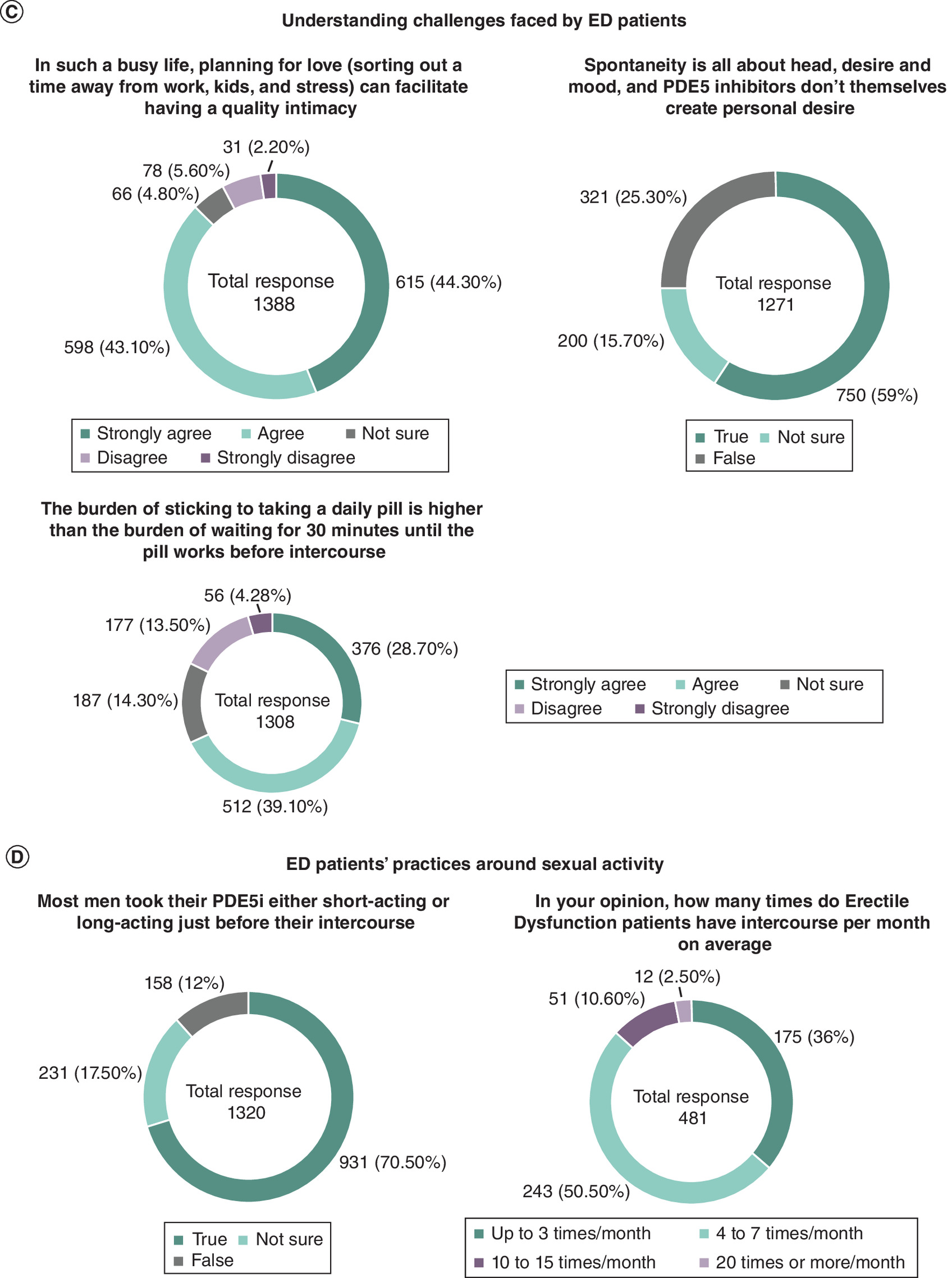
Figure 1. Poll report: healthcare professionals' perspectives on phosphodiesterase 5 inhibitor use and challenges faced by patients.
(A) Adherence to ED medication. (B) PDE5 inhibitors: cure or treatment. (C) Understanding challenges faced by ED patients. (D) ED patients' practices around sexual activity.
EAU: European Association of Urology; ED: Erectile dysfunction; PDE5is: Phosphodiesterase 5 Inhibitor.
Overall, 10,423 live responses to the poll questions were received from 5831 attendees on day 2 of the webinar. In addition, 87% of the respondents agreed that the program was applicable to their current job.
Adherence to ED medication
The majority of the respondents (41.9%) were of the opinion that long-term adherence toward a daily dose of PDE5i would be exhibited by only 30–40% of patients with ED and only 3.2% respondents expected patients with ED to demonstrate 100% long-term adherence to PDE5i. Further, 78.7% of the respondents agreed (strongly agreed: 26.7%; agreed: 54%) that adherence to ED medication is less likely on days when the man does not intend to have sexual intercourse. A relatively smaller percentage of respondents (11.3%) disagreed or were not sure (10%) that adherence to ED medication may be influenced by the desire to have sexual intercourse.
PDE5 inhibitors: cure or treatment
When asked about their opinion regarding treatment of ED using PDE5i, 59% respondents agreed that neither short-term nor long-term use of PDE5is can cure ED; however, they can manage the symptoms; 15.9% respondents were in disagreement and 24.9% were not sure. According to the 2023 EAU Guideline, current treatment options can manage ED, yet it remains a condition that cannot be cured [12,13]. The majority of the respondents (78.1%) either strongly agreed (26.7%) or agreed (51.4%) with this EAU guideline; 12% were in disagreement (disagree: 9%; strongly disagree: 2.7%) and 10.2% responded as ‘not sure’.
Understanding challenges faced by ED patients
Two of the poll questions aimed at understanding the role of intimacy and spontaneity in addressing ED. One of the questions was whether in the middle of busy schedules, the act of ‘planning for love’ facilitates intimacy. In response, 87.4% respondents said that they either strongly agreed (44.3%) or agreed (43.1%). A relatively small percentage of respondents were not sure (4.8%) or disagreed (7.9%) with the fact that setting aside time for intimacy is effective. Spontaneous desire arises independently and PDE5i do not themselves create personal desire. The respondents were asked whether they thought this to be true or false. Most of them responded as ‘true’ (59%), while 25.3% respondents felt that it was false and 15.7% were not sure.
ED patients' practices around sexual activity
In the context of timing and frequency of sexual activity, 70.5% respondents considered it to be true that most men took the PDE5i (either short-acting or long-acting) just before sexual intercourse; 12% responded as ‘false’ and 17.5% were ‘not sure’. Further, 67.9% of the respondents either agreed (39.1%) or strongly agreed (28.7%) with the fact that the burden of taking a daily pill for ED was higher than that of waiting for the pill to work before having sexual intercourse; 17.8% disagreed and 14.3% were not sure. As per the respondents, patients with ED had sexual intercourse at the following frequency per month – 20-times or more: 2.5%; 10–15-times: 10.6%; 4–7-times: 50.5%; and up to 3-times: 36%.
Discussion
PDE5is are regarded as the primary therapeutic option for individuals with ED due to their recognized safety and effectiveness characteristics [12]. PDE5is relax corporeal smooth muscles, enhancing blood flow for erections [14]. Animal studies suggest that PDE5is might boost cavernosal endothelial function [15,16], but this has not been confirmed in humans [17]. A meta-analysis found that PDE5is may not significantly improve endothelial dysfunction [18]; however, among other PDE5is, sildenafil has demonstrated the best ability to improve vascular health in individuals with ED [19].
In the present study, minimal (3.2%) respondents expected patients with ED to demonstrate 100% long-term adherence to a daily PDE5i. It was also observed from the survey poll that anticipating sexual activity motivates medication use due to its immediate need. At least some healthcare providers believe that the relevance diminishes on non-activity days, lowering perceived necessity. Addressing this, healthcare providers can educate on long-term benefits, incorporate medication into routines and shift focus to overall health. By doing so, adherence may improve even on non-activity days.
A qualitative analysis conducted by Carvalheira et al. showed that the daily PDE5i dose reaches steady plasma levels in 5 days, hence it is essential to stick to the prescribed dosing schedule [20,21]. Enhancing one's understanding of drug properties, comparing various treatment plans, and identifying the most suitable prescribing patterns can contribute to boosting adherence to ED treatment [22]. The current survey also addressed a previously unexplored question: whether the burden of waiting for 30 min before intercourse or adhering to a daily pill regimen is heavier for patients with ED.
The study by Carvalheira et al. also identified four primary categories of factors impacting the adherence to PDE5is [23]. The most frequently mentioned psychological factors were linked to self-assurance, emotional states and concerns about drug side effects or cardiovascular safety. The study participants also commonly cited other medication-related reasons for not using the drug, including perceived inefficacy, cost and side effects.
EAU Guideline 2023 states that ED cannot be cured completely. However, symptomatic treatment for ED is effective with current treatment options [12,13]. The majority of the respondents in this survey were well aware with above mentioned fact that ED cannot be cured with PDE5is and only symptoms can be managed. However, a notable proportion of respondents either disagreed with or were unaware that current ED treatments only manage symptoms. This underscores the importance of targeted educational initiatives for HCPs in Saudi Arabia to enhance their awareness and knowledge.
Penile erection is a neurovascular event influenced by psychological elements and orchestrated by endocrine, vascular and nervous system [24]. Psychosocial approaches prove effective when ED is primarily attributed to emotional or psychological factors [25]. Most survey respondents were also in agreement that spontaneous desire arises independently and PDE5i do not themselves create personal desire.
Many individuals commonly believe that increased wealth and a more active sex life lead to greater happiness. However, this is accurate only to a certain extent. Couples who engage in nightly sexual activities, even when exhausted, stressed or distracted, are not any happier than those who engage in sexual activity just once a week [26]. To a certain extent, this matches with the reported overall frequency of sexual intercourse (mean times per month) of 5.7-times per month [27].
For questions related to sexual planning behavior, the survey results are in line with a real-world study based on Western and non-Western countries which showed that 87% of men with ED plan for sexual activity regardless of the PDE5 inhibitors' onsets of action [27]. According to a report, ≥96% of ED patients who took PDE5is began engaging in sexual activity within 4 h of using the medication [28]. In this study, 70.5% respondents considered it to be true that most men took the PDE5i (either short-acting or long-acting) just before sexual intercourse.
The study's strength lies in the significant number of attendees who participated in this webinar, resulting in a high average response per question. Another strong point is the implementation of automated results through the Zoom platform, which instantly presented data to all participants, reducing potential human errors and calculation biases.
Limitation
The poll questions allowed real-time data collection during the webinar; however, the basic survey design lacked room for inferential statistics, limited qualitative data collection and may have been subject to respondent biases. Furthermore, the study included participants with various specialties, potentially influenced by the presented content, adding complexity to the interpretation of findings.
Conclusion
The findings from this webinar-based poll provide valuable insights into the perceptions of HCPs regarding the use of PDE5is as a treatment for ED. The collective agreement among HCPs regarding ED and its treatment is that while current treatment options can help manage the condition, ED is generally considered incurable without surgical interventions. Adherence to these medications may be lower on days when there is no planned sexual activity. It is important to note that these medications do not themselves create personal desire or arousal. Most of the HCPs agreed that daily pill adherence was more burdensome than waiting for the medication to take effect. Additionally, planning emerged as a potential enhancer of intimacy, yet differences in viewpoints indicate the need for personalized approaches in addressing these aspects. The findings from this poll will inform targeted webinars and educational programs for HCPs in Saudi Arabia. Furthermore, expanding this study to include ED patients in a similar survey would provide a comprehensive view on their perceptions and attitudes toward ED and its management.
Summary points
•
Erectile dysfunction (ED) is characterized by the incapacity to achieve or sustain a satisfactory penile erection for sexual activity, which is often linked to systemic diseases, including cardiovascular disorders, diabetes, hypertension, depression and others.
•
The study used a live online poll to gather responses from healthcare professionals (HCPs) from Saudi Arabia who attended a 3-day webinar series focused on increasing awareness on male reproductive health and ED.
•
The poll respondents expressed that adherence to ED medication is lower on days when there is no planned sexual activity, highlighting the influence of sexual anticipation on medication use.
•
Long-term adherence to a daily dose of phosphodiesterase type 5 inhibitors (PDE5is) was perceived to be exhibited by only around 30–40% of ED patients.
•
In response to the poll, most respondents agreed that taking a daily pill was more burdensome than waiting for the medication to take effect.
•
Most respondents were aware that PDE5is, while effective in managing ED symptoms, do not cure the condition, aligning with the European Association of Urology Guideline 2023.
•
Planned intimacy was seen as effective, with respondents acknowledging that setting aside time for it enhances the experience.
•
The majority of the respondents agreed that ED patients took the PDE5is just before sexual intercourse, highlighting its immediate relevance.
•
PDE5is were not considered as influencing personal desire.
•
The study's findings underscored the nuanced nature of ED management, with variations in patient behavior regarding medication adherence and sexual activity planning.
Author contributions
This paper is based on the collective experience and expertise of all authors. MS Moazin, A Baazeem, AA Dayel, SA Sifri, M Reda, F Bashraheel, A Alfakhri and Y Hamdy contributed to study conception and design; MS Moazin, AA Baazeem, AA Dayel, A Amir and F Elshaer contributed to acquisition of data; MS Moazin and Y Hamdy contributed to data analysis; all authors (MS Moazin, A Baazeem, A Al-Bakri, AA Dayel, A Amir, SA Sifri, M Reda, F Bashraheel, A Alfakhri, F Elshaer and Y Hamdy) contributed to drafting and revision of the manuscript. All authors met ICMJE criteria and all those who fulfilled those criteria are listed as authors. All authors had access to the content and made the final decision about where to publish the article and approved submission to this journal.
Acknowledgments
All authors confirm that they have read the journal's position on issues involved in ethical publication and affirm that this report is consistent with those guidelines. The sponsor also provided a formal review of this manuscript.
Financial disclosure
This work was sponsored by Viatris Inc. MS Moazin has been a speaker for and received honorarium from SPIMACO and Viatris. A Baazeem has participated as chairperson in sessions for Viatris and as a speaker for Eva Pharma and also received honorarium. Al Dayel has participated in educational activities and chaired sessions on behalf of Viatris and also received honorarium. F Elshaer has been a speaker for and received honorarium from Astra Zeneca, Vifor Pharma, Novartis and Viatris. Y Hamdy is employed as a medical advisor at Viatris. The authors have no other relevant affiliations or financial involvement with any organization or entity with a financial interest in or financial conflict with the subject matter or materials discussed in the manuscript apart from those disclosed.
Competing interests disclosure
The authors have no competing interests or relevant affiliations with any organization or entity with the subject matter or materials discussed in the manuscript. This includes employment, consultancies, honoraria, stock ownership or options, expert testimony, grants or patents received or pending, or royalties.
Writing disclosure
Medical writing assistance was provided by N Tripathi and D Sadhna (Tata Consultancy Services, India). The medical writing assistance was funded by Viatris.
Data sharing statement
Data sharing is not applicable to this article as no datasets were generated during the current study.
Open access
This work is licensed under the Attribution-NonCommercial 4.0 Unported License. To view a copy of this license, visit https://creativecommons.org/licenses/by-nc/4.0/
References
Papers of special note have been highlighted as: • of interest
1.
Wang CM, Wu BR, Xiang P, Xiao J, Hu XC. Management of male erectile dysfunction: from the past to the future. Front. Endocrinol. (Lausanne). 14, 1148834 (2023).
• This recently published review highlights the current therapies for erectile dysfunction (ED) management and the need for large-scale, clinical studies for the new therapeutics.
2.
Mitidieri E, Cirino G, d'Emmanuele di Villa Bianca R, Sorrentino R. Pharmacology and perspectives in erectile dysfunction in man. Pharmacol. Ther. 208, 107493 (2020).
3.
Tandon A. Psychosexual health and sexuality: multidisciplinary considerations in clinical practice. J. Psychosexual Health. 5(2), 106–113 (2023).
• This viewpoint article summarizes the general medical conditions and systemic disorders that are often associated with sexual disorders.
4.
Maestre-Lorén F, Castillo-Garayoa JA, López-i-Martín X, Sarquella-Geli J, Andrés A, Cifre I. Psychological distress in erectile dysfunction: the moderating role of attachment. Sex. Med. 9(5), 100436 (2021).
5.
Topak OZ, Sinik Z, Oguzhanoglu NK, Ugurlu TT. An evaluation of psychogenic predictors of non-organic erectile dysfunction. Medicina. (Kaunas). 59(7), 1195 (2023).
6.
Azad AK, Setunge S, Selim S et al. Dyslipidaemia as a risk factor for erectile dysfunction in Type 2 diabetes mellitus patients. Diabetes Metab. Syndr. 13(1), 748–753 (2019).
7.
El-Sakka AI. Erectile dysfunction in Arab countries. Part I: prevalence and correlates. Arab J. Urol. 10(2), 97–103 (2012).
8.
Scherzer ND, Le TV, Hellstrom WJG. Sildenafil's impact on male infertility: what has changed in 20 years? Int. J. Impot. Res. 31(2), 71–73 (2019).
9.
Moncada I, Martinez-Salamanca J, Ruiz-Castañe E, Romero J. Combination therapy for erectile dysfunction involving a PDE5 inhibitor and alprostadil. Int. J. Impot. Res. 30(5), 203–208 (2018).
10.
Hawksworth DJ, Burnett AL. Pharmacotherapeutic management of erectile dysfunction. Clin. Pharmacol. Ther. 98(6), 602–610 (2015).
11.
Carson CC, Lue TF. Phosphodiesterase type 5 inhibitors for erectile dysfunction. BJU Int. 96(3), 257–280 (2005).
12.
Salonia ABC, Capogrosso P, Carvalho J; EAU Guidelines et al. In The EAU Annual Congress Milan. EAU Guidelines Office, Arnhem, The Netherlands (2023). Available at: https://uroweb.org/guidelines/sexual-and-reproductive-health
• The European Association of Urology guideline (2023) presents an overview of all aspects related to sexual and reproductive health in adult men. The guidelines reflect the evidence accessible to experts.
13.
Corona G, Cucinotta D, Di Lorenzo G et al. The Italian Society of Andrology and Sexual Medicine (SIAMS), along with ten other Italian Scientific Societies, guidelines on the diagnosis and management of erectile dysfunction. J.Endocrinol. Invest. 46(6), 1241–1274 (2023).
14.
Lue TF. Erectile dysfunction. N. Engl. J. Med. 342(24), 1802–1813 (2000).
15.
Behr-Roussel D, Gorny D, Mevel K et al. Chronic sildenafil improves erectile function and endothelium-dependent cavernosal relaxations in rats: lack of tachyphylaxis. Eur. Urol. 47(1), 87–91 (2005).
16.
Kovanecz I, Rambhatla A, Ferrini MG et al. Chronic daily tadalafil prevents the corporal fibrosis and veno-occlusive dysfunction that occurs after cavernosal nerve resection. BJU Int. 101(2), 203–210 (2008).
17.
Pattanaik S, Kaundal P, Mavuduru RS, Singh SK, Mandal AK. Endothelial dysfunction in patients with erectile dysfunction: a double-blind, randomized-control trial using tadalafil. Sex Med. 7(1), 41–47 (2019).
18.
D'Andrea S, Barbonetti A, Martorella A, Necozione S, Francavilla F, Francavilla S. Effect of prolonged treatment with phosphodiesterase-5-inhibitors on endothelial dysfunction in vascular diseases and vascular risk conditions: a systematic review analysis and meta-analysis of randomized double-blind placebo-controlled trials. Int. J. Clin. Pract. 73(2), e13296 (2019).
19.
Jannini EA, Isidori AM, Gravina GL et al. The ENDOTRIAL study: a spontaneous, open-label, randomized, multicenter, crossover study on the efficacy of sildenafil, tadalafil, and vardenafil in the treatment of erectile dysfunction. J. Sex. Med. 6(9), 254725–254760 (2009).
20.
Carvalheira AA, Pereira NM, Maroco J et al. Dropout in the treatment of erectile dysfunction with PDE5: a study on predictors and a qualitative analysis of reasons for discontinuation. J. Sex. Med. 9(9), 2361–2369 (2012).
21.
Forgue ST, Patterson BE, Bedding AW et al. Tadalafil pharmacokinetics in healthy subjects. Br. J. Clin. Pharmacol. 61(3), 280–288 (2006).
22.
Smith WB 2nd, McCaslin IR, Gokce A, Mandava SH, Trost L, Hellstrom WJ. PDE5 inhibitors: considerations for preference and long-term adherence. Int. J. Clin. Pract. 67(8), 768–780 (2013).
23.
Carvalheira A, Forjaz V, Pereira NM. Adherence to phosphodiesterase type 5 inhibitors in the treatment of erectile dysfunction in long-term users: how do men use the inhibitors? Sex. Med. 2(2), 96–102 (2014).
• This is an important study that highlights the factors that influence adherence to phosphodiesterase type 5 inhibitors.
24.
MacDonald SM, Burnett AL. Physiology of erection and pathophysiology of erectile dysfunction. Urol. Clin. North Am. 48(4), 513–525 (2021).
25.
Najari BB, Kashanian JA. Erectile dysfunction. JAMA 316(17), 1838 (2016).
26.
Muise A, Schimmack U, Impett EA. Sexual frequency predicts greater well-being, but more is not always better. Soc. Psychol. Pers. Sci. 7(4), 295–302 (2016).
• In this study, researchers do a comparative analysis of three studies, highlighting that sexual frequency does not significantly affect well being.
27.
Goldstein I, Giraldi A, Maculaitis MC, Li VW, Hartzell-Cushanick R, Hassan TA. Real-world assessment of the impact of erectile dysfunction on sexual planning behavior and health- and treatment-related outcomes among men in 8 countries. Sex Med. 8(3), 338–349 (2020).
28.
Mulhall JP, Hassan TA, Rienow J. Sexual habits of men with ED who take phosphodiesterase 5 inhibitors: a survey conducted in 7 countries. Int J Clin Pract. 72(4), e13074 (2018).
• This is a survey-based study on men with ED from seven countries and was aimed at understanding patients' sexual habits and behaviors which could enable clinical practitioners in selecting the suitable ED medication.
Information & Authors
Information
Published In
Copyright
© 2024 The Authors. This work is licensed under the Attribution-NonCommercial 4.0 Unported License
History
Received: 1 November 2023
Accepted: 3 May 2024
Published online: 22 May 2024
Keywords:
Topics
Authors
Metrics & Citations
Metrics
Article Usage
Article usage data only available from February 2023. Historical article usage data, showing the number of article downloads, is available upon request.
Citations
How to Cite
Phosphodiesterase type 5 inhibitors as treatment for erectile dysfunction: a webinar-based poll unveiling perceptions of healthcare professionals. (2024) Journal of Comparative Effectiveness Research. DOI: 10.57264/cer-2023-0155
Export citation
Select the citation format you wish to export for this article or chapter.
Citing Literature
- John P Mulhall, Abdulaziz Baazeem, Ayman M Al-Bakri, Maher S Moazin, Salem M Assari, José A Campos-Sañudo, Sandrine Atallah, Yousef Hamdy, Myths, challenges, and misconceptions around men’s sexual health in Saudi Arabia, Sexual Medicine Reviews, 10.1093/sxmrev/qeaf066, 14, 1, (2025).