

Health utility by Psoriasis Area and Severity Index response status after biologic induction therapy in Chinese patients with moderate to severe psoriasis
Publication: Journal of Comparative Effectiveness Research
Abstract
Aim: Psoriasis severely affects quality of life, particularly in patients with moderate to severe psoriasis. This study aims to estimate health utility by Psoriasis Area and Severity Index (PASI) response after biologic induction therapy in Chinese patients with moderate to severe psoriasis. Materials & methods: Based on an established mapping algorithm between the Dermatology Life Quality Index and EuroQol 5 Dimension 5 Level utility score, the retrospective Dermatology Life Quality Index total scores before and after biologic induction therapy in 512 patients were converted into health utility scores to assess the associations between PASI response and post-induction utility using a multivariate generalized linear regression model. The constructed regression model was further applied to estimate post-induction utility by PASI response for a representative patient cohort, including 300 moderate to severe psoriasis patients from five tertiary hospitals. Results: When compared with baseline utility, the post-induction utility increased significantly irrespective of PASI response status. The multivariate regression analysis indicated that higher PASI response status was significantly correlated with higher utility score when compared with PASI <50 (coefficient: 0.050–0.124, p < 0.001). Relative to the baseline utility before treatment (0.653) in the representative patient cohort, the estimated post-induction utility increased by 0.174 for PASI <50, 0.224 for PASI 50–74, 0.275 for PASI 75–89, 0.280 for PASI 90–99 and 0.298 for PASI 100, respectively. Conclusion: As the extent of PASI improvement increases in Chinese patients with moderate to severe psoriasis, their health utility values rise significantly. However, the improvement in quality of life above PASI 75 is relatively limited when compared with PASI 75.
Plain language summary: How biologic treatments improve quality of life in Chinese patients with moderate to severe psoriasis
What is this article about?
This article looks at how different levels of skin improvement from biologic treatments affect the quality of life in Chinese patients with moderate to severe psoriasis. The study uses a tool called the PASI score to measure skin improvement, and it translates patients’ skin condition improvements into a measure of overall health and wellbeing called health utility.
What were the results?
The study found that all patients experienced better quality of life after treatment, but those who had more visible improvements in their skin (especially full or near-full clearance) reported greater benefits. However, once a patient reached about 75% skin improvement, further gains in utility became smaller.
What do the results mean?
This means that while biologic treatments can significantly improve both skin symptoms and overall wellbeing, the biggest improvement in quality of life comes from reaching around 75% skin clearance. Going beyond that may offer only limited extra benefit. These findings are important for doctors and policymakers when deciding which treatments to recommend or fund, helping them balance the costs and benefits of advanced psoriasis therapies.
Background
Psoriasis is a chronic, immune-mediated skin disorder affecting 0.1–0.47% of the Chinese population [1]. The treatment of psoriasis in China has been evolving with the availability of newer therapies, though traditional treatments are still widely used [2]. The management of psoriasis typically follows a stepwise approach based on disease severity. In recent years, there has been an increasing use of biologic therapies such as tumor necrosis factor-alpha (TNF-α) inhibitors, interleukin (IL)-17 inhibitors and IL-23 inhibitors. These treatments are more effective but come at a higher cost and are mainly used in patients with moderate to severe psoriasis (msPsO) [3,4]. Health utility, typically measured using instruments like the EuroQol 5-Dimension 5-Level (EQ-5D) [5], reflects a patient’s overall health-related quality of life (HRQoL). In patients with psoriasis, health utility is closely tied to the extent of skin clearance, which is often assessed using the Psoriasis Area and Severity Index (PASI) [5,6]. PASI response measures the percentage reduction in disease severity from baseline, commonly categorized as PASI 50 (50% improvement), PASI 75, PASI 90 and PASI 100 (complete clearance) [7]. Patients achieving higher PASI responses tend to experience significant improvements in their quality of life.
The most common approach to assess the quality of life in patients with psoriasis is the Dermatology Life Quality Index (DLQI), a disease-specific instrument designed to assess the impact of dermatological conditions on a patient’s quality of life [8]. DLQI has been shown to strongly correlate with generic health utility values and effectively predict EuroQol 5-Dimension 5-Level (EQ-5D-5L) utility index scores [9,10]. As a widely used clinical end point in psoriasis treatment trials, PASI response requires health utility assessment to bridge the gap between clinical improvements and economic evaluation by quantifying the broader impact of treatment on patient quality of life and health benefits (measured by quality-adjusted life years) in the cost-effectiveness analysis. Thus, this study aimed to estimate health utility values by PASI response to support the economic evaluation of psoriasis treatments.
Materials & methods
This study was designed as a retrospective cohort study using the psoriasis patient follow-up database from the Department of Dermatology at Xiangya Hospital to create a cohort of patients with msPsO who completed induction therapy with biologics from January 2019 to May 2024. The database provided the necessary information to conduct data analysis and estimate health utility associated with PASI response after induction therapy, using a validated mapping algorithm that converts DLQI (disease-specific, patient-reported outcome measure for HRQoL) to EQ-5D utility index scores (preference-based measure of HRQoL) [11]. This study was approved by the Ethics Review Committee of Xiangya Hospital on 27 June 2024. The study data were accessed on 11 July 2024, and all data were fully anonymized during the data collection process. As it is a retrospective study, the requirement for informed consent was waived by the Ethics Committee.
Study cohort
Inclusion and exclusion criteria were set to identify eligible patients from the psoriasis follow-up database. This study included adult patients (≥18 years) diagnosed with msPsO, defined as PASI ≥3, body surface area (BSA) ≥3% or DLQI ≥6 as per the Chinese guidelines [12]. Patients completed induction therapy with approved biologics (TNF-α inhibitors, interleukin (IL)-17 inhibitors and IL-23/IL-12–23 inhibitors) for msPsO in China during the observation window (from 1 January 2019 to 31 May 2024). Patients were required to have PASI and DLQI assessments both at the start and completion of induction therapy with biologics (the recommended duration of induction therapy for biologics ranges from 10 to 16 weeks, with a 16-week duration set as the benchmark for assessing PASI response after therapy completion).
Exclusion criteria included patients diagnosed with psoriatic arthritis or other autoimmune diseases (e.g., rheumatoid arthritis, systemic lupus erythematosus or inflammatory bowel disease), patients participating in clinical trials during the observation period, previously treated patients with biologics and patients who discontinued or did not complete induction therapy (i.e., therapy lasting 8 weeks or less).
Study data
The clinical visits of the included patients were sorted by treatment administration dates during the observation period. Information from the first administration of biologics in the database was exported as baseline patient information, which included demographics (age, gender), socioeconomic status (education level, residence and medical insurance plan), disease characteristics (skin lesion location, disease severity measured by PASI, affected BSA and DLQI), and comorbidities, which were based on pre-existing diagnoses documented in the electronic medical record system.
The database was further reviewed to identify the clinical visits associated with the last administration of induction therapy (12–16 weeks, depending on the type of biologic). PASI and DLQI assessments associated with the last administration were collected. A validated mapping algorithm was used to convert DLQI to EQ-5D utility index scores, estimating health utility before and after induction therapy [11]. PASI responses were classified as PASI <50, PASI 50–74, PASI 75–89, PASI 90–99 and PASI 100.
Statistical data analysis
The included patients were stratified by their PASI response status after induction therapy to summarize baseline characteristics and changes in health utility scores. Comparisons of baseline characteristics and post-induction utility scores across PASI response groups were conducted using one-way ANOVA for continuous variables and the chi-square test for categorical variables. Paired t-tests were used to compare health utility scores before and after induction therapy for each PASI response group. A multivariable generalized linear regression analysis was conducted to adjust for potential confounding effects, with post-induction utility as the dependent variable. Independent variables in this regression analysis included PASI response category, baseline EQ-5D utility score, and residential status (county vs noncounty). PASI response was modeled as a categorical variable with PASI <50 as the reference group. Baseline EQ-5D utility score was included as a continuous covariate. Residential status was coded as a binary variable (county vs noncounty). A Gaussian error distribution with an identity link function was specified. All covariates were selected a priori based on clinical relevance and data availability.
To estimate more representative postinduction utility scores by PASI response status in Chinese patients with msPsO, the patient characteristics of a previously published representative multicenter cohort (including 300 patients with msPsO from five tertiary hospitals across China) [2] were applied to the health utility predictive model developed from the generalized linear regression analysis. All methodological details, including patient recruitment procedures, inclusion and exclusion criteria and ethical approvals, have been reported in the original publication [2]. The multicenter cohort was used solely as a representative population for model-based prediction, and not as a directly comparable analytic cohort. Baseline characteristics of this study's cohort and the multicenter cohort were compared using student’s t-test or chi-square test. Although the multicenter cohort lacked EQ-5D utility index scores, they had quality of life assessments using the visual analogue scale (VAS). Their VAS scores were converted to utility scores using the ratio of the EQ-5D utility index score to the EQ-5D VAS score in our cohort of patients with msPsO who have EQ-5D data, as the EQ-5D utility index score demonstrated a strong correlation with VAS among Chinese patients [13].
All data analyses were performed using R statistical software. Statistical significance was defined as a p-value less than 0.05.
Results
This study identified 5147 patients with msPsO who visited the study site during the defined observation period (January 2019 to May 2024). After excluding patients who did not meet the inclusion and exclusion criteria, 512 patients were included in the final data analysis. Further stratification by PASI response created the following PASI response groups: PASI <50 (n = 26), PASI 50–74 (n = 32), PASI 75–89 (n = 104), PASI 90–99 (n = 78) and PASI 100 (n = 272). The patient identification process is illustrated in Figure 1.
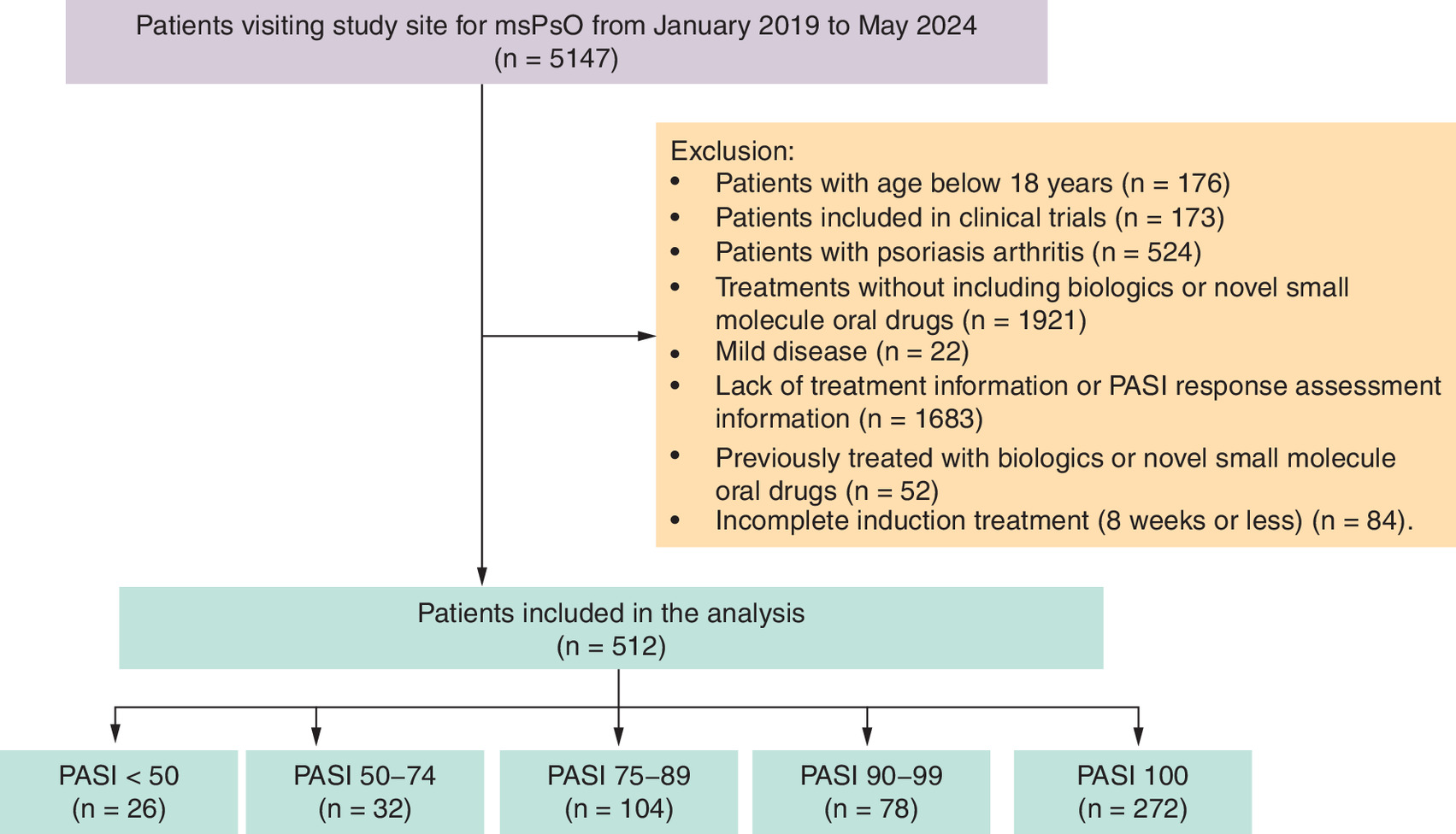
Figure 1. Patient identification process to create Psoriasis Area and Severity Index response groups.
msPsO: Moderate to severe psoriasis; PASI: Psoriasis Area and Severity Index.
Patient baseline characteristics of PASI response groups
The comparisons of patient baseline characteristics across the five PASI response groups revealed statistically significant differences in several key variables. The proportion of male patients varied significantly across the groups, ranging from 57.7% in the PASI <50 group to 78.2% in the PASI 90–99 group (p = 0.023). Furthermore, the distribution of skin lesions on the head also varied significantly between the groups, with 57.7% of patients in the PASI 75–89 group having head lesions compared with 80.8% in the PASI 90–99 group (p = 0.016). In terms of disease severity, patients with lower PASI responses (PASI <50) had a mean baseline PASI score of 9.9, while those in the PASI 90–99 group had a significantly higher baseline score of 17.5 (p = 0.004). Similarly, the affected BSA at baseline differed across PASI response groups, with the PASI <50 group having a mean BSA of 9.9% and the PASI 90–99 group having a mean BSA of 17.5% (p = 0.046). Interestingly, the five PASI response groups did not show significant differences in baseline DLQI scores (ranging from 9.3 to 12.4; p = 0.165). Alternatively, health utility scores at baseline were comparable across the groups, with scores ranging from 0.819 to 0.856 (p = 0.165). The detailed baseline characteristics of the patients stratified by PASI response groups are summarized in Table 1.
| PASI response group | PASI <50 (n = 26) | PASI 50–74 (n = 32) | PASI 75–89 (n = 104) | PASI 90–99 (n = 78) | PASI 100 (n = 272) | p-value |
|---|---|---|---|---|---|---|
| Mean ± SD/% | Mean ± SD/% | Mean ± SD/% | Mean ± SD/% | Mean ± SD/% | ||
| Age (years) | 35.1 ± 12.1 | 42.4 ± 14.5 | 40.7 ± 14.3 | 38.8 ± 13.6 | 39.8 ± 13.6 | 0.289 |
| Male proportion | 57.7% | 59.4% | 76.9% | 78.2% | 64.7% | 0.023 |
| BMI (kg/m2) | 25.6 ± 5.0 | 25.2 ± 3.1 | 25.4 ± 4.0 | 24.9 ± 3.6 | 24.3 ± 3.5 | 0.069 |
| Disease severity | ||||||
| PASI | 9.3 ± 6.7 | 10.2 ± 6.4 | 12.4 ± 6.8 | 14.2 ± 9.3 | 11.6 ± 7.6 | 0.004 |
| BSA (%) | 9.9 ± 10.0 | 12.1 ± 10.9 | 15.2 ± 11.9 | 17.5 ± 17.1 | 14.4 ± 13.1 | 0.046 |
| Disease severity distribution | ||||||
| Moderate | 26.9% | 25.0% | 20.2% | 25.6% | 25.0% | 0.877 |
| Severe | 73.1% | 75.0% | 79.8% | 74.4% | 75.0% | 0.877 |
| Skin lesion location | ||||||
| Lower limbs | 84.6% | 81.3% | 69.2% | 76.9% | 75.7% | 0.402 |
| Trunk | 69.2% | 65.6% | 69.2% | 78.2% | 75.0% | 0.489 |
| Upper limbs | 69.2% | 81.3% | 67.3% | 76.9% | 75.0% | 0.397 |
| Head | 61.5% | 75.0% | 57.7% | 80.8% | 68.0% | 0.016 |
| Quality of life | ||||||
| DLQI total score | 12.4 ± 6.7 | 10.7 ± 4.6 | 9.3 ± 4.8 | 9.7 ± 5.6 | 9.8 ± 5.4 | 0.165 |
| Health utility score | 0.819 ± 0.081 | 0.839 ± 0.056 | 0.856 ± 0.059 | 0.852 ± 0.068 | 0.850 ± 0.066 | 0.165 |
| Comorbidity | ||||||
| Hypertension | 11.5% | 18.8% | 20.2% | 11.5% | 11.4% | 0.196 |
| Coronary heart disease | 7.7% | 15.6% | 13.5% | 9.0% | 11.0% | 0.762 |
| Diabetes | 3.8% | 9.4% | 1.0% | 3.8% | 3.7% | 0.190 |
| Hyperlipidemia | 0.0% | 6.3% | 1.9% | 6.4% | 3.7% | 0.384 |
| Chronic hepatitis B | 0.0% | 0.0% | 1.0% | 1.3% | 0.4% | 0.549 |
| Fatty liver | 0.0% | 3.1% | 0.0% | 2.6% | 0.4% | 0.114 |
BSA: Body surface area; DLQI: Dermatology Life Quality Index; PASI: Psoriasis Area and Severity Index; SD: Standard deviation.
Correlations between health utility score & PASI response after biologic induction therapy
The comparisons of health utility scores before and after induction therapy with biologics revealed a significant increase in health utility for all PASI response groups, except the PASI <50 group. Patients who achieved a better PASI response were found to have higher post-induction health utility scores, ranging from 0.838 in the PASI <50 group to 0.965 in the PASI 100 group (p < 0.001). Additionally, the increase in health utility scores postinduction was larger in groups with better PASI responses, with an improvement of 0.019 in the PASI <50 group compared with 0.114 in the PASI 100 group (p < 0.001; Figure 2). The PASI <50 group demonstrated the lowest postinduction health utility scores and the smallest improvement in quality of life among the five PASI response groups. Further analysis using multiple generalized linear regression indicated that postinduction health utility scores were significantly associated with baseline utility scores (before induction therapy), with a coefficient of 0.077 (95% CI: 0.035 to 0.120, p < 0.001). PASI response status, relative to the PASI <50 group, was also a significant predictor of post-induction utility score, with coefficients ranging from 0.050 (95% CI: 0.034 to 0.066, p < 0.001) for the PASI 50–74 group to 0.124 (95% CI: 0.111 to 0.136, p < 0.001) for the PASI 100 group (Figure 3). Model fit statistics indicated adequate goodness of fit (residual deviance = 0.505; Akaike Information Criterion = -2074.4). Model diagnostics did not indicate major violations of model assumptions. Residuals were approximately normally distributed, and no substantial heteroskedasticity, influential observations or multicollinearity were identified. Detailed regression outputs and diagnostic information are provided in the Supplementary Table 1.
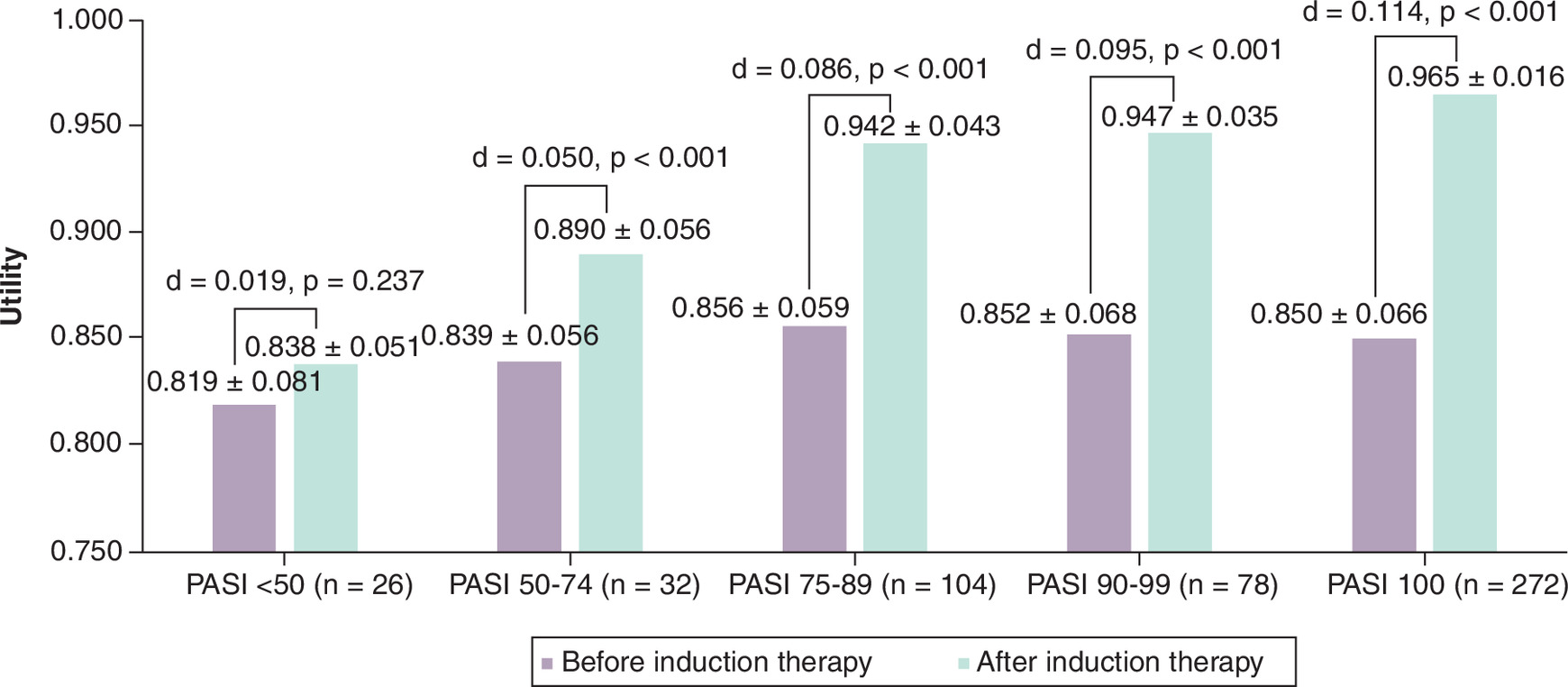
Figure 2. Health utility scores before and after biologic induction therapy in patients with different Psoriasis Area and Severity Index response status.
PASI: Psoriasis Area and Severity Index.
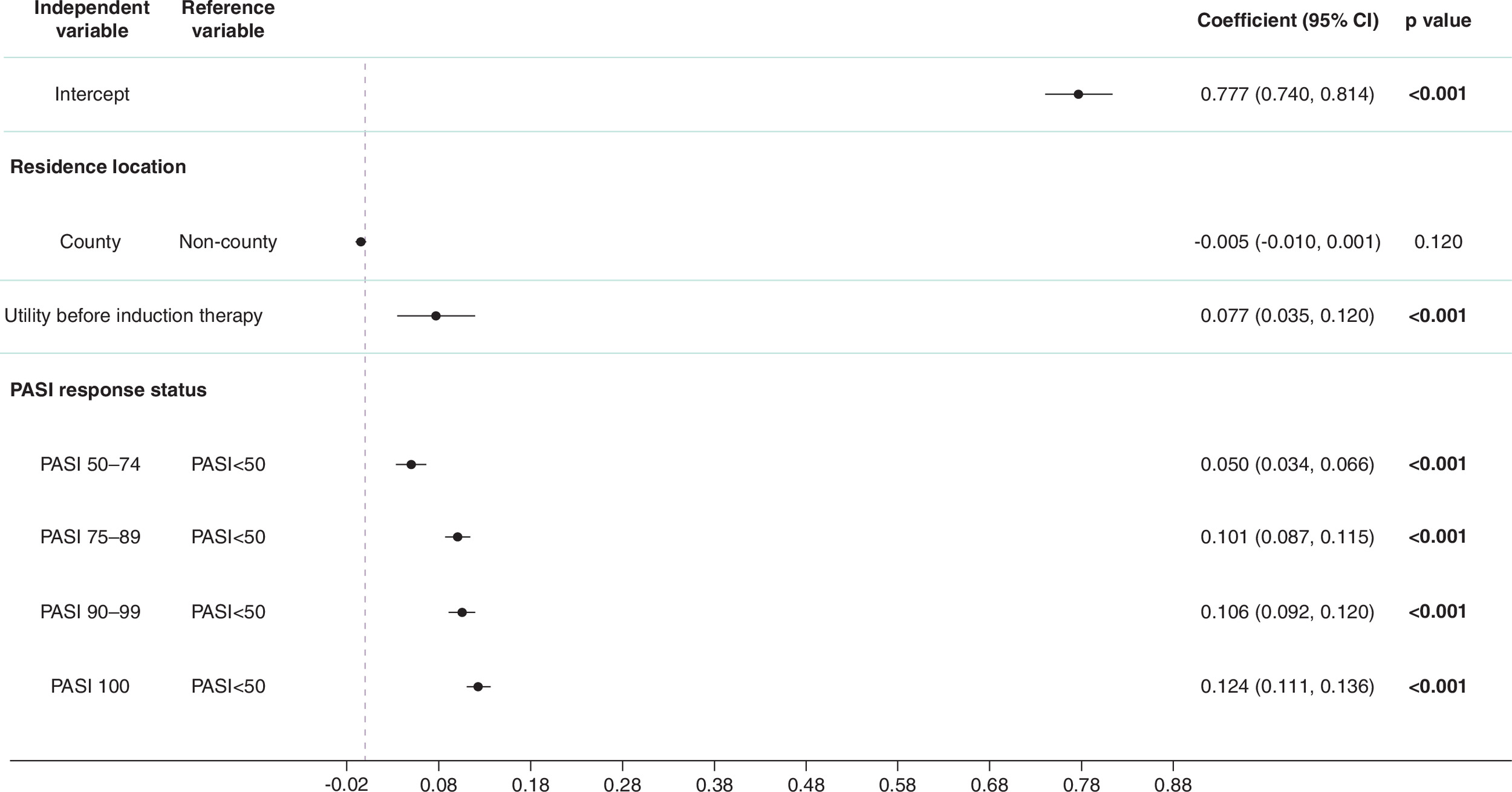
Figure 3. Associations between Psoriasis Area and Severity Index response status and health utility scores after the adjustment of patient baseline characteristics.
CI: Confidence interval; PASI: Psoriasis Area and Severity Index.
Applying health utility scores by PASI response to a multicenter cohort
This study applied the adjusted associations between PASI response status and health utility scores from our current single-center cohort to a previously studied cohort, which included 300 patients with msPsO from five tertiary hospitals across China. This adjustment was made to provide more representative estimates of health utility scores by PASI response status across a broader patient population. Comparisons of patient baseline characteristics between the two cohorts revealed significant differences in age, distribution of residence location, disease severity, skin lesion location and baseline health utility scores (Table 2). In the multicenter cohort, the baseline health utility score was lower (0.653), reflecting differences in patient demographics and disease burden. Using this baseline health utility score and the adjusted associations derived from the current study cohort (Xiangya patient cohort), we observed the following increases in health utility scores by PASI response status: 0.174 for PASI <50, 0.224 for PASI 50–74, 0.275 for PASI 75–89, 0.280 for PASI 90–99 and 0.298 for PASI 100. These increases represent the improvement in quality of life associated with higher PASI responses, starting from the lower baseline utility score of 0.653 in the multicenter cohort. Sensitivity analysis using the 95% CI of the conversion ratio (k = 1.142, 95% CI: [0.698, 1.786]) confirmed that the observed trends in health utility across PASI response groups remained statistically robust (see Supplementary Table 2).
| Patient cohort | Xiangya patient cohort (n = 512) | Multicenter patient cohort (n = 300) | p-value |
|---|---|---|---|
| Mean ± SD/% | Mean ± SD/% | ||
| Age (years) | 39.8 ± 13.7 | 42.8 ± 12.9 | 0.002 |
| Male proportion | 68.6% | 63.0% | 0.106 |
| Residence location | |||
| Provincial capital city | 22.9% | 21.3% | 0.616 |
| Regional city | 15.2% | 62.7% | <0.001 |
| County | 37.7% | 11.7% | <0.001 |
| Rural area | 23.0% | 4.3% | <0.001 |
| Unknown | 1.2% | 0.0% | 0.145 |
| Disease severity | |||
| Moderate | 24.2% | 58.7% | <0.001 |
| Severe | 75.8% | 41.3% | <0.001 |
| Skin lesion location | |||
| Lower limbs | 75.4% | 85.3% | <0.001 |
| Upper limbs | 73.8% | 68.3% | 0.811 |
| Trunk | 73.4% | 72.7% | 0.093 |
| Head | 68.0% | 69.0% | 0.760 |
| Health utility | 0.850 ± 0.065 | 0.653 ± 0.281 | <0.001 |
Bold value indicate statistical significance.
Values of p are provided to quantify differences in baseline characteristics between cohorts and to inform the interpretation of model extrapolation; they are not intended for hypothesis-driven between-group inference.
PASI: Psoriasis Area and Severity Index; SD: Standard deviation.
Discussion
This retrospective cohort study provides important insights into the clinical and health economic implications of biologic therapies in treating msPsO among Chinese patients. By examining the relationship between PASI response and health utility scores after biologic induction therapy, we have reinforced the understanding that achieving greater skin clearance is critical for improving the HRQoL in patients with psoriasis. The findings from this study not only highlight the clinical benefits of biologics but also provide a foundation for health economic evaluations in the context of msPsO management in China.
Our study revealed a consistent and significant increase in health utility scores as PASI responses improved, with the highest gains observed in patients achieving complete or near-complete skin clearance (PASI 90–100). Patients who reached PASI 100 had the most substantial increase in health utility (an average increase of 0.114 points), while those with PASI <50 saw only marginal improvements (0.019 points). These results are consistent with previous literature, which demonstrates a strong association between skin clearance and improvements in quality of life [14]. Psoriasis significantly affects patients' physical comfort, social interactions and emotional well-being, with these impacts diminishing as disease severity lessens. Therefore, achieving high PASI responses may translate directly into meaningful improvements in patients' daily lives. Even though the improvements in quality of life is associated with higher PASI responses, the relatively small incremental gains in health utility from PASI 75–89 to PASI 90–99 (0.005) and PASI 100 (0.023) raise important considerations that have been previously discussed [15]. The findings suggest diminishing marginal gains in health utility beyond PASI 75 at the group level, rather than an absence of benefit. Importantly, this pattern should not be interpreted as indicating that higher PASI targets lack clinical relevance. For certain patients – particularly those with involvement of visible or sensitive body areas or greater psychosocial burden – achieving PASI 90 or PASI 100 may still confer clinically meaningful quality-of-life benefits. From a clinical and health economics perspective, these results highlight the need for a nuanced approach to treatment decision-making. While PASI 75 appears to represent an important threshold for substantial population-level utility improvement, the value of pursuing complete skin clearance should be considered in the context of individual patient preferences, treatment burden and resource allocation, rather than being judged solely on average utility gains [16].
To explore the potential applicability of our findings beyond the original study setting, we applied the predictive health utility model derived from our single-center cohort to a multicenter cohort of 300 patients with msPsO who were treated at five tertiary hospitals across China. This exploratory step was intended to assess whether the direction and relative magnitude of utility gains associated with PASI response could be observed in a more heterogeneous, real-world patient population. The multicenter cohort exhibited a lower baseline health utility score (0.653) than our single-center cohort (0.850), likely reflecting greater heterogeneity in demographics, disease severity and healthcare delivery across China [17]. As access to biologics therapies continues to expand nationwide, regional differences in baseline health utility may diminish over time. Despite these differences, the relative pattern of utility gains across PASI response status remained consistent between the two cohorts. This consistency suggests that the relationship between PASI improvement and quality of life benefits holds true across diverse patient populations, reinforcing the external validity of our findings. Importantly, the validation using a broader patient population underscores that biologic therapies can provide substantial benefits in real-world clinical settings, not only within the confines of specialized centers but also in more representative healthcare environments.
The findings of this study also carry significant health economic implications. Biologic therapies, such as TNF-α inhibitors, IL-17 inhibitors, and IL-23 inhibitors, have revolutionized the management of msPsO by offering more substantial and sustained skin clearance compared with traditional therapies like methotrexate and cyclosporine [18]. However, biologics come with considerably higher costs, which raises questions about their cost-effectiveness, particularly in resource-constrained settings such as China. From a health economics perspective, achieving high PASI responses (PASI 75 or above) is associated with the greatest gains in health utility, translating into better quality-adjusted life years outcomes. In cost-effectiveness analyses, such improvements in health utility play a critical role in justifying the higher costs of biologic therapies. Our study suggests that biologic treatments that yield high PASI response may provide the most significant utility gains, making them potentially more cost-effective when considering the broad HRQoL improvements they deliver. These findings are particularly relevant for healthcare decision-makers tasked with determining which therapies to include in national formularies and reimbursement lists. Given the increasing focus on value-based healthcare in China, our study supports the use of biologics as a high-value intervention for patients with msPsO. Policymakers could leverage these insights to prioritize treatments with higher PASI response rates, especially when formulating reimbursement policies under China’s emerging diagnosis-related groups/diagnosis-intervention packet system. From a clinical standpoint, our results highlight the importance of personalized treatment strategies in psoriasis management. The wide variation in PASI responses observed in our study indicates that not all patients will achieve the same level of clinical improvement with biologics. For instance, patients in the PASI <50 group, who saw minimal improvements in utility, may require alternative therapeutic strategies, such as combination therapy or switching to a different class of biologics. Moreover, the differences in baseline characteristics between PASI response groups (e.g., disease severity, skin lesion distribution and gender differences) underscore the need for personalized treatment plans that account for individual patient factors. Incorporating HRQoL measures, such as DLQI and EQ-5D, into routine clinical practice will enable clinicians to better assess treatment outcomes from the patient’s perspective, ensuring that therapies not only improve clinical symptoms but also enhance overall well-being. Additionally, identifying patients at risk for suboptimal PASI response early in the treatment course could allow for timely adjustments in therapy, potentially improving long-term outcomes.
While our study provides important insights, several limitations should be acknowledged. First, this was a retrospective analysis primarily based on a single center, which limits causal inference. Although multivariable generalized linear regression models were applied to adjust for observed confounders, residual and unmeasured confounding cannot be fully excluded. Therefore, the observed associations should be interpreted as associative rather than causal. In addition, baseline imbalances in sex, disease severity, and lesion distribution were observed across PASI response groups. While these factors were adjusted for in regression analyses, the small sample size in the PASI <50 group precluded the use of propensity score–based methods, which may otherwise further improve covariate balance. Second, patient selection was restricted to individuals who completed induction therapy and had complete PASI and DLQI assessments at both baseline and post-induction time points. Patients who discontinued treatment early or lacked follow-up data were excluded, and systematic comparison between included and excluded patients was not feasible. These excluded patients may have experienced poorer adherence, lower treatment response, or greater disease burden, potentially leading to an overestimation of post-induction utility gains. Nevertheless, this restriction was necessary to ensure valid estimation of PASI response and corresponding changes in health utility. Third, health utility estimates relied on mapping approaches. DLQI scores were converted to EQ-5D utility index scores using a previously validated algorithm; however, indirect mapping may introduce uncertainty due to differences in scale structure and responsiveness between instruments. In the multicenter cohort, EQ-5D utilities were further estimated by converting VAS scores, which are not preference-based measures. Although sensitivity analyses supported the robustness of the main findings, the use of a single-center-derived conversion ratio may not fully capture potential heterogeneity across clinical settings, and additional uncertainty cannot be excluded. Finally, the inclusion of an external multicenter cohort does not overcome the inherent limitations of the retrospective, single-center design of the primary analysis. Findings derived from the external cohort should therefore be interpreted cautiously. Future prospective, multicenter studies with longer follow-up and concurrent collection of EQ-5D and DLQI data are warranted to more robustly evaluate the sustainability of utility gains associated with biologic therapies and their long-term cost-effectiveness.
Conclusion
Our study demonstrates that treatment with biologic therapies that yield higher PASI responses are associated with substantial improvements in health utility among Chinese patients with msPsO. These findings underscore the clinical and economic importance of achieving higher PASI responses (PASI 75 or above) to optimize patient outcomes and improve quality of life.
Summary points
•
Patients with better Psoriasis Area and Severity Index (PASI) responses had higher baseline PASI and body surface area scores, were more likely to be male and had a higher proportion of head lesions, indicating greater initial disease severity.
•
Health utility scores increased significantly after biologic induction in all PASI groups except PASI <50, with the greatest improvement observed in the PASI 100 group.
•
Patients in the PASI <50 group had the lowest post-induction utility scores (0.838) and the smallest gain in quality of life, highlighting limited benefit among non-responders.
•
Incremental improvements in health utility scores plateaued between PASI 75–89 and PASI 90–99, suggesting limited additional quality-of-life benefits with higher PASI responses beyond PASI 75.
•
PASI response is an independent driver of post-induction utility. Compared with the PASI <50 group, utility score improvements were significantly higher in all other PASI groups, even after adjusting for baseline utility.
•
Baseline utility was a significant predictor of post-induction utility. A higher baseline utility score was positively associated with higher postinduction utility, reinforcing the role of initial health status.
Author contributions
L Jian, L Zhang, B Li, Y Kuang, W Chen and X Wang formulated the research idea and developed the study protocol. L Jian, G Zhou, Y Duan, K Hu, M Zhang and L Tan conducted the study subject identification and data collection. L Tan and W Chen performed the data analysis. L Jian, L Zhang, B Li, Y Kuang and W Chen developed the manuscript draft. All authors have critically reviewed the manuscript and approved its submission.
Financial disclosure
This study was funded by Bristol Myers Squibb (China), The National Key Research and Development Program of China (2023YFC2508105) and The National Natural Science Foundation of China (82373484).
Competing interests disclosure
L Tan and W Chen are the employees of Changsha Normin Medical Technology Ltd, which received funding from Bristol Myers Squibb to conduct this study. X Wang was the employee of Bristol Myers Squibb when the study was conducted. The authors have no other competing interests or relevant affiliations with any organization or entity with the subject matter or materials discussed in the manuscript apart from those disclosed.
Writing disclosure
No funded writing assistance was utilized in the production of this manuscript.
Ethical conduct of research
Reviewed and approved by Xiangya Hospital of Central South University (approval no. 2024060716).
Data sharing statement
The data that support the findings of this study are available from Xiangya Hospital but restrictions apply to the availability of these data, which were used under license for the current study, and so are not publicly available. Data are however available from the corresponding authors upon reasonable request and with permission of Xiangya Hospital.
Open access
This work is licensed under the Attribution-NonCommercial-NoDerivatives 4.0 Unported License. To view a copy of this license, visit https://creativecommons.org/licenses/by-nc-nd/4.0/
Supplementary Material
File (supplementary data.docx)
References
Papers of special note have been highlighted as: • of interest; •• of considerable interest
1.
Pan R, Zhang J. Epidemiology and treatment of psoriasis: a Chinese perspective. Psoriasis Targets Ther. 4, 37–47 (2014).
2.
Kuang Y, Li Y, Lv C et al. Unmet needs and treatment preference of systemic treatments for moderate-to-severe psoriasis from the perspectives of patients and dermatologists in China. Dermatol. Ther. (Heidelb.) 14(5), 1245–1257 (2024).
•• Highlights real-world unmet needs in China, reinforcing the relevance of this study’s findings for healthcare decision-making.
3.
Nast A, Jacobs A, Rosumeck S, Werner RN. Efficacy and safety of systemic long-term treatments for moderate-to-severe psoriasis: a systematic review and meta-analysis. J. Invest. Dermatol. 135(11), 2641–2648 (2015).
4.
Menter A, Gelfand JM, Connor C et al. Joint American Academy of Dermatology–National Psoriasis Foundation guidelines of care for the management of psoriasis with systemic nonbiologic therapies. J. Am. Acad. Dermatol. 82(6), 1445–1486 (2020).
5.
Zhou T, Guan H, Wang L, Zhang Y, Rui M, Ma A. Health-related quality of life in patients with different diseases measured with the EQ-5D-5L: a systematic review. Front. Public Health 9, 675523 (2021).
•• Provides foundational support for using EQ-5D-5L as a utility measure across disease areas, including dermatology.
6.
Pickard AS, Gooderham M, Hartz S, Nicolay C. EQ-5D health utilities: exploring ways to improve upon responsiveness in psoriasis. J. Med. Econ. 20(1), 19–27 (2017).
• Highlights the limitations and sensitivity of EQ-5D in psoriasis patients, supporting the need for mapping approaches.
7.
Revicki DA, Willian MK, Menter A, Saurat JH, Harnam N, Kaul M. Relationship between clinical response to therapy and health-related quality of life outcomes in patients with moderate to severe plaque psoriasis. Dermatology 216(3), 260–270 (2008).
•• Provides strong evidence for the link between Psoriasis Area and Severity Index (PASI) improvement and quality of life outcomes, reinforcing the study’s conclusions.
8.
de Korte J, Sprangers MA, Mombers FM, Bos JD. Quality of life in patients with psoriasis: a systematic literature review. J. Investig. Dermatol. Symp. Proc. 9(2), 140–147 (2004).
9.
Blome C, Beikert FC, Rustenbach SJ, Augustin M. Mapping DLQI on EQ-5D in psoriasis: transformation of skin-specific health-related quality of life into utilities. Arch. Dermatol. Res. 305(3), 197–204 (2013).
• Forms the basis for the mapping algorithm used to derive EQ-5D utility scores from DLQI in the present research.
10.
Ali FM, Kay R, Finlay AY et al. Mapping of the DLQI scores to EQ-5D utility values using ordinal logistic regression. Qual. Life Res. 26(11), 3025–3034 (2017).
11.
Jian L, Wang X, Hu K et al. Mapping dermatology life quality index with EQ-5D health utility index score in Chinese patients with moderate to severe psoriasis. J. Comp. Eff. Res. 14(9), e250039 (2025).
•• Provides a mapping algorithm between the DLQI and EQ-5D.
12.
Committee of Psoriasis DB, Chinese Medical Association. Guidelines for the diagnosis and treatment of psoriasis in China: 2019 concise edition. Int. J. Dermatol. Venereol. 3(01), 14–26 (2020).
13.
Xu RH, Sun R, Tian L, Cheung AW, Wong EL. Health-related quality of life in primary care patients: a comparison between EQ-5D-5L utility score and EQ-visual analogue scale. Health Qual. Life Outcomes 22(1), 2 (2024).
14.
Jiang Y, Li Y, Huang D et al. Quality of life benefit and clinical predictors of complete skin clearance in psoriasis: a multicenter, prospective, real-world study. Dermatology 239(5), 802–810 (2023).
•• Demonstrates real-world quality-of-life improvements in PASI 100 achievers, consistent with the current study’s findings.
15.
Abrouk M, Nakamura M, Zhu TH, Farahnik B, Koo J, Bhutani T. The impact of PASI 75 and PASI 90 on quality of life in moderate to severe psoriasis patients. J. Dermatolog. Treat. 28(6), 488–491 (2017).
16.
Finlay AY, Salek MS, Abeni D et al. Why quality of life measurement is important in dermatology clinical practice: an expert-based opinion statement by the EADV task force on quality of life. J. Eur. Acad. Dermatol. Venereol. 31(3), 424–431 (2017).
• Underscores the clinical importance of quality-of-life assessment in dermatology and supports the focus on utility in this study.
17.
Chen K, Wang G, Jin H et al. Clinic characteristics of psoriasis in China: a nationwide survey in over 12000 patients. Oncotarget 8(28), 46381–46389 (2017).
18.
Kim HJ, Lebwohl MG. Biologics and psoriasis: the beat goes on. Dermatol. Clin. 37(1), 29–36 (2019).
• Provides clinical context on the evolution of biologic therapies in psoriasis treatment.
Information & Authors
Information
Published In
Copyright
© 2026 The authors. This work is licensed under the Attribution-NonCommercial-NoDerivatives 4.0 Unported License
History
Received: 6 August 2025
Accepted: 13 February 2026
Published online: 23 March 2026
Keywords:
Authors
Metrics & Citations
Metrics
Article Usage
Article usage data only available from February 2023. Historical article usage data, showing the number of article downloads, is available upon request.
Citations
How to Cite
Health utility by Psoriasis Area and Severity Index response status after biologic induction therapy in Chinese patients with moderate to severe psoriasis. (2026) Journal of Comparative Effectiveness Research. DOI: 10.57264/cer-2025-0122
Export citation
Select the citation format you wish to export for this article or chapter.