

Impact analysis of expanding antibiotic use for treatment of uncomplicated appendicitis without appendicolith
Publication: Journal of Comparative Effectiveness Research
Abstract
Aim: Approximately 20% of patients with uncomplicated appendicitis receive antibiotics as a first-line treatment; this study explores the impacts of expanding patient uptake of first-line antibiotics for appendicitis treatment. Materials & methods: We model the impacts on the patient, caregiver, payer and total societal costs associated with expanding antibiotics use from 20 to 50% for patients with appendicitis through use of a decision-tree model. Results: Increasing antibiotics uptake to 50% of eligible appendicitis patients is expected to decrease overall societal economic costs by $192 million, and these savings are driven by a $493 million reduction in initial treatment costs. For patients and their caregivers, out-of-pocket costs are expected to decrease by $18 million, appendectomies by 27,410 and missed work hours by 639,682. Conclusion: Increasing national uptake of antibiotics for the treatment of appendicitis may reduce patient, payer and total societal costs with minimal impact to patient health outcomes. An expansion may also decrease the total number of appendectomies, appendectomy-related medical complications, and lost wages for patients and caregivers, with minimal decreases in the number of appendiceal cancer cases treated early.
Plain language summary: Understanding the impacts of increased antibiotic use as an alternative to appendectomy for appendicitis
What is this article about?
Approximately 300,000 people in the USA experience inflammation in their appendix each year, a condition that is referred to as appendicitis. Appendicitis may cause severe abdominal pain and requires immediate medical treatment to avoid life-threatening infections. Most patients undergo an appendectomy, which is surgical procedure that removes the appendix, to resolve their appendicitis. Appendectomies are generally curative for appendicitis and may help detect appendiceal cancers at earlier stages; however, appendectomies can be costly and may result in surgical complications. This study expands an existing clinical trial to understand the costs and implications to patients and caregivers of increased antibiotic use in the USA.
What methodology/protocol is described?
Currently, about 20% of eligible patients receive antibiotics to treat their appendicitis. We used a simulation model to assess the patient and payer impacts of expanding uptake of antibiotics to 50% of eligible patients. The model evaluated changes in health outcomes, healthcare utilization, patient and caregiver work loss and costs associated with the expansion of antibiotics treatment using a 5-year time horizon.
What do the results mean?
Increasing national uptake of antibiotics for the treatment of appendicitis from 20 to 50% may reduce patient, payer and total societal costs with minimal impact to patient health outcomes. The expansion would decrease the total number of appendectomies, appendectomy-related medical complications and wages, with minimal decreases in the number of appendiceal cancer cases treated early.
Appendicitis impacts approximately 300,000 people in the USA each year and requires immediate medical treatment to avoid life-threatening infections [1]. The standard of care for appendicitis is surgical management through a procedure called an appendectomy [2]. Antibiotics also have been shown to be a safe and effective alternative first-line treatment for uncomplicated appendicitis; however, uptake of first-line antibiotic treatment for appendicitis remains low, with fewer than 20% of eligible patients undergoing antibiotic treatment [3–7].
Appendectomies are generally considered curative for appendicitis but they may increase a patient’s risk of surgical complications [2]. Patients who receive antibiotics rather than an appendectomy as a first-line treatment may eliminate the risk of surgical complications, have a shorter hospital stay and lower hospital costs, and experience less time off of work or school for both themselves and any caregivers [6–8]. However, patients who use antibiotics are at risk of recurrent appendicitis and may require additional medical treatment, including later appendectomy [2,8].
To expand the current clinical evidence and incorporate patient-centered outcomes, Flum et al. conducted a randomized control trial comparing antibiotics to appendectomy for management of patients with acute appendicitis. In Flum et al.’s antibiotic treatment arm, patients underwent 10 days of antibiotics consisting of at least 24 h of IV antibiotics followed by an oral regimen while patients in the appendectomy arm received standard care. The authors found that patients who were given first-line antibiotics reported noninferior quality of life and health outcomes compared with first-line appendectomy patients. However, nearly half of patients in the antibiotics arm underwent an appendectomy within 4 years.
This study builds on the findings from Flum et al. to estimate the impact of increasing first-line antibiotics treatment uptake among US adult patients with appendicitis. We developed a model that projects the implications of increasing antibiotics uptake over a 5-year time horizon, including changes to patients’ costs, health outcomes and time away from work; caregivers’ time away from work; and cost impacts to health payers.
Overview of Flum et al.
Flum et al. conducted the Comparison of Outcomes of Antibiotics Drugs and Appendectomy (CODA) trial to compare patient-reported and clinical outcomes for patients with appendicitis randomized to treatment with antibiotics therapy versus appendectomy. CODA also conducted subanalyses by patient appendicolith status. Appendicoliths are calcium deposits on the appendix and may complicate appendicitis treatment [9]. Prior to CODA, no other study, to our knowledge, has evaluated the safety and efficacy of antibiotics among patients with appendicolith.
The CODA study enrolled 1552 adults in 25 healthcare centers across the USA from 3 May 2016 to 5 February 2020. The trial found that antibiotics were noninferior to appendectomy as assessed by the study’s primary outcome of 30-day health status. After 4 years, 61% of patients with appendicolith and 44% of patients without appendicolith in the antibiotics arm received a later appendectomy.
Materials & methods
We developed a decision-tree model in Microsoft Excel to simulate the impact of increasing the uptake of first-line antibiotic treatment among patients with appendicitis for a single year in the USA (Figure 1). We modeled outcomes over a 5-year time horizon to capture the risk of recurrent appendicitis and incidence of appendiceal cancer; 5-year time horizons are frequently used in impact analyses [10]. Because an appendicolith may complicate patient health outcomes, we stratified our patient population by appendicolith presence [8]. All patients were at risk of adverse health events from their treatment (whether appendectomy or antibiotics), and patients who received first-line antibiotics were also at risk of having a follow-on appendectomy. A decision tree is appropriate for this context as appendectomy is largely curative of appendicitis and thereby most clinical pathways in our model can be expressed in a terminal node without losing clinical or economic significance [11].
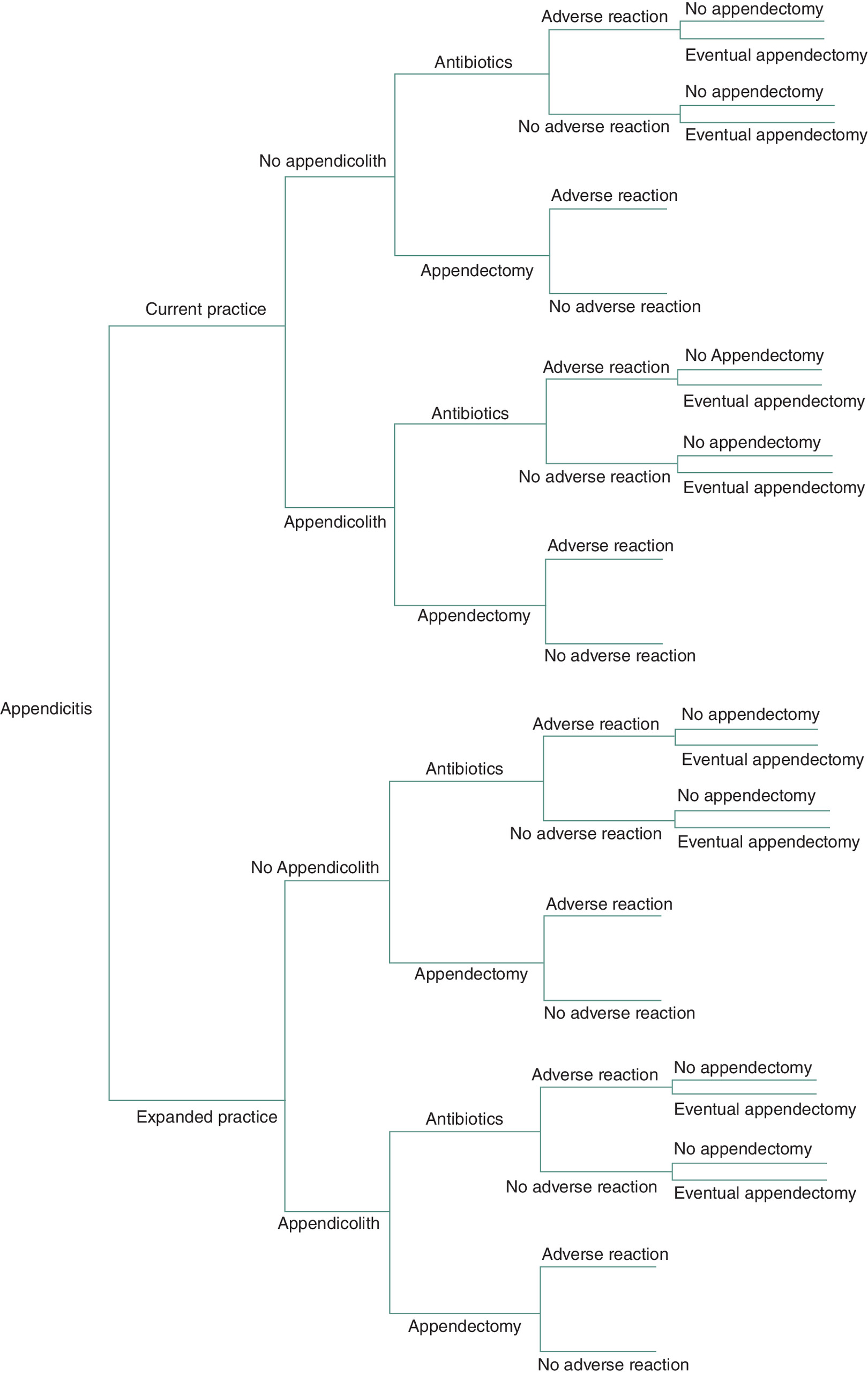
While the CODA trial provided many of the necessary clinical parameters for this model, we consulted the literature to obtain estimates of US population size, appendicitis incidence, appendicitis-related healthcare costs and wage measures (Table 1). We compared the current practice of 20% antibiotic uptake with an expanded scenario where 50% of eligible patients selected antibiotic treatment [5]. We estimated healthcare events and healthcare utilization associated with each treatment arm. We also estimated direct healthcare costs from the payer and the patient perspectives; indirect costs, which included patient and caregiver time away from work as well as travel costs for healthcare events; and total societal costs, which were the sum of direct healthcare costs and indirect costs incurred by payers, patients and caregivers.
| Parameter description | Value | Source, year |
|---|---|---|
| Annual incidence | ||
| Annual appendicitis incidence per 10,000† | 9.4 | Buckius, 2012 |
| Probability of appendicolith† | 26.7 | Flum, 2022 |
| Percentage taking antibiotics | ||
| Antibiotic receipt without appendicolith | 20.0% | Korah, 2024 |
| Antibiotic receipt with appendicolith | 0.0% | Expert opinion |
| Clinical findings | ||
| Perforated appendices | 13.8% | Potey, 2023 |
| Appendiceal cancer after appendectomy | 0.8% | Flum, 2022 |
| Appendiceal cancer after antibiotics | 0.5% | Flum, 2022 |
| Probability chemotherapy for appendiceal cancer | 39.0% | Kolla, 2019 |
| Healthcare costs | ||
| Patient self-paid | 11% | MEPS data |
| Costs (2024$): | ||
| Appendectomy | 15,053 | Schumm, 2020 |
| IV antibiotics, 1-day overnight stay | 3,596 | Schumm, 2020 |
| IV antibiotics, 3-day overnight stay | 6,490 | Schumm, 2020 |
| ED visit | 1,242 | AHRQ data tools |
| Hospitalization visit (any reason) | 17,937 | AHRQ data tools |
| Hospitalization visit (C. diff colitis) | 16,077 | Shah, 2016 |
| Hospitalization visit (percutaneous abscess drainage) | 13,431 | Ferguson, 2022 |
| Physician office visit | 389 | AHRQ data tools |
| Colonoscopy | 967 | Ladabaum, 2024 |
| Colectomy | 16,335 | Sceats, 2019 |
| Chemotherapy | 43,534 | Sceats, 2019 |
| CT scan | 367 | CMS fee schedule |
| Indirect cost parameters | ||
| Missed workdays among patients | ||
| Appendectomy without appendicolith | 8.61 | Flum, 2020 |
| Appendectomy with appendicolith | 9.07 | Flum, 2020 |
| Antibiotics without appendicolith | 4.97 | Flum, 2020 |
| Antibiotics with appendicolith | 6.14 | Flum, 2020 |
| Missed workdays among caregivers | ||
| Appendectomy without appendicolith | 2.16 | Flum, 2020 |
| Appendectomy with appendicolith | 1.69 | Flum, 2020 |
| Antibiotics without appendicolith | 1.17 | Flum, 2020 |
| Antibiotics with appendicolith | 1.77 | Flum, 2020 |
| Average hourly wage ($) | ||
| Without appendicolith | 42.06 | Calculated using 2021 BLS |
| With appendicolith | 42.24 | Calculated using 2021 BLS |
†
Age-specific estimates are available in Supplementary Table 1, Appendix A.
AHRQ: Agency for Healthcare Research and Quality; BLS: Bureau of Labor Statistics; CMS: Centers for Medicare & Medicaid Services; CT: Computed tomography; MEPS: Medical Expenditure Panel Survey.
Population size & incidence parameters
We used the 2022 US Census Population Estimates to estimate the US adult population by age group, for people aged 18 years or older [12]. Because appendicitis varies by age, we applied estimates of appendicitis incidence stratified by age deciles to the 2022 US age groups to calculate the total number of appendicitis cases [13]. We estimated appendicitis incidence among 18–19 year olds by averaging the appendicitis incidence for 10–19 year olds and 20–29 year olds as appendicitis incidence is highest in younger children and using the 10–19 year olds incidence alone may overpredict incidence among 18 and 19 year olds. The CODA research team provided the probability of appendicolith by age group for people aged from 18 to 89 years [14]. We assumed the same appendicolith proportions for people aged 90–99 years and people aged 100 years and over.
Clinical parameters
We define uncomplicated appendicitis as appendicitis without signs of necrosis or perforation [15]. For consistency with current clinical practice, we assumed that only patients without appendicolith were offered the choice of antibiotics and that all patients with an appendicolith received an appendectomy. We also assumed that, in current practice, 20% of patients with appendicitis and without an appendicolith receive antibiotic treatment as current practice based on an analysis that found 17.6% of adults with uncomplicated appendicitis between 2018 and 2019 underwent nonoperative management [5]. We compared this current practice to an expanded practice scenario where 50% of patients with appendicitis without appendicolith select antibiotics. In our sensitivity analyses, we varied the expanded practice uptake parameter between 0 and 100%.
The CODA trial provided data for most of our healthcare outcomes and utilization parameters, including rates of adverse events, emergency department (ED) visits and appendiceal cancer incidence [3]. We assumed that ED visits, nonappendectomy related hospitalizations, and other physician office visits occurred exclusively among patients with adverse events. We defined adverse events as National Surgical Quality Improvement Program complications that occurred within 90 days after the initial appendicitis treatment (whether antibiotics or appendectomy). We also assumed the rate of post-index appendectomies was independent of the patient having an adverse event.
For recurrent appendicitis and appendiceal cancers, which may evolve over a longer period, we used a 5-year time horizon to model the occurrence of these two health outcomes. Incidence of post-index appendectomy was only available over a 4-year time horizon in the CODA trial. We extrapolated the incidence reported in CODA to a 5-year time horizon by assuming that a patient’s risk of appendectomy returns to the average risk of appendicitis in the general US population after 4 years [13]. Since the patients receiving antibiotics are also at risk of recurrent appendicitis, we model the risk of perforated appendices among these patients as the perforated appendices may have been avoided had they received a first-line appendectomy. We used the proportion of patients with appendicitis with perforation from Potey et al. to approximate the proportion of patients receiving follow-on appendectomies with perforated appendices [16].
For appendiceal cancer, we assumed that the rate of diagnosed neoplasms in the CODA trial represented a 5-year risk and that all patients with identified neoplasms would receive treatment, including a follow-up computed tomography (CT) scan, colonoscopy, right colectomy and appendectomy. We assumed that 39% of patients treated for appendiceal cancer also received chemotherapy [17]. This assumption reflects the national rate for chemotherapy receipt among patients with appendiceal cancers.
Healthcare cost parameters
Treatment costs
We used the published literature to estimate treatment costs for a first-line appendectomy and for first-line antibiotics treatment. Appendectomy costs were based on the Centers for Medicare & Medicaid fee schedule for a laparoscopic appendectomy [18]. Because the number of inpatient hospital days varied by site in CODA and because the number of inpatient hospital days is the most expensive line item in first-line antibiotics treatment costs, we estimated antibiotics treatment costs as the weighted average of the costs of 1 day and 3 day hospital stays for first-line antibiotics treatment [18,19]. We based the weights on the proportion of patients given first-line antibiotics treatment in the CODA trial who were discharged within 24 h and assumed that all patients who were not discharged within 24 h had a 3-day hospital stay [19].
Additional healthcare costs
ED visits and urgent care (UC) visits were reported as one metric from the CODA trial. We costed all ED/UC visit costs using the mean expenditures of an ED visit because ED visits are typically more expensive than UC visits [20]. The CODA trial reported more ED/UC visits among patients receiving antibiotics, so using the ED costs is expected to bias our results against cost savings for the antibiotics. Although we expect some patients to receive office-based care after their first-line treatment, the CODA trial did not report physician office visits or other outpatient care. However, because incisional or organ space/abscesses that are not treated with a percutaneous drainage are often treated in a primary care physician’s office, we assumed care for these procedures occurred during an office visit and costed these health events as the mean expenditures per office visit [20,21].
Because hospitalization costs vary by type of care, we used the proportion of patients who were reported in the CODA trial to have a Clostridioides difficile colitis diagnosis or a percutaneous abscess drainage procedure to weight our hospital costs [22,23]. These conditions were chosen because they were the post-treatment conditions that may require hospital care that were reported in the CODA trial for each treatment arm [21]. We used the published literature to identify mean hospitalization expenditures for C. diff and percutaneous drainage procedures [20]. When the number of reported C. diff and percutaneous drainage procedures was less than the overall number of hospitalizations, we assumed the patient was hospitalized for another cause and, for these patients, used the mean hospitalization expenditure across all causes in our weighted average.
In the CODA trial, patients with first-line antibiotic treatment and ongoing symptoms received a repeat CT scan to assess potential appendiceal cancer. Based on this study protocol, we assumed a proportion of patients receiving first-line antibiotics treatment incurred the cost of an additional CT scan [24]. All patients diagnosed with appendiceal cancer additionally incurred costs for a colonoscopy and colectomy [25,26]. A subset of these patients also incurred costs for chemotherapy [26].
All healthcare cost parameters were adjusted to 2024 dollars using the Consumer Price Index of Medical Care [27]. Using 2016 to 2019 Medical Expenditure Panel Survey data, we estimated that patients with appendicitis self-paid 11% of their total healthcare costs [28]. We applied this percentage to our total healthcare estimates to calculate the portion of healthcare costs that patients paid out of pocket. Additionally, we applied a 3% annual discount rate to the appendectomy cost over a 5-year time horizon when looking at the future cost of possible follow-on appendectomies [11].
Indirect cost parameters
We estimated missed workdays, lost wages and travel costs for patients with appendicitis and their caregivers. The CODA trial included the number of missed workdays for both patients and caregivers, stratified by treatment group and appendicolith status. We assumed that patients treated with antibiotics who had post-index appendectomies incurred additional missed workdays equal to the average missed workdays in the appendectomy group. Our population of patients with appendicitis was multiplied by the percentage of US adults in the labor force [29]. We converted missed workdays to lost wages by multiplying the number of missed workdays by an average hourly wage rate and assumed that all patients and caregivers worked 8 h each workday. We used wage data by age from the 2022 Current Population Survey Annual Social and Economic Supplement [30]. Because younger adults are more likely to have appendicitis, we used our appendicitis incidence by age to estimate a weighted average of the wage rate [13]. We then added a 45% fringe rate and adjusted the total wage to 2024 dollars [31]. Travel costs were estimated by multiplying average travel hours for healthcare visits by the estimated number of hospitalization, ED, outpatient or office visits and by the average transportation cost from Ray et al. [32]. We summed the total lost wages and transportation costs to estimate total indirect costs.
Sensitivity & scenario analyses
We conducted one-way sensitivity analyses on the difference between a baseline of 20% of patients using antibiotics and the expanded practice where 50% of patients use antibiotics to identify the parameters to which the model outcomes were most sensitive. When available, we obtained 95% confidence intervals (CIs) for each parameter value in our model; for parameters where the 95% CI was unavailable, we assumed the parameters’ CI varied from the mean by +/-20%. We varied each parameter individually across the confidence range while holding all other parameters at their base case values.
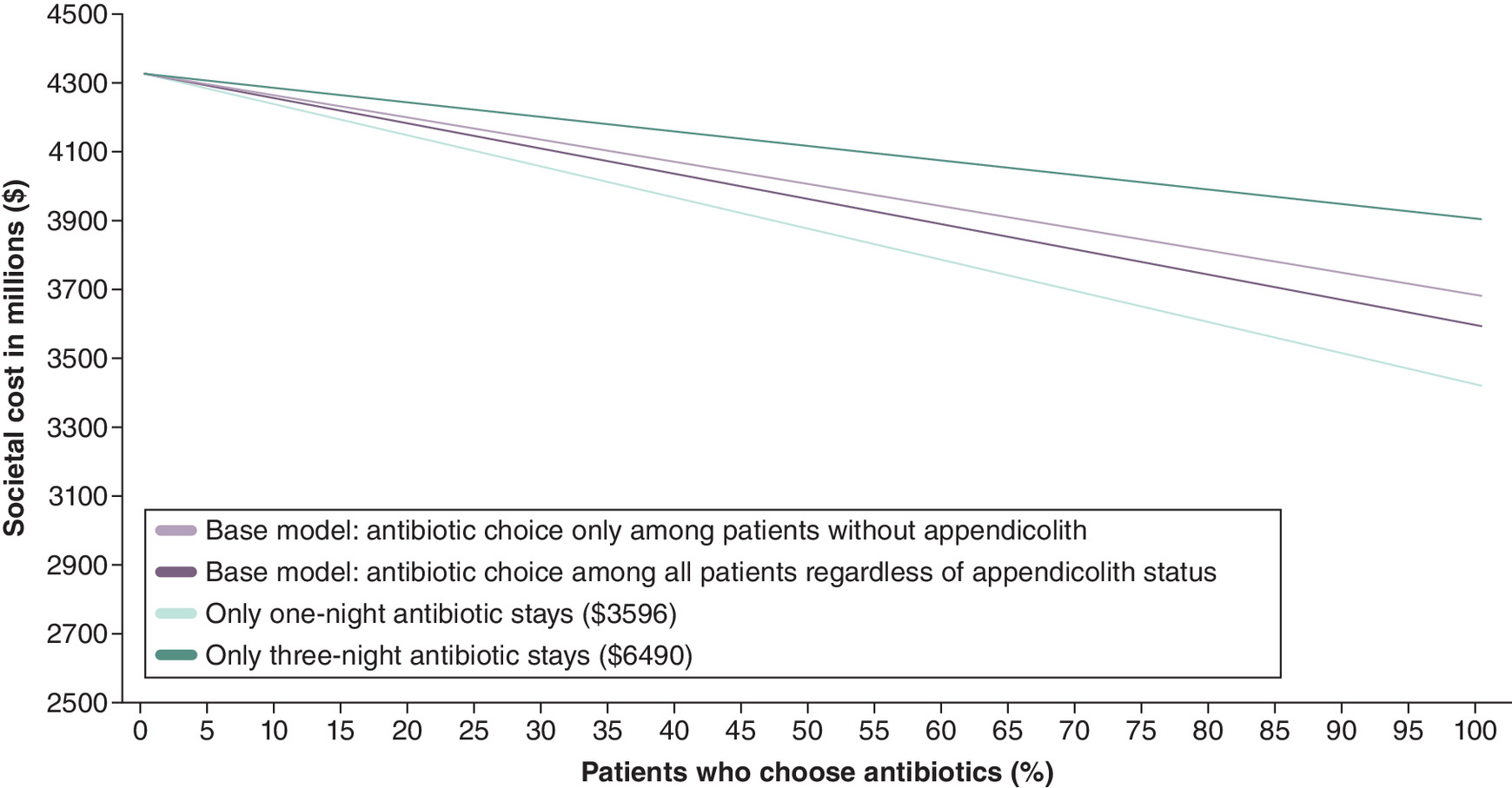
We also conducted several scenario analyses to assess the implications of length of hospital stay on the cost savings estimates. The costs of antibiotics treatments for appendicitis is not well-established in the published literature and this is, in part, due to varied lengths of hospital stay [33]. We conducted two scenario analyses that varied the number of days that patients stayed in the hospital when receiving antibiotic treatment and assumed that all patients treated with antibiotics had either a 1- or 3-night hospital stay (Table 1; $3596 and $6490, respectively).
We conducted an additional analysis that relaxed our assumption that choosing antibiotics treatment was dependent on absence of an appendicolith and allowed patients with appendicolith to choose antibiotics at the same rate as patients without appendicolith. All scenarios examined outcomes based on the differing percentage of patients using antibiotics to treat appendicitis.
We conducted a probabilistic sensitivity analysis to assess the impact of joint parameter uncertainty on model results. We drew 1000 replications from model input distributions to develop a 95% credible range for each model output. Supplementary Table 1 in Appendix A shows the ranges and distributions used in sensitivity analysis.
Results
The model estimated 227,987 adult patients with acute uncomplicated appendicitis annually; 73% (165,931) of the patients did not have appendicolith. As shown in Table 2, increasing antibiotics uptake from 20 to 50% of eligible patients without appendicolith is expected to result in a reduction of 49,779 (25.6%) in index appendectomies but an increase of 22,370 in follow-on appendectomies for a total of 27,410 (13.1%) avoided appendectomies at 5 years. The change in patient uptake is estimated to reduce adverse events by 4.3% (303), hospitalizations by 2.4% (155), ED visits by 6.0% (473) and outpatient visits by 2.6% (137). We also estimate the expanded practice would result in 149 (8.7%) fewer appendiceal cancers identified and treated and 3084 (150%) additional perforated appendices.
| Outcome | Current practice | Expanded practice | Difference (expanded – current) | Minimum credible | Maximum credible |
|---|---|---|---|---|---|
| Clinical outcomes | |||||
| Index appendectomies | 194,800 | 145,021 | -49,779 | ||
| Post-index appendectomies | 14,913 | 37,283 | 22,370 | 16,959 | 27,909 |
| Total appendectomies | 209,714 | 182,304 | -27,410 | -32,614 | -21,716 |
| Adverse events | 7085 | 6782 | -303 | -1385 | 864 |
| ED visits | 7915 | 7442 | -473 | -1777 | 766 |
| Hospitalizations | 6529 | 6374 | -155 | -941 | 664 |
| Outpatient visits | 5234 | 5097 | -137 | -906 | 638 |
| Treated appendiceal cancers | 1724 | 1575 | -149 | -589 | 252 |
| Perforated appendices | 2056 | 5140 | 3084 | 2258 | 4111 |
| Direct healthcare costs | |||||
| Index treatment costs | $3,103,522,163 | $2,610,818,002 | -$492,704,161 | -$701,059,436 | -$326,980,317 |
| Post-index healthcare costs | $408,180,932 | $740,662,823 | $332,481,891 | $237,813,525 | $449,852,886 |
| Total healthcare costs | $3,511,703,095 | $3,251,480,825 | -$160,222,270 | -$296,752,601 | -$42,388,097 |
| Payer | $3,125,415,755 | $2,982,817,934 | -$142,597,820 | -$264,109,815 | -$37,725,407 |
| Patient out-of-pocket | $386,287,340 | $368,662,891 | -$17,624,450 | -$32,642,786 | -$4,662,691 |
| Indirect costs | |||||
| Total forgone work hours | 13,746,902 | 13,107,220 | -639,682 | -1,145,881 | -132,249 |
| Travel time (hours) | 21,331 | 34,654 | 13,323 | 9501 | 17,460 |
| Forgone wages and travel cost | $687,025,003 | $655,329,756 | -$31,695,246 | -$60,059,776 | -$6,197,711 |
| Societal costs | |||||
| Total societal cost | $4,198,728,098 | $4,006,810,581 | -$191,917,516 | -$336,870,532 | -$62,236,341 |
ED: Emergency department.
Total healthcare costs are estimated to decrease by 4.6% ($160,222,270) and, on average, patients are expected to save $77 per patient in out-of-pocket healthcare costs. These cost savings are driven by the reduction in index treatment costs of $492,704,161 for antibiotic treatment, which are larger than the estimated $332,481,891 increase in post-index healthcare costs. Findings also indicate that indirect costs would decrease by $31,695,246 (4.6%) due to fewer forgone wages and travel costs for patients and caregivers. Total societal costs are estimated to decrease by $191,917,516 (4.6%), an average of $842 per patient.
One-way sensitivity analyses
Figure 2 displays the results from our one-way sensitivity analyses of societal savings. The values in the diagram reflect the highest and lowest potential societal cost savings when the base values of each parameter are varied across the parameters 95% CI upper and lower bounds. Changes in the average cost of appendectomies had the largest impact on societal cost savings as fluctuating the cost of appendectomies across our 95% CI ($13,078–$19,617) yielded a spread of nearly $185 million across the highest and lowest potential savings values (societal cost savings ranging from $136 million to $320 million). The probability of eventual appendectomy and incidence of appendiceal cancer were the next two most impactful parameters, yielding a spread of $145 million and $83 million, respectively.
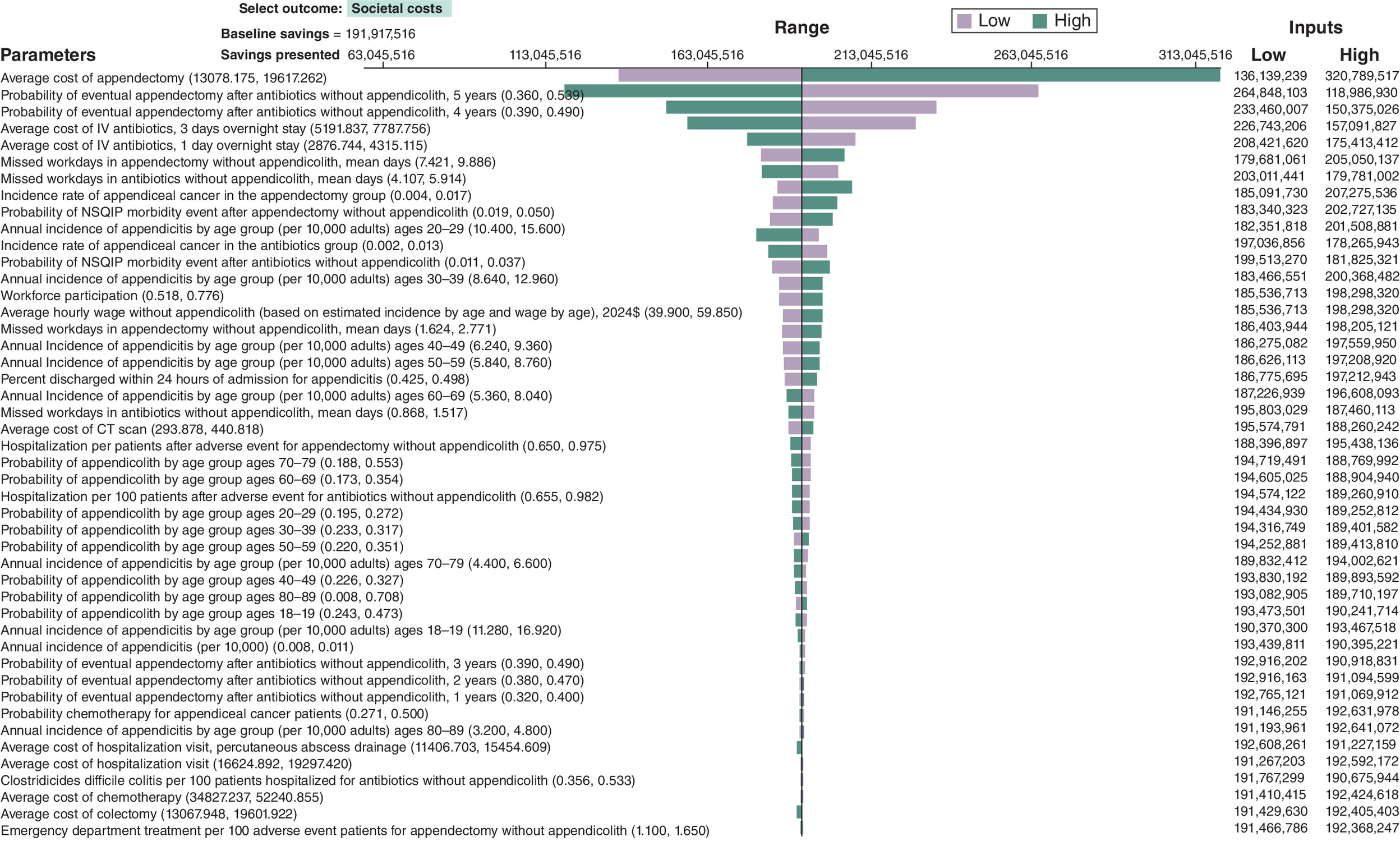
Figure 2. Expected societal savings associated with expanding first-line antibiotics uptake among adult patients with appendicitis in the USA.
CT: Computed tomography.
Scenario analysis
In all but one of our scenario analyses, total societal costs decreased as the uptake of antibiotics to treat appendicitis increased (Figure 3). Varying the average number of days that patients receiving antibiotics stayed in the hospital from 3 days to 1 day suggested a $96 million increase in societal cost savings. Allowing patients with appendicolith to also have the choice of antibiotics decreased societal costs under the current practice by $17 million and increased cost savings with expanded uptake by $26 million.
Discussion
Antibiotics are well established as safe and effective first-line treatment for appendicitis, and patients should be encouraged to share in the decision-making process for their appendicitis treatment. Antibiotic first-line treatment may reduce the risk of surgical complications and increase the amount of time off of work, but it comes with the future risk of surgery. As many as 50% of patients receiving antibiotic treatment may receive follow-on appendectomies which can require additional missed workdays and potentially costly medical care.
In current practice, we estimate only 20% of eligible patients with appendicitis choose antibiotics as their first-line treatment [5]. Our findings suggest that increasing first-line antibiotics uptake to 50% of eligible patients may decrease the costs accrued to patients, payers, and society. These savings are driven by decreases in healthcare costs and, in particular, decreases in index treatment costs. An increased uptake in antibiotics also may lead to fewer missed workdays among patients and their caregivers but ultimately more travel time, since nearly 50% of patients receiving antibiotics may receive a later appendectomy. Our baseline scenario of expanding antibiotics uptake rate to 50% may be a conservative one as Rosen et al. previously reported that over 80% of surveyed adults were willing to try antibiotic treatment even with 50% risk of treatment failure [34]. However, given the uncertainty in clinical uptake, we incorporated varying antibiotics uptake rates in our scenario analysis.
Our findings that antibiotics are cost-saving when compared with appendectomy are consistent with a prior decision-tree model that compared appendectomy with antibiotics treatment in pediatric patients [35]. However, the extant modeling literature is mixed on whether antibiotics yield lower costs and outcomes than appendectomy. For example, a Markov model developed by Sceats et al. found that antibiotics yielded higher overall cost of care over a patient lifetime [26]. The CODA trial results may have been influenced by factors such as patient and provider preferences, site-level variation, and evolving clinical attitudes toward antibiotic treatment, which could have contributed to higher-than-expected eventual appendectomy rates in the antibiotics treatment group. We view this trial as reflective of real-world decision making and thus appropriate in using to analyze the impacts of expanding antibiotics uptake to the US population.
To our knowledge, our study is the first to use findings from the CODA clinical trial to understand the health and economic impact of increased uptake of antibiotics for treatment of appendicitis. As CODA is the only clinical trial to date that randomizes treatment across appendicolith status, our model stratifies health outcome parameters by appendicolith status. This allows our model to explore the implications of expanding antibiotics uptake among patients with appendicolith. Patients with appendicolith are more likely to have adverse events after first-line antibiotics treatment; however, our scenario analysis suggests that antibiotics would still provide cost savings even with the follow-on healthcare events and costs that are associated with antibiotics uptake among patients with appendicolith. Our study is also the first, to our knowledge, to model and cost missed workdays among US patients and their caregivers.
Limitations
Our study has several limitations. First, treatment costs for appendicitis and antibiotics are not well established in the literature [33]. While our study used prior published cost estimates, these estimates used a bottom-up approach that used Medicare payment schedules to value each treatment course. We also used estimates from Sceats et al. to obtain the cost of a 1-day antibiotics treatment. These estimates assume that 1-day stays for antibiotics treatments were billed as inpatient stays; however, this assumption may be conservative given that around half of antibiotic patients were discharged from the ED in the CODA trial [3]. We tested the implications of this assumption and found that changing our 1-day stay cost estimates to outpatient costs only increased our cost savings by 0.4 percentage points. Our base case assumes that the costs of antibiotics treatment is approximately a third the cost of an appendectomy; however, our scenario analyses suggest that if the costs of antibiotic treatment is more than half of the costs of an appendectomy costs, this would negate all cost savings. Furthermore, Medicare estimates for treatment costs may not generalize to non-Medicare populations.
Our model also only evaluated cost savings among patients with uncomplicated appendicitis and does not generalize to complicated appendicitis cases. Within complicated cases of appendicitis, antibiotics may be used as a first-line defense against infections, followed by a planned appendectomy. Including complicated cases may reduce the cost savings from antibiotics.
While we assumed that post-index appendectomies incur the same costs and adverse events as the appendectomy treatment arm, follow-on appendectomies may have different associated costs and outcomes [3]. Data on longer-term CODA trial outcomes indicate that at least 12% of post-index appendectomies were for nonclinical reasons such as a patient concern around recurrence [36]. Our model may overestimate costs and adverse events attributed to increasing antibiotic uptake for these patients, as planned appendectomies may reduce costs and adverse events compared with later appendectomy for acute clinical reasons. We also used CODA’s National Surgical Quality Improvement Program (NSQIP)-defined adverse events, which is typically used as a measure of postoperative adverse events and may yield higher estimates of adverse events and associated costs than CODA’s measure of serious adverse events (SAEs). We compared the implications of our choice for using NSQIP versus SAE and found that using SAE in our model would have minimal impact to our results, increasing the percentage of cost-savings from 4.57% savings under our NSQIP assumption to 4.60% under a SAE assumption.
Appendiceal cancer is a costly disease that may be detected earlier with an appendectomy. The CODA trial may not have identified all potential appendiceal cancer cases as the trial collected data through 5 years after the initial appendicitis and only conducted one post-treatment CT scan for a subset of patients treated with antibiotics. We also only accounted for immediate costs of appendiceal cancer care and did not include downstream morbidity and mortality associated with appendiceal cancer. Therefore, our model may underestimate the number of – and costs associated with – future appendiceal cancer cases among the antibiotics arm. In addition, we used the national rate of chemotherapy receipt, which may overestimate the costs of chemotherapy as the most advanced appendiceal cancer cases identified in CODA presented as Stage I and thereby may not receive chemotherapy [37]. However, we expect the impact of this assumption on our results to be minimal as chemotherapy costs accounted for less 2% of the total societal costs estimated in our model.
Conclusion
Increasing national uptake of antibiotics for the treatment of appendicitis from 20 to 50% may reduce patient, payer, and total societal costs with minimal impact to patient health outcomes. The expansion would decrease the total number of appendectomies, appendectomy-related medical complications, and missed workdays for patients and their caregivers, with minimal decreases in the number of appendiceal cancer cases treated early. Future research should further investigate the average treatment costs estimates as sensitivity analyses on these parameters change the direction of the total societal savings.
Summary points
•
Appendicitis is a common medical condition that requires immediate medical intervention.
•
Although antibiotics are an effective and safe treatment for appendicitis, fewer than 20% of eligible patients receive antibiotics – the vast majority receive an appendectomy.
•
There is a trade-off between antibiotics and appendectomy for the treatment of appendicitis – antibiotics have similar health outcomes and may result in shorter hospital stays than appendectomies; however, half of the patients who are treated with antibiotics may receive an appendectomy within 5 years.
•
This impact analysis uses a decision-tree model to understand the patient, caregiver, payer and societal impacts from increasing the percent of patients using antibiotics to 50%.
•
Model inputs were based on a recent clinical trial from Flum et al. (2020) and supplemented with estimates from the literature.
•
Increasing antibiotics uptake to 50% of eligible appendicitis patients is expected to decrease overall societal economic costs by $192 million, and these savings are driven by a $493 million reduction in initial treatment costs.
•
For patients and their caregivers, costs are expected to decrease by $18 million, appendectomies by 27,410 and missed work hours by 639,682.
•
Increasing national uptake of antibiotics for the treatment of appendicitis from 20 to 50% may reduce patient, payer and total societal costs with minimal impact to patient health outcomes.
Author contributions
D Poehler, O Khavjou and K Giombi were responsible for study conception and design. D Poehler and S Kirsch were responsible for acquisition of data. D Poehler, S Kirsch and M Dempsey were responsible for developing the model, data analysis, and drafting of the manuscript. D Poehler, S Kirsch, O Khavjou and K Giombi were responsible for revisions to the manuscript.
Acknowledgments
The authors gratefully acknowledge and thank B Lawrence, C Quinn and T Tsai for their clinical guidance and feedback on the study design and analysis approach. The authors also thank S Monsell, L Kessler, G Allen and D Flum for providing additional data from the CODA clinical trial. All statements, findings and conclusions in this publication are solely those of the authors and do not necessarily represent the views of the Patient-Centered Outcomes Research Institute (PCORI). This publication was developed through a contract to support PCORI’s work. Questions or comments may be sent to PCORI at [email protected].
Financial disclosure
The authors disclosed receipt of the following financial support for the research, authorship and/or publication of this article: This work was funded and supported by Patient-Centered Outcomes Research Institute contract number: IDIQ-TO#05-RTI-ENG-AOSEPP-09-20-2021. The authors have no other relevant affiliations or financial involvement with any organization or entity with a financial interest in or financial conflict with the subject matter or materials discussed in the manuscript apart from those disclosed.
Competing interests disclosure
The authors have no competing interests or relevant affiliations with any organization or entity with the subject matter or materials discussed in the manuscript. This includes employment, consultancies, honoraria, stock ownership or options, expert testimony, grants or patents received or pending, or royalties.
Writing disclosure
Editorial support for this manuscript was supported by M Murawski and W Campbell from RTI International and this support was funded by the PCORI contract.
Ethical conduct of research
This study did not involve human or animal experimental investigations.
Data sharing statement
This manuscript uses published clinical trial data and does not access or conduct analyses on original data from the CODA clinical trial. The authors certify that this manuscript reports the secondary analysis of clinical trial data that have been shared with them, and that the use of this shared data is in accordance with the terms (if any) agreed upon their receipt. The source of this data is the CODA clinical trial team, lead by Dr. Flum.
Open access
This work is licensed under the Attribution-NonCommercial-NoDerivatives 4.0 Unported License. To view a copy of this license, visit https://creativecommons.org/licenses/by-nc-nd/4.0/
Supplementary Material
File (supplementary data.docx)
References
1.
Addiss DG, Shaffer N, Fowler BS, Tauxe RV. The epidemiology of appendicitis and appendectomy in the United States. Am. J. Epidemiol. 132(5), 910–925 (1990).
2.
Talan DA, Saverio SD. Treatment of acute uncomplicated appendicitis. N. Engl. J. Med. 385(12), 1116–1123 (2021).
3.
Flum DR, Davidson GH, Heagerty PJ et al. Comparing Antibiotics versus Surgery for Treating Appendicitis—The CODA Study. (2022). Available at: https://doi.org/10.25302/01.2023.PCS.140924099
4.
Hansson J, Korner U, Khorram-Manesh A, Solberg A, Lundholm K. Randomized clinical trial of antibiotic therapy versus appendicectomy as primary treatment of acute appendicitis in unselected patients. Br. J. Surg. 96(5), 473–481 (2009).
5.
Korah M, Tennakoon L, Knowlton LM et al. Management of uncomplicated appendicitis in adults: a nationwide analysis from 2018 to 2019. J. Surg. Res. 298, 307–315 (2024).
6.
Salminen P, Paajanen H, Rautio T et al. Antibiotic therapy vs appendectomy for treatment of uncomplicated acute appendicitis: the APPAC randomized clinical trial. J. Am. Med. Assoc. 313(23), 2340–2348 (2015).
7.
Salminen P, Tuominen R, Paajanen H et al. Five-year follow-up of antibiotic therapy for uncomplicated acute appendicitis in the APPAC randomized clinical trial. J. Am. Med. Assoc. 320(12), 1259–1265 (2018).
8.
Flum DR, Davidson GH, Monsell SE et al. A randomized trial comparing antibiotics with appendectomy for appendicitis. N. Engl. J. Med. 383(20), 1907–1919 (2020).
9.
Babington EA. Appendicoliths, the little giants: a narrative review. Radiography 29(1), 1–7 (2023).
10.
US Department of Veterans Affairs. Budget Impact Analysis. (2023). Available at: https://www.herc.research.va.gov/include/page.asp?id=budget-impact-analysis
11.
Neumann PJ, Sanders GD, Russell LB, Siegel JE, Ganiats TG. Cost-Effectiveness in Health and Medicine. Oxford University Press, UK (2016).
12.
US Census Bureau. Annual Estimates of the Resident Population by Single Year of Age and Sex for the United States. Available at: https://www.census.gov/data/tables/time-series/demo/popest/2020s-national-detail.html
13.
Buckius MT, McGrath B, Monk J et al. Changing epidemiology of acute appendicitis in the United States: study period 1993–2008. J. Surg. Res. 175(2), 185–190 (2012).
14.
Flum DR, Kessler LG, Monsell SE, Allen GI. (2024). [Personal communication].
15.
Bom WJ, Scheijmans JC, Salminen P, Boermeester MA. Diagnosis of uncomplicated and complicated appendicitis in adults. Scand. J. Surg. 110(2), 170–179 (2021).
16.
Potey K, Kandi A, Jadhav S, Gowda V. Study of outcomes of perforated appendicitis in adults: a prospective cohort study. Ann. Med. Surg. (Lond.) 85(4), 694–700 (2023).
17.
Kolla BC, Petersen A, Chengappa M et al. Impact of adjuvant chemotherapy on outcomes in appendiceal cancer. Cancer Med. 9(10), 3400–3406 (2020).
18.
Schumm MA, Childers CP, Wu JX, Zanocco KA. Cost saving of short hospitalization nonoperative management for acute uncomplicated appendicitis. J. Surg. Res. 255, 77–85 (2020).
19.
Talan DA, Moran GJ, Krishnadasan A et al. Analysis of outcomes associated with outpatient management of nonoperatively treated patients with appendicitis. JAMA Netw. Open 5(7), e2220039 (2022).
20.
Healthcare Cost and Utilization Project (HCUPnet)Version. (2024). Available at: https://datatools.ahrq.gov/hcupnet/
21.
Tsai T. (2024). [Personal communication].
22.
Ferguson DM, Arshad SA, Avritscher EBC et al. Costs associated with postoperative intra-abdominal abscess in pediatric perforated appendicitis: a retrospective cohort study. Surgery 172(1), 212–218 (2022).
23.
Shah DN, Aitken SL, Barragan LF et al. Economic burden of primary compared with recurrent Clostridium difficile infection in hospitalized patients: a prospective cohort study. J. Hosp. Infect. 93(3), 286–289 (2016).
24.
Physician Fee Schedule Version. (2018). Available at: https://www.cms.gov/apps/physician-fee-schedule/search/search-criteria.aspx
25.
Ladabaum U, Mannalithara A, Weng Y et al. Comparative effectiveness and cost-effectiveness of colorectal cancer screening with blood-based biomarkers (liquid biopsy) vs fecal tests or colonoscopy. Gastroenterology 167(2), 378–391 (2024).
26.
Sceats LA, Ku S, Coughran A et al. Operative versus nonoperative management of appendicitis: a long-term cost effectiveness analysis. MDM Policy Pract. 4(2), 2381468319866448 (2019).
27.
US Bureau of Labor Statistics. Consumer Price Index for All Urban Consumers: Medical Care in U.S. City Average [CPIMEDNS]. Available at: https://fred.stlouisfed.org/series/CPIMEDNS
28.
MEPS: Medical Expenditure Panel Survey 2016–2019 data Version. (2024). Available at: https://meps.ahrq.gov/datastats/download_data_files.jsp
29.
Labor Force Participation Rate (CIVPART) Version. (2024). Available at: https://fred.stlouisfed.org/series/CIVPART
30.
CPS Annual Social and Economic (March) Supplement Version. (2021).
31.
Statistics USBoL. EMPLOYER COSTS FOR EMPLOYEE COMPENSATION – MARCH 2024. Available at: https://www.bls.gov/news.release/pdf/ecec.pdf
32.
Ray KN, Chari AV, Engberg J, Bertolet M, Mehrotra A. Opportunity costs of ambulatory medical care in the United States. Am. J. Manag. Care 21(8), 567–574 (2015).
33.
Peregrin T. Are antibiotics the answer to treating appendicitis? Bull. Am. Coll. Surgeons 109(4), (2024). Available at: https://www.facs.org/for-medical-professionals/news-publications/news-and-articles/bulletin/2024/april-2024-volume-109-issue-4/are-antibiotics-the-answer-to-treating-appendicitis/
34.
Rosen JE, Agrawal N, Flum DR, Liao JM. Willingness to undergo antibiotic treatment of acute appendicitis based on risk of treatment failure. Brit. J. Surg. 108(11), e361–e363 (2021).
35.
Adams UC, Herb JN, Akinkuotu AC et al. Nonoperative management versus laparoscopic appendectomy in children: a cost-effectiveness analysis. J. Surg. Res. 283, 929–936 (2023).
36.
CODA Collaborative. Antibiotics versus appendectomy for acute appendicitis—longer-term outcomes. N. Engl. J. Med. 385(25), 2395–2397 (2021).
37.
Writing Group for the CODA Collaborative. Appendiceal neoplasms in patients treated with antibiotics for acute appendicitis: secondary analysis of the CODA randomized clinical trial. Brit. J. Surg. 110(12), 1659–1662 (2023).
Information & Authors
Information
Published In
Copyright
© 2025 RTI International. This work is licensed under the Attribution-NonCommercial-NoDerivatives 4.0 Unported License
History
Received: 13 December 2024
Accepted: 7 March 2025
Published online: 11 April 2025
Keywords:
Topics
Authors
Metrics & Citations
Metrics
Article Usage
Article usage data only available from February 2023. Historical article usage data, showing the number of article downloads, is available upon request.
Citations
How to Cite
Impact analysis of expanding antibiotic use for treatment of uncomplicated appendicitis without appendicolith. (2025) Journal of Comparative Effectiveness Research. DOI: 10.57264/cer-2024-0234
Export citation
Select the citation format you wish to export for this article or chapter.
Citing Literature
- David A. Talan, Gregory J. Moran, David Machado-Aranda, William K. Chiang, Brett A. Faine, Ross Fleischman, David B. Hoyt, Alan E. Jones, Amber Sabbatini, Donald M. Yealy, Julianna T. Yu, Darin J. Saltzman, Nonoperative Treatment of Appendicitis and Implications for Emergency Department Management: A Narrative Review, Annals of Emergency Medicine, 10.1016/j.annemergmed.2025.09.035, 87, 6, (735-745), (2026).