

Expert perspectives on the use of safinamide for Parkinson’s disease in Portugal: insights from a Portuguese Delphi Consensus
Publication: Journal of Comparative Effectiveness Research
Abstract
Aim: Safinamide is an approved medication for managing motor fluctuations in Parkinson’s disease (PD). However, limited data exist regarding its application in clinical practice in Portugal and the perspectives of Portuguese neurologists on its use. To address this, a group of Portuguese specialists with recognized expertise in PD management convened to compile the insights on various aspects of safinamide use in PD patients among the field and to develop recommendations aimed at informing and guiding physicians in Portugal on its optimal clinical application. Materials & methods: A focus group composed of nine Portuguese PD experts developed a questionnaire building on the 2022 European Delphi study, and employed a Delphi methodology approach to gather the views of Portuguese neurologists with a minimum of 5 years of clinical experience with safinamide (n = 35). A final online questionnaire comprising 35 statements was administered in a single-round Delphi format, utilizing a 5-point Likert scale. Consensus was defined as achieving ≥66% agreement or disagreement among the panelists. Results: A strong consensus emerged among Portuguese neurologists regarding the therapeutic efficacy of safinamide in addressing motor symptoms, motor fluctuations and quality of life. Additionally, agreement was reached on its positive effects on nonmotor symptoms such as sleep, fatigue, mood, quality of life and pain management. However, no consensus was achieved regarding safinamide’s efficacy in managing orthostatic hypotension, cognitive issues, urinary and sexual dysfunction, as well as its safety profile in PD patients with hallucinations. Overall, the opinions of Portuguese neurologists aligned closely with those of their European counterparts. Conclusion: This Delphi study highlights the consensus among Portuguese neurologists on the efficacy of safinamide for managing motor symptoms in PD. The considerations presented herein offer essential guidance for effectively managing PD with safinamide, ultimately enhancing patient care in Portugal.
Plain language summary: Expert views on using safinamide for Parkinson’s disease management in Portugal
What is this article about?
This article discusses how Portuguese neurologists view the use of safinamide in treating Parkinson’s disease (PD). Safinamide is a medication that helps manage movement difficulties and other symptoms in PD patients. The article provides insights from a group of experts in Portugal who discussed the medication’s effectiveness and developed recommendations for its use in clinical practice.
What methodology is described?
A group of nine Portuguese PD specialists developed a questionnaire based on a 2022 European study, which included 35 statements about safinamide’s effects. The experts then provided their opinions on these statements using a 5-point scale. A consensus was reached when at least 66% of the panel agreed on a statement. The results showed that most neurologists agreed on safinamide’s effectiveness in managing motor symptoms and improving quality of life.
What do the results mean? Why is this important?
The findings highlight that safinamide is effective in treating motor symptoms and improving quality of life for PD patients in Portugal. The experts also agreed on its positive effects on nonmotor symptoms like sleep, fatigue and mood. However, there was no consensus on its effectiveness for issues like cognitive problems or sexual dysfunction. These insights are important because they provide doctors in Portugal with clear guidance on how to use safinamide effectively, helping to improve patient care and treatment outcomes.
Parkinson’s disease (PD) is a complex, progressive neurodegenerative disorder that presents with both motor and nonmotor symptoms (NMS) [1]. While motor symptoms – such as bradykinesia, rigidity, resting tremor and postural instability – define the clinical diagnosis [2], the burden of the disease extends beyond motor dysfunction. NMS, including cognitive decline, mood disorders, sleep disturbances and autonomic dysfunction, play a significant role in reducing the quality of life of PD patients and increasing caregiver burden [3,4]. As PD advances, fluctuations in motor performance and the emergence of motor complications, such as dyskinesias and wearing-off phenomena, further complicate disease management, underscoring the need for tailored therapeutic strategies [5].
Levodopa remains the gold standard in managing PD motor symptoms [6], but its long-term use is often associated with motor complications [7]. This has led to the integration of adjunctive therapies aimed at enhancing levodopa’s benefits and minimizing fluctuations [1]. Safinamide is a recent reversible inhibitor of monoamine oxidase-B (MAO-B), with both dopaminergic and nondopaminergic (abnormal glutamate release modulation, associated with excitotoxicity and dysregulation of motor and nonmotor pathways in PD [8]) mechanisms of action, that is indicated as adjunct treatment to levodopa in PD patients experiencing fluctuations [8–11]. This dual mechanism differentiates safinamide from other MAO-B inhibitors, providing benefits beyond simple motor symptom control [12].
Clinical studies have demonstrated that safinamide effectively reduces OFF time without worsening dyskinesias, enhances ON time with good motor function and improves certain NMS, such as mood disturbances and pain [10,13,14]. Furthermore, its favorable safety and tolerability profile, with minimal adverse interactions or side effects, makes it a suitable option for long-term use across different PD subpopulations, including older adults or those with cognitive impairments [15,16]. Safinamide’s ability to address both motor complications and NMS makes it a valuable tool for optimizing PD treatment outcomes [12]. While these factors are important for all PD patients, the need for personalized clinical strategies has been specifically identified in the Portuguese PD population in order to improve long-term health outcomes and enhance the quality of life [6].
Given the evolving treatment landscape of PD, developing clinical consensus on the appropriate use of safinamide is crucial. While a European Delphi panel (including experts from eight European countries) recently provided consensus on the efficacy, safety and optimal use of safinamide in PD management [17,18], regional differences in clinical practice, healthcare access and patient characteristics call for tailored, country-specific recommendations.
Thus, the aim of this consensus study is to provide guidance tailored to the specific needs of Portuguese clinicians and patients, by addressing key aspects of safinamide use, including its effectiveness in managing motor symptoms and motor complications, its impact on NMS, and its role in improving the quality of life of PD patients. Furthermore, the study aimed to assess clinicians’ perceptions of its clinical utility, identify ideal patient profiles for safinamide and evaluate its safety across different PD subpopulations. By aligning expert opinions, this consensus ultimately aims to support evidence-based, patient-centered treatment strategies in Portugal, ultimately improving outcomes for individuals living with PD.
Materials & methods
This study assessed the agreement of Portuguese neurology specialists on clinical indications regarding motor and NMS, targeted population and safety of safinamide, in the treatment of PD patients in Portugal (Figure 1).
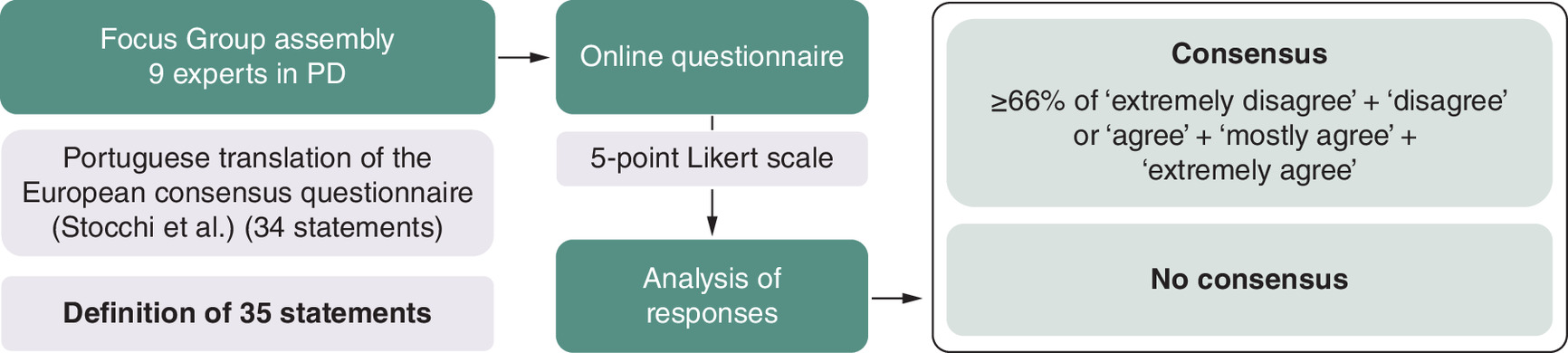
Figure 1. Methodology of the Delphi panel (one round only).
PD: Parkinson’s disease.
To accomplish it, nine Portuguese neurology specialists with recognized expertise in PD management within the Portuguese National Health System and with proven track-record in clinical research, convened in a focus group and formulated a panel of 35 statements (Table 1) based on the European Delphi Consensus original questionnaire (34 statements) [17]. The topics covered included the role of glutamate in PD, introduction to fluctuations, efficacy of safinamide on motor symptoms, motor complications and NMS, quality of life, safety of safinamide and target population.
| A. Glutamate pathway role in PD |
|---|
| 1 Glutamate is involved in the pathophysiology and pathogenesis of PD. |
| 2 Glutamate hyperactivity observed in PD basal ganglia contributes to motor symptoms such as hypokinesia, bradykinesia and rigidity. |
| 3 Glutamatergic neurotransmission in the basal ganglia is relevant for the normal control of movement. |
| 4 Glutamatergic neurotransmission in the basal ganglia is relevant for the normal control of pain, cognition and mood. |
| 5 Abnormal firing across the glutamatergic corticostriatal pathway has gained support as a key mechanism contributing to dyskinesia. |
| 6 Abnormalities in cortical glutamate levels may play a role in the decline of executive functions in early PD and the development of dementia in advanced PD. |
| 7 An increase in glutamate signalling can play a role in inflammatory pain. |
| 8 An increase in glutamate signalling can play a role in neuropathic pain. |
| B. Introduction to fluctuations |
| 9 Wearing-off can be present in patients taking three doses of levodopa daily. |
| 10 An early fluctuator is a patient who has had motor fluctuations for no more than 1 year. |
| 11 The use of a questionnaire (such as WOQ19, WOQ9) is useful in the diagnosis of wearing-off. |
| C. Efficacy of safinamide |
| C1. Motor symptoms |
| 12 Safinamide is not just a MAO-B inhibitor. |
| 13 Safinamide improves motor symptoms (UPDRS-III) in the short and in the long term. |
| 14 Safinamide reduces OFF time in patients with fluctuations (motor complications). |
| C2. Motor complications |
| 15 The glutamate-modulating component of safinamide may contribute to its clinical benefits of increasing ON time without troublesome dyskinesia. |
| D. Efficacy of safinamide |
| D1. Nonmotor symptoms |
| 16 Safinamide improves orthostatic hypotension. |
| 17 Safinamide improves sleep. |
| 18 Safinamide improves fatigue. |
| 19 Safinamide improves mood. |
| 20 Safinamide improves cognition. |
| 21 Safinamide improves urinary function. |
| 22 Safinamide improves sexual function. |
| 23 Safinamide is effective for the management of pain in PD. |
| D2. Quality of life |
| 24 Safinamide improves quality of life in PD patients. |
| E. Safety of safinamide |
| 25 Safinamide is a safe add-on therapy for symptomatic PD treatment. |
| 26 Safinamide increases ON time without increasing troublesome dyskinesia. |
| 27 Safinamide 100 mg/day improves dyskinesia in the long term. |
| 28 Safinamide is well tolerated in patients with cognitive impairment. |
| 29 Safinamide is well tolerated in patients with hallucinations. |
| 30 Safinamide should be dosed as 100 mg/day within 2–4 weeks if 50 mg/day is well tolerated. |
| 31 Safinamide as an adjunct therapy in patients aged ≥75 years with advanced PD is safe and well tolerated. |
| 32 The reversible effect of MAO-B inhibition of safinamide can be an advantage in clinical practice. |
| F. Target population |
| 33 Safinamide is an effective and safe add-on to levodopa therapy in PD. |
| 34 Safinamide is a valid therapeutic option in the early stages of fluctuations. |
| 35 Safinamide is a valid therapeutic option in patients with advanced PD. |
MAO-B: Monoamine oxidase B; PD: Parkinson disease; UPDRS-III: Movement Disorder Society Unified Parkinson’s Disease Rating Scale – part III; WOQ19: 19-items Wearing-Off Questionnaire; WOQ9: 9-items Wearing-Off Questionnaire.
Following the focus group assembly, a one-round Delphi panel was conducted for consensus formation [19,20] (Figure 1). A group of 50 national neurologists, members of the Portuguese Movement Disorders Society (SPDMov), was invited to anonymously answer an online questionnaire, and to categorize the previously defined 35 statements using a 5-point Likert scale: ‘extremely disagree’, ‘disagree’, ‘agree’, ‘mostly agree’ and ‘fully agree’. Only responses from neurologists with a minimum of 5 years of experience with safinamide were included. The consensus agreement level was set according to the same definitions used on the European Delphi Consensus [17] and as described in Figure 1. The responses were analyzed by the frequency distribution through the presented 5-point Likert scale and reviewed by the focus group.
Results
This one-round Delphi-like panel included 44 Portuguese neurology specialists from a universe of 50 invited clinicians (88% response rate), who were requested to categorize the 35 statements elaborated by the focus group using a 5-point Likert scale (one-single response per statement). The results were analyzed considering only the responses provided by specialists with a minimum of 5 years of experience with safinamide (n = 9 excluded responses), resulting in a final total of 35 valid responses (70% response rate) (Figure 2).
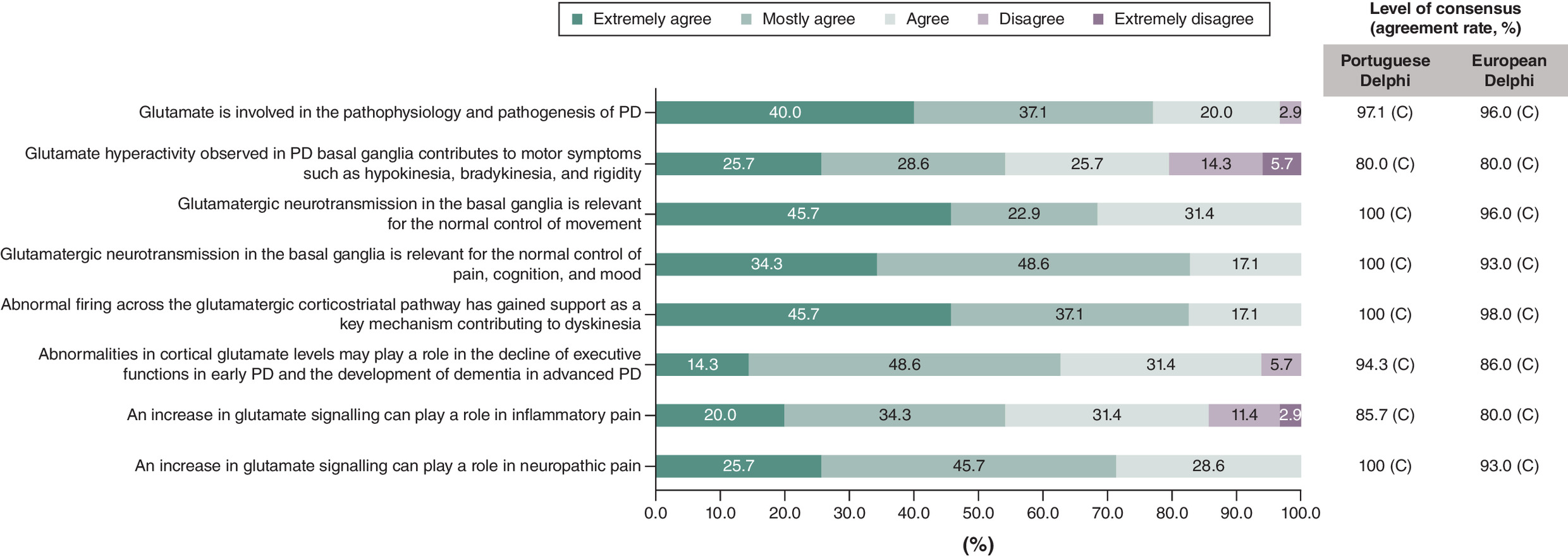
Figure 2. Characterization of the Portuguese Delphi questionnaire results and comparison to the European level of consensus on the topic of the ‘Glutamate pathway role in Parkinson disease’.
% Indicates agreement rate.
(C) Indicates statements reaching consensus (set at ≥66% agreement or disagreement). European level of consensus was based on ref [17].
PD: Parkinson disease.
Out of the 35 statements, 29 reached consensus (83% of the total number of statements), indicating strong support by the Portuguese neurologists for their relevance and applicability in the Portuguese clinical practice. Notably, there were no statements that reached consensus of disagreement. These findings underscore the alignment among Portuguese experts on key aspects of safinamide’s use, providing valuable insights for clinical decision-making and future research directions.
A strong consensus was established for all statements concerning the role of glutamate in PD (n = 8/8 statements), the efficacy of safinamide on motor symptoms and complications (n = 4/4 statements) and the target population for safinamide treatment (n = 3/3 statements). These findings strongly reinforce the shared perspective among Portuguese specialists on these subjects.
There was unanimous consensus (agreement level: 100%) among participants that glutamatergic neurotransmission in the basal ganglia is crucial for regulating movement, pain, cognition and mood (statements no. 3, no. 4). Additionally, all specialists agreed that glutamatergic hyperactivity within the corticostriatal pathway contributes to dyskinesia (statement no. 5) and neuropathic pain (statement no. 8). A large consensus was reached on the statement that the glutamatergic pathway is involved in the PD pathophysiology and pathogenesis (agreement level: 97.1%; statement no. 1) and that abnormal cortical glutamate levels are key to the decline of executive functions in early PD and the development of dementia in advanced PD (agreement level: 94.3%; statement no. 6). Panelists had less convergence in their opinions regarding the role of glutamate hyperactivity in the emergence of motor symptoms of PD (statement no. 2) and in inflammatory pain (statement no. 7). However, consensus was still achieved for both statements, with agreement levels of 80 and 85.7%, respectively (Figure 2).
Regarding fluctuations, the experts reached a consensus that wearing-off can occur even in patients taking as few as three doses of levodopa per day (agreement level: 97.1%; statement no. 9), and that tools like the WOQ19 and WOQ9 questionnaires are useful for diagnosing this phenomenon (agreement level: 97.1%; statement no. 11). However, there was no consensus (agreement level: 62.8%; statement no. 10) on defining an ‘early fluctuator’ as a patient experiencing motor fluctuations for no more than 1 year (Figure 3).
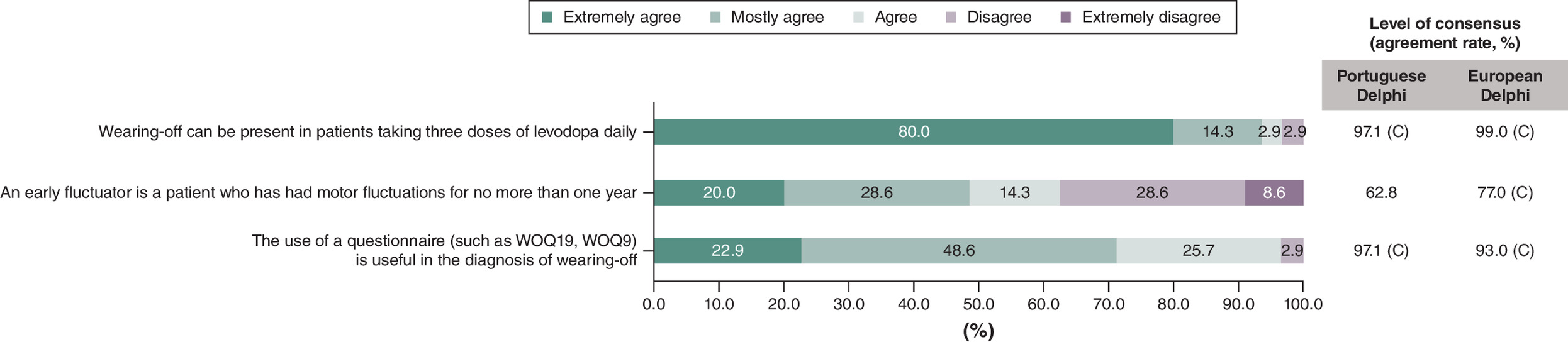
Figure 3. Characterization of the Portuguese Delphi questionnaire results and comparison to the European level of consensus on the topic of the ‘Introduction to fluctuations’.
% indicates agreement rate.
(C) Indicates statements reaching consensus (set at ≥66% agreement or disagreement). European level of consensus was based on ref [17].
WOQ9: 9-items Wearing-Off Questionnaire; WOQ19: 19-items Wearing-Off Questionnaire.
Portuguese neurologists reached unanimous agreement (agreement level: 100%) that safinamide reduces OFF time in patients experiencing motor fluctuations (statement no. 14). Furthermore, the modulation of glutamate by safinamide was recognized as a significant contributor to its clinical benefit, increasing ON time without eliciting troublesome dyskinesia (agreement level: 100%; statement no. 15). More, the panelists largely concurred that safinamide should not be considered solely as an MAO-B inhibitor (agreement level: 97.1%, statement no. 12). They also widely agreed that safinamide improves motor symptoms, as measured by the Movement Disorder Society Unified Parkinson’s Disease Rating Scale – part III (UPDRS-III), in both the short- and long-term (agreement level: 94.3%; statement no. 13) (Figure 4).
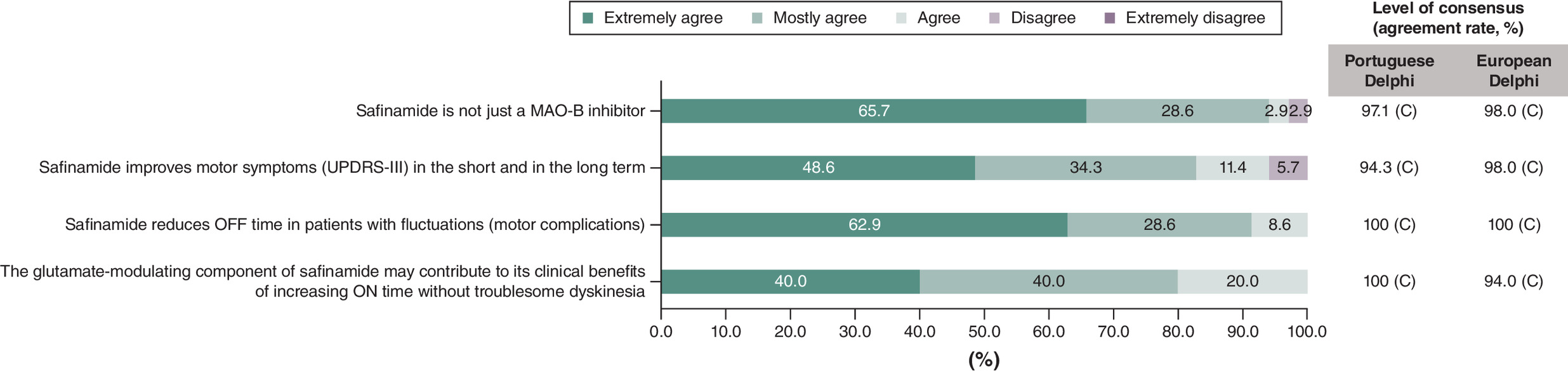
Figure 4. Characterization of the Portuguese Delphi questionnaire results and comparison to the European level of consensus on the topic of the ‘Efficacy of safinamide: motor symptoms/motor complications’.
% Indicates agreement rate.
(C) Statements reaching consensus (set at ≥66% agreement or disagreement). European level of consensus was based on ref [17].
MAO-B: Monoamine oxidase B; UPDRS-III: Movement Disorder Society Unified Parkinson’s Disease Rating Scale – part III.
A positive consensus was reached among the Portuguese neurology specialists regarding the beneficial effects of safinamide on sleep (agreement level: 91.4%; statement no. 17), fatigue (agreement level: 97.1%; statement no. 18), mood (agreement level: 97.1%; statement no. 19) and its effectiveness in managing pain (agreement level: 94.3%; statement no. 23) in PD. However, no agreement was observed concerning its impact on cognitive (agreement level: 62.9%; statement no. 20), urinary (agreement level: 62.9%; statement no. 21) and sexual (agreement level: 60.0%; statement no. 22) functions. Although the panelists strongly disagreed on the potential of safinamide to improve orthostatic hypotension, this disagreement did not reach a formal consensus (agreement level: 48.6%; statement no. 16). Despite these differing views, the Portuguese PD specialists majorly agreed that safinamide significantly enhances the overall quality of life in PD patients (agreement level: 97.1%; statement no. 24), highlighting its broad therapeutic benefits beyond motor symptom management (Figure 5).
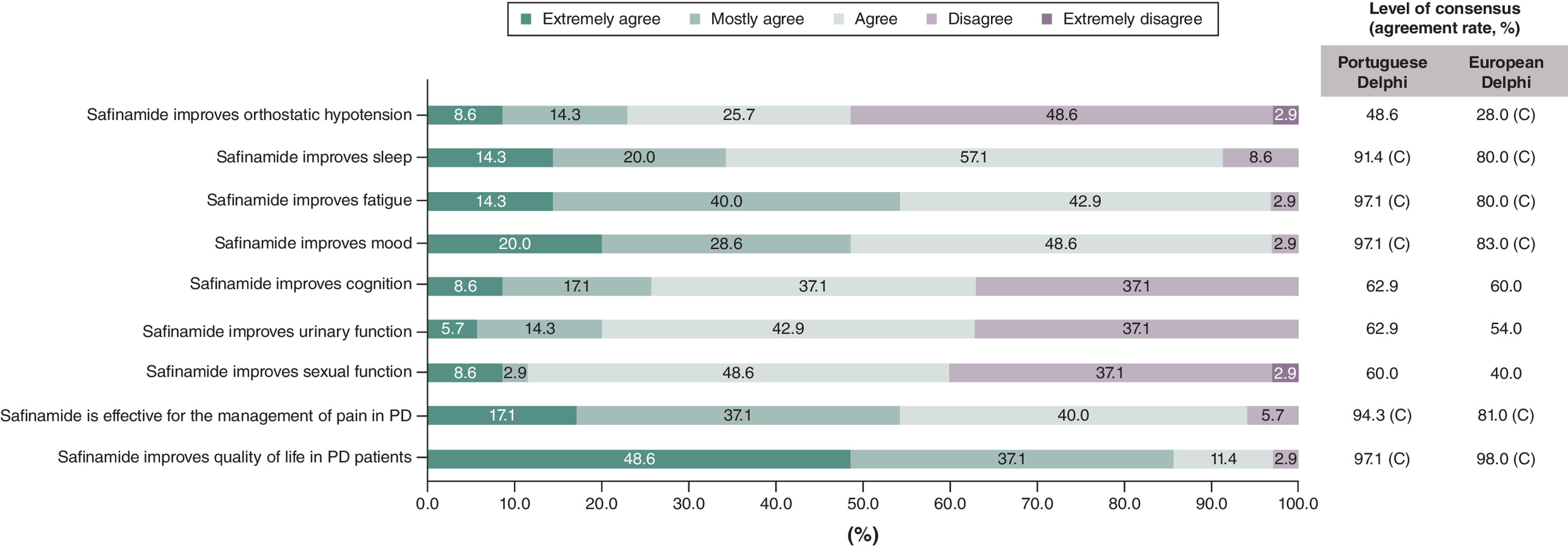
Figure 5. Characterization of the Portuguese Delphi questionnaire results and comparison to the European level of consensus on the topic of the “Efficacy of safinamide: nonmotor symptoms/quality of life”.
% Indicates greement rate.
(C) Statements reaching consensus (set at ≥66% agreement or disagreement). European level of consensus was based on ref [17].
PD: Parkinson’s disease.
The panel unanimously concurred with the safety of safinamide as an adjunctive therapy for PD, achieving a complete agreement level of 100% (statement no. 25). There was also unanimous consensus that safinamide increases ON time without inducing troublesome dyskinesia, underscoring its favorable safety profile (agreement level: 100%; statement no. 26). Additionally, the reversible inhibition of MAO-B by safinamide was widely acknowledged as advantageous in clinical practice (agreement level: 100%; statement no. 32), with Portuguese PD experts unanimously recommending dose escalation to 100 mg/day after 2–4 weeks if the initial dose of 50 mg/day is well tolerated (agreement level: 100%; statement no. 30). Furthermore, the panel agreed that safinamide is safe and well-tolerated in PD patients over the age of 75 (agreement level: 94.3%; statement no. 31), and also considered it to be well-tolerated in those with cognitive impairments (agreement level: 88.5%; statement no. 28). Portuguese PD specialists also indicated that a 100 mg/day dose of safinamide could lead to long-term improvements in dyskinesia (agreement level: 82.9%; statement no. 27). However, no consensus was reached regarding the tolerability of safinamide in PD patients with hallucinations, reflecting a mixed level of opinion among the Portuguese specialists, with only 51.4% expressing agreement on this (statement no. 29) (Figure 6).
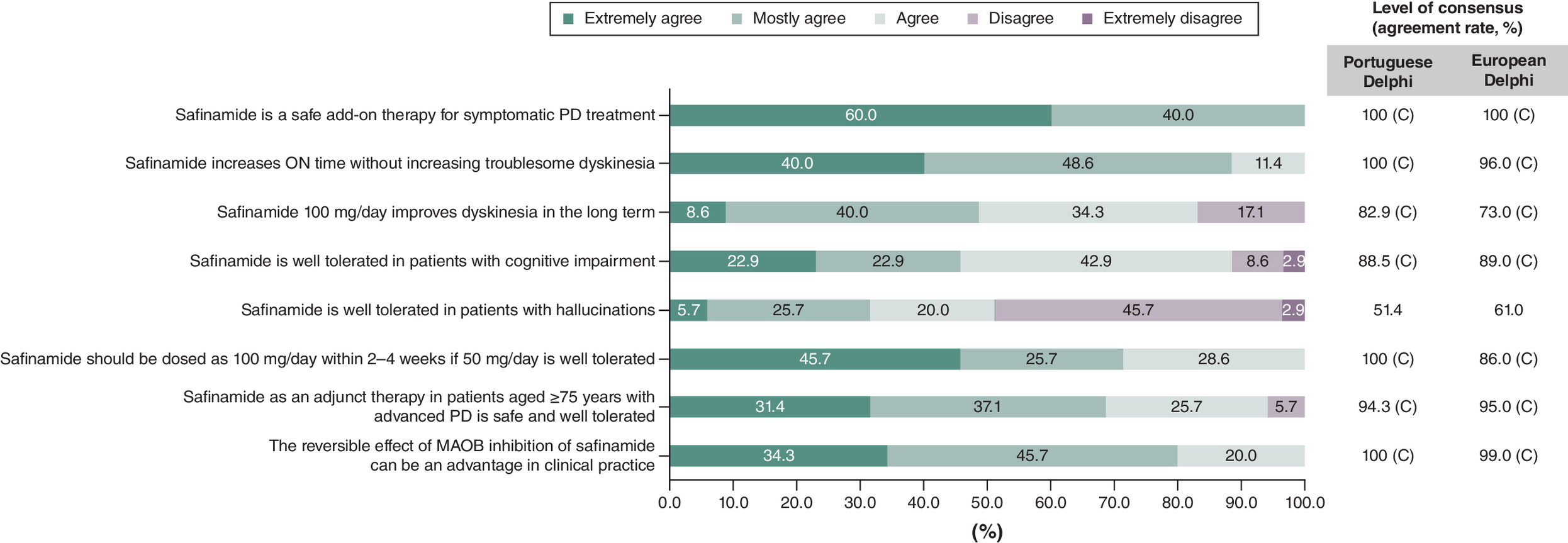
Figure 6. Characterization of the Portuguese Delphi questionnaire results and comparison to the European level of consensus on the topic of the ‘Safety of safinamide’.
% Indicates agreement rate.
(C) Statements reaching consensus (set at ≥66% agreement or disagreement). European level of consensus was based on ref [17].
MAO-B: Monoamine oxidase B; PD: Parkinson’s disease.
Finally, the Portuguese neurologists unanimously recognized safinamide as an effective and safe complementary therapy to levodopa (agreement level: 100%; statement no. 33), identifying it as a valid therapeutic option for PD patients in the early stages of motor fluctuations (agreement level: 100%; statement no. 34) as well as those with advanced disease (agreement level: 97.1%; statement no. 35) (Figure 7).
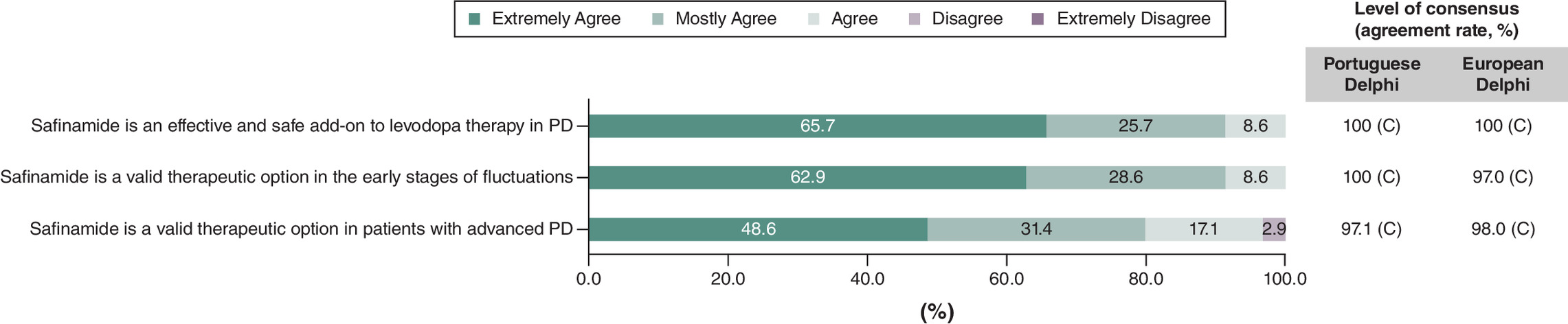
Figure 7. Characterization of the Portuguese Delphi questionnaire results and comparison to the European level of consensus on the topic of the ‘Target population’.
% Indicates agreement rate.
(C) Statements reaching consensus (set at ≥66% agreement or disagreement). European level of consensus was based on ref [17].
PD: Parkinson’s disease.
Comparative analysis of consensus outcomes: Portuguese versus European Delphi Studies
To further understand the perspective of national neurology specialists, a comparative analysis of the consensus reached in both the Portuguese and European Delphi studies was conducted (Supplementary Figure 1).
When comparing the results of the Portuguese Delphi questionnaire with those of the European counterpart, similar consensus levels were observed (Portuguese: 83% vs European: 85%). Both studies reached a strong consensus on all statements concerning the role of glutamatergic pathways in PD. Furthermore, comparable levels of agreement were observed regarding the efficacy of safinamide in improving motor symptoms, managing motor complications, enhancing overall quality of life and defining the target patient population.
Regarding nonconsensual outcomes, both studies shared similar statements that failed to reach consensus among the neurology specialists (Portuguese: n = 6 vs European: n = 5). Notably, the agreement level among Portuguese specialists regarding the definition of an ‘early fluctuator’ was lower than that of their European counterparts (62.8 vs 77.0%, respectively). Additionally, the agreement level among European experts regarding the efficacy of safinamide in improving orthostatic hypotension was relatively low (28.0%), whereas a higher agreement level was observed among Portuguese specialists (48.6%). Furthermore, Portuguese panelists expressed greater agreement that safinamide enhances urinary function (62.8 vs 54.0% in European experts) and similarly indicated a higher agreement level regarding the improvement of sexual function (60.0 vs 40.0% in European experts) (Supplementary Figure 1).
At last, and concerning the safety of safinamide, while consensus was not achieved, the agreement levels regarding its use in PD patients with hallucinations were comparable in both studies, with agreement levels of 51.4% in the Portuguese study and 61% in the European study (Supplementary Figure 1).
Discussion
In this study, a Delphi panel was conducted involving a set of 35 statements presented to a group of Portuguese neurology specialists, regarding clinical indications on safinamide use on Portuguese PD patients’ management. Based on the gathered insights, a set of practical considerations was developed (Box 1). These recommendations provide concrete guidance on the use of safinamide in routine clinical practice in Portugal, covering relevant aspects of patient management.
•
Consider safinamide for nonmotor symptoms, simple motor fluctuations and early motor fluctuations of mild to moderate intensity; dyskinesia and mood changes alone do not indicate its use.
•
Safinamide is most effective in PD patients with mild to moderate fluctuations, those without or with mild nondisruptive dyskinesia and individuals under 75 years of age without cognitive decline. Caution is advised in older patients due to increased risk of complications.
•
The switch from rasagiline to safinamide is well tolerated.
•
Safinamide is deemed safe for concurrent use with various antidepressants within the SSRI class.
•
Key benefits of safinamide use include reduced total daily OFF time, increased total daily ON time without worsening dyskinesia, and improvement in bradykinesia and rigidity.
•
Insufficient symptomatic control or the need to reduce total daily OFF time are reasons to titrate from safinamide 50–100 mg. According to the practical experience of the experts, reducing the levodopa dosage or titrating safinamide to 100 mg typically sufficed to manage worsening dyskinesias.
•
Transition from safinamide 50–100 mg should follow a 14-day period of tolerance at the initial 50 mg dose before increasing.
•
While safinamide is generally safe and well-tolerated, some PD patients may experience side effects such as nausea, vomiting, headaches and hallucinations, which could necessitate dose reduction or discontinuation.
PD: Parkinson’s disease; SSRI: Selective serotonin reuptake inhibitor.
The findings of this Delphi survey reinforce the potential of safinamide as a valuable treatment option for PD patients suffering from motor fluctuations and certain nonmotor fluctuations. This conclusion aligns with the previously established findings from the European Delphi survey, which also highlighted safinamide’s broad therapeutic benefits [17]. Its effectiveness can be attributed to its multimodal mechanism of action, incorporating both dopaminergic effects through reversible MAO-B inhibition and nondopaminergic actions, particularly the modulation of abnormal glutamate release [21]. Indeed, a substantial body of evidence has demonstrated the efficacy of safinamide at doses of 50 and 100 mg/day in both early and mid-to-late stages of PD, highlighting significant improvements in motor and NMS, fluctuations and dyskinesias [22–24].
Furthermore, the consensus reached among the Portuguese neurologists mirror the current body of clinical and scientific evidence supporting safinamide as an effective and well-tolerated therapy. The Portuguese neurologists unanimously agreed on the pivotal role of glutamate as a central neurotransmitter closely linked to the onset and progression of PD, which reflects the high level of available scientific and clinical evidence [25,26].
Likewise, the use of the WOQ19 and WOQ9 patient self-rated questionnaires was considered valuable for diagnosing wearing-off – a phenomenon occurring in the majority of PD patients after a few years of dopaminergic therapy – aligning with the findings in the existing literature [27,28]. More, the Portuguese expert consensus mirrors the findings from pivotal clinical trials, which demonstrated that safinamide, when used in conjunction with levodopa and other dopaminergic therapies, effectively increases ON time without causing troublesome dyskinesia, reduces OFF time in PD patients experiencing motor fluctuations and is able to improve short- and long-term motor symptoms [14,29].
The positive long-lasting impact of safinamide on quality of life of PD patients is strongly supported by robust evidence, as reflected in the opinions of Portuguese neurology specialists. All studies that assessed quality of life as an outcome parameter have shown that safinamide, particularly at a dose of 100 mg, provides significant benefits for both short-term and long-term quality of life outcomes (sleep, fatigue, mood and pain) in patients with advanced PD [29,30]. To assess individual impact of safinamide on sleep and fatigue in the Portuguese clinical context, in this study the original European statement 3.6 (‘Safinamide improves sleep/fatigue’) was split into two distinct statements, S17 (‘Safinamide improves sleep’) and S18 (‘Safinamide improves fatigue’). Furthermore, all panelists recognized the safety of safinamide treatment, aligning with findings both early and advanced PD clinical trials [22–24]. Of note, there was a strong consensus that safinamide is a safe medication for PD patients aged 75 years and older, as well as for those experiencing cognitive impairment. Nevertheless, the combination of safinamide with fluvoxamine and fluoxetine should be avoided [31], as these medications were excluded from clinical trials due to their longer half-lives, necessitating caution when considering their concurrent use.
Additionally, the panelists consensually consider that the reversible inhibition of MAO-B provided by safinamide constitutes a significant advantage in clinical practice, especially in case of PD patients with concomitant comorbidities and polypharmacotherapy. The possibility to adjust the dosage of safinamide for optimal patient outcomes further underscores its clinical utility, particularly in managing complex PD cases where conventional therapies may prove insufficient. In agreement, titration of safinamide to a dose of 100 mg/day following an initial administration of 50 mg/day for a duration of two to four weeks, provided that the lower dose is well tolerated, was unanimously concurred by the Portuguese specialists. This titration should be considered when there is evidence of therapeutic advantage or when the higher dose offers additional benefits to the patient, particularly due to the enhanced nondopaminergic effects that are achieved exclusively at the 100 mg/day dosage of safinamide. Overnight switch from rasagiline (irreversible MAO-B inhibitor) to safinamide was also shown to be safe and effective for reducing the total daily dose of levodopa, improving the OFF time and ON time without troublesome dyskinesias [32]. This multifaceted approach is consistent with contemporary therapeutic objectives, highlighting the importance of safinamide in comprehensive PD management.
Despite the high global consensus among Portuguese neurologists, certain topics did not reach unanimous agreement. This lack of consensus mirrors the findings from the European Delphi panel [17], indicating that while there is strong alignment on many aspects of safinamide’s use, some topics – such as the definition of an ‘early fluctuator,’ its use in PD patients with hallucinations, and its effects on orthostatic hypotension, cognition and urinary function – remain points of debate.
The concept of an ‘early fluctuator’ was not consensual among the Portuguese, particularly regarding the definition of a patient who has experienced motor fluctuations for no more than 1 year. This reflects the absence of a clear, universally accepted definition in literature, hindering efforts to standardize this classification. More, the variability in clinical presentations and progression rates of PD further difficult the standardization of this classification.
In line with their European counterparts, the Portuguese panel did not reach a consensus on the safety of safinamide in PD patients with hallucinations. This uncertainty stems from suggestions that safinamide may increase the risk of hallucinations – similarly to the clinical experiences of other MAO-B inhibitors [33,34]. Experts highlighted the importance of conducting a cognitive assessment and previous history of hallucinations before starting safinamide therapy to mitigate potential risks. Likewise, the effects of safinamide on cognition, bladder function and sexual dysfunction are still under debate, underscoring the limited supporting evidence in these specific domains.
The effects of safinamide on orthostatic hypotension were also a point of contention among the Portuguese specialists. This likely reflects the expected lack of positive effects, as evidenced in pivotal trials, where safinamide use was associated with nonsignificant increases in blood pressure [35,36]. The potentiation of the vasodilatory effects of dopaminergic drugs may also explain the limited tolerability observed in PD patients with orthostatic hypotension, further contributing to the lack of consensus on this issue.
Globally, the results here obtained highlight a significant consensus among the Portuguese and European neurology communities, reinforcing the efficacy of safinamide in the PD management. This consensus not only underscores the collective insights of Portuguese specialists but also emphasizes the therapeutic potential of safinamide. Moreover, these findings may facilitate the exploration of novel therapeutic approaches and new clinical studies, thereby contributing to the advancement of treatment strategies for PD. It is essential to further evaluate the efficacy and tolerability of safinamide in advanced PD and in older patients [37], particularly those over 75 years as assessed in the SYNAPSES trial [16]. Additionally, exploring the potential anti-dyskinetic effects and safety of higher doses of safinamide is crucial [38], along with assessing its impact on axial symptoms like freezing. Additional comparative studies between safinamide and other treatments, such as opicapone [39] and rasagiline [40,41], are required to enhance quality ON time without troublesome dyskinesias. Research on the efficacy of safinamide in improving Parkinsonism without motor fluctuations, as well as its use in patients with Multiple System Atrophy-Parkinsonian subtype [42], is also warranted. At last, further investigation into safinamide’s role following deep brain stimulation or other advanced therapies will clarify and further explore its therapeutic potential [43].
One of the key strengths of this Delphi consensus study is the involvement of neurology experts with more than 5 years of experience using safinamide in practice, which ensures that the consensus is informed by significant hands-on expertise. Additionally, the high response rate further bolsters the reliability of the results. Importantly, the Portuguese study demonstrated high alignment with the results of published clinical trials and findings of the European Delphi, lending credibility to its conclusions by showing consistency across different expert panels. However, certain limitations must be acknowledged, primarily related to the Delphi method itself, the recent approval of safinamide in Portugal [44], and the possible variability in physicians’ experiences with safinamide, which could influence the uniformity of the conclusions.
Conclusion
The results of this Delphi study provide a comprehensive overview of the perspectives held by Portuguese neurology specialists regarding the application of safinamide in managing PD and their positive experiences. These findings closely align with existing literature and the European perspective, offering an insightful snapshot of the ongoing challenges and gaps in current research. The discussion of the results obtained from the responses of Portuguese PD experts led to the development of a set of practical considerations (Box 1). These considerations provide essential guidance on the practical aspects of managing PD with safinamide in the Portuguese clinical setting, ultimately contributing to enhanced patient care in Portugal.
Summary points
•
Safinamide has a dual mechanism of action, serving as both a reversible monoamine oxidase-B (MAO-B) inhibitor and a glutamate release modulator, which distinguishes it from other MAO-B inhibitors.
•
This Delphi study, for the first time, gathered insights from Portuguese neurology specialists, highlighting their practical considerations regarding the use of safinamide in the management of Parkinson’s disease (PD).
•
The consensus among Portuguese specialists reflects the European counterparts’ perspective, reinforcing safinamide’s role in improving PD management and underscores the need for ongoing clinical trials to explore its potential further.
•
The reversible MAO-B inhibition of safinamide offers a distinct advantage over other MAO-B inhibitors for treating advanced PD patients with multiple comorbidities and high medication burdens, minimizing the risk of drug interactions.
•
The efficacy and safety of safinamide demonstrated in pivotal clinical trials are reflected in clinical practice, resulting in improvements in Parkinsonian symptoms, reductions in daily OFF time, long-term control of dyskinesias and favorable tolerability and safety profiles.
•
Consider safinamide for PD patients with nonmotor symptoms, simple motor fluctuations and early motor fluctuations of mild to moderate intensity; dyskinesia and mood changes alone do not indicate its use.
Author contributions
All authors were involved in the conception and design of the study, data analysis, writing and revision of manuscript. All authors have read and agreed to the final version of the manuscript.
Financial disclosure
Editorial support and medical writing assistance for this publication were funded by Zambon S.A.U. The funder had no influence on the analysis and interpretation of the results.
Competing interests disclosure
AM Rodrigues received honoraria from AbbVie, BIAL – Portela & Ca, S.A., Italfarmaco and Zambon S.A.U. C Costa received honoraria from Allergan, BIAL – Portela & Ca, S.A. and Zambon S.A.U. M Gago received honoraria from AbbVie, BIAL – Portela & Ca, S.A. and Zambon S.A.U. M Grunho received honoraria from AbbVie, BIAL – Portela & Ca, S.A., Biogen, Johnson & Johnson Innovative Medicine – Janssen, Merck, Novartis, Sanofi and Zambon S.A.U. LC Guedes received honoraria from AbbVie, BIAL – Portela & Ca, S.A., Roche and Zambon S.A.U. A Morgadinho received honoraria from AbbVie, BIAL – Portela & Ca, S.A. and Zambon, S.A.U. MJ Rosas received honoraria from Zambon, S.A.U. R Simões received honoraria from AbbVie, BIAL – Portela & Ca, S.A. and Zambon, S.A.U. AG Velon does not have any conflicts of interest to declare. The authors have no other competing interests or relevant affiliations with any organization or entity with the subject matter or materials discussed in the manuscript apart from those disclosed.
Writing disclosure
Medical writing and editorial support were provided by Evidenze Portugal, Lda., and were funded by Zambon S.A.U.
Open access
This work is licensed under the Attribution-NonCommercial-NoDerivatives 4.0 Unported License. To view a copy of this license, visit https://creativecommons.org/licenses/by-nc-nd/4.0/
Supplementary Material
File (supplementary figure.docx)
- Download
- 67.14 KB
References
Papers of special note have been highlighted as: • of interest; •• of considerable interest
1.
Saini N, Singh N, Kaur N et al. Motor and non-motor symptoms, drugs, and their mode of action in Parkinson's disease (PD): a review. Med. Chem. Res. 33(4), 580–599 (2024).
2.
Munhoz RP, Tumas V, Pedroso JL, Silveira-Moriyama L. The clinical diagnosis of Parkinson's disease. Arq. Neuropsiquiatr. 82(6), 1–10 (2024).
3.
Kumaresan M, Khan S. Spectrum of non-motor symptoms in Parkinson's disease. Cureus 13(2), e13275 (2021).
4.
van der Meer F, Jorgensen J, Hiligsmann M. Burden of non-motor symptoms of Parkinson's disease: cost-of-illness and quality-of-life estimates through a scoping review. Expert Rev. Pharmacoecon. Outcomes Res. 25(1), 17–27 (2025).
5.
Ahlskog JE. Parkinson's disease progression is multifaceted: evidence for the underlying benchmarks. Parkinsonism Relat. Disord. 121, 106037 (2024).
6.
Brigas HC, Rodrigues AM, Morgadinho A, Gago MF, Simoes RM. Living with Parkinson's disease in Portugal: Findings from PRISM study. Parkinsonism Relat. Disord. 128, 107124 (2024).
• Uncovers the burden of Parkinson’s disease (PD) among Portuguese patients, revealing current treatment methods, impact on daily life and healthcare resources employed in Portugal.
7.
Obeso JA, Olanow CW, Nutt JG. Levodopa motor complications in Parkinson's disease. Trends Neurosci. 23(Suppl. 10), S2–S7 (2000).
8.
Muller T, Foley P. Clinical pharmacokinetics and pharmacodynamics of safinamide. Clin. Pharmacokinet. 56(3), 251–261 (2017).
9.
Bovenzi R, Liguori C, Canesi M et al. Real-world use of Safinamide in motor fluctuating Parkinson's disease patients in Italy. Neurol. Sci. 45(2), 573–583 (2024).
10.
Nishikawa N, Hatano T, Nishioka K et al. Safinamide as adjunctive therapy to levodopa monotherapy for patients with Parkinson's disease with wearing-off: The Japanese observational J-SILVER study. J. Neurol. Sci. 461, 123051 (2024).
11.
European Medicines Agency. Xadago (safinamide) [summary of product characteristics]. (2015). Accessed: 18 October 2024: https://www.ema.europa.eu/en/documents/product-information/xadago-epar-product-information_en.pdf
12.
Kulisevsky J, Ferraz HB, Suppa A, Reichmann H. Effects of safinamide on motor and non-motor symptoms in patients with Parkinson's disease and motor fluctuations. Eur. Neurol. 87(5–6), 291–305 (2024).
•• This meta-analysis evaluates the efficacy of safinamide as an add-on therapy to levodopa for PD patients with motor fluctuations.
13.
Wei Q, Tan Y, Xu P et al. The XINDI Study: a randomized phase III clinical trial evaluating the efficacy and safety of safinamide as add-on therapy to levodopa in Chinese patients with Parkinson's disease with motor fluctuations. CNS Drugs 36(11), 1217–1227 (2022).
14.
Hattori N, Tsuboi Y, Yamamoto A et al. Efficacy and safety of safinamide as an add-on therapy to L-DOPA for patients with Parkinson's disease: a randomized, double-blind, placebo-controlled, phase II/III study. Parkinsonism Relat. Disord. 75, 17–23 (2020).
15.
Kurihara K, Mishima T, Fujioka S, Tsuboi Y. Efficacy and safety evaluation of safinamide as an add-on treatment to levodopa for Parkinson's disease. Expert Opin. Drug Saf. 21(2), 137–147 (2022).
16.
Abbruzzese G, Kulisevsky J, Bergmans B et al. A European observational study to evaluate the safety and the effectiveness of safinamide in routine clinical practice: The SYNAPSES Trial. J. Parkinsons Dis. 11(1), 187–198 (2021).
17.
Stocchi F, Antonini A, Berg D et al. Safinamide in the treatment pathway of Parkinson's disease: a European Delphi Consensus. NPJ Parkinsons Dis. 8(1), 17 (2022).
•• Overview of how European movement disorders specialists view the role of safinamide in their clinical practice, through a Delphi panel methodology.
18.
Valldeoriola F, Grandas F, Arbelo JM et al. Spanish expert consensus on the use of safinamide in Parkinson's disease. Neurologia (Engl. Ed.) 36(9), 666–672 (2018).
•• This consensus provides clinical management guidelines for safinamide based on the opinion of a group of Spanish experts in movement disorders.
19.
Nasa P, Jain R, Juneja D. Delphi methodology in healthcare research: how to decide its appropriateness. World J. Methodol. 11(4), 116–129 (2021).
20.
Taylor E. We Agree, Don't We? The Delphi method for health environments research. HERD 13(1), 11–23 (2020).
21.
Teixeira FG, Gago MF, Marques P et al. Safinamide: a new hope for Parkinson's disease? Drug Discov. Today 23(3), 736–744 (2018).
22.
Bette S, Shpiner DS, Singer C, Moore H. Safinamide in the management of patients with Parkinson's disease not stabilized on levodopa: a review of the current clinical evidence. Ther. Clin. Risk Manag. 14, 1737–1745 (2018).
23.
Cattaneo C, Kulisevsky J. The effects of safinamide in Chinese and non-Chinese patients with Parkinson's disease. Adv. Ther. 41(2), 638–648 (2024).
24.
Wasan H, Singh D, Kh R. Safinamide in neurological disorders and beyond: evidence from preclinical and clinical studies. Brain Res. Bull. 168, 165–177 (2021).
25.
Jenner P, Caccia C. The role of glutamate in the healthy brain and in the pathophysiology of Parkinson's Disease. Eur. Neurol. Rev. 14, 2–12 (2019).
26.
Wang J, Wang F, Mai D, Qu S. Molecular mechanisms of glutamate toxicity in Parkinson's disease. Front. Neurosci. 14, 585584 (2020).
27.
Antonini A, Martinez-Martin P, Chaudhuri RK et al. Wearing-off scales in Parkinson's disease: critique and recommendations. Mov. Disord. 26(12), 2169–2175 (2011).
28.
Stocchi F, Antonini A, Barone P et al. Early detection of wearing off in Parkinson disease: the DEEP study. Parkinsonism Relat. Disord. 20(2), 204–211 (2014).
29.
Nomoto M, Ishida T, Koebis M et al. Characteristics of wearing-off and motor symptoms improved by safinamide adjunct therapy in patients with Parkinson's disease: a post hoc analysis of a Japanese phase II/III study. J. Neurol. Sci. 434, 120083 (2022).
30.
Cattaneo C, Jost WH, Bonizzoni E. Long-term efficacy of safinamide on symptoms severity and quality of life in fluctuating Parkinson's disease patients. J. Parkinsons Dis. 10(1), 89–97 (2020).
•• Investigates the effects of safinamide over 2-year treatment on PD symptoms severity and quality of life.
31.
European Medicines Agency. Xadago (safinamide) [summary of product characteristics]. (2015). Accessed: 22 October 2024: https://www.ema.europa.eu/en/documents/product-information/xadago-epar-product-information_en.pdf
32.
Stocchi F, Vacca L, Grassini P et al. Overnight switch from rasagiline to safinamide in Parkinson's disease patients with motor fluctuations: a tolerability and safety study. Eur. J. Neurol. 28(1), 349–354 (2021).
33.
Rinaldi D, Bianchini E, Sforza M et al. The tolerability, safety and efficacy of safinamide in elderly Parkinson's disease patients: a retrospective study. Aging Clin. Exp. Res. 33(6), 1689–1692 (2021).
34.
Tan YY, Jenner P, Chen SD. Monoamine oxidase-B inhibitors for the treatment of Parkinson's disease: past, present, and future. J. Parkinsons Dis. 12(2), 477–493 (2022).
35.
Borgohain R, Szasz J, Stanzione P et al. Randomized trial of safinamide add-on to levodopa in Parkinson's disease with motor fluctuations. Mov. Disord. 29(2), 229–237 (2014).
36.
Borgohain R, Szasz J, Stanzione P et al. Two-year, randomized, controlled study of safinamide as add-on to levodopa in mid to late Parkinson's disease. Mov. Disord. 29(10), 1273–1280 (2014).
37.
Rinaldi D, Sforza M, Assogna F et al. Safinamide improves executive functions in fluctuating Parkinson's disease patients: an exploratory study. J. Neural Transm. (Vienna). 128(2), 273–277 (2021).
38.
Rodriguez-Jorge F, Beltran-Corbellini A, Chico-Garcia JL et al. Efficacy and safety of high doses of safinamide in advanced Parkinson disease. Parkinsonism Relat. Disord. 97, 73–74 (2022).
39.
Aldian FM, Ariyanto MV, Atmaja MSS. Efficacy and safety of safinamide vs opicapone as adjuvant to levodopa therapy in elderly with Parkinson's disease: a network meta-analysis. J. Asian Med. Students Assoc. doi: (2023).
40.
Cilia R, Cereda E, Piatti M et al. Levodopa equivalent dose of safinamide: a multicenter, longitudinal, case-control study. Mov. Disord. Clin. Pract. 10(4), 625–635 (2023).
41.
Bovenzi R, Conti M, Pierantozzi M et al. Safinamide effect on sleep architecture of motor fluctuating Parkinson's disease patients: a polysomnographic rasagiline-controlled study. Parkinsonism Relat. Disord. 127, 107103 (2024).
42.
Simoes R, Goncalves A, Ferreira J. Is safinamide helpful in multiple system atrophy? In: Movement Disorders. Wiley, NJ, USA (2019).
43.
Rizzone MG, Mancini F, Artusi CA et al. Efficacy of safinamide as add-on therapy after subthalamic nucleus deep brain stimulation in Parkinson disease. Neurol. Sci. 43(5), 3187–3193 (2022).
44.
INFARMED – Autoridade Nacional do Medicamento e Produtos de Saúde IP. Relatório de avaliação do pedido de comparticipação de medicamento para uso humano: safinamida. (2016).
Information & Authors
Information
Published In
Copyright
© 2025 The authors. This work is licensed under the Attribution-NonCommercial-NoDerivatives 4.0 Unported License
History
Received: 2 December 2024
Accepted: 30 April 2025
Published online: 6 June 2025
Keywords:
Topics
Authors
Metrics & Citations
Metrics
Article Usage
Article usage data only available from February 2023. Historical article usage data, showing the number of article downloads, is available upon request.
Citations
How to Cite
Expert perspectives on the use of safinamide for Parkinson’s disease in Portugal: insights from a Portuguese Delphi Consensus. (2025) Journal of Comparative Effectiveness Research. DOI: 10.57264/cer-2024-0228
Export citation
Select the citation format you wish to export for this article or chapter.