

A systematic review of health-related quality of life outcomes in patients with advanced breast cancer treated with palbociclib
Publication: Journal of Comparative Effectiveness Research
Abstract
Aim: To evaluate the impact of palbociclib treatment on health-related quality of life (HRQoL) in patients with hormone receptor-positive, human epidermal growth factor 2-negative advanced breast cancer (HR+/HER2- aBC) or metastatic breast cancer (mBC) in both the clinical and real-world setting. Materials & methods: A systematic literature review was conducted to identify clinical trials and real-world evidence studies up to June 2023 that reported HRQoL outcomes in patients with HR+/HER2- aBC or mBC treated with Palbociclib. Results: 15 unique studies reported across 35 records were identified. Of these, seven were randomized controlled trials (RCTs), three were single-arm clinical trials and five were real-world evidence (RWE) studies. HRQoL was generally found to be maintained in patients with HR+/HER2- aBC or mBC across RCTs, single-arm clinical trials and RWE studies. HRQoL measures across instruments, study types and line of therapy, were largely reported to be at least maintained if not improved from baseline among patients treated with palbociclib and were observed to be comparable or better in the palbociclib group versus monotherapy control arm in RCTs. Similar results were seen for treatment-related outcomes (e.g., sexual functioning, upset by hair loss, systemic therapy side effects etc.), and important individual patient outcomes, including pain, fatigue and physical functioning. Findings were also consistent across key clinical characteristics (visceral metastases, neutropenia), as well as patient populations often underrepresented in clinical trials (Asian patients, older adults). Conclusion: Overall, current evidence suggests that HRQoL is largely preserved with the addition of palbociclib to endocrine therapy in patients with HR+/HER2- aBC or mBC across study types and populations.
Plain language summary
What is this article about?
To fully understand the impact of treatment for advanced breast cancer that has spread to other parts of the body, or metastatic breast cancer, it is important to not only assess whether patients lived longer or if their disease improved (clinical improvement) but also patients' quality of life and experiences while on treatment. In this study, we identified and summarized all the publicly available evidence on the quality of life of patients with a certain type of metastatic breast cancer who were receiving treatment with a medication called palbociclib (a cyclin-dependent kinase 4/6 inhibitor). The type of breast cancer is advanced or metastatic hormone receptor-positive/human epidermal growth factor-negative breast cancer, also called HR-positive (or HR+)/HER2-negative (or HER2-) aBC or mBC.
What were the results?
We identified 15 studies that assessed quality of life during palbociclib treatment among patients with HR+/HER2- aBC or mBC, including both clinical trials and real-world evidence. Quality of life was generally maintained, or did not worsen, with palbociclib treatment across all studies evaluated. Similar results were found for symptoms often associated with breast cancer treatments (e.g., sexual functioning, upset by hair loss, systemic therapy side effects) and other important breast cancer patient symptoms and measures, such as physical functioning, pain and fatigue. These results were also consistent across specific populations, such as Asians and the elderly, and across patients with various other medical conditions in addition to breast cancer, such as visceral metastases (cancer spreading to specific locations such as the liver, lungs and brain etc.) and neutropenia (low levels of a specific type of white blood cells called neutrophils).
What do the results mean?
The addition of palbociclib to other traditional breast cancer therapies, such as endocrine therapy, in patients with HR+/HER2- aBC or mBC, while providing a clinical benefit, does not negatively impact or worsen quality of life.
Background
Health related quality of life (HRQoL) is increasingly being acknowledged as an important element in assessing how anticancer therapies influence patient outcomes [1]. HRQoL refers to the patients' own cognitive, physical, emotional and social functioning and symptoms, which are measured using validated tools for collecting patient-reported outcomes (PROs) [2]. Due to its recognized importance to patients, optimizing HRQoL has become a primary goal of breast cancer therapy, alongside prolonging survival and managing symptoms, particularly in the advanced setting where outcomes are often poor [3,4]. In both drug evaluation processes by agencies such as the US FDA and cost–effectiveness analyses in support of healthcare resource allocation, HRQoL has become an accepted parameter to include alongside clinical end points [2,5,6]. In addition to global HRQoL, physical functioning and prominent symptoms such as pain and fatigue, are identified as clinically meaningful outcomes for cancer patients [7–9].
Hormone receptor-positive (HR+) and human epidermal growth factor receptor 2-negative (HER2-) constitutes the most common breast cancer subtype. Standard of care for treating patients with advanced disease involves the use of cyclin-dependent kinase 4/6 (CDK4/6) inhibitors in combination with endocrine therapy (ET) [4]. Palbociclib, a first-in-class CDK4/6 inhibitor, received approval for the treatment of HR+/HER2- advanced breast cancer (aBC) or metastatic breast cancer (mBC) from the US FDA in 2015 [10]. To date, several phase III randomized controlled trials (RCTs) [11–13] have demonstrated that palbociclib treatment not only demonstrated a clinical benefit, but also improved or preserved HRQoL in patients with HR+/HER2- aBC compared with the placebo group. Additionally, several real-world evidence (RWE) studies conducted across a variety of countries and patient subgroups have demonstrated consistent results, with HRQoL maintained or enhanced in comparison to baseline values [14–16]. These results are noteworthy as often in the oncology setting, enhanced clinical efficacy typically comes at the cost of additional toxicity, which can negatively impact patient HRQoL [17]. Consistency of findings across trials and real world are encouraging as RWE studies allow for the inclusion of a more diverse patient population compared with clinical trials, and thus may be more representative of the true population in clinical practice [18,19].
The number and variety of studies available, along with the significant heterogeneity between HRQoL instruments, scales and analysis methods, make it challenging to assess the overall impact of palbociclib on a patients' quality of life [20]. Therefore, it is important to understand the totality of HRQoL data for palbociclib in this population. While a recent systematic review indicated that CDK4/6 inhibitors overall generally maintained HRQoL in breast cancer patients of any stage, the systematic assessment of palbociclib on HRQoL in aBC patients within clinical trials and real-world data has not been conducted [21]. Therefore, we aimed to answer what is the impact of palbociclib treatment on HRQoL in patients with HR+/HER2- aBC or mBC in both the clinical and real-world setting. To bridge this knowledge gap, we conducted a systematic literature review (SLR) to identify and summarize all the publicly available evidence pertaining to HRQoL in patients with HR+/HER2- aBC or mBC treated with the CDK4/6 inhibitor palbociclib, thereby providing the most informed evidence base on this subject.
Methods
This SLR follows best practices for implementation and reporting in accordance with the Preferred Reporting Items for Systematic Literature Reviews and Meta Analyses (PRISMA) statement [22] (Appendix Table A1). The structure of the clinical question and eligibility criteria, as well as the search strategy were developed using the Population, Intervention, Comparator, Outcome, Study Design (PICOS) framework [23]. The review protocol was designed in alignment with the PRISMA for systematic review protocols (PRISMA-P) statement and was registered with the international prospective register of systematic reviews (PROSPERO; registration no. CRD42023442447) [24].
Literature search
An experienced medical information specialist developed and tested the search strategy in consultation with the review team (Appendix Table A2). Prior to execution, the strategy was independently peer reviewed by a second medical information specialist using the Peer Review of Electronic Search Strategies (PRESS) checklist [25]. Embase, MEDLINE® (including ‘in-process’, ‘Epub ahead of print’, ‘in-process and other non-indexed citations’ and ‘daily’), the Cochrane Central Register of Controlled Trials and the Cochrane Database of Systematic Reviews were searched from inception using the Ovid® interface. All searches were performed on 21 June 2023.
The search strategies used a combination of both controlled vocabulary (e.g., ‘breast neoplasms’, ‘receptor’, ‘ErbB-2’, ‘receptors’, ‘estrogen’ or ‘receptors’, ‘progesterone’) and keywords (e.g., ‘breast cancer’, ‘HER2’ and ‘palbociclib’). Vocabulary and syntax were adjusted across databases. There were no language restrictions on any of the searches. Grey literature searches were conducted to capture recent studies not yet published in full text from January 2019 to June 2023. Searches of several key congresses were also performed to identify additional relevant posters and abstracts (Appendix Table A3). Searches of ClinicalTrials.gov and the bibliographies of relevant published SLRs were also performed to avoid missing any eligible studies and validate the literature search findings.
Study selection & data extraction
Studies were screened independently by two reviewers (AH and B-NN) using DistillerSR (DistillerSR Inc. 2021, Ottawa, Canada) [26]. The title and abstract of each citation were first screened for relevance, and then assessed in full-text form according to prespecified PICOS criteria (Appendix Table A4). Conflicts between two independent reviewers were resolved by a third reviewer (MB).
Data extraction was performed by a single reviewer (AH or B-NN) using a standardized form and confirmed by a second reviewer (AH or B-NN). Publication characteristics, study setting, study design, treatments, patient characteristics and HRQoL outcomes were extracted. Results between treatment groups, in the case of RCTs, as well as among patients treated with palbociclib in all study types, for any HRQoL instrument and metric (e.g., time to deterioration [TTD], change from baseline [CFB]) were included. This allowed for the comparison of results between RCTs and single-arm studies (i.e., single-arm trials and RWE studies). No quantitative syntheses (e.g., meta-analysis) were performed because of the substantial heterogeneity across RCTs and RWE studies.
Quality assessment
The risk of bias of included full-text studies was assessed using the National Institute for Health and Care Excellence Single Technology Appraisal Quality Assessment Checklist [27] for randomized controlled studies and Newcastle–Ottawa Scale Appraisal [28] for non-randomized studies. The risk of bias assessment was not performed for conference abstracts as limited methodological information was available. The assessment for all included studies was focused specifically on the reporting of HRQoL outcomes, in alignment with the purpose of the present review. In cases where necessary trial details were not available in the included records, external sources (i.e., trial registries or published articles not pertinent to this review) were consulted. Non-randomized studies assessed using the Newcastle–Ottawa Scale were given a total score from 0 to 9. Studies were considered high quality if they achieved a total score of ≥7, while studies with total scores of <5 were considered low quality, and scores in-between considered moderate quality [29]. Quality assessment was performed by a single reviewer (AH or B-NN) and confirmed by a second reviewer (AH or B-NN). Conflicts between two independent reviewers were resolved by a third reviewer (MB).
Results
Literature search & study selection
The database searches identified 167 relevant records following deduplication. After the initial screening of titles and abstracts, 107 records were excluded. Of the 60 records assessed at the full-text stage, 23 fulfilled the eligible criteria and were included. The grey literature searches identified 189 records, of which 12 were included. In total, 15 unique studies reported across 35 records were included (Figure 1 & Appendix Table A5).
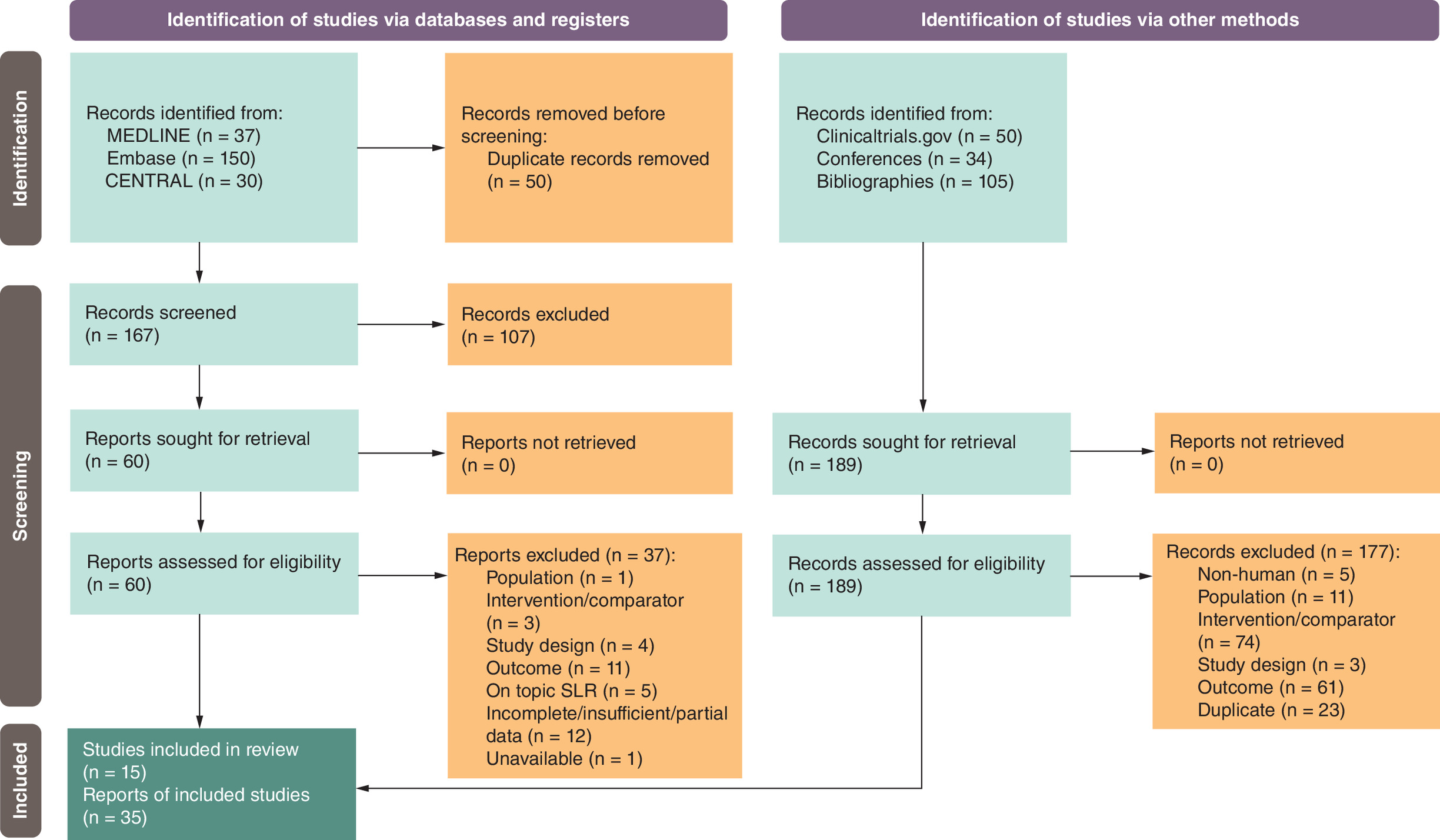
Figure 1. PRISMA flow diagram for selection of included studies.
Source: Page et al. 2021 [30].
Study characteristics
The 35 identified records consisted of 18 full-text publications [14,31–47], 11 conference abstracts and/or posters [15,16,48–56] and six clinical trial registry records [57–62]. Among the 15 included studies, seven were RCTs (Table 1) [11,31–43,49–51,57–61], three were single arm clinical trials studies (Table 2) [44–46,62], and five were RWE studies (Table 3) [14–16,47,52–56]. The included studies accounted for a large number of patients receiving palbociclib (Tables 1, 2 & 3).
| Study (year) | Publication type | Study name | Study design | Phase | Patient population | Region | Palbociclib regimen | Control group | Durations of treatment | Line of therapy | Instruments | Evaluation timepoints | Ref. |
|---|---|---|---|---|---|---|---|---|---|---|---|---|---|
| Bell (2016) | Full text | PALOMA-1/TRIO-18 | RCT | II | Postmenopausal women with advanced ER+/HER2- BC | Multicenter | • Palbociclib + letrozole (n = 84) | • Letrozole (n = 81) | NR | 1 | • BPI - Pain severity - Pain interference | Baseline, each cycle, and end of treatment or study withdrawal | [32] |
| Rugo (2018) | Full text | PALOMA-2 | RCT | III | Postmenopausal women with ER+/HER2- advanced/metastatic BC who had not received systemic anticancer treatment of advanced disease | Multicenter | • Palbociclib + letrozole (n = 444) | • Placebo + letrozole (n = 222) | 22.3 months median follow-up | 1 | • FACT-B • FACT-G • EQ-5D | Baseline, cycles 2, 3 and every other cycle from cycle 5 until disease progression or end of study treatment | [33] |
| Rugo (2019) | Full text | PALOMA-2 (extended follow-up) | RCT | III | Women with estrogen receptor-positive (ER+)/HER2- advanced breast cancer | Multicenter | • Palbociclib + letrozole (n = 444) | • Placebo + letrozole (n = 222) | • Palbociclib + letrozole: median duration 37.6 (37.2–38.0) months • Placebo + letrozole: median duration 37.3 (36.3–37.9) months | 1 | • FACT-B • FACT-G | Baseline (day 1 of cycle 1), day 1 of cycles 2 and 3 and day 1 of every other cycle from cycle 5 until progression or end of treatment | [34] |
| Im (2019) | Full text | PALOMA-2 | RCT | III | A subgroup of Asian postmenopausal women with advanced ER+/HER2- BC | Multicenter | • Palbociclib + letrozole (n = 65) | • Placebo + letrozole (n = 30) | Median duration of treatment • Palbociclib + letrozole: 88.6 weeks • Placebo + letrozole: 59.0 weeks | 1 | • FACT-B • FACT-G • EQ-5D | NR | [35] |
| Harbeck (2016) | Full text | PALOMA-3 | RCT | III | Women with HR+/HER2- MBC whose disease had progressed after prior endocrine therapy | Multicenter | Palbociclib + fulvestrant (n = 347) | Placebo + fulvestrant (n = 174) | NR | 1, 2, ≥3 | • EORTC QLQ-C30 • EORTC QLQ-BR23 | Day 1 of cycles 1–4, then on day 1 of every other subsequent cycle starting with cycle 6 (e.g. cycles 6, 8, 10, etc.), and at the end-of treatment visit. | [36] |
| Loibl (2016) | Abstract and poster | PALOMA-3 | RCT | III | Women with HR+/HER2- advanced/metastatic BC whose disease had progressed after prior endocrine therapy | NR | Palbociclib + fulvestrant (n = 347) | Placebo + fulvestrant (n = 174) | NR | 1, 2, ≥3 | • EQ-5D | Baseline, on day 1 of each cycle until cycle 4, and at every alternate cycle from cycle 6 until end of treatment. | [49] |
| Iwata (2017) | Full text | PALOMA-3 | RCT | III | Women with HR-positive/HER2-negative advanced breast cancer (subgroups of Asian and non-Asian patients) | Multicenter (the majority of the subgroup of Asian patients were from Japan, Korea and Taiwan) | • Asian subgroup: Palbociclib + fulvestrant (n = 74) • Non-Asian subgroup: Palbociclib + fulvestrant (n = 273) | • Asian subgroup: Placebo + fulvestrant (n = 31) • Non-Asian subgroup: Placebo + fulvestrant (n = 143) | • Asian subgroup: Palbociclib + fulvestrant: median 237 days • Non-Asian subgroup: Palbociclib + fulvestrant: median 231 days • Asian subgroup: Placebo + fulvestrant: median 168 days • Non-Asian subgroup: Placebo + fulvestrant: median 119 days | NR | • EORTC QLQ-C30 | Before dose on day 1 of cycles 1 to 4, then on day 1 of every other subsequent cycle starting with cycle 6, and finally, at the end of treatment | [37] |
| Turner (2018) | Full text | PALOMA-2 + PALOMA-3 | RCTs | Both phase III | Women with hormone receptor-positive, human epidermal growth factor receptor 2-negative aBC with or without visceral metastases | Multicenter | • PALOMA-3 • Visceral - Palbociclib group: n = 200 • Nonvisceral - Palbociclib group: n = 147 PALOMA-2 • Visceral - Palbociclib group: n = 214 • Nonvisceral - Palbociclib group: n = 230 | • PALOMA-3 • Visceral - Control group: n = 104 • Nonvisceral - Control group: n = 70 PALOMA-2 • Visceral - Control group: n = 110 • Nonvisceral Control group: n = 112 | NR | NR | • EORTC QLQ-C30 • FACT-B | NR | [39] |
| Rugo (2018) | Full text | PALOMA-1, PALOMA-2, PALOMA-3 | RCT (pooled analysis) | II/III | Older women with ER+/HER2- advanced breast cancer (subgroup analysis of older patients aged ≥65 years) | NR | • PALOMA-1 and PALOMA 2: Palbociclib + letrozole (65–74 years n = 162; ≥75 years n = 56) • PALOMA-3: Palbociclib + fulvestrant (65–74 years n = 59; ≥75 years n = 27) | • PALOMA-1 and PALOMA 2: with/without Placebo + letrozole (65–74 years n = 94; ≥75 years n = 26) • PALOMA-3: Placebo + fulvestrant (65–74 years n = 37; ≥75 years n = 6) | NR | NR | • FACT-B • EORTC-QLQ-30 • EORTC-QLQ-BR23 | NR | [40] |
| Hu (2022) | Abstract and poster | PALOMA-4 | RCT | III | Treatment-naive, postmenopausal Asian women with HR+/HER2- advanced breast cancer | Multicenter | • Palbociclib + letrozole (n = 169) | • Placebo + letrozole (n = 171) | NR | 1 | • FACT-B • FACT-G • EQ-5D-3L | Baseline, day 1 of cycles 2 and 3, then every other cycle from cycle 5 onward | [50] |
| Martin (2021) | Full text | PEARL | RCT | III | Postmenopausal women with HR+/HER2- AI-resistant MBC | Spain, Austria, Hungary and Israel | • Cohort 1: Palbociclib + exemestane (n = 153) • Cohort 2: Palbociclib + fulvestrant (n = 149) | • Cohort 1: Capecitabine (n = 143) • Cohort 2: Capecitabine (n = 156) | 6.3–7.9 months | 1, 2, ≥3 | • EORTC QLQ-C30 • EORTC QLQ-BR23 • EQ-5D-3L | Baseline, every 2 cycles for the first 7 cycles, then every 3 cycles until end of treatment and once after treatment. | [41] |
| Kahan (2021) | Full text | PEARL | RCT (open-label) | III | Postmenopausal women with hormone receptor-positive and HER2-negative AI-resistant metastatic breast cancer | Spain, Austria, Hungary and Israel | Palbociclib + ET (n = 268) | Capecitabine (n = 269) | Median follow-up 19.0 months | 1, 2, ≥3 | • EORTC QLQ-C30 • EORT QLQ-BR23 • EQ-5D-3L | Baseline, every two cycles for the first 7 cycles, then every three cycles till the end of treatment and at the post-treatment visit. | [42] |
| Lee (2020) | Full text | YoungPearl | RCT | II | Premenopausal women aged 19 years or older with HR+, HER2- MBC | South Korea | Palbociclib + ET +GnRH agonist (n = 92) | Capecitabine (n = 86) | NR | 1,2,3 | • EORTC QLQ-C30 | Baseline, every 6 week, and end of treatment | [43] |
| Tibau (2023) | Full text | FLIPPER | RCT | II | Postmenopausal women with HR+/HER2- metastatic breast cancer | Multicenter (Spain and Ireland) | Palbociclib + fulvestrant (n = 94) | Placebo + fulvestrant (n = 95) | Median follow-up: 28.6 months | 1 | • EORTC QLQ-C30 • EORTC QLQ-BR23 | Baseline, every three cycles until end of treatment and at post treatment | [31] |
Only records presenting the most up to date or unique data are included in the present table. Although not included here, records of duplicate results were included in the overall systematic literature review (SLR). The full list of included records in the SLR can be found in Appendix Table A4.
aBC: Advanced breast cancer; AI: Aromatase inhibitor; BC: Breast cancer; BPI: Brief pain inventory; EORTC: European organization for research and treatment of cancer quality of life questionnaire; EORTC QLQ-BR23: European organization for research and treatment of cancer quality of life questionnaire-breast 23; EORTC QLQ-C30: European organization for research and treatment of cancer quality of life questionnaire-Core 30; EQ-5D: EuroQoL five dimensional; EQ-5D-3L: EuroQoL five dimensional three levels; ER: Estrogen receptor; ET: Endocrine therapy; FACT: Functional Assessment of Cancer Therapy; FACT-B: Functional Assessment of Cancer Therapy - Breast; FACT-G: Functional Assessment of Cancer Therapy - General; HER2: Human epidermal growth factor receptor 2; HR: Hormone receptor; HRQoL: Health related quality of life; mBC: Metastatic breast cancer; NR: Not reported; QOL: Quality of life; RCT: Randomized controlled trial.
| Study (year) | Publication type | Study design | Patient population | Region | Palbociclib regimen | Durations of treatment | Line of therapy | Instruments | Evaluation timepoints | Ref. |
|---|---|---|---|---|---|---|---|---|---|---|
| Loi (2021) | Full text | Open-label, single-arm, multicenter trial | Postmenopausal women with HR+/HER2- aBC | Australia and India (HRQoL only assessed for the Australian cohort) | Palbociclib + letrozole (n = 253, Australian cohort) | 12 months (range, <1.0-35.7) | 1, 2, ≥3 | • EQ-5D | Predose, cycle1/day1, every clinic visit, end of study | [44] |
| Takahashi (2019) | Full text | Phase II, single-arm, open-label, multicenter study | Postmenopausal women with ER+/HER2- advanced breast cancer | Japan | Palbociclib + letrozole (n = 42) | 33 months (1.8-49.2), median duration of study treatment | 1 | • FACT-G • FACT-B | Baseline, day 1 of cycles 2 and 3, and day 1 of every other following cycle | [45] |
| Stearns (2018) | Full text | Open-label, single-arm, multicenter trial | Postmenopausal women with advanced HR-positive, HER2-negative adenocarcinoma of the breast (locoregionally recurrent or metastatic disease) | US and Canada (HRQoL only assessed for the Canadian cohort) | Palbociclib + letrozole (n = 96; Canadian Cohort) | 77 days median duration of palbociclib treatment | NR | • EQ-5D | Cycle 1/day 1, on day 1 of each cycle thereafter, and at the end of treatment | [46] |
Note: Only records presenting the most up to date or unique data are included in the present table. Although not included here, records of duplicate results were included in the overall systematic literature review (SLR). The full list of included records in the SLR can be found in Appendix Table A4.
aBC: Advanced breast cancer; EQ-5D: EuroQoL five dimensional; ER: Estrogen receptor; ET: Endocrine therapy; FACT: Functional Assessment of Cancer Therapy; FACT-B: Functional Assessment of Cancer Therapy - Breast; FACT-G: Functional Assessment of Cancer Therapy - General; HER2: Human epidermal growth factor receptor 2; HR: Hormone receptor; HRQoL: Health related quality of life.
| Study (year) | Publication type | Study design | Patient population | Region | Palbociclib regimen | Durations of treatment | Line of therapy | Instruments | Evaluation timepoints | Ref. |
|---|---|---|---|---|---|---|---|---|---|---|
| Rocque (2021) | Abstract and poster | POLARIS: prospective, multicenter, single-arm cohort | Black, indigenous and people of color (BIPOC) patients with HR+/HER2- advanced breast cancer receiving palbociclib | US and Canada | Palbociclib + ET (n = 233 in BIPOC subgroup) | 12 months | 1, 2, ≥3 | • EORTC QLQ-C30 | Baseline, every month for the first 3 months of treatment and then every 3 months | [53] |
| Rocque (2022) | Abstract and poster | POLARIS: Prospective, observational, multicenter, single-arm cohort | Patients with HR+/HER2- advanced breast cancer | US and Canada | Palbociclib + ET (n = 1242 total; ≥70 n = 414) | 12 months | 1, ≥2 | • EORTC QLQ-C30 • ADL • G8 | Baseline before initiation of treatment, then monthly for the first 3 months and every 3 months thereafter until treatment discontinuation | [52] |
| Karuturi (2022) | Abstract and Poster | POLARIS: Prospective observational, multicenter, single-arm cohort | Patients with HR+/HER2- advanced breast cancer | US and Canada | Palbociclib + ET (n = 1240) | 12 months | 1, ≥2 | • EORTC QLQ-C30 | Baseline, 6 months and 12 months | [16] |
| Brain (2022) | Abstract and Poster | PalomAGE: prospective, multicenter, single-arm cohort | Women aged ≥70 years with HR+, HER2- aBC (locally advanced or metastatic), initiating palbociclib without prior CDK 4/6 inhibitor treatment exposure | France | Palbociclib + ET (AI or fulvestrant) (n = 406) | Median follow-up: 11.8 months | 1, 2, 3, >4 | • EORTC QLQ-C30 • EORTC ELD14 • G8 • G-CODE | NR | [55] |
| Carola (2023) | Abstract and poster | PalomAGE: Non-interventional, prospective, multi-center, single-arm study | Women aged ≥70 with HR+, HER2- aBC | France | Palbociclib + ET (AI or fulvestrant) (n = 362) | Median follow-up: 20.7 months (95% CI: 18.8–22.0). | 1 | • EORTC QLQ-C30 • EORTC QLQ-ELD14 • G8 • G-code | Baseline, every 3 months until 18 months | [15] |
| Rahman (2022) | Abstract and Poster | Prospective single-arm cohort | Patients with HR+/HER2- mBC | NR | Palbociclib + ET (AI or fulvestrant) (n = 88) | 5.8 ± 2.0 cycles follow-up duration | NR | • FACIT-Fatigue • PRO-CTCAE fatigue severity | Baseline, third week of 6 cycles | [56] |
| Richardson (2021) | Full text | Prospective noninterventional single-arm cohort | Women with HR+/HER2- aBC/mBC | US | Palbociclib + ET (AI or fulvestrant) (n = 139) | 6-month follow-up period | 1,2,3 | • SF-12 • CES-D-10 • Targeted questions (e.g. mood, pain, fatigue) | Baseline, different evaluations on daily, weekly and cycle-based intervals for 6 months | [47] |
| Shen (2022) | Full text | Ambispective single-arm cohort | Patients with advanced HR+/HER2- breast cancer | China | Palbociclib + any ET (fulvestrant, AI or tamoxifen) (n = 82) | 18-month median follow-up (range: 2–36 months) | 1, ≥2 | • EORTC QLQ-C30 • EQ-5D | Baseline and post-treatment. | [14] |
Note: Only records presenting the most up to date or unique data are included in the present table. Although not included here, records of duplicate results were included in the overall systematic literature review (SLR). The full list of included records in the SLR can be found in Appendix Table A4.
aBC: Advanced breast cancer; ALD: Activity of daily living; BIPOC: Black, indigenous and people of color; CES-D-10: Center for Epidemiological Studies Depression Scale; EORTC: European organization for research and treatment of cancer quality of life questionnaire; EORTC ELD: European organization for research and treatment of cancer quality of life questionnaire – elderly cancer patients; EORTC QLQ-C30: European organization for research and treatment of cancer quality of life questionnaire-Core 30; EQ-5D: EuroQoL five dimensional; ET: Endocrine therapy; G8: Geriatric 8 questionnaire; G-CODE: Geriatric Core Dataset; HER2: Human epidermal growth factor receptor 2; HR: Hormone receptor; HRQoL: Health related quality of life; mBC: Metastatic breast cancer; NR: Not reported; PRO-CTCAE-fatigue severity: Patient reported outcomes for Common Terminology Criteria for Adverse Events-fatigue severity; SF-12: 12 item short form survey.
Among the seven included RCTs, four were phase III [33,35–38,41,42,48–50,58–61] and three were phase II [31,32,43,51,57]. Regarding location, six were international or conducted at least two countries [11,31–38,41,42,49–51,57–61], while only one was conducted in a single country (South Korea) [43]. Palbociclib was evaluated as a first line-therapy in four RCTs [11,31–35,50,51,57,58,61], while the remaining three RCTs evaluated palbociclib regardless of line of therapy [36–38,41–43,49,59,60]. Palbociclib plus letrozole was evaluated in three RCTs [32–35,48,50,57,58,61], two evaluated palbociclib plus fulvestrant [31,36–38,49,51,59,60], while one study each assessed palbociclib plus ET [41,42], and palbociclib plus ET and a gonadotropin hormone-releasing hormone agonist [43].
Results from several HRQoL instruments were reported across RCTs (Figure 2A). The most commonly reported HRQoL instruments were the European Organization for Research and Treatment of Cancer Quality of Life Questionnaire-Core 30 (EORTC QLQ-C30) (n = 4 trials) [31,36,37,41–43] and EuroQoL five dimensional (EQ-5D) (n = 4 trials; three trials reported EQ-5D-3L and one trial did not report the version) [33,35,41,42,49,50]. The EORTC quality of life questionnaire-breast 23 (EORTC QLQ-BR23) was reported in three trials [31,36,41,42] and the Functional Assessment of Cancer Therapy-General (FACT-G) and FACT-Breast (FACT-B) were each reported in two trials [33–35,50]. The least reported instrument was the Brief Pain Inventory (n = 1 trial) [32].
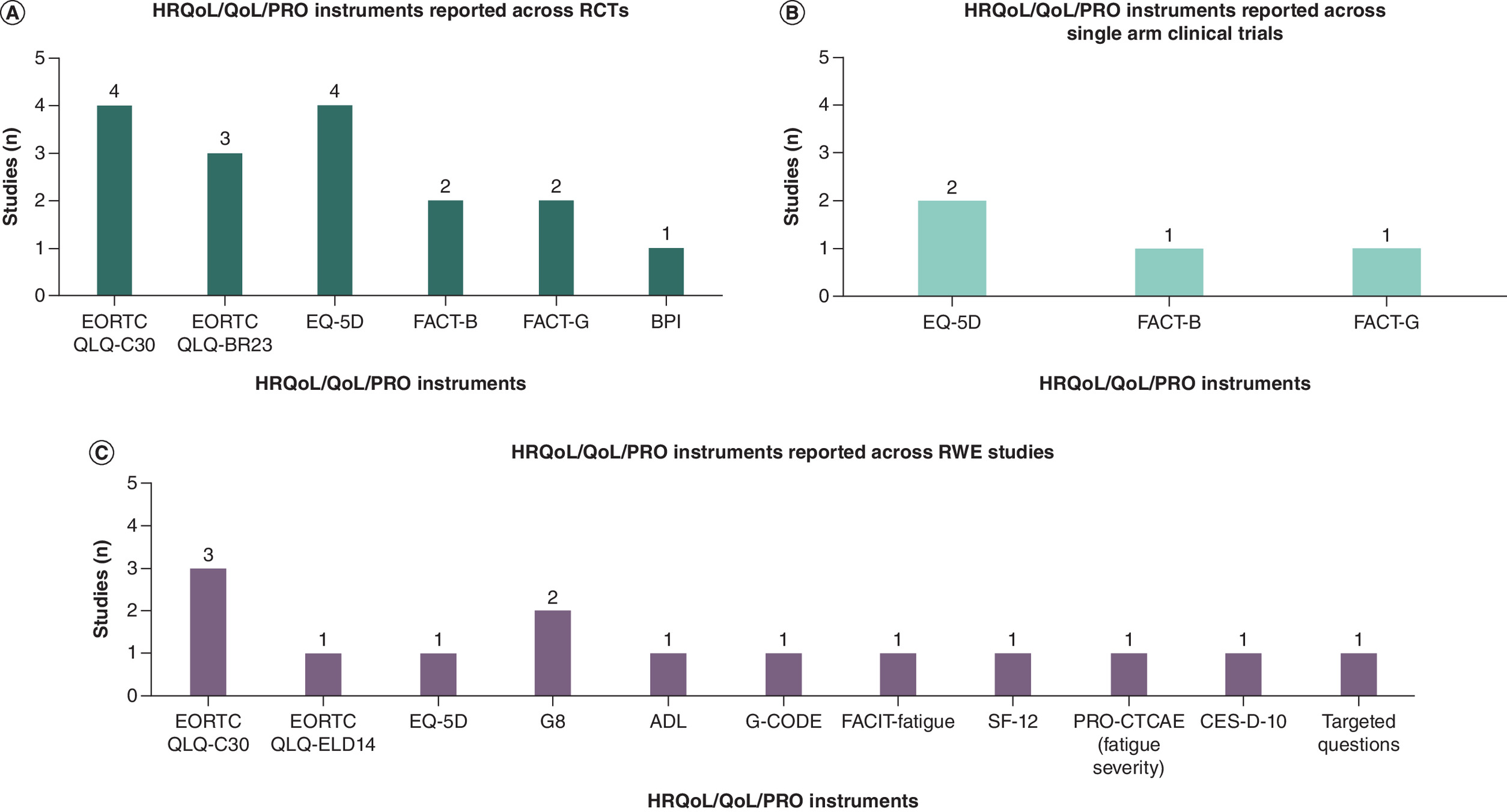
Figure 2. Health related quality of life instruments reported.
In (A) RCTs, (B) single-arm clinical trials, (C) RWE studies.
ADL: Activity of daily living; BPI: Brief pain inventory; CES-D-10: Center for Epidemiological Studies Depression Scale; EORTC ELD: European organization for research and treatment of cancer quality of life questionnaire – elderly cancer patients; EORTC QLQ-BR23: European organization for research and treatment of cancer quality of life questionnaire-breast 23; EORTC QLQ-C30: European organization for research and treatment of cancer quality of life questionnaire-Core 30; EQ-5D: EuroQoL five dimensional; EQ-VAS: EuroQol-visual analogue scale; FACIT-Fatigue: Functional assessment of chronic illness therapy library-fatigue; FACT-B: Functional Assessment of Cancer Therapy - Breast; FACT-G: Functional Assessment of Cancer Therapy - General; G8: Geriatric 8 questionnaire; G-CODE: Geriatric Core Dataset; HRQoL: Health related quality of life; PRO-CTCAE-fatigue severity: Patient reported outcomes for Common Terminology Criteria for Adverse Events-fatigue severity; RCT: Randomized controlled trial; RWE: Real-world evidence; SF-12: 12 item short form survey.
Among the three single-arm clinical trials, two were conducted in two or more countries [44,46] and the remaining study was conducted in Japan [45,62]. One study evaluated palbociclib as a first-line therapy [45,62], one study evaluated palbociclib regardless of line of therapy [44], and the remaining study did not specify the line of therapy palbociclib was administered [46]. All three single-arm trials evaluated palbociclib plus letrozole [44–46,62]. HRQoL instruments reported by the single-arm trials included the EQ-5D, FACT-B and the FACT-G (Figure 2B).
All five of the included RWE studies were cohort studies, with four being prospective [15,16,47,52–56] and one being ambispective (incorporating both retrospective and prospective components) [14]. Three of the RWE studies were conducted in a single country (one each in France [15,55], the US [47] and China) [14], one was conducted in two or more countries [16,52–54] and the remaining study did not report the region [56]. Palbociclib was evaluated regardless of line of therapy in four studies [14–16,47,52–55], with the remaining study not reporting line of therapy [56]. All five studies evaluated palbociclib plus ET [14–16,52–56], often fulvestrant or an aromatase inhibitor. Several different HRQoL instruments were reported across the five RWE studies (Figure 2C), including both general (e.g., EORTC-QLQ-C30, EQ-5D) and elderly-specific scales (e.g., EORTC-elderly cancer patients [EORTC QLQ-ELD14], geriatric 8 questionnaire, activities of daily living and Geriatric Core Dataset).
Assessment of study quality
Quality assessment was conducted for six RCTs, three single-arm trials and two RWE cohort studies with available full-text articles (Appendix Tables A6 & A7).
All six RCTs provided clear evidence of appropriate randomization [32–37,41–43,63] (Appendix Table A6). Three trials reported appropriate methods of concealment/blinding [31,33–37], while the remaining three trials were open label [32,41–43]. Trials generally reported all outcomes measured, balanced populations and appropriate analysis methods.
Three single-arm trials and two RWE cohort studies were assessed using the Newcastle–Ottawa Scale Appraisal (Appendix Table A7). Total scores ranged from three to five out of a maximum of nine stars, indicating studies were of low (n = 4) [14,45–47] or moderate quality (n = 1) [44], largely as a consequence of the lack of a comparator.
HRQoL results
HRQoL results from validated scales reported in more than one included study, as well as scales reporting important patient outcomes such as overall QoL; physical functioning, pain and fatigue, as well as treatment-related outcomes (e.g., sexual functioning, upset by hair loss, systemic therapy side effects), are qualitatively summarized below.
HRQoL results of palbociclib versus the control group from included RCTs are summarized in Table 4 and HRQoL results relative to baseline among patients treated with palbociclib, regardless of study design (i.e., RCTs, single-arm trials, RWE studies) are summarized in Table 5.
| Author (year), study name | Line of therapy | Study groups and sample size | Questionnaire compliance | Metric | Results for palbociclib significantly† better than the control group | Results for palbociclib comparable to the control group | Results for palbociclib significantly† worse than the control group | Ref. |
|---|---|---|---|---|---|---|---|---|
| EORTC QLQ-C30 | ||||||||
| Harbeck (2016), PALOMA-3 | 1, 2, ≥3 | • Palbociclib + fulvestrant: n = 347 • Placebo + fulvestrant: n = 174 | • Palbociclib group: >96.9 • Control group: >95.8 | Difference in CFB | Global QoL, pain | Fatigue, physical functioning | [36] | |
| TTD | Global QoL, pain | |||||||
| Kahan (2021), PEARL | 1, 2, ≥3 | • Palbociclib + ET (n = 268) • Capecitabine (n = 269) | >82% | Difference in CFB | Global QoL, pain, fatigue, physical functioning | [42] | ||
| TTD | Global QoL, pain, fatigue, physical functioning | |||||||
| Lee (2020), YoungPearl | 1,2,3 | • Palbociclib + ET + GnRH agonist (n = 92) • Capecitabine (n = 86) | • 100% in the palbociclib group • 94.2% in the capecitabine group | TTD | Physical functioning | Global QoL, pain, fatigue | [43] | |
| Difference in CFB | Pain, fatigue, physical functioning | |||||||
| Tibau (2023), FLIPPER | 1 | • Palbociclib + fulvestrant: n = 88 • Placebo + fulvestrant: n = 90 | • Palbociclib group: ≥96.8 at baseline; ≥94.5 (total) Control group: ≥95.8 at baseline; ≥96.9 (total) | Difference in CFB | Pain, fatigue, physical functioning | Global QoL | [31] | |
| TTD | Pain, fatigue, physical functioning | Global QoL | ||||||
| EORTC QLQ-BR23 | ||||||||
| Harbeck (2016), PALOMA-3 | 1, 2, ≥3 | • Palbociclib + fulvestrant: n = 347 • Placebo + fulvestrant: n = 174 | • Palbociclib group: >96.9 • Control group: >95.8 | Difference in CFB | Body image, sexual functioning, sexual enjoyment, future perspective, systemic therapy side effects, breast symptoms, arm symptoms | Upset by hair loss | [36] | |
| Kahan (2021), PEARL | 1, 2, ≥3 | • Palbociclib + ET (n = 268) • Capecitabine (n = 269) | >82% | Difference in CFB | Body image, sexual functioning, sexual enjoyment, future perspective, systemic therapy side effects, breast symptoms, arm symptoms | Upset by hair loss | [42] | |
| TTD | Systemic therapy side effects | Body image, sexual functioning, sexual enjoyment, future perspective, breast symptoms, arm symptoms, upset by hair loss | ||||||
| Tibau (2023), FLIPPER | 1 | • Palbociclib + fulvestrant: n = 88 • Placebo + fulvestrant: n = 90 | • Palbociclib group: ≥96.8 at baseline; ≥94.5 (total) • Control group: ≥95.8 at baseline; ≥96.9 (total) | Difference in CFB | Sexual enjoyment | Body image, sexual functioning, future perspective, breast symptoms, arm symptoms, upset by hair loss | Systemic therapy side effects | [31] |
| TTD | Arm symptoms | Body image, sexual functioning, sexual enjoyment, future perspective, systemic therapy side effects, breast symptoms, upset by hair loss | ||||||
| FACT-G/FACT-B | ||||||||
| Rugo (2019), PALOMA-2 | 1 | • Palbociclib + letrozole (n = 444) • Placebo + letrozole (n = 222) | NR | Difference in CFB | FACT-G total score, FACT-B total score, breast cancer subscale, physical wellbeing | [34] | ||
| Rugo (2018), PALOMA-2 | 1 | • Palbociclib + letrozole (n = 444) • Placebo + letrozole (n = 222) | 95% to 100% in both groups | Difference in CFB | Pain | TOI | [33] | |
| TTD | FACT-B total score | |||||||
| Hu (2022), PALOMA-4 | 1 | • Palbociclib + letrozole (n = 169) • Placebo + letrozole (n = 171) | NR | Difference in CFB | FACT-G total score, FACT-B total score, breast cancer subscale, physical wellbeing | [50] | ||
†
Statistically significant unless otherwise specified.
CFB: Change from baseline; EORTC QLQ-BR23: European organization for research and treatment of cancer quality of life questionnaire-breast 23; EORTC QLQ-C30: European organization for research and treatment of cancer quality of life questionnaire-Core 30; ET: Endocrine therapy; FACT-B: Functional Assessment of Cancer Therapy - Breast; FACT-G: Functional Assessment of Cancer Therapy - General; GnRH: Gonadotropin hormone-releasing hormone; MD: Mean difference; NR: Not reported; QOL: Quality of life; RCT: Randomized controlled trial; TOI: Trial outcome index; TTD: Time to deterioration.
Full detailed HRQoL results across all included studies and instruments are included in Appendix Tables A8–A10 for RCTs, single-arm trials and RWE studies, respectively. Definitions of minimal important differences (MIDs) used across included studies are summarized in Appendix Table A11.
Palbociclib versus the control group within RCTs
EORTC QLQ-C30: Global QoL & EQ-5D index score
Four RCTs (PALOMA-3 [36], PEARL [42], YoungPearl [43] and FLIPPER [31]) reported EORTC QLQ-C30 results comparing patients treated with palbociclib to a control group of placebo plus fulvestrant (PALOMA-3 [36], FLIPPER [31]) or capecitabine (PEARL [42], YoungPearl [43]), with some heterogeneity observed across subscales and metrics reported (Table 4). For global QoL, three RCTs [36,42,43], concluded that global QoL scores were at least comparable if not significantly better in the palbociclib group than the control group (placebo plus fulvestrant [PALOMA-3 [36]], capecitabine [PEARL [42], YoungPearl [43]]) across metrics, regardless of line of therapy. However, the FLIPPER trial [31] reported that change from baseline (CFB) and time to deterioration (TTD) results for the palbociclib group were both significantly worse than placebo plus fulvestrant in first line. Of note, it is likely that the observed differences between groups are the result of improvement in global QOL scores in the placebo group, and not deterioration of global QOL in the palbociclib group, which remained stable throughout the study.
EQ-5D index score was reported in four RCTs (PALOMA-2 [33], PALOMA-3 [49], PALOMA-4 [50], PEARL [42]; Appendix Table A8). Results were generally consistent with those reported for global QoL – all studies concluded that the palbociclib group was comparable or performed significantly better than the control group (placebo plus letrozole [PALOMA-2 [33]; PALOMA-4 [50]]; placebo plus fulvestrant [PALOMA-3 [49]]; capecitabine [PEARL [42]]) regardless of line of therapy.
EORTC QLQ-C30: Physical functioning, fatigue & pain subscales
Across the four RCTs (PALOMA-3 [36], FLIPPER [31], PEARL [42], YoungPearl [43]) reporting QLQ-C30 subscale results, physical functioning, fatigue and pain for palbociclib was generally found to be comparable to or significantly better than the control group (placebo plus fulvestrant [PALOMA-3 [36], FLIPPER [31]]; capecitabine [PEARL [42], YoungPearl [43]]) (Table 4). Of note, both PEARL [42] and YoungPearl [43] reported significant improvement in the TTD for physical functioning, with PEARL [42] also reporting significant improvement in fatigue TTD, in the palbociclib group compared with the capecitabine group. The difference in CFB for pain in PALOMA-3 [36], and TTD of pain in PALOMA-3 [36] and PEARL [42] were also reported to be significantly better in the palbociclib group compared with the control (placebo plus fulvestrant [PALOMA-3 [36]; capecitabine [PEARL [42]). In line with this, PALOMA-1 [32] reported results for brief pain inventory and found that the palbociclib group was comparable to the control (letrozole monotherapy) for CFB in both pain severity and pain interference in first line (Appendix Table A8).
EORTC QLQ-BR23: Subscales & treatment-related outcomes
EORTC QLQ-BR23 subscales (body image, sexual functioning, sexual enjoyment, future perspective, systemic therapy side effects, breast symptoms, arm symptoms, upset by hair loss) were reported in three RCTs across lines of therapy (PALOMA-3 [36], PEARL [42] and FLIPPER [31]; Table 4). The majority of subscales were found to be comparable between the palbociclib group and the control group (placebo plus fulvestrant [PALOMA-3 [36], FLIPPER [31]]; capecitabine [PEARL [42]]). Exceptions to this include, FLIPPER [31] where sexual enjoyment CFB, and arm symptoms TTD were reported to be significantly better for palbociclib plus fulvestrant versus the placebo arm in first line. The difference in CFB for upset by hair loss was reported to be worse in the palbociclib group compared with placebo plus fulvestrant in PALOMA-3 [36] and capecitabine in PEARL [42] regardless of line of therapy. Of note however, in PALOMA-3 [36] the ‘upset by hair loss’ question was only addressed to patients who had experienced hair loss, resulting in a much lower sample size than other scales. PEARL [42] reported TTD of systemic therapy side effects for palbociclib to be significantly better than capecitabine, while FLIPPER [31] reported that CFB for palbociclib plus fulvestrant was significantly worse than placebo plus fulvestrant.
FACT-B/FACT-G
FACT-B and/or FACT-G results between patients receiving palbociclib plus letrozole or the control (placebo plus letrozole) as first-line therapy were reported in two RCTs (PALOMA-2 [33,34] and PALOMA-4 [50]; Table 4). FACT B total score, FACT-G total score, trial outcome index (TOI) and the breast cancer subscale were all concluded to be comparable between groups across metrics in both studies [33,34,50]. Of note, the difference in CFB for FACT-B pain, reported in PALOMA-2 [33,34], was found to be significantly improved in the palbociclib group compared with placebo plus letrozole.
Change from baseline among patients treated with palbociclib
EORTC QLQ-C30: Global QoL & EQ-5D index score
Among patients treated with palbociclib, CFB in EORTC QLQ-C30 global QoL was reported in four RCTs (PALOMA-3 [36,60,64], PEARL [42], YoungPearl [43], FLIPPER [31]) and two RWE studies [14,52] (Table 5). All RCTs reported that QLQ-C30 global QoL was comparable to baseline among patients treated with palbociclib both in any line of therapy (PALOMA-3 [36,60,64], PEARL [42], YoungPearl [43]) and first line therapy (FLIPPER [31]). Conversely, both RWE studies [14,52] concluded that treatment with palbociclib significantly improved global QoL results from baseline regardless of line of therapy. These findings were consistent with CFB in EQ-5D index scores, where results were reported to be comparable or significantly better than baseline among patients treated with palbociclib in any line of therapy, across RCTs (PALOMA-2 [33] and PALOMA-3 [36,49,60,64]), single-arm trials (n = 2) [44,46] and one RWE study [14] (Appendix Tables A8–A10). PALOMA-2 [33] and the RWE [14] study reported EQ-5D index scores to be significantly improved from baseline, while PALOMA-3 [49,60,64] and both single-arm trials [44,46] found results to be comparable to baseline.
| Author (year), study name | Line of therapy | Study groups and sample size | Questionnaire compliance | Metric | Results significantly† better than the baseline | Results comparable to baseline | Results significantly† worse than the baseline | Ref. |
|---|---|---|---|---|---|---|---|---|
| EORTC QLQ-C30 | ||||||||
| Harbeck (2016), PALOMA-3 | RCT | 1, 2, ≥3 | • Palbociclib + fulvestrant: n = 347 • Placebo + fulvestrant: n = 174 | • Palbociclib group: >96.9 • Control group: >95.8 | Pain | Global QoL, physical functioning | Fatigue | [36,60,64] |
| Kahan (2021), PEARL | RCT | 1, 2, ≥3 | • Palbociclib + ET (n = 268) • Capecitabine (n = 269) | >82% | Global QoL | [42] | ||
| Lee (2020), YoungPearl | RCT | 1,2,3 | • Palbociclib + ET + GnRH agonist (n = 92) • Capecitabine (n = 86) | • 100% in the palbociclib group • 94.2% in the capecitabine group | Global QoL | [43] | ||
| Tibau (2023), FLIPPER | RCT | 1 | • Palbociclib + fulvestrant: n = 88 • Placebo + fulvestrant: n = 90 | • Palbociclib group: ≥96.8 at baseline; ≥94.5 (total) • Control group: ≥95.8 at baseline; ≥96.9 (total) | Pain | Global QoL, fatigue, physical functioning | [31] | |
| Rocque (2022), POLARIS | RWE study | 1, ≥2 | Palbociclib + ET: n = 1242 | NR | Global QoL | [52] | ||
| Karuturi (2022), POLARIS | RWE study | 1, 2, >2 | Palbociclib + ET: 1240 | NR | Pain‡, fatigue‡, physical functioning‡ | [16] | ||
| Shen (2022), NA | RWE study | 1, ≥2 | Palbociclib + ET: n = 82 | 43.2% (82/190) | Global QoL Pain | Fatigue, physical functioning | [14] | |
| EORTC QLQ-BR23 | ||||||||
| Harbeck (2016), PALOMA-3 | RCT | 1, 2, ≥3 | • Palbociclib + fulvestrant: n = 347 • Placebo + fulvestrant: n = 174 | • Palbociclib group: >96.9 • Control group: >95.8 | Body image, future perspective, breast symptoms, arm symptoms | Sexual functioning, upset by hair loss | Sexual enjoyment, systemic therapy side effects | [36] |
| Tibau (2023), FLIPPER | RCT | 1 | • Palbociclib + fulvestrant: n = 88 • Placebo + fulvestrant: n = 90 | • Palbociclib group: ≥96.8 at baseline; ≥94.5 (total) • Control group: ≥95.8 at baseline; ≥96.9 (total) | Breast symptoms, arm symptoms | Body image, sexual functioning, sexual enjoyment, systemic therapy side effects, upset by hair loss | Future perspective | [31] |
| FACT-G/FACT-B | ||||||||
| Rugo (2018), PALOMA-2 | RCT | 1 | • Palbociclib + letrozole (n = 444) • Placebo + letrozole (n = 222) | • 95% to 100% in both groups | Pain | FACT-G total score, FACT-B total score, breast cancer subscale | Physical wellbeing | [33] |
| Hu (2022), PALOMA-4 | RCT | 1 | • Palbociclib + letrozole (n = 169) • Placebo + letrozole (n = 171) | • NR | FACT-B total score | [50,61] | ||
| Takahashi (2019), NA | Single-arm trial | 1 | • Palbociclib + letrozole (n = 42) | • 100% (42/42) | FACT-G total score‡, FACT-B total score‡, breast cancer subscale‡, physical wellbeing‡, TOI‡ | [45] | ||
†
Statistically significant unless otherwise specified.
‡
No assessment of statistical significance reported.
EORTC QLQ-C30: European organization for research and treatment of cancer quality of life questionnaire-Core 30; ET: Endocrine therapy; FACT-B: Functional Assessment of Cancer Therapy - Breast; FACT-G: Functional Assessment of Cancer Therapy - General; GnRH: Gonadotropin hormone-releasing hormone; NR: Not reported; QOL: Quality of life; RCT: Randomized controlled trial; RWE: Real world evidence; TOI: Trial outcome index.
EORTC QLQ-C30: Physical functioning, fatigue & pain subscales
Two RCTs, one evaluating palbociclib in first line (FLIPPER [31]), and the other any line of therapy (PALOMA-3 [36,60,64]), reported QLQ-C30 physical functioning, fatigue and pain CFB results among patients treated with palbociclib. Change from baseline QLQ-C30 physical functioning and fatigue results were generally found to be comparable to baseline, with the exception PALOMA-3 [60,64] where significantly worse fatigue results from baseline regardless of line of therapy were reported (Table 5). Of note, however, CFB results were also reported to be significantly worse for the placebo plus fulvestrant group in PALOMA-3 [60,64]. Additionally, two RWE studies [14,16] evaluating palbociclib regardless of line of therapy, reported physical functioning and fatigue to be comparable to baseline.
Pain results on the other hand were reported to be significantly improved from baseline among patients treated with palbociclib, in PALOMA-3 [36,60,64] and FLIPPER [31] (Table 5). Similarly, RWE studies reported that treatment with palbociclib in any line of therapy resulted in comparable or significantly improved pain compared with baseline [14,16]. Likewise, the PALOMA-1 trial [32] reporting brief pain inventory found that pain interference scores appeared to be stable over time in patients treated with palbociclib in first line (Appendix Table A8).
EORTC QLQ-BR23: Subscales & treatment-related outcomes
Substantial variation in change from baseline results in two RCTs were observed for the EORTC QLQ-BR23 subscales among patients treated with palbociclib in both first line (FLIPPER [31]), and any line of therapy (PALOMA-3 [36,60,64]), (Table 5). In PALOMA-3 [36,60,64], subscales were reported to be significantly worse (sexual enjoyment, and systemic therapy side effects), significantly improved (body image, future perspective, breast and arm symptoms) and comparable (sexual functioning, upset by hair loss) to baseline, among patients treated with palbociclib in any line of therapy. However, sexual enjoyment and systemic therapy side effects were reported to be worse from baseline in both the palbociclib and placebo plus fulvestrant groups. Among the palbociclib group treated in first line in FLIPPER [31], the majority of subscales were found to be comparable to baseline, except for breast and arm symptoms that were reported to be significantly improved as well as future perspectives which was reported to be significantly worse than baseline in both the palbociclib and placebo plus fulvestrant groups.
FACT-B/FACT-G
Change from baseline FACT-G/FACT-B results among patients treated with palbociclib were reported in two RCTs (PALOMA-2 [33] and PALOMA-4 [61]) and one single-arm trial [45], which evaluated palbociclib in first line (Table 5). Results across FACT B total score, FACT-G total score, trial outcome index (TOI) and the breast cancer subscale were generally found to be comparable to baseline, with some inconsistencies to note. FACT-B total score was reported to be comparable to baseline in PALOMA-2 [33] and the single-arm trial [45], but worse than baseline in PALOMA-4 [61]. However, FACT-B total score for the placebo plus letrozole group in PALOMA-4 also worsened from baseline [61]. Physical wellbeing on the other hand was found to be worse than baseline in PALOMA-2 [33] among patients treated with palbociclib, but comparable in the single-arm trial. Pain and TOI were each reported in one study, where pain was found to be improved from baseline among patients treated with palbociclib in PALOMA-2 [33] and TOI was comparable to baseline in the single-arm trial [45].
FACIT-Fatigue & PRO-CTCAE fatigue severity
Results for functional assessment of chronic illness therapy-fatigue (FACIT-F) and patient reported outcomes for Common Terminology Criteria for Adverse Events-fatigue severity (PRO-CTCAE-fatigue severity) were reported in one single-arm RWE study (line of therapy not reported) [56]. On both scales, the incidence rate of fatigue was reported to be worse than baseline among patients treated with palbociclib.
HRQoL results for specific populations & subgroups
Studies included in this SLR also reported HRQoL results for a number of specific populations and subgroups, including geriatric or elderly patients, Asian patients, Black, indigenous and people of color (BIPOC) patients and patients with or without visceral metastases or neutropenia. Please see Appendix Tables A8–A10 for detailed HRQoL results by specific patient populations.
Geriatric or elderly patients
HRQoL was evaluated in a geriatric or elderly population using both general and elderly specific instruments in two RCTs (PALOMA-2 [40], ≥75 years n = 48/444 for palbociclib, n = not reported [NR] for placebo plus letrozole, and PALOMA-3, ≥75 years n = 27/345 for palbociclib, n = 6/172 for placebo plus fulvestrant [40]; Appendix Table A8) and two RWE studies (POLARIS [53], ≥70 years n = 414/1242; PalomAGE [15,52,55], ≥70 years n = 768) (Appendix Table A10).
Both RCTs reported that in elderly patients (≥75 years) treated with palbociclib in either first line or any line of therapy, results were comparable or significantly better than the control group (placebo plus letrozole) [40]. Change from baseline results among elderly patients treated with palbociclib within the two trials were also found to be comparable to baseline (QLQ-C30 global QoL and FACT-B total score) [40].
Similarly, RWE studies, including POLARIS and PALOMAGE, focused on elderly patients (≥70 years) reported that results were comparable or numerically better than baseline on both general QoL (QLQ-C30; global QoL and subscales) and elderly-specific instruments (geriatric 8 questionnaire, geriatric core dataset and QLQ-ELD14) regardless of line of therapy [15,52,55]. One RWE study reported that mean CFB activities of daily living results were significantly worse compared with baseline in patients receiving palbociclib in any line of therapy; however, despite being statistically significant, the change constituted only 2% of the total score and was not considered clinically meaningful [52].
Asian patients
HRQoL results comparing palbociclib to a control group were reported for Asian patients in four RCTs [35,37,43,50] (Appendix Table A8). Two trials reported results for a subpopulation of Asian patients (PALOMA-2 [35] [n = 95/666], and PALOMA-3 [37] [n = 105/521]), and two trials were only conducted in Asian countries (PALOMA-4 [50] [n = 340], YoungPearl [43] [n = 178]). Across trials, Asian patients treated with palbociclib in any line of therapy were found to have comparable or significantly better results than the control group (placebo plus letrozole [PALOMA-2 [35], PALOMA-4 [50]]; placebo plus fulvestrant [PALOMA-3 [37]]; capecitabine [YoungPearl [43]]) across a variety of instruments (QLQ-C30 global QoL and subscales, EQ-5D index score, FACT-B total score, FACT-G total score, FACT-B/FACT-G subscales).
Change from baseline results among the subpopulation of Asian patients treated with palbociclib in any line of therapy from one RCT (PALOMA-3 [37] [n = 105/521])) were reported, as well as two RCTs (PALOMA-4 [50] [n = 340], and YoungPearl [43] [n = 178]), one single-arm trial [45] (n = 42) and one RWE study [14] (n = 82) all conducted specifically in Asian countries (Appendix Tables A8–A10). Among Asian patients treated with palbociclib in PALOMA-3 [37]), QLQ-C30 global QoL results were concluded to be comparable to baseline.
Similar results were reported for YoungPearl [43] (QLQ-C30 global QoL), as well as across the single-arm trial [45] and RWE study [14], where results were generally reported to be better or comparable to baseline (QLQ-C30 global QoL, EQ-5D index score, FACT-B total score, FACT-G total score). However, inconsistent results were reported in PALOMA-4 [50], where FACT-B total scores were observed to be worse than baseline.
BIPOC patients
BIPOC patients were specifically evaluated in the POLARIS study where results from 233 BIPOC were found to be comparable to baseline on the QLQ-C30 global QoL and subscale scores regardless of line of therapy (Appendix Table A10) [53].
Presence of visceral metastases
Comparing HRQoL in patients with and without visceral metastases, two RCTs (PALOMA-2 [34,39] [visceral metastases n = 324/666] and PALOMA-3 [36,39] [visceral metastases n = 304/521]; Appendix Table A8) showed that results for palbociclib-treated patients were comparable or significantly better than the control group (placebo plus letrozole [PALOMA-2 [34,39]]; placebo plus fulvestrant [PALOMA-3 [36,39]]) regardless of line of therapy (QLQ-C30 global QoL, FACT-B total score). Of note, FACT-B total scores for the palbociclib arm in PALOMA-2 [34,39] were found to be comparable to the placebo plus letrozole arm in both patients with and without visceral metastases. However, in PALOMA-3 [36,39], QLQ-C30 global QoL in patients with visceral metastases was reported to be improved for palbociclib-treated patients compared with the placebo plus fulvestrant arm, but comparable to the placebo arm in patients without visceral metastases, across both CFB and TTD results.
Presence of neutropenia
The potential impact of neutropenia status on HRQoL was measured in two RCTs (PALOMA-2 [33] and PALOMA-4 [50]; Appendix Table A8) and one RWE study [47] (Appendix Table A10) in patients treated with palbociclib. In both PALOMA-2 [33] and PALOMA-4 [50], no significant differences in change from baseline in FACT-B total score (PALOMA-2 n = 180/444; PALOMA-4 n = not reported) and EQ-5D index score (PALOMA-2 n = 182/444; PALOMA-4 n = not reported) were observed between patients with and without neutropenia treated with palbociclib plus letrozole as first line therapy, at the end of the study period. Similarly, in the RWE study (n = 62/139), 12 item short form survey (SF-12), Center for Epidemiological Studies depression scale (CES-D-10), and overall QoL survey results remained constant throughout treatment with palbociclib, with findings consistent between patients with and without neutropenia receiving palbociclib as first, second- or third-line therapy [47].
Discussion
Patient reported outcomes (PRO) and HRQoL have become an increasingly important complement to efficacy end points in assessing the value of treatments, including treatments for breast cancer [4,65]. PRO data provide important information on how patients feel and function as a result of their disease and treatment; treatment approval and reimbursement decisions often take HRQoL and PRO data into account [2,5,6]. In fact, the FDA is required to make a brief public statement about the patient experience data and related information, such as HRQoL, that is submitted and reviewed as part of all approved drug and biologic marketing applications, according to section 3001 of the 21st Century Cures Act of 2016 [66]. Therefore, it is essential to evaluate HRQoL in clinical practice, particularly in the case of patients with advanced disease, where survival rates are low [4,67].
CDK 4/6 inhibitors in combination with endocrine therapy, introduced in 2015 for the treatment and management of patients with aBC or mBC, are considered an important advancement, with palbociclib being the first in class to attain FDA approval [4,68]. To our knowledge, this is the first systematic review to synthesize the available evidence on HRQoL specifically in patients with HR+/HER2- aBC or mBC treated with palbociclib. The present review not only summarizes the available HRQoL data between palbociclib and comparison groups within RCTs, but also change from baseline (CFB) results among patients treated with palbociclib for all study types, allowing for a wholistic view of results across RCTs, single-arm trials and RWE studies. In addition to global or overall HRQoL, individual findings of key parameters important to patients and physicians were also highlighted, such as physical functioning, pain and fatigue.
Evaluation of global QoL measures in RCTs between groups across instruments (QLQ-C30, EQ-5D, FACT-B/FACT-G) were generally found to be comparable or better in the palbociclib arm compared with the control group, in both the first line setting and beyond. One exception was observed in FLIPPER, where QLQ-C30 global QoL scores for palbociclib examined as a first line therapy were significantly worse than the placebo group; however, differences between groups were due to improvements in the placebo group, while scores were maintained from baseline in the palbociclib group [31]. Worse appetite, constipation and systemic therapy side effects with palbociclib compared with the placebo group were suspected to contribute to these differences in global QoL [31]. Potential reasoning for the improved HRQoL scores observed in the placebo group from baseline was not directly discussed by the authors, but could be related to differences in population, assessments, or external factors. These findings are further supported by the scores for the major palbociclib clinical trials using the European Society for Medical Oncology's Magnitude of Clinical Benefit Scale (ESMO-MCBS), considered to be a robust validated tool for evaluating the clinical benefit of oncology treatments [69,70]. Key RCTs evaluating palbociclib, PALOMA-1, PALOMA-2 and PALOMA-3 included in this review, received ESMO-MCBS scores of 3, 3 and 4, respectively, out of 5 [70]. PALOMA-3 in particular, was initially assigned a score of 3 due to notable benefits in progression-free survival [71]. Nonetheless, the final score was increased to 4 after adjusting for QoL, reflecting the reported delays in deterioration of global QoL in the trial [71]. Results from this review in addition to the ESMO-MCBS scores, demonstrate that palbociclib contributes to improved clinical outcomes, while also maintaining QoL.
CFB results of global QoL were also largely found to be improved or maintained from baseline among patients treated with palbociclib across RCTs, single-arm and RWE studies, instruments (QLQ-C30, EQ-5D, FACT-B/FACT-G) and line of therapy. Although FACT-B total score was observed to be worse than baseline among Asian patients treated with palbociclib in PALOMA-4 [61], these results were in contrast to findings in international patients in PALOMA-2 [33] and a single-arm trial on Japanese patients that found FACT-B results to be maintained, all evaluating palbociclib as a first line therapy. Additionally, it should be noted that FACT-B total scores worsened from baseline for both the palbociclib group, as combination relative to and placebo plus letrozole, effectively a monotherapy group in PALOMA-4 [61].
It could be speculated that while overall HRQoL was maintained, key components of quality of life may have improved while others worsened; however, when individual patient outcomes, such as pain, fatigue and physical functioning were analyzed, where reported, the results were similar such that there was an overall maintenance of quality of life. Results for pain across all RCTs, single-arm trials and RWE studies, instruments (QLQ-C30 Pain, BPI, FACT-B pain) and lines of therapy, were found to be maintained or improved from baseline among patients treated with palbociclib and were observed to be comparable or better in the palbociclib group compared with the placebo group in all RCTs. Fatigue and physical functioning findings were generally observed to be comparable between the palbociclib group and placebo group in RCTs and maintained from baseline across study types among patients treated with palbociclib, with some exceptions.
Generally maintained or improved results were also found for palbociclib across outcomes likely to be attributable to the treatment, as opposed to the disease, including sexual functioning, sexual enjoyment, upset by hair loss, systemic therapy side effects and TOI, with some exceptions. CFB across treatment-related outcomes were mostly found to be stable from baseline among patients treated with palbociclib, in first and all lines of therapy, however sexual enjoyment and systemic therapy side effects were reported to be worse from baseline in one study [36]. Although of note, sexual enjoyment and systemic therapy side effects were reported to be worse than baseline in both the palbociclib and placebo plus fulvestrant groups [36]. Across RCTs, the palbociclib group was generally found to be comparable or better than the control group for these treatment-related outcomes, with some exceptions observed for upset by hair loss and systemic therapy side effects. One study however, only measured ‘upset by hair loss’ in patients who experienced hair loss, resulting in a much lower sample size than other scales [36].
Overall, our study demonstrated that treatment with palbociclib generally maintains HRQoL in patients with HR+/HER2- aBC or mBC across RCTs, single-arm clinical trials and RWE studies. Findings from this review suggest that the addition of palbociclib to endocrine therapy for patients with HR+/HER2- aBC or mBC confers benefit on clinical outcomes, that does not come at the expense of a patient's HRQoL, both in a trial setting and the real-world. In fact, data suggest that HRQoL is largely preserved with the addition of palbociclib to endocrine therapy [11–13,72].
Other reviews have been conducted that focused on a broader population of breast cancer patients and/or a variety of treatments. A recent systematic review by Di Lauro et al. evaluating HRQoL results of breast cancer patients of any stage treated with a CDK4/6 inhibitor (including palbociclib), concluded that adding a CDK4/6 inhibitor to endocrine therapy generally did not worsen patients' HRQoL [21]. An additional review conducted by Zhou et al. in 2017 concluded that global health status was maintained or in some cases only slightly deteriorated from baseline in postmenopausal HR+/HER2- advanced breast cancer patients treated with endocrine therapy in combination with other treatments (such as palbociclib) in both first-line and endocrine-resistant settings; however, a variety of combination partners, in addition to palbociclib, were evaluated in this analysis [73]. While the overall findings presented herein are consistent with these earlier studies, this review provides a focused summary of palbociclib's impact on HRQoL in patients with HR+/HER2- aBC or mBC to better inform clinical decision-making in this patient population. However, it should be noted that HRQoL is just one factor among many (e.g., efficacy, patient preference, availability, cost) that should be considered in clinical decision making [4].
Consistent effects of palbociclib in maintaining HRQoL were also reported across studies in subgroups that are often underrepresented in clinical trials, including elderly, Asian and BIPOC patients [15,35,37,40,52,53,55]. There was a notable data gap in terms of results for elderly-specific HRQoL scales, which were not assessed in the included clinical trials and only reported in RWE studies. Additionally, HRQoL results were found to be comparable and relatively stable from baseline in patients with visceral metastases as well as among patients experiencing neutropenia, versus patients not having either. The presence of visceral metastases is considered an important disease characteristic and often acts as a stratification factor of patients within oncology clinical trials, while neutropenia is a common adverse event observed in patients treated with palbociclib [74,75]. Overall, our findings support that HRQoL is maintained with the use of palbociclib across multiple treatment lines, clinical characteristics and in high-risk populations.
Of significant note is the relative consistency in results between trial-based and real-world data. When palbociclib is evaluated in RWE studies, we continue to see preservation in HRQoL across a broader population of patients, including those who would have been excluded from clinical trials. Recent reviews have reported that although a number of real-world reports have been published since the approval of CDK 4/6 inhibitors plus ET, quality of life data is often rarely reported [76]. A systematic literature review by Harbeck et al. identified a total of 114 RWE studies on CDK 4/6 inhibitors in HR+/HER- advanced/metastatic breast cancer published between 2015 and 2019, of which only four reported PRO or HRQoL results [77]. All four studies evaluated patients treated with palbociclib, and no HRQoL data were reported for other CDK 4/6 inhibitors. Similarly, Di Lauro et al. in 2022 identified seven RWE reports in their SLR of HRQoL outcomes in breast cancer patient treated with any CDK4/6 inhibitor, with six evaluating patients treated with palbociclib and the remaining report focused on all CKD4/6/ inhibitors [21]. Thus, our review highlights the level of RWE evidence available for palbociclib, which may not be the same for other CDK 4/6 inhibitors.
While not the focus of the current review, the impact of other CDK 4/6 inhibitors, ribociclib and abemaciclib, on HRQoL, in patients with HR+/HER2- aBC or mBC has been evaluated in clinical trials. In MONARCH 2 [78] and MONARCH 3 [79], CFB results for the majority of EORTC QLQ-C30 and QLQ-BR23 functional and symptom scales were found to be generally comparable between the abemaciclib (abemaciclib + fulvestrant [MONARCH-2 [78]] or nonsteroidal aromatase inhibitor [MONARCH 3 [79]]) and control groups (placebo + fulvestrant [MONARCH-2 [78]] or nonsteroidal aromatase inhibitor [MONARCH 3 [79]]), with the exception of gastrointestinal items. The EORTC QLQ-C30 symptom subscale for diarrhea was found to significantly favor the control arm in both trials [78,79]. For ribociclib, a pooled analysis of QOL results from the MONALEESA-2, -3 and -7 trials, reported that ribociclib plus ET, generally delayed or maintained time to deterioration in QoL based on EORTC QLQ-C30 GHS, symptom and functional measures [80]. Overall, these CDK4/6 inhibitors demonstrated comparable impact on HRQoL to their control groups, similar to the findings from RCTs of palbociclib, as described herein. Furthermore, to our knowledge, while evidence on the impact of CDK4/6 inhibitors is growing, formal systematic literature reviews to summarize the totality of the HRQoL evidence for ribociclib or abemaciclib specifically in patients with HR+/HER2- aBC or mBC, have not yet been conducted.
A main source of heterogeneity across studies was the use of different HRQoL instruments. The presentation and calculation of results differed as well, with some studies reporting results for a single instrument such as CFB, TTD, or both. The variety of instruments to evaluate HRQoL and lack of consistent application across studies has been noted in previous systematic reviews [20,21]; and presents a significant challenge in comparing results between studies. Nevertheless, our review found that the literature consistently indicates that palbociclib is beneficial in terms of maintaining HRQoL in patients with HR+/HER2- aBC or mBC.
Our study also raises the importance of detailed reporting and consensus on the definition of minimal important difference (MID). Although some studies did not report using MIDs, the thresholds used across studies that did report MID definitions varied. While a within-patient or within-group change of at least 10 points from baseline was the most common definition [16,36,40,41,43,47,52,53,55], several studies used 2–10, 5–6 or 7–8 point thresholds [31,33,42,45,56]. For example, the FLIPPER trial defined deterioration of pain as measured by the QLQ-C30 scale as an increase in MID of 4 points [63], while the PALOMA-3 trial on the other hand defined deterioration of pain (QLQ-C30 scale) as an increase in MID of 10 points [36]. This aligns with a recent systematic review that found that the use of inconsistent definitions for MID was common in RCTs and RWE studies assessing HRQoL in patients with aBC [81]. Therefore,efore the utilization of different MID definitions may lead to differing interpretations of results and conclusions reported in various studies. Furthermore, this lack of standardization imposes a challenge and barrier to comparing the impact of palbociclib on HRQoL across studies. Establishing recommended MID value guidelines for individual PRO scales would be beneficial to help standardize definitions and facilitate the comparison of results across different studies.
Our review has several strengths. It was conducted and reported in accordance with the PRISMA statement, providing a comprehensive and rigorous assessment of the available research. Also, by focusing specifically on HR+/HER2- aBC or mBC patients treated with palbociclib, the present review also provides a more precise body of evidence as opposed to previous reviews that evaluated a broader patient population or CDK4/6 inhibitors as a whole [21,73]. To ensure all available evidence was captured, no date restrictions were applied to the literature searches. Conference abstracts were also included in an effort to integrate the latest research despite the often-limited information provided and reduced depth of possible analysis compared with full-text articles.
The limitations of this review should also be acknowledged. First, due to the level of heterogeneity in study designs, populations and treatment regimens, only qualitative findings are presented. The variability among studies makes quantitative analyses, such as meta-analyses, infeasible limiting the ability to draw definitive conclusions regarding palbociclib's impact on HRQoL within this review. Second, although RWE studies don't benefit from randomization, making internal validity and causality more difficult, RWE results can be informative in the appropriate context, as they often represent a wider patient population commonly excluded from clinical trials due to strict eligibility criteria. Similarly, many RWE studies use a single arm prospective longitudinal design, which may be challenging to put into context without a comparator group. However, these studies can offer valuable data, especially on PROs in a real-world population. For instance, change from baseline results can be particularly informative as they compare data for the same patients before and after treatment, and in the present review these RWE results were generally found to be consistent with those observed in the comparative clinical trials. Thirdly, as this study only focused on patients with HR+/HER2- aBC or mBC receiving palbociclib, the results may not be applicable for other populations, such as patients with early BC or patients receiving treatment with different CDK4/6 inhibitors. Additionally, the included HRQoL results are restricted to the time points at which they were assessed and may vary throughout treatment duration across studies. Side effects that persist after treatment which may impact QoL are not addressed in the scope of the current review. Exploring these potential side effects further is an important and interesting area of future research. Future studies may consider assessing these results quantitatively across common instruments in a meta-analysis or further investigate the relationship between HRQoL and clinical efficacy of palbociclib in patients with HR+/HER2- aBC or mBC, and other patient populations. Continued focused efforts should be made to incorporate PRO and HRQoL assessments more widely in treatment evaluations and clinical practice moving forward. Lastly, while the present review summarizes the available published HRQoL evidence on palbociclib, we recognize the importance of individual perspectives and patient experiences in relation to treatment decisions. The FDA highlighted the importance of patient perspectives for breast cancer treatment in 2015 as part of their patient voice work, which identified fatigue, pain and depression as symptoms having the greatest impact on patient lives, among other findings [9]. Additional studies should be conducted to better understand individual patient experiences following treatment with palbociclib.
Conclusion
The present review provides the first focused systematic assessment of HRQoL data in patients receiving palbociclib for treatment of HR+/HER2- aBC or mBC. Palbociclib was generally found to maintain patients' HRQoL across studies both in the clinical trial and real-world settings. Similar results were also shown for treatment-related outcomes and other important individual patient outcomes, such as pain, fatigue and physical functioning, as well as across different patient populations often underrepresented in clinical trials. Overall, current evidence suggests that HRQoL is largely preserved with the addition of palbociclib to endocrine therapy in patients with HR+/HER2- aBC or mBC.
Summary points
•
Optimizing health related quality of life (HRQoL) has become a primary goal of breast cancer therapy, alongside prolonging survival and managing symptoms, particularly in the advanced setting where outcomes are often poor.
•
Cyclin-dependent kinase 4/6 (CDK4/6) inhibitors in combination with endocrine therapy are an important advancement in the treatment and management of patients with advanced breast cancer (aBC) or metastatic breast cancer (mBC), and palbociclib was first in class to obtain FDA approval.
•
This systematic literature review is the first to summarize the available evidence on HRQoL specifically in patients with hormone receptor-positive (HR+), human epidermal growth factor receptor 2-negative (HER2-) aBC or mBC treated with palbociclib.
•
A total of 15 studies were identified, including seven randomized controlled trials, three single-arm trials and five real-world evidence studies, constituting a large and varied body of evidence.
•
Treatment with palbociclib was generally found to maintain HRQoL in HR+/HER2- aBC or mBC patients, both in clinical trial and real-world settings.
•
Similar findings were observed for key treatment-related outcomes (e.g., sexual functioning, upset by hair loss, systemic therapy side effects etc.) and individual outcomes important to patients, including physical functioning, pain and fatigue.
•
Results were also consistent across key clinical characteristics (visceral metastases, neutropenia) and populations of patients often underrepresented in clinical trials (Asian patients, elderly etc.).
•
Overall, current evidence suggests that the addition of palbociclib to endocrine therapy for patients with HR+/HER2- aBC or mBC confers a benefit to clinical outcomes without negatively impacting HRQoL.
Author contributions
All authors participated in the conception and design of the study. IA Samjoo, M Bartlett, A Hall and B-N Nguyen contributed to the literature review, data collection, analysis and interpretation of the data. J Doan, K Hanson, C Chen, JC Cappelleri, D Makari, LS Arruda, R Sandin, ML Smith, N Harbeck and M Karuturi contributed to the interpretation of the data and critically reviewed for importance of intellectual content for the work. All authors were responsible for drafting or reviewing the manuscript and for providing final approval. All named authors meet the International Committee of Medical Journal Editors (ICMJE) criteria for authorship for this article, take responsibility for the integrity of the work and have given their approval for this version to be published.
Acknowledgments
The authors thank Joanna Bielecki, employed by EVERSANA, Canada, who developed, conducted and documented the database searches.
Financial disclosure
This work was funded by Pfizer Inc. IA Samjoo, M Bartlett, A Hall and B-N Nguyen are employees of EVERSANA™, Canada, which was a paid consultant to Pfizer in connection with the development of this manuscript. J Doan, C Chen, JC Cappelleri, D Makari, LS Arruda and R Sandin are employees of Pfizer and own Pfizer stock. K Hanson serves as a consultant to Pfizer and receives compensation for these services. N Harbeck has received honoraria for lectures and/or consulting from AstraZeneca, Daiichi-Sankyo, Gilead, Lilly, MSD, Novartis, Pierre-Fabre, Pfizer, Roche, Seagen, Viatris and Zuelligpharma. The authors have no other relevant affiliations or financial involvement with any organization or entity with a financial interest in or financial conflict with the subject matter or materials discussed in the manuscript apart from those disclosed.
Competing interests disclosure
The authors have no competing interests or relevant affiliations with any organization or entity with the subject matter or materials discussed in the manuscript. This includes employment, consultancies, honoraria, stock ownership or options, expert testimony, grants or patents received or pending, or royalties.
Writing disclosure
No writing assistance was utilized in the production of this manuscript.
Open access
This work is licensed under the Attribution-NonCommercial-NoDerivatives 4.0 Unported License. To view a copy of this license, visit https://creativecommons.org/licenses/by-nc-nd/4.0/
Supplementary Material
File (supplementary materials.docx)
References
Papers of special note have been highlighted as: • of interest
1.
Sitlinger A, Zafar SY. Health-related quality of life: the impact on morbidity and mortality. Surg. Oncol. Clin. N. Am. 27(4), 675–684 (2018).
2.
Cherny NI, Sullivan R, Dafni U et al. A standardised, generic, validated approach to stratify the magnitude of clinical benefit that can be anticipated from anti-cancer therapies: the European Society for Medical Oncology Magnitude of Clinical Benefit Scale (ESMO-MCBS). Ann. Oncol. 26(8), 1547–1573 (2015).
3.
Partridge AH, Rumble RB, Carey LA et al. Chemotherapy and targeted therapy for women with human epidermal growth factor receptor 2-negative (or unknown) advanced breast cancer: American Society of Clinical Oncology Clinical Practice Guideline. J. Clin. Oncol. 32(29), 3307–3329 (2014).
4.
Cardoso F, Paluch-Shimon S, Senkus E et al. 5th ESO-ESMO international consensus guidelines for advanced breast cancer (ABC 5). Ann. Oncol. 31(12), 1623–1649 (2020).
5.
US Food and Drug Administration. Guidance for Industry Patient-Reported Outcome Measures: Use in Medical Product Development to Support Labeling Claims 2009 Contract No.: FDA-2006-D-0362. https://www.fda.gov/regulatory-information/search-fda-guidance-documents/patient-reported-outcome-measures-use-medical-product-development-support-labeling-claims
6.
US Food and Drug Administration. Clinical Trial Endpoints for the Approval of Cancer Drugs and Biologics Guidance for Industry. 2018 Contract No.: FDA-2005-D-0225. https://www.fda.gov/regulatory-information/search-fda-guidance-documents/clinical-trial-endpoints-approval-cancer-drugs-and-biologics
7.
US Food and Drug Administration. Quantifying physical function in cancer patients undergoing chemotherapy using clinician-reported, patient-reported, and wearable device data sources. https://www.fda.gov/science-research/advancing-regulatory-science/quantifying-physical-function-cancer-patients-undergoing-chemotherapy-using-clinician-reported
8.
Irvin W Jr, Muss HB, Mayer DK. Symptom management in metastatic breast cancer. Oncologist 16(9), 1203–1214 (2011).
9.
US Food and Drug Administration. The Voice of the Patient: Breast Cancer. 1–25 (2015). https://www.fda.gov/media/93924/download
10.
US Food and Drug Administration. Palbociclib (IBRANCE) (2023). https://www.fda.gov/drugs/resources-information-approved-drugs/palbociclib-ibrance#:~:text=FDA%20granted%20palbociclib%20accelerated%20approval,based%20therapy%20in%20postmenopausal%20women
11.
Finn RS, Martin M, Rugo HS et al. Palbociclib and letrozole in advanced breast cancer. N. Engl. J. Med. 375(20), 1925–1936 (2016).
12.
Turner NC, Slamon DJ, Ro J et al. Overall survival with palbociclib and fulvestrant in advanced breast cancer. N. Engl. J. Med. 379(20), 1926–1936 (2018).
13.
Xu B, Hu X, Li W et al. Palbociclib plus letrozole versus placebo plus letrozole in Asian postmenopausal women with oestrogen receptor-positive/human epidermal growth factor receptor 2-negative advanced breast cancer: Primary results from PALOMA-4. Eur. J. Cancer 175, 236–245 (2022).
14.
Shen L, Zhou J, Chen Y et al. Treatment patterns, effectiveness, and patient-reported outcomes of palbociclib therapy in Chinese patients with advanced breast cancer: a multicenter ambispective real-world study. Cancer Med. 11(22), 4157–4168 (2022).
15.
Carola E, Pulido M, Falandry C et al. First-line systemic treatment with palbociclib in women aged ≥70 years presenting with hormone receptor-positive advanced breast cancer: results from the PALOMAGE program. J. Clin. Oncol. 41(Suppl. 16), 1018 (2023).
16.
Karuturi MS, Rocque GB, Cappelleri JC et al. Abstract P1-18-25: real-world quality of life (QoL) in patients with hormone receptor-positive (HR+), human epidermal growth factor receptor 2-negative (HER2-), advanced breast cancer (ABC) treated with palbociclib: A patient-reported outcome (PRO) analysis from POLARIS. Cancer Res. 82(Suppl. 4), P1-18-25 (2022).
17.
Abola MV, Prasad V, Jena AB. Association between treatment toxicity and outcomes in oncology clinical trials. Ann. Oncol. 25(11), 2284–2289 (2014).
18.
Seeger JD, Nunes A, Loughlin AM. Using RWE research to extend clinical trials in diabetes: an example with implications for the future. Diabetes Obes. Metab. 22(Suppl. 3), 35–44 (2020).
19.
Chodankar D. Introduction to real-world evidence studies. Perspect. Clin. Res. 12(3), 171–174 (2021).
20.
Cardoso F, Cella D, Velikova G et al. Quality-of-life methodology in hormone receptor-positive advanced breast cancer: current tools and perspectives for the future. Cancer Treat. Rev. 102, 102321 (2022).
21.
Di Lauro V, Barchiesi G, Martorana F et al. Health-related quality of life in breast cancer patients treated with CDK4/6 inhibitors: a systematic review. ESMO Open 7(6), 100629 (2022).
• Systematic literature review summarizing health-related quality of life (HRQoL) results of breast cancer patients of any stage treated with CDK4/6 inhibitor, including palbociclib, in comparison to the present review.
22.
Page MJ, McKenzie JE, Bossuyt PM et al. The PRISMA 2020 statement: an updated guideline for reporting systematic reviews. PLOS Med. 18(3), e1003583 (2021).
23.
Higgins J, Thomas J, Chandler J et al. (Eds). Cochrane Handbook for Systematic Reviews of Interventions version 6.3 (updated February 2022). (2022). http://www.training.cochrane.org/handbook
24.
Booth A, Clarke M, Dooley G et al. The nuts and bolts of PROSPERO: an international prospective register of systematic reviews. Syst. Rev. 1(1), 2 (2012).
25.
McGowan J, Sampson M, Sazwedel DM, Cogo E, Foerster V, Lefebvre C. PRESS Peer Review of Electronic Search Strategies: 2015 Guideline Statement. J. Clin. Epidemiol. 75, 40–46 (2016).
26.
DistillerSR. Version 2.35. DistillerSR Inc.; (2022). https://www.distillersr.com/
27.
Centre for Review and Dissemination. Systematic Reviews: CRD's guidance for undertaking reviews in health care. (2009). https://www.york.ac.uk/media/crd/Systematic_Reviews.pdf
28.
Wells GA, Shea B, O'Connell D et al. The Newcastle–Ottawa Scale (NOS) for assessing the quality of nonrandomised studies in meta-analyses. Oxford (2000). https://www.ohri.ca/programs/clinical_epidemiology/oxford.asp
29.
Pal R, Banerjee M, Yadav U, Bhattacharjee S. Statin use and clinical outcomes in patients with COVID-19: an updated systematic review and meta-analysis. Postgrad. Med. J. 98(1159), 354–359 (2022).
30.
Page MJ, McKenzie JE, Bossuyt PM et al. The PRISMA 2020 statement: an updated guideline for reporting systematic reviews. BMJ 372, n71 (2021).
31.
Tibau A, Martínez MT, Ramos M et al. Quality of life with palbociclib plus fulvestrant versus placebo plus fulvestrant in postmenopausal women with endocrine-sensitive hormone receptor-positive and HER2-negative advanced breast cancer: patient-reported outcomes from the FLIPPER trial. Ther. Adv. Med. Oncol. 15, 17588359221148921 (2023).
• International phase II trial of first line palbociclib plus fulvestrant versus placebo plus fulvestrant that reports relevant HRQoL data (EORTC QLQ-C30, EORTC QLQ-BR23) included within this review.
32.
Bell T, Crown JP, Lang I et al. Impact of palbociclib plus letrozole on pain severity and pain interference with daily activities in patients with estrogen receptor-positive/human epidermal growth factor receptor 2-negative advanced breast cancer as first-line treatment. Curr. Med. Res. Opin. 32(5), 959–965 (2016).
33.
Rugo HS, Dieras V, Gelmon KA et al. Impact of palbociclib plus letrozole on patient-reported health-related quality of life: results from the PALOMA-2 trial. Ann. Oncol. 29(4), 888–894 (2018).
34.
Rugo HS, Finn RS, Dieras V et al. Palbociclib plus letrozole as first-line therapy in estrogen receptor-positive/human epidermal growth factor receptor 2-negative advanced breast cancer with extended follow-up. Breast Cancer Res. Treat. 174(3), 719–729 (2019).
• International phase III trial of first-line palbociclib plus letrozile versus placebo plus letrozole that reports relevant HRQoL data (FACT-B, FACT-G) included within this review.
35.
Im SA, Mukai H, Park IH et al. Palbociclib plus letrozole as first-line therapy in postmenopausal Asian women with metastatic breast cancer: results from the phase III, randomized PALOMA-2 study. J. Glob. Oncol. 5, 1–19 (2019).
36.
Harbeck N, Iyer S, Turner N et al. Quality of life with palbociclib plus fulvestrant in previously treated hormone receptor-positive, HER2-negative metastatic breast cancer: patient-reported outcomes from the PALOMA-3 trial. Ann. Oncol. 27(6), 1047–1054 (2016).
• International phase III trial of any line palbociclib plus fulvestrant versus placebo plus fulvestrant that reports relevant HRQoL data (EORTC QLQ-C30, EORTC QLQ-BR23) included within this review.
37.
Iwata H, Im SA, Masuda N et al. PALOMA-3: phase III trial of fulvestrant with or without palbociclib in premenopausal and postmenopausal women with hormone receptor-positive, human epidermal growth factor receptor 2-negative metastatic breast cancer that progressed on prior endocrine therapy-safety and efficacy in Asian patients. J. Glob. Oncol. 3(4), 289–303 (2017).
38.
Turner NC, Ro J, Andre F et al. Palbociclib in hormone-receptor-positive advanced breast cancer. N. Engl. J. Med. 373(3), 209–219 (2015).
39.
Turner NC, Finn RS, Martin M et al. Clinical considerations of the role of palbociclib in the management of advanced breast cancer patients with and without visceral metastases. Ann. Oncol. 29(3), 669–680 (2018).
40.
Rugo HS, Turner NC, Finn RS et al. Palbociclib plus endocrine therapy in older women with HR+/HER2- advanced breast cancer: a pooled analysis of randomised PALOMA clinical studies. Eur. J. Cancer 101, 123–133 (2018).
41.
Martin M, Zielinski C, Ruiz-Borrego M et al. Palbociclib in combination with endocrine therapy versus capecitabine in hormonal receptor-positive, human epidermal growth factor 2-negative, aromatase inhibitor-resistant metastatic breast cancer: a phase III randomised controlled trial-PEARL. Ann. Oncol. 32(4), 488–499 (2021).
42.
Kahan Z, Gil-Gil M, Ruiz-Borrego M et al. Health-related quality of life with palbociclib plus endocrine therapy versus capecitabine in postmenopausal patients with hormone receptor-positive metastatic breast cancer: patient-reported outcomes in the PEARL study. Eur. J. Cancer 156, 70–82 (2021).
• International phase III trial of any line palbociclib plus endocrine therapy versus capecitabine that reports relevant HRQoL data (EORTC QLQ-C30, EORTC QLQ-BR23, EQ-5D-3L) included within this review.
43.
Lee S, Im SA, Kim GM et al. Patient-reported outcomes of palbociclib plus exemestane with GnRH agonist versus capecitabine in premenopausal women with hormone receptor-positive metastatic breast cancer: a prospective, open-label, randomized phase ll trial (KCSG-BR 15-10). Cancers (Basel) 12(11), 3265 (2020).
• Phase III trial of any line palbociclib plus endocrine therapy and gonadotropin hormone-releasing hormone agonist versus capecitabine in premenopausal women that reports relevant HRQoL data (EORTC QLQ-C30) included within this review.
44.
Loi S, Karapetis CS, McCarthy N et al. Palbociclib plus letrozole as treatment for postmenopausal women with hormone receptor-positive/human epidermal growth factor receptor 2-negative advanced breast cancer for whom letrozole therapy is deemed appropriate: an expanded access study in Australia and India. Asia Pac. J. Clin. Oncol. 18(6), 560–569 (2022).
45.
Takahashi M, Masuda N, Nishimura R et al. Palbociclib-letrozole as first-line treatment for advanced breast cancer: updated results from a Japanese phase II study. Cancer Med. 9(14), 4929–4940 (2020).
46.
Stearns V, Brufsky AM, Verma S et al. Expanded-Access Study of Palbociclib in Combination With Letrozole for Treatment of Postmenopausal Women With Hormone Receptor-Positive, HER2-Negative Advanced Breast Cancer. Clin. Breast Cancer 18(6), e1239–e1245 (2018).
47.
Richardson D, Zhan L, Mahtani R et al. A prospective observational study of patient-reported functioning and quality of life in advanced and metastatic breast cancer utilizing a novel mobile application. Breast Cancer Res. Treat. 187(1), 113–124 (2021).
48.
Rugo H, Dieras V, Gelmon KA et al. Impact of palbociclib plus letrozole on health related quality of life (HRQOL) compared with letrozole alone in treatment naïve postmenopausal patients with ER+ HER2- metastatic breast cancer (MBC): results from PALOMA-2. Ann. Oncol. 27(Suppl. 6), vi69 (2016).
49.
Loibl S, DeMichele A, Turner NM et al. Impact of palbociclib plus fulvestrant on patient reported general health status compared with fulvestrant alone in HR+, HER2- metastatic breast cancer. Ann. Oncol. 27(Suppl. 6), vi80 (2016).
50.
Hu X, Broughton E, Li W et al. 218P Patient-reported quality of life in patients with hormone receptor-positive/human epidermal growth factor receptor 2-negative (HR+/HER2-) advanced breast cancer (ABC) treated with palbociclib (PAL) plus letrozole (LET): Results from PALOMA-4. Ann. Oncol. 33(Suppl. 7), S637 (2022).
51.
Tibau A, Martinez MT, Ramos M et al. 94MO Quality of life (QoL) with fulvestrant (FUL)/palbociclib (PAL) versus FUL/placebo (PBO) in postmenopausal women with hormone receptor (HR)+/HER2- endocrine sensitive advanced breast cancer (ABC): Results from GEICAM/2014-12 (FLIPPER) study. Ann. Oncol. 32(Suppl. 2), S63 (2021).
52.
Rocque G, Blum JL, Ji Y et al. 266P Real-world quality of life (QoL) in patients with HR+/HER2-advanced breast cancer (ABC) treated with palbociclib: final clinical outcome assessment (COA) analysis from POLARIS. Ann. Oncol. 33(Suppl. 7), S659 (2022).
53.
Rocque GB, Blum JL, Montero A et al. Real-world quality of life (QoL) in black, indigenous and people of color (BIPOC) treated with palbociclib (PAL) and endocrine therapy for hormone receptor-positive (HR+)/human epidermal growth factor receptor 2-negative (HER2-) advanced breast cancer (ABC): a subgroup analysis from POLARIS. J. Clin. Oncol. 39(Suppl. 15), 1071 (2021).
54.
Rocque G, Blum JL, Montero A et al. Abstract PD10-03: quality of life in patients with hormone receptor-positive/human epidermal growth factor receptor 2-negative advanced breast cancer treated with palbociclib in real-world practice settings. Cancer Res. 80(Suppl. 4), PD10-03 (2020).
55.
Brain E, Pulido M, Paillaud E et al. Abstract P1-18-04: feasibility of palbociclib in women aged 70 and older with resistant and/or pretreated advanced breast cancer in the PALOMAGE study. Cancer Res. 82(Suppl. 4), P1-18-04 (2022).
56.
Rahman SA, Mayer EL, Poort H et al. Abstract P4-09-01: incidence of patient-reported fatigue developing in patients receiving palbociclib and endocrine therapy for advanced HR+ HER2- breast cancer. Cancer Res. 82(Suppl. 4), P4-09-1 (2022).
57.
European Union Clinical Trials Register. Phase 1/2, Open-Label, Randomized Study of the Safety, Efficacy, and Pharmacokinetics of Letrozole Plus PD 0332991 (Oral CDK 4/6 Inhibitor) and Letrozole Single Agent for the First-Line Treatment of ER Positive, HER2 Negative Advanced Breast Cancer in Postmenopausal Women. https://www.clinicaltrialsregister.eu/ctr-search/trial/2008-002392-27/results
58.
United States National Library of Medicine. A Study of Palbociclib (PD-0332991) + Letrozole vs. Letrozole For 1st Line Treatment Of Postmenopausal Women With ER+/HER2- Advanced Breast Cancer (PALOMA-2). https://beta.clinicaltrials.gov/study/NCT01740427
59.
European Union Clinical Trials Register. Multicenter, randomized, double-blind, placebo controlled, phase III trial of fulvestrant (Faslodex) with or without PD-0332991 (palbociclib) ± goserelin in women with hormone receptor-positive, HER2-negative metastatic breast cancer whose disease progressed after prior endocrine therapy. https://www.clinicaltrialsregister.eu/ctr-search/trial/2013-002580-26/results
60.
United States National Library of Medicine. Palbociclib (PD-0332991) Combined With Fulvestrant In Hormone Receptor + HER2-Negative Metastatic Breast Cancer After Endocrine Failure (PALOMA-3). https://beta.clinicaltrials.gov/study/NCT01942135
61.
United States National Library of Medicine. A Study Of Palbociclib (PD-0332991) + Letrozole VS. Placebo + Letrozole For 1st Line Treatment Of Asian Postmenopausal Women With ER+/HER2- Advanced Breast Cancer [PALOMA-4]. https://beta.clinicaltrials.gov/study/NCT02297438
62.
United States National Library of Medicine. A Study Of Oral Palbociclib (PD-0332991), A CDK4/6 Inhibitor, As Single Agent In Japanese Patients With Advanced Solid Tumors Or In Combination With Letrozole For The First-Line Treatment Of Postmenopausal Japanese Patients With ER (+) HER2 (-) Advanced Breast Cancer. https://beta.clinicaltrials.gov/study/NCT01684215
63.
Tibau A, Martinez MT, Ramos M et al. Quality of life with palbociclib plus fulvestrant versus placebo plus fulvestrant in postmenopausal women with endocrine-sensitive hormone receptor-positive and HER2-negative advanced breast cancer: patient-reported outcomes from the FLIPPER trial. Ther. Adv. Med. Oncol. 15, 17588359221148921 (2023).
64.
European Union Clinical Trials Register. Multicenter, randomized, double-blind, placebocontrolled, phase III trial of fulvestrant (FASLODEX) with or without PD-0332991 (palbociclib) ± goserelin in women with hormone receptor-positive, HER2-negative metastatic breast cancer whose disease progressed after prior endocrine therapy. https://www.clinicaltrialsregister.eu/ctr-search/trial/2013-002580-26/results
65.
Bottomley A, Reijneveld JC, Koller M et al. Current state of quality of life and patient-reported outcomes research. Eur. J. Cancer 121, 55–63 (2019).
66.
US Food and Drug Administration. Assessment of the use of patient experience data in regulatory decision-making. Lexington, MA, USA (2021).
67.
American Cancer Society. Breast Cancer Facts & Figures 2019-2020. Atlanta, GA, USA (2019).
68.
Serra F, Lapidari P, Quaquarini E, Tagliaferri B, Sottotetti F, Palumbo R. Palbociclib in metastatic breast cancer: current evidence and real-life data. Drugs Context 8, 212579 (2019).
69.
Kiesewetter B, Dafni U, de Vries EGE et al. ESMO-Magnitude of Clinical Benefit Scale for haematological malignancies (ESMO-MCBS:H) version 1.0. Ann. Oncol. 34(9), 734–771 (2023).
70.
European Society for Medical Oncology. ESMO-MCBS Scorecards: palbociclib. https://www.esmo.org/guidelines/esmo-mcbs/esmo-mcbs-for-solid-tumours/esmo-mcbs-scorecards?mcbs_score_cards_form%5BsearchText%5D=palbociclib
71.
European Society for Medical Oncology. ESMO-MCBC Scorecard: Palbociclib PALOMA-3. https://www.esmo.org/guidelines/esmo-mcbs/esmo-mcbs-for-solid-tumours/esmo-mcbs-scorecards/scorecard-6-1
72.
DeMichele A, Cristofanilli M, Brufsky A et al. Comparative effectiveness of first-line palbociclib plus letrozole versus letrozole alone for HR+/HER2- metastatic breast cancer in US real-world clinical practice. Breast Cancer Res. 23(1), 37 (2021).
73.
Zhou Z, Tang DH, Xie J, Ayyagari R, Wu E, Niravath PA. Systematic literature review of the impact of endocrine monotherapy and in combination with targeted therapy on quality of life of postmenopausal women with HR+/HER2-advanced breast cancer. Adv. Ther. 34(12), 2566–2584 (2017).
• Systematic literature review of randomized controlled trials (RCTs) investigating the impact of targeted therapy and endocrine therapy on QoL outcomes in patients with HR+/HER2- advanced breast cancer, in comparison to the present review.
74.
Kolben T, Bardenhewer M, Kolben TM et al. Metastatic breast cancer: is there a differential therapy efficacy between visceral and non-visceral metastatic breast cancer? Breast Care (Basel) 15(5), 527–533 (2020).
75.
Lavery L, DiSogra K, Lea J et al. Risk factors associated with palbociclib-induced neutropenia in patients with metastatic breast cancer. Support. Care Cancer 30(12), 9803–9809 (2022).
76.
Moscetti L, Sperduti I, Frassoldati A et al. Quality of life of therapies for hormone receptor positive advanced/metastatic breast cancer: regulatory aspects and clinical impact in Europe. Breast 59, 232–238 (2021).
77.
Harbeck N, Bartlett M, Spurden D et al. CDK4/6 inhibitors in HR+/HER2- advanced/metastatic breast cancer: a systematic literature review of real-world evidence studies. Future Oncol. 17(16), 2107–2122 (2021).
• Systematic literature review of RWE studies evaluating CDK-4/6 inhibitors for the treatment of patients with HR+/HER2- advanced or metastatic breast cancer, highlighting the lack of RWE studies for CDK-4/6 inhibitors other than palbociclib.
78.
Kaufman PA, Toi M, Neven P et al. Health-related quality of life in MONARCH 2: abemaciclib plus fulvestrant in hormone receptor-positive, HER2-negative advanced breast cancer after endocrine therapy. Oncologist 25(2), e243–e251 (2020).
79.
Goetz MP, Martin M, Tokunaga E et al. Health-related quality of life in MONARCH 3: abemaciclib plus an aromatase inhibitor as initial therapy in HR+, HER2-advanced breast cancer. Oncologist 25(9), e1346–e1354 (2020).
80.
Fasching PA, Bardia A, Nusch A et al. 276O Pooled analysis of patient (pt)-reported quality of life (QOL) in the MONALEESA (ML)-2, -3, and -7 trials of ribociclib (RIB) plus endocrine therapy (ET) to treat hormone receptor-positive, HER2-negative (HR+/HER2-) advanced breast cancer (ABC). Ann. Oncol. 31(Suppl. 4), S350–S351 (2020).
81.
Cardoso F, Cella D, Velikova G et al. Quality-of-life methodology in hormone receptor-positive advanced breast cancer: current tools and perspectives for the future. Cancer Treat. Rev. 102, 102321 (2022).
Information & Authors
Information
Published In
Copyright
© 2024 Pfizer. This work is licensed under the Attribution-NonCommercial-NoDerivatives 4.0 Unported License
History
Received: 9 July 2024
Accepted: 30 August 2024
Published online: 10 September 2024
Keywords:
Topics
Authors
Metrics & Citations
Metrics
Article Usage
Article usage data only available from February 2023. Historical article usage data, showing the number of article downloads, is available upon request.
Citations
How to Cite
A systematic review of health-related quality of life outcomes in patients with advanced breast cancer treated with palbociclib. (2024) Journal of Comparative Effectiveness Research. DOI: 10.57264/cer-2024-0111
Export citation
Select the citation format you wish to export for this article or chapter.
Citing Literature
- Jacques Cadranel, Romain Corre, Peggy Roget, Michael Wingler, Sandrine Alliaume, Pascale Bausson, Leslie Capdevielle, Joana Mendes, Alice Mogenet, Bertrand Mennecier, Living With ALK Fusion-Positive NSCLC: A French Nationwide Survey of the Psychosocial Impact Among Patients, Caregivers, and Health Care Professionals, JTO Clinical and Research Reports, 10.1016/j.jtocrr.2026.101038, 7, 10, (101038), (2026).
- Timothy Pluard, Thomas Grinda, Rodrigo Dienstmann, Marc Thill, Beata Korytowsky, Connie Chen, Sofiya Portuhay, Elizabeth M. Salvo-Halloran, Imtiaz A. Samjoo, Nadia Harbeck, A Systematic Literature Review of the Effectiveness of CDK 4/6 Inhibitors for First-Line Treatment of HR+/HER2− Advanced/Metastatic Breast Cancer: A Comparison of Real-World Evidence, Cancers, 10.3390/cancers18142362, 18, 14, (2362), (2026).
- Reshma Mahtani, Beata Korytowsky, Chloe Grace Rose, Maria Jakobsson, Joseph Cappelleri, Katie Lewis, Annabel Lambert, Chloe Hammond, Carmen Criscitiello, Real-world treatment patterns and sequencing in patients with advanced / metastatic HR+/HER2- breast cancer in Europe and the United States, The Breast, 10.1016/j.breast.2026.104732, 86, (104732), (2026).
- Rutuja Suryawanshi, Anumol Joseph, Rajkumar Malayandi, In silico designing of palbociclib loaded PLGA long-acting intramuscular injection for palliative therapy of HR+/HER2− metastatic breast cancer, Journal of Pharmacy and Pharmacology, 10.1093/jpp/rgag028, 78, 3, (2026).
- Ibrahim Bayav, Sevda Sağ, Huriye Ergezgin, Yavuz Dodurga, Ayse Gaye Tomatir, Possible TLR-mediated immunostimulatory effect of Palbociclib in breast cancer, Molecular Biology Reports, 10.1007/s11033-025-11282-9, 53, 1, (2025).
- Nadia Harbeck, Adam Brufsky, Chloe Grace Rose, Beata Korytowsky, Connie Chen, Krista Tantakoun, Endri Jazexhi, Do Hoang Vien Nguyen, Meaghan Bartlett, Imtiaz A. Samjoo, Timothy Pluard, Real-world effectiveness and safety of CDK4/6i in elderly and BIPOC patients with HR+/HER2- advanced/metastatic breast cancer: an updated systematic literature review, Frontiers in Oncology, 10.3389/fonc.2025.1577075, 15, (2025).
- Tong Gao, Ying Sun, Ping Leng, Donghua Liu, Qie Guo, Jing Li, CDK4/6 inhibitors in breast cancer therapy: mechanisms of drug resistance and strategies for treatment, Frontiers in Pharmacology, 10.3389/fphar.2025.1549520, 16, (2025).
- Nadia Harbeck, Adam Brufsky, Chloe Grace Rose, Beata Korytowsky, Connie Chen, Krista Tantakoun, Endri Jazexhi, Do Hoang Vien Nguyen, Meaghan Bartlett, Imtiaz A. Samjoo, Timothy Pluard, Real-world effectiveness of CDK4/6i in first-line treatment of HR+/HER2− advanced/metastatic breast cancer: updated systematic review, Frontiers in Oncology, 10.3389/fonc.2025.1530391, 15, (2025).
- Gaojian He, Xuemei Huang, Yun Dong, Kun Chen, Xuefeng He, Meitong Pan, Weicheng Zeng, Xiaolan Yu, Jiyi Xia, Preliminary investigation on the mechanism of baicalein regulating the effects of Nischarin on invasion and apoptosis of human breast cancer cells MCF-7 through Wnt3α/β-catenin pathway, International Immunopharmacology, 10.1016/j.intimp.2024.113262, 143, (113262), (2024).
- Gabrielle B. Rocque, Joanne L. Blum, Yan Ji, Timothy Pluard, John Migas, Shailendra Lakhanpal, Erin Jepsen, Eric Gauthier, Yao Wang, Monica Z. Montelongo, Joseph C. Cappelleri, Meghan S. Karuturi, Debu Tripathy, Real-world quality-of-life of patients with HR+/HER2− advanced breast cancer treated with palbociclib plus endocrine therapy: EORTC QLQ-C30 results from POLARIS, Breast Cancer Research and Treatment, 10.1007/s10549-024-07524-2, 209, 3, (613-627), (2024).
- See more