

Study Protocol for the Social Interventions for Support During Treatment for Endometrial Cancer and Recurrence (SISTER) study: a community engaged national randomized trial
Publication: Journal of Comparative Effectiveness Research
Abstract
Aim: Social isolation in cancer patients is correlated with prognosis and is a potential mediator of treatment completion. Black women with endometrial cancer (EC) are at increased risk for social isolation when compared with White patients. We developed the Social Interventions for Support during Treatment for Endometrial Cancer and Recurrence (SISTER) study to compare and evaluate interventions to address social isolation among Black women with high-risk EC in USA. The primary objective of the SISTER study is to determine whether virtual support interventions improve treatment completion compared with Enhanced Usual Care. Secondary objectives include comparing effectiveness virtual evidence-based interventions and evaluating barriers and facilitators to social support delivery. Patients & methods: This is a multi-site prospective, open-label, community-engaged randomized controlled trial, consisting of three intervention arms: enhanced usual care, facilitated support group and one-to-one peer support. Primary outcome will be measured using relative dose. Qualitative semi-structured interviews will be conducted with a subset of participants to contextualize the relative degree or lack thereof of social isolation, over time. Data analysis: Primary analysis will be based on an intent-to-treat analysis. Multivariable analysis will be performed to determine the effect of the intervention on the primary and secondary outcomes of interest, relative dose and social isolation score. Semi-structured interviews will be qualitatively analyzed using inductive and deductive approaches of content analysis. Discussion/conclusion: Endometrial cancer mortality disproportionately affects Black women, and social isolation contributes to this disparity. The SISTER study aims to identify whether and to what extent differing social support vehicles improve key outcomes for Black women in the United States with high-risk EC.
Clinical Trial Registration: NCT04930159 (ClinicalTrials.gov)
Background
Endometrial cancer is the most common gynecologic malignancy in the US with increasing incidence and an estimated 28 cases per 100,000 females in 2021 [1–3]. National statistics for endometrial cancer do not include gender identity and thus include cisgender women and those of other genders born with a uterus. The most common type of endometrial cancer is low-grade endometrioid, often diagnosed in early stages with favorable prognoses requiring surgical treatment only [4]. In contrast, high risk endometrial cancer includes high grade endometrioid, serous, clear cell and carcinosarcoma types. These cancer types require adjuvant post-operative treatment and have higher risk of recurrence and death [5,6]. In the US, Black women are at significantly increased risk for these high-risk types compared with White women and over 50% of Black women with endometrial cancer will be diagnosed with high-risk disease [7]. In addition, Black women experience poorer overall 5-year survival rates relative to White women even after accounting for these racial differences in stage and histology subtype (63.1 vs 86.1%) [7]. Other critical factors which also drive uterine cancer disparities include geographic, economic and other social factors such as socioeconomic status and educational attainment [8,9].
Social isolation is the lack of social contacts, institutional connections and community engagement for a given individual [10,11]. Social isolation contributes to poor overall survival in patients with cancer. An association has been demonstrated between social isolation and cancer metastasis, chemoresistance, radiotherapy resistance, apoptosis evasion and immune suppression. The National Comprehensive Cancer Network (NCCN) classifies social isolation as a sub-issue within distress. Standard of care guidelines include care items such as support groups, individual counseling and spiritual support [12]. They are especially important for Black women with cancer, who are at increased risk for social isolation due to systemic and structural stressors including high risk of ineffective patient-provider communication, differences in quality of care received, and lower likelihood of receiving adequate health information [13,14]. Effective interventions to address social isolation among Black women with cancer include culturally relevant peer support groups, nurse navigation programs, and cognitive behavioral strategies to decrease social isolation, improve cancer-related knowledge, and help participants manage negative cancer-related stress and thoughts [13]. Described interventions have focused on women with breast cancer, and to date there have been no such studies among Black women with endometrial cancer.
Clinical trial eligibility requirements often function as systemic barriers to enrolling minorities. These criteria can include restrictions for medical comorbidities, exclusion of patients with limited English proficiency, location of available trials and other factors. Additionally, the majority of clinical trials do not report data on race. The combination of these factors negatively impacts minority accrual and access to potentially beneficial interventions and treatments, and hinders our understanding of potentially differential impacts/effects of studied interventions in diverse populations [15–17]. In an analysis of US clinical trials from 2003 to 2016, there were 55,689 total enrollees in 1012 clinical trials. Black people were significantly less likely to be enrolled in clinical trials compared with White people (enrollment fraction 0.7 vs 1.2%, p < 0.001) [18] Despite efforts from the NCI to increase diversity in clinical trials, including the NIH revitalization act and creation of the “Clinical Trials Screening and Accrual Log”, there has been a downward trend in Black enrollment compared with the years 1996–2002, and again from 2003 to 2013 [15,17,19]. Previously cited patient-level barriers to participation, such as refusal to participate or lack of interest in clinical trials due to mistrust in the healthcare system, have not borne out in focused studies evaluating patient interest in clinical trials [17]. National organizations like the Food and Drug Administration and the American Society of Clinical Oncology urge researchers to reconsider clinical trial eligibility criteria in order to make clinical trials more representative of the intended treatment populations while also providing benefits to wider populations [20,21].
There is an urgent need for evidence-based guidance on the best method to provide social support to Black women with endometrial cancer due to the persistently marked racial inequities. In partnership with the Black endometrial cancer survivor network, The Endometrial Cancer Action Network for African Americans (ECANA), we designed the Social Interventions for Support during Treatment for Endometrial Cancer and Recurrence (SISTER) Study, a multi-site prospective, open label, randomized controlled trial assessing the effects of a social intervention on treatment completion and Social Provisions Scale-24 (SPS-24) scores in Black women with high risk and recurrent endometrial cancer. The primary objective of the SISTER study is to determine whether either of two virtual interventions (Facilitated Support Group; 1:1 Peer Support) improves recommended treatment completion compared with Enhanced Usual Care (written materials on support systems, side effects, healthy behaviors) among Black women with high-risk endometrial cancer. Our second objective is to compare the effectiveness of two virtual evidenced-based interventions on level of social isolation during cancer treatment among Black women with high-risk endometrial cancer (Table 3). The third objective is an implementation aim – to evaluate the barriers and facilitators to social support delivery among patients, providers and cancer center leaders.
Methods
Conceptual framework
The SISTER Study leverages the conceptual framework of the influence of social networks on cancer care and outcomes by Kroenke et al. [22]. The interventions are designed to directly impact the most upstream factor – social isolation – while the study design will measure and evaluate downstream factors of treatment completion, and the mediating factors in between. All items highlighted in yellow are measured in the SISTER study (Figure 1).
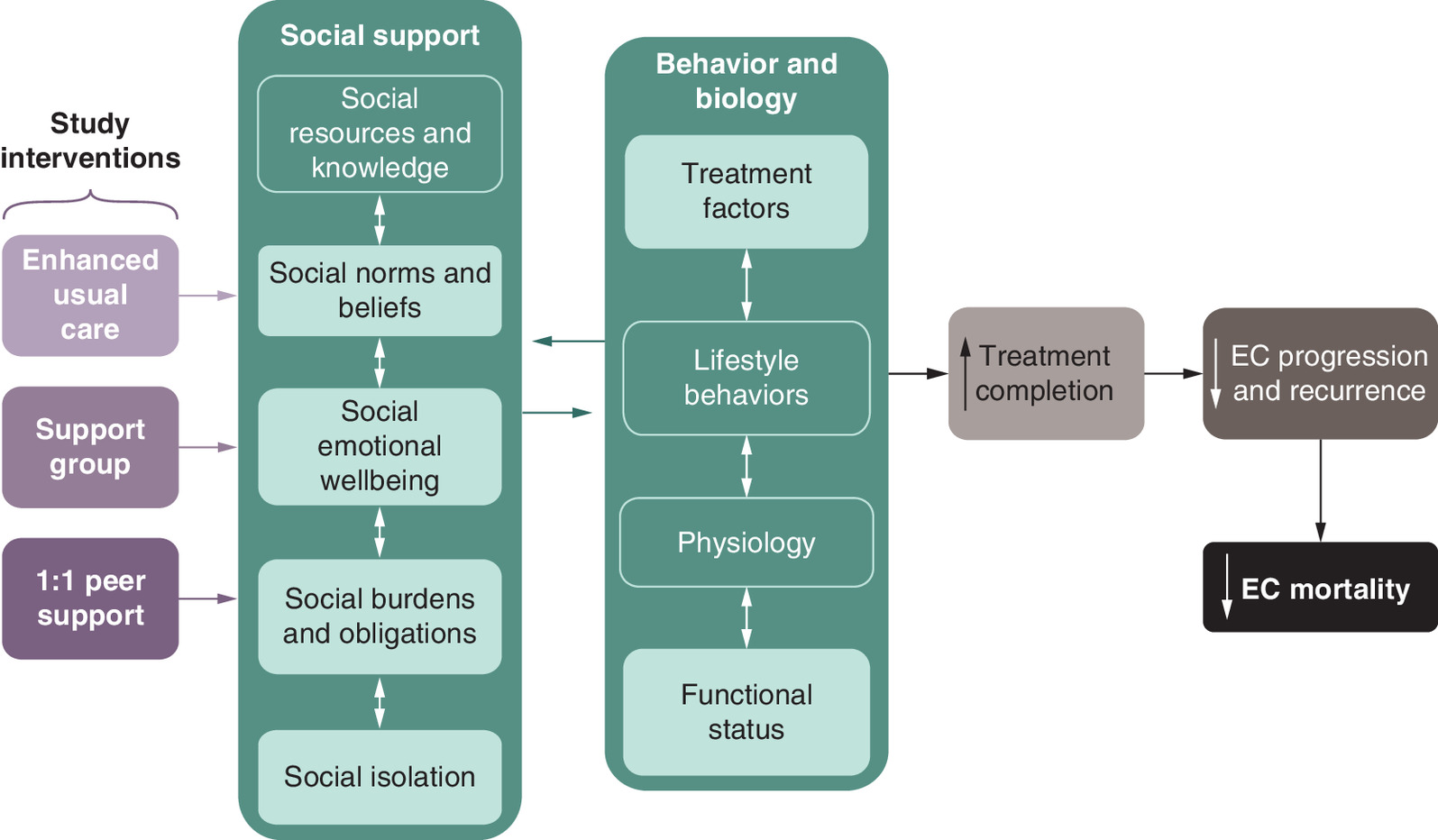
Figure 1. Conceptual framework for the SISTER study.
Light green boxes indicates measured by the SISTER Study.
EC: Endometrial cancer.
Organizational structure
This is a community-engaged study conducted and coordinated through the University of Washington School of Medicine, in close partnership with the Endometrial Cancer Action Network for African Americans (ECANA) [23]. Several departments within the University are responsible for coordinating and conducting the study. The organizational structure for the SISTER study can be found in Figure 2. The Intervention Coordinating Center (ICC), located within the Department of Obstetrics and Gynecology, is responsible for maintaining coordination for all aspects of the study, site training, periodically assessing protocol compliance and monitoring site performance. The Data Coordinating Center (DCC), located within the Center for Biomedical Statistics in the Department of Biostatistics, maintains the study data management system, facilitates primary data collection, and works closely with the ICC to maintain the public webpage. The Stakeholder Coordinating Center (SCC) includes an Advocate Advisory Board, comprising individuals with lived experience of EC including both survivors and close caregivers, and External Advisory Board, which are responsible for providing critical input into study-related issues. Details on the engagement process, from idea inception through funding and initiation of the SCC will be the focus of a separate publication.
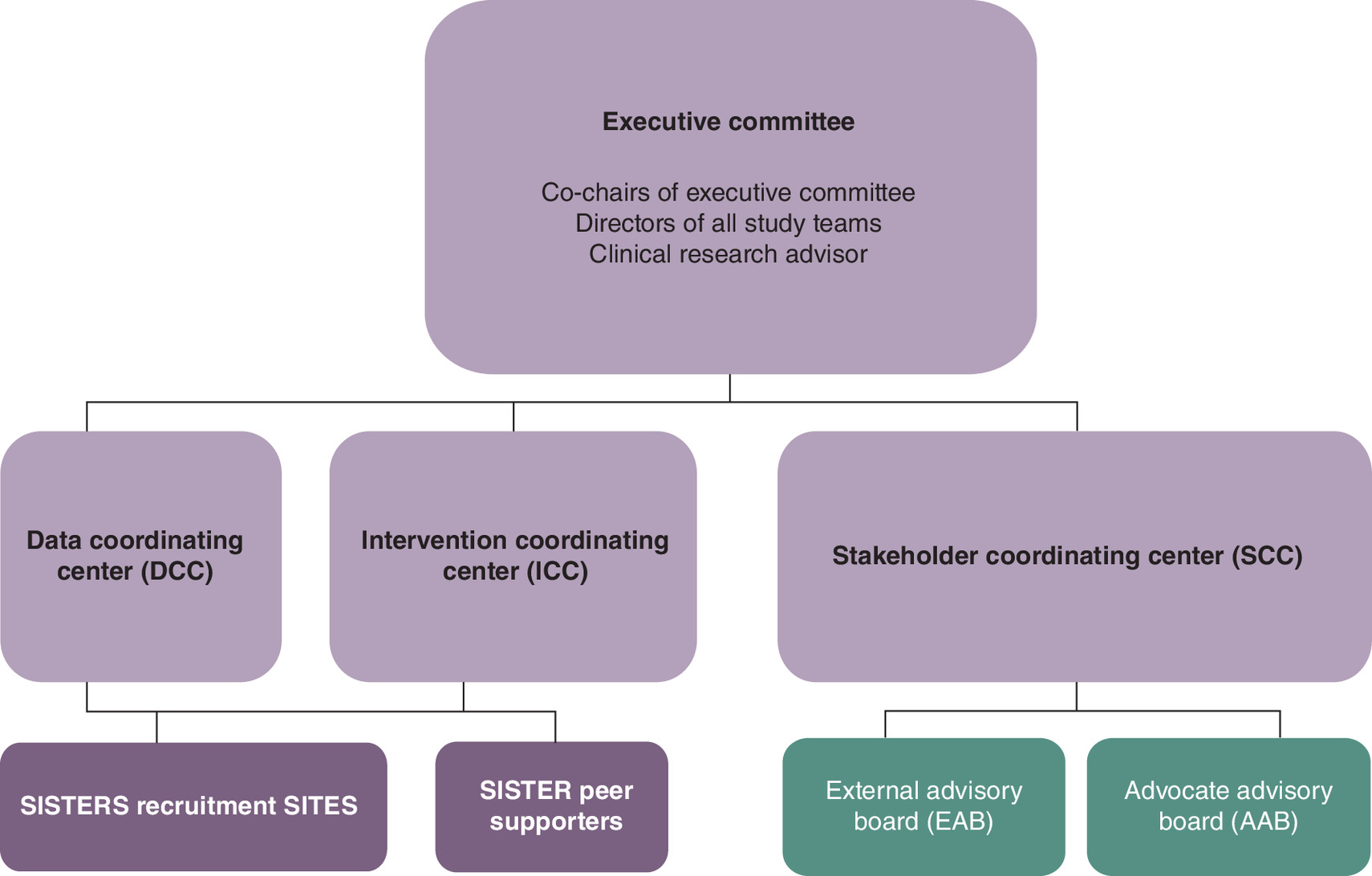
The ICC, DCC and SCC report to the Executive Committee. The Executive Committee meets monthly and is responsible for ensuring successful study execution, adherence to the Patient-Centered Outcomes Research Institute's (PCORI) engagement principles, decision making, conflict resolution and dissemination of results. The Executive Committee is co-chaired by a researcher with experience in national multi-site studies and a cancer survivor with experience in managing a cancer support organization for Black women. Their complementary patient and researcher perspectives ensure mutually beneficial stakeholder engagement and patient-centered operations. Other members of the Executive Committee include co-Principal Investigators and stakeholder representatives covering expertise in clinical epidemiology, comparative effectiveness research, biostatistics and gynecologic oncology. The Executive Committee is ultimately accountable to the University of Washington Internal Review Board and the External and Advocate Advisory Boards.
Equally important to the organizational structure and conduct of the SISTER Study are peer supporters. Peer supporters are Black women endometrial cancer survivors, who undergo a robust peer support training for their roles. Briefly, a formal 2-day training completed via virtual sessions facilitated on zoom and included SISTER Study orientation, didactic sessions on research fundamentals, interactive sessions on active listening, communicating with empathy, self-disclosure and summarization; suicide warning signs awareness and referral process, and study documentation and data integrity procedures. Skills assessments and readiness testing were evaluated through group role-play exercises, repeated materials review, and a written quiz. Peer supporters are responsible for facilitating either group or 1:1 support for study participants in the interventional study arms. In addition, they provide operational feedback at quarterly meetings with the principal investigator and monthly meetings with the director of peer supporters.
Site selection
The study setting is academic gynecologic oncology practices in the US They span most regions in the US, with a focus on areas with the largest Black populations. A total of ten clinical sites were selected based on readiness of site infrastructure, staff engagement, patient population characteristics and the number of cases of Black women with high-risk endometrial cancer. Each site's staff and clinicians, who recruit participants into the study, are required to undergo training conducted by the ICC. Another requirement for each site is a quality management plan (QMP). The QMP allows for good practice and data quality through review of participant enrollment, reasons for exclusion, participant demographics and follow-up rates by site. The DCC will check data quality within the data entry system, and the ICC will review participant enrollment forms, patient reported outcomes data entry, electronic medical record data abstraction and adverse events. There are regular meetings between the ICC, DCC and research site leads at each site to discuss any concerns or troubleshoot unexpected challenges.
Outcomes
The primary outcome for the SISTER Study is treatment completion rate, using the measure of relative dose. Initially operationalized to evaluate drug delivery in phase III clinical trials, relative dose is the ratio of actual to expected total dose of a given treatment and ranges from 0 to 100% [24]. For this study, relative dose will be calculated over the 6-month study enrollment period. Information regarding both the actual total dose and expected total dose are abstracted from the electronic medical records at each study site, as appropriate for each treatment modality (Table 1). In the case of a range of cycles or fractions recorded as the official treatment plan, the minimum will be used as the expected dose. Table 1 details the most common and expected regimens. However, relative dose is amenable to any treatment combination. Non-standard regimens will undergo the same process of calculation for expected dose (at time of enrollment) and actual dose received (at 6-month review). For each study participant, medical record abstraction will occur at three different time points – at time of enrollment to obtain planned treatment regimen, at 3-months to assess for any changes to treatment regimen, and at 6-months to assess the actual treatment received over the study course. If a participant dies, changes treatment regimens during the study period, or decides to discontinue treatment, the expected total dose will not change. Treatment completion rates will be calculated in three ways: for all intravenous-delivery (infused) chemotherapy, immunotherapy, and other systemic agents; for all radiation therapy; and as an average of infused and radiation therapy.
| Treatment | Components and frequency | Calculation of relative dose |
|---|---|---|
| Chemotherapy | Carboplatin AUC 6 and paclitaxel 175 mg/m2 infusions every 21 days for 6 cycles | Actual number of chemotherapy cycles received for both drugs / expected total cycles received (12 cycles) |
| Pelvic radiation | 4500 Gy of external beam radiation treatment delivered in 25 fractions over 5 weeks | Actual total radiation fractions received / expected radiation fractions received (25 fractions) |
| Vaginal radiation | 3–5 High dose rate brachytherapy insertion treatments | Actual total radiation fractions from HDR received / expected radiation fractions from HDR received (3 fractions) |
| Immunotherapy | Mg infusion every 21 days for 6 cycles (dose varies by medication), n | Actual number of cycles / expected total cycles received (6) |
AUC: Area under the curve.
Secondary outcomes for the SISTER study include patient-reported social isolation, measured by the Social Provisions Scale – 24 (SPS-24) and the PROMIS Social Isolation 4a [25,26]. The SPS-24 is a validated twenty-four item questionnaire developed by Cutrona and Russell that measures several aspects of social support: attachment, social integration, reassurance of worth, reliable alliance, guidance and opportunity for nurturance. After a comprehensive review of measures of social isolation previously used among cancer populations, Black women and Black women with cancer, the SPS-24 was selected by ECANA members. This measure is also the most common scale administered in studies focused on Black women with cancer and the instrument used in translational research. The PROMIS Social Isolation 4a was additionally selected given its shorter form, ability to analyze results by individual question, and broader use in the larger cancer community.
The exploratory outcomes and the chosen measures for each are described in Table 2, representing the mediating factors from the SISTER Study conceptual framework and chosen in collaboration with ECANA. All measures will be collected at baseline, 1 month, 3 months and 6 months.
| Secondary, or exploratory | Outcome name | SISTER study rationale | Specific measure to be used | Ref. |
|---|---|---|---|---|
| Secondary | Social isolation | Priority outcome for Black women with EC; Mediator of treatment completion | SPS-24; PROMIS social isolation 4a | [10,26] |
| Exploratory | Distress / anxiety | Improved distress is a common outcome of peer support interventions and known contributor to poor cancer outcomes | PROMIS emotional distress-anxiety short form 4a | [25,27–31] |
| Exploratory | Racial hypervigilance | Concerns / adaptations to avoid experiencing discrimination are associated with poor mental and physical health, and increased stress | Heightened Vigilance Scale | [32] |
| Exploratory | Financial toxicity | Financial need, worry, and bankruptcy are associated with poor quality of life & increased mortality among cancer patients | Comprehensive Score for financial Toxicity | [33] |
| Exploratory | Functional and physical well being | The effects of treatment toxicity on physical and functional status are strongly related to treatment completion and may be modified by social support | Trial Outcome Index of the FACT-En | [34–36] |
| Exploratory | Patient satisfaction with medical care | Patient satisfaction with medical care has been associated with treatment adherence | The Patient Satisfaction Questionnaire Short-Form (PSQ-18) | [37] |
EC: Endometrial cancer.
In addition to these quantitative measures, qualitative semi-structured interviews will be conducted with a subset of participants to contextualize the relative degree, or lack thereof, of social isolation over time. In addition, there is a component of social support that is critical among Black women with cancer, ‘linked fate’, which is the concept that an individual's life chances are inextricably tied to the fate of those within their own racial/ethnic group. Linked fate arises from lived experiences such as discrimination and invokes a consciousness for collective action for the common good of the whole group [38,39]. Currently, there is no validated survey to measure linked fate in a large sample. Thus, these qualitative interviews are also designed to capture this concept for a fully intersectional assessment of social support. The interview guide will be co-developed by the university and community-based research team via a collaborative process for which we have prior experience. Interviews will be approximately 1 h in length and conducted through a HIPAA-compliant teleconference platform at baseline and at 6-months. Interviews will be recorded, transcribed and de-identified.
Trial design
This is a multi-site prospective, open-label randomized controlled trial to determine the impact of social support interventions on treatment completion and patient-reported social isolation among Black women with high-risk endometrial cancer (Figure 3). The study consists of three intervention arms: enhanced usual care, facilitated support group and 1:1 peer support. Table 3 describes the nature, structure, and delivery of each intervention arm. Development of the three intervention arms was a multi-level process that included a systematic review of peer support literature and incorporated input and recommendations from multiple stakeholders. The specific stakeholders involved include the Steering Group of the ECANA, two focus groups of Black women with endometrial cancer and cancer center leadership at select study sites.
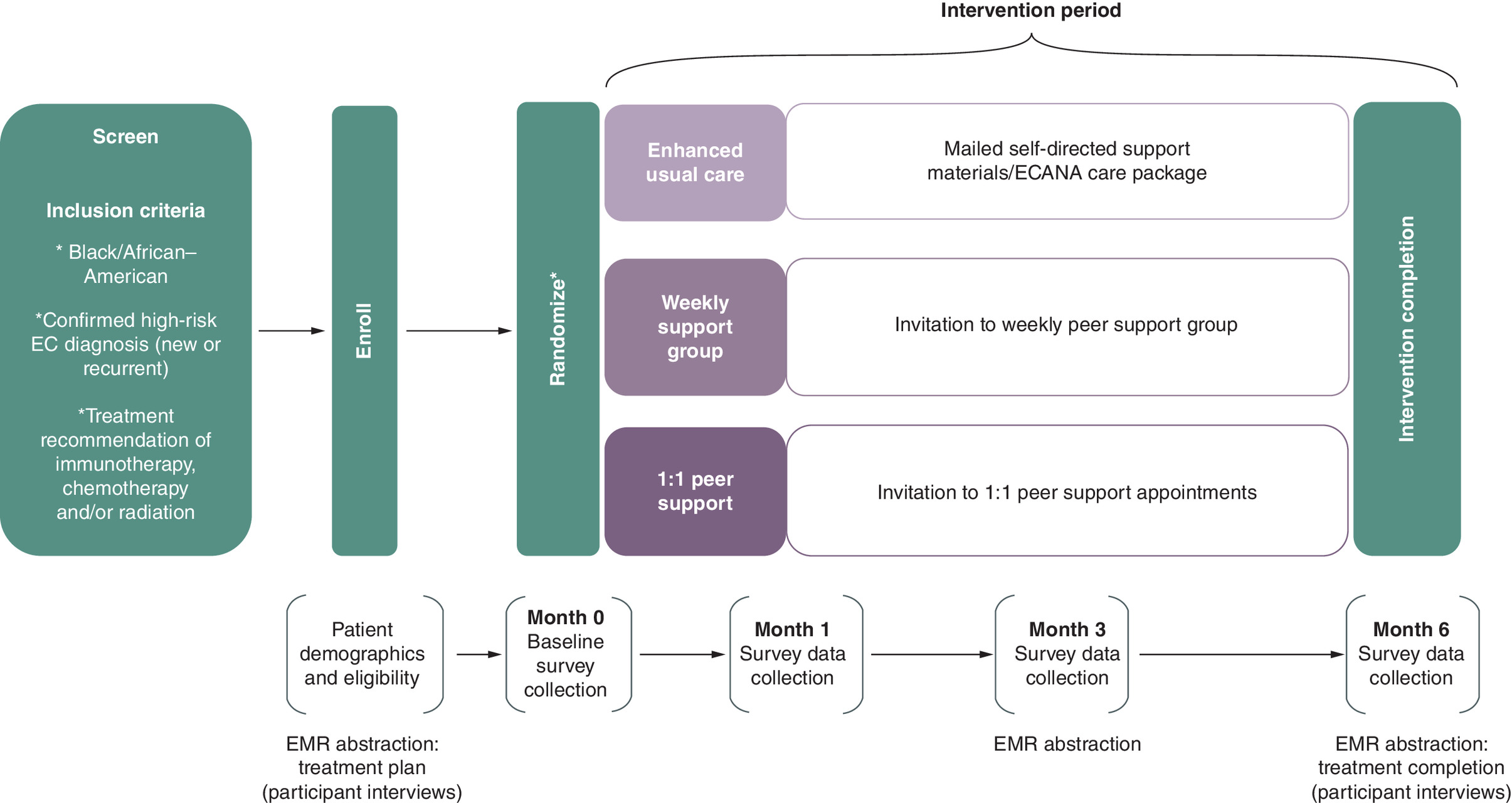
Figure 3. SISTER study design.
EC: Endometrial cancer; ECANA: Endometrial Cancer Action Network for African–Americans; EMR: Electronic Medical Record.
| Enhanced usual care | Facilitated support group | 1:1 Peer check-in | Ref. | |
|---|---|---|---|---|
| Nature | Participants will receive information on local support groups as recommended by the NCCN with the addition of written ECANA informational materials about coping with side effects and establishing support structures and healthy behaviors during treatment. | Weekly group gatherings where content will alternate between group conversation and focused topics (e.g., treatment side effects, mental health, family dynamics, nutrition, financial hardship) with facilitated discussion by a trained professional in nutrition, psychotherapy, cognitive behavioral therapy, or medicine. Each group will cycle through the same order of topics. | 1:1 peer support via telephone during or near a treatment visit. Call content will be focused on social support and driven by the needs of the participant. | [40] |
| Structure | Written materials in an appealing package | Group gathering led by trained ECANA peer supporter and co-facilitator. Each group limited in size per analytic plan. | Participants are paired with an ECANA peer supporter based on scheduling availability who will provide 1:1 support during/near treatment visits via phone call | |
| Delivery | Materials will be provided by mail. | Weekly virtual group gathering on an audio/visual platform (e.g., Zoom). | 1:1 support call will be no more frequent than once a week and no less frequent than once every 3 weeks to allow for treatment schedule variation. | |
| Materials required | Home address | Smartphone, tablet, or computer and Wi-Fi / cellular network access† | Basic or smartphone† | |
| Tracking Engagement | Package tracking to confirm receipt; Series of 3 engagement questions in follow-up survey collections. | Participant attendance recorded at each group and data gathered for reporting by participant. | Number of successful connections recorded, tracked and organized by participant |
†
Participants are screened during enrollment for access to a smart phone and/or tablet and consistent Wi-Fi. If they do not have access, they are sent a smartphone and Wi-Fi hotspot to be able to participate. This resource is funded by philanthropic support and ensures financial hardship does not preclude participation in the study.
ECANA: Endometrial Cancer Action Network for African–Americans; NCCN: National Comprehensive Cancer Network.
Inclusion & exclusion criteria
Careful and intentional inclusion and exclusion criteria for the SISTER Study were developed, (Box 1) enlisting multiple stakeholders. Gender identity is not a specific inclusion or exclusion factor, though all EC survivor community consultants are currently cisgender women.
The inclusion criteria include:
1.
Adult 18 years of age or older; and
2.
Self-identify as Black/African–American
3.
Presenting with high-risk EC established by anatomic pathology with tumor stage and grade classification by the following:
a.
Pathology documentation from any hospital/clinic/medical center, and
b.
FIGO Stage 1A with grade 2, grade 3, or grade 4 of any histology type [3]
or
c.
FIGO Stage 1A with non-endometrioid (carcinosarcoma, serous, clear cell, undifferentiated or mixed) histology
d.
FIGO Stage 1B, 2, 3 or 4 of any grade or histology
e.
Recurrent endometrial cancer of any stage or grade
4.
Documented provider recommendation to initiate adjuvant therapy with chemotherapy (infusion only), radiation and/or immunotherapy.
5.
Patient planning on starting treatment
The exclusion criteria include:
1.
New diagnosis of FIGO Stage IA grade 1 endometrioid adenocarcinoma
2.
Has already started treatment for diagnosed high risk EC
3.
History of other cancer diagnosis requiring chemotherapy, radiation therapy, or immunotherapy within the past 12 months;
4.
Incarcerated in a detention facility or in police custody (patients wearing a monitoring device can be enrolled) at baseline/ screening;
5.
Contraindication to all non-surgical therapy available for endometrial cancer (i.e., chemotherapy, radiation, and immunotherapy contraindicated);
6.
Treatment plan consisting of only oral medications (chemotherapy, immunotherapy, or hormonal therapy) as only adjuvant treatment, with no infusion component;
7.
Enrollment into hospice prior to randomization
8.
Unable to provide written informed consent in English and requires a translator;
9.
Unable to be contacted for research surveys;
10.
Recent hospitalization for psychiatric illness in the past 6 months
11.
Any diagnosis of dementia, Alzheimer's, or other clinically significant severe memory loss that would impact the ability to participate fully in the intervention (i.e., use of a healthcare proxy for decision-making, ability to remember and participate in clinical conversations)
Implementation evaluation
The SISTER Study incorporates an effectiveness-implementation hybrid design, reflected in the third objective. The Reach, Effectiveness, Adoption, Implementation, and Maintenance (RE-AIM) framework is an evidence-based evaluation framework and is used to assess impact of the intervention. Reach (the proportion of randomized patients that participated in the intervention) and Effectiveness (treatment completion) are captured through quantitative data collected by the DCC. Adoption, Implementation and Maintenance are assessed through a variety of stakeholder interviews. The Consolidated Framework for Implementation Research (CFIR) will guide the analysis of the qualitative interview data in order to proactively identify modifiable factors that can boost or impede Adoption, Implementation and Maintenance of the study interventions and, ultimately, to understand the interventions' success or failure.
Intervention evaluation is a dynamic aim evaluated at various time points: at baseline, at 25% targeted enrollment, at 50% targeted enrollment, at 100% targeted enrollment, and at the completion of the study. At each of these time points, Reach and Effectiveness quantitative metrics, as well as a subset of qualitative interview data, are evaluated. Peer supporter interviews (n = 8) are performed at baseline, 50% enrollment and 100% enrollment. Study recruiter interviews (n = 3) are performed at 25% enrollment. Participant interviews (n = 45) are conducted at entry and exit from the study and analyzed at 25, 50 and 100% enrollment, as well as at study completion. Healthcare staff interviews (one to two gynecologic oncologists and nurses at each site, n = 19) are performed at 50% enrollment. Finally, cancer center leadership interviews (n = 9) are performed at study completion.
Participant recruitment
Eligible participants are identified by clinicians, staff, and from the screening of EC care practice logs maintained by each site as part of routine care delivery. All participants agreeing to consider study participation are asked to consent via an informed process either in person or over the phone. Participants may withdraw from the study at any time. Participants receive remuneration consisting of $25 per data collection at baseline, 1 and 3 months, and an additional $30 for the final timepoint if all others are completed. To aid in retention, participants will receive a package at 4.5 months which contains tailored messages of encouragement from the peer supporters, as well as a study magnet and water tumbler. Participants also have access 24/7 to study coordinator contact information as well as an informational website.
Interview recruitment
A subset of 45 total participants (15 enhanced usual care, 15 facilitated support group, and 15 1:1 peer support) will be approached and asked to participate in the one-on-one interviews with study staff members. Participants receive an additional $90 for each interview participation.
Randomization
After obtaining consent, participants will be randomly assigned, in an unblinded fashion to one of three intervention arms. Research coordinators will use the DCC maintained web-portal to perform randomization based on generated assignments. Stratified block randomization with block sizes of 7 and 10 will be employed, ensuring a randomization probability of 0.30, 0.40 and 0.30 for enhanced usual care, facilitated support group, and 1:1 peer support, respectively.
Sample size
A study sample size of n = 252 was established to provide a minimum of 80% statistical power for the secondary outcome of SPS-24 social isolation, and >80% power for the primary outcome of treatment completion. Sample size estimation accounted for a type 1 error rate of 0.025 to accommodate a conservative Bonferroni correction for two statistical tests of the primary end point (enhanced usual care vs 1:1 peer support, enhanced usual care vs facilitated support group). We plan to use covariate adjustment for SPS-24 measured at baseline as one would do in a traditional analysis of covariance (ANCOVA) model and conservatively assumed a correlation between baseline and 6-month SPS-24 of 0.3. A minimum of n = 70 participants are required in each intervention arm to detect an effect size 4.0 points (standard deviation of 8.0) with 80% power, a change that represents the total absence or presence of one aspect of each of the subscales. Due to the group nature of the Facilitated Support Group intervention, outcomes among participants randomized to this intervention may be correlated with one another. We therefore increased the sample size for the Facilitated Support Group by 30% (variance inflation factor = 1.30), assuming an intraclass correlation coefficient of 0.12 and average anticipated group size of 4. Finally, we accounted for possible loss to follow-up and missing data of 7–8% [41]. These calculations resulted in a total sample size of 252 participants (76 enhanced usual care, 100 facilitated support group, and 76 1:1 peer support). With this sample size, the study has 84% power to detect an absolute improvement in relative dose of 6.5% or larger, which represents a small but meaningful improvement in treatment completion relative to improvements observed in other studies (8–16%) [30].
Data & safety monitoring
Overall, as a randomized trial of non-medical peer support interventions, this is a minimal risk study. In lieu of a Data Safety Monitoring Board, the study will operate with a data safety monitoring plan (DSMP) in which mental health adverse events (MHAE) will be captured by research staff via peer supporters, care providers, or patient report. MHAEs are defined as reportable abuse (elder, child) and scoring above 21 on the Suicidal Ideation Attributes Scale (SIDAS) [42]. The SIDAS is completed at baseline and at each survey point (1, 3 and 6 months). This definition was reached over several iterative discussions with the study team, Executive Committee, Advocate Advisory Board, and External Advisory Board. MHAEs will be monitored by the SISTER Executive Committee. The Executive Committee meets monthly and holds Quarterly meetings to review any data and adverse events and make recommendations for these events, with the aid of outside bioethics and/or psychiatric experts as needed. In addition to MHAEs, all traditionally defined serious adverse events (i.e., death during the period of protocol-defined surveillance; life-threatening event related to the treatment or significant disability/incapacity related to the treatment; inpatient hospitalization) will be captured and recorded by research staff but not subject to Executive Committee review. These events will be reported alongside primary outcomes for the study in initial publications.
Data analysis
Data will be analyzed using R statistical software [43]. The primary analysis will be based on an intent-to-treat analysis. Multivariable analysis using generalized linear mixed models will be performed to determine the effect of the intervention on the primary outcome of interest, treatment completion rate. Models will be adjusted for recruitment site, intervention arm assignment, and the clustering of subjects by lead intervention provider. Furthermore, if an association between the intervention and treatment completion is observed, we will conduct mediation analysis using regression models. This analysis will consider several variables (e.g., social isolation) that are part of the causal pathway to treatment completion.
A linear mixed effects model will be used to longitudinally model SPS-24 outcomes. Adjustments will be made for recruitment site, intervention arm assignment, baseline SPS-24, and follow-up assessment time (1, 3 and 6 months). A two-level linear mixed effects model will be used to model SPS-24 outcomes within participants over time and for the clustering of participants on lead intervention provider.
As the primary outcome will be obtained from the participant's chart, we do not anticipate any missing data on the primary outcome. For the SPS-24 outcomes, we will conduct sensitivity analyses using tenfold multiple imputation to assess the robustness of the results when missing data are imputed. Sensitivity analyses will also be conducted to assess intervention efficacy on primary and secondary outcome measures by first excluding individuals who did not adequately engage in the interventions.
Treatment effect heterogeneity will be assessed by adjusting the primary and secondary outcome models for interaction terms between the subgroup variable of interest (age, partnered status, or high financial need as identified in the enrollment assessment) and the intervention group indicator variable. These analyses are considered exploratory and hypothesis-generating, with the intention of examining demographic subgroups for whom virtual interventions could be modified to improve effectiveness.
For the qualitative analysis, we will develop a code book a priori but allow for revision with information from the baseline survey data. Each interview will be analyzed by 2 coders, case summaries generated, and group meetings used to evaluate interpretation, consistency of coding, and transparent reflexivity. We anticipate thematic saturation will occur in 12–13 interviews, and thus have budgeted up to 15. Cross-cutting themes will be identified with similarities and differences between intervention groups highlighted.
Discussion & conclusion
Endometrial cancer remains the most common gynecologic malignancy in US with higher mortality disproportionally affecting Black women [7]. Endometrial cancer disparities result from multifactorial processes including social factors such as social isolation [44]. Although it is known that social support interventions result in decreased social isolation, improved treatment adherence and improved health, to date, there have been no evidence-based approaches to address social isolation among Black women with high-risk endometrial cancer. Thus, the SISTER study is designed to identify the most effective social support intervention to support Black women undergoing treatment for high-risk endometrial cancer. Although SISTER was designed alongside US Black EC survivors and is thus specific to this context, by utilizing a broader conceptual model of social isolation and cancer outcomes, we hope this work will be adaptable to other contexts where marginalized status can create social isolation across populations.
The SISTER study uses a multi-site, randomized controlled trial of social interventions allowing for the highest quality of evidence to be observed. Uniquely, the study also uses an effectiveness-implementation hybrid design that allows the testing of a clinical intervention while simultaneously observing and gathering information on implementation [45]. In addition, a multi-stakeholder approach was integrated at every step of study design including idea conception. Integration of stakeholders into research design is important because it increases benefit to participants, creates efficiency in use of resources, and leads to accountability at all levels [46,47]. Our use of validated patient reported outcome and quality of life measures and qualitative data collection also strengthens this multi-faceted study. One limitation is our lack of biological specimens to further the translational link between environment and cancer outcomes. Practically, the collection of biological specimens falls outside the scope of this trial and its funding mechanism. Our strength lies in the comprehensive collection of environmental factors extending beyond social support (Table 2 for all patient-reported outcomes measures). As part of future endeavors, we contemplate incorporating biological components through ancillary study research.
PCORI initiated the study contract on 1 April 2021, following approval for funding on 17 November 2020. The first patient was enrolled into the study on 22 September 2021 and all sites were opened by 10 August 2023. The enrollment period is expected to continue through June 2025, with primary analysis scheduled for completion in November 2025. At the time of publication of this manuscript, 114 participants had been enrolled in the trial.
Summary points
•
Black women with endometrial cancer (EC) are at risk social isolation which is linked to poor prognosis; limited data exists to intervene on this disparity.
•
Social isolation has been linked to decreased completion of treatment among patients with cancer.
•
The Social Interventions for Support During Treatment for Endometrial Cancer and Recurrence (SISTER) study is a randomized controlled trial designed to pilot and compare two virtual-based social support interventions to enhanced usual care.
•
Primary aim is to assess the effect of our intervention on completion of treatment using relative dose.
•
Secondary aims are to compare the effects between two virtual social support interventions and usual care.
•
Inclusion criteria include: Black patients, age >18, presenting with high-risk EC, documented provider recommendation to initiate adjuvant therapy with chemotherapy, radiation or immunotherapy.
Author contributions
A Oluloro contributed to manuscript authorship. B Comstock and S Monsell contributed to study design, data analysis and manuscript authorship and revision. E Wolff, L Sage, J Alson and D Lavallee contributed to study design and manuscript editing. B Hempstead, A Moore contributed to study conception, study design and manuscript editing. M Gross contributed to manuscript authorship, revision. K Doll contributed to study conception, design, manuscript authorship and manuscript revision.
Financial disclosure
This study is supported through a Patient-Centered Outcomes Research Institute (PCORI) Award (no. AD2020C1-19210) following a peer-reviewed application process. All statements in this report, including its findings and conclusions, are solely those of the authors and do not necessarily represent the views of PCORI, its Board of Governors, or Methodology Committee. The authors have no other relevant affiliations or financial involvement with any organization or entity with a financial interest in or financial conflict with the subject matter or materials discussed in the manuscript apart from those disclosed.
Competing interest disclosure
The authors have no competing interests or relevant affiliations with any organization or entity with the subject matter or materials discussed in the manuscript. This includes employment, consultancies, honoraria, stock ownership or options, expert testimony, grants or patents received or pending, or royalties.
Writing disclosure
No writing assistance was utilized in the production of this manuscript.
Ethical conduct of research
The authors state that they have obtained institutional review board approval (IRB no. STUDY00012990) from the University of Washington for the research described. The UW IRB serves as the single-site IRB with reliance agreements with other participating institutions. In addition, they have obtained verbal and written informed consent from the patients for the inclusion of their medical and treatment history within this work. IRB approval date: 27 May 2021; IRB no.: STUDY00012990; Protocol version: 1.3; Protocol date: 25 April 2023.
Data sharing statement
Data sharing is not applicable to this article as no datasets were generated or analyzed for the current publication. In accordance with the PCORI Policy for Data Management and Data Sharing, all data and metadata generated from the SISTER Study will be deposited in a PCORI-designated data repository within 1 year after completion of the study and available for third-party requests.
Open access
This work is licensed under the Attribution-NonCommercial-NoDerivatives 4.0 Unported License. To view a copy of this license, visit https://creativecommons.org/licenses/by-nc-nd/4.0/
References
1.
American Cancer Society. Cancer Facts & Figures 2020. Atlanta, GA, USA (2020).
2.
Islami F, Ward EM, Sung H et al. Annual Report to the Nation on the Status of Cancer, Part 1: National Cancer Statistics. J. Natl Cancer Inst. 113(12), 1648–1669 (2021).
3.
Cancer of the Endometrium. Cancer Stat Facts. https://seer.cancer.gov/statfacts/html/corp.html
4.
Abu-Rustum N, Yashar C, Arend R et al. Uterine Neoplasms, Version 1.2023, NCCN Clinical Practice Guidelines in Oncology. J. Natl Compr. Canc. Netw. 21(2), 181–209 (2023).
5.
SGO Clinical Practice Endometrial Cancer Working Group; Burke WM, Orr J, Leitao M et al; Society of Gynecologic Oncology Clinical Practice Committee. Endometrial cancer: a review and current management strategies: part I. Gynecol. Oncol. 134(2), 385–392 (2014).
6.
SGO Clinical Practice Endometrial Cancer Working Group; Burke WM, Orr J, Leitao M et al; Society of Gynecologic Oncology Clinical Practice Committee. Endometrial cancer: a review and current management strategies: part II. Gynecol. Oncol. 134(2), 393–402 (2014).
7.
Clarke MA, Devesa SS, Harvey SV, Wentzensen N. Hysterectomy-corrected uterine corpus cancer incidence trends and differences in relative survival reveal racial disparities and rising rates of nonendometrioid cancers. J. Clin. Oncol. 37(22), 1895–1908 (2019).
8.
Collins Y, Holcomb K, Chapman-Davis E, Khabele D, Farley JH. Gynecologic cancer disparities: a report from the Health Disparities Taskforce of the Society of Gynecologic Oncology. Gynecol. Oncol. 133(2), 353–361 (2014).
9.
Chatterjee S, Gupta D, Caputo TA, Holcomb K. Disparities in gynecological malignancies. Front. Oncol. 6, 36 (2016).
10.
Alcaraz KI, Eddens KS, Blase JL et al. Social Isolation and Mortality in US Black and White Men and Women. Am. J. Epidemiol. 188(1), 102–109 (2019).
11.
Pantell M, Rehkopf D, Jutte D, Syme SL, Balmes J, Adler N. Social isolation: a predictor of mortality comparable to traditional clinical risk factors. Am. J. Public Health 103(11), 2056–2062 (2013).
12.
National Comprehensive Cancer Network (NCCN). NCCN Clinical Practice Guidelines in Oncology: Distress Management. Version 2.2021. https://www.nccn.org/professionals/physician_gls/pdf/distress.pdf (2021).
13.
Whitehead NE, Hearn LE. Psychosocial interventions addressing the needs of Black women diagnosed with breast cancer: a review of the current landscape. Psychooncology 24(5), 497–507 (2015).
14.
Blackman DJ, Masi CM. Racial and ethnic disparities in breast cancer mortality: are we doing enough to address the root causes? J. Clin. Oncol. 24(14), 2170–2178 (2006).
15.
Duma N, Vera Aguilera J, Paludo J et al. Representation of minorities and women in oncology clinical trials: review of the past 14 years. J. Oncol. Pract. 14(1), e1–e10 (2018).
16.
Cykert S, Dilworth-Anderson P, Monroe MH et al. Factors associated with decisions to undergo surgery among patients with newly diagnosed early-stage lung cancer. JAMA 303(23), 2368–2376 (2010).
17.
Langford AT, Resnicow K, Dimond EP et al. Racial/ethnic differences in clinical trial enrollment, refusal rates, ineligibility, and reasons for decline among patients at sites in the National Cancer Institute's Community Cancer Centers Program. Cancer 120(6), 877–884 (2014).
18.
Duma N, Vera Aguilera J, Paludo J et al. Representation of minorities and women in oncology clinical trials: review of the past 14 years. J. Oncol. Pract. 14(1), e1–e10 (2018).
19.
NIMHD. Diversity and Inclusion in Clinical Trials. https://www.nimhd.nih.gov/resources/understanding-health-disparities/diversity-and-inclusion-in-clinical-trials.html
20.
Kim ES, Bruinooge SS, Roberts S et al. Broadening eligibility criteria to make clinical trials more representative: American Society of Clinical Oncology and Friends of Cancer Research Joint Research Statement. J. Clin. Oncol. 35(33), 3737–3744 (2017).
21.
US Food and Drug Administration. Enhancing the Diversity of Clinical Trial Populations – Eigibility Criteria, Enrollment Practices, and Trial Designs Guidance for Industry. https://www.fda.gov/media/127712/download
22.
Kroenke CH. A conceptual model of social networks and mechanisms of cancer mortality, and potential strategies to improve survival. Transl. Behav. Med. 8(4), 629–642 (2018).
23.
Endometrial Cancer Action Network for African-Americans. https://ecanawomen.org/
24.
Farley JH, Tian C, Rose GS et al. Chemotherapy intensity and toxicity among black and white women with advanced and recurrent endometrial cancer: a Gynecologic Oncology Group Study. Cancer 116(2), 355–361 (2010).
25.
DeWalt DA, Rothrock N, Yount S, Stone AA. PROMIS Cooperative Group. Evaluation of item candidates: the PROMIS qualitative item review. Med. Care 45(1 Suppl. 5), S12–S21 (2007).
26.
SI PROMIS Item Bank v2.0, Short Form 4a. https://www.healthmeasures.net/index.php?option=com_content&view=category&layout=blog&id=147&Itemid=806
27.
Meyer A, Coroiu A, Korner A. One-to-one peer support in cancer care: a review of scholarship published between 2007 and 2014. Eur. J. Cancer Care (Engl.) 24(3), 299–312 (2015).
28.
Cella D, Riley W, Stone A et al; PROMIS Cooperative Group. The Patient-Reported Outcomes Measurement Information System (PROMIS) developed and tested its first wave of adult self-reported health outcome item banks: 2005–2008. J. Clin. Epidemiol. 63(11), 1179–1194 (2010).
29.
Wilford J, Osann K, Hsieh S, Monk B, Nelson E, Wenzel L. Validation of PROMIS emotional distress short form scales for cervical cancer. Gynecol. Oncol. 151(1), 111–116 (2018).
30.
Teresi JA, Ocepek-Welikson K, Kleinman M, Ramirez M, Kim G. Measurement equivalence of the Patient Reported Outcomes Measurement Information System® (PROMIS®) anxiety short forms in ethnically diverse groups. Psychol. Test Assess. Model. 58(1), 183–219 (2016).
31.
Northwestern University. HealthMeasures. List of Adult Measures. https://www.healthmeasures.net/explore-measurement-systems/promis/intro-to-promis/list-of-adult-measures (2020).
32.
Centers for Disease Control and Prevention. Racism. https://www.cdc.gov/dhdsp/health_equity/racism.htm (2023).
33.
de Souza JA, Yap BJ, Wroblewski K et al. Measuring financial toxicity as a clinically relevant patient-reported outcome: the validation of the COmprehensive Score for financial Toxicity (COST). Cancer 123(3), 476–484 (2017).
34.
Cella DF, Tulsky DS, Gray G et al. The Functional Assessment of Cancer Therapy scale: development and validation of the general measure. J. Clin. Oncol. 11(3), 570–579 (1993).
35.
Matei D, Filiaci V, Randall ME et al. Adjuvant chemotherapy plus radiation for locally advanced endometrial cancer. N. Engl. J. Med. 380(24), 2317–2326 (2019).
36.
FACIT. Questionnaires. https://www.facit.org/FACITOrg/Questionnaires (2020).
37.
Marshall GN, Hays RD. The Patient Satisfaction Questionnaire Short-Form (PSQ-18). RAND (1994). https://www.rand.org/content/dam/rand/pubs/papers/2006/P7865.pdf
38.
Simien EM. Race, Gender, and Linked Fate. Black Studies 35(5), 529–550 (2005).
39.
Flannery IM, Yoo GJ, Levine EG. Keeping us all whole: acknowledging the agency of African American breast cancer survivors and their systems of social support. Support. Care Cancer 27(7), 2625–2632 (2019).
40.
National Comprehensive Cancer Network. Finding Support Systems for People with Cancer. https://www.nccn.org/patients/resources/life_with_cancer/managing_symptoms/support.aspx (2020).
41.
Heiney SP, Millon Underwood S, Tavakoli A, Arp Adams S, Wells LM, Bryant LH. Randomized trial of therapeutic group by teleconference: african American women with breast cancer. Cancer 118(15), 3822–3832 (2012).
42.
van Spijker BA, Batterham PJ, Calear AL et al. The suicidal ideation attributes scale (SIDAS): community-based validation study of a new scale for the measurement of suicidal ideation. Suicide Life Threat. Behav. 44(4), 408–419 (2014).
43.
R statistical software. The R Project for Statistical Computing. https://www.r-project.org/
44.
Gamble CR, Sage L, Nguyen A et al. Social support and resilience in Black women affected by endometrial cancer. Am. J. Obstet. Gynecol. 226(1), 145–149 (2022).
45.
Curran GM, Bauer M, Mittman B, Pyne JM, Stetler C. Effectiveness-implementation hybrid designs: combining elements of clinical effectiveness and implementation research to enhance public health impact. Med. Care 50(3), 217–226 (2012).
46.
Kirk CM, Johnson-Hakim S, Anglin A, Connelly C. Putting the community back into community health needs assessments: maximizing partnerships via community-based participatory research. Prog. Community Health Partnersh. 11(2), 167–173 (2017).
47.
Ioannidis JP, Greenland S, Hlatky MA et al. Increasing value and reducing waste in research design, conduct, and analysis. Lancet 383(9912), 166–175 (2014).
Information & Authors
Information
Published In
Copyright
© 2024 The Authors. This work is licensed under the Attribution-NonCommercial-NoDerivatives 4.0 Unported License
History
Received: 19 October 2023
Accepted: 17 January 2024
Published online: 13 February 2024
Keywords:
Topics
Authors
Metrics & Citations
Metrics
Article Usage
Article usage data only available from February 2023. Historical article usage data, showing the number of article downloads, is available upon request.
Citations
How to Cite
Study Protocol for the Social Interventions for Support During Treatment for Endometrial Cancer and Recurrence (SISTER) study: a community engaged national randomized trial. (2024) Journal of Comparative Effectiveness Research. DOI: 10.57264/cer-2023-0159
Export citation
Select the citation format you wish to export for this article or chapter.
Citing Literature
- Dena Salehipour, Beza Tadess, Adrienne Moore, Tiffany Jones, Ann Oluloro, Wenora Johnson, Tiffany Drummond, Kimberly Richardson, Sheila Siders, Delanda Bartens Perez, Julianna G. Alson, Kemi M. Doll, Enhancing engagement in biobanking research among Black women with endometrial cancer, Gynecologic Oncology, 10.1016/j.ygyno.2026.03.001, 208, (32-40), (2026).
- Monique Reed, Michael E. Schoeny, Tristan Banks, Barbara Swanson, Christy Tangney, Wrenetha A. Julion, Application of Public Health Critical Race Praxis to Refine Black Girls Move: An Obesity Prevention Intervention for Black Adolescent Daughter/Mother Dyads, Western Journal of Nursing Research, 10.1177/01939459261431023, 48, 7, (783-794), (2026).
- Regina Gironés Sarrió, Javier David Benítez Fuentes, Victoria García Samblás, Mónica Guillot Morales, Patricia Palacios Ozores, Ana Ruiz-Casado, Javier Torres-Jiménez, María Vieito Villar, Impact of social determinants on the development, diagnosis, and treatment of cancer: recommended public health interventions, Clinical and Translational Oncology, 10.1007/s12094-025-04129-z, (2025).
- Julianna G. Alson, Kemi M. Doll, Bridgette H. Hempstead, Lisa Barr, Danielle C. Lavallee, Liz Sage, Adrienne Moore, Scott D. Ramsey, Erika M. Wolff, Bryan A. Comstock, Sarah E. Monsell, Ronit Katz, Charlotte R. Gamble, Anna L. Beavis, Monika Watat, Alvine Ngouonga, Ann Oluloro, Patrice Williams, Leah Franklin, Beza Tadess, Sarah Temkin, Anissa Foster, Juanita Jamison, Wenora Johnson, Bianca Body, Nefa-Tari Moore, Carol L. Brown, Joia Crear-Perry, Wui-Jin Koh, Charles R. Thomas, Michael J. Birrer, Elizabeth M. Swisher, Monica R. McLemore, Jacqueline Mbayo, Kimberly Vann, Margie Wilson, Martha Jean Williams, Micheal Goodwin, Shawn Smith, Sheila Johnson, Stephenie Black-Grant, Navya Nair, Abdulrahman Sinno, Rebeca Arend, Heather R. Williams, Nita Lee, Victoria Bae-Jump, Eloise Chapman-Davis, Onyi D. Balogun, Jay Mendoza, Soledad Jorge, Advancing equity in cancer research through principled partnership: stakeholder engagement practices in The Social Interventions for Support during Treatment for Endometrial cancer and Recurrence (SISTER) Study, Research Involvement and Engagement, 10.1186/s40900-025-00760-w, 11, 1, (2025).
- A. Chitrakar, N. Darko, E.L. Moss, Seeing red..? Co-design of a culturally tailored uterine cancer awareness intervention for Asian and Black ethnic minority groups, Gynecologic Oncology Reports, 10.1016/j.gore.2025.101690, 58, (101690), (2025).
- Elizabeth McGladrigan, Elizabeth Wrench, Ewan Dean, Aneurin O’Neil, Lisa Ashmore, Christopher Gaffney, Exploring prehabilitation interventions for patients with gynaecological cancer undergoing radiotherapy: A scoping review, PLOS ONE, 10.1371/journal.pone.0319518, 20, 3, (e0319518), (2025).
- Vincenzo Dario Mandato, Marcella Paterlini, Federica Torricelli, Elisa Rabitti, Valentina Mastrofilippo, Lorenzo Aguzzoli, Perceived social support and quality of life in endometrial cancer patients: a longitudinal study, Frontiers in Oncology, 10.3389/fonc.2024.1447644, 14, (2024).