

An indirect comparison of intravenous and subcutaneous belimumab efficacy in patients with SLE and high disease activity
Abstract
Aim: To compare the efficacy of intravenous (IV) and subcutaneous (SC) belimumab plus standard therapy in patients with active, autoantibody-positive systemic lupus erythematosus and high disease activity (HDA). Patients & methods: An indirect treatment comparison using patient-level data of patients with HDA from three belimumab IV Phase III randomized controlled trials (BLISS-52 [BEL110751]; BLISS-76 [BEL110752]; Northeast Asia study [BEL113750]) and one belimumab SC randomized controlled trial (BLISS-SC [BEL112341]). Results: Similar efficacy results were identified between the belimumab formulations and greater improvements in efficacy endpoints were observed for both formulations compared with placebo. Conclusion: This indirect treatment comparison provides further evidence of the efficacy of belimumab IV and SC in patients with systemic lupus erythematosus and HDA, compared with standard therapy.
Systemic lupus erythematosus (SLE) is a complex and diverse autoimmune disease, associated with B-cell hyperactivity, the presence of autoantibodies and increased concentrations of B-lymphocyte stimulator [1,2]. These self-reactive antibodies can deposit in tissues throughout the body and mediate tissue damage in multiple organs by activation of the complement cascade and recruitment of inflammatory cells, or direct activation of the inflammatory cells [3]. SLE is a highly heterogeneous condition, varying in symptoms and laboratory features across patients, with symptoms including arthritis, immunologic abnormalities, blood disorders, serositis, malar rashes, renal damage, skin rashes and neurological disorders [3–5]. Patients often experience the condition in relapses, known as flares, and subsequent periods of remittance, or chronically active disease [6]. Consequently, SLE is associated with considerable morbidity, increased mortality and poor health-related quality of life, often in correlation to the particular organ(s) involved, the severity of involvement and the duration of inflammation [6–9].
Treatment for SLE commonly includes nonspecific anti-inflammatory agents to target the immune system hyperactivity, and the antimalarial hydroxychloroquine as immunotherapy for mild disease states [10]. Treatment with anti-inflammatories and immunosuppressive medication such as mycophenolate mofetil and corticosteroids are considered for more severe disease, such as that which involves organ damage and to control flares [11]. These treatments are considered standard therapy for patients with SLE. Immune cell-targeting therapies, such as the biologic belimumab, specifically target the B cells that initiate the autoimmune response. Belimumab is a human immunoglobulin G1-λ monoclonal antibody that binds to soluble B-lymphocyte stimulator and inhibits its biological activity [9].
Belimumab is currently approved for use in the USA, Europe and in over 60 countries for the treatment of adult patients with active, autoantibody-positive SLE as an add-on to standard-of-care SLE therapy (SoC). The European label specifies that belimumab is indicated in patients with a high degree of disease activity despite treatment with SoC [12]. This is based on results from studies that have shown a greater treatment effect for patients treated with belimumab who have low complement (C)3/C4 levels and who are positive for antibodies against double-stranded deoxyribonucleic acid (anti-dsDNA) [8,12,13]. Anti-dsDNA and low C3 and C4 levels are regarded as important serological markers in the diagnosis and determination of disease activity within SLE [8,14–16]; and consequently, these are used within the European label to indicate treatment with belimumab. In addition to serological markers of high disease activity (HDA), there are many tools for assessing clinical disease activity, such as the Safety of Estrogens in Lupus Erythematosus National Assessment Trial-Systemic Lupus Erythematosus Disease Activity Index (SELENA-SLEDAI), a widely recognized and commonly used measure [17,18]. As such, analyses within this study were conducted in patients with HDA to reflect the European label requirements. The dosing regimen is 10 mg/kg by intravenous (IV) infusion over 1 h every 2 weeks for three initial doses and every 4 weeks thereafter (in combination with SoC). The efficacy and safety of IV belimumab has been demonstrated in three pivotal Phase III randomized, double-blind, placebo-controlled studies [19–21]. Belimumab IV must be administered every 28 days at a clinic or infusion center, incurring patients’ time and financial costs associated with travel to/from the drug-administering site, time for the infusion and postinfusion monitoring. A subcutaneous (SC) formulation of belimumab (recently approved in the USA and Europe [22,23]) was developed to offer enhanced treatment options for patients, increased patient independence (with a portable preparation and the ability to administer at home) and an alternative for patients with poor venous access. These advantages may be particularly pertinent for long-term treatment of SLE. A randomized, double-blind, placebo-controlled study demonstrated the efficacy and safety of an SC preparation of belimumab at a dosing regimen of 200 mg/ml administered by SC injection weekly [24].
Post hoc pharmacokinetic analyses have demonstrated that the steady-state belimumab serum concentrations are comparable for the belimumab IV and SC dosing regimens, providing us with some understanding of the pharmacology should a patient wish to switch from IV to SC belimumab [25]. To date, no comparison of the efficacy of IV and SC formulations of belimumab has been performed.
This study (GSK study number 207255) is an indirect treatment comparison (ITC) of the clinical efficacy of IV and SC belimumab plus SoC compared with placebo plus SoC (Supplementary Figure 1), using patient-level data from patients with active, autoantibody-positive SLE and HDA.
Patients and methods
Study design
Patient-level data were obtained from pivotal Phase III, multicenter, double-blind randomized controlled clinical trials (RCTs) of belimumab in patients with active, autoantibody-positive SLE with HDA (Table 1). The study designs and key endpoints have been reported previously [19–21,24]. All four studies in question were approved by central or local institutional review boards, and all patients involved in the studies provided written informed consent prior to study-specific procedures.
| Study | Geographical location | Interventions† | Number of patients with high disease activity | Follow-up | |
|---|---|---|---|---|---|
| Criteria I | Criteria II | ||||
| BLISS-52 (BEL110752) [20] | Latin America, Asia Pacific and eastern Europe | 867 patients randomized (1:1:1) Belimumab IV 1 mg/kg + SoC Belimumab IV 10 mg/kg + SoC Placebo + SoC (865 patients treated) | Belimumab 10 mg/kg: n = 171 Placebo: n = 156 | Belimumab 10 mg/kg: n = 201 Placebo: n = 185 | 52 weeks |
| BLISS-76 (BEL110751) [19] | Europe and North/Central America | 826 patients randomized (1:1:1) Belimumab IV 1 mg/kg + SoC Belimumab IV 10 mg/kg + SoC Placebo + SoC (819 patients treated) | Belimumab 10 mg/kg: n = 134 Placebo: n = 131 | Belimumab 10 mg/kg: n = 161 Placebo: n = 162 | 76 weeks |
| Northeast Asia study (BEL113750) [21] | Northeast Asia (China, Japan and South Korea) | 707 patients randomized (2:1) Belimumab IV 10 mg/kg + SoC Placebo + SoC | Belimumab 10 mg/kg: n = 292 Placebo: n = 135 | Belimumab 10 mg/kg: n = 377 Placebo: n = 182 | 52 weeks |
| BLISS-SC (BEL112341) [24] | North, Central, and South America, eastern and western Europe, Australia and Asia | 839 patients randomized (2:1) Belimumab 200 mg SC + SoC Placebo + SoC (836 patients treated) | Belimumab 200 mg: n = 248 Placebo: n = 108 | Belimumab 200 mg: n = 421 Placebo: n = 203 | 52 weeks |
†Patients who received belimumab IV 1 mg/kg were excluded from this study.
ITC: Indirect treatment comparison; IV: Intravenous; SC: Subcutaneous; SoC: Standard SLE therapy.
Patients
Eligible patients were required to have an SLE diagnosis according to the American College of Rheumatology criteria [4], and a SELENA-SLEDAI score of ≥6 for BLISS-52 (NCT00424476) and BLISS-76 (NCT00410384) or ≥8 for BLISS-SC (NCT01484496) and Northeast Asia study-IV (NCT01597622). Patients were also required to have a positive antinuclear antibody test (defined as a titer ≥1:80) or anti-dsDNA (defined as ≥30 IU/ml) from two independent time points, one of which needed to be during the screening period. All patients included in this study received belimumab IV 10 mg/kg, belimumab SC 200 mg/week or placebo. Patients needed to have stable SLE SoC for 30 days prior to initiating treatment with belimumab.
This ITC focused on a subgroup of patients from the original Phase III studies with HDA, which was defined in accordance with published literature [8,14–16] as well as the European label for belimumab [13,26]. Patients were therefore included within this analysis if they met one of the two following criteria:
Criteria I: (for BLISS-52 and BLISS-76) C3 <0.9 g/l or C4 <0.16 g/l or (for BLISS-SC [NCT01484496] and Northeast Asia study [NCT01597622]) C3 <0.9 g/l or C4 <0.10 g/l AND anti-dsDNA positive (≥30 IU/ml);
Criteria II: Complement levels as defined for Criteria I or a SELENA-SLEDAI score ≥10.
By this methodology, patients within the Criteria I group would also be included within the Criteria II group; however, the Criteria II group would be a larger sample of patients based on both serological and clinical features of HDA (Figure 1).
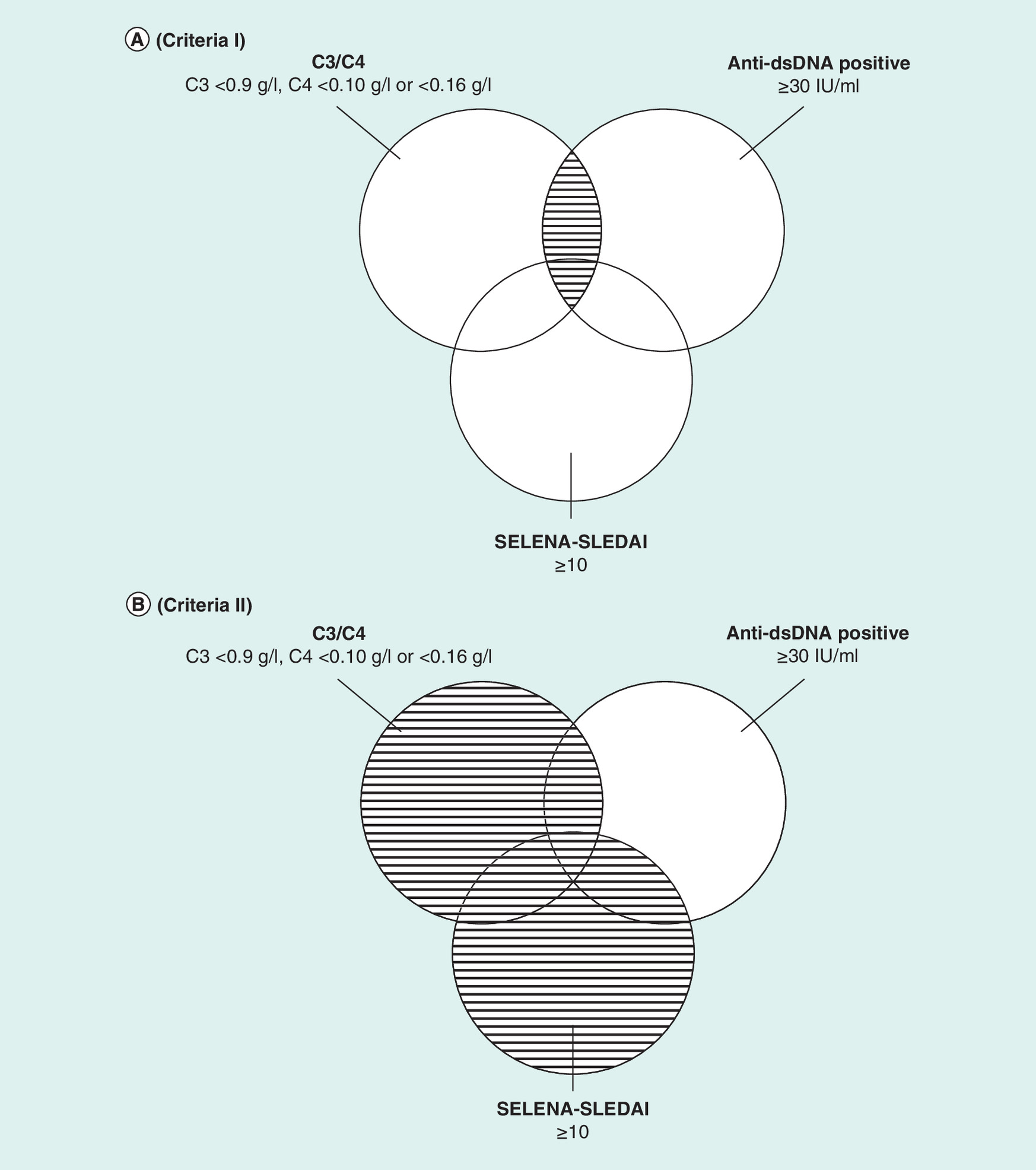
Figure 1. Inclusion criteria by (A) Criteria I; (B) Criteria II.
SELENA-SLEDAI: Safety of Estrogens in Lupus Erythematosus National Assessment Trial-Systemic Lupus Erythematosus Disease Activity Index.
A Bayesian network meta-analysis (NMA) was performed to evaluate the relative efficacy between the IV and SC formulations compared with SoC across the four RCTs. Bayesian NMA enables a single model to incorporate the evidence available from all clinical trials in order to estimate all comparative results both directly and indirectly [27]. Bayesian ITCs were conducted using WinBUGS 1.4.3 [28]. Results are based on 50,000 iterations on three chains, after a burn-in of 30,000 iterations. Data analyses were conducted using SAS 9.3 Software (SAS Institute Inc., NC, USA).
Endpoints
The primary endpoint was SLE Responder Index (SRI) response (a composite endpoint of ≥4-point reduction in SELENA-SLEDAI, no worsening in Physician's Global Assessment and no new 1A/2B British Isles Lupus Assessment Group domain scores at week 52). Secondary endpoints included the percentage of patients with ≥4-point reduction in SELENA-SLEDAI at week 52 and the rate of severe flare occurrences, measured by the SLE Flare Index (SFI) [29–32]. Safety endpoints were not assessed.
Statistical models
An NMA was conducted for the primary outcome measure of SRI response at week 52, and secondary outcome measures including the percentage of patients with a ≥4-point reduction in SELENA-SLEDAI and the rate of flare occurrences, both at week 52.
A likelihood function was defined for each output and treatment effects were modeled using a logit link function with binomial distribution, using both a fixed effects model and random effects model (Supplementary Information). The model selected for the base case was chosen based on residual deviance and deviance information criterion. The fixed effects model was selected for the analysis of all three endpoints as the results were considered easier to interpret and more conservative. In addition, the homogeneous nature of the characteristics and size of the studies used within this ITC made the fixed effects model more appropriate within this analysis. Nevertheless, the residual deviance within each analysis showed no significant difference between the two models.
Sensitivity analysis
A reanalysis of the data using the Bucher method (a simpler method where the variance of the indirect estimator is the sum of the variances of the two direct estimators) [33] was conducted, and the results were compared with those obtained with the Bayesian approach. In addition, an ITC sensitivity analysis of all studies excluding the Northeast Asia study (NCT01597622), which showed more heterogeneity in comparison with the evidence base, was conducted to compare against the results of all four studies collectively and to account for the differences in region, race and SFI within the Northeast Asia study.
Surface under the cumulative ranking curve
Monte Carlo simulations ranked IV, SC and placebo (SoC) treatments according to their estimated effect size; the proportion of Monte Carlo cycles in which a given treatment ranked first out of the total number of treatments gave the probability that the treatment would rank first among all the available options within the simulation. Similar probabilities were then calculated for being the second best and third best. These probabilities sum to one for each treatment and each rank; a surface under the cumulative ranking curve (SUCRA) of 1 denotes a treatment certain to be the best and a SUCRA of 0 denotes a treatment certain to be the worst.
Results
Patients
In this ITC, patients from the Phase III RCTs meeting either of the HDA criteria were pooled into three groups according to treatment. Pooled baseline demographics (Table 2) and baseline disease characteristics (Table 3) are shown. Baseline demographics and disease characteristics are also displayed by Phase III trial (Supplementary Tables 1 & 2). In total, 1892 patients with HDA were included in the ITC (IV, n = 739; SC, n = 421; placebo, n = 732) with 1375 patients within the Criteria I subgroup (IV, n = 597; SC, n = 248; placebo, n = 530). Most patients were female across both criteria groups (n = 1783, 94.2%) and ≤45 years old (n = 1557, 82.3%) (Table 2). SELENA-SLEDAI scores and mean Physician's Global Assessment scores were similar across the studies (Table 3).
| Characteristic | Criteria I | Criteria II | ||||
|---|---|---|---|---|---|---|
| Belimumab IV (n = 597) | Belimumab SC (n = 248) | Placebo (n = 530) | Belimumab IV (n = 739) | Belimumab SC (n = 421) | Placebo (n = 732) | |
| Female, n (%) | 562 (94.1) | 236 (95.2) | 497 (93.8) | 695 (94.0) | 398 (94.5) | 690 (94.3) |
| Race, n (%) | ||||||
| – White/Caucasian | 125 (20.9) | 140 (56.5) | 181 (34.2) | 155 (21.0) | 241 (57.2) | 272 (37.2) |
| – African–American | 23 (3.9) | 26 (10.5) | 27 (5.1) | 28 (3.8) | 46 (10.9) | 42 (5.7) |
| – Asian | 383 (64.2) | 64 (25.8) | 244 (46.0) | 477 (64.5) | 97 (23.0) | 320 (43.7) |
| – Native Alaska/Hawaii/American–Indian | 66 (11.1) | 18 (7.3) | 78 (14.7) | 79 (10.7) | 37 (8.8) | 98 (13.4) |
| Region, n (%) | ||||||
| – North America | 48 (8.0) | 55 (22.2) | 84 (15.8) | 62 (8.4) | 109 (25.9) | 134 (18.3) |
| – Europe/Australia | 65 (10.9) | 82 (33.1) | 81 (15.3) | 78 (10.6) | 126 (29.9) | 120 (16.4) |
| – Latin America | 89 (14.9) | 52 (21.0) | 111 (20.9) | 108 (14.6) | 97 (23.0) | 149 (20.4) |
| – Asian | 395 (66.2) | 59 (23.8) | 254 (47.9) | 491 (66.4) | 89 (21.1) | 329 (44.9) |
| Age group, years (%) | ||||||
| – ≤45 | 517 (86.6) | 207 (83.8) | 458 (86.4) | 631 (85.4) | 326 (77.6) | 600 (82.0) |
| – >45 – <65 | 77 (12.9) | 40 (16.2) | 67 (12.6) | 105 (14.2) | 90 (21.4) | 123 (16.8) |
| – ≥65 | 3 (0.5) | 0 (0) | 5 (0.9) | 3 (0.4) | 4 (1.0) | 9 (1.2) |
| Mean age, years (SD) | 33.2 (10.2) | 34.6 (11.0) | 33.6 (10.2) | 33.7 (10.3) | 36.5 (11.7) | 35.1 (11.0) |
| Mean weight, kg (SD) | 60.9 (14.4) | 64.5 (16.3) | 62.5 (14.7) | 60.8 (14.0) | 66.9 (17.7) | 63.5 (15.5) |
IV: Intravenous; SC: Subcutaneous; SD: Standard deviation.
| Characteristic | Criteria I | Criteria II | ||||
|---|---|---|---|---|---|---|
| Belimumab IV (n = 597) | Belimumab SC (n = 248) | Placebo (n = 530) | Belimumab IV (n = 739) | Belimumab SC (n = 421) | Placebo (n = 732) | |
| SELENA-SLEDAI, n (%) | ||||||
| – Criteria II: 0–3 | 1 (0.1) | – | 4 (0.5) | |||
| – Criteria I: 4–9; Criteria II: 4–9 | 236 (39.5) | 62 (25.0) | 161 (30.4) | 289 (39.1) | 69 (16.4) | 213 (29.1) |
| – Criteria I: 10–11; Criteria II: 10–11 | 146 (24.5) | 57 (23.0) | 119 (22.5) | 187 (25.3) | 161 (38.2) | 210 (28.7) |
| – Criteria I: ≥12; Criteria II: ≥12 | 215 (36.0) | 129 (52.0) | 250 (47.2) | 262 (35.5) | 191 (45.4) | 305 (41.7) |
| BILAG organ domain involvement, n (%) | ||||||
| – At least 1A or 1B | 510 (85.4) | 221 (89.1) | 461 (87.0) | 638 (86.3) | 383 (91.0) | 649 (88.7) |
| – At least 1A | 23 (3.9) | 35 (14.1) | 41 (7.7) | 37 (5.0) | 74 (17.6) | 63 (8.6) |
| – At least 1A or 2B | 304 (50.9) | 164 (66.1) | 309 (58.3) | 388 (52.5) | 303 (72.0) | 460 (62.8) |
| Mean PGA (SD) | 1.5 (0.5) | 1.6 (0.4) | 1.5 (0.5) | 1.5 (0.5) | 1.6 (0.4) | 1.5 (0.5) |
| ≥1 SFI flare in 35 days prior to baseline, n (%) | 83 (13.9) | 43 (17.3) | 117 (22.1) | 104 (14.1) | 74 (17.6) | 148 (20.2) |
| ≥1 severe SFI flare in 35 days prior to baseline, n (%) | 23 (3.9) | 5 (2.0) | 12 (2.3) | 23 (3.1) | 8 (1.9) | 18 (2.5) |
BILAG: British Isles Lupus Assessment Group; IV: Intravenous; PGA: Physician's Global Assessment; SC: Subcutaneous; SD: Standard deviation; SELENA-SLEDAI: Safety of Estrogen in Lupus Erythematosus National Assessment-SLE Disease Activity Index; SFI: SLE flare index; SLE: Systemic lupus erythematosus.
SRI response
For both Criteria I and Criteria II, a higher percentage of patients receiving belimumab IV (Criteria I: 52.5%; Criteria II: 53.9%) or SC (Criteria I: 64.6%; Criteria II: 63.9%) had an SRI response at week 52 compared with patients who received placebo (Criteria I: 35.5%; Criteria II: 38.6%) (Table 4). Similar SRI response rates at week 52 were estimated for the belimumab IV and SC formulations for both Criteria I and II HDA subgroups (Criteria I: odds ratio [OR] 0.88; 95% credible interval [CrIs] 0.52–1.50; Criteria II: OR 0.88; 95% CrIs 0.58, 1.33) (Figure 2A & B, respectively). The SUCRAs for the Criteria I subgroup analysis were similar for the belimumab IV and SC for SRI response at week 52 (0.84 and 0.66, respectively). The SUCRA for placebo was 0 (Figure 3A). The SUCRAs for the Criteria II subgroup analysis were also similar between the belimumab IV and SC formulations for SRI response at week 52 (0.86 and 0.64, respectively). The SUCRA for placebo was 0 (Figure 3B). Sensitivity analyses using the Bucher method reported identical results to the Bayesian model for belimumab IV and SC formulations.
| Criteria I | Criteria II | |||||
|---|---|---|---|---|---|---|
| Endpoints response by formulation | Belimumab IV, n/N (%) | Belimumab SC, n/N (%) | Placebo, n/N (%) | Belimumab IV, n/N (%) | Belimumab SC, n, N (%) | Placebo, n/N (%) |
| SRI response | 313/596 (52.5) | 159/246 (64.6) | 188/530 (35.5) | 398/738 (53.9) | 269/421 (63.9) | 282/731 (38.6) |
| ≥4-point reduction in SELENA-SLEDAI | 324/596 (54.4) | 162/246 (65.9) | 198/530 (37.4) | 411/738 (55.7) | 273/421 (64.8) | 294/731 (40.2) |
| Severe SFI flare | 100/596 (16.8) | 35/246 (14.2) | 155/530 (29.2) | 116/738 (15.7) | 52/421 (12.4) | 190/731 (26.0) |
IV: Intravenous; SC: Subcutaneous; SELENA-SLEDAI: Safety of Estrogen in Lupus Erythematosus National Assessment-SLE Disease Activity Index; SFI: SLE flare index; SLE: Systemic lupus erythematosus; SRI: SLE Responder Index.
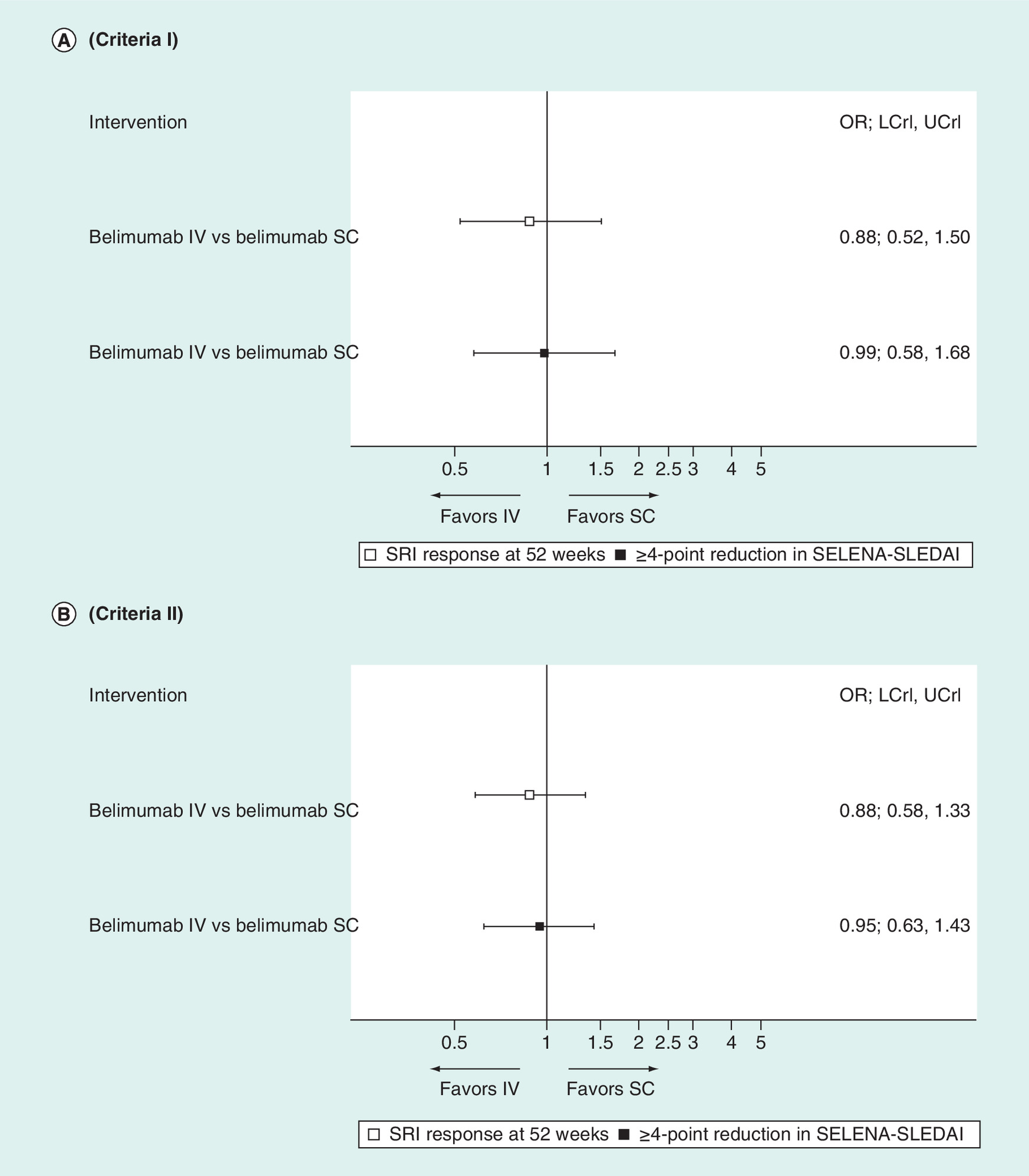
Figure 2. Forest plot based on a fixed effects model with logit link function.
SRI response and ≥4-point reduction in SELENA-SLEDAI at week 52 in high disease activity subgroup; (A) Criteria I; (B) Criteria II.
IV: Intravenous; LCrI: Lower credible interval; OR: Odds ratio; SC: Subcutaneous; SELENA-SLEDAI: Safety of Estrogen in Lupus Erythematosus National Assessment-SLE Disease Activity Index; SLE: Systemic lupus erythematosus; SRI: SLE Responder Index; UCrI: Upper credible interval.
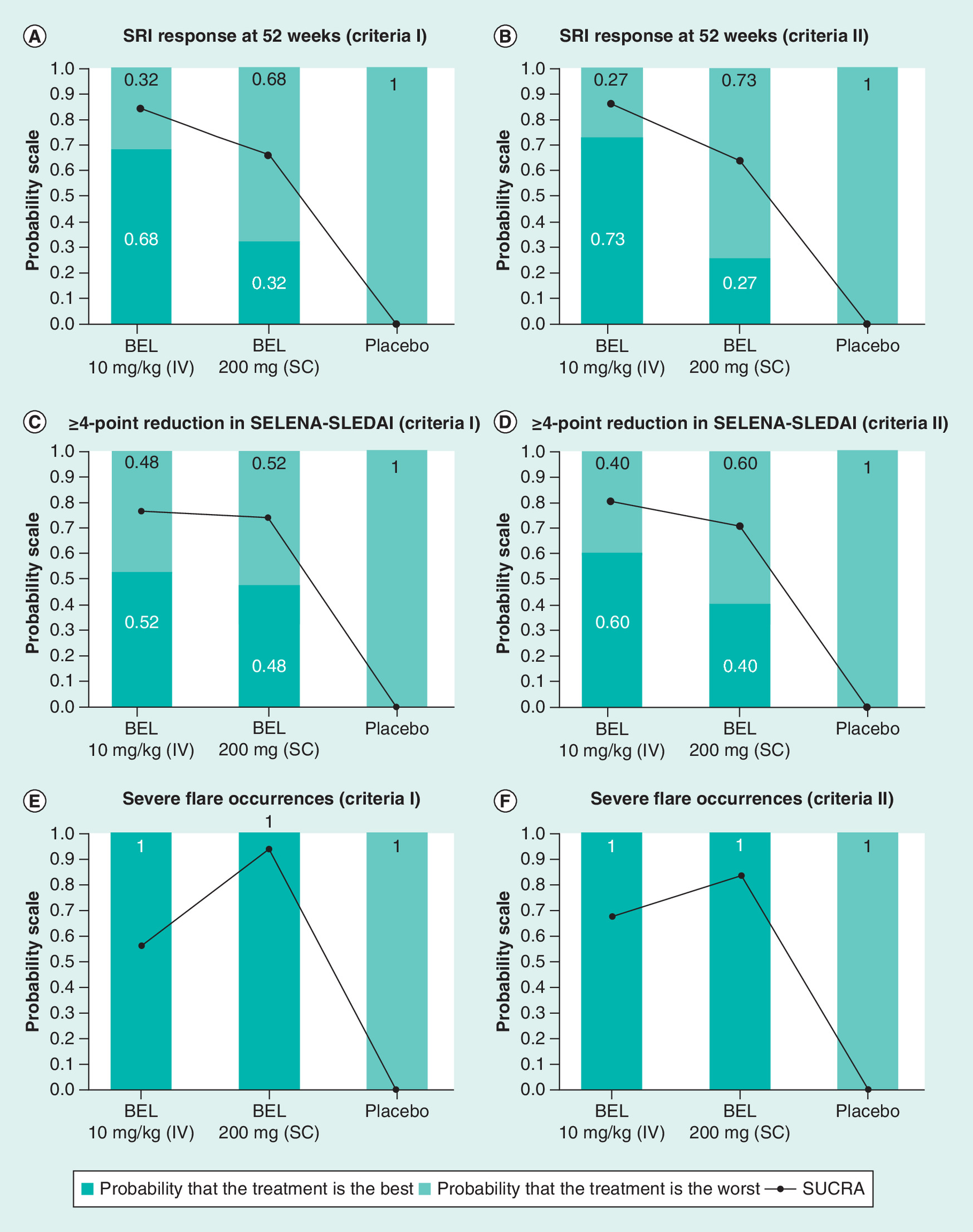
Figure 3. SUCRA† analysis for SRI response at week 52, Criteria I (A) and Criteria II (B), ≥4-point reduction in SELENA-SLEDAI, Criteria I (C) Criteria II (D) and severe SFI flare occurrences at week 52, Criteria I (E) and Criteria II (F).
†SUCRA analyses rank treatments according to the probability that it is the most effective treatment. SUCRA is 1 when a treatment is certain to be the most effective and 0 when a treatment is certain to be the least effective.
IV: Intravenous; SC: Subcutaneous; SELENA-SLEDAI: Safety of Estrogen in Lupus Erythematosus National Assessment-SLE Disease Activity Index; SFI: SLE flare index; SRI: SLE Responder Index; SUCRA: Surface under the cumulative ranking curve.
Results of the ITC with the Northeast Asia study excluded showed similar results to the Bayesian model analysis, which included all studies (Criteria I: OR = 0.87; 95% CI: 0.49, 1.54; Criteria II: OR = 0.87; 95% CI: 0.55, 1.39).
≥4-point reduction in SELENA-SLEDAI
For both Criteria I and Criteria II, a higher percentage of patients receiving IV (Criteria I: 54.4%; Criteria II: 55.7%) or SC (Criteria I: 65.9%; Criteria II: 64.8%) belimumab achieved a ≥4-point reduction in SELENA-SLEDAI compared with patients who received placebo (Criteria I: 37.4%; Criteria II: 40.2%) (Table 4). Similar ≥4-point reductions in SELENA-SLEDAI at week 52 were estimated between belimumab IV and SC formulations for both Criteria I and II HDA subgroups (Criteria I: OR = 0.99; 95% CrIs: 0.58–1.68; Criteria II: OR = 0.95; 95% CrIs: 0.63–1.43) (Figure 2A & B). The SUCRAs for Criteria I subgroup analysis were similar for belimumab IV and SC for ≥4-point reduction in SELENA-SLEDAI (0.76 and 0.74, respectively). The SUCRA for placebo was 0 (Figure 3C). The SUCRAs for Criteria II subgroup analysis were also similar between belimumab IV and SC for ≥4-point reduction in SELENA-SLEDAI (0.80 and 0.70, respectively). The SUCRA for placebo was 0 (Figure 3D). Sensitivity analyses using the Bucher method reported identical results to the Bayesian model for belimumab IV and SC formulations. Results of the ITC with the Northeast Asia study excluded showed similar results to the Bayesian model analysis, which included all studies (Criteria I: OR = 1.00; 95% CI: 0.56–1.77; Criteria II: OR = 0.96; 95% CI: 0.61–1.51).
Rate of severe flare occurrences
For both Criteria I and Criteria II, fewer patients receiving IV (Criteria I: 16.8%; Criteria II: 15.7%) or SC (Criteria I: 14.2%; Criteria II: 12.4%) belimumab experienced a severe SFI flare compared with patients who received placebo (Criteria I: 29.2%; Criteria II: 26.0%) (Table 4). The rate of severe SFI flare occurrence for the IV and SC formulations was therefore lower compared with placebo. Similar rates of severe SFI flare occurrences at week 52 were estimated for belimumab IV and SC for both Criteria I and II HDA subgroups (Criteria I: OR = 0.69; 95% CrIs: 0.37–1.28; Criteria II: OR = 0.89; 95% CrIs: 0.53–1.50) (Figure 4). The SUCRAs for Criteria I subgroup analysis were dissimilar for belimumab IV and SC formulations for rate of severe SFI flare occurrences (0.56 and 0.94, respectively). The SUCRA for placebo was 0 (Figure 3E). The SUCRAs for Criteria II subgroup analysis were similar between belimumab IV and SC formulations for rate of severe SFI flare occurrences (0.67 and 0.83, respectively). The SUCRA for placebo was 0 (Figure 3F). Sensitivity analyses using the Bucher method reported similar results to the Bayesian model for belimumab IV and SC (Criteria I: OR = 0.68; 95% CI: 0.37–1.27; Criteria II: OR = 0.89; 95% CI: 0.53–1.49). Results of the ITC with the Northeast Asia study excluded showed similar results to the Bayesian model analysis, which included all studies (Criteria I: OR = 0.64: 95% CI: 0.33–1.25; Criteria II: OR = 0.80: 95% CI: 0.46–1.41).
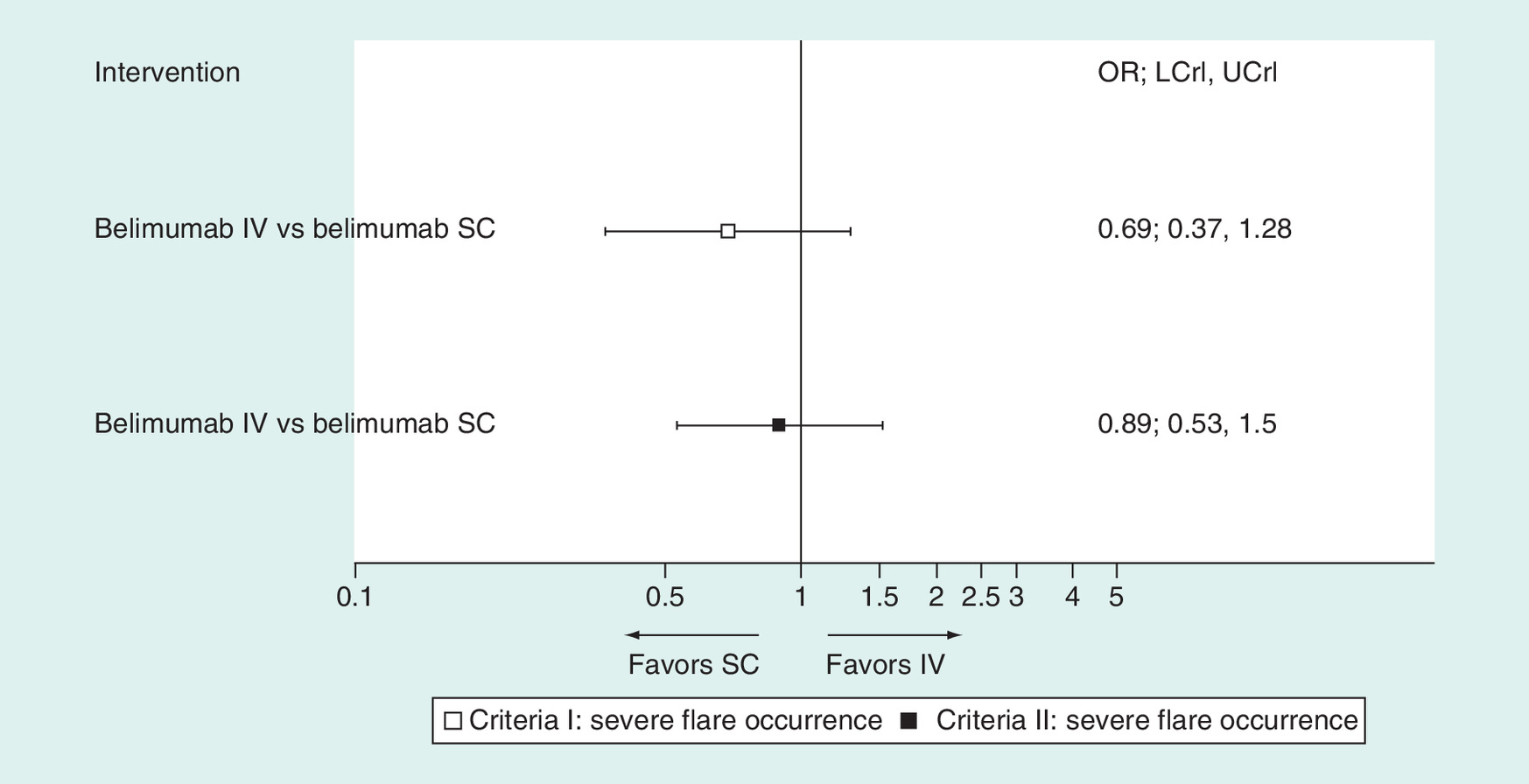
Figure 4. Forest plot based on a fixed effects model with logit link function.
Rate of severe SFI flare occurrences at week 52 in high disease activity subgroups Criteria I and Criteria II.
IV: Intravenous; LCrI: Lower credible interval; OR: Odds ratio; SC: Subcutaneous; SFI: SLE flare index; SLE: Systemic lupus erythematosus; UCrI: Upper credible interval.
Discussion
This ITC study used patient-level data to compare the efficacy of two formulations of belimumab (IV vs SC) in patients with autoantibody-positive SLE with HDA. Belimumab IV and SC were similar for the percentage of patients with an SRI response, ≥4-point reduction in SELENA-SLEDAI and rate of severe SFI flares at week 52 in patients with HDA. In the analyses for all three endpoints, the IV and SC formulations ranked above placebo in the hierarchy of best to least effective treatments. The results of this study support the belimumab indication as an add-on therapy for patients with HDA despite SoC [12,13].
Results from the Bayesian model and the Bucher method (conducted as a sensitivity analysis) were consistent across HDA Criteria I and Criteria II subgroups and in most cases, identical, demonstrating the robustness of the analyses and the validity of the outcomes. The ORs between the fixed effects and random effects models were also identical or similar and the data analyses excluding the Northeast Asia study, with its considerable difference in region, race and SFI, also provided similar outcomes.
The results of this study are in line with a previous NMA that analyzed results from the four RCTs included in this study and a Phase II trial [34,35]. It found that belimumab 10 mg/kg had the highest efficacy, followed by belimumab 1 mg/kg and belimumab 200 mg SC (SUCRA 0.9174, 0.7338 and 0.3487, respectively). After eliminating BLISS-52 patients from the analysis (because of the lower SRI response in this study [20]), the analysis showed that belimumab 200 mg SC and belimumab 10 mg/kg IV had the highest probability of being the best treatments for achieving an SRI response (SUCRA 0.7903 and 0.7456, respectively), compared with belimumab 1 mg/kg IV and placebo [35]. In addition to investigating efficacy, the previous study also conducted an NMA of the number of patients experiencing a serious adverse event (SAE). The SUCRA indicated that belimumab 200 mg SC had the lowest risk of SAE (SUCRA 0.9405), followed by belimumab 10 mg/kg IV (SUCRA 0.6317); however, there was no significant difference in the number of SAEs in each treatment group [35].
Previous studies of belimumab IV have demonstrated the efficacy of belimumab IV in patients with SLE with HDA [19–21]. A pooled analysis of patients with HDA (defined as low complement and anti-dsDNA antibody positive) in the BLISS-52 and BLISS-76 studies demonstrated that patients who received belimumab compared with placebo had a treatment benefit [8]. Compared with placebo, the belimumab treatment group had a significantly greater SRI response rate and showed a reduced risk of severe SFI flares, and a greater percentage of patients had a reduction in corticosteroid dose and improvements in health-related quality of life.
An observational cohort study of patients receiving belimumab IV plus SoC in a real-world clinical setting in the USA also demonstrated that patients classified as having HDA (according to three definitions: low complement plus anti-dsDNA antibody positive, SELENA-SLEDAI ≥10 and prednisone dose >7.5 mg/day) experienced improvements in disease severity [36]. Approximately 50% of each HDA subgroup had a ≥50% improvement in overall clinical response at 6 months and subsequent 6-month intervals.
An observational study in Italy by Iaccarino et al. evaluated the effectiveness and safety of belimumab IV in patients with SLE who were anti-dsDNA positive with low C3 or C4 levels [37]. SLEDAI-2000, daily prednisone dose, anti-dsDNA and flare rates decreased during the study. Our current ITC provides further evidence of the efficacy of belimumab IV among patients with HDA and importantly, demonstrates that the efficacy of belimumab SC is similar to that of the IV formulation for this group of patients.
A limitation of this ITC is the relatively small pool of study data: four studies were analyzed in this ITC. In addition, only one of the four studies considered the clinical efficacy of belimumab SC formulation [24], therefore analyzing fewer patients than the belimumab IV studies within the same ITC. However, there were no open-label studies in the analysis, reducing bias and enhancing the reliability of this ITC. Furthermore, results between the Bayesian approach and the Bucher method were consistent for all endpoints, supporting the validity of the findings. In addition, the difference between the percentage of white/Caucasian patients versus African–American patients between the IV and SC studies, within both criteria subgroups, is a natural limitation of this study given the differences in regions from which patients were recruited. Differences in SoC treatment across the Phase III studies reflected regional variations in the treatment of SLE; however, within each study these treatments were similar at baseline, and therefore allowed the assessment of the addition of belimumab to SoC in patients with SLE. Although there were minor differences in the inclusion criteria of the four parent studies, the baseline characteristics of the patients were similar between treatment groups in each study; therefore, it was not necessary to control for these differences.
The ITC did not assess safety endpoints as it was powered to analyze the efficacy of belimumab IV and SC plus SoC compared with placebo plus SoC in patients with active, autoantibody-positive SLE.
Conclusion
Previous studies have demonstrated the efficacy of belimumab IV in patients with SLE with HDA [19–21]. In this indirect comparison, belimumab IV and belimumab SC were found to have similar efficacy in patients with SLE and HDA, irrespective of the HDA criteria applied. Belimumab SC may provide an effective alternative treatment option to belimumab IV for patients with HDA despite standard therapy.
Background
Systemic lupus erythematosus (SLE) is a complex autoimmune disease, associated with B-cell hyperactivity, autoantibodies and increased concentrations of B-lymphocyte stimulator.
Belimumab is a human immunoglobulin G1-λ monoclonal antibody that binds to soluble B-lymphocyte stimulator and inhibits its biological activity. It is currently approved as an intravenous (IV) formulation for the treatment of adult patients with active, autoantibody-positive SLE as an add-on to standard therapy. A subcutaneous (SC) formulation of belimumab has been developed to offer enhanced treatment options for patients and has recently been approved in the USA.
Methods
Patient-level data were used in an indirect treatment comparison (ITC) of the clinical efficacy of belimumab IV and SC plus standard SLE therapy (standard of care) in patients with active, autoantibody-positive SLE via a Bayesian network meta-analysis. A subgroup of patients with high disease activity (HDA) was analyzed.
HDA was defined using two criteria: Criteria I – low complement 3 or 4 levels and antidouble stranded deoxyribonucleic acid positive; Criteria II – low complement 3 or 4 levels or a Safety of Estrogen in Lupus Erythematosus National Assessment-Systemic Lupus Erythematosus Disease Activity Index (SELENA-SLEDAI) score ≥10.
The primary endpoint was SLE Responder Index (SRI; a composite endpoint of ≥4-point reduction in SELENA-SLEDAI, no worsening in Physician's Global Assessment and no new 1A/2B British Isles Lupus Assessment Group domain scores) at week 52. Secondary endpoints included the percentage of patients with ≥4-point reduction in SELENA-SLEDAI at week 52 and the rate of severe flare occurrences, measured by the SLE flare index.
Results
A higher percentage of patients receiving belimumab IV or SC achieved an SRI response at week 52, a ≥4-point reduction in SELENA-SLEDAI at week 52 and experienced fewer severe SLE flare index flares compared with patients who received placebo.
Results were similar for the SRI response at week 52, the ≥4-point reduction in SELENA-SLEDAI at week 52 and the rate of severe flare occurrences for the belimumab IV and SC formulations.
Sensitivity analyses demonstrated the robustness of the analyses and the validity of the outcomes.
This indirect comparison showed that belimumab IV and belimumab SC have similar efficacy in patients with SLE and HDA.
Future perspective
Belimumab SC may provide an additional treatment option for patients with SLE with HDA.
Supplementary data
To view the supplementary data that accompany this paper please visit the journal website at: Supplementary Material
Data availability
All datasets on which the conclusions of this report rely are available on request, and the study protocol is available at the following location: https://www.gsk-clinicalstudyregister.com/study/207255.
Financial & competing interests disclosure
This study was funded by GlaxoSmithKline (GSK; study number: 207255). S Ramachandran, D Parks, M Kurtinecz, D Roth and R Alfonso-Cristancho are employees of GSK and hold shares in the company. The authors have no other relevant affiliations or financial involvement with any organization or entity with a financial interest in or financial conflict with the subject matter or materials discussed in the manuscript apart from those disclosed.
E Hargreaves of Fishawack Indicia Ltd, UK, provided medical writing support, which was funded by GSK.
Ethical conduct of research
All four studies in question were approved by central or local institutional review boards and all patients involved in the studies provided written informed consent prior to study-specific procedures.
Open access
This work is licensed under the Attribution-NonCommercial-NoDerivatives 4.0 Unported License. To view a copy of this license, visit http://creativecommons.org/licenses/by-nc-nd/4.0/
Supplementary Material
File (supplementary_information.docx)
References
Papers of special note have been highlighted as: • of interest; •• of considerable interest
1.
Zhang J, Roschke V, Baker KP et al. Cutting edge: a role for B lymphocyte stimulator in systemic lupus erythematosus. J. Immunol. 166(1), 6–10 (2001).
2.
Arbuckle MR, McClain MT, Rubertone MV et al. Development of autoantibodies before the clinical onset of systemic lupus erythematosus. N. Engl. J. Med. 349(16), 1526–1533 (2003).
3.
Diamond B, Bloom O, Al Abed Y et al. Moving towards a cure: blocking pathogenic antibodies in systemic lupus erythematosus. J. Intern. Med. 269(1), 36–44 (2011).
4.
Hochberg MC. Updating the American College of Rheumatology revised criteria for the classification of systemic lupus erythematosus. Arthritis Rheum. 40(9), 1725 (1997).
5.
Tan EM, Cohen AS, Fries JF et al. The 1982 revised criteria for the classification of systemic lupus erythematosus. Arthritis Rheumatol. 25(11), 1271–1277 (1982).
6.
Barr SG, Zonana-Nacach A, Magder LS, Petri M. Patterns of disease activity in systemic lupus erythematosus. Arthritis Rheum. 42(12), 2682–2688 (1999).
7.
Mcelhone K, Abbott J, Teh L-S. A review of health related quality of life in systemic lupus erythematosus. Lupus. 15(10), 633–643 (2006).
8.
van Vollenhoven RF, Petri MA, Cervera R et al. Belimumab in the treatment of systemic lupus erythematosus: high disease activity predictors of response. Ann. Rheum. Dis. 71(8), 1343–1349 (2012).
• It is a pooled subgroup analysis of BLISS-52 (BEL110752) and BLISS-76 (BEL110751) to identify factors predicting response to belimumab treatment.
9.
Baker KP, Edwards BM, Main SH et al. Generation and characterization of LymphoStat-B, a human monoclonal antibody that antagonizes the bioactivities of B lymphocyte stimulator. Arthritis Rheum. 48(11), 3253–3265 (2003).
10.
Gottschalk TA, Tsantikos E, Hibbs ML. Pathogenic inflammation and its therapeutic targeting in systemic lupus erythematosus. Front. Immunol. 6, 550 (2015).
11.
Kuhn A, Bonsmann G, Anders HJ et al. The diagnosis and treatment of systemic lupus erythematosus. Dtsch. Arztebl. Int. 112(25), 423–432 (2015).
12.
European Medicines Agency. Summary of product characteristics – Benlysta (belimumab) (2011). www.ema.europa.eu/docs/en_GB/document_library/EPAR_-_Product_Information/human/002015/WC500110150.pdf.
13.
Benlysta (belimumab) Prescribing Information. (ID: 3483179) (2014). www.accessdata.fda.gov/drugsatfda_docs/label/2016/125370s055lbl.pdf.
14.
Bertsias G, Ioannidis J, Boletis J et al. EULAR recommendations for the management of systemic lupus erytematosus (SLE) report of a Task Force of the European Standing Committee for International Clinical Studies including Therapeutics (ESCISIT). Ann. Rheum. Dis. 67, 195–205 (2008).
15.
Ho A, Barr SG, Magder LS, Petri M. A decrease in complement is associated with increased renal and hematologic activity in patients with systemic lupus erythematosus. Arthritis Rheum. 44(10), 2350–2357 (2001).
16.
Nasiri S, Karimifar M, Bonakdar ZS, Salesi M. Correlation of ESR, C3, C4, anti-DNA and lupus activity based on British Isles Lupus Assessment Group Index in patients of rheumatology clinic. Rheumatol. Int. 30(12), 1605–1609 (2010).
17.
US FDA. Guidance for industry on systemic lupus erythematosus: developing medical products for treatment. Silver Spring, MD: US Food and Drug Administration (2010). www.fda.gov/downloads/Drugs/GuidanceComplianceRegulatoryInformation/Guidances/ucm072063.pdf.
18.
Furie RA, Petri MA, Wallace DJ et al. Novel evidence-based systemic lupus erythematosus responder index. Arthritis Rheum. 61(9), 1143–1151 (2009).
19.
Furie R, Petri M, Zamani O et al. A Phase III, randomized, placebo-controlled study of belimumab, a monoclonal antibody that inhibits B lymphocyte stimulator, in patients with systemic lupus erythematosus. Arthritis Rheum. 63(12), 3918–3930 (2011).
•• It is one of the four randomized controlled trials used within this indirect treatment comparison.
20.
Navarra SV, Guzman RM, Gallacher AE et al. Efficacy and safety of belimumab in patients with active systemic lupus erythematosus: a randomised, placebo-controlled, Phase III trial. Lancet 377(9767), 721–731 (2011).
•• It is one of the four randomized controlled trials used within this indirect treatment comparison.
21.
Zhang F, Bae SC, Bass D et al. A pivotal Phase III, randomised, placebo-controlled study of belimumab in patients with systemic lupus erythematosus located in China, Japan and South Korea. Ann. Rheum. Dis. 77(3), 355–363 (2018).
•• It is one of the four randomized controlled trials used within this indirect treatment comparison.
22.
GlaxoSmithKline. GSK receives FDA approval for a new self-injectable formulation of Benlysta (belimumab) for systemic lupus erythematosus (July 2017). www.gsk.com/en-gb/media/press-releases/gsk-receives-fda-approval-for-a-new-self-injectable-formulation-of-benlysta-belimumab-for-systemic-lupus-erythematosus/.
23.
GlaxoSmithKline. GSK receives European marketing authorisation for self-injectable formulation of Benlysta for the treatment of systemic lupus erythematosus (November 2017). www.gsk.com/en-gb/media/press-releases/gsk-receives-european-marketing-authorisation-for-self-injectable-formulation-of-benlysta-for-the-treatment-of-systemic-lupus-erythematosus/.
24.
Stohl W, Schwarting A, Okada M et al. Efficacy and safety of subcutaneous belimumab in systemic lupus erythematosus: a fifty-two-week randomized, double-blind, placebo-controlled study. Arthritis Rheumatol. 69(5), 1016–1027 (2017).
•• It is one of the four randomized controlled trials used within this indirect treatment comparison.
25.
Yapa SW, Roth D, Gordon D, Struemper H. Comparison of intravenous and subcutaneous exposure supporting dose selection of subcutaneous belimumab systemic lupus erythematosus Phase III program. Lupus 25(13), 1448–1455 (2016).
• It is a PK model comparing belimumab IV and SC formulations from two Phase I studies.
26.
European Medicines Agency. Benlysta (belimumab): EPAR summary for the public (2012). www.ema.europa.eu/docs/en_GB/document_library/EPAR_-_Summary_for_the_public/human/002015/WC500110153.pdf.
27.
Hoaglin DC, Hawkins N, Jansen JP et al. Conducting indirect-treatment-comparison and network-meta-analysis studies: report of the ISPOR Task Force on Indirect Treatment Comparisons Good Research Practices: part 2. Value Health 14(4), 429–437 (2011).
28.
Lunn DJ, Thomas A, Best N, Spiegelhalter D. WinBUGS-a Bayesian modelling framework: concepts, structure, and extensibility. Stat. Comput. 10(4), 325–337 (2000).
29.
Buyon JP, Petri MA, Kim MY et al. The effect of combined estrogen and progesterone hormone replacement therapy on disease activity in systemic lupus erythematosus: a randomized trial. Ann. Intern. Med. 142(12 Pt 1), 953–962 (2005).
30.
Petri M, Buyon J, Kim M. Classification and definition of major flares in SLE clinical trials. Lupus 8(8), 685–691 (1999).
31.
Petri M, Kim MY, Kalunian KC et al. Combined oral contraceptives in women with systemic lupus erythematosus. N. Engl. J. Med. 353(24), 2550–2558 (2005).
32.
Pope JE. Measuring flares in systemic lupus erythematosus. Rheumatology (Oxford) 53(12), 2134–2135 (2014).
33.
Bucher HC, Guyatt GH, Griffith LE, Walter SD. The results of direct and indirect treatment comparisons in meta-analysis of randomized controlled trials. J. Clin. Epidemiol. 50(6), 683–691 (1997).
34.
Wallace DJ, Stohl W, Furie RA et al. A Phase II, randomized, double-blind, placebo-controlled, dose-ranging study of belimumab in patients with active systemic lupus erythematosus. Arthritis Care Res. 61(9), 1168–1178 (2009).
35.
Lee YH, Song GG. Comparative efficacy and safety of intravenous or subcutaneous belimumab in combination with standard therapy in patients with active systemic lupus erythematosus: a Bayesian network meta-analysis of randomized controlled trials. Lupus 27(1), 112–119 (2018).
• It is an additional indirect treatment comparison of the efficacy and safety of intravenous and subcutaneous belimumab in patients with SLE.
36.
Collins CE, Dall'era M, Kan H et al. Response to belimumab among patients with systemic lupus erythematosus in clinical practice settings: 24-month results from the OBSErve study in the USA. Lupus Sci. Med. 3(1), e000118 (2016).
• It is an observational cohort study examining disease activity and outcomes in patients with SLE being treated with IV belimumab.
37.
Iaccarino L, Bettio S, Reggia R et al. Effects of belimumab on flare rate and expected damage progression in patients with active systemic lupus erythematosus. Arthritis Care Res. 69(1), 115–123 (2017).
Information & Authors
Information
Published In
Copyright
© GlaxoSmithKline.
History
Received: 10 October 2017
Accepted: 7 March 2018
Published online: 25 April 2018
Keywords:
Topics
Authors
Metrics & Citations
Metrics
Article Usage
Article usage data only available from February 2023. Historical article usage data, showing the number of article downloads, is available upon request.
Citations
How to Cite
An indirect comparison of intravenous and subcutaneous belimumab efficacy in patients with SLE and high disease activity. (2018) Journal of Comparative Effectiveness Research. DOI: 10.2217/cer-2017-0085
Export citation
Select the citation format you wish to export for this article or chapter.