

Incidence of dose escalation and impact on biologic costs among patients with rheumatoid arthritis treated with three intravenous agents
Abstract
Aim: Evaluation of dose escalation and costs among rheumatoid arthritis patients treated with intravenous abatacept, intravenous infliximab or intravenous tocilizumab. Materials & methods: Adults with rheumatoid arthritis and biologic treatment were identified from the MarketScan® Research databases. Study outcomes included dose escalation, per-patient per-month (PPPM) biologic costs and PPPM all-cause total healthcare costs. Impact of dose escalation on biologic costs was estimated using multivariate analyses. Results: The sample included 6181 patients. Infliximab and tocilizumab cohorts had significantly higher likelihood for dose escalation than abatacept cohort; incremental PPPM impacts of dose escalation on costs were statistically significant for each biologic (p < 0.01). Conclusion: Patients initiating abatacept were least likely to escalate dose and had lowest incremental impact of dose escalation on cost compared with patients with infliximab or tocilizumab.
First draft submitted: 6 December 2016; Accepted for publication: 10 July 2017; Published online: 9 August 2017
Rheumatoid arthritis (RA) is a systemic, inflammatory autoimmune disease characterized by joint inflammation and progressive damage, as well as cardiac, pulmonary, ocular and neurological complications, affecting approximately 1% of the world population [1,2]. The pain, fatigue, loss of bodily function for progressive destruction of joint tissue and the economic burden associated with disease progression significantly deteriorate the health-related quality of life in patients with RA. The key goal of treatment for RA is remission [3,4], and therapies targeted at minimizing disease activity eventually lead to pain control and prevention of joint damage and loss of function [1,3,4].
The current treatment strategies for RA include long-term use of traditional and/or biologic disease-modifying antirheumatic drugs (DMARDs), NSAIDs and glucocorticoids. The development of biologic agents during the last couple of decades has revolutionized the treatment of RA, improving outcomes for patients refractory or intolerant to conventional treatment, and the current recommendations advocate early use of biologic agents following an insufficient response to initial nonbiologic DMARD therapy [5–8].
The biologics licensed for RA include TNF-α antagonists (adalimumab, certolizumab pegol, etanercept, golimumab and infliximab), the IL-6 receptor antagonist tocilizumab, the anti-B-cell agent rituximab, the T-cell co-stimulation modulator abatacept and the IL-1 inhibitor, anakinra [8,9]. All these biologic agents have comparable safety profiles and have thus far demonstrated partial, but not universal, success in relieving the symptoms and slackening the structural disease progression in patients.
Some observational and clinical studies have shown that an upward dose adjustment or shortened dose interval is required in some patients to achieve or maintain a clinical response to RA therapy [10–13]. Biologic dose escalation can be used to confer greater therapeutic benefit for patients with RA; however, escalated doses may increase the cost of treatment [14–16]. Evidence on dosing patterns used in the real-world clinical setting can assist in estimating the cost of treatment for RA with the therapeutic agents that can further aid in formulary and reimbursement decision making [17]. However, there is very limited evidence of the costs involved in the management of RA using biologic dose escalation [18]. Therefore, the objective of this retrospective cohort study was to quantify the real-world incidence of biologic dose escalation and its impact on biologic costs among patients with RA treated with the intravenous (iv.) agents, abatacept, infliximab or tocilizumab.
Methods
Data source
This retrospective analysis used healthcare claims’ data from the ‘Truven Health MarketScan® Commercial Claims and Encounters (Commercial) and Medicare Supplemental (Medicare)’ databases for the period 1 January 2009 through 1 October 2012. These databases comprise inpatient medical, outpatient medical and outpatient prescription claims’ data for individuals with employer-sponsored primary (over 40 million individuals annually) or Medicare supplemental (over 3 million individuals annually) health insurance. All database records are de-identified and were accessed with protocols compliant with US patient confidentiality requirements, including the Health Insurance Portability and Accountability Act of 1996 and thus was exempted from Institutional Review Board approval.
Study population
Patients (aged ≥18 years) with a diagnosis of RA (International Classification of Diseases, Ninth Revision, Clinical Modification; ICD-9-CM 714.0x) in any position on a nondiagnostic medical claim, and with at least one medical claim for an iv. infusion of abatacept, infliximab or tocilizumab (with Healthcare Common Procedure Coding System [HCPCS] code) between 1 January 2009 and 1 October 2012 during the study time frame were selected for analysis. The date of first claim of biologic was defined as the index date. Additionally, patients were considered eligible for inclusion if they had continuous health plan coverage for at least 12 months before (baseline period) and at least 3 months after (follow-up period) the index date. Patients were also required to have no medical claims for the index biologic during the baseline period. At the time of initiating their biologic, patients were classified as initiating either first-line or second-line therapy. First-line initiators used no biologic agents before the index date; second-line initiators used only one biologic before the index date and had at least a 12-month period of continuous enrollment before initiation of the prior biologic. Patients classified into the first-line sample who later switched to a second-line biologic could also contribute second-line-specific data to the second-line sample.
Outcome measures
The dose escalation, per-patient per-month (PPPM) biologic costs (drug + administration) and PPPM all-cause (i.e., for all medical and pharmacy claims) total healthcare costs were measured during the baseline period. All outcomes were measured during a variable-length follow-up period that extended from index date until censoring at biologic discontinuation, switch to another biologic, gap in therapy with initiated biologic that is ≥200% of the longest labeled re-treatment interval, disenrollment from health insurance or 31 December 2012.
Generally, patients were flagged as having experienced a dose escalation if at least two consecutive accelerated biologic administrations were identified based on increase in either the amount paid or in the frequency of biologic administrations.
Beginning at the second observed biologic administration, a ≥30% increase in the paid amount for a given biologic administration relative to the paid amount for the biologic administration received on the index date was considered as a dose escalation. At the start of the first maintenance-phase biologic administration, receipt of a biologic administration that was ≥30% sooner than the expected timeline based on the maximum recommended retreatment interval was also considered a dose escalation. An exception to the criterion requiring more than two consecutive escalated biologic administrations was allowed if the patients had only one escalated biologic administration that occurred as the last biologic administration during follow-up; these patients were also flagged as having dose escalated. This was allowed because it is possible that physicians may attempt an escalated dose as a last treatment effort before abandoning a given biologic.
Study covariates
Patient demographic characteristics including age, gender, geographic region (US Census division), urbanicity, health plan type and index year were measured on index date. Clinical characteristics were measured in the baseline period and included the claims-based index for RA severity (CIRAS), comorbid conditions (based on the presence of ICD-9-CM diagnosis and procedure codes), medication use (based on HCPCS code and National Drug Code) and baseline healthcare costs. Full lists of covariates measured are presented in Tables 1 & 2.
| iv. abatacept | iv. infliximab | iv. tocilizumab | |
|---|---|---|---|
| First-line patients | |||
| Sample, n | 1327 | 2863 | 170 |
| Age, mean (SD) | 56.3 (13.0) | 55.9 (13.1) | 53.7 (13.1) |
| Age group (%) | |||
| 18–34 | 5.4% | 5.7% | 9.4% |
| 35–44 | 12.1% | 12.6% | 13.5% |
| 45–54 | 26.1% | 27.0% | 26.5% |
| 55–64 | 32.6% | 30.4% | 32.9% |
| 65–74 | 14.3% | 15.8% | 11.2% |
| 75+ | 9.5% | 8.5% | 6.5% |
| Male (%) | 19.3% | 24.3% | 12.9% |
| Geographic region (%) | |||
| Northeast | 14.6% | 14.5% | 20.0% |
| North Central | 24.0% | 25.0% | 21.2% |
| South | 45.1% | 44.7% | 40.0% |
| West | 15.0% | 14.7% | 17.6% |
| Unknown | 1.2% | 1.1% | 1.2% |
| Health plan type (%) | |||
| Comprehensive | 11.8% | 13.4% | 8.8% |
| EPO | 1.1% | 1.1% | 1.8% |
| HMO | 10.9% | 13.1% | 14.7% |
| POS | 4.9% | 6.5% | 4.7% |
| PPO | 61.1% | 56.6% | 60.0% |
| POS with capitation | 0.7% | 0.7% | 0.0% |
| CDHP | 2.4% | 2.2% | 2.4% |
| HDHP | 1.0% | 1.4% | 1.2% |
| Unknown | 6.2% | 4.9% | 6.5% |
| Urbanicity (%) | |||
| Urban | 86.0% | 83.1% | 81.8% |
| Rural | 13.4% | 16.2% | 17.1% |
| Unknown | 0.6% | 0.7% | 1.2% |
| Eligible for Medicare (%) | 27.8% | 26.5% | 20.0% |
| Second-line patients | |||
| Sample, n | 934 | 630 | 257 |
| Age, mean (SD) | 57.7 (12.8) | 53.3 (12.5) | 56.3 (14.2) |
| Age group (%) | |||
| 18–34 | 4.6% | 6.8% | 6.6% |
| 35–44 | 9.2% | 16.8% | 13.6% |
| 45–54 | 24.2% | 28.9% | 18.7% |
| 55–64 | 34.4% | 30.8% | 37.7% |
| 65–74 | 16.5% | 11.1% | 14.0% |
| 75+ | 11.1% | 5.6% | 9.3% |
| Male (%) | 17.9% | 20.5% | 19.8% |
| Geographic region (%) | |||
| Northeast | 9.4% | 14.4% | 12.1% |
| North Central | 30.6% | 21.6% | 27.2% |
| South | 42.9% | 46.8% | 43.6% |
| West | 16.5% | 16.2% | 17.1% |
| Unknown | 0.5% | 1.0% | 0.0% |
| Health plan type (%) | |||
| Comprehensive | 18.7% | 12.2% | 17.1% |
| EPO | 1.5% | 0.8% | 1.2% |
| HMO | 12.6% | 16.0% | 10.9% |
| POS | 10.0% | 9.8% | 11.3% |
| PPO | 50.7% | 51.9% | 47.1% |
| POS with capitation | 0.7% | 0.8% | 1.2% |
| CDHP | 2.5% | 3.2% | 2.7% |
| HDHP | 0.9% | 1.3% | 1.6% |
| Unknown | 2.4% | 4.0% | 7.0% |
| Urbanicity (%) | |||
| Urban | 83.4% | 83.7% | 86.4% |
| Rural | 16.1% | 15.6% | 13.6% |
| Unknown | 0.5% | 0.8% | 0.0% |
| Eligible for Medicare (%) | 31.8% | 19.5% | 29.6% |
CDHP: Consumer-directed health plan; EPO: Exclusive provider organization; HDHP: High-deductible health plan; HMO: Health maintenance organization; iv.: Intravenous; POS: Point of service; PPO: Preferred provider organization; SD: Standard deviation.
| iv. abatacept | iv. infliximab | iv. tocilizumab | |
|---|---|---|---|
| First-line patients | |||
| Sample, n | 1327 | 2863 | 170 |
| CIRAS | 6.0 (1.9) | 6.1 (2.0) | 5.9 (1.8) |
| No. of different common conventional DMARDs | 1.2 (0.8) | 1.2 (0.8) | 1.0 (0.8) |
| No. of different rare conventional DMARDs | 0.0 (0.2) | 0.0 (0.2) | 0.1 (0.2) |
| No. of different other pain/inflammation medications | 2.0 (0.9) | 2.0 (0.9) | 1.9 (0.9) |
| Deyo–Charlson comorbidity index | 1.8 (1.2) | 1.7 (1.2) | 1.8 (1.6) |
| Count of three-digit ICD-9-CM diagnoses | 16.7 (10.7) | 15.7 (10.0) | 18.8 (11.2) |
| Count of NDCs | 17.4 (11.4) | 15.8 (10.0) | 16.9 (10.8) |
| All-cause total healthcare costs | USD$1715 (USD$2334) | USD$1564 (USD$2342) | USD$2419 (USD$4703) |
| Baseline healthcare utilization | |||
| Inpatient admission (%) | 19.1% | 16.7% | 21.8% |
| Emergency department visit (%) | 30.4% | 30.4% | 33.5% |
| No. of specialist visits | 1.0 (0.8) | 0.9 (0.7) | 1.0 (0.7) |
| No. of rheumatologist visits | 1.0 (1.4) | 1.0 (1.5) | 0.9 (1.4) |
| Presence of comorbid conditions (%) | |||
| Infection | 53.4% | 49.9% | 51.2% |
| Hospitalized infection | 7.5% | 5.3% | 4.7% |
| Bronchiolitis | 11.8% | 10.0% | 10.0% |
| COPD/asthma | 17.0% | 13.7% | 18.2% |
| Diabetes | 17.2% | 15.0% | 16.5% |
| Dyslipidemia | 26.5% | 26.4% | 32.4% |
| Hypertension | 45.7% | 40.8% | 46.5% |
| Extraarticular disease† (%) | 9.9% | 7.6% | 14.7% |
| Purchase of wheelchair, walker or cane (%) | 2.0% | 2.4% | 3.5% |
| Any alternative indication for biologic treatment‡ (%) | 6.5% | 16.2% | 8.2% |
| Second-line patients | |||
| Sample, n | 934 | 630 | 257 |
| CIRAS | 5.8 (1.9) | 6.4 (1.9) | 5.8 (1.8) |
| No. of different common conventional DMARDs | 1.1 (0.8) | 1.2 (0.8) | 1.0 (0.7) |
| No. of different rare conventional DMARDs | 0.0 (0.2) | 0.0 (0.2) | 0.1 (0.2) |
| No. of different other pain/inflammation medications | 2.0 (0.9) | 2.1 (0.8) | 2.0 (0.8) |
| Deyo-Charlson comorbidity index | 1.7 (1.1) | 1.6 (1.1) | 1.7 (1.2) |
| Count of three-digit ICD-9-CM diagnoses | 15.1 (9.2) | 15.7 (9.8) | 16.1 (11.4) |
| Count of NDCs | 18.7 (10.1) | 19.5 (10.7) | 16.9 (10.6) |
| All-cause total healthcare costs | USD$2579 (USD$2226) | USD$2382 (USD$2032) | USD$2574 (USD$2013) |
| Baseline healthcare utilization | |||
| Inpatient admission (%) | 19.0% | 16.2% | 17.9% |
| Emergency department visit (%) | 32.5% | 30.3% | 34.6% |
| No. of specialist visits | 1.0 (0.7) | 1.0 (0.8) | 1.0 (0.8) |
| No. of rheumatologist visits | 1.5 (2.0) | 1.2 (2.1) | 1.6 (1.9) |
| Presence of comorbid conditions (%) | |||
| Infection | 51.7% | 52.1% | 53.3% |
| Hospitalized infection | 7.6% | 5.6% | 6.2% |
| Bronchiolitis | 10.2% | 12.5% | 10.5% |
| COPD/asthma | 12.6% | 12.7% | 14.0% |
| Diabetes | 17.3% | 14.6% | 15.6% |
| Dyslipidemia | 21.9% | 23.0% | 26.5% |
| Hypertension | 39.1% | 37.9% | 38.1% |
| Extraarticular disease† (%) | 7.1% | 8.3% | 9.3% |
| Purchase of wheelchair, walker or cane (%) | 2.6% | 3.2% | 3.9% |
| Any alternative indication for biologic treatment‡ (%) | 6.6% | 17.0% | 7.0% |
Data shown as mean (SD) unless indicated otherwise.
†Felty's syndrome, rheumatoid lung, rheumatoid nodules, Sjögren's syndrome or retinal vasculitis.
‡Ankylosing spondylitis, chronic lymphocytic leukemia, Crohn's disease, juvenile idiopathic arthritis, non-Hodgkin's lymphoma, plaque psoriasis, psoriatic arthritis, ulcerative colitis, polyarteritis nodosa and Wegener's granulomatosis.
CIRAS: Claims-based index for RA severity; COPD: Chronic obstructive pulmonary disease; DMARD: Disease-modifying antirheumatic drug; ICD-9-CM: International Classification of Diseases, Ninth Revision, Clinical Modification; iv.: Intravenous; NDC: National Drug Code; RA: Rheumatoid arthritis; SD: Standard deviation.
Statistical analysis
Demographic and clinical characteristics, incidence rates and hazards of dose escalation for each study cohort were analyzed descriptively. Continuous measures were summarized as means and standard deviations (SDs), and categorical measures were summarized as counts and percentages. Statistical comparisons for differences in the study outcomes between cohorts were performed using the χ2 test for categorical measures and analysis of variance and t-tests for continuous measures.
The hazards of dose escalation were compared across the biologic cohorts, treating iv. abatacept as the reference, using multivariable Cox proportional hazards regression analysis.
Multivariable generalized linear models with a log link and γ error distribution were used to quantify the incremental impact of dose escalation on PPPM biologic costs for each biologic cohort by comparing costs between patients who did versus patients who did not experience dose escalation, within a given cohort.
All multivariable models were adjusted for the selected demographic and clinical measures. A p-value of <0.05 was considered statistically significant.
Results
Study sample
A total of 6181 lines of treatment for RA met the study eligibility criteria and were included in the analysis (Figure 1). Of these, 4360 patients were classified as first-line initiators (iv. abatacept: n = 1327; iv. infliximab: n = 2863; iv. tocilizumab: n = 170) and 1821 were classified as second-line initiators (iv. abatacept: n = 934; iv. infliximab: n = 630; iv. tocilizumab: n = 257).

Figure 1. Patient selection criteria and attrition of rheumatoid arthritis patients.
DMARD: Disease-modifying antirheumatic drug; ICD-9-CM: International Classification of Diseases, Ninth Revision, Clinical Modification; iv.: Intravenous; RA: Rheumatoid arthritis; sc.: Subcutaneous.
Patient characteristics
Demographic characteristics at index and clinical characteristics at baseline, both stratified by cohorts are presented in Tables 1 & 2, respectively. In the first-line initiator group, the mean age ranged from 54 (SD: 13) years in the iv. tocilizumab cohort to 56 (SD: 13) years in the iv. abatacept and iv. infliximab cohorts. The patients in the second-line initiator groups had an average age ranging between 53 and 58 years with those in the iv. abatacept cohort being older on average. In the first-line initiator group, patients in the iv. infliximab cohort had the numerically lowest values of the proxies of health status, in other words, the number of unique three-digit ICD-9-CM diagnoses (15.7 [SD = 10.0]), the number of unique National Drug Codes (15.8 [10.0]) and baseline all-cause total healthcare expenditures (USD $1564 [USD $2342]), indicating better overall health status. On the other hand, in the second-line initiator group, no consistent pattern of one cohort having higher or lower values for the proxies of health status was observed.
Incidence rate & comparative hazards of dose escalation
The incidence rates and hazards of dose escalation for each cohort in both first-line and second-line initiator groups are presented in Table 3. Figures 2 & 3 display a Kaplan Meier plot of time to dose escalation in the first-line and second-line initiator groups respectively.
| iv. abatacept | iv. infliximab | iv. tocilizumab | |
|---|---|---|---|
| First-line patients | |||
| Sample, N | 1327 | 2863 | 170 |
| Duration (days) of persistence, mean (SD) | 326 (288) | 407 (305) | 261 (197) |
| N (%, IR) patients with dose escalation | 161 (12.1%, 15) | 1465 (51.2%, 74) | 72 (42.4%, 86) |
| Time (days) to dose escalation, mean (SD), Median | 295 (267) 204 | 252 (209) 182 | 181 (158) 122 |
| Increase in frequency of administration | 1.6% | 24.2% | 1.8% |
| Increase in paid amount | 10.5% | 27.0% | 40.6% |
| Adjusted HR of dose escalation | Reference | 5.01, p < 0.01 | 6.16, p < 0.01 |
| Reason for end of persistence (%) | |||
| Switch | 11.9% | 13.3% | 5.3% |
| Discontinuation | 50.4% | 30.6% | 45.9% |
| Disenrollment from health insurance | 15.2% | 21.2% | 13.5% |
| Reach study end date of 31 December 2012 | 22.5% | 34.8% | 35.3% |
| Second-line patients | |||
| Sample, N | 934 | 630 | 257 |
| Duration (days) of persistence, mean (SD) | 326 (288) | 407 (305) | 261 (197) |
| N (%, IR) patients with dose escalation | 116 (12.4%, 15) | 373 (59.2%, 103) | 145 (56.4%, 130) |
| Time (days) to dose escalation, mean (SD), Median | 300 (268) 206 | 209 (168) 155 | 158 (156) 98 |
| Increase in frequency of administration | 1.7% | 30.5% | 2.7% |
| Increase in paid amount | 10.7% | 28.7% | 53.7% |
| Adjusted HR of dose escalation | Reference | 6.98, p < 0.01 | 9.61, p < 0.01 |
| Reason for end of persistence (%) | |||
| Switch | 24.0% | 24.0% | 12.8% |
| Discontinuation | 43.5% | 27.3% | 39.7% |
| Disenrollment from health insurance | 11.1% | 14.0% | 8.6% |
| Reach study end date of 31 December 2012 | 21.4% | 34.8% | 38.9% |
HR: Hazard ratio; IR: Incidence rate per 100 person-year; iv.: Intravenous; SD: Standard deviation.
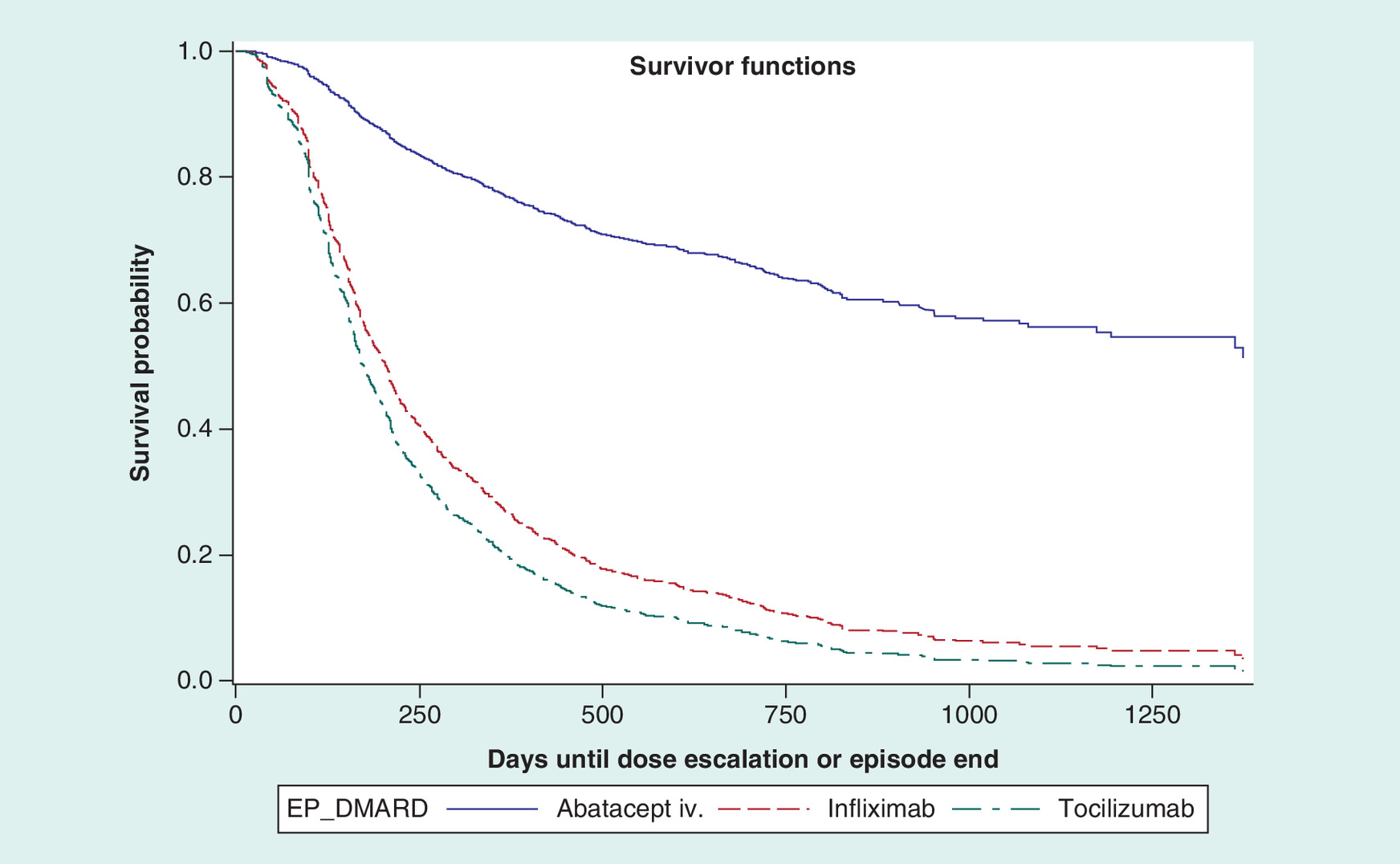
Figure 2. Adjusted dose escalation: first-line initiators of rheumatoid arthritis patients.
EP_DMARD: Episode_disease-modifying antirheumatic drug; iv.: Intravenous.

Figure 3. Adjusted dose escalation: second-line initiators of rheumatoid arthritis patients.
EP_DMARD: Episode_disease-modifying antirheumatic drug; iv.: Intravenous.
In the first-line initiator group, compared with the iv. infliximab (51.2%) and iv. tocilizumab (42.4%) treatment cohorts, 12.1% of patients in the iv. abatacept cohort had a dose escalation (Table 3). Of those iv. abatacept patients who had a dose escalation post treatment, in 10.5% of patients it was due to an increase in paid amount while for 1.6% patients the escalation was defined by an increase in frequency of administration. Similarly, in the second-line initiators, the iv. abatacept cohort had the lowest proportion of patients with dose escalation at 12.4% in comparison with 59.2 and 56.4% patients in the iv. infliximab and iv. tocilizumab cohorts, respectively. In the first-line initiator group, patients treated with iv. tocilizumab dose escalated sooner than patients treated with iv. infliximab or iv. abatacept (181 days [158] vs 252 days [209] and 295 days [267]; Table 3). Likewise, among the second-line initiator groups, patients treated with iv. tocilizumab dose escalated sooner (158 days [156]) than those treated with iv. infliximab (209 days [168]) or iv. abatacept (300 days [268]). Among the patients in the first-line initiator groups, those treated with iv. abatacept and iv. infliximab were persistent to therapy for a greater mean number of days than the patients treated with iv. tocilizumab (326 days [288] and 407 days [305] vs 261 days [197]; Table 3). Similarly, the patients treated with second-line iv. tocilizumab had lower persistence to therapy when compared with those treated with iv. abatacept and iv. infliximab (272 days [208] vs 329 days [280] vs 388 days [306]). The proportion of patients in the first-line initiator groups who switched to a different DMARD was highest in the iv. infliximab cohort (13.3%), followed by those in the iv. abatacept cohort (11.9%) and the lowest in the iv. tocilizumab cohort (5.3%). Among the second-line initiator groups, the proportion of patients switching to another biologic DMARD was lowest in the iv. tocilizumab cohort (12.8%) and comparatively much higher in the iv. abatacept and iv. infliximab cohorts (both 24.0%).
In the first-line initiator groups, after multivariable adjustment for patient demographics and clinical characteristics, patients in the iv. infliximab and iv. tocilizumab cohorts had statistically significantly (all p < 0.01) higher adjusted hazards of dose escalation than patients in the iv. abatacept cohort (Figures 2 & 3 & Table 3). Furthermore, a similar trend was observed in the second-line initiator groups where patients treated with iv. infliximab and iv. tocilizumab had statistically significantly (all p < 0.01) higher adjusted hazards of dose escalation those treated with iv. abatacept.
Impact of dose escalation on biologic costs
Overall in the first-line initiator groups, the unadjusted mean incremental PPPM impacts of dose escalation were much higher for the iv. infliximab (USD$799) and iv. tocilizumab (USD$589) cohorts when compared with that seen in the iv. abatacept cohort (USD$339). Likewise, the unadjusted incremental PPPM costs due to dose escalation among the second-line initiator groups were highest for the iv. infliximab (USD$841) and iv. tocilizumab (USD$690) cohorts in comparison with that incurred by the patients in the iv. abatacept cohort (USD$326).
The mean adjusted incremental PPPM impacts of dose escalation on biologic costs in each cohort are displayed in Figure 4.
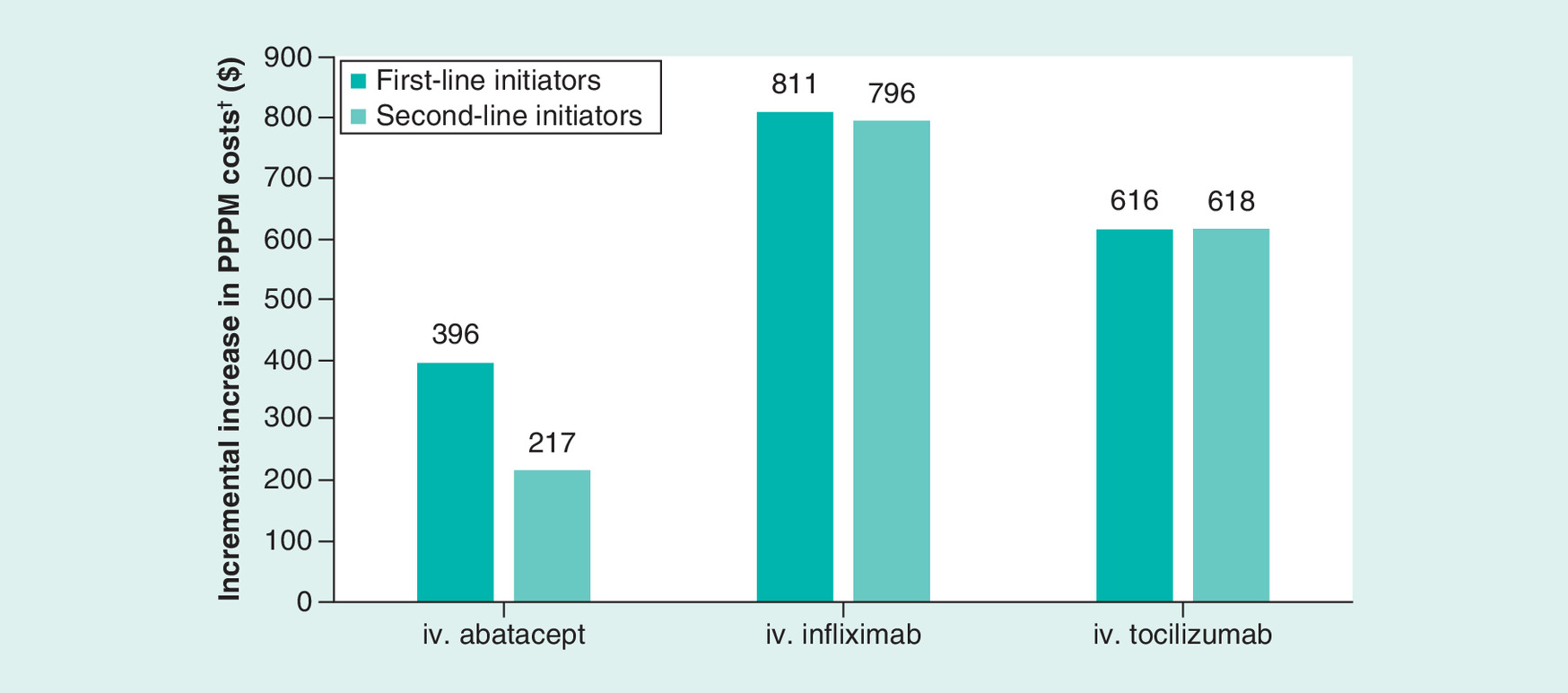
Figure 4. Mean adjusted incremental per-patient per-month impacts of dose escalation on biologic costs of rheumatoid arthritis patients.
†Incremental increase in PPPM costs is adjusted difference between patients who did versus patients who did not experience dose escalation, within a given cohort; all incremental increases were statistically significant at p < 0.01.
iv.: Intravenous; PPPM: Per-patient per-month.
In the first-line initiator group, the incremental PPPM impacts of dose escalation on biologic costs were statistically significant (p < 0.01) for the iv. abatacept (USD$396), iv. infliximab (USD$811) and iv. tocilizumab (USD$616) cohorts, but the magnitude was numerically lowest for the iv. abatacept cohort. Similarly, the incremental PPPM impacts of dose escalation on biologic costs were all statistically significant (p < 0.01) in the second-line initiator group, with the numerically lowest magnitude among the patients of the iv. abatacept cohort (USD$217 vs USD$796 and USD$618 for iv. infliximab and iv. tocilizumab cohorts, respectively).
Discussion
This retrospective study estimated the real-world incidence of biologic dose escalation and the associated costs in patients with RA treated with iv. abatacept, iv. infliximab or iv. tocilizumab among the commercially- and Medicare-insured patients in the USA. The results of this analysis showed that among the first-line and second-line initiator groups, patients treated with iv. infliximab and iv. tocilizumab had significantly higher (both p < 0.01) hazard of dose escalation than patients treated with iv. abatacept. The higher proportion of dose escalation in patients treated with iv. infliximab and iv. tocilizumab is not unexpected because dose escalation is incorporated into their labels. Therefore, if a patient is not responding to these therapies, the dose may be increased prior to considering switching to a different biologic medication. As a result, the duration of therapy or persistence of iv. infliximab and iv. tocilizumab patients may be longer because patients are staying on these medications longer with an escalated dose rather than switching to other biologic medications. Patients not responding to iv. abatacept would have lower incidence of dose escalation since it is not part of the treatment protocol for this biologic medication. Thus, persistence on this medication is shorter. Corresponding to the dose escalation trends, the incremental healthcare PPPM costs for RA patients measured during follow-up were significantly higher among all treatment cohorts in both first-line and second-line initiator groups, but the magnitude of increase was lowest for those treated with iv. abatacept. To our knowledge, this is the first major study which compared both dose escalation and its related healthcare costs among RA patients treated with iv. abatacept, iv. infliximab or iv. tocilizumab.
This study adds to the available literature of data on dose escalation of biologics in RA patients and their related costs [19–21]. This study showed that approximately 50% of patients treated with iv. infliximab and iv. tocilizumab reported a dose escalation compared with about 12% of patients treated with iv. abatacept. In a study by Harrison et al. [10], dose escalation was evaluated among RA patients using their commercial healthcare claims’ data and it was found that during the 12-month observation period, 60% of infliximab patients had a dose escalation. Harrison et al.'s study defined dose escalation as any consequent dose that is 10% greater than the index dose; this may explain the higher rates reported in that study compared with the current analysis. Similarly, recent studies have also shown infliximab to have higher rates of dose escalation compared with other TNF blockers like etanercept, adalimumab, abatacept, tocilizumab and golimumab [13,19–20,22]. The rates of dose escalation and the hazards of dose escalation reported in this study have been lowest for abatacept, which is consistent with the results reported in previous studies [20,23].
Dose escalation is a key outcome owing to its association with costs and the similar proportion of patients reporting clinical improvements with increased dose. An understanding of the relative magnitude of biologic costs with an increase in dose escalation has been attempted in some recent studies [10,20,24]. Analogous to the findings of the previous studies [20,22–23], this study showed that RA patients treated with either first-line or second-line iv. infliximab and iv. tocilizumab incurred significantly higher (p < 0.01) biologic costs compared with those treated with iv. abatacept; with the incremental costs associated with dose escalation ranging between USD$550 and USD$900 PPPM for the patients infused with iv. infliximab or iv. tocilizumab, compared with less than USD$400 PPPM incurred by patients treated with iv. abatacept. It is important to note that differences in study design, population, study time frame, and lack of consistent definitions of dose escalation and the components of healthcare costs limit the ability to directly compare the current dose escalation and cost estimates to those reported previously [19–21,23].
This study has limitations inherent to administrative claims’ data. Administrative claims’ data lack clinical information, such as, RA-related symptoms and disease activity. Furthermore, certain patient characteristics, such as weight and body mass, are not reported. As a result, dose escalation in products with weight-based dosing regimens employs an algorithm used in prior administrative claims’ database publications [6,10,16,18–19,22–23]. The diagnosis of RA and clinical characteristics were determined using ICD-9-CM diagnosis codes, which are subject to data coding limitations and data entry error. The use of over-the-counter medications and other self-management techniques is not usually captured in the claims’ data. As a result, this analysis is limited in its ability to fully control for differences in RA severity that may influence treatment choices and outcomes. By design, this analysis was conducted at the treatment episode level such that patients could be evaluated across multiple episodes; nonbiologic episodes were not evaluated and warrant further consideration. Finally, findings from this study may be prone to bias from nonrandom selection into the treatment group and was limited to RA patients covered by Commercial and Medicare health plans; therefore, the results may not be generalizable to RA patients who are insured through mechanisms other than commercial insurance or who are uninsured.
A notable strength of our study is that it included a large cohort of RA patients to evaluate the dose escalation trends and the associated biologic costs. Additionally, this study provides a current cost trend for RA patients treated with iv. abatacept, iv. infliximab and iv. tocilizumab, and is the first to analyze the rates and hazards of dose escalation in both first-line and second-line treatment groups.
Conclusion
In summary, the results from this real-world study found that, after multivariate adjustment, compared with iv. infliximab and iv. tocilizumab patients, RA patients treated with first-line or second-line iv. abatacept were least likely to escalate doses and had the lowest incremental impact of dose escalation on biologic cost.
Dose escalation of intravenous biologic agents can lead to an associated increase in costs in the treatment of rheumatoid arthritis patients.
Rheumatoid arthritis patients initiating intravenous abatacept were least likely to escalate dose and had lowest incremental impact of dose escalation on cost compared with patients with intravenous infliximab or intravenous tocilizumab.
Financial & competing interests disclosure
This study was funded by Bristol-Myers Squibb, NJ, USA and conducted by Truven Health Analytics, MA, USA. All listed authors meet the criteria for authorship set forth by the International Committee for Medical Journal Editors. R Fowler, D McMorrow and D Smith are employees of Truven Health Analytics. Truven Health Analytics received compensation from Bristol-Myers Squibb for the overall conduct of the study and preparation of this manuscript. C Patel and A Nadkarni are employees of Bristol-Myers Squibb. The authors have no other relevant affiliations or financial involvement with any organization or entity with a financial interest in or financial conflict with the subject matter or materials discussed in the manuscript apart from those disclosed.
Editorial/writing assistance for this manuscript was provided by K Thelakkat who was compensated by Truven Health Analytics.
Ethical conduct of research
The authors state that they have obtained appropriate institutional review board approval or have followed the principles outlined in the Declaration of Helsinki for all human or animal experimental investigations. In addition, for investigations involving human subjects, informed consent has been obtained from the participants involved.
References
Papers of special note have been highlighted as: • of interest; •• of considerable interest
1.
Scott DL, Wolfe F, Huizinga TW. Rheumatoid arthritis. Lancet 376(9746), 1094–1108 (2010).
2.
Gibofsky A. Epidemiology, pathophysiology, and diagnosis of rheumatoid arthritis: a synopsis. Am. J. Manag. Care 20(Suppl. 7), s128–s145 (2014).
3.
Smolen JS, Landewe R, Breedveld FC et al. EULAR recommendations for the management of rheumatoid arthritis with synthetic and biological disease-modifying antirheumatic drugs. Ann. Rheum. Dis. 69(6), 964–975 (2010).
4.
Combe B, Landewe R, Lukas C et al. EULAR Recommendations for the Management of Early Arthritis: Report of a Task Force of the European Standing Committee for International Clinical Studies Including Therapeutics (ESCISIT). Ann. Rheum. Dis. 66, 34–45 (2007).
5.
Yazici Y, Shi N, John A. Utilization of biologic agents in rheumatoid arthritis in the United States: analysis of prescribing patterns in 16,752 newly diagnosed patients and patients new to biologic therapy. Bull. NYU Hosp. Jt. Dis. 66(2), 77–85 (2008).
6.
Grijalva CG, Chung CP, Stein CM, Mitchel EF, Griffin MR. Changing patterns of medication use in patients with rheumatoid arthritis in a Medicaid population. Rheumatology (Oxford) 47(7), 1061–1064 (2008).
7.
DeWitt EM, Lin L, Glick HA, Anstrom KJ, Schulman KA, Reed SD. Pattern and predictors of the initiation of biologic agents for the treatment of rheumatoid arthritis in the United States: an analysis using a large observational data bank. Clin. Ther. 31(8), 1871–1880 (2009).
8.
Smolen JS, Landewé R, Breedveld FC et al. EULAR recommendations for the management of rheumatoid arthritis with synthetic and biological disease-modifying antirheumatic drugs: 2013 update. Ann. Rheum. Dis. 73(3), 492–509 (2014).
9.
Senolt L, Vencovský J, Pavelka K et al. Prospective new biological therapies for rheumatoid arthritis. Autoimmun. Rev. 9(2), 102–107 (2009).
10.
Harrison DJ, Huang X, Globe D. Dosing patterns and costs of tumor necrosis factor inhibitor use for rheumatoid arthritis. Am. J. Health Syst. Pharm. 67(15), 1281–1287 (2010).
• An often-cited analysis combining both treatment patterns and costs in rheumatoid arthritis (RA) biologics.
11.
Moots RJ, Haraoui B, Matucci-Cerinic M et al. Differences in biologic dose-escalation, nonbiologic and steroid intensification among three anti-TNF agents: evidence from clinical practice. Clin. Exp. Rheumatol. 29(1), 26–34 (2011).
12.
Punzi L, Matucci Cerinic M, Cantini F et al. Treatment patterns of anti-TNF agents in Italy: an observational study. Reumatismo 63(1), 18–28 (2011).
13.
Neubauer S, Cifaldi M, Mittendorf T et al. Biologic TNF inhibiting agents for treatment of rheumatoid arthritis: persistence and dosing patterns in Germany. Health Econ. Rev. 4(1), 32 (2014).
14.
Fautrel B, Verstappen SM, Boonen A. Economic consequences and potential benefits. Best Pract. Res. Clin. Rheumatol. 25(4), 607–624 (2011).
15.
Singh JA, Furst DE, Bharat A et al. 2012 update of the 2008 American College of Rheumatology recommendations for the use of disease-modifying antirheumatic drugs and biologic agents in the treatment of rheumatoid arthritis. Arthritis Care Res. (Hoboken) 64(5), 625–639 (2012).
16.
Johnston SS, McMorrow D, Farr AM et al. Comparison of Healthcare Costs Between Rheumatoid Arthritis Patients Treated with Infused Biologics After Switching from Another Biologic. Drugs Real World Outcome 2(1), 99–109 (2015).
17.
Wu E, Chen L, Birnbaum H, Yang E, Cifaldi M. Cost of care for patients with rheumatoid arthritis receiving TNF-antagonist therapy using claims data. Curr. Med. Res. Opin. 23(8), 1749–1759 (2007).
• An early analysis directly comparing RA biologic costs using real-world administrative claims’ data.
18.
Schabert VF, Watson C, Joseph GJ et al. Costs of tumor necrosis factor blockers per treated patient using real-world drug data in a managed care population. J. Manag. Care Pharm. 19(8), 621–630 (2013).
19.
Bonafede MM, Gandra SR, Fox KM et al. Tumor necrosis factor blocker dose escalation among biologic naive rheumatoid arthritis patients in commercial managed-care plans in the 2 years following therapy initiation. J. Med. Econ. 15(4), 635–643 (2012).
• Extension of prior analyses combining both treatment patterns and costs in RA biologics but focused on the cost perspective of health plans.
20.
Sangiorgi D, Benucci M, Nappi C et al. Drug usage analysis and health care resources consumption in naive patients with rheumatoid arthritis. Biologics 9, 119–127 (2015).
21.
Sauer BC, Teng CC, He T et al. Effectiveness and costs of biologics in veterans with rheumatoid arthritis. Am. J. Pharm. Benefits 7(6), 280–289 (2015).
22.
Wu N, Bhurke S, Shah N et al. Application of a validated algorithm to estimate the effectiveness and cost of biologics for rheumatoid arthritis in the US pharmacy benefit manager context. Clinicoecon. Outcomes Res. 7, 257–266 (2015).
23.
Bonafede M, Johnson BH, Princic N et al. Cost per patient-year in response using a claims-based algorithm for the 2 years following biologic initiation in patients with rheumatoid arthritis. J. Med. Econ. 18(5), 376–389 (2015).
•• Adaptation of a validated RA effectiveness algorithm to administrative claims that incorporates changes in treatment response over the first 2 years of treatment.
24.
Gu NY, Huang XY, Fox KM et al. Claims data analysis of dosing and cost of TNF antagonists. Am. J. Pharm. Benefits 2(6), 351–359 (2010).
Information & Authors
Information
Published In
Copyright
© 2017 Future Medicine Ltd.
History
Published online: 9 August 2017
Keywords:
Topics
Authors
Metrics & Citations
Metrics
Article Usage
Article usage data only available from February 2023. Historical article usage data, showing the number of article downloads, is available upon request.
Citations
How to Cite
Incidence of dose escalation and impact on biologic costs among patients with rheumatoid arthritis treated with three intravenous agents. (2017) Journal of Comparative Effectiveness Research. DOI: 10.2217/cer-2016-0090
Export citation
Select the citation format you wish to export for this article or chapter.