

The economic value of rapid deployment aortic valve replacement via full sternotomy
Abstract
Aim: To compare the economic value of EDWARDS INTUITY Elite™ (EIE) valve system for rapid-deployment aortic valve replacement (RDAVR) in a full sternotomy (FS) approach (EIE-FS-RDAVR) versus FS-AVR using conventional stented bioprosthesis. Data & methods: A simulation model to compare each treatment's 30-day inpatient utilization and complication rates utilized: clinical end points obtained from the TRANSFORM trial patient subset (EIE-FS-RDAVR) and a best evidence review of the published literature (FS-AVR); and costs from the Premier database and published literature. Results: EIE-FS-RDAVR costs $800 less than FS-AVR per surgery episode attributable to lowered complication rates and utilization. Combined with the lower mortality, EIE-FS-RDAVR was a superior (dominant) technology versus FS-AVR. Conclusion: This preliminary investigation of EIE-FS-RDAVR versus conventional FS-AVR found the EIE valve offered superior economic value over a 30-day period. Real-world analyses with additional long-term follow-up are needed to evaluate if this result can be replicated over a longer timeframe.
First draft submitted: 15 September 2016; Accepted for publication: 27 January 2017; Published online: 4 April 2017
Approximately 67,500 surgical aortic valve replacement (AVR) procedures are performed annually in the USA for treating symptomatic aortic stenosis [1]. Conventional AVR performed via full sternotomy (FS-AVR) has been the gold standard since the 1960s and has proven to be safe and effective over time [2]. However, since a minimally invasive surgical (MIS) approach was first reported in mid-1990s, multiple studies reported several lower trauma-related benefits including decreased postoperative pain and ventilation time, less blood loss, faster sternal stability and recovery, cosmetic advantages and quicker discharge [3–5]. Despite these advantages, MIS-AVR has not gained widespread clinical application [6]. This has been partly attributed to the technically more challenging nature of accessing and deploying a prosthetic aortic valve through a smaller incision. The increased complexity may prolong procedural times [4], which may increase major postoperative morbidity and mortality [7], thus reducing the benefits of the MIS approach [2]. Because MIS procedural efficiency has yet to be mastered by the general cardiovascular surgeon population, FS-AVR has remained the most frequently performed approach given its ample visibility and exposure to the vessels.
Advancements in bioprosthetic valve design led to rapid deployment AVR (RDAVR). One such technology is the recently US FDA-approved EDWARDS INTUITY Elite™ (EIE) valve system (Edwards Lifesciences LLC, CA, USA). The valve system consists of: a trileaflet bovine pericardial bioprosthesis; a delivery system including a cloth-covered skirt frame at the inflow aspect; and a balloon catheter to deploy the valve after placement within the aortic annulus. Unlike the conventional valves that require a time-consuming implantation of 12–16 pledgeted sutures, EIE valves involve placement of three equidistant figure-of-eight or mattress guiding nonpledgeted sutures. Found to be safe and efficacious in both the MIS-AVR and FS-AVR approaches, the EIE Valve system was found to facilitate lower cross-clamp, bypass and operative times compared with their FS-AVR's counterparts. This, in turn, may be associated with the potential benefits of shorter hospital stays, faster recovery and improvements in morbidity and mortality outcomes [8]. With rapidly escalating healthcare expenditures, and the US hospitals’ and policymakers’ increased focus on cost containment while enhancing and improving patient care, it is vital to formally assess the economic impact and comparative value of innovations such as the EIE valve system. Hence, this study performed an economic evaluation of the EIE valve system's RDAVR via FS (EIE-FS-RDAVR) versus the FS-AVR approach involving standard prosthetic aortic valves.
Data & methods
Using TreeAge Pro 2015 analysis software (TreeAge Software Inc., MA, USA), we constructed and analyzed a cost simulation model comparing the inpatient utilization and complication treatment costs for EIE-FS-RDAVR versus FS-AVR. Figures 1 & 2 elaborate on the model scaffold and the clinical and economic outcomes examined for each of the two procedure arms, respectively. The model focuses on the surgery hospitalization and a subsequent 30-day follow-up time horizon. The model was rebuilt using Microsoft Excel for validation purposes.
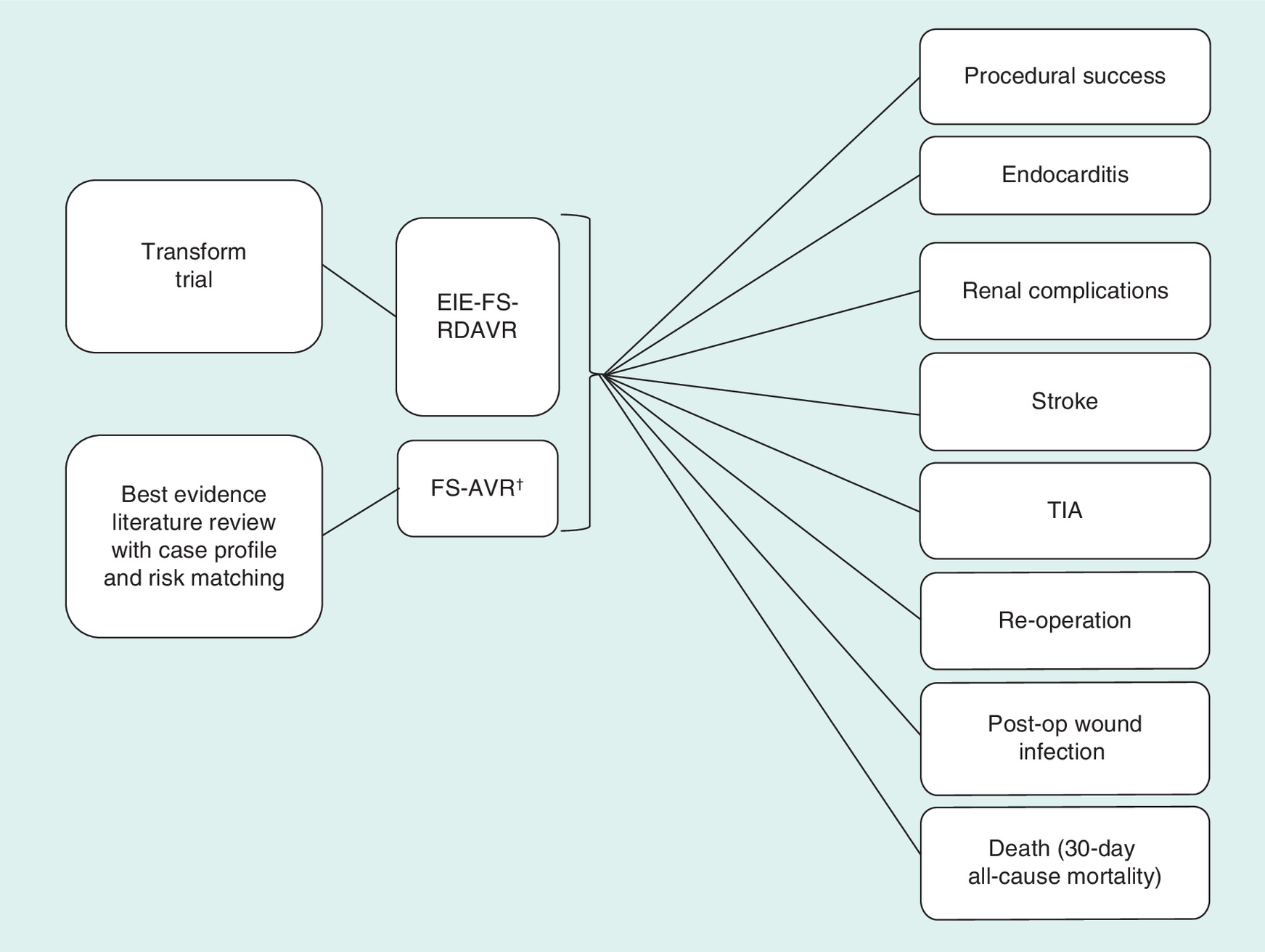
Figure 1. Model scaffold – clinical outcomes.
†The MISAVR and CAVR cohorts have the same clinical outcomes as the MIS-RDAVR arm.
EIE-FS-RDAVR: Edwards INTUITY Elite full sternotomy rapid deployment aortic valve replacement; FS-AVR: Full sternotomy (conventional) aortic valve replacement; TIA: Transient ischemic attack.
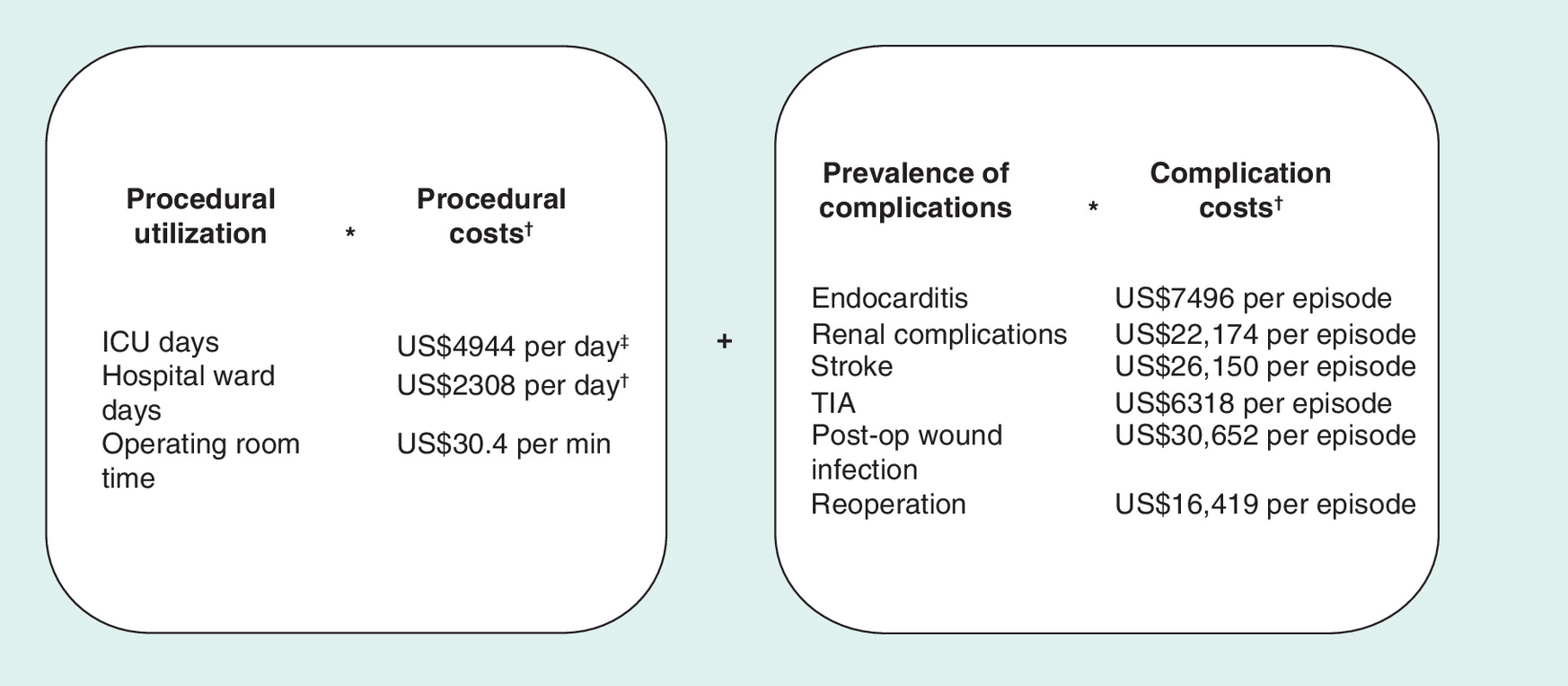
Figure 2. Model scaffold – expected cost calculations.
Clinical end points
Clinical end point estimates for the EIE-FS-RDAVR arm were derived from the 30-day outcomes of the subset of 211 TRANSFORM™ trial patients undergoing an isolated FS-AVR with the EIE valve system. The TRANSFORM trial was a prospective, nonrandomized, multicenter trial that enrolled up to 950 subjects at 29 centers across the USA.
Clinical end points for the FS-AVR arm were estimated after we conducted a best evidence review of the published literature. Thirty-one studies were chosen that satisfied the following inclusion criteria : (1) English language publications from 2003–2015; (2) adult subjects (≥18 years of age) who received isolated or concomitant FS-AVR; (3) reported one or more of the outcomes of interest: cross-clamp, skin-to-skin and/or operating room times, complications (endocarditis, renal failure, stroke, transient ischemic attack [TIA], bleeding leading to reoperation, and/or postoperation sternal wound infection), ICU and/or hospital length of stay (LOS). Studies were excluded if they involved : (1) endovascular AVR or transcatheter (transapical) AVR surgeries; (2) AVR done in conjunction with aortic root replacement; (3) only pediatrics; (4) in vitro, animal, or cadaver research; (5) percutaneous AVR; (6) valve-in-valve operations and (7) case reports, commentaries and editorials. Individual parameter estimates obtained from all the studies meeting the inclusion criteria (n = 31) were then pooled and weighed by their respective sample sizes (see Tables 1 & 2). These weighed average estimates were then used in the simulation model as parameters for the standard FS-AVR arm. To check for clinical comparability of the FS-AVR population and the TRANSFORM trial subset, we examined the demographic and comorbid risk profiles of EIE-FS-RDAVR patients in TRANSFORM versus the literature-derived cohort. While quite similar on the preoperative characteristics, the TRANSFORM patients were slightly older and had a higher rate of co-morbidities. Average age for the EIE-FS-RDAVR TRANSFORM and FS-AVR patients was 73 and 67 years, respectively. Additionally, TRANSFORM patients’ Society of Thoracic Surgeons scores – predictive of perioperative mortality [11] – were found to be higher relative to FS-AVR (2.3 vs 1.5). TRANSFORM patients also had a modestly higher percentage of patients with prior cardiac surgery (22 vs 17%), diabetes (40 vs 19%), hypertension (92 vs 67%), peripheral arterial disease (14 vs 9%) and/or renal failure (10 vs 7%) versus FS-AVR with the exception of NYHA Class III/IV (32.4 vs 41%). Overall, with the TRANSFORM cohort being older and sicker with a higher proportion of comorbidities and Society of Thoracic Surgeons score, any potential bias would lead to conservative model estimates when compared with FS-AVR (e.g., higher costs).
Cost data
The EIE valve system was estimated to cost an additional US$3000–6000 over the standard prosthetic valves (Edwards Lifesciences LLC, CA, USA). The highest price point (US$6000) was used as the baseline cost estimate keeping in line with the conservative approach of the study. Adverse event cost data for this analysis were taken from the 2012 Premier hospital database to be representative of a hospital perspective. The Premier database contains data from approximately 500 hospitals across the USA involving more than 310 million patients who receive treatment each year through their healthcare alliance members. It is representative of one in every five discharges in the nation and is the nation's largest hospital-level clinical and financial comparative database. Published literature estimates were used to populate the resource use-related cost estimates. Figure 2 depicts how episode costs from the Premier database and published literature were combined with utilization measures and complication rates to obtain expected costs. These costs were then converted to 2016 dollars using the 2016 Medical Care Component of the Consumer Price Index.
Incremental costs
The model estimated the incremental cost difference between EIE-FS-RDAVR and FS-AVR by accounting for the additional cost of the EIE valve (relative to the standard valve) and the cost differences in treating the adverse events of interest. The change in life years was estimated as the difference in mortality rate between EIE-FS-RDAVR and FS-AVR multiplied by the life expectancy of the individual. Consistent with a previous analysis, we assumed an average life expectancy of 11 years for surgical AVR individuals in this population [42,43]. The Likosky study, besides finding comparable long-term survivorships between AVR patients and a general population of similar age, also found that this survival varied little and was not contingent on the type of AVR surgery. Given this evidence, we assumed that long-term survival was identical across the two treatment groups.
Sensitivity analysis
To gauge the robustness of the results, one-way sensitivity analyses were performed by varying the model parameters by ± 25% from their baseline values and calculating the incremental cost difference between EIE-FS-RDAVR and FS-AVR. A tornado diagram was generated to visually demonstrate the impact of individual model parameter values (Figure 3).
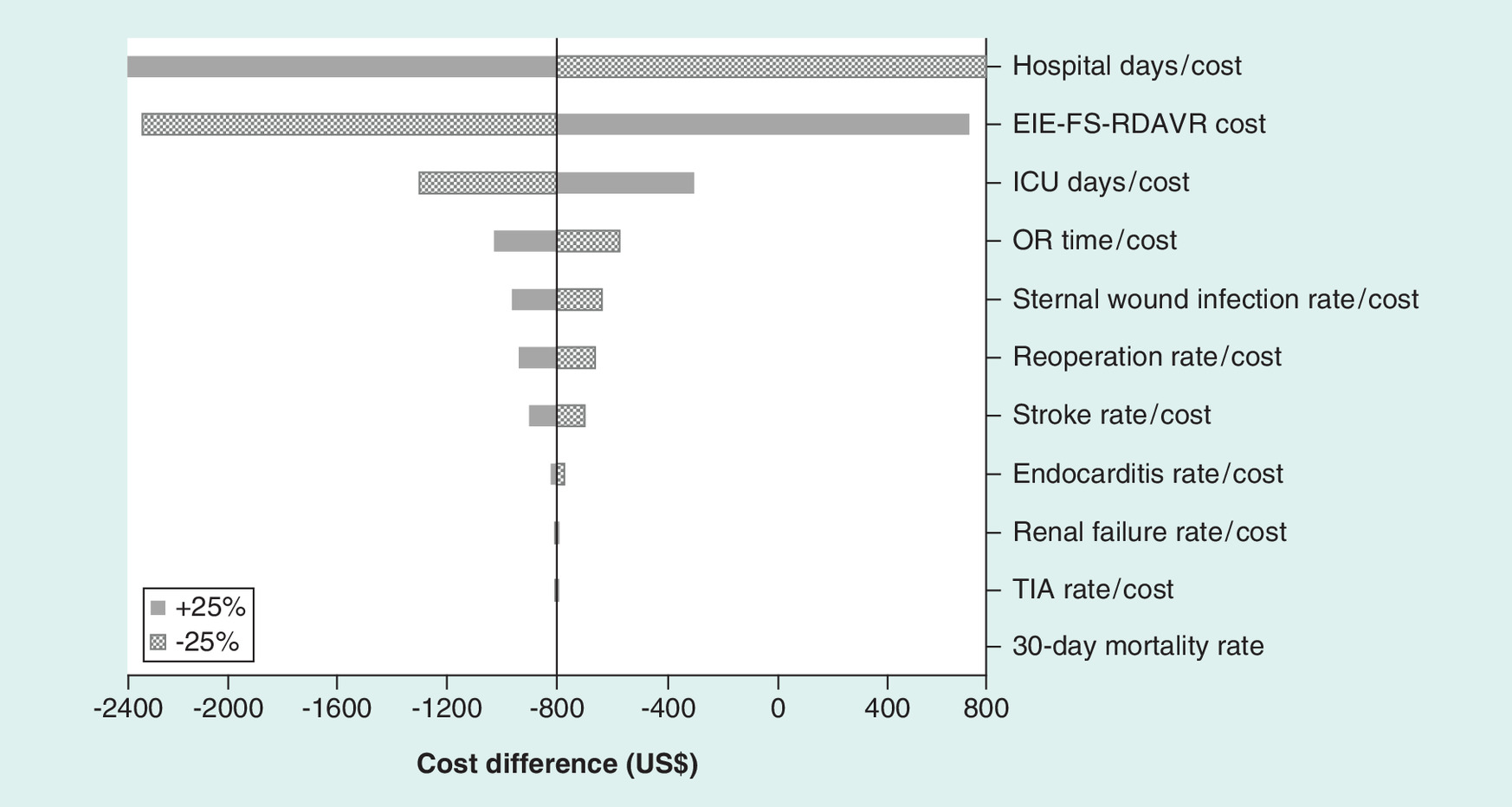
Figure 3. One-way sensitivity analysis results – tornado diagram.
EIE-FS-RDAVR: Edwards INTUITY Elite™ full sternotomy rapid deployment aortic valve replacement; FS-AVR: Full sternotomy (conventional) aortic valve replacement; ICU: Intensive care unit; OR: Operating room; TIA: Transient ischemic attack.
A 5000 trial Monte-Carlo probabilistic sensitivity analyses was also performed. For the FS-AVR arm, a normal and beta distributions were assumed for the utilization and complication estimates, respectively, based on published evidence [44]. The sample-size weighted mean and standard deviation will be used as the distribution parameters. Given that there was a single source (TRANSFORM trial) for the EIE-FS-RDAVR clinical outcomes data, we lacked data on dispersion to help generate detailed distributions for this arm. To address this issue, we assumed that the EIE-FS-RDAVR parameters followed the same distribution as their corresponding FS-AVR parameters and had the same standard deviation as well, with the TRANSFORM trial point estimates replacing their corresponding values from the FS-AVR arm. Thus, for each parameter in the EIE-FS-RDAVR arm, the distribution was shifted to the right or left of the distribution for its corresponding FS-AVR parameter, depending on whether its value was higher or lower than the FS-AVR value. The proportion of simulated trials for which EIE-FS-RDAVR demonstrated economic value (i.e., cost savings or cost–effectiveness) versus FS-AVR was estimated.
Results
Adverse events & mortality rates
Adverse event and mortality rates for each of the three procedures are provided in Table 2. Compared with FS-AVR, EIE-FS-RDAVR had lower rates of endocarditis (0 vs 1.2%), stroke (0.6 vs 2.1%), reoperations (0.6 vs 4.0%), postoperative wound/thoracic infection (0.6 vs 2.7%) and mortality (0 vs 2.8%). In contrast, EIE-FS-RDAVR had slightly higher rates of renal complications (4.4 vs 4.3%) and TIAs (1.1 vs 0.8%).
Hospital resource utilization
Utilization measures by procedure type are also provided in Table 2. Time spent in the operating room and cross-clamp time were lower for EIE-FS-RDAVR (168.7 and 50.3 min) in comparison to FS-AVR (198.4 and 68.4 min). ICU days were marginally higher for the EIE-FS-RDAVR versus FS-AVR (2.9 vs 2.5 days), but hospital ward (length of stay) days were lower (7.2 vs 9.9 days).
Expected costs
EIE-FS-RDAVR costs US$800 less per surgery than FS-AVR while generating more life years gained (Table 3). As such, EIE-FS-RDAVR may be considered a superior (dominant) technology relative to FS-AVR.
Sensitivity analysis
One-way sensitivity analyses demonstrated that the EIE-FS-RDAVR retained its economic value in comparison to FS-AVR and that these results were robust. These results were found to be most sensitive to hospital ward days and/or costs and the cost of the EIE valve (see Figure 3). In the probabilistic sensitivity analysis, cost savings were observed in 52.0% of the Monte Carlo simulations, indicating that EIE-FS-RDAVR was a dominant treatment strategy. Of the remaining 48.0% of simulations where EIE-FS-RDAVR costs were higher than FS-AVR, the incremental cost per life year gained (incremental cost–effectiveness ratio; ICER) was <$50,000 in 66.4% of the cases and <US$100,000 94.8% of the time. Thus, probabilistic sensitivity analysis revealed that EIE-FS-RDAVR conferred superior economic value (either dominant or cost–effective) in 83.8–97.5% of the simulations, depending on the threshold.
Discussion
An estimated 4.4–5.2 million adults (1.8%) in the USA have an aortic valve disease diagnosis [45]. Its prevalence increases with age, from 2.5% at 75 years to 8.1% at 85 years [46]. Left untreated, disease progression is rapid and fatal with a mean survival time of only 1.5–3 years past diagnosis [42]. Elective FS-AVR performed through FS has been deemed a safe procedure since it carries low morbidity and short/long-term mortality rates. Specifically, multiple studies found AVR to be associated with favorable long-term survivorship, with average times ranging between 6.2 and 11.2 years postsurgery depending on age [42,47]. As such, AVR (isolated or concomitant with coronary artery bypass graft surgery) remains an effective treatment for this diseased population. However, medical and technological advancements have led to improved life expectancy culminating in an era of an aging population. For instance, septuagenarians and octogenarians are projected to double and triple in size, respectively, by 2050 from their current numbers [48]. Therefore, it is safe to assume that the prevalence of aortic valve disease and the subsequent need for AVR will grow. New technologies for performing AVR hold the possibility of improving safety and outcomes while controlling costs. But these technologies must be evaluated carefully to understand their potential clinical and economic value.
The present study is, to our knowledge, the first economic evaluation comparing the value of using EIE-FS-RDAVR in place of the standard aortic valve via a FS-AVR procedure. The results suggest that the EIE-FS-RDAVR is associated with cost savings of $800 per surgery (when figured using the high end of the incremental cost range) for every hospitalized patient within a 30-day follow-up time horizon. While these savings can be primarily attributable to the reduced LOS and lower complication rates, EIE-FS-RDAVR also advances the care of FS-AVR patients by facilitating a faster deployment. The probabilistic sensitivity analysis results indicate that in Monte-Carlo trial simulations numbering, EIE-FS-RDAVR was either cost-saving or cost–effective in 83.8% (ICER <US$50,000) to 97.5% (ICER <US$100,000) of the cases, thus conferring a superior economic value compared with the standard FS-AVR over a 30-day period. Recent surveys suggest that the average US retirement age has been rising modestly over the past few decades [49]. Therefore, an earlier hospital discharge in this patient population could potentially indicate an accelerated path toward recovery, and returning to work time and routine life activities and is therefore suggestive of societal benefits that go beyond the costs measured in this study. This is of course under the presumption that the currently observed short-term benefits would persist over a longer follow-up time.
Limitations
We acknowledge there are several limitations to the current study. Because FS-AVR-specific outcomes were not available from the TRANSFORM trial itself, the comparative parameters were generated from the published literature and represented a mix of controlled trial and real-world experiences, a broader range of settings and with more experience on average. Furthermore, owing to the literature-driven comparison, it was difficult to account for any patient selection biases and other unmeasured differences. For example, the use of mechanical valves (while unlikely in these age cohorts) would have necessitated the use of perioperative anticoagulation therapy which may have subsequently impacted the incidence rates of TIA and stroke. While the downstream impact of this argument may have had a bidirectional influence on the cost comparison, assessing the actual impact of these kinds of preoperative differences on our outcomes of interest was outside the scope of the current study protocol. However, the FS-AVR cohort's overall patient characteristics were found to be similar, albeit slightly healthier than the TRANSFORM trial study population, which may have led to conservative incremental cost estimates of EIE-FS-RDAVR. Second, while the most common and prevalent adverse events associated with AVRs were considered in this analysis, there were some potentially infrequent relevant adverse events (e.g., pneumonia) that could not be included due to data limitations. A randomized, controlled trial comparing EIE-FS-RDAVR with FS-AVR would need to be conducted to fully address this concern. In addition, this economic evaluation can only be deemed as a preliminary investigation since it utilized only the 30 days post-AVR outcomes owing to the paucity of data. Further follow-up is needed to explore the durability and performance (clinical and economic) of EIE-FS-RDAVR and to evaluate if the short-term trends are replicated over a longer time period.
Conclusion
The EDWARDS INTUITY Elite valve system™ rapidly deployed in a FS-AVR procedure appears to achieve cost savings and, therefore, superior economic value while simultaneously advancing the overall care of FS-AVR patients over a 30-day postoperative period. The observed cost savings were found to be robust and attributable to lower complication rates (e.g., reoperation, postoperative wound infection, stroke and endocarditis) and utilization (e.g., cross-clamp and operating room times, and hospital stay). Additional studies and ‘real-world’ analyses with a focus on the long-term performance of the valve are required to further understand the potential value of the EIE valve system in this procedure. It is essential that these preliminary short-term trends be evaluated for replication over a longer time horizon.
| Model parameters | FS-AVR (range) | Ref. |
|---|---|---|
| Adverse events | ||
| Endocarditis | 0.4–4.9 | [12,13] |
| Renal complications | 0–16.7 | [2,12–21] |
| Stroke | 0–7.23 | [2,12–13,15–20,22–30] |
| TIA | 0.5–2 | [18,24,31] |
| Reoperation | 0–16.6 | [14,16–21,23–35] |
| Postoperation wound infection | 0–14.3 | [2,12–14,16–18,21–22,24–27,30–31,33–37] |
| Mortality rate | ||
| 30-day mortality | 1–4.9 | [2,13,16,20,25,27–28,34] |
| Utilization measures | ||
| Operating room (minutes) | 146.4–286.9 | [2,14–15,20,27,32,35–38] |
| Operating room CCT (minutes) | 33.5–89.5 | [2,12–18,20–21,24–40] |
| ICU days | 0.92–5.66 | [12,14,16,18–20,22–23,27–28,31–38,41] |
| Hospital ward days | 6–17.7 | [12–13,18,22–23,27–28,31–38,41] |
FS-AVR: Full sternotomy (conventional) aortic valve replacement; ICU: Intensive care unit; TIA: Transient ischemic attack.
| Model parameters | EIE-FS-RDAVR | FS-AVR |
|---|---|---|
| Adverse event rates (%) | ||
| Endocarditis | 0 | 1.2 ± 1.1 |
| Renal complications | 4.4 | 4.3 ± 2.1 |
| Stroke | 0.6 | 2.1 ± 1.4 |
| TIA | 1.1 | 0.8 ± 0.9 |
| Reoperation | 0.6 | 4.0 ± 2.0 |
| Postoperation wound infection | 0.6 | 2.7 ± 1.6 |
| Mortality rate (%) | ||
| 30-day mortality | 0 | 2.8 ± 1.7 |
| Utilization measures | ||
| Operating room (minutes) | 168.7 | 198.4 ± 14.2 |
| Operating room CCT (minutes) | 50.3 | 68.4 ± 8.3 |
| ICU days | 2.9 | 2.5 ± 1.6 |
| Hospital ward days | 7.2 | 9.9 ± 3.1 |
CCT: Cross-clamp time; EIE-FS-RDAVR: Edwards INTUITY Elite™ full sternotomy rapid deployment aortic valve replacement; FS-AVR: Full sternotomy (conventional) aortic valve replacement; ICU: Intensive care unit; TIA: Transient ischemic attack.
| Per patient | EIE-FS-RDAVR† | FS-AVR |
|---|---|---|
| Expected costs | US$43,568 | US$44,368 |
| Expected benefits: life years gained vs FS-AVR | 0.308 | – |
†Incremental cost of EIE valve was assumed to be US$6000.
EIE-FS-RDAVR: Edwards INTUITY Elite™ full sternotomy rapid deployment aortic valve replacement; FS-AVR: Full sternotomy (conventional) aortic valve replacement.
EDWARDS INTUITY Elite™ full sternotomy rapid deployment aortic valve replacement (EIE-FS-RDAVR) cost per each episode of care was US$800 less than FS-AVR.
The observed cost savings were attributable to lower complication rates (e.g., reoperation, postoperative wound infection, stroke and endocarditis) and utilization (e.g., cross-clamp and operating room times, and length of stay) during the 30-day follow-up period.
One-way sensitivity analysis found that the results were most sensitive to hospital stay and/or costs and the EIE valve cost.
In the probabilistic sensitivity analysis, EIE-FS-RDAVR was found to be either dominant or cost–effective in 97.5% of the simulation scenarios.
The TRANSFORM trial's subpopulation was slightly less healthy than the FS-AVR cohort's weighted demographic and comorbid characteristics which may have led to conservative cost estimates in the current analysis.
With the older adult population projected to double and triple in size in the next few decades, the need for AVR is expected to grow. As such, cost-saving technologies need to be prioritized to curtail the escalating healthcare expenditures.
Financial & competing interests disclosure
This study was sponsored by Edwards Lifesciences. M Moore is an employee of Edwards Lifesciences. WR Chitwood is a consultant to Edwards Lifesciences. GR Barnhart, is a consultant for AtriCure, Inc., Edwards Lifesciences and On-X Life Technologies. EA Grossi is a consultant to and holds intellectual property with Edwards Lifesciences and Medtronic. C Gunnarsson and SR Palli are employees and J Rizzo is a consultant to CTI Clinical Trial and Consulting Services, Inc., which is a paid consultant to Edwards Lifesciences. The authors have no other relevant affiliations or financial involvement with any organization or entity with a financial interest in or financial conflict with the subject matter or materials discussed in the manuscript apart from those disclosed.
No writing assistance was utilized in the production of this manuscript.
Ethical conduct of research
All data used to perform this analysis were deidentified and accessed in compliance with the Health Insurance Portability and Accountability Act. As a retrospective analysis of a deidentified database, the research was exempt from IRB review under 45 CFR 46.101(b)(4). The research was conducted according to the principles of the Declaration of Helsinki.
Open access
This work is licensed under the Attribution-NonCommercial-NoDerivatives 4.0 Unported License. To view a copy of this license, visit http://creativecommons.org/licenses/by-nc-nd/4.0/
References
Papers of special note have been highlighted as: • of interest; •• of considerable interest
1.
Clark MA, Duhay FG, Thompson AK et al. Clinical and economic outcomes after surgical aortic valve replacement in Medicare patients. Risk Manag. Healthcare Pol. 5, 117–126 (2012).
2.
Borger MA, Moustafine V, Conradi L et al. A randomized multicenter trial of minimally invasive rapid deployment versus conventional full sternotomy aortic valve replacement. Ann. Thorac. Surg. 99(1), 17–25 (2015).
• One of the earliest papers that reported the hemodynamic benefits of rapid-deployment aortic valve replacement (RDAVR) versus full sternotomy (conventional) aortic valve replacement (FS-AVR) using a conventional stented bioprosthesis. Although the aortic valve replacement (AVR) was conducted via a minimally invasive approach, the paper details the design and concept of the valve used for RDAVR.
3.
Bonacchi M, Prifti E, Giunti G, Frati G, Sani G. Does ministernotomy improve postoperative outcome in aortic valve operation? A prospective randomized study. Ann. Thorac. Surg. 73(2), 460–465; discussion 465–466 (2002).
4.
Brown ML, Mckellar SH, Sundt TM, Schaff HV. Ministernotomy versus conventional sternotomy for aortic valve replacement: a systematic review and meta-analysis. J. Thorac. Cardiovasc. Surg. 137(3), 670–679, e675 (2009).
5.
Machler HE, Bergmann P, Anelli-Monti M et al. Minimally invasive versus conventional aortic valve operations: a prospective study in 120 patients. Ann. Thorac. Surg. 67(4), 1001–1005 (1999).
6.
Borger MA, Dohmen P, Misfeld M, Mohr FW. Current trends in aortic valve replacement: development of the rapid deployment EDWARDS INTUITY valve system. Expert Rev. Med. Devices 10(4), 461–470 (2013).
7.
Al-Sarraf N, Thalib L, Hughes A et al. Cross-clamp time is an independent predictor of mortality and morbidity in low- and high-risk cardiac patients. Int. J. Surg. 9(1), 104–109 (2011).
• The importance of cross-clamp time (CCT) is highlighted in this study. One of the benefits of the RDAVR approach is that it facilitates the surgery and reduces the trauma time. This was observed in the utilization rates of the TRANSFORM trial and the benefits of the lowered CCT are brought forth in the Al-Sarraf study.
8.
Chitwood WR Jr, Barnhart GRR, Accola KD et al. TRANSFORM US clinical trial: safety and performance of a rapid deployment aortic valve. Presented at: American Association for Thoracic Surgery (AATS) Annual Meeting. Baltimore Convention Center, Baltimore, MD, USA, 14–18 May 2016.
•• Reported the clinical end points of the TRANSFORM trial subset relevant to our study.
9.
Halpern NA, Pastores SM. Critical care medicine in the United States 2000–2005: an analysis of bed numbers, occupancy rates, payer mix, and costs. Crit. Care Med. 38, 65–71 (2010).
10.
Kaiser Family Foundation. Hospital Adjusted Expenses per Inpatient Day (2014). http://kff.org/other/state-indicator/expenses-per-inpatient-day/
11.
Basraon J, Chandrashekhar YS, John R et al. Comparison of risk scores to estimate perioperative mortality in aortic valve replacement surgery. Ann. Thorac. Surg. 92(2), 535–540 (2011).
12.
Bakir I, Casselman FP, Wellens F et al. Minimally invasive versus standard approach aortic valve replacement: a study in 506 patients. Ann. Thorac. Surg. 81(5), 1599–1604 (2006).
13.
Tabata M, Aranki SF, Fox JA, Couper GS, Cohn LH, Shekar PS. Minimally invasive aortic valve replacement in left ventricular dysfunction. Asian Cardiovasc. Thorac. Ann. 15(3), 225–228 (2007).
14.
Corbi P, Rahmati M, Donal E et al. Prospective comparison of minimally invasive and standard techniques for aortic valve replacement: initial experience in the first hundred patients. J. Card. Surg. 18(2), 133–139 (2003).
15.
Furukawa N, Kuss O, Aboud A et al. Ministernotomy versus conventional sternotomy for aortic valve replacement: matched propensity score analysis of 808 patients. Eur. J. Cardiothorac. Surg. 46(2), 221–226; discussion 226–227 (2014).
16.
Klokocovnik T, Kersnik Levart T, Bunc M. Double venous drainage through the superior vena cava in minimally invasive aortic valve replacement: a retrospective study. Croat. Med. J. 53(1), 11–16 (2012).
17.
Lamelas J, Sarria A, Santana O, Pineda AM, Lamas GA. Outcomes of minimally invasive valve surgery versus median sternotomy in patients age 75 years or greater. Ann. Thorac. Surg. 91(1), 79–84 (2011).
18.
Murzi M, Cerillo AG, Bevilacqua S, Gilmanov D, Farneti P, Glauber M. Traversing the learning curve in minimally invasive heart valve surgery: a cumulative analysis of an individual surgeon's experience with a right minithoracotomy approach for aortic valve replacement. Eur. J. Cardiothorac. Surg. 41(6), 1242–1246 (2012).
19.
Neely RC, Boskovski MT, Gosev I et al. Minimally invasive aortic valve replacement versus aortic valve replacement through full sternotomy: the Brigham and Women's Hospital experience. Ann. Cardiothorac. Surg. 4(1), 38–48 (2015).
20.
Ruttmann E, Gilhofer TS, Ulmer H et al. Propensity score-matched analysis of aortic valve replacement by mini-thoracotomy. J. Heart Valve Dis. 19(5), 606–614 (2010).
21.
Sharony R, Grossi EA, Saunders PC et al. Propensity score analysis of a six-year experience with minimally invasive isolated aortic valve replacement. J. Heart Valve Dis. 13(6), 887–893 (2004).
22.
Bowdish ME, Hui DS, Cleveland JD et al. A comparison of aortic valve replacement via an anterior right minithoracotomy with standard sternotomy: a propensity score analysis of 492 patientsdagger. Eur. J. Cardiothorac. Surg. 49(2), 456–463 (2016).
23.
Ghanta RK, Lapar DJ, Kern JA et al. Minimally invasive aortic valve replacement provides equivalent outcomes at reduced cost compared with conventional aortic valve replacement: a real-world multi-institutional analysis. J. Thorac. Cardiovasc. Surg. 149(4), 1060–1065 (2015).
24.
Gilmanov D, Bevilacqua S, Murzi M et al. Minimally invasive and conventional aortic valve replacement: a propensity score analysis. Ann. Thorac. Surg. 96(3), 837–843 (2013).
25.
Glauber M, Miceli A, Gilmanov D et al. Right anterior minithoracotomy versus conventional aortic valve replacement: a propensity score matched study. J. Thorac. Cardiovasc. Surg. 145(5), 1222–1226 (2013).
26.
Glower DD, Desai BS, Hughes GC, Milano CA, Gaca JG. Aortic valve replacement via right minithoracotomy versus median sternotomy: a propensity score analysis. Innovations (Phila) 9(2), 75–81; discussion 81 (2014).
27.
Mahesh B, Navaratnarajah M, Mensah K, Ilsley C, Amrani M. Mini-sternotomy aortic valve replacement: is it safe and effective? Comparison with standard techniques. J. Heart Valve Dis. 20(6), 650–656 (2011).
28.
Sansone F, Punta G, Parisi F et al. Right minithoracotomy versus full sternotomy for the aortic valve replacement: preliminary results. Heart Lung Circ. 21(3), 169–173 (2012).
29.
Stamou SC, Kapetanakis EI, Lowery R, Jablonski KA, Frankel TL, Corso PJ. Allogeneic blood transfusion requirements after minimally invasive versus conventional aortic valve replacement: a risk-adjusted analysis. Ann. Thorac. Surg. 76(4), 1101–1106 (2003).
30.
Vanoverbeke H, Van Belleghem Y, Francois K, Caes F, Bove T, Van Nooten G. Operative outcome of minimal access aortic valve replacement versus standard procedure. Acta Chir. Belg. 104(4), 440–444 (2004).
31.
Korach A, Shemin RJ, Hunter CT, Bao Y, Shapira OM. Minimally invasive versus conventional aortic valve replacement: a 10-year experience. J. Cardiovasc. Surg. (Torino) 51(3), 417–421 (2010).
32.
Calderon J, Richebe P, Guibaud JP et al. Prospective randomized study of early pulmonary evaluation of patients scheduled for aortic valve surgery performed by ministernotomy or total median sternotomy. J. Cardiothorac. Vasc. Anesth. 23(6), 795–801 (2009).
33.
De Smet JM, Rondelet B, Jansens JL, Antoine M, De Canniere D, Le Clerc JL. Assessment based on EuroSCORE of ministernotomy for aortic valve replacement. Asian Cardiovasc. Thorac. Ann. 12(1), 53–57 (2004).
34.
Farhat F, Lu Z, Lefevre M, Montagna P, Mikaeloff P, Jegaden O. Prospective comparison between total sternotomy and ministernotomy for aortic valve replacement. J. Card. Surg. 18(5), 396–401; discussion 402–393 (2003).
35.
Moustafa MA, Abdelsamad AA, Zakaria G, Omarah MM. Minimal vs median sternotomy for aortic valve replacement. Asian Cardiovasc. Thorac. Ann. 15(6), 472–475 (2007).
36.
Ahangar AG, Charag AH, Wani ML et al. Comparing aortic valve replacement through right anterolateral thoracotomy with median sternotomy. Int. Cardiovasc. Res. J. 7(3), 90–94 (2013).
37.
Suenaga E, Suda H, Katayama Y et al. Comparison of limited and full sternotomy in aortic valve replacement. Jpn. J. Thorac. Cardiovasc. Surg. 52(6), 286–291 (2004).
38.
Dogan S, Dzemali O, Wimmer-Greinecker G et al. Minimally invasive versus conventional aortic valve replacement: a prospective randomized trial. J. Heart Valve Dis. 12(1), 76–80 (2003).
39.
Foghsgaard S, Schmidt TA, Kjaergard HK. Minimally invasive aortic valve replacement: late conversion to full sternotomy doubles operative time. Tex. Heart Inst. J. 36(4), 293–297 (2009).
40.
Folliguet TA, Laborde F, Zannis K, Ghorayeb G, Haverich A, Shrestha M. Sutureless perceval aortic valve replacement: results of two European centers. Ann. Thorac. Surg. 93(5), 1483–1488 (2012).
41.
Candaele S, Herijgers P, Demeyere R, Flameng W, Evers G. Chest pain after partial upper versus complete sternotomy for aortic valve surgery. Acta Cardiol. 58(1), 17–21 (2003).
42.
Likosky DS, Sorensen MJ, Dacey LJ et al. Long-term survival of the very elderly undergoing aortic valve surgery. Circulation 120(11 Suppl. 1), S127–S133 (2009).
• Evaluated the long-term survival among post-AVR patients while stratifying across different surgery types (e.g., isolated AVR, AVR + coronary artery bypass grafting, among others) and adjusting for patient and comorbid characteristics. Our study used the median survival time reported in this paper for calculating potential survival times and life years gained among the treatment arms.
43.
Moore M, Barnhart GR, Chitwood WR Jr et al. The economic value of INTUITY in aortic valve replacement. J. Med. Econ. 19(10), 1011–1017 (2016).
•• This cost study was preliminary economic investigation of the INTUITY ELITE valve. A similar methodology to the one used in the current study was first presented in this study which compared the EDWARDS INTUITY Elite™ valve system deployed for RDAVR via a minimally invasive approach against minimally invasive and conventional AVR procedures.
44.
Diehr P, Yanez D, Ash A, Hornbrook M, Lin DY. Methods for analyzing health care utilization and costs. Ann. Rev. Public Health 20, 125–144 (1999).
• Provides an in-depth synopsis about the distribution of different utilization and cost parameters which formed the basis for the cost and utilization parameter assumptions in our simulation model.
45.
Mozaffarian D, Benjamin EJ, Go AS et al. Executive summary: heart disease and stroke statistics-2016 update: a report from the American Heart Association. Circulation 133(4), 447–454 (2016).
46.
Lung B, Baron G, Butchart EG et al. A prospective survey of patients with valvular heart disease in Europe: the Euro Heart Survey on Valvular Heart Disease. Eur. Heart J. 24(13), 1231–1243 (2003).
47.
Varadarajan P, Kapoor N, Bansal RC, Pai RG. Survival in elderly patients with severe aortic stenosis is dramatically improved by aortic valve replacement: results from a cohort of 277 patients aged > or = 80 years. Eur. J. Cardiothorac. Surg. 30(5), 722–727 (2006).
48.
Ortman JM, Velkoff VA, Hogan H. An aging nation: the older population in the United States, Current Population Reports, P25-1140. US Census Bureau, Washington, DC, USA (2014).
49.
Riffkin R. Gallup Poll, 2014. Average US Retirement Age Rises to 62. www.gallup.com/poll/168707/average-retirement-age-rises.aspx
Information & Authors
Information
Published In
Copyright
© Moore et al.
History
Published online: 4 April 2017
Keywords:
Topics
Authors
Metrics & Citations
Metrics
Article Usage
Article usage data only available from February 2023. Historical article usage data, showing the number of article downloads, is available upon request.
Citations
How to Cite
The economic value of rapid deployment aortic valve replacement via full sternotomy. (2017) Journal of Comparative Effectiveness Research. DOI: 10.2217/cer-2016-0064
Export citation
Select the citation format you wish to export for this article or chapter.
Citing Literature
- M. Stolz, J. Schmetsdorf, I. Tomsic, T. von Lengerke, I.F. Chaberny, C. Krauth, Costs of surgical site infections in orthopaedic and trauma surgery: a systematic review, Journal of Hospital Infection, 10.1016/j.jhin.2025.11.008, 169, (42-58), (2026).
- Unchalee Permsuwan, Seri Singhatanadgige, Kawinnooch Boonpipattanapong, Worawong Slisatkorn, Angsu Chartrungsan, Prompak Nitayavardhana, Nutthawadee Luangthong, Pramote Porapakkham, Jirawit Yadee, Cost-utility analysis of sutureless and rapid deployment versus conventional aortic valve replacement in patients with moderate to severe aortic stenosis in Thailand, PLOS ONE, 10.1371/journal.pone.0296875, 19, 1, (e0296875), (2024).
- Aleksander Dokollari, Gianluca Torregrossa, Serge Sicouri, Altin Veshti, Rafik Margaryan, Matteo Cameli, Giulia Elena Mandoli, Massimo Maccherini, Gianfranco Montesi, Francesco Cabrucci, Lindita Coku, Rakesh Arora, Qiao Ri Li, Massimo Bonacchi, Sandro Gelsomino, Pearls, pitfalls, and surgical indications of the Intuity TM heart valve: A rapid deployment bioprosthesis. A systematic review of the literature, Journal of Cardiac Surgery, 10.1111/jocs.17231, 37, 12, (5411-5417), (2022).
- Tyler J. Beute, Matthew D. Oram, Timothy M. Schiller, Matthew Goehler, Jessica Parker, Charles L. Willekes, Tomasz Timek, Use of an Automated Suture Fastening Device in Minimally Invasive Aortic Valve Replacement, The Annals of Thoracic Surgery, 10.1016/j.athoracsur.2018.01.073, 106, 1, (58-62), (2018).
- Lauren K. Toney, Richard D. Kim, Swetha R. Palli, The Economic Value of Hybrid Single‐photon Emission Computed Tomography With Computed Tomography Imaging in Pulmonary Embolism Diagnosis, Academic Emergency Medicine, 10.1111/acem.13247, 24, 9, (1110-1123), (2017).