

Comparative cost analysis of Eluvia™ versus Zilver® PTX® in treating femoropopliteal peripheral artery disease utilizing real-world data
Abstract
Aim: To compare the hospital-based costs among patients with femoropopliteal artery (FPA) disease treated with Eluvia™ versus Zilver® PTX® drug-eluting stents using a large real-world USA hospital database. Materials & methods: This retrospective study included adults in the Premier Healthcare Database who underwent lower extremity FPA endovascular revascularization with Eluvia or Zilver PTX between 1 April 2019 and 31 March 2022. Total hospital-based costs during the index procedure and cumulative 1- and 2-year post-discharge follow-up were compared using multivariable generalized linear models adjusted for age, sex, race and baseline chronic limb-threatening ischemia (CLTI) status. Prespecified subgroup analyses were conducted by care setting (hospital inpatient and hospital outpatient) and among patients with chronic kidney disease (CKD) and CLTI. Results: A total of 7208 patients were included, comprising 4218 treated with Eluvia and 2990 treated with Zilver PTX. Patients treated with Eluvia had a higher prevalence of several comorbidities, including congestive heart failure and CKD. Unadjusted mean hospital-based index procedure costs were similar between groups (Eluvia, $28,631 vs Zilver PTX, $28,359; difference, -$272; p = 0.7233). After adjustment, mean index procedure hospital-based costs did not differ significantly between treatment groups ($30,031, p = 0.8491). However, Eluvia was associated with lower adjusted cumulative hospital-based costs at the 1-year (difference, $4,017; p = 0.0066) and 2-year (difference, $6250; p = 0.0021) follow-up. Similar associations were observed in the hospital inpatient and CKD subgroups, whereas no statistically significant differences were observed in the CLTI subgroup. Conclusion: Across patients undergoing femoropopliteal endovascular revascularization, Eluvia was associated with significantly lower post-discharge cumulative hospital-based follow-up costs than Zilver PTX while index procedure costs were comparable. These findings reflect hospital-based costs captured within participating hospitals and do not include medication costs or costs of care received outside the Premier Healthcare Database; therefore, they should not be interpreted as total healthcare costs.
Plain language summary: Comparing hospital costs after treatment with Eluvia or Zilver PTX stents for narrowed leg arteries
What is this article about?
Some people with narrow or blocked arteries in the legs need a procedure to reopen the blood vessel. During this procedure, doctors may place a small mesh tube, called a stent, to help keep the artery open. This study used information from more than 7000 adults in a large US hospital database. It compared hospital-based costs recorded by participating hospitals for patients who received either Eluvia or Zilver PTX, two stents used in arteries of the thigh and behind the knee. Costs were compared for the procedure itself and for care during the 1 and 2 years after patients left the hospital.
What were the results?
The initial hospital-based procedure cost was similar for Eluvia and Zilver PTX after accounting for the measured patient characteristics included in the analyses. After patients were discharged, hospital-based follow-up costs were lower for Eluvia at both 1 and 2 years. Similar patterns were seen in patients who had the procedure during a hospital stay and in patients with kidney disease. Among patients with severe circulation problems that threaten the leg, there were no significant differences in hospital-based costs between the two stents.
What do the results mean?
In this real-world hospital database study, Eluvia was associated with lower hospital-based follow-up costs than Zilver PTX. Lower hospital-based follow-up costs may reflect differences in subsequent use of hospital services; however, healthcare utilization was not directly evaluated in this study, and the specific reasons for these cost differences remain uncertain.
The study cannot prove that the stent caused the lower costs, and it did not include medication costs or care received outside participating hospitals. Therefore, the findings reflect hospital costs only and should not be interpreted as differences in total healthcare costs.
Peripheral artery disease (PAD) affects up to 20% of Americans aged 60 years and older, representing a significant public health concern [1]. PAD is associated with an increased risk of cardiovascular events [1,2] and is characterized by symptoms such as intermittent claudication and chronic limb-threatening ischemia (CLTI) [3,4]. In addition to its clinical impact, PAD also poses a substantial economic burden [2,5]. In the USA, the estimated cost of PAD hospitalizations exceeded $6 billion in 2014, with a median cost of over $15,000 per hospitalization [5]. Because many patients undergo multiple procedures, this represents a substantial burden not only to healthcare systems but also to patients [6].
Endovascular treatment options for symptomatic PAD include percutaneous angioplasty stent placement, atherectomy and drug-coated technologies, selected according to lesion characteristics, patient risk and clinical presentation. Newer vessel-preparation technologies, such as intravascular lithotripsy, have also shown promise in treating calcified lesions, including greater procedural success and improved primary patency compared with conventional percutaneous transluminal angioplasty [7]. The costs associated with selected PAD treatments vary based on clinical characteristics and length of follow-up, as demonstrated by analyses conducted both in the US and abroad [8–10]. Recent studies have compared the clinical and economic outcomes for contemporary femoropopliteal stents, including the polymer-coated, paclitaxel-eluting Eluvia™ stent (Boston Scientific, MA, USA) and the polymer-free, paclitaxel-coated Zilver® PTX® stent (Cook Medical, IN, USA) [11–13]. Clinical trials, including randomized prospective comparative studies, have demonstrated that Eluvia is associated with significantly higher primary patency rates at one [11] and 2 years [12], as well as significantly lower repeat revascularization rates at 2 years [12]. Using clinical trial data, a modeled economic analysis estimated potential cumulative cost avoidance of approximately $1.53 million per 1000 patients treated with Eluvia versus Zilver PTX over 5 years [14]. Furthermore, a published cost-effectiveness analysis conducted from the US Medicare payer perspective estimated that Eluvia was more cost-effective than Zilver PTX over both 1- and 2-year time horizons [13].
Despite these findings, real-world data on healthcare resource utilization and costs associated with femoropopliteal artery (FPA) interventions remain limited, particularly from the hospital perspective. Locham et al. [15] used the Premier Hospital database to compare the costs associated with bare-metal stents and drug-eluting stents (DES), examining geographic and hospital-related variability. However, the study focused on short-term costs within a population of individuals with advanced PAD. Additionally, Sridharan et al. [16] used data from the Florida State Ambulatory Database to develop a simulation model that estimated the impact of transitioning PAD patients from bare-metal stents to DES over a 5-year time horizon. Findings indicated that the higher initial procedure costs associated with DES may be offset by lower follow-up costs, driven by reduced rates of target lesion revascularization. Although these studies highlight the potential cost advantages of DES, additional real-world evaluations of current DES treatments are necessary to characterize hospital-based resource use and costs. Unlike payer-perspective economic evaluations, which estimate reimbursed expenditures across covered healthcare settings, hospital-based analyses quantify facility-recorded costs associated with the index procedure and subsequent hospital encounters. This perspective provides information that is directly relevant to hospital decision-makers responsible for device procurement, resource allocation and service-line planning. Because hospital-based analyses capture only costs incurred within participating hospitals, they complement rather than replace payer-perspective evaluations of total healthcare expenditures.
Therefore, this study quantified hospital-based costs for patients with FPA PAD treated with Eluvia or Zilver PTX during the index procedure encounter and through 1 and 2 years after discharge. The study also evaluated cost differences in clinically relevant subgroups, including patients treated by site of care and those with chronic kidney disease (CKD) and CLTI.
Materials & methods
Study type & data source
A retrospective cohort study was conducted using the Premier Healthcare Database (PHD) from January 2016 through March 2024. PHD is a de-identified, all-payer, US hospital-based, service-level database that contains inpatient discharges and hospital-based outpatient encounters from more than 829 participating hospitals. The database includes a geographically diverse mix of nonprofit, nongovernmental, community, teaching hospitals, and health systems located in both rural and urban areas. As a large, real-world, near-real-time database that has accrued data since January 2000 and is updated weekly, the PHD provides a broad representation of contemporary hospital practice across the US.
The database contains detailed information on hospital and encounter characteristics, admitting and attending physician specialties, payer types, patient demographics, clinical conditions, admission and discharge diagnoses and billed services derived from standard hospital discharge records. Hospital-based cost data are recorded at the departmental level and encompass medications, medical devices, laboratory tests, diagnostic and therapeutic services and microbiology test results (available from a subset of hospitals). The database also includes information on patient disposition and discharge status.
All data are de-identified in compliance with regulatory standards to ensure patient confidentiality and data integrity. Since this study used fully de-identified administrative data and did not involve direct interaction with study participants or access to identifiable patient information, neither Institutional Review Board approval nor participant consent was required. No Institutional Review Board approval or exemption number was applicable.
Patient population & observation period
Eligible study participants included adult patients aged 18 years or older who underwent lower extremity FPA endovascular revascularization with either Eluvia or Zilver PTX between 1 April 2019 and 31 March 2022. Use of Eluvia and Zilver PTX devices was identified through hospital chargemaster descriptions. Patients were excluded from the study if they had received any FPA intervention within 23 months prior to the index procedure. Patients were followed for 1 year and 2 years after discharge from the index procedure. The 1-year and 2-year follow-up periods began on the day after discharge from the index procedure admission and continued through 365 and 730 days, respectively. The index identification period ended on 31 March 2022, to allow all patients the opportunity for 2 years of follow-up before the end of the study period on 31 March 2024. PHD does not provide a continuous enrollment measure; therefore, continuous patient-level observation and conventional censoring rates could not be established.
Outcomes & measures
Patient characteristics included age on the date of the index procedure, sex, race and geographic region (including urban/rural status). Relevant comorbidities, such as CLTI, hypertension, chronic pulmonary disease, CKD and cerebrovascular disease, were identified using International Classification of Diseases, Tenth Revision (ICD-10) diagnosis codes (Supplementary Table 1). To assess overall comorbidity burden, the Charlson Comorbidity Index (CCI) score [17,18] was calculated for each patient. Additional clinically relevant comorbidities were identified separately. Facility-level characteristics included hospital type (academic or community), number of beds, geographic region, care setting (hospital inpatient, hospital outpatient, emergency department or other location) and admission type (elective, urgent, emergency, other or unknown).
The primary outcomes were hospital-based costs incurred during the index procedure (from admission to discharge) and the 1-year and 2-year post-discharge periods. Hospital costs were defined as all hospital-incurred costs, excluding medication costs. To account for inflation, all costs were adjusted to 2024 US dollars using the Medical Care component of the Consumer Price Index (CPI) [19].
Statistical analysis
Descriptive statistics included frequencies and proportions for categorical variables and means and standard deviations (SD) for continuous variables. Chi-squared tests were used to compare demographic and clinical characteristics between the Eluvia and Zilver PTX cohorts. Hospital-based costs during the index encounter and cumulative post-discharge costs at 1 year, and 2 years were reported by stent type. Cumulative post-discharge costs were calculated over fixed 365-day and 730-day follow-up periods beginning on the day after discharge from the index procedure. For each analysis period, cost analyses were restricted to patients with observed hospital-based costs greater than $0 during the respective period; patients with $0 observed hospital-based costs were excluded from the cost analysis for that period. Prespecified subgroup analyses were conducted by care setting (hospital inpatient and hospital outpatient) and among patients with baseline CKD and CLTI. Because the prespecified subgroup analyses were exploratory and intended to assess consistency of the observed associations across clinically relevant populations, no formal adjustment for multiple comparisons was applied.
Unadjusted hospital-based costs were summarized by treatment group using means and SDs, and between-group differences were assessed using two-sample t-tests. Because cost outcomes were positive, right-skewed and heteroscedastic, adjusted comparisons of hospital-based costs between treatment groups were performed using generalized linear models with a gamma distribution and log link. Adjusted models included age, sex, race and baseline CLTI status as prespecified covariates. This covariate set was used for the overall cohort and the hospital inpatient, hospital outpatient and CKD subgroup analyses. For the CLTI subgroup, models were adjusted for age, sex and race only, as baseline CLTI was present in all patients within this subgroup. Because covariate adjustment was performed using multivariable outcome regression rather than propensity score matching or weighting, the analysis did not generate a separate matched or weighted population for assessment of post-adjustment covariate balance. Adjusted cost estimates were derived from estimated marginal means. Variance estimates were obtained using bootstrap methods to improve the reliability of standard errors and confidence intervals. Model adequacy was assessed by evaluating model convergence, comparing observed and predicted mean costs, and inspecting Pearson and deviance residuals for evidence of poor fit or overdispersion. Missing or unknown values for categorical variables were retained as separate categories when available and are reported descriptively in Table 1. No imputation of missing data were performed.
| Characteristic | Eluvia | Zilver PTX | p-value |
|---|---|---|---|
| N | 4218 | 2990 | |
| Sex, n (%) Female Male | 1690 (40.1%) 2528 (59.9%) | 1198 (40.1%) 1792 (59.9%) | 0.9999 |
| Age in years at index, mean (SD) | 68.2 (10.6) | 68.2 (10.4) | 0.8046 |
| Age group, n (%) 18–64 years 65+ years | 1577 (37.4%) 2641 (62.6%) | 1063 (35.6%) 1927 (64.5%) | 0.1167 |
| Race, n (%) Asian Black Caucasian Other† Missing | 28 (0.7%) 813 (19.3%) 2973 (70.5%) 365 (8.7%) 39 (0.9%) | 37 (1.2%) 466 (15.6%) 2120 (70.9%) 327 (10.9%) 40 (1.3%) | <0.0001 |
| Ethnicity, n (%) Hispanic Non-Hispanic Unknown | 204 (4.8%) 3686 (87.4%) 328 (7.8%) | 505 (16.9%) 2210 (73.9%) 275 (9.2%) | <0.0001 |
| Geographic region, n (%) Midwest Northeast South West | 793 (18.8%) 948 (22.5%) 2402 (57.0%) 75 (1.8%) | 495 (16.6%) 632 (21.1%) 1705 (57.0%) 158 (5.3%) | <0.0001 |
| Charlson Comorbidity Index score, mean (SD) | 0.69 (1.44) | 0.59 (1.31) | 0.0024 |
| Charlson Comorbidity Index score, n (%) 0 1 2 3+ | 3100 (73.5%) 383 (9.1%) 272 (6.5%) 463 (11.0%) | 2268 (75.9%) 255 (8.5%) 202 (6.8%) 265 (8.9%) | 0.0194 |
| Cerebrovascular disease, n (%) | 222 (5.3%) | 170 (5.7%) | 0.4675 |
| Chronic pulmonary disease, n (%) | 405 (9.6%) | 227 (7.6%) | 0.0034 |
| CHF, n (%) | 440 (10.4%) | 234 (7.8%) | 0.0002 |
| Diabetes, n (%) | 858 (20.3%) | 563 (18.8%) | 0.1188 |
| Hyperlipidemia, n (%) | 953 (22.6%) | 657 (22.0%) | 0.5523 |
| Hypertension, n (%) | 1239 (29.4%) | 838 (28.0%) | 0.2232 |
| Obesity, n (%) | 198 (4.7%) | 104 (3.5%) | 0.0132 |
| MI, n (%) | 293 (7.0%) | 180 (6.0%) | 0.1294 |
| CKD, n (%) | 464 (11.0%) | 269 (9.0%) | 0.0063 |
| CLTI, n (%) | 687 (16.3%) | 464 (15.5%) | 0.3979 |
| Dyslipidemia, n (%) | 942 (22.3%) | 657 (22.0%) | 0.5523 |
| PVD, n (%) | 1558 (36.9%) | 1090 (36.5%) | 0.6940 |
| Facility type, n (%) Academic Community | 2982 (70.7%) 1236 (29.3%) | 2064 (69.0%) 926 (31.0%) | 0.1348 |
| Encounter location, n (%) Emergency department Hospital inpatient Hospital outpatient Other | 5 (0.1%) 1630 (38.6%) 1834 (43.5%) 749 (17.8%) | 3 (0.1%) 1380 (46.2%) 935 (31.3%) 672 (22.5%) | <0.0001 |
†
Other includes American Indian, Alaskan Native and other reported race categories.
CHF: Congestive heart failure; CKD: Chronic kidney disease; CLTI: Chronic limb-threatening ischemia; MI: Myocardial infarction; PVD: Peripheral vascular disease; SD: Standard deviation.
All analyses were performed using the Instant Health Data software (Panalgo, MA, USA) and Stata 18.0 (StataCorp LLC, TX, USA). All statistical tests were two-sided, with a p < 0.05 considered statistically significant.
Results
Patient & facility characteristics
A total of 7208 patients met the inclusion criteria of whom 4218 (58.5%) were treated with Eluvia and 2990 (41.5%) were treated with Zilver PTX. The cohorts were similar in age and sex distribution. However, the Eluvia cohort had a lower proportion of Caucasian patients and a higher proportion of Black patients than the Zilver PTX cohort (p < 0.0001, Table 1). Additionally, patients in the Eluvia cohort were less likely to be of Hispanic ethnicity (p < 0.0001).
The mean CCI score was significantly higher among Eluvia patients than among Zilver PTX patients (0.69 vs 0.59, p = 0.0024), indicating a greater overall comorbidity burden. Compared with the Zilver PTX cohort, the Eluvia cohort included fewer patients with a score of 0 (73.5% vs 75.9%) and more patients with a CCI score of 3 or higher (11.0% vs 8.9%, p = 0.0194), suggesting a more complex patient population with higher disease burden overall. The Eluvia cohort also exhibited a significantly higher prevalence of several comorbidities, including chronic pulmonary disease, CKD, congestive heart failure, and obesity (Table 1).
Facility characteristics were similar between cohorts (academic = 70.7% for Eluvia vs 69.0% for Zilver PTX, p = 0.1348, Table 1). However, care setting differed significantly, with a higher proportion of Eluvia patients treated in the hospital outpatient setting than Zilver PTX patients (43.5% hospital outpatient vs 31.3%, p < 0.0001).
Cost outcomes
The mean unadjusted index procedure cost across all patients did not differ significantly between Eluvia and Zilver PTX cohorts, with Eluvia costs averaging $272 higher than those of Zilver PTX (p = 0.7233, Table 2). However, the mean unadjusted cumulative hospital-based costs were significantly lower among Eluvia-treated patients at both 1 year (difference, $3407; p = 0.0178) and 2 years (difference, $4466; p = 0.0093). Similar patterns were observed in the hospital inpatient subgroup, where cumulative costs were $6,915 lower at 1 year (p = 0.0035) and $7904 lower at 2 years (p = 0.0018, Table 2). Among patients with CKD, mean index procedure costs did not differ significantly between treatment groups, whereas 1-year cumulative costs were $12,632 lower for Eluvia (p = 0.0184) than Zilver PTX. No statistically significant differences in unadjusted hospital-based costs were observed in the CLTI subgroup at the index procedure or during the 1- or 2-year follow-up periods (Table 2).
| Population | Eluvia, mean (SD) unadjusted hospital cost | Zilver PTX, mean (SD) unadjusted hospital cost | Difference (Zilver PTX-Eluvia) | p-value |
|---|---|---|---|---|
| All patients | N = 4218 | N = 2990 | ||
| Index procedure | $28,631 ($27,678) | $28,359 ($34,842) | -$272 | 0.7233 |
| 1-year post-discharge | $29,552 ($42,014) | $32,959 ($54,605) | $3407 | 0.0178 |
| 2-year post-discharge | $40,432 ($56,081) | $44,898 ($66,087) | $4466 | 0.0093 |
| Hospital inpatient subgroup | N = 1630 | N = 1380 | ||
| Index procedure | $44,155 ($37,420) | $42,961 ($46,361) | -$1194 | 0.1355 |
| 1-year post-discharge | $47,227 ($49,635) | $54,142 ($66,565) | $6915 | 0.0035 |
| 2-year post-discharge | $59,348 ($64,134) | $67,252 ($76,119) | $7904 | 0.0018 |
| Hospital outpatient subgroup | N = 1834 | N = 935 | ||
| Index procedure | $18,725 ($10,828) | $16,293 ($8,812) | -$2432 | <0.0001 |
| 1-year post-discharge | $32,487 ($44,611) | $36,866 ($52,388) | $4379 | 0.0660 |
| 2-year post-discharge | $47,070 ($62,460) | $50,935 ($64,366) | $3865 | 0.1546 |
| CKD subgroup | N = 464 | N = 269 | ||
| Index procedure | $37,380 ($42,087) | $34,551 ($33,729) | -$2829 | 0.3204 |
| 1-year post-discharge | $41,715 ($57,133) | $54,347 ($64,904) | $12,632 | 0.0184 |
| 2-year post-discharge | $57,878 ($77,327) | $71,393 ($86,761) | $13,515 | 0.0556 |
| CLTI subgroup | N = 687 | N = 464 | ||
| Index procedure | $29,490 ($25,480) | $27,942 ($34,861) | -$1548 | 0.4131 |
| 1-year post-discharge | $35,125 ($52,604) | $42,617 ($78,199) | $7492 | 0.1147 |
| 2-year post-discharge | $48,209 ($67,535) | $55,641 ($87,606) | $7432 | 0.1643 |
Values represent unadjusted mean hospital-based costs. Post-discharge cost analyses were restricted to patients with hospital-based costs >$0 during the respective follow-up period; patients with $0 observed hospital-based costs were excluded. Differences are calculated as the mean Zilver PTX cost minus the mean Eluvia cost; therefore, negative values indicate lower costs for Zilver PTX, and positive values indicate lower costs for Eluvia. P-values are from two-sample t-tests. Bold p-values indicate statistical significance (p < 0.05).
CKD: Chronic kidney disease; CLTI: Chronic limb-threatening ischemia; SD: Standard deviation.
Adjusted generalized linear model estimates across all patients showed no significant difference in the mean index procedure cost between the Eluvia and Zilver PTX cohorts. However, Eluvia was associated with lower adjusted mean post-discharge hospital-based costs at both 1 year (difference, $4,017; p = 0.0066) and 2 years (difference, $6,250; p = 0.0021, Table 3 & Figure 1). Similar adjusted associations were observed in the hospital inpatient and CKD subgroups. In the hospital outpatient subgroup, although the adjusted mean index procedure cost was $2,527 higher for Eluvia than for Zilver PTX (p < 0.0001), whereas adjusted post-discharge costs were $5795 lower at 1 year (p = 0.0258) and $6427 lower at 2 years (p = 0.0467). No statistically significant differences in the adjusted hospital-based costs were observed in the CLTI subgroup at any time point. The largest adjusted between-group cost difference was observed among patients with CKD at 2 years, where Eluvia was associated with $20,550 lower hospital-based costs than Zilver PTX (p = 0.0026).
| Population | Eluvia, mean (95% CI) adjusted estimated hospital cost | Zilver PTX, mean (95% CI) adjusted estimated hospital cost | Difference (Zilver PTX-Eluvia) | p-value |
|---|---|---|---|---|
| All patients | N = 4218 | N = 2990 | ||
| Index procedure | $30,031 ($27,767-$32,481) | $30,031 ($27,767-$32,481) | $0 | 0.8491 |
| 1-year post-discharge | $34,544 ($30,712-$38,855) | $38,561 ($33,617-$44,232) | $4017 | 0.0066 |
| 2-year post-discharge | $49,021 ($43,582-$55,138) | $55,271 ($49,139-$62,168) | $6250 | 0.0021 |
| Hospital inpatient subgroup | N = 1630 | N = 1380 | ||
| Index procedure | $43,478 ($39,419-$47,954) | $42,617 ($38,638-$47,005) | -$861 | 0.4912 |
| 1-year post-discharge | $49,021 ($43,582-$55,138) | $56,954 ($50,635-$64,062) | $7933 | 0.0007 |
| 2-year post-discharge | $66,171 ($58,830-$74,429) | $76,115 ($67,670-$85,614) | $9944 | 0.0002 |
| Hospital outpatient subgroup | N = 1834 | N = 935 | ||
| Index procedure | $19,341 ($18,237-$20,513) | $16,815 ($15,547-$18,186) | -$2527 | <0.0001 |
| 1-year post-discharge | $38,561 ($32,965-$45,107) | $44,356 ($37,183-$52,913) | $5795 | 0.0258 |
| 2-year post-discharge | $55,271 ($48,185-$63,399) | $61,698 ($52,744-$72,171) | $6427 | 0.0467 |
| CKD subgroup | N = 464 | N = 269 | ||
| Index procedure | $38,561 ($31,698-$46,911) | $36,316 ($29,852-$44,179) | -$2246 | 0.4670 |
| 1-year post-discharge | $44,802 ($36,113-$55,581) | $61,698 ($48,767-$78,057) | $16,896 | 0.0009 |
| 2-year post-discharge | $61,084 ($49,237-$75,781) | $81,634 ($64,524-$103,280) | $20,550 | 0.0026 |
| CLTI subgroup | N = 687 | N = 464 | ||
| Index procedure | $30,946 ($25,438-$37,647) | $29,437 ($24,197-$35,811) | -$1509 | 0.4262 |
| 1-year post-discharge | $39,735 ($29,039-$54,372) | $49,021 ($35,130-$68,405) | $9285 | 0.0622 |
| 2-year post-discharge | $56,387 ($42,856-$74,191) | $65,513 ($48,825-$87,904) | $9125 | 0.1117 |
Values represent adjusted estimated mean hospital-based costs derived from generalized linear models with a gamma distribution and log link. Models for the overall population and the hospital inpatient, hospital outpatient, and CKD subgroups were adjusted for age, race, sex, and baseline CLTI; the CLTI subgroup model was adjusted for age, sex, and race only. Post-discharge cost analyses were restricted to patients with hospital-based costs >$0 during the respective follow-up period; patients with $0 observed hospital-based costs were excluded. Differences are calculated as the adjusted estimated mean Zilver PTX cost minus the adjusted estimated mean Eluvia cost; therefore, negative values indicate lower costs for Zilver PTX and positive values indicate lower costs for Eluvia. P-values correspond to the adjusted between-group comparisons. Bold p-values indicate statistical significance (p < 0.05).
CKD: Chronic kidney disease; CLTI: Chronic limb-threatening ischemia.
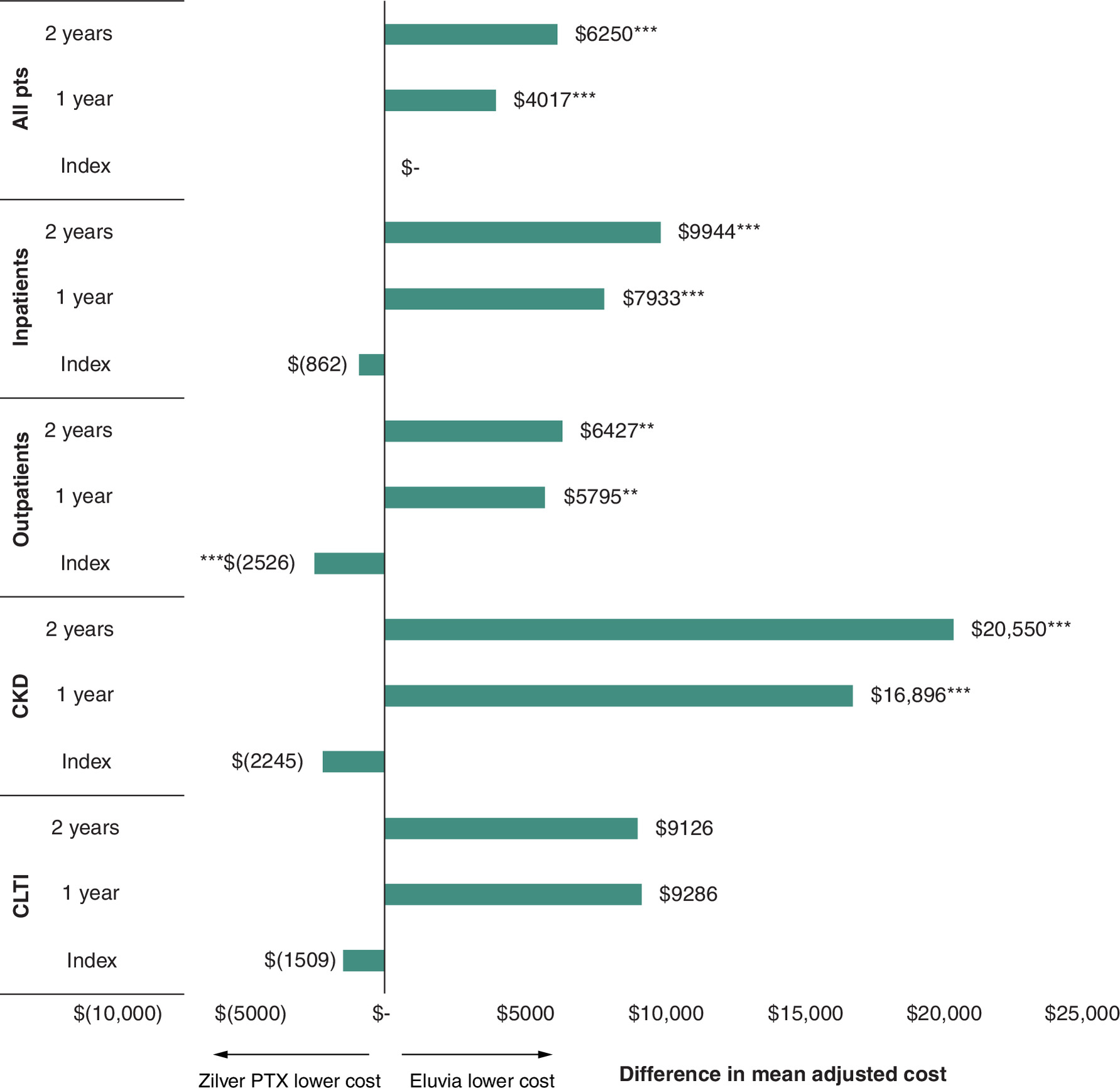
Figure 1. Adjusted differences in hospital-based costs between Eluvia and Zilver PTX.
Bars represent adjusted between-group differences in estimated mean hospital-based costs, calculated as Zilver PTX minus Eluvia, derived from generalized linear models with a gamma distribution and log link. Models for the overall population and the hospital inpatient, hospital outpatient, and CKD subgroups were adjusted for age, race, sex, and baseline CLTI; the CLTI subgroup model was adjusted for age, race, and sex only. Corresponding adjusted mean costs and 95% confidence intervals, along with treatment group and subgroup cohort sizes, are reported in Table 3.
**Significant difference between Eluvia and Zilver PTX at 5%.
***Significant difference at 1%.
CKD: Chronic kidney disease; CLTI: Chronic limb-threatening ischemia; pts: Patients.
Discussion
This real-world cost analysis compared hospital-based costs associated with Eluvia and Zilver PTX among patients undergoing lower extremity endovascular revascularization for femoropopliteal PAD. Although index procedure costs were comparable between treatment groups, Eluvia was associated with lower cumulative hospital-based follow-up costs at both 1 and 2 years after the index procedure across the overall cohort and within multiple clinically relevant subgroups. These findings provide a hospital-based economic perspective that may be relevant to clinicians and hospital decision-makers evaluating both the upfront costs of treatment and downstream hospital expenditures associated with femoropopliteal revascularization.
In adjusted analyses, mean index procedure costs did not differ significantly between treatment groups, whereas cumulative post-discharge hospital-based costs were lower among patients treated with Eluvia. This pattern was observed in the overall cohort, as well as in the hospital inpatient, hospital outpatient, and several clinically relevant subgroup analyses. In the hospital outpatient setting, despite a $2527 higher index procedure cost for Eluvia, lower cumulative costs of $5795 at 1 year and $6427 at 2 years more than offset this difference. Overall, the magnitude of the post-discharge cost differences substantially exceeded the differences observed in the index procedure costs. From a hospital perspective, these findings may be economically meaningful because they suggest lower downstream hospital expenditures over follow-up, which may have implications for resource allocation, budgeting, and device purchasing decisions, particularly when considered across larger patient populations.
The lower post-discharge costs observed among Eluvia-treated patients may reflect differences in downstream hospital expenditures following the index procedure. However, this analysis did not directly evaluate clinical outcomes, including patency, target lesion revascularization, reintervention, limb outcomes or other factors that could explain the observed cost differences. Although previous studies have demonstrated improved long-term patency and lower repeat revascularization rates with Eluvia compared with Zilver PTX [11,12], these clinical outcomes were not assessed in the current analysis and therefore should not be considered explanations for the observed economic findings. Alternative factors, including differences in physician treatment selection, institutional practice patterns, regional variation in care delivery, and residual confounding despite multivariable adjustment, may have contributed to the observed differences in hospital-based costs. Consequently, the mechanisms underlying the lower cumulative costs remain uncertain. Among patients with CKD, Eluvia was associated with lower adjusted hospital-based costs at both 1 year (difference, $16,896) and 2 years (difference, $20,550) compared with Zilver PTX. Given the clinical and economic burden associated with CKD among patients with PAD, this difference in costs is potentially meaningful for this subgroup. In the CLTI subgroup, adjusted mean follow-up costs were numerically lower with Eluvia; however, the between-group differences were not statistically significant.
These real-world findings are directionally consistent with an earlier cost-effectiveness analysis that estimated $1346 in savings over 24 months for Eluvia from the Medicare perspective, demonstrating that Eluvia was both more effective and less costly in most simulated economic comparisons [13]. This study extends that prior work by evaluating hospital-based costs in a large real-world database. Together, these findings highlight the potential of considering downstream hospital-based costs when evaluating treatment strategies for FPA revascularization, particularly in higher-risk populations. Future research incorporating both economic and clinical outcomes is needed to better understand the mechanisms underlying these patterns across diverse patient populations and economic perspectives.
This study has several strengths. It leveraged the PHD, a large, geographically diverse near-real-time administrative database that encompasses real-world data from more than 829 US hospitals, providing a broad representation of hospital practice across a variety of care settings. Unlike many traditional administrative billing databases, PHD captures detailed hospital-level cost information, in addition, to clinical and encounter-level data, providing a comprehensive perspective on hospital-based economic outcomes. Additionally, this analyses incorporated selected prespecified patient characteristics into multivariable models to account for measured differences between treatment groups.
However, this study has several limitations inherent to its retrospective observational design. Although the analyses adjusted for prespecified measured patient characteristics, the treatment groups differed in several baseline characteristics, and the results remain susceptible to selection bias, residual confounding, and confounding by indication. Factors such as physician treatment selection, institutional practice patterns, regional variation in care delivery, and other measured or unmeasured patient and healthcare system characteristics may have influenced both treatment selection and subsequent hospital-based costs. Accordingly, the observed differences should be interpreted as adjusted associations rather than evidence of a causal treatment effect.
Additionally, follow-up costs were limited to hospital-based care captured within participating PHD hospitals. Healthcare received outside participating hospitals was not captured; therefore, the absence of a subsequent encounter in the PHD does not necessarily indicate that a patient received no additional healthcare. Costs may also have been incompletely captured if a participating hospital discontinued data submission during the follow-up period. Because patients with $0 observed PHD hospital-based costs were excluded from each post-discharge cost analysis, the follow-up estimates reflect costs among patients with observed positive hospital-based costs during the respective period rather than mean costs across the full eligible cohort. Lower hospital-based follow-up costs may reflect differences in subsequent use of hospital services; however, healthcare utilization patterns were not directly evaluated in this study, and the reasons for the observed cost differences remain uncertain.
The prespecified subgroup analyses were exploratory and were not adjusted for multiple comparisons; therefore, subgroup findings should be interpreted cautiously. Furthermore, this analysis did not directly evaluate clinical outcomes, including restenosis, patency, target lesion revascularization or other reinterventions, limb salvage or amputation, mortality, major adverse limb events, disease severity, lesion characteristics, medication use or other factors that could have contributed to the observed cost differences. Consequently, the mechanisms underlying the observed differences in hospital-based follow-up costs remain uncertain.
The analysis was limited to hospital-based costs and excluded medication costs and healthcare received outside the PHD. This study also did not evaluate reimbursement, implementation costs, or total healthcare expenditures. Therefore, the study findings should not be interpreted as reflecting total healthcare costs or as a formal budget-impact analysis from a payer or societal perspective. Lastly, although the PHD includes a large, geographically diverse sample of US hospitals, participating institutions may not be fully representative of all hospitals or healthcare systems. Differences in patient populations, clinical practice patterns, and healthcare delivery models may limit the generalizability of these findings to nonparticipating hospitals, nonhospital settings, or healthcare systems outside the the US.
Despite these limitations, this study extends the existing real-world evidence by characterizing hospital-based costs associated with Eluvia and Zilver PTX for the treatment of femoropopliteal PAD in a large, geographically diverse US hospital database. Treatment with Eluvia was associated with lower hospital-based follow-up costs than Zilver PTX across the overall cohort and several clinically relevant subgroups, while index procedure costs were generally comparable. These findings complement existing clinical and economic evidence by providing a hospital-based perspective on downstream costs and may help inform hospital decision-making regarding resource planning and device selection. Additional studies that incorporate both clinical outcomes and broader healthcare costs are warranted to further evaluate the drivers and long-term economic implications of these observed associations.
Summary points
•
Peripheral artery disease involving the femoropopliteal artery is associated with substantial clinical and economic burden.
•
This retrospective real-world study compared hospital-based costs among patients treated with Eluvia™ versus Zilver® PTX® drug-eluting stents.
•
The analysis used the Premier Healthcare Database and included adults undergoing femoropopliteal endovascular revascularization between April 2019 and March 2022.
•
A total of 7208 patients were included, comprising 4218 treated with Eluvia and 2990 treated with Zilver PTX.
•
Patients treated with Eluvia had a greater comorbidity burden, including higher rates of chronic kidney disease, congestive heart failure, chronic pulmonary disease, and obesity.
•
Adjusted analyses accounted for baseline patient characteristics (age, sex, race, and baseline CLTI status) to compare hospital-based costs between treatment groups.
•
Adjusted index procedure hospital-based costs were not significantly different between Eluvia and Zilver PTX in the overall study population.
•
Eluvia was associated with significantly lower adjusted cumulative hospital-based post-discharge costs at both 1 and 2 years post-discharge compared with Zilver PTX.
•
Lower post-discharge hospital-based costs associated with Eluvia were also observed in the hospital inpatient, hospital outpatient, and chronic kidney disease subgroups.
•
No statistically significant cost differences were observed between treatment groups among patients with chronic limb-threatening ischemia.
•
The reported outcomes reflect hospital-based costs captured within participating hospitals and should not be interpreted as total healthcare costs.
•
This study did not directly evaluate clinical outcomes such as target lesion revascularization, patency or reintervention; therefore, the reasons for the observed cost differences remain uncertain.
•
Because this was an observational cost analysis, the findings should be interpreted as adjusted associations rather than evidence of a causal treatment effect.
Author contributions
AO Williams designed the methodology, extracted and analyzed data, and drafted the manuscript. EA Genovese and MR Jaff contributed to designing the methodology, the interpretation of the data, and the manuscript writing. R Sato and AM McGovern extracted and analyzed data, reviewed and revised the manuscript. All authors read and approved the final manuscript and agreed to be accountable for all aspects of the work.
Acknowledgments
The authors acknowledge Sue Duval with the University of the University of Minnesota, Minneapolis (MN, USA) and Nicholas Anderson of Boston Scientific for their assistance with study design and manuscript review.
Financial disclosure
This study was supported by Boston Scientific (USA). The authors received no other financial and/or material support for this research or the creation of this work apart from that disclosed.
Competing interests disclosure
EA Genovese is a physician with the University of Pennsylvania (PA, USA). AO. Williams, AM McGovern, R Sato and MR Jaff are employees and own stock in Boston Scientific. The authors have no other competing interests or relevant affiliations with any organization or entity with the subject matter or materials discussed in the manuscript apart from those disclosed.
Writing disclosure
Medical writing and editorial support were provided by Craig Solid of Solid Research Group, LLC, and were funded by Boston Scientific.
Ethical conduct of research
This study used de-identified, hospital-based data (Premier Healthcare Data) and did not involve direct interaction with human participants. Therefore, institutional review board approval and participant informed consent were not required.
Data sharing statement
This manuscript reports the results of a real-world evidence study. The protocol was not publicly registered, and the data are not available due to contractual restrictions. The analytic code and synthetic dataset are available upon request.
Open access
This work is licensed under the Attribution-NonCommercial-NoDerivatives 4.0 Unported License. To view a copy of this license, visit https://creativecommons.org/licenses/by-nc-nd/4.0/
References
Papers of special note have been highlighted as: • of interest; •• of considerable interest
1.
Firnhaber JM, Powell CS. Lower extremity peripheral artery disease: diagnosis and treatment. Am. Fam. Physician 99(6), 362–369 (2019).
2.
Bauersachs R, Zeymer U, Briere JB, Marre C, Bowrin K, Huelsebeck M. Burden of coronary artery disease and peripheral artery disease: a literature review. Cardiovasc. Ther. 2019, 8295054 (2019).
3.
Duff S, Mafilios MS, Bhounsule P, Hasegawa JT. The burden of critical limb ischemia: a review of recent literature. Vasc. Health Risk Manag. 15, 187–208 (2019).
4.
Hamburg NM, Creager MA. Pathophysiology of intermittent claudication in peripheral artery disease. Circ. J. 81(3), 281–289 (2017).
5.
Kohn CG, Alberts MJ, Peacock WF, Bunz TJ, Coleman CI. Cost and inpatient burden of peripheral artery disease: Findings from the National Inpatient Sample. Atherosclerosis 286, 142–146 (2019).
• This nationwide analysis quantifies the substantial inpatient and economic burden associated with peripheral artery disease (PAD) in the USA and supports the hospital-based perspective of the present study.
6.
Jansen S, de Borst GJ, Hinchliffe R, Teraa M. Peripheral artery disease: underappreciated impact and residual cardiovascular risk despite revascularization. Clin. Ther. 45(11), 1019–1022 (2023).
7.
Tepe G, Brodmann M, Bachinsky W et al. Intravascular lithotripsy for peripheral artery calcification: mid-term outcomes from the randomized Disrupt PAD III trial. J. Soc. Cardiovasc. Angiogr. Interv. 1(4), 100341 (2022).
8.
Lyden SP, Vanden Baviere H, Martinson M, Wheatley M, Tarra T, Gray WA. Comparison of three-year US payer costs for endovascular treatment options to treat femoropopliteal artery disease. J. Vasc. Interv. Radiol. 37(10), 108910 (2026).
9.
Altaf N, Ariyaratne TV, Peacock A et al. A budget impact model for the use of drug-eluting stents in patients with symptomatic lower-limb peripheral arterial disease: an Australian perspective. Cardiovasc. Intervent. Radiol. 44(9), 1375–1383 (2021).
10.
Javed M, Kigozi J, Moakes CA et al. Plain balloon angioplasty with or without bare-metal stenting versus drug-coated balloon angioplasty with or without bare-metal stenting versus primary drug-eluting stenting in patients requiring femoropopliteal, with or without infrapopliteal, endovascular revascularization for chronic limb-threatening ischaemia: BASIL-3 within-trial health economic analysis. Br. J. Surg. 113(3), znaf274 (2026).
11.
Gray WA, Keirse K, Soga Y et al. A polymer-coated, paclitaxel-eluting stent (Eluvia) versus a polymer-free, paclitaxel-coated stent (Zilver PTX) for endovascular femoropopliteal intervention (IMPERIAL): a randomised, non-inferiority trial. Lancet 392(10157), 1541–1551 (2018).
•• This pivotal randomized trial directly compared Eluvia and Zilver PTX and established principal 1-year clinical evidence underlying the present economic comparison.
12.
Müller-Hülsbeck S, Benko A, Soga Y et al. Two-year efficacy and safety results from the IMPERIAL randomized study of the Eluvia polymer-coated drug-eluting stent and the Zilver PTX polymer-free drug-coated stent. Cardiovasc. Intervent. Radiol. 44(3), 368–375 (2021).
•• This 2-year follow-up of the IMPERIAL randomized trial provides longer-term comparative evidence on patency, target lesion revascularization, and safety outcomes for Eluvia and Zilver PTX.
13.
Gray WA, Griffiths RI, Elroy PWM et al. Cost-effectiveness of a paclitaxel-eluting stent (Eluvia) compared to Zilver PTX for endovascular femoropopliteal intervention. J. Med. Econ. 25(1), 880–887 (2022).
•• This economic evaluation directly compared Eluvia with Zilver PTX from a United States Medicare perspective and provides the principal prior cost-effectiveness evidence contextualizing the present hospital-based analysis.
14.
Gray WA, Soga Y, Fujihara M et al. Polymer-based drug-eluting stent treatment extends the time to reintervention for patients with symptomatic femoropopliteal artery disease: clinical evidence and potential economic value. J. Comp. Eff. Res. 13(6), e240025 (2024).
15.
Locham SS, Paracha N, Dakour-Aridi H, Nejim B, Rizwan M, Malas MB. Comparison of the cost of drug-eluting stents versus bare metal stents in the treatment of critical limb ischemia in the United States. Ann. Vasc. Surg. 55, 55–62 (2019).
• This real-world study compared hospital costs associated with drug-eluting and bare-metal stents in patients with critical limb ischemia, providing relevant context for hospital-based economic evaluations of peripheral stent technologies.
16.
Sridharan ND, Liang N, Robinson D et al. Implementation of drug-eluting stents for the treatment of femoropopliteal disease provides significant cost-to-system savings in a single-state outpatient simulation. J. Vasc. Surg. 68(5), 1465–1472 (2018).
• This budget-impact simulation evaluated the potential system-level cost implications of adopting drug-eluting stents for femoropopliteal disease and highlighted the importance of downstream costs following the index procedure.
17.
Charlson ME, Pompei P, Ales KL, MacKenzie CR. A new method of classifying prognostic comorbidity in longitudinal studies: development and validation. J. Chronic Dis. 40(5), 373–383 (1987).
18.
Charlson ME, Carrozzino D, Guidi J, Patierno C. Charlson comorbidity index: a critical review of clinimetric properties. Psychother Psychosom. 91(1), 8–35 (2022).
19.
US Bureau of Labor Statistics. Consumer price index for all urban consumers (CPI-U). (2024). https://data.bls.gov/timeseries/CUUR0000SAM
Information & Authors
Information
Published In
Copyright
© 2026 The authors. This work is licensed under the Attribution-NonCommercial-NoDerivatives 4.0 Unported License
History
Received: 22 June 2026
Accepted: 15 September 2026
Published online: 21 October 2026
Keywords:
Topics
Authors
Metrics & Citations
Metrics
Article Usage
Article usage data only available from February 2023. Historical article usage data, showing the number of article downloads, is available upon request.
Citations
How to Cite
Comparative cost analysis of Eluvia™ versus Zilver® PTX® in treating femoropopliteal peripheral artery disease utilizing real-world data. (2026) Journal of Comparative Effectiveness Research. DOI: 10.57264/cer-2026-0126
Export citation
Select the citation format you wish to export for this article or chapter.