

Methodological considerations for indirect treatment comparisons of HIV incidence for long-acting injectable pre-exposure prophylaxis
Abstract
Background: Given the effectiveness of pre-exposure prophylaxis (PrEP), the HIV prevention landscape is expanding rapidly – including recently approved injectable options which have shown high efficacy in clinical trials. As head-to-head trials of injectable PrEPs are not feasible, indirect treatment comparisons (ITCs) are of value to generate comparative estimates of efficacy and safety. However, several methodological challenges must be carefully considered when conducting these ITCs. This review outlines these complexities to support informed decision-making. Main text: We identified methodological considerations through a narrative review of available literature (including leveraging published systematic reviews), evidence from PrEP trials and, where applicable, reference to methodological guidelines. Our review suggests treatment effect modifiers (TEMs) for PrEP are poorly defined in the HIV PrEP literature and, due to the high efficacy of injectable compared with oral PrEP, encompass potential prognostic factors (such as background HIV incidence). Challenges in comparing potential TEMs across trials were also noted due to, for example, differences in measurement methodology and reporting timepoint for adherence. Accounting for variation in follow-up across studies within potential ITCs is critical as HIV acquisition is a rare, time-dependent event. Additionally, zero or few events occur within injectable PrEP trials in HIV, challenging variance estimation and necessitating alternative statistical approaches. Population-adjustment methods are similarly complicated. Conclusions: This review outlines key considerations and offers practical recommendations to inform robust conduct of ITCs of PrEP, and support the interpretation of results. Areas of further research to strengthen future comparative evidence are also highlighted.
Background
Each year, over 1.3 million new HIV cases occur worldwide [1]. While antiretroviral therapy (ART) may reduce HIV viral load to undetectable levels – which limits HIV replication, strengthens the immune system, and lowers the risk of transmission – there is no cure for HIV [2]. Accordingly, the development of preventative interventions remains a core priority alongside public education, routine screening, timely treatment and continued research towards a cure. In addition to promotion of safer behaviors among individuals at risk (e.g., consistent condom use and access to sterile injection equipment), primary biomedical prevention consists of pre-exposure prophylaxis (PrEP) regimens: ART taken by HIV-negative individuals at ongoing risk of HIV infection. Recent expansion in access to, and uptake of, oral and injectable PrEP has increased opportunities for effective prevention and may contribute to reducing the global burden of HIV [3].
Current forms of PrEP include (but are not limited to) daily oral options such as emtricitabine/tenofovir disoproxil fumarate (F/TDF) and emtricitabine/tenofovir alafenamide (F/TAF), which are highly effective if taken as prescribed [4]. However, adherence to oral PrEP is often suboptimal: in a retrospective study of approximately 23,000 oral PrEP users, four patterns (% of participants) were observed – minimal use (10.5%), rapidly declining use (25.4%), gradually declining use (24.3%) and consistently high use (39.8%) [5]. A dapivirine-containing vaginal ring has already been studied as a non-oral PrEP option. In randomized trials, it reduced HIV-1 acquisition among women when adherence was adequate, supporting its viability as an additional PrEP method [6]. Recently, two long-acting injectable PrEP regimens were approved by the US Food & Drug Administration and European Medicines Agency: cabotegravir (CAB), administered every two months, and twice-yearly lenacapavir (LEN) [7–10]. Prior to approval, these long-acting injectables demonstrated superior efficacy compared to oral PrEP in their respective Phase III randomized controlled trials (RCTs). Specifically, LEN was statistically superior to F/TDF in reducing HIV incidence in PURPOSE 1 (incidence rate ratio [95% confidence interval (CI)]: 0.00 [0.00, 0.10]) and PURPOSE 2 (0.11 [0.02, 0.51]) [11,12]. Likewise, CAB was statistically superior to F/TDF in reducing the risk of HIV acquisition in HPTN 083 (hazard ratio [95% CI]: 0.34 [0.18, 0.62]) and HPTN 084 (0.12 [0.05, 0.31]) [13,14].
Given the remarkable efficacy of injectable PrEP, and the potential for PrEP to substantially reduce the worldwide burden of HIV, the prevention landscape is rapidly expanding with several next-generation injectable, oral, and alternative interventions in development. For example, new formulations of long-acting injectable CAB (CAB 400 mg/ml; every 4 months) and LEN (LEN 3000 mg; once-yearly) are currently under clinical investigation (NCT06741397; NCT07047716) [15–17]. Additionally, an injectable broadly neutralizing antibody combination, CAP256V2LS and VRC07–523LS, administered at twice-yearly intervals is currently being evaluated for PrEP in South African and Zambian women (PACTR202112683307570) [15,18]. In terms of oral agents in development, a once-monthly oral nucleoside reverse transcription translocation inhibitor, MK-8527, is currently being evaluated in two Phase III clinical trials (NCT07044297; NCT07071623) as an alternative to once-daily options [15,19]. Beyond oral and injectable agents under investigation, prevention options with differing modes of delivery – including implants, patches and rectal douches – are also being evaluated [15,20]. Collectively, these innovations illustrate an increasingly diverse and complex landscape for PrEP. As the number of available options grows, robust comparative evidence on the efficacy and safety will be valuable to support informed decision-making processes.
Currently, head-to-head trials of long-acting injectable PrEP have not been conducted, and future head-to-head trials evaluating efficacy as the primary end point are unlikely as the high efficacy of these interventions makes superiority or non-inferiority trials difficult or logistically impractical. In the absence of head-to-head trials of long-acting injectable PrEP, indirect treatment comparisons (ITCs) are necessary to estimate the relative effects between different interventions. In prevention landscapes with multiple available options, ITCs may be a requirement for national health technology assessment (HTA) submissions to demonstrate clinical effectiveness relative to existing options [21,22]. To date, publicly available ITCs relating to injectable PrEP for HIV are limited to one comparing long-acting CAB with no PrEP and a second comparing LEN with CAB [23–25] .
There are several methodological challenges that must be carefully considered when conducting ITCs of PrEP. In recent trials (PURPOSE 1, 2 and HPTN 083, 084), HIV infections and discontinuations among participants receiving long-acting injectable PrEP have been relatively rare [11–14]. Low event rates reduce the precision of ITCs and complicate standard evidence synthesis methods because rare, time-dependent outcomes lead to unstable estimates that are sensitive to modelling assumptions and cross-trial heterogeneity [26,27]. Further, zero events were observed for HIV infections in PURPOSE 1, which complicates, or can preclude, standard variance calculation methods in ITCs. In addition, although literature is available on the prognostic impact of variables such as background HIV incidence and adherence to daily oral PrEP [28–31], there is limited information on variables that may modify relative differences between interventions in the context of an indirect comparison. Such features associated with the nature of HIV and the current evidence base challenge traditional analytical assumptions and further complicate indirect evidence generation (NB. Although PrEP is not ‘treatment’ we use the term ‘TEM’ for consistency with ITC terminology.).
In response to the anticipated need for indirect evidence and the associated challenges, this review outlines key considerations for conducting ITCs of PrEP for HIV. By clearly identifying methodological and practical challenges, we aim to support epidemiologists, statisticians, clinicians, and decision-makers in generating and interpreting indirect evidence for clinical comparisons, HTA, and broader PrEP access.
Main text
In this section, we provide an overview of methodological challenges in conducting ITCs in the context of PrEP. First, we define treatment effect modifiers (TEMs), explain how they differ from prognostic factors, and summarize TEMs for PrEP identified in the literature [1]. We then describe how the nature of these TEMs creates specific challenges for ITCs and outline additional considerations, including between-trial differences in follow-up time, low or zero event counts, and challenges surrounding population adjustment.
Key considerations were identified through a narrative review of available literature including leveraging published systematic reviews, evidence from PrEP trials and, where applicable, reference to methodological guidelines.
What are treatment effect modifiers and why are they important?
TEMs are variables that influence relative treatment effects. Unadjusted ITCs between two trials that share a common comparator (e.g., placebo or standard-of-care arm) are valid only if the trials are similar with respect to TEMs. When TEMs are similarly distributed across studies, a Bucher ITC can be conducted (Figure 1A) [32]. Network meta-analysis (NMA) methodology extends comparisons made in pairwise Bucher ITCs to a wider network of connected interventions (Figure 1B). Importantly, the reliability of Bucher ITCs and NMAs depends on the included trials being sufficiently similar with respect to TEMs. If there is a lack of similarity, relative differences in estimated treatment effects may be due to differences in characteristics considered to be TEMs across studies, rather than one intervention performing better or worse than another. Additionally, between-study imbalance in TEMs may be associated with differences in common comparator efficacy. If the control-arm outcome differs between studies (because TEMs differ), then the observed treatment–control contrasts may not be estimating the same underlying relative effect. Indirectly comparing these within-study contrasts may introduce bias as part of the difference reflects variation in control-arm performance driven by TEMs, not true differences between active treatments. Therefore, it is crucial that TEMs are identified and well-balanced across studies [33,34]. However, given the complex nature of TEMs for PrEP, these variables have not been well-defined. If left unbalanced, unadjusted comparisons may under- or overestimate the relative benefit of an intervention.
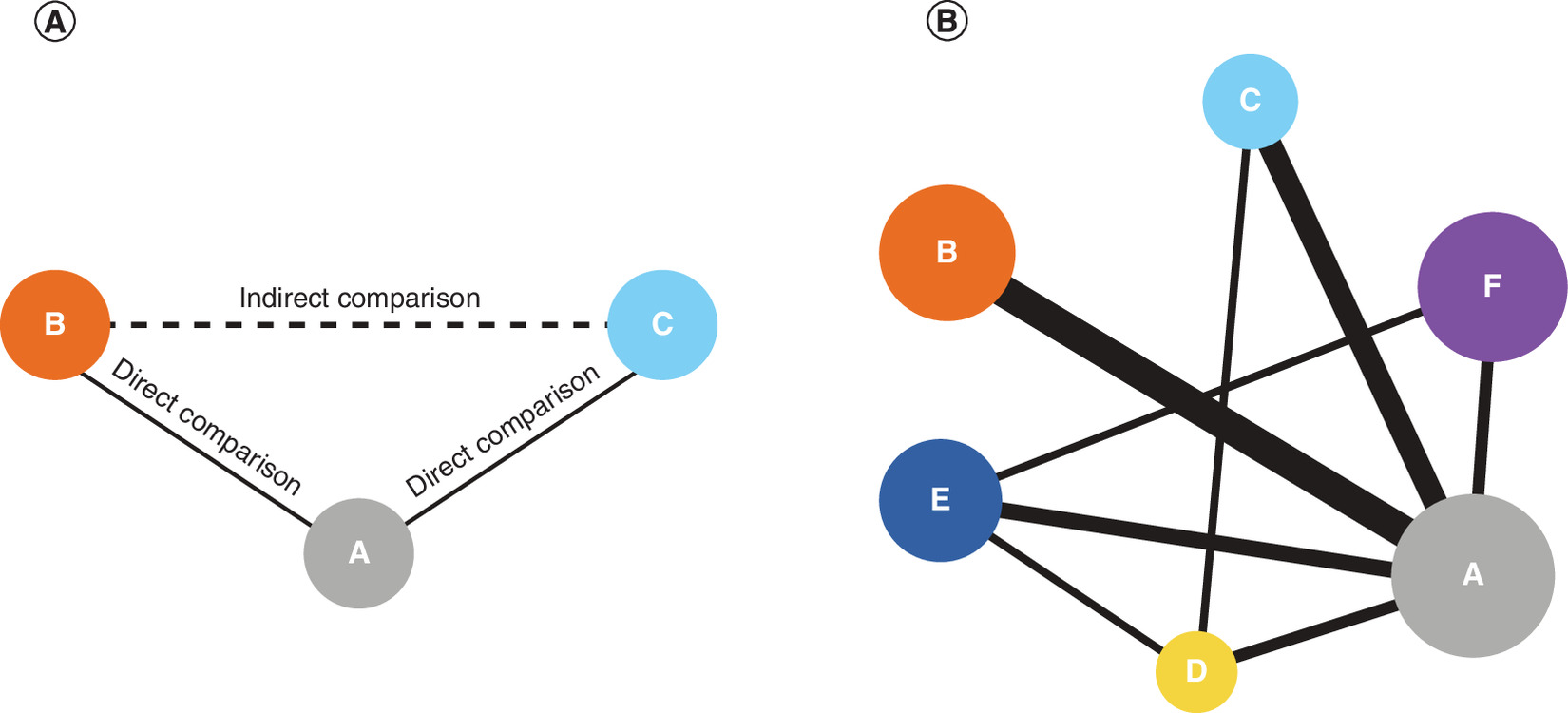
Figure 1. Illustration of Bucher indirect treatment comparison and network meta-analysis methodology.
(A) Intervention A represents the common comparator across the pairwise comparison, Intervention B represents the investigational intervention of interest and Intervention C represents the comparator of interest; (B) Intervention A represents the common comparator, while each of the other letter nodes represents an intervention of interest in the network. The size of each node represents the total sample size for each intervention, and the edge thickness indicates how many trials report on a specific comparison within the network. Indirect comparisons can be made for each treatment pair which shared a common comparator (for example, B vs E via A).
Figure 2 provides a hypothetical illustration of differences between study participant characteristics that are identified as TEMs, prognostic factors, or neither. TEMs are different from prognostic variables, which influence the absolute response in the same way across interventions. TEMs are specific to a disease area and are identified through consultation of relevant scientific literature, acquisition of clinical opinion, statistical investigation or any combination of these [33,35]. Figure 2 presents three hypothetical examples of the relationship between HIV incidence and varying participant characteristics in users of injectable or oral PrEP. In each of the three plots, the characteristic on the x-axis is either a TEM, a prognostic factor, or neither. For example, HIV incidence in users of injectable PrEP, relative to users of oral PrEP, varies with oral adherence – that is, oral adherence is effect-modifying. HIV incidence may vary with age for both injectable and oral PrEP users, but the effect of injectable PrEP relative to oral PrEP is always the same, suggesting that age is prognostic but not effect-modifying (in this hypothetical example). Where a characteristic is neither a TEM nor prognostic variable, HIV incidence will not vary for injectable PrEP nor oral PrEP, such as the percent of glycated hemoglobin (HbA1c) in Figure 2.
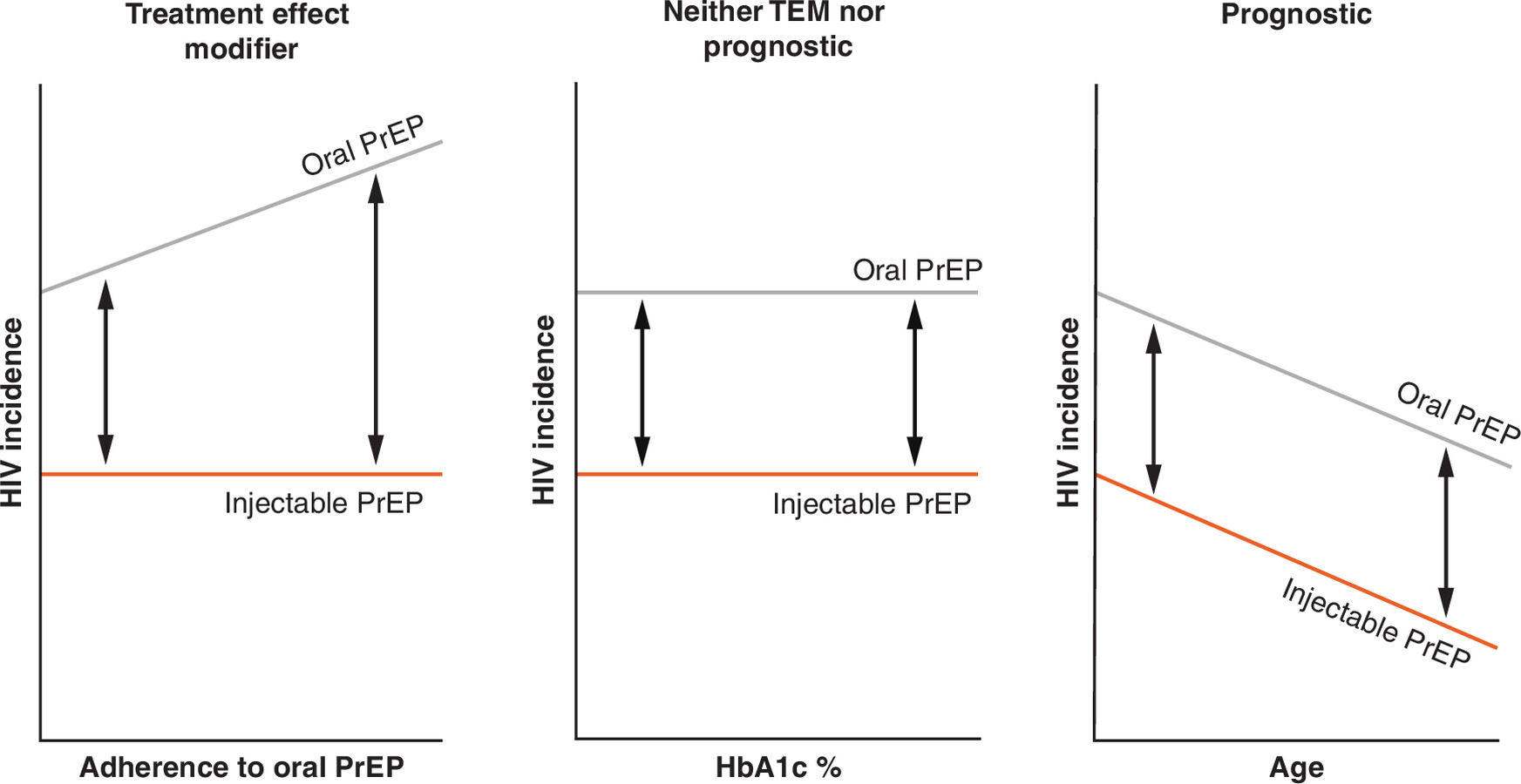
Figure 2. Hypothetical examples of the differences between treatment effect modifiers and prognostic variables.
The above hypothetical example plots consider a simplified linear relationship between variables for illustrative purposes.
HbA1c: Glycated hemoglobin; HIV: Human immunodeficiency virus; PrEP: Pre-exposure prophylaxis; TEM: Treatment effect modifier.
Treatment effect modifiers for PrEP options in HIV
Available literature
There are several considerations specific to TEMs for preventative options in HIV which pose particular challenges for conducting ITCs in this setting. Notably, there is reasonably limited literature on potential TEMs for HIV acquisition. As such, while we present empirical evidence based on the limited available literature below, we also explored candidate TEMs on theoretical grounds (in particular, background HIV). An overview of the status of characteristics as potential TEMs and available evidence is provided in Table 1.
| Characteristic | Status | Evidence |
|---|---|---|
| Adherence to oral PrEP | Potential TEM | • Subgroup results • Adjusted for in a recent ITC • Meta-regressions demonstrating the relationship between adherence and efficacy |
| Race/ethnicity | Potential TEM | • Subgroup results |
| Risk factor for oral PrEP adherence | • Published literature | |
| Country/region | Potential TEM | • Subgroup results |
| Risk factor for oral PrEP adherence | • Published literature | |
| Age | Risk factor for oral PrEP adherence | • Published literature |
| Sex/gender | Risk factor for oral PrEP adherence | • Published literature |
| Education level | Risk factor for oral PrEP adherence | • Published literature |
| Alcohol use | Risk factor for oral PrEP adherence | • Published literature |
| Use of substances other than alcohol | Risk factor for oral PrEP adherence | • Published literature |
| Background HIV | Prognostic factor; hypothesized TEM | • Adjusted for in a recent ITC • Explored on theoretical grounds |
HIV: Human immunodeficiency virus; ITC: Indirect treatment comparison; PrEP: Pre-exposure prophylaxis; TEM: Treatment effect modifier.
Although one should be cautious in interpreting subgroup results, HPTN and PURPOSE subgroup results indicate that race/ethnicity, country/region, and adherence to oral PrEP were potentially effect-modifying [11–13]. Additionally, a recent ITC of injectable PrEP options considered background HIV risk (the expected HIV incidence rate within the enrolled population in the absence of PrEP) and oral adherence as effect-modifying [24,25]. It should be noted that identification of TEM characteristics such as race/ethnicity and country/region likely reflect differences in background HIV incidence among certain populations and locations, rather than inherent differences in efficacy based on demographics or location.
In the following section, we explore how TEMs for HIV incidence are further complicated by the high efficacy of injectable compared with oral PrEP. We hypothesize that factors that influence risk at the individual level (e.g., adherence to oral PrEP [4]) or population level (e.g., region or population eligibility criteria) may differentially modify the effectiveness of oral versus injectable PrEP.
Adherence to oral PrEP
The efficacy of oral PrEP interventions, such as F/TDF, is dependent on the level of adherence, but this relationship varies across trials (Table 2) [4,23,29–31]. A number of studies have sought to quantify the adherence-efficacy relationship by taking adherence data from studies of oral PrEP and calculating an adjusted estimate of effectiveness based on adherence to the intervention or comparing efficacy in high- versus low-adherence groups [4,23,36].
| Study name (year) | Population | RR (95% CI) of HIV acquisition | F/TDF adherence†,‡ |
|---|---|---|---|
| Partners PrEP study continuation (2014) | Heterosexual males | 0.16 (0.06, 0.46) | 0.81 |
| Heterosexual females | 0.34 (0.16, 0.72) | 0.81 | |
| iPrEx trial (2010) | MSM | 0.56 (0.37, 0.85) | 0.50 |
| VOICE (2015) | Females | 1.04 (0.73, 1.49) | 0.29 |
| IPERGAY (2015)§ | MSM | 0.14 (0.02, 0.60) | 0.86 |
| TDF2 (2012) | Heterosexual males | 0.51 (0.19, 1.22) | 0.77 |
| Heterosexual females | 0.20 (0.03, 0.75) | 0.77 | |
| FEM-PrEP (2012) | Females | 0.94 (0.59, 1.52) | 0.36 |
| PROUD (2016)¶ | MSM | 0.14 (0.04, 0.36) | 0.88 |
The table above displays a selection of studies identified in an SLR published by Murchu et al. (2022) [4] and Hawkins et al. (2025) [23] which reported adherence by detectable levels of plasma drug concentration. Studies which reported other measures of adherence are not captured in this table.
†
Proportion of plasma samples with detectable levels of tenofovir.
§
Event-driven F/TDF.
¶
F/TDF deferred for 1 year.
CI: Confidence interval; F/TDF: Emtricitabine/tenofovir disoproxil fumarate; HIV: Human immunodeficiency virus; MSM: Men who have sex with men; PrEP: Pre-exposure prophylaxis; RR: Relative risk; SLR: Systematic literature review.
Murchu et al. (2022) quantified the efficacy-adherence association using data from seven studies which included oral PrEP arms via meta-regression [4]. Of note, these studies differed in the level of reported adherence and the efficacy of oral PrEP versus placebo. The meta-regression included only trials which reported plasma tenofovir concentrations, as laboratory measures of adherence are preferred to self-report where available. The analysis suggested that efficacy (estimated as the rate ratio of HIV incidence for oral PrEP versus placebo) and adherence (estimated as the proportion of participants with detectable plasma tenofovir) were strongly associated. Murchu et al. estimated that a 10% decrease in adherence was associated with a 13% decrease in efficacy on average [4]. Hawkins et al. (2025) also included a meta-regression of eight oral PrEP studies to estimate the log relative risk of oral PrEP versus placebo based on the level of adherence [23]. While the studies used different functional forms for their analyses, both came to the conclusion that a decrease in adherence is associated with a decrease in the comparative efficacy of oral PrEP versus placebo. Although, as adherence is often only measured in a subgroup of participants, these analyses are likely subject to limitations, including small sample sizes.
Given the demonstrated relationship between adherence and efficacy, when oral PrEP interventions are included in ITCs, differences in adherence across trials would likely influence relative treatment effects. In comparisons of injectable versus oral PrEP, or indirect comparisons of injectables anchored on oral PrEP, adherence to oral PrEP should be treated as a TEM, given that the efficacy of injectable PrEP is independent of daily pill-taking, whereas oral PrEP efficacy is adherence-dependent [37,38]. Similarly, where oral PrEP is compared directly to placebo, or in ITCs comparing oral interventions anchored on placebo, adherence to oral PrEP can be conceptualized as a TEM. However, adjusting for adherence using a single summary statistic for each trial can be problematic, as adherence can be measured using multiple methods and may be reported at multiple timepoints over the course of a trial [39]. When measurement methods and/or timepoints differ across trials being compared, this presents issues for adjustment. Further, with the development of different dosing frequencies for oral PrEP (e.g., once-monthly or once-yearly), adherence patterns will likely differ from once-daily PrEP.
There are several methods for quantifying adherence to oral PrEP, including self-report, pill-count, medication event monitoring systems, structured interviews and laboratory methods [4]. Due to recall and social desirability bias, pill sharing and other considerations, lab methods such as plasma tenofovir levels and tenofovir diphosphate (TFV-DP available for F/TAF and F/TDF) concentrations from dried-blood-spot (DBS) samples are favored over methods such as self-reports or pill counts [40]. Plasma tenofovir concentrations are routinely measured for pharmacokinetic analysis and studies often report this measure as an aggregate summary of oral PrEP adherence across the course of a trial [4,23]. However, plasma tenofovir concentrations have a relatively short half-life (∼15 hours), and therefore only offer a short-term measure of adherence [41]. When used as a summary measure of adherence across the duration of a study, or when measured at different times across trials being compared, differences between trials being compared could lead to bias in the estimated level of adherence to oral PrEP. In contrast, TFV-DP concentrations from DBS samples are a more durable measure of adherence to oral PrEP, given its half-life of ∼17 days, which offers a longer-term measure of adherence compared with plasma tenofovir concentrations and therefore may be less reliant on participant behavior immediately prior to a trial visit [39,41]. Based on these differences, when comparing adherence to oral PrEP across studies, more durable measures, such as DBS drug concentration analyses, should be prioritized where available. Additionally, the measure of adherence and timepoint used for comparison should align across studies, given the difference in temporal coverage exhibited by the two measures.
Adherence to oral PrEP also fluctuates across the duration of a study. Presently, between-study comparisons of adherence only consider summary measures, such as the proportion of samples with detectable levels of F/TDF [23]. However, it is clear from clinical trial data that there are dynamic levels of adherence with a tendency to decline over time, high observed loss-to-follow-up, and measures reported at different timepoints across trial comparisons (Figure 3). Therefore, it is not reasonable to assume that adherence is constant throughout follow-up and any adjustment for differences in adherence across trials should consider these factors.
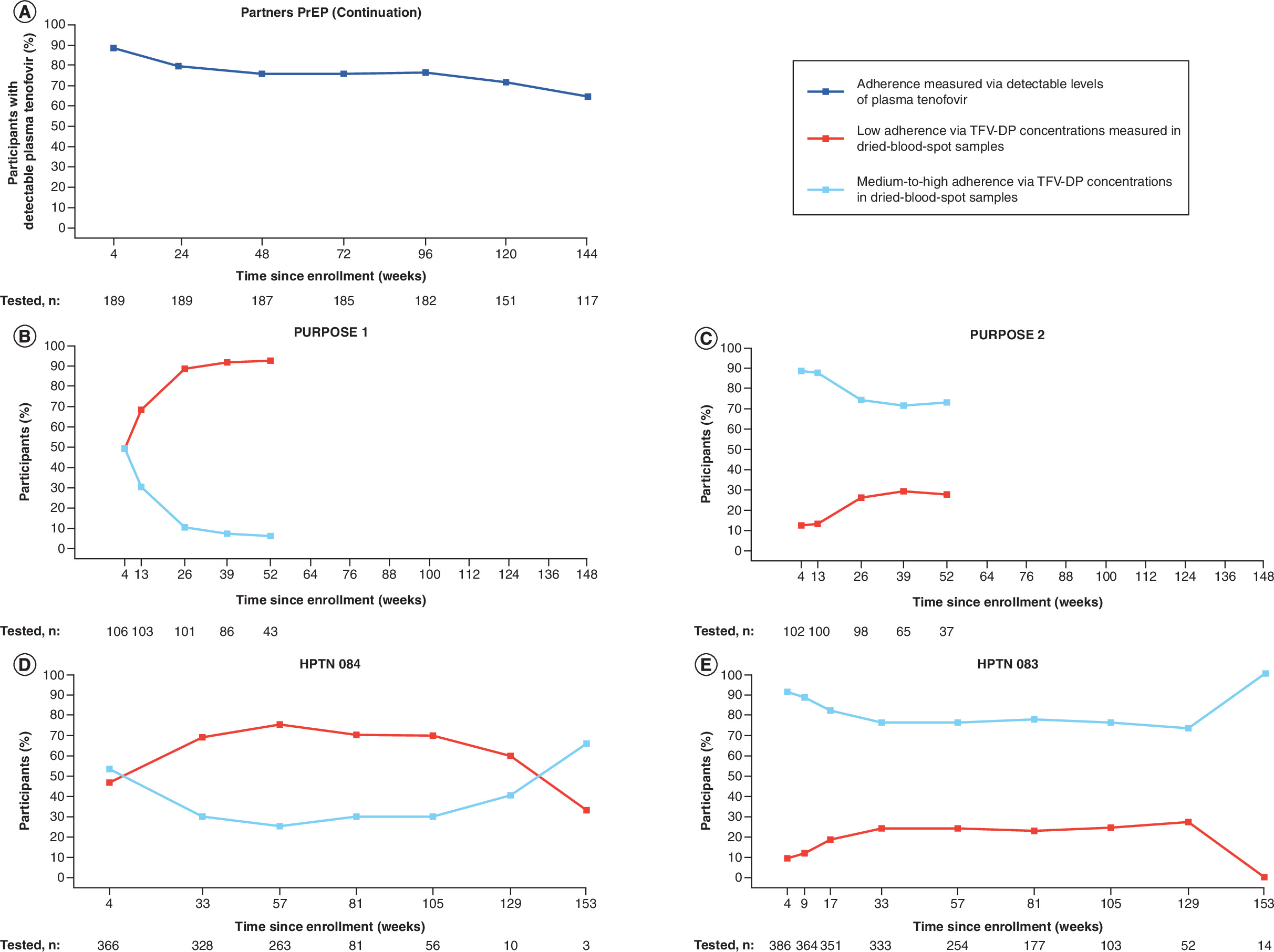
Figure 3. Biologically measured oral adherence over the duration of five trials.
The figure above was generated using data from the following studies: (A) shows changing adherence over time in the Partners PrEP Study continuation, based on the number of participants with detectable plasma tenofovir levels of at least 0.31 ng/mL in a random subgroup of participants from both the F/TDF and TDF groups of the study [42]. (B & C) show changes in adherence over time in the PURPOSE 1 and PURPOSE 2 trials, respectively, based on the number of participants with TFV-DP concentrations measured in dried blood spots [11,12]. (D & E) show changes in adherence over time in the HPTN083 and HPTN084 trials, respectively, based on the number of participants with TFV-DP concentrations measured in dried blood spots [13,14]. Medium-to-high adherence was defined as ≥2 doses of F/TDF per week in PURPOSE and HPTN trials, while low adherence was defined as <2 doses per week. Across all studies, adherence was assessed in a randomly selected subgroup of the main study population.
F/TDF: Emtricitabine/tenofovir disoproxil fumarate; n: Number; PrEP: Pre-exposure prophylaxis; TDF: Tenofovir disoproxil fumarate; TFV-DP: Tenofovir diphosphate.
An additional challenge associated with quantifying adherence to oral PrEP is that plasma tenofovir concentrations and DBS samples are often collected for a subgroup of participants in each trial arm, and not the entire study population (Figure 3). In seven studies of oral PrEP, plasma tenofovir concentrations were measured in subsets of each trial population and reported estimates based on these samples provided a wide range of adherence (24–100%) [43–49]. In the PURPOSE and HPTN trials, TFV-DP concentrations from DBS samples were measured for a small representative subset of each population (10% for the PURPOSE trials and 17–21% for the HPTN trials) [10–13]. While these samples are not inherently problematic, without results from the entire trial population, assumptions of generalizability are required about the tested subset to accurately adjust for adherence to oral PrEP in the larger arm-level population.
Given adherence is not a baseline assessment, an alternative (and less direct approach) could also be to consider baseline risk factors which are predictive of oral adherence. Risk factors for low adherence to oral PrEP may include age, sex/gender, education level, country/region, race/ethnicity, alcohol use, and use of substances other than alcohol [29,30]. While direct approaches for adjustment would be favored, when measures of adherence and timepoints measured differ across trials, adjusting for risk factors for oral adherence may be a useful alternative, but may introduce its own challenges (e.g., lack of overlap between characteristics across trials being compared).
Background HIV incidence
Given the high efficacy of long-acting injectable PrEP options and their superior efficacy to oral PrEPs, we hypothesize that background HIV incidence may function as a TEM when comparing injectable and oral interventions. As observed HIV incidence rates have been low for injectable PrEP arms (PURPOSE and HPTN trials), the background HIV incidence or baseline HIV acquisition risk of a given geographic region where a study was conducted may have very little to no impact on risk of infection in these injectable PrEP arms – such is their observed efficacy. However, these factors are still very likely to influence the risk of infection in participants taking oral PrEP, given that HIV incidence is generally greater for participants on oral PrEP, especially when levels of adherence are inconsistent. Figure 4 contains a hypothetical illustration of how differences in background HIV incidence may differentially affect HIV incidence in injectable and oral PrEP arms.
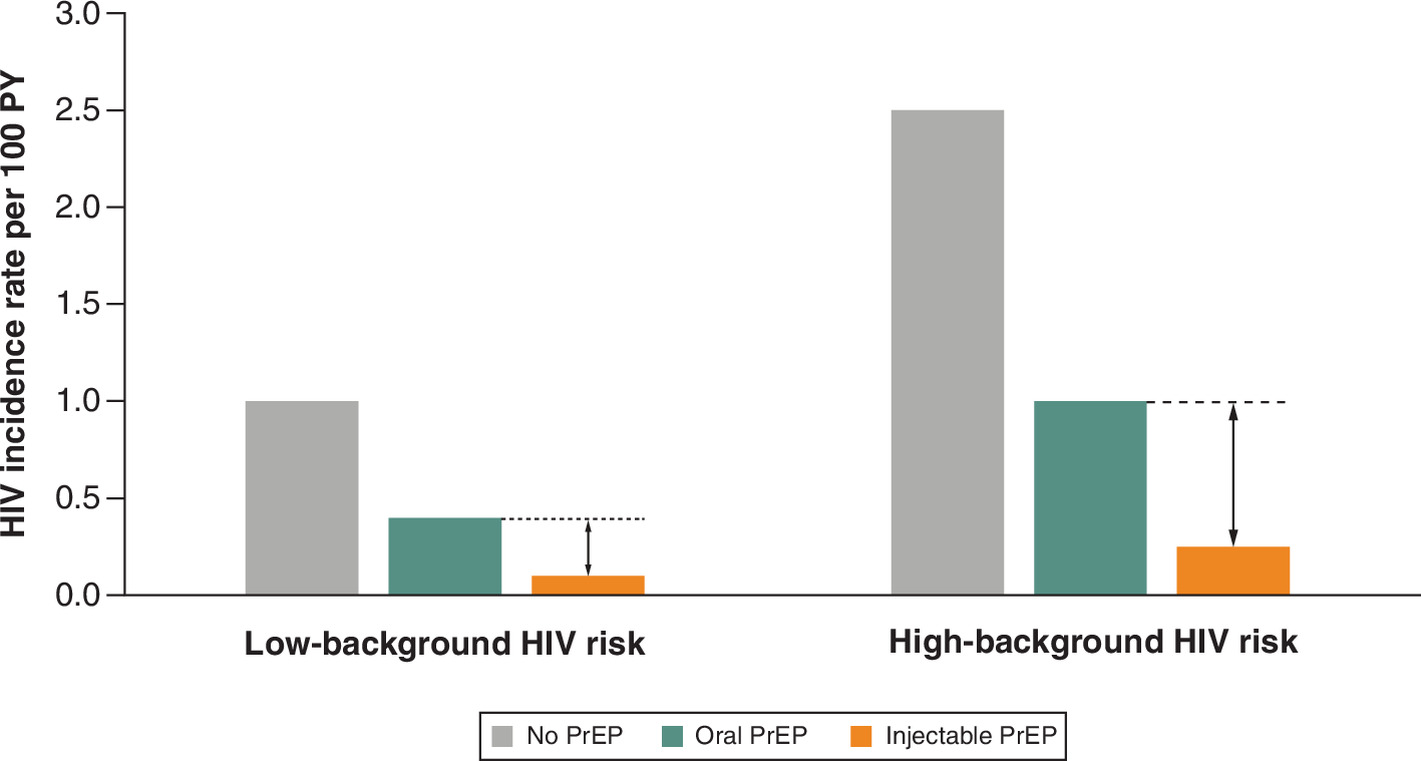
Figure 4. Hypothetical example of HIV incidence for varying background HIV demonstrating potential for effect modification.
The figure above illustrates hypothetical arm-level HIV incidence rates per 100 PY for oral or injectable PrEP users in a low-background HIV incidence population (1.0 per 100 PY) and a high-background HIV incidence population (2.5 per 100 PY), with oral and injectable PrEP assumed to prevent 60% and 95% of HIV infections (in line with Phase III trial results including both oral and injectable PrEP treatment arms) [11–14].
HIV: Human immunodeficiency virus; PrEP: Pre-exposure prophylaxis; PY: Person-years.
Differences in inclusion criteria, such as age, sexual behaviors (e.g. past HIV testing) or recruitment countries, as well as factors such as study period contribute to heterogeneity between studies and are likely indicative of differences in background HIV incidence. Additionally, further factors relating to sexual behavior may be associated with differences in background HIV incidence at the individual level. This could include condom use, number of sexual partners, changes in sexually-transmitted infection rates and recreational drug use [4]. Differences in these factors across individuals, and therefore imbalances in these factors across studies, may lead to differences in background HIV incidence and bias comparisons when left unadjusted for.
Additionally, within the literature, alternative approaches have been taken towards estimating background HIV incidence (which, as described above, is a complex function of socio-demographic factors). In particular, in the PURPOSE trials, background HIV incidence was estimated at screening via HIV testing and recency assays as a prespecified primary analysis [11,12]. In contrast, due to the absence of a placebo arm in their design, predicted underlying rates of HIV acquisition for individuals not receiving PrEP for HPTN trials were estimated via meta-regression [23]. Such methodological differences across trials could be harmonized in the design of future trials to enable comparison of the extent of difference in background HIV incidence. Reliable ITCs in this indication will require similarity in background HIV across studies, which poses challenges in terms of heterogeneity of future recruitment for clinical trials. The extent of effect modification due to differences in background HIV incidence is uncertain and could be a source of bias in such comparisons.
Follow-up time
Follow-up time is an important consideration for rare, time-dependent outcomes in PrEP trials (e.g., HIV incidence), as event counts are meaningful relative to the time participants were at risk. In clinical trials, total person-time for a given treatment arm is calculated by summing each participant’s time from randomization (or first dose) to the earliest of infection, withdrawal/loss to follow-up, death, or study end. For example, if five participants contribute 0.9, 1.1, 1.0, 1.2 and 0.8 years, the total is 5.0 person-years (PY).
Comparable follow-up duration across trials is an important consideration for robust ITCs in an epidemiological context. Given the rarity of HIV acquisition in PrEP trials, accounting for differences in follow-up across studies is critical for producing reliable relative effect estimates. In particular, where exposure times vary, measures that explicitly incorporate event counts per unit of person-time, such as the incidence rate ratio (IRR) and incidence rate difference (IRD), provide relative treatment effect estimates that are less sensitive to unequal follow-up or differences in person-time between studies. Another common effect measure in PrEP trials is the hazard ratio (HR). Although HRs describe the relative instantaneous hazard rate, in the absence of proportionality of hazards when comparing across studies, they do not account for unequal person-time at risk or differences in follow-up duration.
As the IRR is a ratio-based measure, it describes how much higher (IRR > 1) or lower (IRR < 1) the incidence rate is in the intervention group relative to the reference (control) group. The IRD, on the other hand, describes the absolute difference in incidence rates between the intervention and reference groups, where negative values (IRD < 0) indicate lower incidence rates in the intervention group and positive (IRD > 0) higher rates [26,50]. These differences between the effect measures are particularly important within an ITC setting where the event count in the comparator arm may differ. A comparison of ratios based on differing absolute risk in the common comparator arm may result in the apparent treatment effect shifting, requiring caution in the interpretation of results. For example, if incidence rates in the common comparator arm across two studies were 25 events per 100 PY and 10 events per 100 PY, with the active intervention resulting in an absolute reduction of 5 events within both studies, the IRRs would be 0.8 and 0.5, respectively. Therefore, due to differences in incidence across common comparator arms, in contrast to the IRDs (which in this example would both produce a point estimate of -0.05) an ITC of IRRs would suggest differences in effectiveness across studies in terms of the point estimate. While both measures are equally valid, given the inherent differences in the way that the IRR and IRD express treatment effectiveness, it is the duty of the researcher to determine whether it is of clinical relevance to select relative or absolute treatment effects as the primary effect measure [26]. Within the context of HIV, the rare nature of the outcome means particular consideration should be given to the clinical importance of absolute differences in event counts. The ratio of the incidence rates (the IRR ITC estimate) will be more sensitive to changes of just one or two additional events (which may give the impression of inflated differences) than absolute differences (the IRD ITC estimate). In general, the selected effect measure should be presented alongside the incidence rates observed within the intervention and reference arms.
Regardless of the measure being presented, length of follow-up time must be similar between studies for such indirect comparisons to be considered feasible. For example, the Partners PrEP study (Baeten et al. 2012) was conducted in a population of heterosexual men and women with an ART-naive HIV-infected partner in Kenya and Uganda. The median (interquartile range [IQR]) follow-up of the primary data-cut for the study was 23 (16–28) months. In the TDF and F/TDF arms of the study, the incidence rates of HIV infection were 0.65 and 0.50 cases per 100 PY, respectively [43]. In 2014, a follow-up to the Partners PrEP study was published (Baeten et al. 2014), where the median (IQR) follow-up was 35.9 (30–36) months. In the TDF arm, the incidence rate increased to 0.71, while in the F/TDF arm, the incidence rate remained similar at 0.48 cases per 100 PY [42]. While more stable in the F/TDF arm of the study, the increased incidence rate in the TDF arm demonstrates the potential for differences in incidence with variable follow-up duration. Differences in efficacy may further be modulated by differences in adherence to oral PrEP or background HIV incidence, which may compound the effect introduced by differences in follow-up.
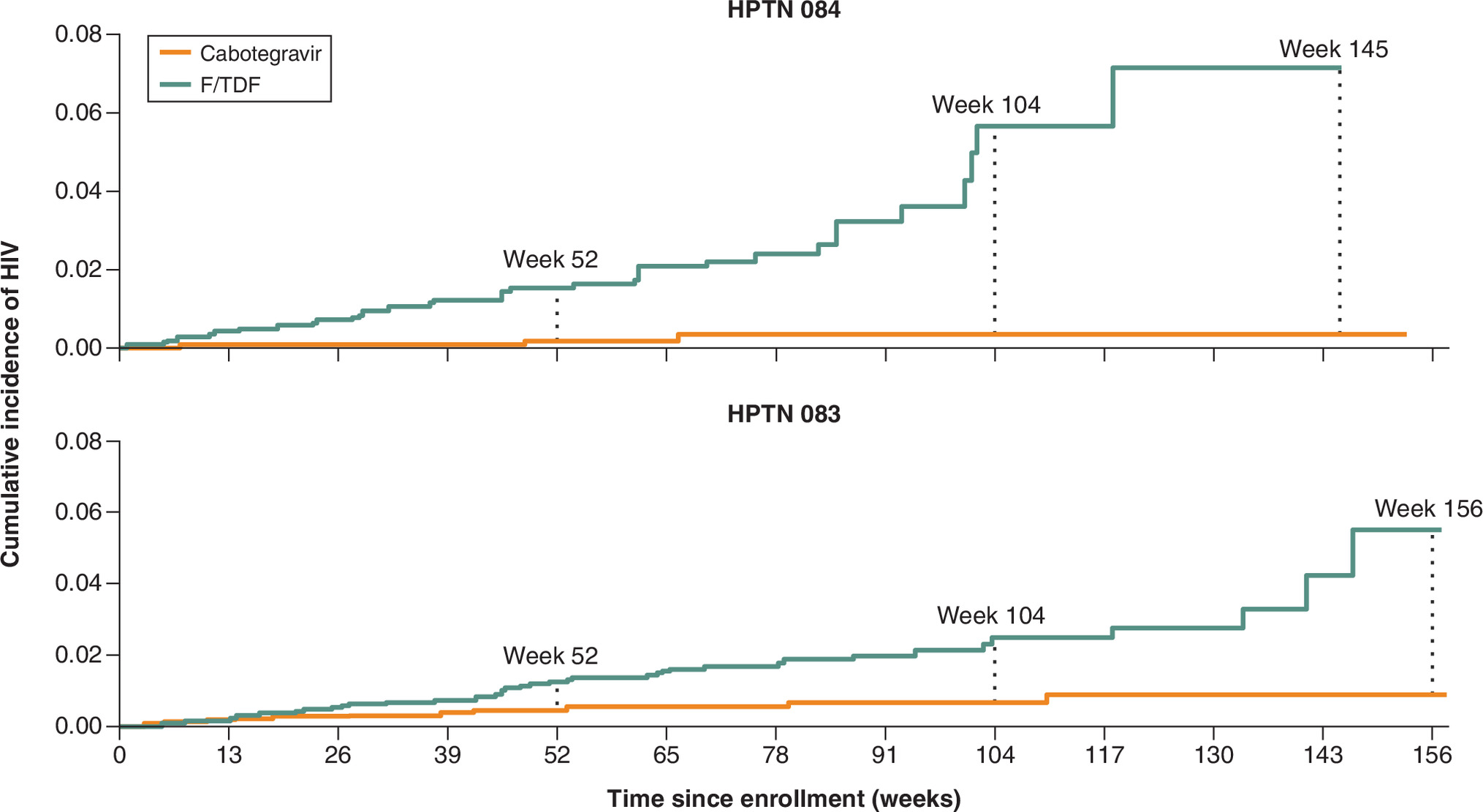
In the context of ITCs of oral and injectable PrEP, reliable analyses will need to closely consider follow-up, given the observed differences across trials and the differences in cumulative incidence between oral and injectable interventions. For time-dependent rare events, such as HIV incidence, longer follow-up inherently accrues more person-time at risk, allowing additional events that shorter trials may not capture. In an ITC of two such trials, the between-study estimate can be driven by differences in observed event rates that reflect unequal time at risk rather than true differences in relative effectiveness. For example, in HPTN 084, the cumulative incidence of the cabotegravir arm at one year was approximately 0.002, while that of the F/TDF arm was approximately 0.016. At two years, the cumulative incidence of cabotegravir was approximately 0.003 and F/TDF approximately 0.057. And at almost three years, approximately 0.003 and 0.072. As demonstrated in Figure 5, the cumulative incidence curve for oral PrEP is steeper than for injectable PrEP [14]. Similar trends were seen in HPTN 083, with one-year, two-year and three-year cumulative incidence rates for cabotegravir and F/TDF, respectively, approximately: 0.004 and 0.012, 0.007 and 0.025, and 0.009 and 0.056 [13] (Figure 5).
Zero or close to zero events and population adjustment
In an ITC or NMA, when the outcome of interest is very rare, it may be difficult or impossible to robustly capture the effect and uncertainty of a treatment or comparison [27,51]. For example, due to the high efficacy of injectable PrEP, low event counts were observed, with 0, 2, 4 and 13 HIV infections across PURPOSE 1, PURPOSE 2, HPTN 084 and HPTN 083, respectively [10–13]. When studies report very few or no events, called zero-event cells, statistical measures of effect (such as IRRs or odds ratios) and their associated uncertainty calculations may become undefined, rendering it difficult or impossible to determine whether a treatment effect exists [51]. Current methodological guidance for zero-event cells primarily relates to the zero-cell correction in the context of (N)MA, with a common practice involving adding a continuity correction of 0.5 to each aggregate count value [27]. More flexible approaches for zero-cell continuity corrections also exist; however, these may introduce subjectivity, given that the choice of the correction impacts the results of the analysis [51].
In the case of zero events, the traditional Bucher approach to calculation of CIs fails. When zero-event cells occur, the standard errors and CIs of the Bucher ITC cannot be calculated without additional assumptions. Bayesian approaches may also be beneficial in overcoming such challenges [27].
The presence of zero or close to zero events in injectable arms of PrEP studies additionally introduces complications for population adjustment. Population-adjusted ITCs are recommended in the National Institute for Health and Care Excellence (NICE) Decision Support Unit (DSU) Technical Support Document 18 and the European Union Joint Clinical Assessment (EU JCA) evidence synthesis guidelines where there are between-trial differences in TEMs [33,34]. However, regression-based population adjustment methods (such as multilevel-network meta-regression or simulated treatment comparison) are challenged when event count is low or become impossible in the presence of zero events. And while production of propensity score weights may be feasible (e.g., via matching-adjusted indirect comparison), application of such weights to low event counts may have limited benefit.
Additionally, where few events occur, large uncertainty will lead to challenges in establishing statistically significant differences between interventions [52]. It is therefore especially important within this context to consider multiple dimensions beyond efficacy and safety outcomes when evaluating competing interventions, including, for example, mode and frequency of administration, persistence, cost-benefit, quality of life, PrEP user preference, and potential for increased PrEP uptake among underserved communities. Where possible, these dimensions should be considered alongside conventional indirect comparisons as part of a holistic assessment of the additional value that novel PrEP modalities provide.
Conclusions
As summarized in Table 3, this review identifies key methodological challenges for ITCs of PrEP, proposes practical approaches below, where feasible, and acknowledges that further refinement of these solutions will be required as the evidence base evolves. Transparency about these limitations is essential to interpret current evidence appropriately and to prioritize future work. The considerations outlined here synthesize the most important challenges and can help guide rigorous analyses, reporting, and methodological development.
| Key considerations | Overview | Potential solutions | |
|---|---|---|---|
| TEMs/PFs | Available literature | TEMs are poorly defined in the HIV PrEP literature. | Future work should comprehensively identify TEMs through: • A structured, consensus-driven framework (e.g., Delphi Panel of clinical input) • Robust statistical analysis |
| Adherence to oral PrEP | Adherence to oral PrEP would likely behave as a TEM given the relationship between oral PrEP adherence and efficacy. Assessments of comparability and ability to adjust for differences in oral PrEP are challenged by: • Variation in measurement methods and/or timepoints across trials • Fluctuating adherence levels within each trial • Subgroup measurements of plasma tenofovir concentrations and DBS samples | • Harmonization of measurement method and timepoints of adherence across trials • Methodological advances to allow for the adjustment of variables varying over time • Measurement of adherence in the full study population (rather than just a subgroup) • Considering baseline risk factors predictive of oral adherence as a proxy for adherence itself | |
| Background HIV | We hypothesize TEMs may encompass potential prognostic factors, such as background HIV incidence, due to the high efficacy of injectable compared with oral PrEP. Differences in measurement of background HIV challenges any adjustment for background HIV across trials challenge any assessments and adjustment for background HIV across trials. | • Methodological differences in the measurement of background HIV should be aligned when considering the design of future trials to enable comparison | |
| Follow-up time | HIV acquisition is a rare, time-dependent event, so accounting for potential differences in follow-up is critical, particularly as (in the context of ITCs) the cumulative incidence curve is steeper for oral PrEP than injectable PrEP. | • Where feasible, consistent follow-up across trials would support cross-trial harmonization • Effect measures that incorporate follow-up time (e.g., IRR and IRD) should be preferred | |
| Zero or close to zero events and population adjustment | High efficacy of injectable PrEP results in zero or few events which challenges conventional ITC approaches (including Bucher ITC), and introduces additional complications for population-adjustment. Additionally, zero or few events will likely lead to lack of statistical significance in results. | • Methodological advances are needed to account for zero or few events • To aid interpretation and decision-making, particularly in the absence of statistically significant results, multiple dimensions beyond efficacy and safety (e.g., mode and frequency of administration, quality of life) should be considered | |
DBS: Dried-blood-spot; HIV: Human immunodeficiency virus; IRD: Incidence rate difference; IRR: Incidence rate ratio; ITC: Indirect treatment comparison; PF: Prognostic factor; PrEP: Pre-exposure prophylaxis; TEM: Treatment effect modifier.
Beyond solely meeting the requirements of regulatory bodies and where feasible and practical, manufacturers and trial sponsors should align on core design elements to strengthen future comparative evidence generation for HTA and market access. Although full harmonization across trials may not be practical, sponsors can focus on collecting the key data elements necessary to generate robust cross-study comparisons. Key data elements to collect would include relevant eligibility criteria and population definitions; all relevant end points and diagnostic algorithms reported by other trials; and comprehensive collection of variables likely to modify treatment effects (e.g., adherence measures, background HIV incidence, patient baseline characteristics). Where feasible, consistent follow-up across trials would also support cross-trial harmonization. Efficient designs with shared (common) interventions can improve comparability and reduce reliance on cross-trial assumptions, which are subject to the challenges outlined in the present review.
Greater consensus in literature is needed on which variables are clinically meaningful and whether they are TEMs or purely prognostic (e.g., adherence, background HIV incidence, prevalent STIs, age, sex, etc.). A structured, consensus-driven framework (e.g., Delphi Panel) or robust statistical analysis to comprehensively identify TEMs and standardized reporting would enhance interpretation of future ITCs.
Oral PrEP adherence fluctuates over time and is measured inconsistently across studies (self-report, pill counts, plasma tenofovir concentrations, DBS samples, etc.). Methods that explicitly model adherence as a time-varying TEM – and that can be applied in ITCs – require further development and research. Prespecifying adherence-defined estimands and reporting standardized adherence metrics at comparable timepoints across clinical trials would also improve comparability. Additionally, laboratory-based measures with longer windows (TFV-DP in DBS) can reduce misclassification relative to short-lived plasma tenofovir concentrations. To date, these biomarkers have often been collected in subgroups of trial populations only, limiting the ability for adjustment in indirect comparisons. Where practical, future trials should expand coverage of biomarker-based adherence estimates to full trial populations.
Trials and comparative analyses should favor incidence-based measures that account for person-time, consider how zero-event arms will be handled, and align follow-up periods across studies. Where ITCs are necessary, access to full individual patient data (IPD) would enable population adjustment, adherence modelling, and exploration of TEMs. However, with rare outcomes and limited overlap between trials, IPD may still be insufficient to resolve simultaneous challenges of population adjustment and low event counts. Additionally, within a commercial context, access to all IPD is not practical and manufacturers face these challenges with only partial availability of patient-level data (i.e., from their sponsored clinical trial).
Further, while methodological rigor in ITCs and other meta-analytical approaches is essential, it is equally important to recognize their contextual limitations. Evidence synthesis methods cannot capture many practical, contextual, and user-centered factors that strongly influence real-world effectiveness of PrEP outside of the clinical efficacy and safety of the interventions. For example, access, route, and frequency of administration and requirements for clinic attendance or monitoring affect uptake, sustained use and population impact; however, these factors are not readily incorporated into effect estimates produced from statistical comparisons. Therefore, when evidence is presented, these non-statistical dimensions should be acknowledged along with the clinical comparisons, and their likely influence on interpretation and decision-making should be noted. These are particularly important to consider where few events occur within PrEP trials, as with rare events it is challenging to demonstrate statistically significant differences. Additionally, the between-trial differences discussed herein, including adherence to oral PrEP, background HIV incidence and follow-up time can obscure or distort the true relative treatment effect that is being estimated in indirect comparisons. Accordingly, evidence synthesis methods must be selected and interpreted carefully in the context of PrEP.
Strengths of this article include provision of a structured exploration of the key challenges associated with conducting ITCs in this indication; our article made reference to relevant ITC literature, key recent clinical trials and systematic reviews in this indication, drawing on relevant data and statistical reasoning to present our conclusions. Limitations include that identification of relevant literature involved a narrative review rather than a pre-registered targeted or systematic review, which may have resulted in selection bias in presentation of findings. The literature referenced within this article in relation to potential TEMs include subgroup results from key clinical trials, which may lead to misinterpretation due to their reduced sample sizes and absence of randomization. The limitation of small sample sizes also applies to analyses indicating association between adherence and efficacy of oral PrEP as these often relied on the subgroup of participants in which adherence biomarkers were measured.
In conclusion, we have highlighted key considerations that should guide future research to inform future clinical trial design and the conduct of indirect comparisons of PrEP. In turn, we have sought to support researchers and decision-makers in generating and interpreting indirect evidence in the context of PrEP.
Summary points
•
The HIV prevention landscape is expanding rapidly given effectiveness of pre-exposure prophylaxis (PrEP), including recently approved injectable options which have shown high efficacy in clinical trials.
•
Indirect treatment comparisons (ITCs) are often conducted to obtain relative efficacy and safety estimates in the absence of head-to-head trials.
•
The aim of the present review was to identify and outline considerations associated with the robust conduct of ITCs for PrEP to help support epidemiologists, statisticians, clinicians and decision-makers in generating and interpretating ITC results.
•
Considerations identified encompassed identification and measurement of treatment effect modifiers (TEMs) for PrEP, differences in follow-up duration across trials, and zero or few HIV events observed in injectable PrEP trials.
•
TEMs for PrEP are not well-defined in the literature, and may, given the high efficacy of injectable compared with oral PrEP, also include potential prognostic factors, such as background HIV incidence.
•
Oral PrEP adherence (a potential TEM) is time-varying and measured inconsistently across studies, complicating any assessment of comparability and the ability to adjust for this within ITCs with currently available methods.
•
Differences in follow-up across studies, and the ability to account for these differences, is critical to producing reliable relative effect estimates given the rarity of HIV events.
•
Very low or zero HIV-event counts in long-acting PrEP trials complicate variance estimation methods and furthermore challenge population-adjustment (recommended within ITCs if potential TEMs differ between trials).
•
Understanding these limitations is essential to aid interpretation of ITC results and to successfully prioritize future research needed to incorporate relevant considerations into the design of future head-to-head and indirect comparisons of PrEP.
Author contributions
All authors contributed to study concept and interpretation of data to support the work. T Curteis, AN Franklin and RK Judge contributed to drafting the article. All authors reviewed the article critically for important intellectual content. All authors contributed to the final approval of the version of the article to be published.
Financial disclosure
This work was funded by Gilead Sciences (CA, USA).
Competing interests disclosure
T Curteis, AN Franklin and RK Judge are employees of Costello Medical, which was funded by Gilead Sciences to conduct the research and medical writing for this manuscript. A Zolotor is an employee of University of North Carolina Gillings School of Global Public Health but primarily contributed to the article whilst an employee of Costello Medical. J Jarrett, CC Carter, R Ebrahimi and D Mezzio are employees and shareholders of Gilead Sciences. The authors have no other competing interests or relevant affiliations with any organization or entity with the subject matter or materials discussed in the manuscript apart from those disclosed.
Writing disclosure
Writing support was provided by Costello Medical and was funded by Gilead Sciences.
Open access
This work is licensed under the Creative Commons Attribution 4.0 License. To view a copy of this license, visit https://creativecommons.org/licenses/by/4.0/
References
Papers of special note have been highlighted as: • of interest; •• of considerable interest
1.
UNAIDS. Global HIV Statistics Fact Sheet 2025. (Accessed 26 January 2026). https://www.unaids.org/en/resources/fact-sheet
2.
Yale Medicine. Human immunodeficiency virus (HIV) fact sheet. (Accessed 26 January 2026). https://www.yalemedicine.org/conditions/human-immunodeficiency-virus-hiv
3.
World Health Organization. Guidelines on lenacapavir for HIV prevention and testing strategies for long-acting injectable pre-exposure prophylaxis. (2025).
4.
Murchu EO, Marshall L, Teljeur C et al. Oral pre-exposure prophylaxis (PrEP) to prevent HIV: a systematic review and meta-analysis of clinical effectiveness, safety, adherence and risk compensation in all populations. BMJ Open 12, e048478 (2022).
•• This systematic review and meta-analysis highlighted the effectiveness of oral pre-exposure prophylaxis (PrEP) treatments when taken as prescribed, with consideration given to adherence and the potential association between this and efficacy.
5.
Unigwe IF, Goodin A, Lo-Ciganic WH et al. Trajectories of adherence to oral pre-exposure prophylaxis and risks of HIV and sexually transmitted infections. Open Forum Infect. Dis. 11, ofae569 (2024).
• This retrospective cohort study highlights that adherence changes over time.
6.
Stalter RM, Dong TQ, Hendrix CW et al. Assessing per-sex-act HIV-1 risk reduction among women using the dapivirine vaginal ring. J. Infect. Dis. 229, 1158–1165 (2024).
7.
Gilead Sciences. Yeztugo® (Lenacapavir) is now the first and only FDA-approved HIV prevention option offering 6 months of protection. (2025). (Accessed 26 January 2026). https://www.gilead.com/news/news-details/2025/yeztugo-lenacapavir-is-now-the-first-and-only-fda-approved-hiv-prevention-option-offering-6-months-of-protection
8.
US Food and Drug Administration. FDA approves first injectable treatment for HIV pre-exposure prevention. drug given every two months rather than daily pill is important tool in effort to end the HIV epidemic. (2021). (Accessed 26 January 2026). https://www.fda.gov/news-events/press-announcements/fda-approves-first-injectable-treatment-hiv-pre-exposure-prevention
9.
Gilead Sciences. European commission authorizes twice-yearly Yeytuo® (Lenacapavir) for HIV prevention. (2025). (Accessed 26 January 2026). https://www.gilead.com/news/news-details/2025/european-commission-authorizes-twice-yearly-yeytuo-lenacapavir-for-hiv-prevention
10.
ViiV Healthcare. European Commission authorises ViiV Healthcare's Apretude (cabotegravir long-acting and tablets) for HIV prevention. (2023). (Accessed 26 January 2026). https://viivhealthcare.com/hiv-news-and-media/news/press-releases/2023/september/european-commission-authorises-viiv-healthcare/
11.
Bekker L-G, Das M, Abdool Karim Q et al. Twice-yearly lenacapavir or daily F/TAF for HIV prevention in cisgender women. N. Engl. J. Med. 391, 1179–1192 (2024).
12.
Kelley CF, Acevedo-Quiñones M, Agwu AL et al. Twice-yearly lenacapavir for HIV prevention in men and gender-diverse persons. N. Engl. J. Med. 392(13), 1261–1276 (2025).
13.
Landovitz RJ, Donnell D, Clement ME et al. Cabotegravir for HIV prevention in cisgender men and transgender women. N. Engl. J. Med. 385, 595–608 (2021).
14.
Delany-Moretlwe S, Hughes JP, Bock P et al. Cabotegravir for the prevention of HIV-1 in women: results from HPTN 084, a Phase III, randomised clinical trial. Lancet 399, 1779–1789 (2022).
15.
Arens Y, Gulick RM. Future options for long-acting HIV treatment and prevention. Curr. Opin. HIV AIDS 20, 39–47 (2025).
•• This review describes future options for long-acting HIV treatment and prevention, highlighting the need for developments to ensure real-world effectiveness.
16.
Han K, Benn P, Sievers J et al. A randomized Phase 1 study evaluating pharmacokinetics, safety, and tolerability of a high-concentration, long-acting cabotegravir formulation in adults without HIV. Clin. Pharmacol. Drug Dev. 14, 528–541 (2025).
17.
ClinicalTrials.gov. Study of lenacapavir as a once-yearly injection for HIV pre-exposure prophylaxis (PrEP) (PURPOSE 365): Gilead Sciences (Responsible Party), 2025: NCT07047716. (Accessed 26 January 2026). https://clinicaltrials.gov/study/NCT07047716
18.
Mahomed S, Garrett N, Potloane D et al. Extended safety and tolerability of subcutaneous CAP256V2LS and VRC07–523LS in HIV-negative women: study protocol for the randomised, placebo-controlled double-blinded, Phase 2 CAPRISA 012C trial. BMJ Open 13, e076843 (2023).
19.
Merck & Co., Inc. Merck to initiate Phase 3 trials for investigational once-monthly HIV prevention pill. In collaboration with the Gates Foundation, Merck advances MK-8527 pre-exposure prophylaxis (PrEP) clinical trials globally. (2025). (Accessed 26 January 2026). https://www.merck.com/news/merck-to-initiate-phase-3-trials-for-investigational-once-monthly-hiv-prevention-pill/
20.
AVAC. The future of ARV-based prevention and more: AIDS vaccine advocacy coalition. (2024). (Accessed 26 January 2026). https://avac.org/wp-content/uploads/2024/07/FutureARVbasedPrevention_Oct2024.pdf
21.
National Institute for Health and Care Excellence (NICE). Single technology appraisal and highly specialised technologies evaluation: user guide for company evidence submission template. (2024). (Accessed 26 January 2026). https://www.nice.org.uk/process/pmg24
22.
Member State Coordination Group on Health Technology Assessment. Guidance on filling the joint clinical assessment (JCA) dossier template – Medicinal products. (2024). (Accessed 26 January 2026). https://health.ec.europa.eu/publications/guidance-filling-joint-clinical-assessment-jca-dossier-template-medicinal-products_en
23.
Hawkins N, O'Brien P, Thompson J et al. Indirect treatment comparison of long-acting injectable cabotegravir as pre-exposure prophylaxis when compared with no pre-exposure prophylaxis for HIV prevention. Infect. Dis. Ther. 14, 1739–1753 (2025).
• This article reports on a systematic literature review (SLR) of oral and injectable PrEP options and an indirect treatment comparison (ITC) of cabotegravir (long-acting injectable PrEP) versus no PrEP (informed by the SLR).
24.
Hawkins N, Thompson J, Grove R et al. Indirect Treatment Comparison of the Efficacy of Cabotegravir and Lenacapavir for HIV Pre-exposure Prophylaxis (PrEP) Versus No PrEP and Oral Tenofovir Disoproxil Fumarate/Emtricitabine (TDF/FTC). International AIDS Society Meeting, Kigali, Rwanda (2025).
25.
Hawkins N, Hazra A, Brizzi M et al. Indirect treatment comparison of the efficacy of long-acting injectable cabotegravir compared with lenacapavir for HIV pre-exposure prophylaxis. Adv. Ther. 43, 3535–3551 (2026).
26.
Higgins J, Thomas J, Chandler J et al. Cochrane Handbook for Systematic Reviews of Interventions. version 6.5 (updated August 2024) Cochrane. (2024). (Accessed 26 January 2026). http://www.cochrane.org/handbook
27.
Dias S, Welton NJ, Sutton AJ et al. NICE DSU technical support document 2: a generalised linear modelling framework for pairwise and network meta-analysis of randomised controlled trials. (2011).
• These guidelines detail standard approaches to unadjusted ITCs, and potential challenges where there are low event rates.
28.
Akello D. Adherence levels and associated factors to pre-exposure prophylaxis among high risk individuals enrolled at public health facilities in Mbale district. Makerere University Institutional Repository 2019. (Accessed 18 February 2026). https://makir.mak.ac.ug/items/3f48c3d0-d382-48c4-ab79-cae88e30cf6e
29.
Hurwitz KE, Isehunwa OO, Hendrickson KR et al. Adherence to daily, oral TDF/FTC PrEP during periconception among HIV-exposed South African women. Front. Reprod. Health 5, 1263422 (2023).
30.
Koss CA, Charlebois ED, Ayieko J et al. Uptake, engagement, and adherence to pre-exposure prophylaxis offered after population HIV testing in rural Kenya and Uganda: 72-week interim analysis of observational data from the SEARCH study. Lancet HIV 7, e249–e261 (2020).
31.
Tao L, Yang J, Shannon B et al. Real-World Adherence of HIV-1 Oral Pre-Exposure Prophylaxis Regimens in the USA: A Group-Based Trajectory Modeling Approach. 5th International AIDS Conference, Munich, Germany (2024).
32.
Bucher HC, Guyatt GH, Griffith LE et al. The results of direct and indirect treatment comparisons in meta-analysis of randomized controlled trials. J. Clin. Epidemiol. 50, 683–691 (1997).
33.
Phillippo DM, Ades AE, Dias S et al. NICE DSU technical support document 18: methods for population-adjusted indirect comparisons in submissions to NICE. (2016).
34.
Member State Coordination Group on Health Technology Assessment. Methodological guideline for quantitative evidence synthesis: direct and indirect comparisons. (2024). (Accessed 26 January 2026). https://health.ec.europa.eu/publications/methodological-guideline-quantitative-evidence-synthesis-direct-and-indirect-comparisons_en
35.
National Institute for Health and Care Excellence (NICE). Guide to the methods of technology appraisal 2013. Process and methods. (2013) (Accessed: 26 January 2026). http://www.nice.org.uk/process/pmg9
36.
Haberer JE, Baeten JM, Campbell J et al. Adherence to antiretroviral prophylaxis for HIV prevention: a substudy cohort within a clinical trial of serodiscordant couples in East Africa. PLoS Med. 10, e1001511 (2013).
37.
Moore M, Stansfield S, Donnell DJ et al. Efficacy estimates of oral pre-exposure prophylaxis for HIV prevention in cisgender women with partial adherence. Nat. Med. 29, 2748–2752 (2023).
38.
Liu A, Liu A, Grant R et al. 866. Adherence to F/TDF for PrEP in dried blood spots and HIV infection rates: a pooled analysis of global PrEP studies. Open Forum Infect. Dis. 8, S524–S525 (2021).
39.
Anderson PL, Liu AY, Castillo-Mancilla JR et al. Intracellular tenofovir-diphosphate and emtricitabine-triphosphate in dried blood spots following directly observed therapy. Antimicrob. Agents Chemother. 62(1), e01710–e01717 (2018).
40.
Zeballos D, Guimarães NS, Pereira M et al. Performance of adherence measures for oral, tenofovir-based HIV pre-exposure prophylaxis: a systematic review. AIDS Behav. 29(9), 2841–2854 (2025).
• This SLR highlights variation of indirect measures used to assess PrEP adherence, and that the accuracy of these are unclear, emphasizing the need for further research.
41.
Niu X, Kubiak RW, Siriprakaisil O et al. Tenofovir-diphosphate in dried blood spots vs tenofovir in urine/plasma for oral preexposure prophylaxis adherence monitoring. Open Forum Infect. Dis. 9(8), ofac405 (2022).
42.
Baeten JM, Donnell D, Mugo NR et al. Single-agent tenofovir versus combination emtricitabine plus tenofovir for pre-exposure prophylaxis for HIV-1 acquisition: an update of data from a randomised, double-blind, Phase 3 trial. Lancet Infect. Dis. 14, 1055–1064 (2014).
43.
Baeten JM, Donnell D, Ndase P et al. Antiretroviral prophylaxis for HIV prevention in heterosexual men and women. N. Engl. J. Med. 367, 399–410 (2012).
44.
Choopanya K, Martin M, Suntharasamai P et al. Antiretroviral prophylaxis for HIV infection in injecting drug users in Bangkok, Thailand (the Bangkok Tenofovir Study): a randomised, double-blind, placebo-controlled Phase 3 trial. Lancet 381, 2083–2090 (2013).
45.
Grant RM, Lama JR, Anderson PL et al. Preexposure chemoprophylaxis for HIV prevention in men who have sex with men. N. Engl. J. Med. 363, 2587–2599 (2010).
46.
Marrazzo JM, Ramjee G, Richardson BA et al. Tenofovir-based preexposure prophylaxis for HIV infection among African women. N. Engl. J. Med. 372, 509–518 (2015).
47.
Molina J-M, Capitant C, Spire B et al. On-demand preexposure prophylaxis in men at high risk for HIV-1 infection. N. Engl. J. Med. 373, 2237–2246 (2015).
48.
Van Damme L, Corneli A, Ahmed K et al. Preexposure prophylaxis for HIV infection among African women. N. Engl. J. Med. 367, 411–422 (2012).
49.
McCormack S, Dunn DT, Desai M et al. Pre-exposure prophylaxis to prevent the acquisition of HIV-1 infection (PROUD): effectiveness results from the pilot phase of a pragmatic open-label randomised trial. Lancet 387, 53–60 (2016).
50.
Rothman KJ, Greenland S, Lash T. Modern epidemiology. (3rd Edition). (2008).
51.
Sweeting MJ, Sutton AJ, Lambert PC. What to add to nothing? Use and avoidance of continuity corrections in meta-analysis of sparse data. Stat. Med. 23, 1351–1375 (2004).
52.
Tsang R, Colley L, Lynd LD. Inadequate statistical power to detect clinically significant differences in adverse event rates in randomized controlled trials. J. Clin. Epidemiol. 62, 609–616 (2009).
Information & Authors
Information
Published In
Copyright
© 2026 Gilead Sciences Inc. This work is licensed under the Creative Commons Attribution 4.0 License
History
Received: 20 May 2026
Accepted: 14 August 2026
Published online: 15 October 2026
Keywords:
Authors
Metrics & Citations
Metrics
Article Usage
Article usage data only available from February 2023. Historical article usage data, showing the number of article downloads, is available upon request.
Citations
How to Cite
Methodological considerations for indirect treatment comparisons of HIV incidence for long-acting injectable pre-exposure prophylaxis. (2026) Journal of Comparative Effectiveness Research. DOI: 10.57264/cer-2026-0103
Export citation
Select the citation format you wish to export for this article or chapter.