

A global literature review of comorbidities and concomitant supportive medications among individuals with Rett syndrome
Publication: Journal of Comparative Effectiveness Research
Abstract
Aim: To synthesize evidence on the multisystem clinical burden of Rett syndrome, integrating comorbidity prevalence and concomitant medication use to inform proactive care. Materials & methods: A structured search of PubMed, Embase and Cochrane (January 2000 to July 2024), plus gray literature, identified clinical trials, observational studies, registries, and case series (n >10). Non-English articles, case reports, reviews and commentaries were excluded. Two investigators independently screened studies, extracted data and synthesized the evidence using a descriptive approach with evidence mapping. Results: Of 6253 records screened, 148 studies met inclusion criteria, spanning 24 countries and participants aged 7 months to 37 years. Neurological, musculoskeletal and developmental manifestations predominated (reported in 62.0%, 44.0% and 41.0% of studies, respectively). Epilepsy prevalence ranged from 15.0% to 91.0%, scoliosis 8.9–100% and gastrointestinal dysfunction was common, including constipation (16.4–82.8%) and gastroesophageal reflux (15.8–100.0%). Hand stereotypies were reported in 11.4% of studies, with prevalence of 70.0–100.0%. Among studies reporting developmental burden, inability to walk ranged from 19.0% to 100.0%. Additional comorbidities included sleep, oral, and endocrine disorders, among others. Antiepileptic medications contributed most to treatment burden (14.3–33.0% for monotherapy). Other commonly used medications targeted sleep (melatonin, 7.7–30.0%), gastrointestinal symptoms (proton-pump inhibitors, 37.0–61.0%) and behavioral symptoms (anti-anxiety agents, 10.0–21.4%). Conclusion: Rett syndrome imposes a substantial, lifelong multisystem burden requiring continuous surveillance. Findings highlight the importance of anticipatory, multidisciplinary care rather than symptom-driven management. Patterns of medication use, particularly for epilepsy, reflect reliance on symptom-directed therapies and highlight the need for routine medication review, careful prescribing and longitudinal monitoring to optimize outcomes.
Plain language summary: Understanding the full health burden of Rett syndrome: a review of co-occurring conditions & medications used worldwide
What is this article about?
Rett syndrome (RTT) is a rare genetic disorder that primarily affects girls and causes lifelong problems across many body systems, including the brain, muscles, digestive system and lungs. People with RTT often need multiple medications and care from many different specialists. This review brought together findings from 148 studies conducted in 24 countries to create a comprehensive picture of how common these health problems are and what medications are used to manage them.
What were the results?
Brain-related problems were the most commonly reported, with seizures affecting anywhere from 15 to 91% of people with RTT. Spinal curvature (scoliosis) affected up to 100% of individuals, and digestive problems like constipation (16–83%) and acid reflux (16–100%) were also very common. Sleep difficulties, anxiety, and breathing irregularities were frequently reported across all age groups. To manage these issues, many people required several medications simultaneously seizure medications were used most often, followed by laxatives, acid-reducing drugs and sleep aids.
What do the results mean?
These findings show that RTT causes health problems across multiple body systems throughout a person’s entire life, not just in childhood. Because these health problems are interconnected. For example, worsening spinal curvature is linked to more frequent seizures, therefore care should be coordinated across specialists from an early stage, rather than waiting for symptoms to worsen. Routine monitoring, proactive treatment planning and regular medication review are essential to improving quality of life for people with RTT and reducing the burden on their families.
Rett syndrome (RTT) is a rare X-linked neurodevelopmental disorder affecting approximately 1 in 10,000 female births [1]. Most cases are associated with pathogenic variants in the MECP2 gene [2]. Affected individuals typically develop normally in early infancy before experiencing progressive loss of acquired skills requiring lifelong multidisciplinary care [3,4]. Beyond the hallmark hand stereotypies and language regression that prompt diagnosis, most patients develop multisystem comorbidities across neurological, musculoskeletal, gastrointestinal and respiratory domains, often requiring multiple medication use [5,6]. These comorbidities require ongoing management by multiple specialists and contribute to substantial burden for patients, caregivers and health systems, with mean annual healthcare costs exceeding $40,000 per patient in the US in 2021 [7,8].
Comorbidities such as epilepsy and movement disorders, progressive musculoskeletal deformities, gastrointestinal (GI) dysfunction and respiratory irregularities emerge across development and create management needs that vary across individuals [9–12]. While specialized centers may provide coordinated care, many health systems continue to manage these comorbidities within isolated specialties and only after symptom escalation [13,14]. Neurologists manage seizures, orthopedists intervene once scoliosis is advanced, and gastroenterologists address reflux after symptom onset, often without standardized screening or proactive planning. This fragmented approach may overlook clinically relevant interrelationships among manifestations, including the contribution of respiratory dysfunction to reflux, associations between seizure burden and functional decline, and the influence of nutritional status on overall health trajectory.
Although prior syntheses and clinical guidance have established the multisystem nature of RTT and recommended coordinated surveillance across the lifespan [15–20], data on comorbidity prevalence and concomitant medication use have typically been reported in isolation rather than consolidated within a single comprehensive synthesis. Hence, the objective of this study is to synthesize the available global evidence on the prevalence of cross-system manifestations and documented medication use, providing a comprehensive qualitative summary across the published literature. By connecting these comorbidities to specific interventions and subsequent health, quality of life, and healthcare utilization outcomes, this study aims to provide a data-driven conceptual model for integrated, multidisciplinary care pathways.
Materials & methods
Literature search & study selection
Structured searches were conducted in PubMed, Embase, and Cochrane databases from 1 January 2000 to 31 July 2024 using combinations of keywords related to RTT (e.g., ‘Rett syndrome’), comorbidity descriptors (‘epilepsy’, ‘scoliosis’, ‘gastro-esophageal reflux’, ‘breath-holding’, and other terms) and concomitant medication (e.g., gastric acid suppressants, proton pump inhibitors, H2 antagonists, pantoprazole, lansoprazole, omeprazole, rabeprazole, esomeprazole, non-steroidal anti-inflammatory drugs [NSAIDs], cyclooxygenase inhibitors, Cox 2 inhibitors, aspirin, corticosteroids, steroids, glucocorticoids, prednisone among others). Gray literature sources were also consulted. Detailed search strategy is provided in Supplementary Material. Key clinical guidelines and recent therapeutic reviews were assessed to supplement the literature search in linking comorbidities, therapies and clinical/quality of life and healthcare utilization outcomes.
Inclusion criteria were defined by the Population, Intervention, Comparator, Outcome, Study design, and Timeframe (PICOST) framework [21]: studies involving individuals with RTT (any age and sex) that reported prevalence or clinical impact data for diagnostic features or medical comorbidities, concomitant medications, interventional and observational study designs (clinical trials, real-world studies, case series with n >10, registries, and cohort studies) were eligible. Studies without extractable prevalence data, non-English publications, case reports, and reviews were excluded. Two investigators independently screened titles and abstracts of identified studies, evaluated full texts, and resolved any disagreements through discussion. No sensitivity analysis was performed due to heterogeneity among the included studies.
Data extraction
Data were extracted using standardized forms and included publication year, country, study design, sample size, age range, sex distribution and MECP2 mutation status. Clinical impact data were extracted for diagnostic features and comorbidities. To separate core RTT manifestations from comorbid conditions, we defined six diagnostic features based on the 2010 consensus criteria: hand stereotypies, loss of speech, intellectual disability, microcephaly, inability to walk and breath-holding [22]. Additional medical comorbidities were organized into 17 categories: neurological (seizures, dystonia), musculoskeletal (scoliosis, contractures), developmental (delayed milestones), respiratory (hyperventilation, apnea), gastrointestinal (constipation, reflux, chewing/swallowing problems), orthopedic (fractures), oral (bruxism, drooling), behavioral (anxiety, mood disturbances), cardiovascular (arrhythmias), endocrinological (puberty disorders), infections, sleep disorders, nutritional, reproductive, urinary, stereotypies and other disorders. Concomitant medications were categorized into antiepileptic and anticonvulsants, nutritional supplements, medications for sleep, gastrointestinal, behavioral problems or other problems.
Evidence synthesis
We synthesized the evidence using a narrative approach because included studies varied in design, populations and outcome reporting. Prevalence estimates for comorbidities and concomitant medication use were summarized descriptively across studies, with priority given to estimates from larger cohorts and methodologically robust designs where available. To complement the descriptive synthesis and provide a structured view of the evidence landscape, we used evidence-mapping techniques [23].
An evidence graph was constructed to delineate the multisystem burden of RTT by mapping relationships among genetic etiology, core diagnostic features and comorbidities; organ systems were color-coded and prevalence estimates were integrated to characterize the frequency and distribution of comorbidities across clinical domains [24]. We also developed a knowledge map linking major comorbidities to current pharmacological and supportive strategies and to associated health, humanistic and economic outcomes [25]. Relationships shown in these maps were drawn from studies assessing therapeutic effects, quality-of-life measures and healthcare utilization identified during the systematic search, and were supplemented by key clinical guidelines and recent therapeutic reviews to illustrate evidence-based intervention pathways and the potential impact of integrated care on overall disease burden.
Results
Study characteristics
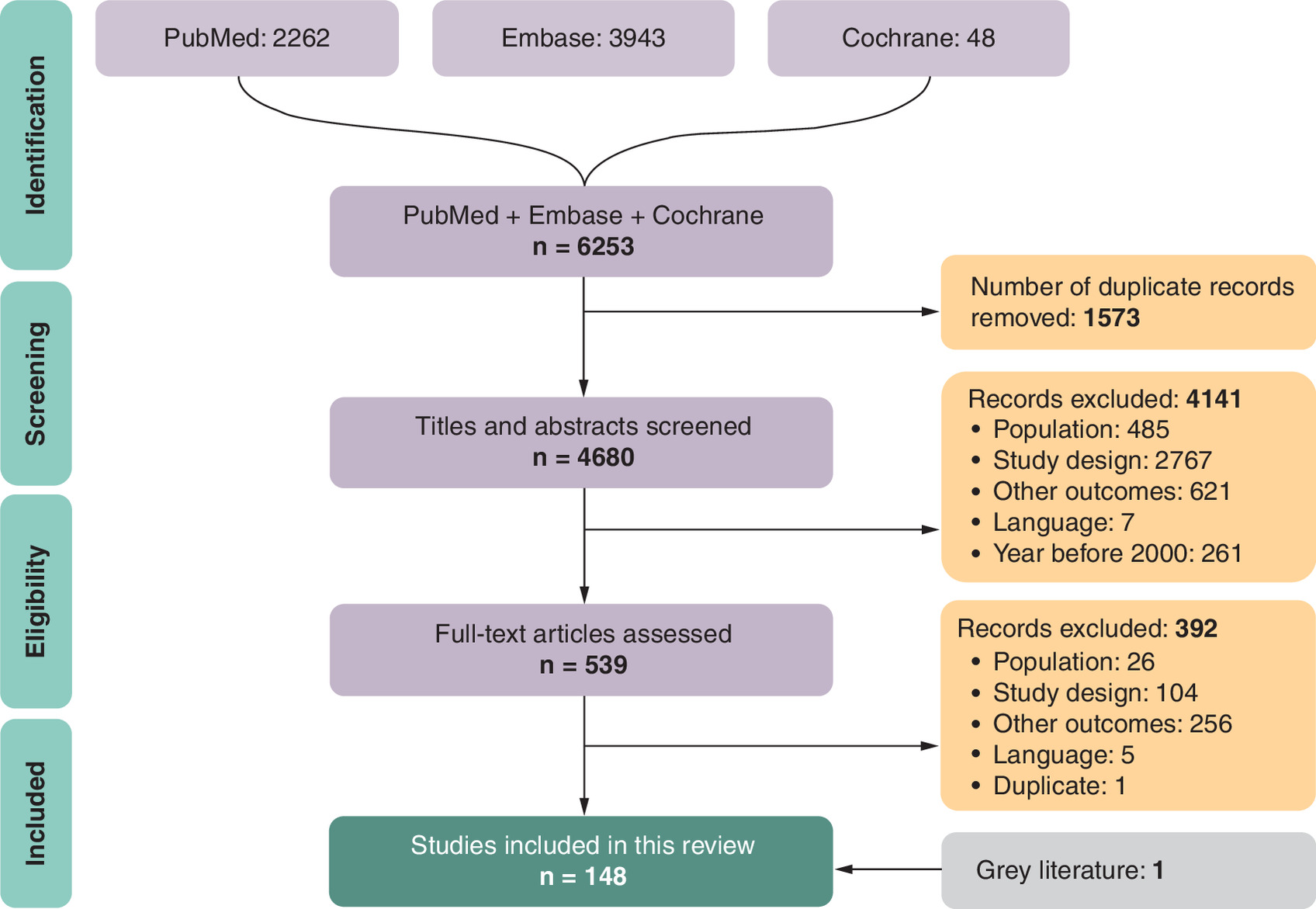
Among the 6253 unique studies identified, 148 were eligible (Figure 1). Study designs comprised cross-sectional (45.3%), retrospective cohort (27.0%), prospective cohort (15.5%), clinical trials (6.1%), case-control (4.1%) and case series (2.0%) (Table 1). Participant age spanned from 7 months to 37 years. Among the included studies, 79.7% included female participants, highlighting the predominance of RTT syndrome in females. Among the 95 studies reporting MECP2 mutation status, 29.7% enrolled only mutation positive individuals, and 33.8% reported mutation frequencies ranging from 6.0% to 98.0%. Across included studies, comorbidity reporting and corresponding treatment patterns varied by clinical domain, including differences in whether any medications were reported, whether monotherapy or polytherapy was used, and which medication classes were most frequently described (Table 2). A comprehensive list of all 148 included articles and their citations is provided in the supplementary material (Supplementary Table 1) along with PRISMA checklist (Supplementary Table 2).
| Domain | Category | Studies, n (%) | Participants, n (%) |
|---|---|---|---|
| Study design | |||
| Cross-sectional | 67 (45.3) | 10,673 (33.8) | |
| Retrospective cohort | 40 (27.0) | 13,789 (43.7) | |
| Prospective cohort | 23 (15.5) | 4,650 (14.7) | |
| Clinical trial | 9 (6.1) | 2,077 (6.6) | |
| Case–control | 6 (4.1) | 221 (0.7) | |
| Case-series | 3 (2.0) | 127 (0.4) | |
| Geographic distribution | |||
| USA | 34 (23.0) | 16,072 (51.0) | |
| Australia | 23 (15.5) | 5,305 (16.8) | |
| Italy | 19 (12.8) | 1,338 (4.2) | |
| UK | 7 (4.7) | 287 (0.9) | |
| Japan | 5 (3.4) | 621 (2.0) | |
| Denmark | 4 (2.7) | 172 (0.5) | |
| Taiwan | 4 (2.7) | 131 (0.4) | |
| France | 3 (2.0) | 71 (0.2) | |
| Other countries† | 49 (33.1) | 7,540 (23.9) | |
| Patient demographics | |||
| Age at assessment | 115 (77.7) | 24,465 (77.6) | |
| Female sex reported | 118 (79.7) | 24,606 (78.0) | |
| Genotype reporting | |||
| MECP2 status reported | 95 (64.2) | 17,552 (55.7) | |
| Outcome domains reported | |||
| Comorbidities | 146 (98.6) | 31,435 (99.7) | |
| Concomitant medications | 48 (32.4) | 5,823 (18.5) | |
| Service utilization | 25 (16.9) | 4,353 (13.8) | |
| Comorbidities + concomitant medications | 46 (31.1) | 5,721 (18.1) | |
| All three domains: comorbidities + concomitant medications + service utilization | 12 (8. 1) | 980 (3.1) | |
| Disease severity measures used | |||
| Clinical severity scale | 15 (10.1) | 3,743 (11.9) | |
| Rett syndrome severity scale | 5 (3.4) | 338 (1.1) | |
| Kerr score | 4 (2.7) | 127 (0.4) | |
| Rett syndrome gross motor scale | 1 (0.7) | 24 (0.1) | |
| RSBQ/CGI-S/Other | 2 (1.4) | 284 (0.9) | |
| Not reported | 121 (81.8) | 27,021 (85.7) | |
†
Other countries (n = 49) include single-country studies from the Netherlands (3), Israel (3), Spain (3), Sweden (3), Norway (3), Brazil (3), Turkey (2), Germany (2), Serbia (2), Portugal (2), Ireland (1), Greece (1), India (1), Poland (1), Canada (1), Egypt (1), South Korea/Korea (2), Slovenia (1) and Austria (1), plus 13 multicountry/grouped-country studies.
CGI-S: Clinical global impression-severity; MECP2: Methyl-CpG binding protein 2; RSBQ: Rett Syndrome Behavior Questionnaire.
| Clinical domain | Antiepileptic/anticonvulsant | GI medications (PPI, laxative, prokinetic) | Sleep medications | Behavioral/psychotropic | Nutritional/endocrine | Respiratory adjuncts | Evidence notes |
|---|---|---|---|---|---|---|---|
| Neurological (n = 92) | ✓ | Seizure management dominates medication burden; valproate most used (54%); polytherapy in up to 49% of patients | |||||
| Gastrointestinal (n = 33) | ✓ | Constipation (16–83%) and GERD (16–100%) drive consistent PPI (37–61%) and laxative (23–70%) use | |||||
| Musculoskeletal (n = 65) | ✓ | Limited pharmacologic reporting; primarily surgical/rehabilitative | |||||
| Sleep disorders (n = 33) | ✓ | Melatonin most reported (8–30%); clonidine (2–5%); sedative/hypnotic overall 7% | |||||
| Behavioral (n = 21) | ✓ | Anxiety (52–80%) most prevalent; anti-anxiety use 10–21%; antipsychotic use 7% | |||||
| Oral / feeding (n = 27) | ✓ | ✓ | No domain-specific medications; managed indirectly via GI and nutritional support | ||||
| Orthopedic (n = 30) | ✓ | No direct pharmacologic treatment reported; bone health via vitamin D supplementation | |||||
| Endocrine (n = 6) | ✓ | Sparse reporting; levothyroxine and vitamin D (10–56%) noted | |||||
| Respiratory (n = 9) | ✓ | Adjunctive therapies only (beta-agonists, glycopyrrolate); rates not individually quantified | |||||
| Nutritional (n = 5) | ✓ | Vitamin D (10–56%), folate + B12 (24%), levocarnitine (0.1–13%) | |||||
| Other (n = 24) | ✓ | ✓ | Mixed: cardiometabolic (propranolol), hormonal (OCP/DMPA), antimicrobial (azithromycin) |
✓Indicates
≥1 study reported medication use within that class for the corresponding clinical domain. n = number of studies reporting comorbidity data for each domain. All prevalence and medication use rates are derived from included studies.
DMPA: Depot medroxyprogesterone acetate; GERD: Gastroesophageal reflux disease; GI: Gastrointestinal; OCP: Oral contraceptive pill; PPI: Proton-pump inhibitor.
Diagnostic features
Overall, 17 studies reported the prevalence of hand stereotypies, a major feature of RTT. The overall prevalence of hand stereotypies ranged from 70.0% to 100.0% [4,26–28]. For specific stereotypies, the prevalence was 58.3% for mouthing [29], 27.1–37.5% for clapping [27,29], 36.1–87.5% for wringing or washing movements [29,30], 36.1–38.9% for clasping and 10.0–24.1% for tapping [31,32]. Absence of movement was observed with a prevalence of 28.0% in another study [32]. Ambulation varies significantly among RTT patients, with prevalence ranging from 12.0% to 73.0% across eight different studies. Henriksen et al. noted that younger patients showed higher ambulation rates (45.0%) without support compared with ambulation with support (18.0%) [33]. Being wheelchair-bound is a significant issue in RTT patients, with prevalence ranging from 22.8% to 100% across four studies. This was more prevalent in young adults compared with teenagers [34]. Gait abnormalities are prevalent with 84.8% of MECP2 positive patients affected compared with 27.6% among patients without mutations [35]. Apraxia is observed with 43.3% of patients being mildly apraxic [31].
Loss of speech is a significant issue overall with prevalence ranging from 15.0% to 84.0% across 20 studies. Another study reported 85.0% loss of speech in neurotic patients compared with 75.0% among those without depression [36]. Impaired growth was seen with prevalence ranging from 3.0% to 100.0% [37,38]. May et al. reported that impaired growth was more prevalent (9.0%) among aged children 5–10 years than in other age groups [39].
Intellectual disability is prevalent in 68.0–100.0% of patients according to different studies, while microcephaly is common, with prevalence ranging from 19.0% to 100.0% across ten studies.
Comorbid conditions
Most studies (146 [98.6%]) reported the burden of various comorbidities among patients with RTT. Neurological comorbidities contributed most to the burden followed by musculoskeletal disorders, developmental, GI and orthopedic comorbidities. Figure 2 shows an evidence map that provides a visual summary of the major clinical manifestations identified across the included studies.
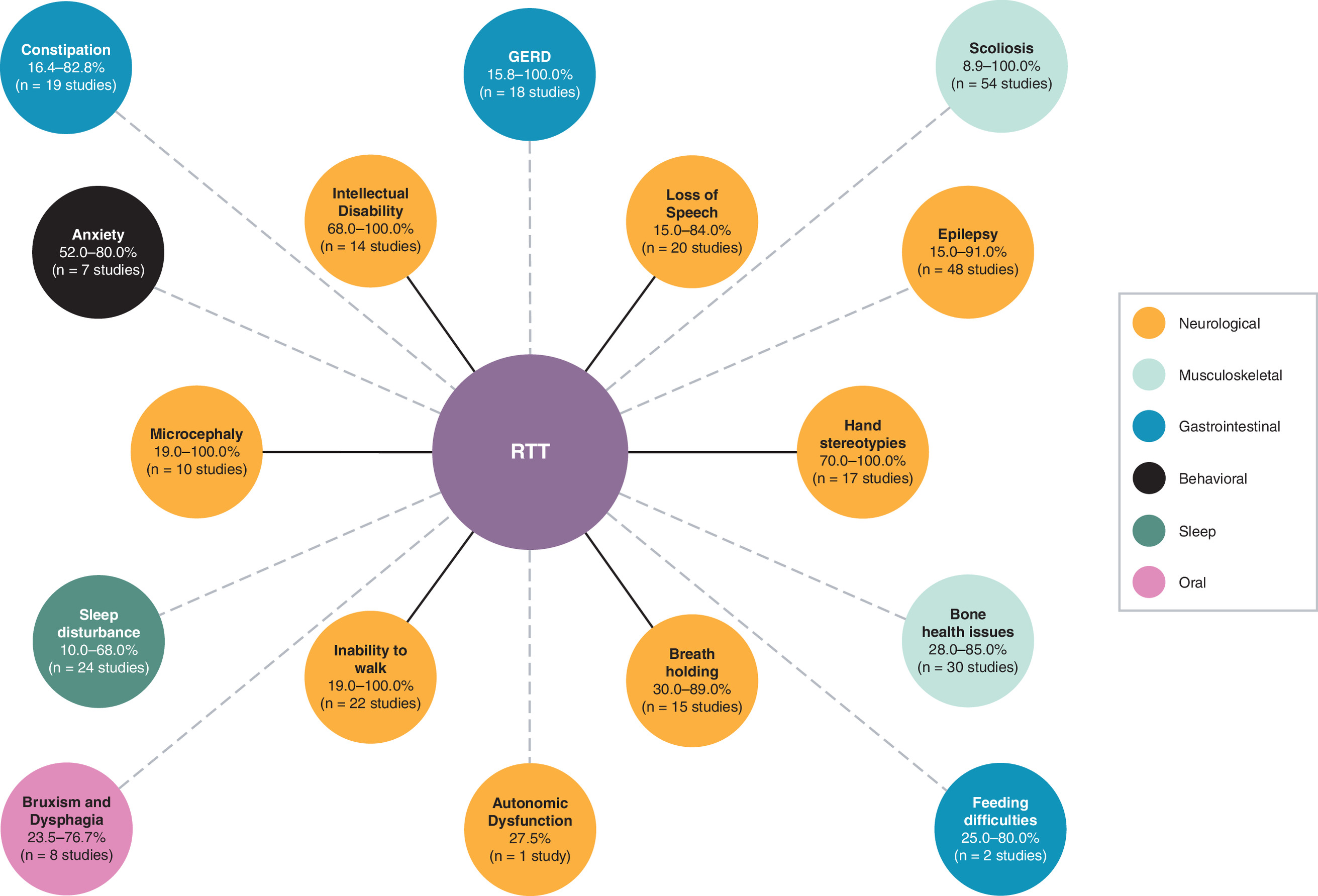
Figure 2. Evidence map of MECP2-driven diagnostic features and multisystem comorbidity burden.
The inner ring represents the six core diagnostic features of RTT arising from MECP2 mutation; the outer ring displays the most common comorbidities. Colors denote organ systems affected. Numbers in parentheses indicate the number of studies reporting each estimate.
GERD: Gastroesophageal reflux disease; RTT: Rett syndrome.
Neurological comorbidities
Neurological comorbidities were among the most frequently reported clinical domains in RTT, with 92 studies reporting neurological involvement. In a large US real-world study, neurological disorders were reported in 72.8% of patients, with a higher prevalence in pediatric patients (<18 years: 76.9%) than in adults (≥18 years: 68.4%) [7]. Across the broader evidence base, epilepsy was the most frequently studied neurological condition, reported in 48 studies, with prevalence estimates ranging from 15.0% to 91.0%. Seizure-specific prevalence was reported in 27 studies and ranged from 15.3% to 81.8%. Although scoliosis is primarily musculoskeletal, its frequent co-occurrence with epilepsy highlights cross-domain clinical complexity; scoliosis prevalence ranged from 8.9% to 100%, and in one study epilepsy was more common in those with scoliosis progression (85.7%) than without progression (61.4%) [40].
Musculoskeletal comorbidities
Sixty-five (43.9%) studies conducted from 2001 to 2024 reported prevalence for a wide range of musculoskeletal comorbidities among patients with RTT. Six studies reported on the prevalence of dystonia ranging from 18.2% to 95.5% [41]. The prevalence was higher among patients with truncating mutations 76.5% compared with 46.2% among those with missense mutations [42]. Five studies reported on spasticity in patients. The prevalence ranged from 27.3% to 53.3% [37]. The prevalence of ataxia and ataxic gait among RTT patients has been reported in four studies, with estimates ranging from 35.0–40.0% and 10.0–52.5%, respectively [28,37,42,43]. Based on mutation types, ataxia was higher in missense mutations, while ataxic gait was higher in truncating mutations [42].
Oral comorbidities
Twenty-seven (18.1%) studies reported the burden of various oral problems among patients with RTT. The major oral comorbidities reported were bruxism, dysphagia and drooling. Among eight studies which reported on dysphagia and chewing problems, the prevalence ranged from 23.5% to 76.7% [42]. Drooling was also reported in five studies ranging from 39.2% to 92.9% among the patients [44].
Gastrointestinal comorbidities
Thirty-three studies conducted from 2003 to 2024, covering sample sizes from 10 to 5940 patients, reported a wide array of GI manifestations. These included lower GI symptoms (such as constipation, diarrhea, gastroparesis and coeliac disease) and upper GI symptoms (such as gastroesophageal reflux disease [GERD], vomiting, gallbladder dysfunction, cholelithiasis, biliary tract disorders, aerophagia and upper GI bleeding). Other frequently reported symptoms included bloating, abdominal distention and impaired gut motility. Constipation was the most reported GI issue overall, documented in 19 studies, with prevalence ranging from 16.4% to 82.8% [45]. GERD was the second most reported GI issue, with 18 studies noting a prevalence range of 15.8–100.0%. Two studies reported diarrhea prevalence ranging from 5.7% to 61% [39,46].
Behavioral comorbidities
Twenty-one (14.2%) studies reported the prevalence of various behavioral disturbances among patients with RTT. Agitation among patients was reported in four studies. The prevalence of agitation ranged from 54.0% to 56.7% [42,47]. Self-injury or self-abusive behavior was reported in five studies. The prevalence of self-injury ranged from 21.0% [48], in a recent study, to 43.8% in a study conducted in 2018 [27]. Seven studies reported the prevalence of anxiety. Anxiety is the most prevalent behavioral disorder, with the prevalence ranging from 52.0% [46] to 80.0% [43]. Mood changes were reported in three studies, ranging from 66.0% [47] to 77.0% [49]. The prevalence of depression was low compared with other behavioral disorders; the prevalence ranged from 14.3% [36] to 20.0% [43].
Endocrinological comorbidities
Six studies reported endocrinological comorbidities. One study reported the prevalence of endocrine disorders to be 5.3%: 2.9% among patients aged <18 years and 7.8% among patients aged ≥18 years [7]. Three studies reported thyroid related problems ranging from 9.8% for overall thyroid abnormalities [50] to 26.7% for increased FT3 levels [51]. Prevalence for other endocrinological disorders hyperprolactinemia, premature adrenarche and insulin resistance were 13.7% [50], 8.7% [4] and 1.6% [45], respectively.
Orthopedic comorbidities
Orthopedic comorbidities were reported in 30 studies conducted between 2003 and 2024. These included knee problems, gait abnormalities, osteopenia/osteoporosis, low bone density and fractures.
Sleep disorder comorbidities
Thirty-three studies reported the prevalence of sleep-related comorbidities. Sleeping difficulties/problems are common overall, with a prevalence ranging from 10.0% [52] to 68.0% [37] across 24 studies. The prevalence estimates vary widely, with estimates for younger (<18 years) patients between 4.0% [52] and 84.0% [53], and older (>18 years) patients between 13.0% [52] and 60.0% [53].
Respiratory comorbidities
Respiratory comorbidities in RTT extend to a range of conditions. Overall, nine studies reported respiratory comorbidities. Adenotonsillar hypertrophy, a frequent cause of obstructive sleep apnea, was reported in one study and affected 18.0% of patients [53]. Aerophagia (air swallowing) was reported in seven studies, with prevalence ranging from 9.7% to 52.0%, and the highest age-specific rate (44.0%) observed in the 20–30 year age group [4,47,54]. Additional respiratory comorbidities included allergic rhinitis (23.1%), aspiration (14.3%) and asthma (6.0–31.0%).
Concomitant medications
A total of 48 (32.4%) studies reported concomitant medication use among patients with RTT. The major comorbidity domains for which medication use was reported included neurological (especially epilepsy/seizure), sleep, gastrointestinal, behavioral, nutritional and other supportive-care problems. Across domains, antiepileptic drug use was most frequently reported, followed by laxatives and proton-pump inhibitors for gastrointestinal symptoms.
Antiepileptic & anticonvulsants
Reported treatments were primarily antiepileptic/anticonvulsant regimens, including valproate/divalproex, carbamazepine, lamotrigine, levetiracetam and topiramate, with additional agents such as vigabatrin, phenobarbital, phenytoin, oxcarbazepine and zonisamide. Valproate was the most frequently documented anticonvulsant across studies (54.1%).
Three studies specifically reported monotherapy rates, ranging from 14.29% to 33.3% [55–57]. Polytherapy was also common: one study reported 48.6% on multitherapy, another reported 41.0% receiving more than one medication, and a third reported 14.0%, 19.0% and 9.0% of participants receiving two, three and four concurrent medications, respectively [55–57]. Frequently described combinations included valproate with carbamazepine, lamotrigine, vigabatrin or clobazam, as well as combinations involving carbamazepine, lamotrigine, clonazepam and topiramate [55–57].
Medications for sleep problems
According to the nine studies reported, study sample sizes ranged from 9 to 364 patients [58,59]. Melatonin was the most frequently reported sleep-related medication, with use ranging from 7.7% to 30.0% [43,59], followed by clonidine (2.4–4.9%) [60,61]. One study reported overall sedative/hypnotic use of 6.9%, with phenobarbital as the most reported agent (3.0%) [7]. In the same dataset, sedative/hypnotic use was 5.1% in patients aged <18 years and 8.8% in those aged ≥18 years; midazolam (3.1%) and phenobarbital (4.5%) were the most used agents in the younger and older groups, respectively [33]. One study additionally reported monotherapy (4.1%) and polytherapy (5.8%) for sleep-related disorders [59].
Medications for gastrointestinal problems
Commonly reported classes included proton-pump inhibitors, laxatives, antacids and prokinetic agents. Proton-pump inhibitor use ranged from 37.0% among patients with gastrostomy to 61.0% in overall RTT cohorts [46,62]. Laxative use for constipation ranged from 23.0% to 70.0% [63]. Prokinetic use ranged from 1.2% to 18.0% [7,46]. Acid-reducer use was reported in two studies, including 37.0% for overall GI problems and 38.0% for GI reflux treatment [33,64].
Medications for behavioral problems
In the behavioral domain, eight studies reported medication use. Reported anti-anxiety medication use ranged from 10.0% to 21.4% [43,60]. Two studies reported medications for depression, with escitalopram use ranging from 3.3% to 8.1% [60,65]. One study reported overall antidepressant use of 4.9% [61]. Medications used for psychosis or irritability were reported, with risperidone being the most frequently reported antipsychotic (2.3–2.86%), followed by aripiprazole (0.5–2.4%) [60,66]. In another study, the overall atypical antipsychotic use among the patients was 7.0% [64].
Nutritional supplements & other treatments
Vitamin D use was reported in two studies, ranging from 10% to 56.3% [40,43]. Weeda et al. reported higher vitamin D use in patients without scoliosis progression (61.4%) compared with those with progression (42.3%) [40]. General nutritional supplement use was reported in one study (0.5% overall) [7], and age-stratified estimates in the same source were 0.7% in patients aged ≥18 years and 0.4% in those <18 years [7]. Folate + B12 use was reported at 24% in one study [56]. Levocarnitine use was reported in two studies, ranging from 0.1% to 13.0% [7,64], with slightly higher use in patients aged ≥18 years (0.2%) versus <18 years (0.1%) in one report [7].
Discussion
This synthesis of 148 studies from 24 countries confirms that RTT involves multiple organ systems, spanning neurological, musculoskeletal, gastrointestinal, respiratory and behavioral domains. Neurological comorbidities were most frequently reported, followed by musculoskeletal and gastrointestinal manifestations, with constipation and GERD emerging as near-universal concerns. Similar patterns in pediatric and adult populations indicate that this broad clinical burden persists across the lifespan rather than resolving with age.
Beyond the breadth of organ system involvement, these findings reveal clinically meaningful interdependence among comorbidities. Epilepsy, reported across 48 studies, represents the most consistently documented neurological comorbidity; notably, Weeda et al. found higher epilepsy prevalence among patients with scoliosis progression compared with those without [40], that comorbidities in one domain may signal or accelerate deterioration in another. Musculoskeletal involvement was similarly pervasive, with scoliosis prevalence increasing substantially from early childhood through adolescence, reinforcing the need for early and sustained orthopedic surveillance [9,10,67]. Likewise, gastrointestinal dysfunctions present a persistent, lifelong burden for a large number of patients, and breathing irregularities are a frequent concern requiring routine monitoring [62,68]. The frequency and predictability of these co-occurring health problems highlight the limitations of episodic, symptom-triggered care models.
This multisystem interdependence is reflected in the complexity of current pharmacological management. Management patterns reported across 48 studies reflect reliance on multiple concurrent therapies: antiepileptic polytherapy was common among patients with seizures, while gastrointestinal management frequently required combined use of proton-pump inhibitors, laxatives, and prokinetics. The accumulation of agents across interconnected domains is compounded by symptom progression, frequent off-label use, and limited disease-specific guidelines, increasing the risks of drug-drug interactions, adverse effects and caregiver burden [69]. These findings highlight the need for coordinated multidisciplinary medication management and routine pharmacovigilance to optimize medication safety in RTT.
This work builds on previous efforts by moving beyond qualitative descriptions of the condition's reach to provide clear prevalence ranges that can directly inform clinical guidelines. While earlier studies identified the scope of associated health issues [15–20], the present synthesis offers the numerical evidence needed for health systems to plan resource allocation and develop evidence-based screening protocols. Translating these results into a practical application reveals a clear causal pathway from the underlying MECP2 mutation to the wide-ranging clinical burden, illustrating the interconnectedness of RTT's manifestations [70]. This data-driven approach also connects specific conditions to targeted interventions, creating a conceptual model for coordinated care pathways.
The considerable humanistic and economic toll of RTT further emphasizes the need for treatment models that extend beyond symptom suppression. Given the substantial costs of care, driven largely by supportive therapies and home care [7], underscore the need to evaluate interventions for their ability to improve quality of life and reduce caregiver burden, not only clinical symptoms. The 2023 US FDA approval of trofinetide, the first disease-modifying therapy for RTT, represents a pivotal advance in this regard. As an IGF-1 analog that targets underlying neurobiological mechanisms rather than individual symptoms, this agent exemplifies the type of intervention that may yield benefits across multiple outcome domains, including improved health and functional outcomes, enhanced quality of life and reduced caregiver and economic burden. As additional therapeutics, including gene replacement strategies and a pipeline of small-molecule candidates, enter clinical trials, it is essential that study designs incorporate these broader humanistic and economic end points [71]. Long-term success will be measured not only by efficacy against specific symptoms but also by the ability to improve daily function, independence, and overall family well-being [39,72].
Considering this evidence, we propose specific, actionable recommendations for a new standard of care. RTT care should be coordinated through multidisciplinary clinics that integrate proactive surveillance and management across specialties. This model includes regular neurological attention for seizure monitoring and early antiepileptic therapy; orthopedic oversight with scoliosis screening beginning in early childhood and continuing throughout adolescence; and forward-planning gastrointestinal management of constipation, reflux, and feeding difficulties. Moreover, given the near-universal presence of hand stereotypies and loss of speech, early and sustained access to rehabilitative services, including occupational, physical and speech therapy, is vital, with the use of augmentative communication devices as a primary goal [73]. Finally, consistent respiratory monitoring for breathing irregularities, with implementation of behavioral or pharmacological interventions as needed, establishes a comprehensive approach. This unified strategy ensures that care is coordinated and forward-thinking, aiming to mitigate the severity of future health problems and optimize quality of life (Figure 3).
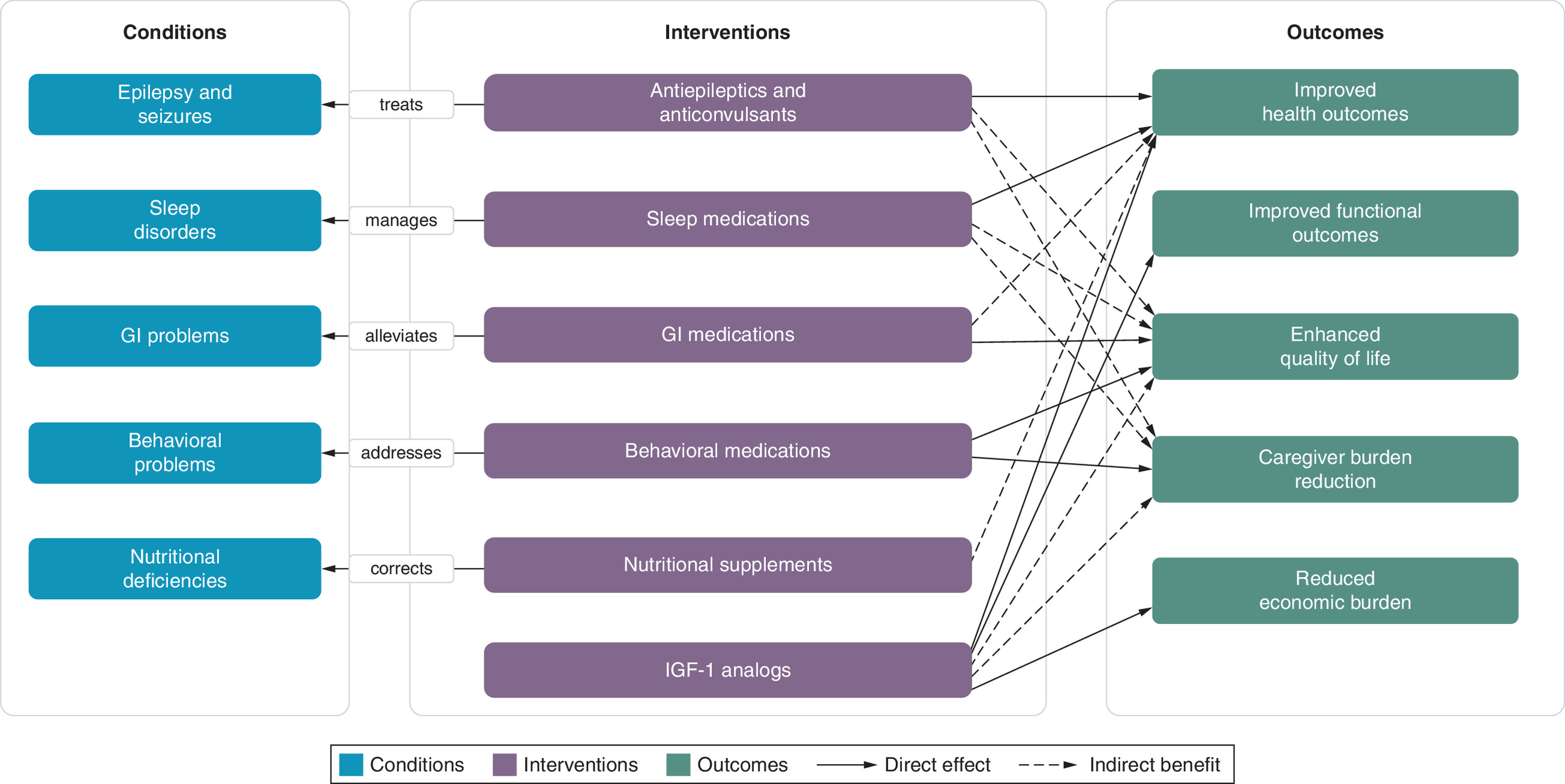
Figure 3. Therapeutic pathways.
The framework is organized in three columns: conditions (blue), pharmacological and supportive interventions (purple) and patient-centered outcomes (green). Five conditions (epilepsy and seizures, sleep disorders, GI problems, behavioral problems, and nutritional deficiencies) are linked to their corresponding interventions via labeled arrows (treats, manages, alleviates, addresses, corrects). Solid arrows denote direct therapeutic effects from interventions to outcomes; dashed arrows denote indirect benefits, reflecting how a single intervention may contribute to multiple outcome domains. Outcomes encompass improved health outcomes, improved functional outcomes, enhanced quality of life, caregiver burden reduction and reduced economic burden.
Future research should focus on conditions with less defined prevalence, such as bone health and endocrine disorders, where the limited number of studies precluded reliable burden estimates. Age-stratified analyses also remain a critical gap, as few studies reported outcomes separately for pediatric and adult populations despite the lifelong nature of the disorder. The development of coordinated care models that can be implemented consistently across diverse health systems should remain a priority for the field.
Strengths & limitations
This review provides the most comprehensive synthesis of RTT comorbidities and co-medication use to date, encompassing 148 studies from 24 countries, supported by a structured search across three major databases (PubMed, Embase and Cochrane) with PICOST-defined eligibility criteria, dual independent screening, and standardized data extraction. The classification framework distinguishes core diagnostic features from additional comorbidities, promoting conceptual clarity and aligning prevalence estimates with clinical decision-making. The integration of evidence mapping techniques further extends the contribution beyond traditional narrative synthesis by visualizing cross-domain relationships among comorbidities, interventions and outcomes.
However, heterogeneity in study methodology, diagnostic criteria, and reporting limited the ability to perform meta-analysis. Furthermore, given the narrative and descriptive scope of our analysis, no formal risk-of-bias or study quality assessment of the included studies was conducted. Therefore, the reported prevalence estimates should be interpreted with caution. Many studies had small sample sizes, lacked age-stratified data and included only English-language publications, which may have introduced language bias. Additionally, prevalence estimates were derived from reported rather than systematically ascertained data, meaning comorbidities not actively assessed in a given study may be underrepresented. Prevalence estimates for certain comorbidities and medications remain poorly defined due to limited available data.
Conclusion
This review demonstrates that patients with RTT experience a wide range of comorbidities spanning neurological, musculoskeletal, gastrointestinal, respiratory and behavioral domains, in addition to the disorder’s core diagnostic features, and that management of these comorbidities requires frequent use of multiple concomitant medications. The consistent reporting of interconnected comorbidities across organ systems highlights the importance of proactive, multidisciplinary care rather than symptom-triggered management within single specialties. Medication-use patterns, particularly epilepsy-related polytherapy and frequent treatment for sleep, gastrointestinal and behavioral problems, reflected reliance on multiple symptom-directed therapies. These patterns underscore the importance of structured medication review and longitudinal monitoring and highlight the opportunity for therapeutic approaches with broader cross-domain impact that may reduce downstream dependence on multiple concomitant symptomatic treatments, with patient function, caregiver burden and quality of life as central end points.
Summary points
•
Rett (RTT) syndrome is associated with multiple comorbidities requiring various concomitant medications.
•
Epilepsy, scoliosis, gastroesophageal reflux and constipation are among the most prevalent comorbidities. The highest prevalent concomitant medications identified are for management of epilepsy/seizure, sleep, gastrointestinal or behavioral problems and nutritional needs.
•
The health burden of RTT is not just a pediatric issue; researchers found that while some symptoms like seizures may be more intense in children, the overall multisystem burden persists well into adulthood.
•
A significant portion of the RTT population faces a ‘wheelchair-bound’ reality, with younger patients often having more mobility than adults, emphasizing the need for lifelong physical therapy.
•
The study highlights how different health issues are linked, for example, patients with worsening spinal curvature (scoliosis) are often the same individuals struggling with higher seizure activity.
•
Most patients require ‘polytherapy’, which means taking multiple different drugs simultaneously to manage overlapping issues.
•
While current treatments mostly focus on masking symptoms (like using laxatives for constipation), new ‘disease-modifying’ therapies are emerging that aim to treat the underlying biological cause of RTT syndrome.
•
The evidence from this global literature review provides insights into RTT syndrome diagnosis and how it can be managed with integrated and multidisciplinary care pathways.
Author contributions
All authors contributed to study design, execution, result interpretation, and manuscript review. All authors have approved the final manuscript for submission.
Acknowledgments
Results from this manuscript were presented in part at 16th European Paediatric Neurology Society (EPNS) Congress, 2025.
Financial disclosure
This study was financially sponsored by Acadia Pharmaceuticals (CA, USA).
Competing interests disclosure
N Rashid is an employee of Acadia Pharmaceuticals. K Rajagopalan and SS Syed are current employees of Anlitiks Inc., a company that received funding from Acadia Pharmaceuticals to conduct this study. Ismaeel Yunusa has served as a paid consultant for Acadia Pharmaceuticals. The authors have no other competing interests or relevant affiliations with any organization or entity with the subject matter or materials discussed in the manuscript apart from those disclosed.
Writing disclosure
No funded writing assistance was utilized in the production of this manuscript.
Data sharing statement
Data sharing is not applicable to this article as no datasets were generated or analyzed during this study. All included articles are publicly accessible.
Open access
This work is licensed under the Attribution-NonCommercial-NoDerivatives 4.0 Unported License. To view a copy of this license, visit https://creativecommons.org/licenses/by-nc-nd/4.0/
Supplementary Material
File (supplementary data.docx)
References
Papers of special note have been highlighted as: • of interest; •• of considerable interest
1.
Gold WA, Krishnarajy R, Ellaway C, Christodoulou J. Rett syndrome: a genetic update and clinical review focusing on comorbidities. ACS Chem. Neurosci. 9, 167–176 (2018).
2.
Liyanage VRB, Rastegar M. Rett syndrome and MeCP2. Neuro Molecular Med. 16, 231–264 (2014).
3.
Gold WA, Percy AK, Neul JL et al. Rett syndrome. Nat. Rev. Dis. Primers 10, 84 (2024).
•• This review covers Rett syndrome (RTT) epidemiology, molecular mechanisms, diagnosis and treatment, describing it as a severe progressive neurodevelopmental disorder predominantly affecting females, with multisystem neurological impairments including seizures, breathing irregularities, anxiety and constipation providing the foundational framework for the multisystem burden synthesized in this review.
4.
Vilvarajan S, McDonald M, Douglas L et al. Multidisciplinary management of Rett syndrome: twenty years' experience. Genes 14, 1607 (2023).
5.
Smeets EEJ, Pelc K, Dan B. Rett syndrome. Mol. Syndromol. 2, 113–127 (2011).
6.
Glaze DG. Neurophysiology of Rett syndrome. J. Child Neurol. 20, 740–746 (2005).
7.
May D, Kponee-Shovein K, Mahendran M et al. Epidemiology and patient journey of Rett syndrome in the United States: a real-world evidence study. BMC Neurol. 23, 141 (2023).
•• Using US insurance claims data, this real-world study provides a comprehensive overview of RTT epidemiology, patient characteristics, clinical manifestations, healthcare resource utilization, costs and treatment patterns, directly underpinning the economic burden and age-stratified comorbidity findings cited throughout this review.
8.
Davis T, Parab P, May DM, Ruetsch C. Characteristics, conditions, and healthcare service utilization patterns of individuals diagnosed with Rett syndrome: an analysis of administrative claims data. Future Rare Dis. 3, FRD41 (2023).
9.
Ferreira MC, De Beir J, Barreto MI et al. Clinical and functional outcomes in pediatric patients with Rett syndrome: a 15-year retrospective study. Eur. J. Pediatr. 184, 465 (2025).
10.
Killian JT, Lane JB, Lee H-S et al. Scoliosis in Rett syndrome: progression, comorbidities, and predictors. Pediatr. Neurol. 70, 20–25 (2017).
11.
Han Z-A, Jeon HR, Kim SW, Park JY, Chung HJ. Clinical characteristics of children with Rett syndrome. Ann. Rehabil. Med. 36, 334 (2012).
12.
Mackay J, Downs J, Wong K et al. Autonomic breathing abnormalities in Rett syndrome: caregiver perspectives in an international database study. J. Neurodev. Disord. 9, 15 (2017).
13.
Güeita-Rodriguez J, Famoso-Pérez P, Salom-Moreno J et al. Challenges affecting access to health and social care resources and time management among parents of children with Rett syndrome: a qualitative case study. Int. J. Environ. Res. Public Health 17, 4466 (2020).
14.
Sloper E, Hunt M, Clarke AJ. Review of a specialist Rett syndrome clinic from 2003 to the COVID pandemic: clinic experience and carer perspectives. Orphanet J. Rare Dis. 19, 477 (2024).
15.
Fu C, Armstrong D, Marsh E et al. Multisystem comorbidities in classic Rett syndrome: a scoping review. BMJ Paediatr. Open 4, e000731 (2020).
• This scoping review screened 104 articles and performed a quantitative synthesis restricted to 18 studies describing comorbidity prevalence in cohorts of ≥30 subjects; the current review substantially extends this evidence base across 148 global studies and integrates concomitant medication use data not previously synthesized.
16.
Galán-Olleros M, González-Alguacil E, Soto-Insuga V et al. Prevalence of orthopaedic conditions in Rett syndrome: a systematic review and meta-analysis. J. Intellect. Disabil. Res. 68, 1331–1343 (2024).
17.
Pepe G, Coco R, Corica D et al. Endocrine disorders in Rett syndrome: a systematic review of the literature. Front. Endocrinol. 15, 1477227 (2024).
18.
Mahdi SS, Jafri HA, Allana R et al. Oral manifestations of Rett syndrome: a systematic review. Int. J. Environ. Res. Public Health 18, 1162 (2021).
19.
Singh J, Lanzarini E, Nardocci N, Santosh P. Movement disorders in patients with Rett syndrome: a systematic review of evidence and associated clinical considerations. Psychiatry Clin. Neurosci. 75, 369–393 (2021).
20.
Percy AK, Benke TA, Marsh ED, Neul JL. Rett syndrome: the Natural History Study journey. Ann. Child Neurol. Soc. 2, 189–205 (2024).
21.
Sarri G, Patorno E, Yuan H et al. Framework for the synthesis of non-randomised studies and randomised controlled trials: a guidance on conducting a systematic review and meta-analysis for healthcare decision making. BMJ Evid. Based Med. 27, 109–119 (2022).
22.
Neul JL, Kaufmann WE, Glaze DG et al. Rett syndrome: revised diagnostic criteria and nomenclature. Ann. Neurol. 68, 944–950 (2010).
•• Developed to revise and clarify 2002 consensus criteria in anticipation of clinical treatment trials, this landmark paper establishes RTT as a clinical diagnosis based on distinct criteria independent of molecular findings, providing the six core diagnostic features used throughout this review to separate diagnostic hallmarks from additional medical comorbidities.
23.
Saran A, White H. Evidence and gap maps: a comparison of different approaches. Campbell Syst. Rev. 14, 1–38 (2018).
24.
Struck A, Walsh B, Buchanan A et al. Exploring integrative analysis using the BioMedical Evidence Graph. JCO Clin. Cancer Inform. 4, 147–159 (2020).
25.
Ho VW, Harris PG, Kumar RK, Velan GM. Knowledge maps: a tool for online assessment with automated feedback. Med. Educ. Online 23, 1457394 (2018).
26.
Gomathi M, Dhivya V, Padmavathi V et al. Genetic instability and disease progression of Indian Rett syndrome patients. Mol. Neurobiol. 61, 4868–4878 (2024).
27.
Zengin-Akkuş P, Taşkıran EZ, Kabaçam S et al. Clinical and molecular evaluation of 16 patients with Rett syndrome. Turk. J. Pediatr. 60, 1–9 (2018).
28.
Leoncini S, Boasiako L, Di Lucia S et al. 24-h continuous non-invasive multiparameter home monitoring of vitals in patients with Rett syndrome by an innovative wearable technology: evidence of an overlooked chronic fatigue status. Front. Neurol. 15, 1388506 (2024).
29.
Hirano D, Goto Y, Shoji H, Taniguchi T. Relationship between hand stereotypies and purposeful hand use and factors causing skin injuries and joint contractures in individuals with Rett syndrome. Early Hum. Dev. 183, 105821 (2023).
30.
Carter P, Downs J, Bebbington A et al. Stereotypical hand movements in 144 subjects with Rett syndrome from the population-based Australian database. Mov. Disord. 25, 282–288 (2010).
31.
Migliorelli C, Medina-Rivera I, Bachiller A et al. Cognitive stimulation has potential for brain activation in individuals with Rett syndrome. J. Intellect. Disabil. Res. 66, 213–224 (2022).
32.
Hirano D, Taniguchi T. Variation factors of stereotypical hand movements in subjects with Rett syndrome. Dev. Neurorehabilitation 22, 376–379 (2019).
33.
Henriksen MW, Breck H, Von Tetzchner S, Paus B, Skjeldal OH. Medical issues in adults with Rett syndrome: a national survey. Dev. Neurorehabilitation 23, 106–112 (2020).
34.
Sernheim Å-S, Hemmingsson H, Lidström H et al. Rett syndrome: teenagers' and young adults' activities, usage of time and responses during an ordinary week - a diary study. Scand. J. Occup. Ther. 27, 323–335 (2020).
35.
Knight VM, Horn PS, Gilbert DL, Standridge SM. The clinical predictors that facilitate a clinician's decision to order genetic testing for Rett syndrome. Pediatr. Neurol. 63, 66–70 (2016).
36.
Hryniewiecka-Jaworska A, Foden E, Kerr M, Felce D, Clarke A. Prevalence and associated features of depression in women with Rett syndrome. J. Intellect. Disabil. Res. 60, 564–570 (2016).
37.
Yıldız N, Serdaroğlu E, Kart PÖ et al. Evaluation of seizure semiology, genetics, magnetic resonance imaging, and electroencephalogram findings in children with Rett syndrome: a multicenter retrospective study. Epilepsy Res. 205, 107399 (2024).
38.
Kim HJ, Kim SH, Kim HD et al. Genetic and epileptic features in Rett syndrome. Yonsei Med. J. 53, 495 (2012).
39.
May DM, Neul J, Piña-Garza JE et al. Gastrointestinal manifestations in pediatric and adult patients with Rett syndrome: an analysis of US claims and physician survey data. J. Comp. Eff. Res. 13, e230054 (2024).
40.
Weeda JE, Van Kuijk SMJ, Van Den Berg MP et al. Identification of predictors for progression of scoliosis in Rett syndrome. Dev. Neurorehabilitation 27, 126–133 (2024).
41.
Wong LC, Chen Y, Tsai S et al. Dietary intake and growth deficits in Rett syndrome: a cross-section study. Autism Res. 14, 1512–1521 (2021).
42.
Temudo T, Ramos E, Dias K et al. Movement disorders in Rett syndrome: an analysis of 60 patients with detected MECP2 mutation and correlation with mutation type. Mov. Disord. 23, 1384–1390 (2008).
43.
Iakovidou N, Lanzarini E, Singh J, Fiori F, Santosh P. Differentiating females with Rett syndrome and those with multi-comorbid autism spectrum disorder using physiological biomarkers: a novel approach. J. Clin. Med. 9, 2842 (2020).
44.
Cocca S, Viviano M, Loglisci M et al. Correlation between dysphagia and malocclusion in Rett syndrome: a preliminary study. Sultan Qaboos Univ. Med. J. 18, e489–e493 (2019).
45.
Anderson A, Wong K, Jacoby P, Downs J, Leonard H. Twenty years of surveillance in Rett syndrome: what does this tell us? Orphanet J. Rare Dis. 9, 87 (2014).
46.
Thapa S, Venkatachalam A, Khan N et al. Assessment of the gut bacterial microbiome and metabolome of girls and women with Rett syndrome. PLoS ONE 16, e0251231 (2021).
47.
Halbach NSJ, Smeets EEJ, Schrander-Stumpel CTRM et al. Aging in people with specific genetic syndromes: rett syndrome. Am. J. Med. Genet. A. 146A, 1925–1932 (2008).
48.
Zade K, Campbell C, Bach S et al. Rett syndrome in Ireland: a demographic study. Orphanet J. Rare Dis. 19, 34 (2024).
49.
Cianfaglione R, Clarke A, Kerr M et al. A national survey of Rett syndrome: behavioural characteristics. J. Neurodev. Disord. 7, 11 (2015).
50.
Pepe G, Coco R, Corica D et al. Prevalence of endocrinopathies in a cohort of patients with Rett syndrome: a two-center observational study. Genes 15, 287 (2024).
51.
Stagi S, Cavalli L, Congiu L et al. Thyroid function in Rett syndrome. Horm. Res. Paediatr. 83, 118–125 (2015).
52.
Saikusa T, Kawaguchi M, Tanioka T et al. Meaningful word acquisition is associated with walking ability over 10 years in Rett syndrome. Brain Dev. 42, 705–712 (2020).
53.
Peri F, Cherchi C, Chiarini Testa MB et al. The efficacy of noninvasive ventilation in patients affected by Rett syndrome with hypoventilation. Pediatr. Neurol. 158, 81–85 (2024).
54.
Tarquinio DC, Hou W, Neul JL et al. The course of awake breathing disturbances across the lifespan in Rett syndrome. Brain Dev. 40, 515–529 (2018).
55.
Epstein A, Leonard H, Davis E et al. Conceptualizing a quality of life framework for girls with Rett syndrome using qualitative methods. Am. J. Med. Genet. A. 170, 645–653 (2016).
56.
Temudo T, Rios M, Prior C et al. Evaluation of CSF neurotransmitters and folate in 25 patients with Rett disorder and effects of treatment. Brain Dev. 31, 46–51 (2009).
57.
Downs J, Bebbington A, Woodhead H et al. Early determinants of fractures in Rett syndrome. Pediatrics 121, 540–546 (2008).
58.
Khwaja OS, Ho E, Barnes KV et al. Safety, pharmacokinetics, and preliminary assessment of efficacy of mecasermin (recombinant human IGF-1) for the treatment of Rett syndrome. Proc. Natl Acad. Sci. 111, 4596–4601 (2014).
59.
Boban S, Leonard H, Wong K et al. Sleep disturbances in Rett syndrome: impact and management including use of sleep hygiene practices. Am. J. Med. Genet. A. 176, 1569–1577 (2018).
60.
Kay C, Leonard H, Smith J, Wong K, Downs J. Genotype and sleep independently predict mental health in Rett syndrome: an observational study. J. Med. Genet. 60, 951–959 (2023).
61.
Gilbertson M, Richardson C, Eastwood P et al. Determinants of sleep problems in children with intellectual disability. J. Sleep Res. 30, e13361 (2021).
62.
Motil KJ, Caeg E, Barrish JO et al. Gastrointestinal and nutritional problems occur frequently throughout life in girls and women with Rett syndrome. J. Pediatr. Gastroenterol. Nutr. 55, 292–298 (2012).
• This nationwide parental survey determined the prevalence of common gastrointestinal and nutritional disorders in RTT and related their occurrence to age and MECP2 mutation status, establishing the lifelong GI burden central to the medication-use patterns including widespread PPI and laxative use documented in this review.
63.
Schwartzman F, Vítolo MR, Schwartzman JS, Morais MBD. Eating practices, nutritional status and constipation in patients with Rett syndrome. Arq. Gastroenterol. 45, 284–289 (2008).
64.
Byiers BJ, Payen A, Feyma T et al. Associations among diurnal salivary cortisol patterns, medication use, and behavioral phenotype features in a community sample of Rett syndrome. Am. J. Intellect. Dev. Disabil. 125, 353–368 (2020).
65.
Djukic A, Rose SA, Jankowski JJ, Feldman JF. Rett syndrome: recognition of facial expression and its relation to scanning patterns. Pediatr. Neurol. 51, 650–656 (2014).
66.
Clark BC, Kopp A, Morey W, Djukic A. Serial follow-up of corrected QT interval in Rett syndrome. Dev. Med. Child Neurol. 62, 833–836 (2020).
67.
Chang K-J, Wu H-Y, Yarmishyn A et al. Genetics behind cerebral disease with ocular comorbidity: finding parallels between the brain and eye molecular pathology. Int. J. Mol. Sci. 23, 9707 (2022).
68.
Mackay J, Downs J, Wong K et al. Autonomic breathing abnormalities in Rett syndrome: caregiver perspectives in an international database study. J. Neurodev. Disord. 9, 15 (2017).
69.
Fu C, Armstrong D, Marsh E et al. Consensus guidelines on managing Rett syndrome across the lifespan. BMJ Paediatr. Open 4, e000717 (2020).
•• Using a modified Delphi approach across eight RTT specialist centers and two patient advocacy groups, these consensus guidelines establish that multisystem comorbidities evolve throughout the lifespan requiring coordination of care between primary care and multiple subspecialty providers, directly supporting the proactive, multidisciplinary care model proposed in this review.
70.
Ehrhart F, Coort SLM, Cirillo E et al. Rett syndrome - biological pathways leading from MECP2 to disorder phenotypes. Orphanet J. Rare Dis. 11, 158 (2016).
71.
Percy AK, Ananth A, Neul JL. Rett syndrome: the emerging landscape of treatment strategies. CNS Drugs 38, 851–867 (2024).
•• Building on decades of natural history data from the NIH-funded RTT Natural History Study, this review charts the progression from diagnostic criteria and genetic discovery to the emergence of specific therapies, contextualizing the clinical trial pipeline that led to the first approved disease-modifying treatment essential context for understanding how targeted therapeutics may reduce the polypharmacy burden documented in this review.
72.
Fonzo M, Sirico F, Corrado B. Evidence-based physical therapy for individuals with Rett syndrome: a systematic review. Brain Sci. 10, 410 (2020).
73.
Stallworth JL, Dy ME, Buchanan CB et al. Hand stereotypies: lessons from the Rett syndrome Natural History Study. Neurology 92, e2594–e2603 (2019).
Information & Authors
Information
Published In
Copyright
© 2026 The authors. This work is licensed under the Attribution-NonCommercial-NoDerivatives 4.0 Unported License
History
Received: 14 May 2026
Accepted: 22 July 2026
Published online: 18 August 2026
Keywords:
Topics
Authors
Metrics & Citations
Metrics
Article Usage
Article usage data only available from February 2023. Historical article usage data, showing the number of article downloads, is available upon request.
Citations
How to Cite
A global literature review of comorbidities and concomitant supportive medications among individuals with Rett syndrome. (2026) Journal of Comparative Effectiveness Research. DOI: 10.57264/cer-2026-0100
Export citation
Select the citation format you wish to export for this article or chapter.