

Samsung and Alcedis to advance wearable-based endpoints in clinical research
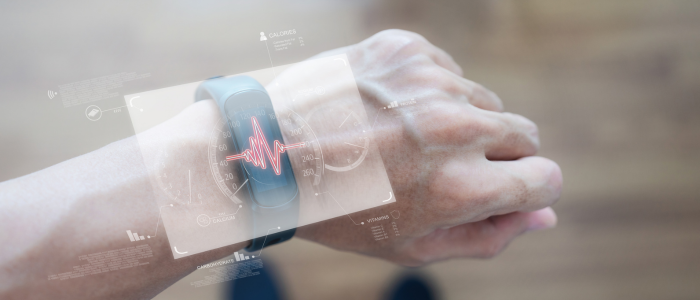
Samsung Electronics and digital-first contract research organization Alcedis have announced a partnership focused on the use of wearable-generated biometric data in clinical research. The collaboration combines wearable technology, research infrastructure, and clinical trial expertise, to support the development and evaluation of digital biomarkers and endpoints for pharmaceutical and other research organizations.
The Baseline
- Samsung Electronics and Alcedis have partnered to support the use of wearable-generated biometric data in clinical research and drug development.
- The collaboration aims to support the translation of wearable-derived health data into clinically meaningful evidence for pharmaceutical and other research organizations.
- The initiative aims to help translate wearable-derived health data into clinically meaningful evidence for pharmaceutical and other research organizations.
Wearable devices are increasingly being used in clinical research to collect continuous physiological data outside traditional healthcare settings. While these technologies generate large volumes of real-world health data, translating wearable-generated signals into clinically meaningful evidence remains a challenge for many research programs.
The partnership combines Samsung's wearable technology with Alcedis' expertise in data-driven clinical trials to support the integration of wearable-derived biometric data into clinical studies for pharmaceutical and other research organizations.
Under the agreement, Alcedis will be responsible for study execution and participant engagement, while Samsung will provide the wearable technology and research infrastructure underpinning the collaboration. Central to Samsung's contribution is its Galaxy Watch-based research platform, which supports the collection and management of wearable-derived physiological data for clinical studies.
The platform collects physiological data from consenting participants using Galaxy Watch devices and incorporates biosensors including blood oxygen (SpO2) measurement alongside Software as a Medical Device (SaMD) features such as obstructive sleep apnea, electrocardiogram, and atrial fibrillation detection. According to Samsung, it also provides researchers with access to participant- and device-level biosensor data and supports study protocol management to facilitate biomarker development and digital endpoint research.
“The future of clinical research is increasingly collaborative and brings together technology, scientific expertise and research partners to generate a deeper understanding of human health,” said Jongmin Choi, Head of Health R&D Group, Mobile eXperience (MX) Business, Samsung Electronics. “Through our collaboration with Alcedis, Samsung is unlocking new opportunities for biomarker development, digital endpoint innovation and evidence generation — throughout the research lifecycle.”
According to the organizations, the collaboration is intended to support the development and evaluation of wearable-based endpoints and digital biomarkers by combining wearable technology, clinical trial operations, and research infrastructure for use in clinical research and drug development.
Commenting on the partnership, Hanno Härtlein, CEO of Alcedis, said the collaboration brings together the organizations' respective expertise in wearable technology and clinical research:
“The future of clinical research depends on our ability to capture meaningful health data beyond traditional clinical settings. Our collaboration with Samsung brings together complementary strengths and scalable infrastructure to help advance endpoints and biomarker development, to accelerate evidence generation and support the development of more patient-centric healthcare innovations."
| Register for free today to become a member of The Evidence Base and receive the latest news straight to your inbox. |