

Ledidi and NordicRWE to advance hybrid real-world evidence studies and pragmatic trials in the Nordics
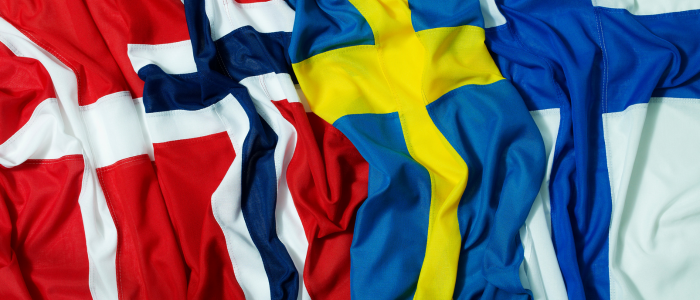
Ledidi and NordicRWE have announced a collaboration to integrate structured clinical data capture with Nordic health registry analytics, supporting the generation of more comprehensive real-world evidence (RWE) for clinical and policy decision-making.
The initiative combines Ledidi’s regulatory-grade clinical data platform with NordicRWE’s expertise in epidemiology, biostatistics, and registry-based research, creating a coordinated model for evidence generation across Norway, Sweden, Denmark, and Finland.
The partnership is open to pharmaceutical, biotechnology, medtech, and academic organizations seeking to generate evidence that reflects how treatments perform in routine healthcare settings. Under the preferred partner arrangement, NordicRWE will use Ledidi as its primary platform for prospective data capture and hybrid study execution, while Ledidi will collaborate with NordicRWE on study design, registry analytics, and epidemiological support. This structure is intended to provide an integrated pathway from study planning through data collection to long-term outcome analysis.
The collaboration focuses on two complementary research approaches. The first involves hybrid observational studies that combine structured prospective data collection at the point of care with linkage to national registries. Prospectively collected data may include symptoms, biomarkers, functional status, and quality-of-life measures, while registry linkage enables long-term tracking of outcomes across healthcare systems. This model is designed to generate datasets that combine detailed clinical insight with long-term population-level follow-up.
The second approach centers on pragmatic randomized controlled trials (pRCTs) embedded within routine clinical practice across Nordic healthcare systems. These studies retain the methodological rigor of randomization while recruiting patients from real-world care settings. The use of established registry infrastructure to monitor outcomes is expected to support broader patient representation and more efficient study execution compared with conventional clinical trials.
Across both study models, the partnership aims to support detailed characterization of patients at treatment initiation, long-term follow-up of outcomes such as hospitalization, disease progression, and mortality, and scalable multi-country studies within harmonized Nordic data environments. By integrating prospectively collected clinical information with registry-linked outcomes, the approach is intended to enable more robust analyses of treatment effectiveness, safety, and variation in outcomes across patient groups.
Nordic health registries are widely recognized for their extensive population coverage and long-term follow-up, making them a valuable resource for research and health system evaluation. However, because these registries were originally developed for administrative and public health purposes, they often lack certain types of clinical detail, including patient-reported outcomes, biomarkers, and functional measures. As a result, their ability to capture outcomes directly relevant to clinical care and patient experience can be limited.
Einar Martin Aandahl, CEO of Ledidi, emphasized the importance of integrating prospective clinical data with existing registry systems to strengthen the overall research framework. He stated:
“The Nordic registries represent an extraordinary research asset, but realizing their full potential for sponsors requires structured prospective data that captures what registries cannot. Together with NordicRWE, we can offer a seamless pathway from study design through data capture to registry-linked outcomes — all within a single, secure infrastructure.”
The evidence generated through the partnership is expected to support decisions that influence patient access to treatment, including health technology assessments, reimbursement submissions, and clinical guideline development. By generating data grounded in routine clinical practice, the collaboration aims to reduce gaps between regulatory approval and the RWE needed by clinicians and health authorities.
Christian Jonasson, Research Director of NordicRWE, highlighted the potential value of combining detailed clinical phenotyping with large-scale registry data. He noted:
“Hybrid real-world evidence and pragmatic clinical trials unlock a new level of evidence by combining deep clinical phenotyping with population-scale Nordic registry data. This partnership enables faster, more relevant and decision-ready evidence for launch, HTA and lifecycle management.”
| Register for free today to become a member of The Evidence Base and receive the latest news straight to your inbox. |