

Federated analysis study launched to advance Nordic health data use
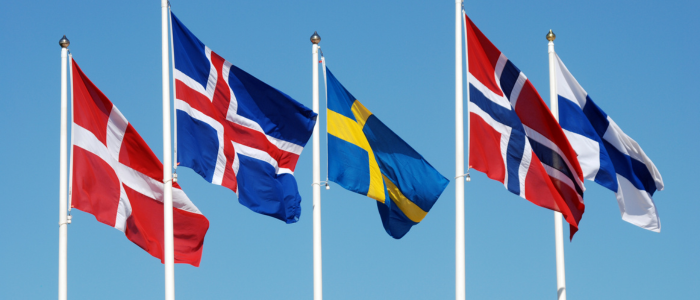
Clinical research services provider, IQVIA, has been chosen by Sitra and the Finnish Institute for Health and Welfare (THL) to lead a consortium in conducting an innovative multi-country federated analysis study as part of the VALO project.
With the European Health Data Space (EHDS) regulation expected to come into force by early 2025, countries across Europe are intensifying efforts to prepare for and implement its requirements. Among these initiatives is the VALO (Value for Nordic Health Data) project, funded by the Nordic Council of Ministers and coordinated by Sitra in partnership with the Finnish Institute for Health and Welfare (THL). The project aims to highlight the benefits of Nordic collaboration in the secondary use of health data.
As part of VALO, Sitra and THL have announced an innovative multi-country study to advance federated data analysis methods. This study, focusing on patients with metastatic non-small cell lung cancer (NSCLC), will compare the quality of care across Denmark, Finland and Norway by analyzing oncology data in the observational medical outcomes partnership (OMOP) common data model format. The federated approach ensures data remains locally stored and analyzed at each participating site, safeguarding patient privacy while enabling valuable insights.
The study, led by a consortium headed by IQVIA, includes collaboration with leading Nordic university hospitals such as Oslo University Hospital (Norway), Helsinki University Hospital (Finland), and Rigshospitalet (Denmark) as data partners. Observers from Karolinska University Hospital and Karolinska Institutet (Sweden), as well as Landspítali University Hospital (Iceland), will contribute their expertise. As well as informing preparations for the EHDS, outcomes of the study will generate recommendations to improve data sharing and use in the Nordics, identifying strengths, weaknesses, and gaps in the current process. The pilot study will run from November 2024 to October 2025.
The Nordic countries are globally recognized for their excellence in real-world data (RWD) collection, supported by high-quality,securely managed social and health data registries developed over decades. The use of personal identifiers allows for linking data across multiple registries, and the early adoption of electronic health record systems has further strengthened capabilities. These shared features, alongside individual national strengths in infrastructure and resources, place the Nordic region in a favorable position within the global health data landscape, as highlighted in a recent report from the VALO project.
As explained by Persephone Doupi, Senior Medical Officer at THL, “The utilization of high-quality health data across borders is gaining prominence with the forthcoming EHDS regulation. The Nordic region aims to stay at the forefront of this field, and the pilot experiences and insights from the VALO project will be instrumental in helping us achieve our shared objectives.”
| Register for free today to become a member of The Evidence Base and receive the latest news straight to your inbox. |