
Shingles vaccination linked to lower dementia risk in observational study
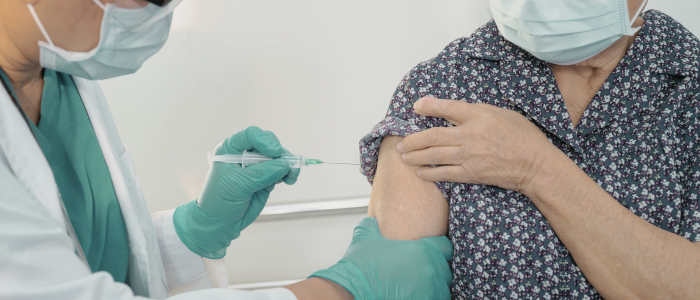
A large natural experiment using large-scale electronic health record data from Wales suggests the shingles vaccine (Zostavax) may reduce dementia risk by 20%, highlighting potential cognitive benefits of vaccination.
The recent study, titled ‘A natural experiment on the effect of herpes zoster vaccination on dementia’ offers new real-world evidence suggesting that the shingles vaccine may help reduce the risk of developing dementia. The research, which used a robust natural experiment design, estimated that receiving the live-attenuated herpes zoster vaccine (Zostavax) was associated with a 20% relative reduction in new dementia diagnoses over a 7-year follow-up period.
The study leveraged a policy introduced in 2013, which made individuals born on or after 2 September 1933 eligible for the vaccine, while those born earlier remained ineligible. This strict eligibility cut-off created two groups of individuals who were nearly identical in age and background but had very different chances of receiving the vaccine. This setup allowed researchers to use a regression discontinuity design, a type of quasi-experimental method that estimates causal effects by comparing outcomes between people who are otherwise similar but differ in their exposure to the intervention. As the authors explained, “all potential confounding variables are in expectation balanced between our comparison groups,” which strengthens the credibility of the findings.
Quasi-experimental approaches like this are supported by NICE’s Real-World Evidence guidelines as useful alternatives when randomized trials are not feasible and there is an elevated risk of confounding from unmeasured factors. According to NICE, these methods are recommended when “an appropriate instrument is available that is associated with the exposure of interest and does not affect the outcome except through the exposure.” In this study, the date-of-birth threshold that determined eligibility for the shingles vaccine served as the instrument. This allowed researchers to estimate the vaccine’s effect on dementia risk while minimizing the potential for confounding.
The study’s results were consistent across additional analyses, including a difference-in-differences instrumental variable model. Researchers also ruled out other possible explanations by showing that no other healthcare interventions used the same date-of-birth eligibility rule, and that healthcare behaviors, comorbidities, and education levels were balanced across the threshold.
Despite the study’s strengths, experts have urged caution in interpreting the results:
“This study had an observational design, so we need to be cautious in assuming the vaccine itself caused this decline in dementia diagnoses,” said Dr Joseph Doyle, Professor of Infectious Diseases at Monash University and President of the Australasian Society for Infectious Diseases. “It is plausible that episodes of infection, immune system changes, or health care engagement are among the factors behind this association, but further research is needed to help determine whether there is a causal link.”
The researchers also explored possible explanations for the findings, including a reduction in reactivation of the varicella zoster virus, the virus responsible for shingles, as well as broader effects on the immune system. The protective association was more pronounced in women, which is consistent with previous evidence that live-attenuated vaccines can produce different immune responses based on sex.
Other research is also exploring this potential link. GSK, in partnership with the UK Dementia Research Institute and Health Data Research UK, is conducting a large-scale study using NHS data to assess whether the recombinant zoster vaccine (RZV) reduces dementia risk in adults aged 65 and 66.
While further research is required to confirm causality and investigate mechanisms, the study illustrates how natural experiments can offer valuable insights into vaccine effects in real-world populations, particularly when randomized trials are not feasible.
| Register for free today to become a member of The Evidence Base and receive the latest news straight to your inbox. |