

Increased risk of fungal infection associated with new anti-inflammatory drug
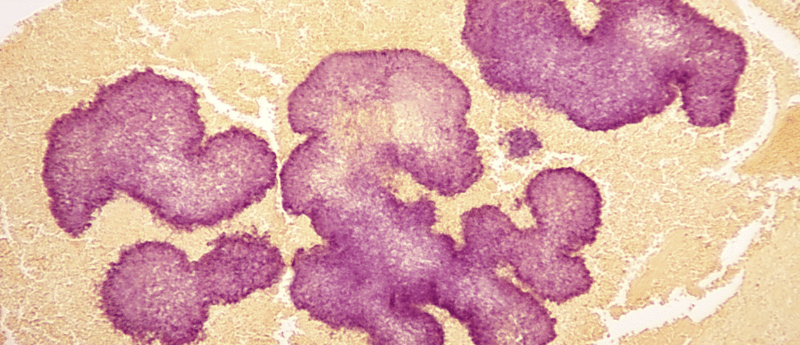
A study published in The Lancet Regional Health – Europe has foun...
A study published in The Lancet Regional Health – Europe has found that the IL-17 inhibitor, an anti-inflammatory drug used to suppress the development of an autoimmune disease, is ten to 30 times more likely to cause a fungus infection, Candida, in the esophagus, pharynx or oral cavity in individuals.
IL-17 inhibitors first came onto the market in 2015 and have been prescribed considerably since. Infectious disease specialist Bart-Jan Kullberg (Radboud University Medical Center, The Netherlands) has followed the development of this new drug since its introduction, and queried why “are patients on these medications more prone to fungal infections?"
This is because “IL-17 plays an important role in the defense against fungi, such as Candida” so it was of interest to the researchers that patients on this drug were more prone to developing an infection.
This study used real-world evidence by using databases from the World Health Organization (WHO) and European Medicines and Agency (EMA) to investigate adverse reactions and how often fungal infections were reported in recipients of this drug.
First author Linda Davidson (Radboud University Medical Center) found that patients using IL-17 inhibitors are also prescribed antifungal medication.
To demonstrate this, Davidson isolated immune cells from the patients taking IL-17 inhibitors and exposed them to laboratory-controlled fungi and discovered a decreased response.
You may also like these other articles:
Through four research approaches and four independent study methods, Davidson noted that patients taking this inhibitor were at “an increased risk of Candida fungal infections.” The researchers of this study confirmed their results through the real-world data provided by the WHO and EMA adverse events reports.
However, despite the increased risk of fungal infection, Kullberg explained that “the benefits of these biologics against IL-17 are impressive,” therefore it is important that physicians are aware of the side effects of this anti-inflammatory drug so that an intervention can be made quickly with antifungal medication.
In very “few cases it might be necessary to stop using the IL-17 inhibitor because of persistent fungal infections,” otherwise the positives outweigh the negatives, with side effects requiring management.