

Examining global healthcare access in the latest Access to Medicine Index report
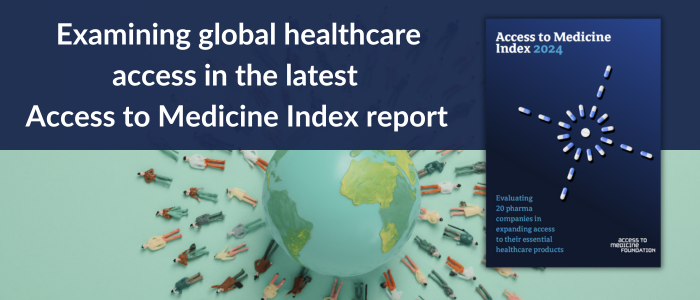
The 2024 Access to Medicine Index highlights progress and persistent gaps in global healthcare, urging action on clinical trials, local access, and equitable medicine distribution.
The 2024 Access to Medicine Index, released every 2 years by the Access to Medicine Foundation, evaluates 20 leading pharmaceutical companies on their efforts to expand healthcare access in low- and middle-income countries (LMICs). Covering vaccines, diagnostics, and treatments for 81 critical diseases, the report reveals both advancements and ongoing disparities.
In this report, Novartis has claimed the top spot for the first time, surpassing long-time leader GSK, which now ranks second. Other high performers include Sanofi (3rd), Pfizer (4th), and a tie for 5th between AstraZeneca and Johnson & Johnson. Despite these achievements, the Index notes that no company has achieved a perfect score, highlighting untapped potential across the industry.
Persistent disparities in global access
“Despite incredible progress in global health, a stark reality remains. Billions of people still can't access the medicines and healthcare they desperately need, from life-saving treatments for chronic diseases to critical interventions against common infections and outbreaks,” said Jayasree Iyer, CEO of the Access to Medicine Foundation. She emphasized that, “half of the global population still struggles to reach basic healthcare services, deepening the divide between those with access and those without.”
The Index evaluated companies across three technical areas—Governance of Access, Research & Development (R&D), and Product Delivery—spanning 113 LMICs. While some progress has been made, the report notes that the pace of change is slow, with coverage unevenly distributed. Vulnerable populations in the poorest regions, where disease burdens are often highest, remain underserved.
Key findings
The index highlighted three key findings:
- Pharma companies are taking steps to address access in low-income countries, but significant gaps remain
Some companies are adopting business models prioritizing low-income and least-developed countries; however, implementation remains limited, and transparent reporting on patient reach is lacking. “This shift highlights the need for pharmaceutical companies to not only develop healthcare products but also ensure they reach the people who need them most,” emphasized Iyer.
- Patients in LMICs are left out of clinical trials, limiting access to new treatments
Only 43% of clinical trials analyzed are conducted in LMICs, with just 3.5% in low-income countries. Iyer explained, “Access planning during clinical trials is critical to ensure that new treatments reach those in need after regulatory approval. Most companies... will only, or mainly, seek approvals in countries where they run clinical trials. Since trials are conducted in only a few LMICs, access plans are often confined to these regions, ultimately widening the access gaps instead of closing them.”
- Efforts to ramp up wider local availability of medicines are limited
Voluntary licensing and technology transfers are critical tools for expanding local access. Historically, these mechanisms have increased availability for treatments such as HIV and hepatitis C. However, only two new non-exclusive voluntary licensing agreements were issued during the analysis period, with efforts concentrated in Brazil, China, and India. Sub-Saharan Africa, which bears 20% of the global disease burden, remains overlooked. “The COVID-19 pandemic initially sparked real progress in improving access to medicines and boosting local manufacturing. However, the 2024 Index finds a significant slowdown, with a drop in licensing activity... Companies need to partner with [local manufacturers] to boost access and strengthen local production capacity, ensuring a steady supply of medicines and helping build strong, self-sustaining healthcare systems in LMICs," noted Iyer.
Performance across technical areas
Governance of Access showed the strongest performance, with companies implementing robust policies. However, improvements in tracking and reporting patient reach are needed to ensure these strategies translate into meaningful outcomes.
R&D was the weakest area, with gaps in product development and limited access planning. The number of priority R&D projects has declined since the last Index, and many companies continue to deprioritize diseases like malaria and tuberculosis, which disproportionately affect LMICs.
Product Delivery revealed a mix of successes and challenges. While companies have made progress in health system strengthening, voluntary licensing and local manufacturing initiatives have stagnated, limiting the broader availability of medicines.
Recommendations for change
The Index emphasizes the need for urgent action to close the access gap. Companies must expand clinical trial representation in underserved regions, strengthen partnerships with local manufacturers to scale voluntary licensing and technology transfers, and enhance transparency in patient reach data to track and share successful access strategies.
Iyer urged all stakeholders to reflect on their roles in addressing these challenges:
"Everyone, regardless of geographical location, background, or financial situation, deserves access to life-saving medicines. Ask yourself, what am I doing to make this a reality?"
| Register for free today to become a member of The Evidence Base and receive the latest news straight to your inbox. |