

Delivering real-time, data-driven insights across the evidence lifecycle

How AI-enabled insights are reshaping evidence strategy
The gap between clinical signal and research insight has long been one of the most persistent challenges in health outcomes research. Data curation is slow, feasibility assessments are resource-intensive, and by the time evidence reaches decision-makers, the landscape has often already shifted.
At ISPOR 2026, Michael Simonov, MD, Senior Vice President of Product at Truveta, outlined how evidence teams can compress timelines without compromising scientific rigor.
This Deep Dive covers the key themes from that session, including:
- Why data quality, not model sophistication, is the true foundation of trustworthy AI in evidence generation
- How human-in-the-loop AI and agentic research systems are changing the operational design of HEOR workflows
- Real-world examples from the GLP-1 landscape, including early uptake analysis of oral semaglutide, formulary-driven switching following the CVS Caremark coverage change, and discontinuation patterns extracted from unstructured clinical notes
- How observational RWD analyses may "pre-replicate" randomized trial findings, illustrated by tirzepatide vs semaglutide weight-loss outcomes identified more than a year before SURMOUNT-5 publication
Read the full Deep Dive to explore how AI-enabled systems are enabling a more iterative, responsive model of evidence generation.
About the speaker
Michael Simonov, MD
Sr. Vice President, Product, Truveta
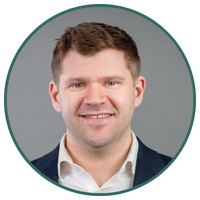
Michael Simonov, MD, SVP of Product Management at Truveta, is an internist and clinical informaticist whose primary career focus has been leveraging electronic health record data for improving human health. At Truveta, he leads the product and clinical informatics teams to ensure Truveta Data and Truveta Studio provide the highest-quality data and analytics to fuel clinical research. Prior to this role, he served as medical information officer for research at the Yale New Haven Health System and a clinical researcher in the Yale Department of Medicine.

Sponsorship for this Deep Dive was provided by Truveta